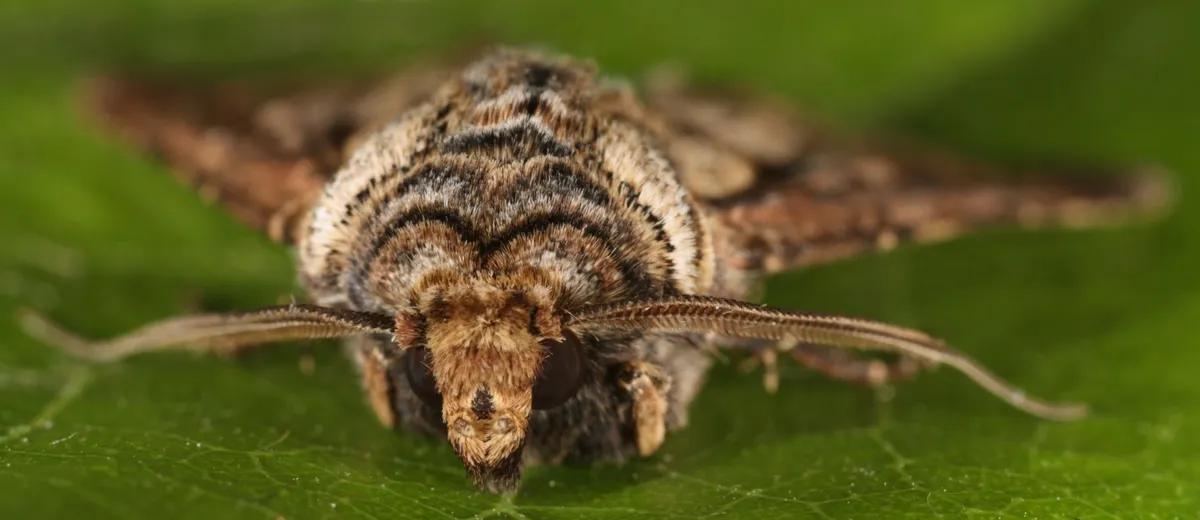
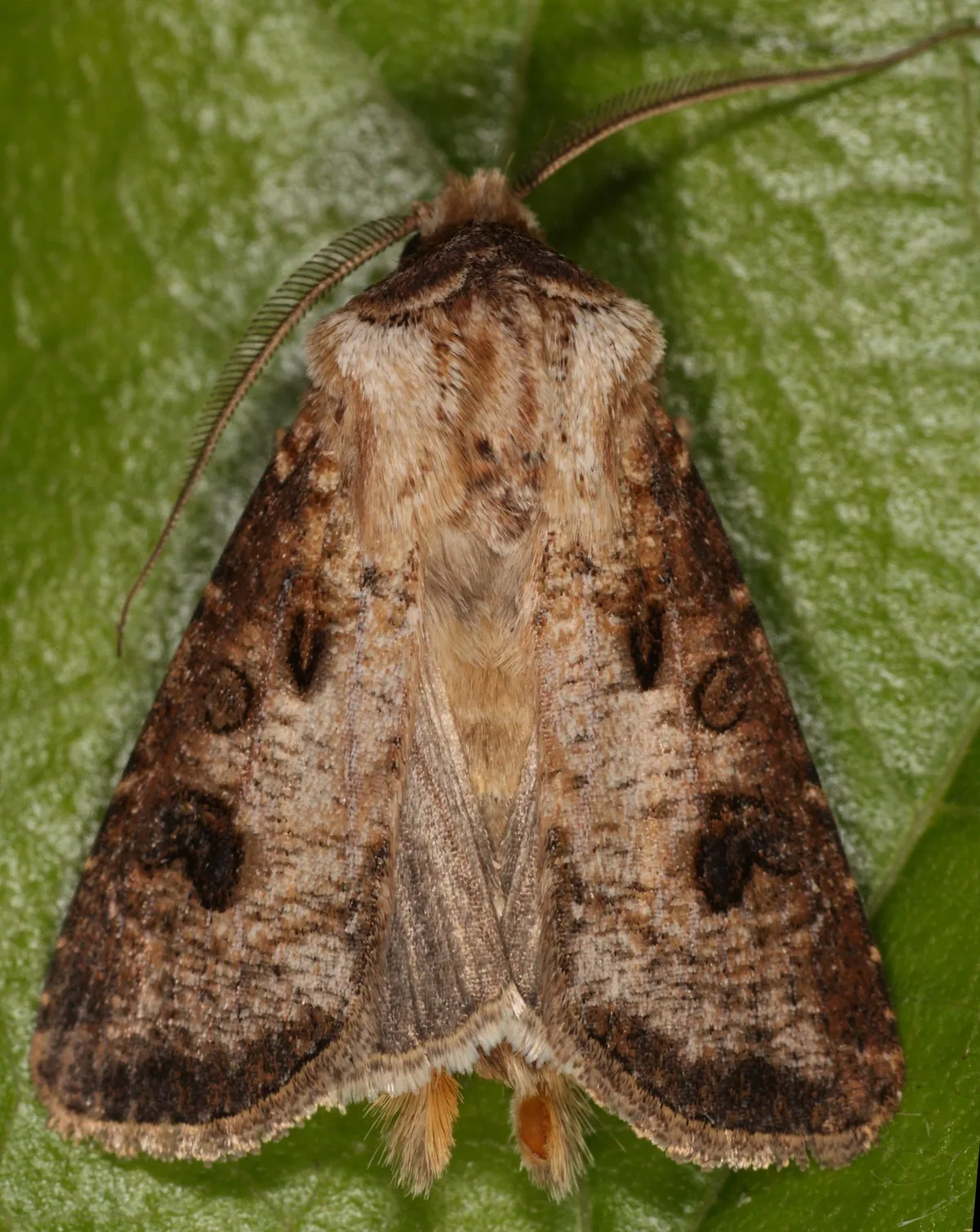
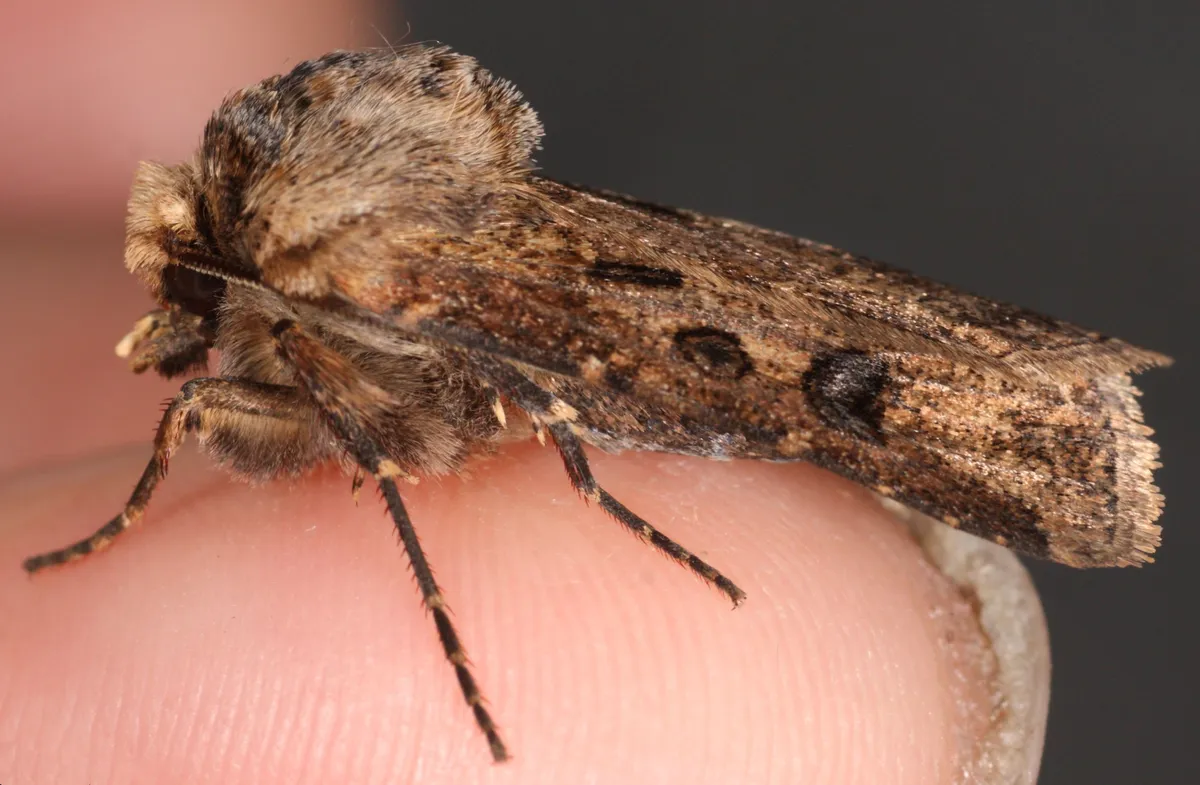
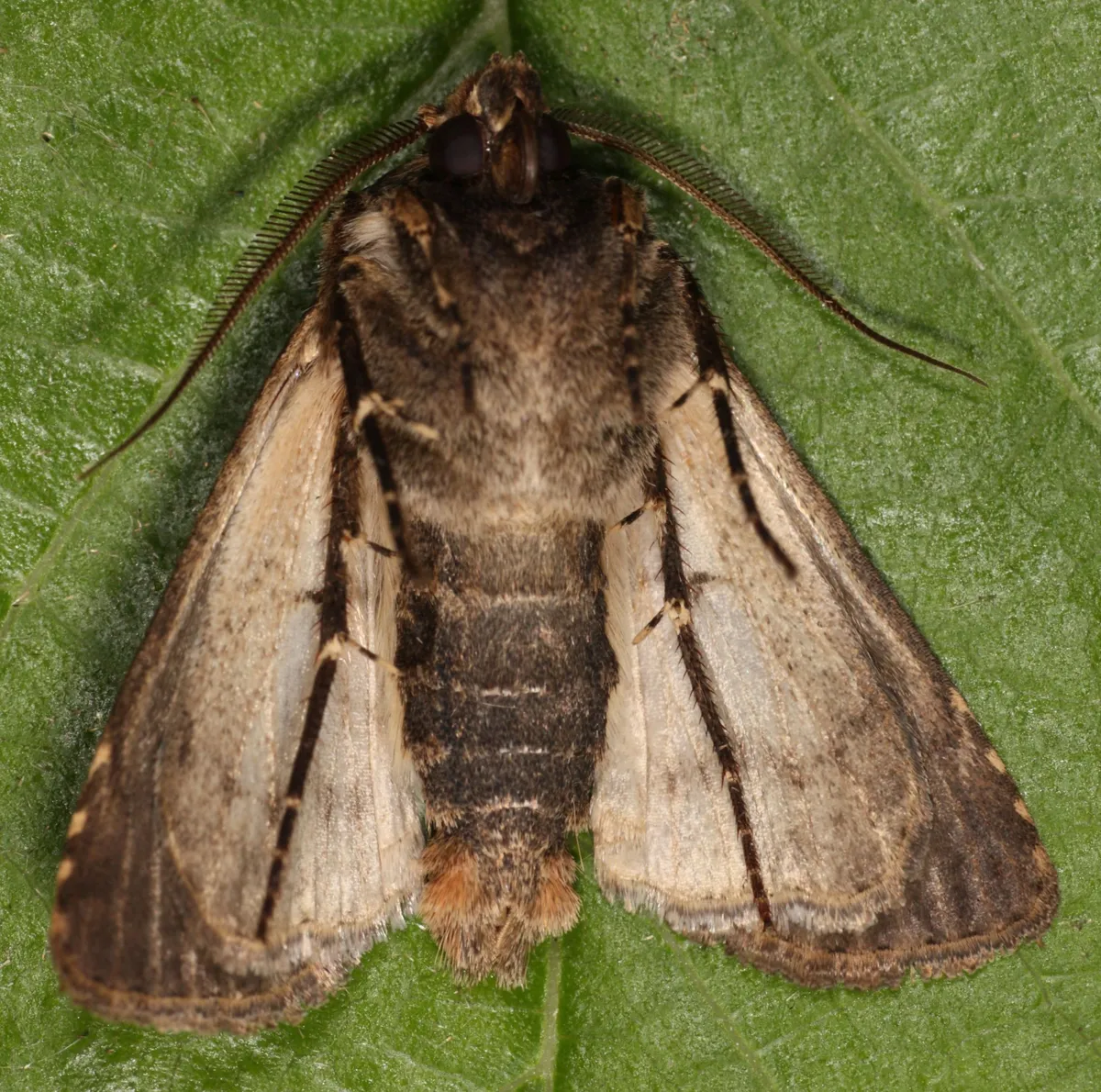
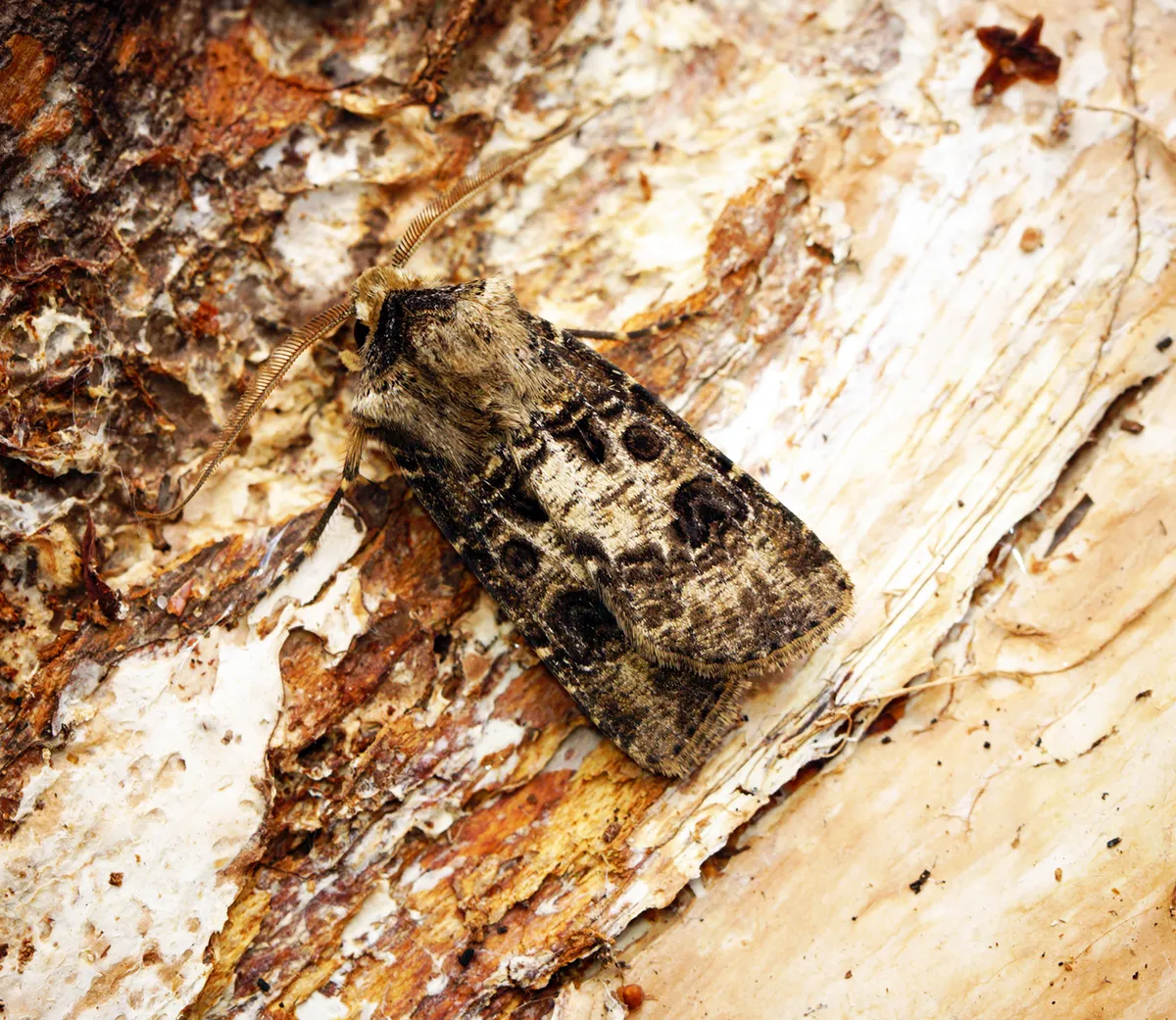
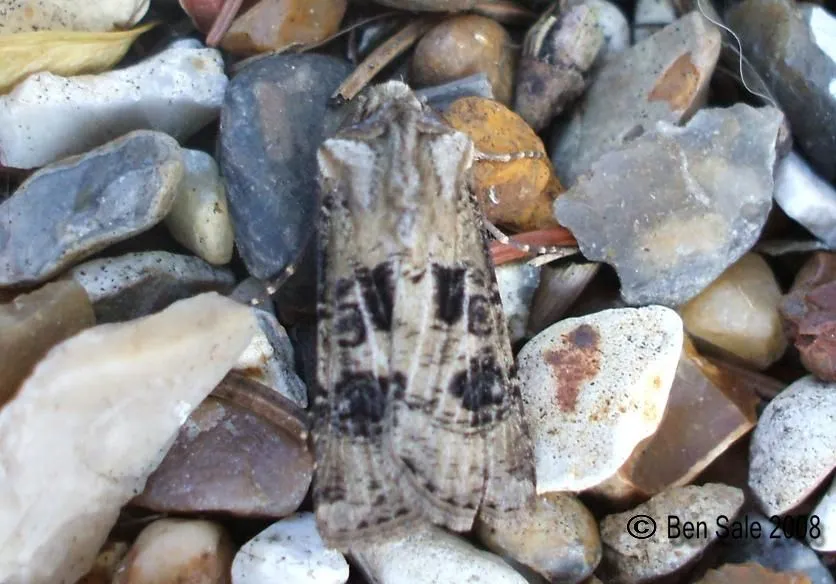
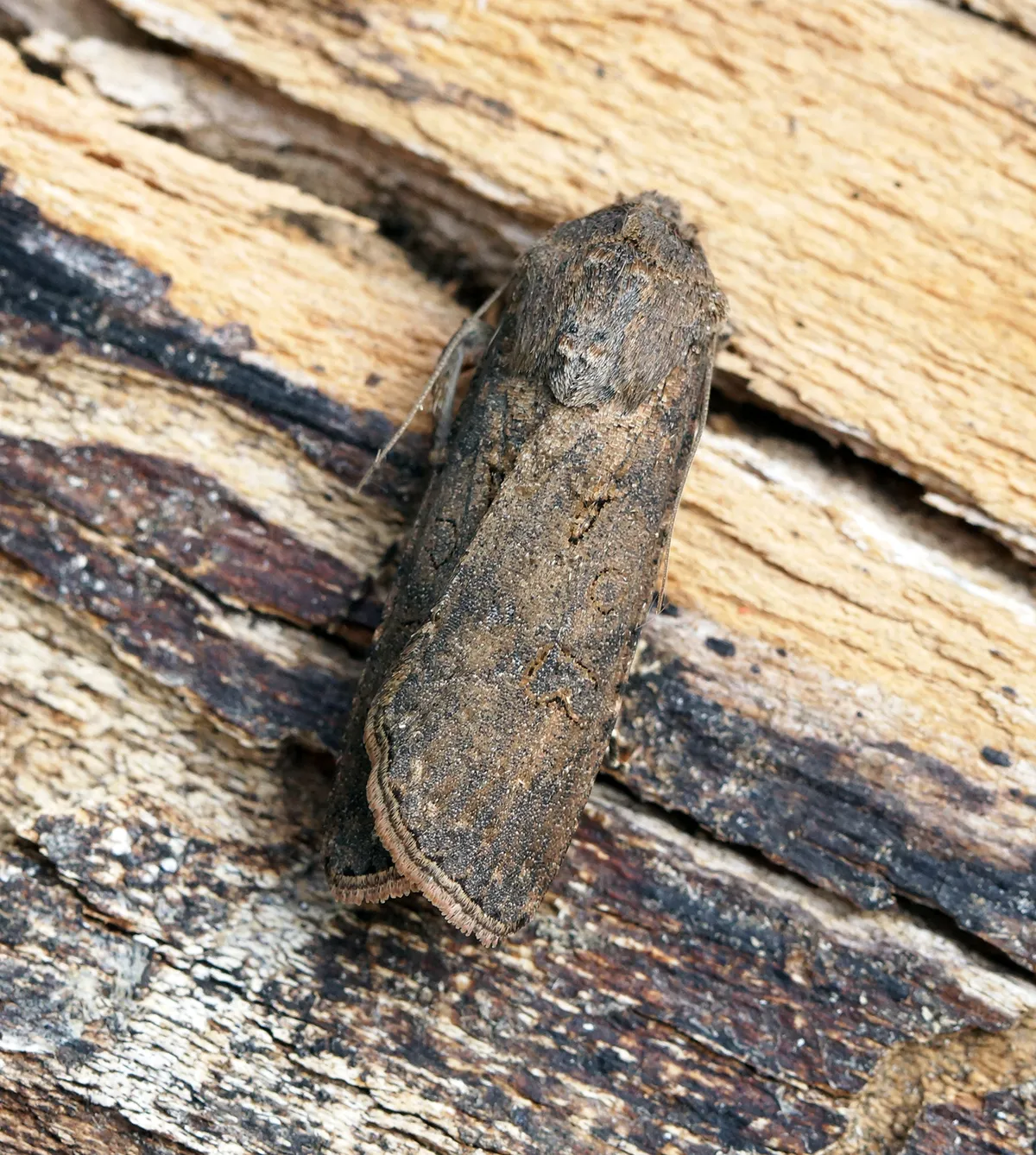
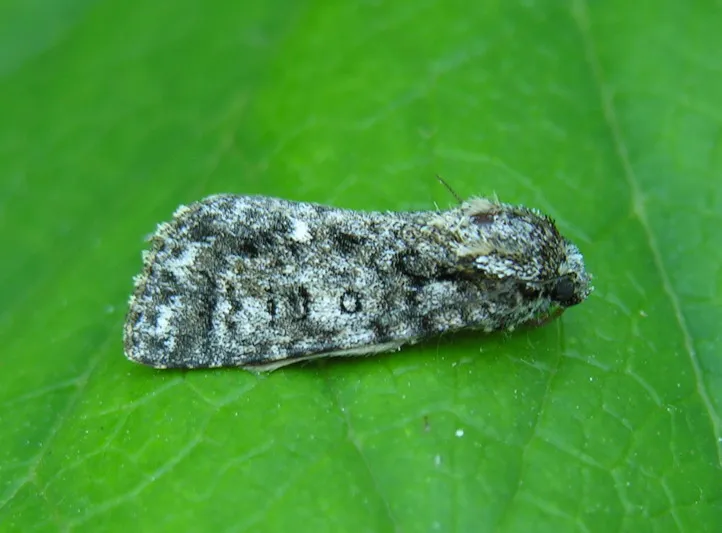
A nocturnal moth species belonging to the Noctuidae family, native to Europe. Characterized by distinctive wing patterns and known for its agricultural significance as a potential pest species.
Image Gallery
ADSENSE SLOT
Ecology & Habitat
Habitat
Widespread across temperate European regions, commonly found in agricultural landscapes, grasslands, and open woodland areas with moderate vegetation density.
Ecological Role
Plays a role in ecosystem nutrient cycling; larvae can be agricultural pests impacting crop production, particularly in cereal and vegetable farming systems.
Morphology
SKIN COATScales covering body and wings, providing thermal regulation and structural protection
LIMBS WINGSForewings with mottled gray-brown patterns resembling heart and club shapes, hindwings typically lighter gray
HEAD SENSORYCompound eyes, sensitive antennae for detecting environmental and chemical signals
BODY STRUCTURESmall to medium-sized moth, wingspan approximately 35-45 mm, with cryptic coloration enabling camouflage
Data Source: TaxonHub Database
Image Credit: Magnefl