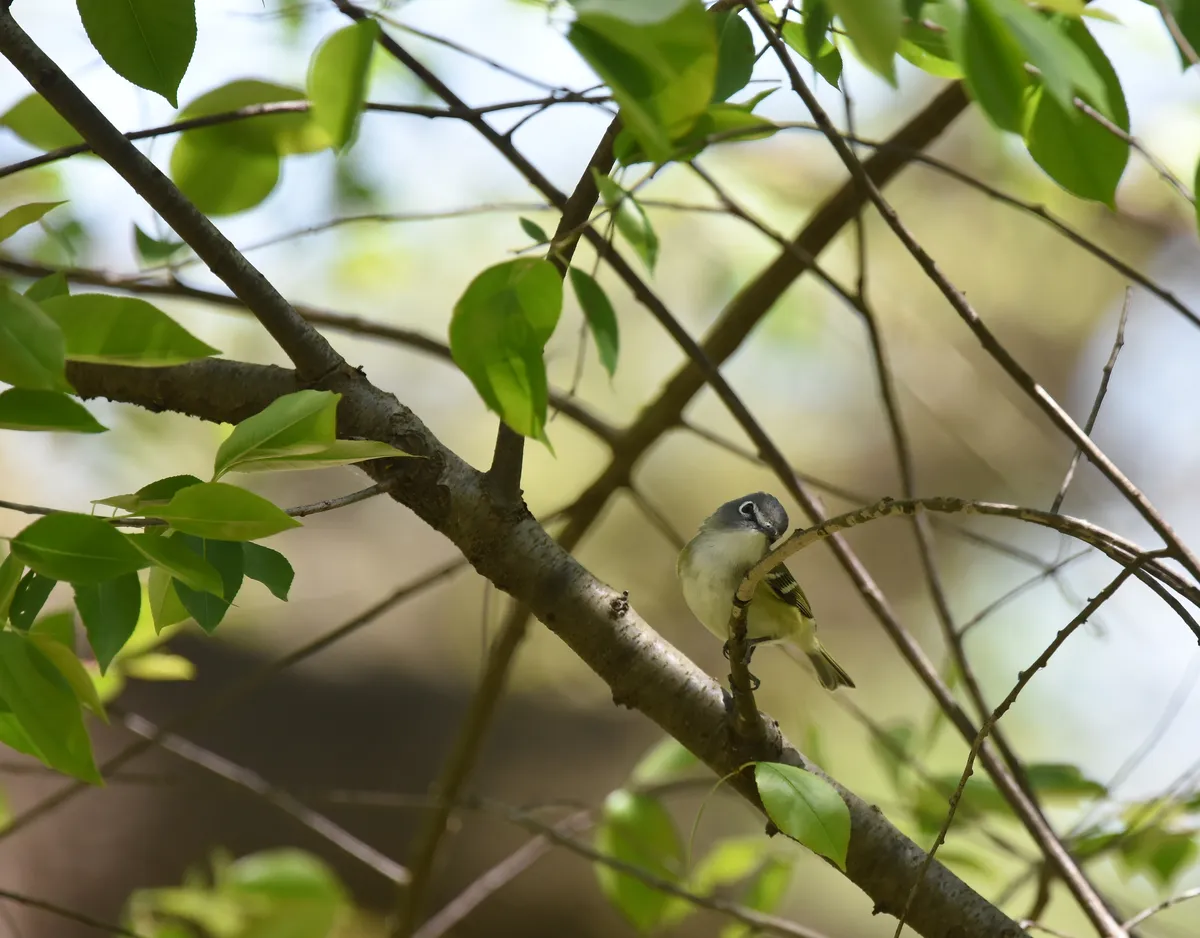
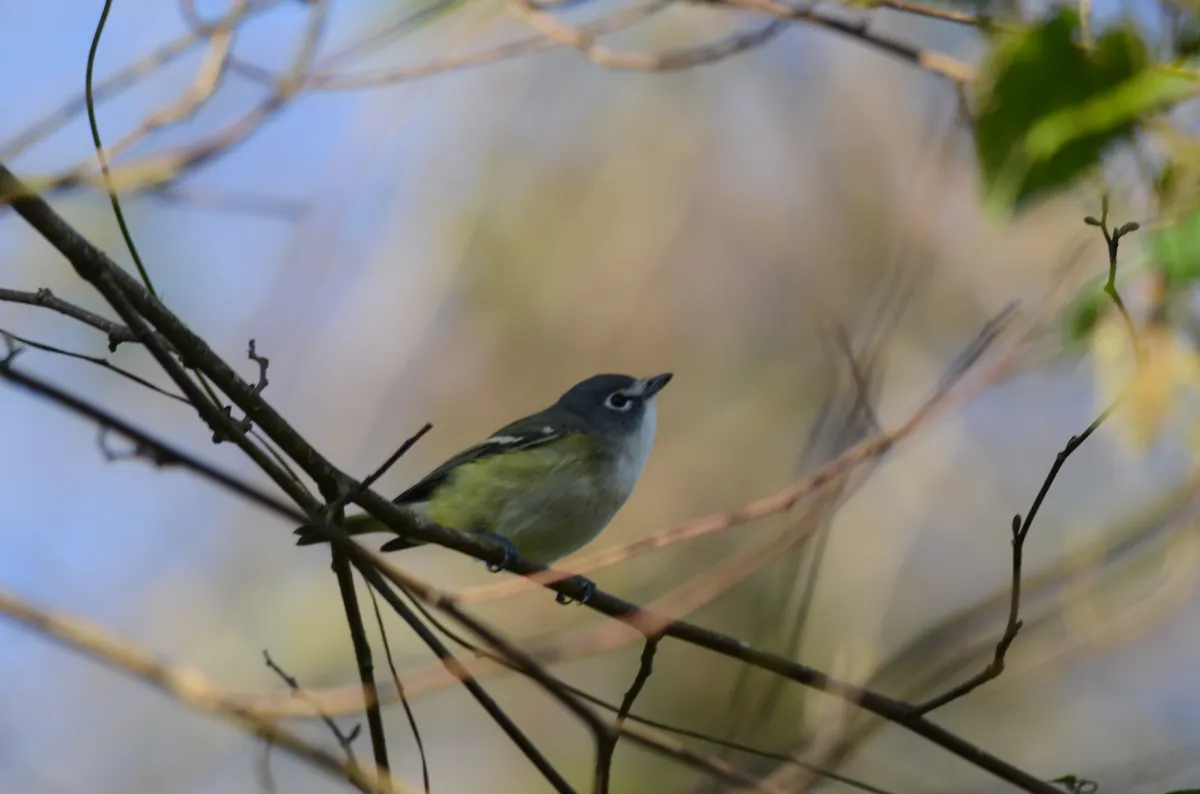
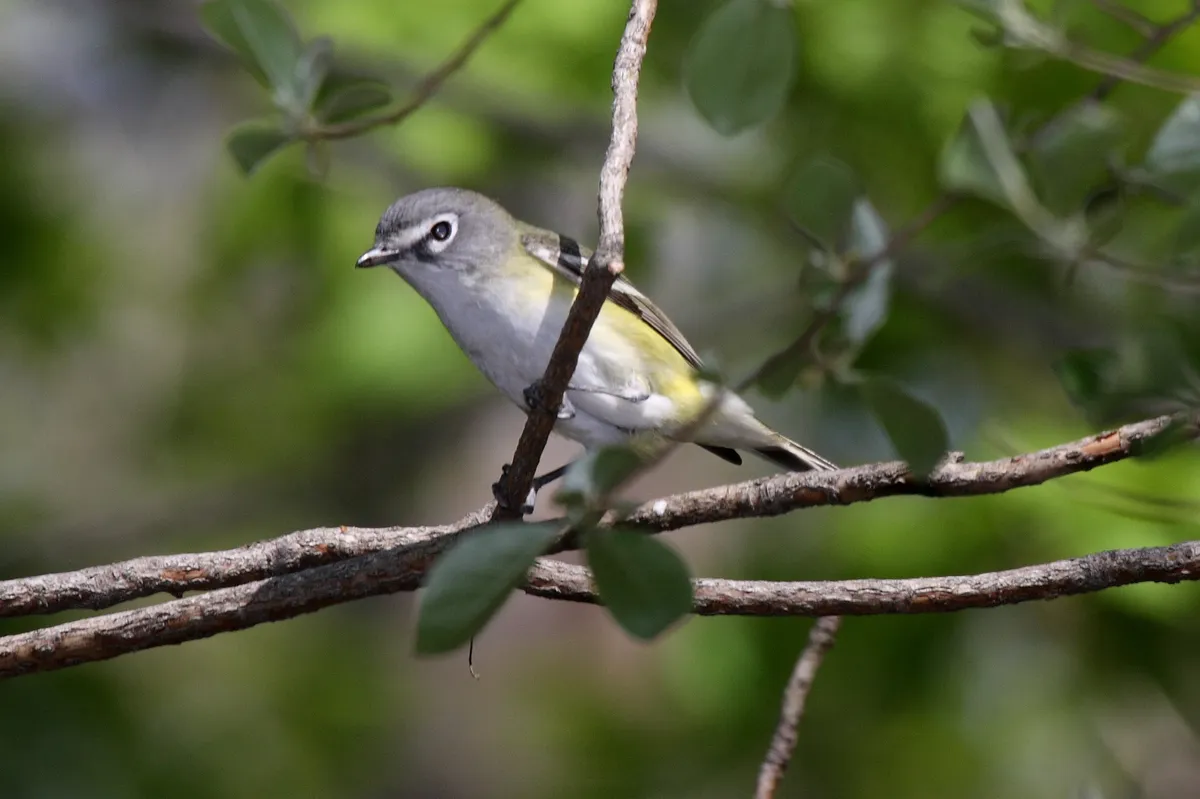
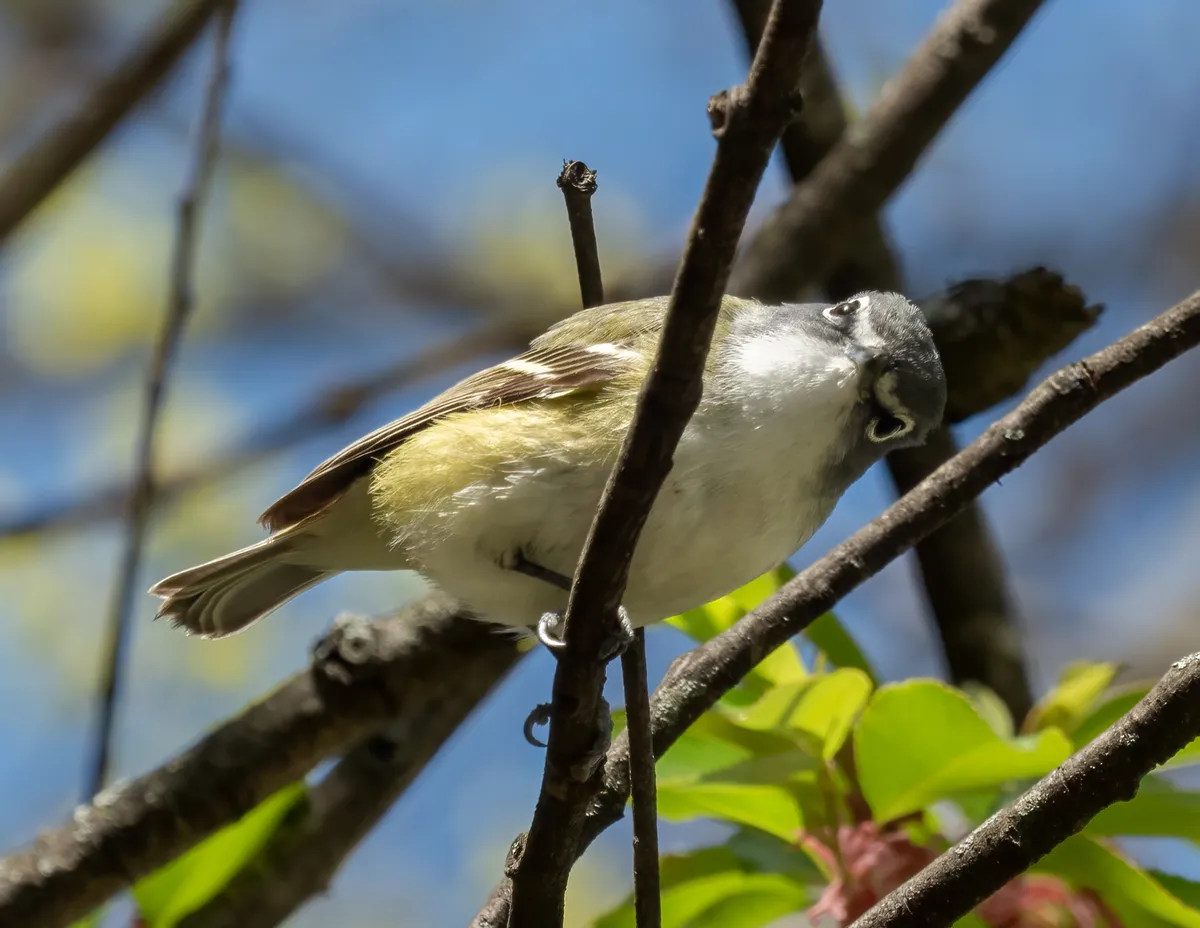
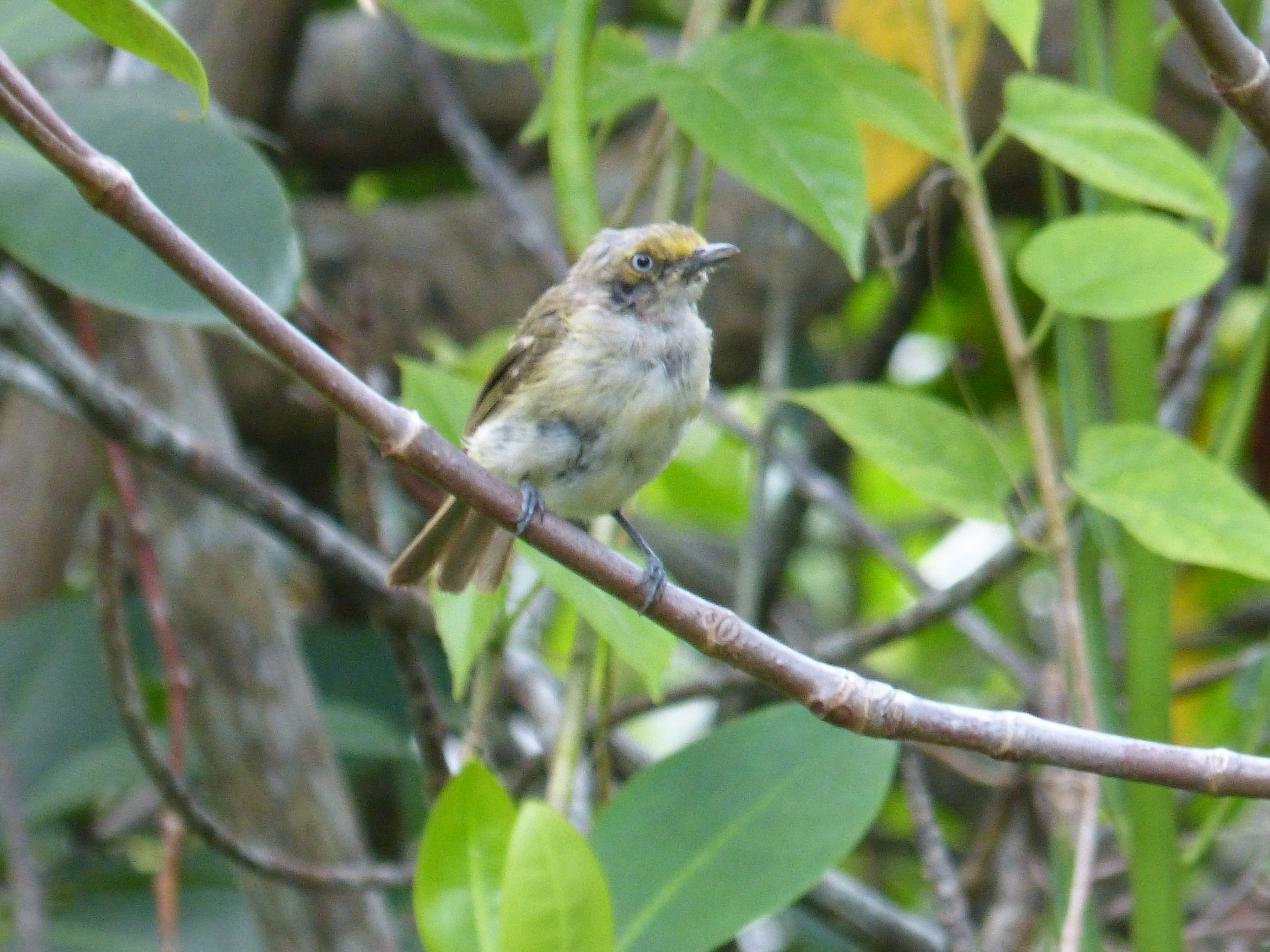
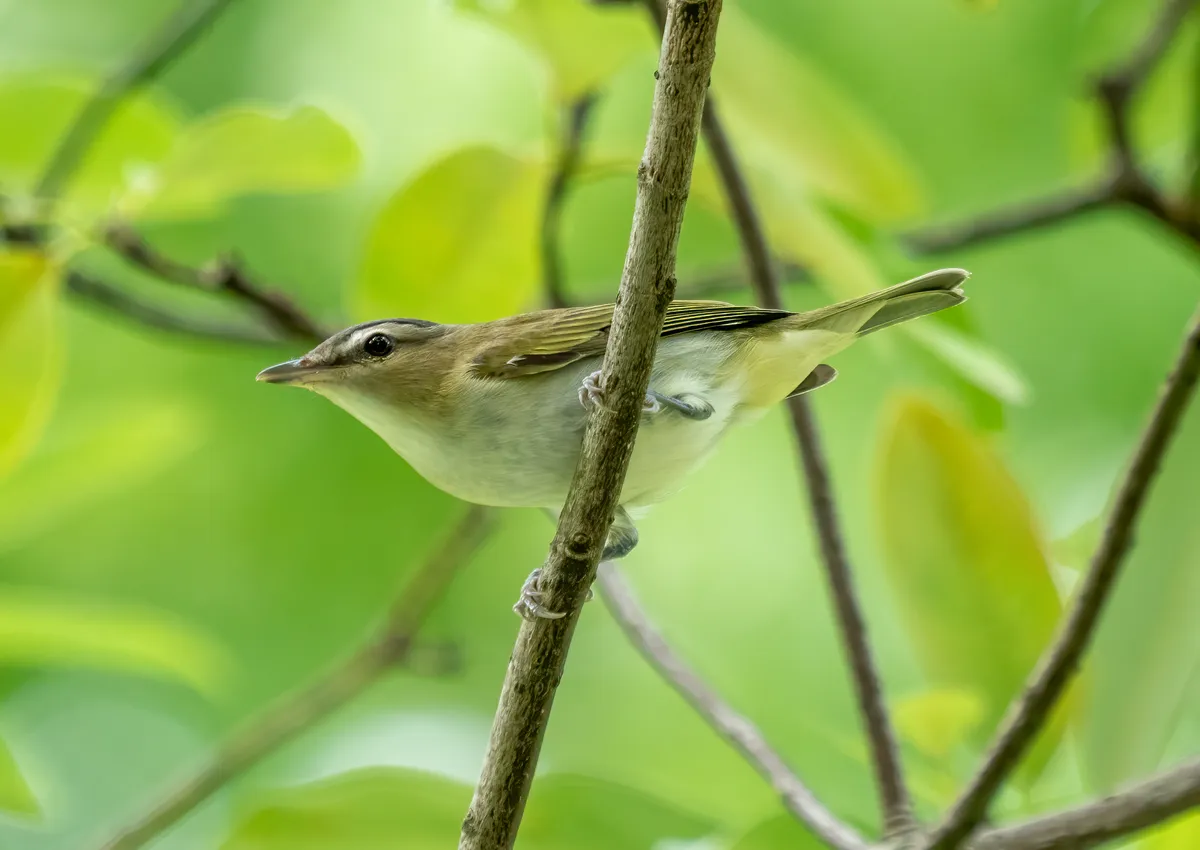
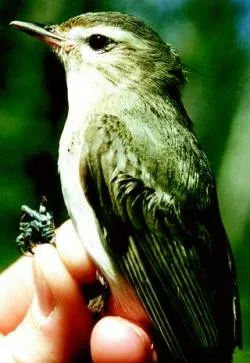
A small passerine bird native to North America, characterized by its distinctive blue-gray head and white spectacles. Known for its deliberate foraging behavior and melodious song.
Image Gallery
ADSENSE SLOT
Ecology & Habitat
Habitat
Primarily found in mature coniferous and mixed forests across northeastern and southeastern United States, with breeding ranges extending into Canada. Prefers dense woodland areas with complex forest canopies.
Ecological Role
Critical insectivore that helps control forest insect populations. Plays a significant role in seed dispersal and serves as prey for larger predatory birds.
Morphology
SKIN COATOlive-green upperparts, white underparts, white wing bars. Plumage provides excellent camouflage in forest environments.
LIMBS WINGSRelatively short wings with rounded tips, enabling agile movement through dense forest understory. Legs adapted for perching and branch-hopping.
HEAD SENSORYProminent blue-gray head with distinctive white 'spectacles' around eyes. Sharp, slightly hooked bill adapted for gleaning insects from tree branches.
BODY STRUCTURESmall songbird, approximately 13-15 cm in length, weighing 12-18 grams. Compact, robust build with a relatively large head.
Data Source: TaxonHub Database
Image Credit: Dominic Sherony