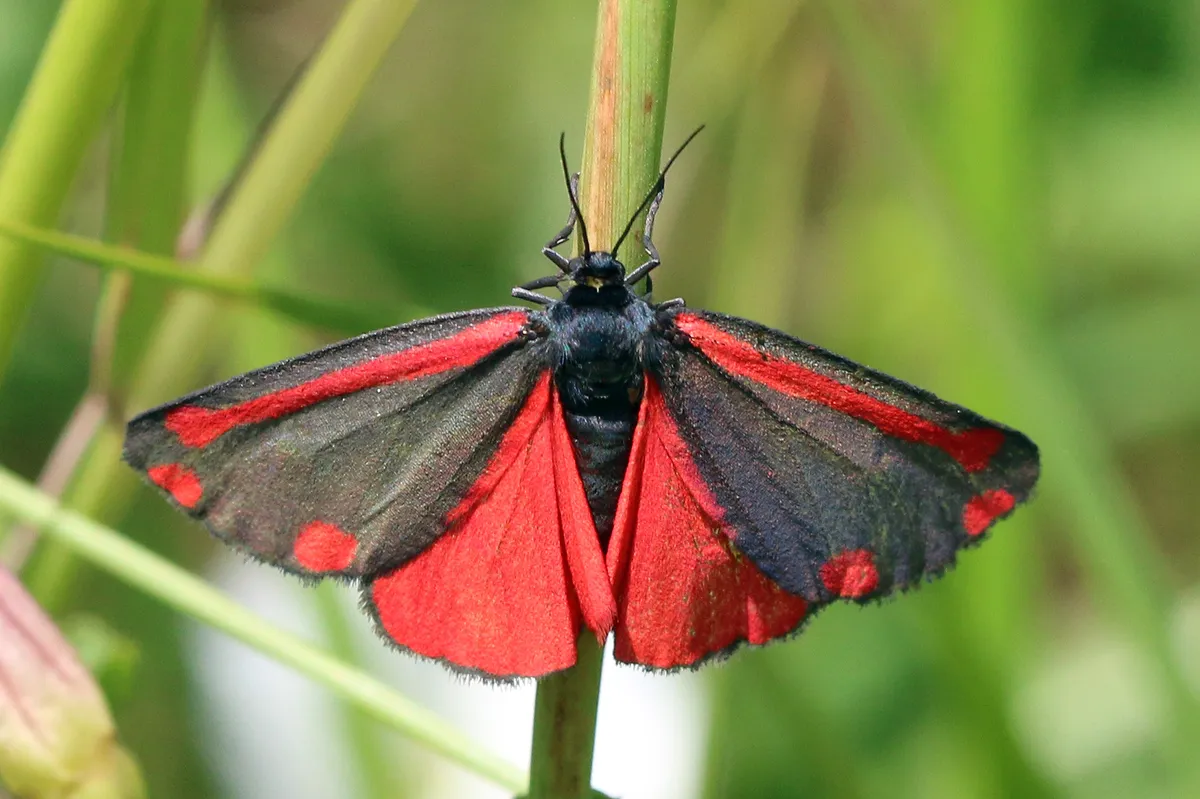
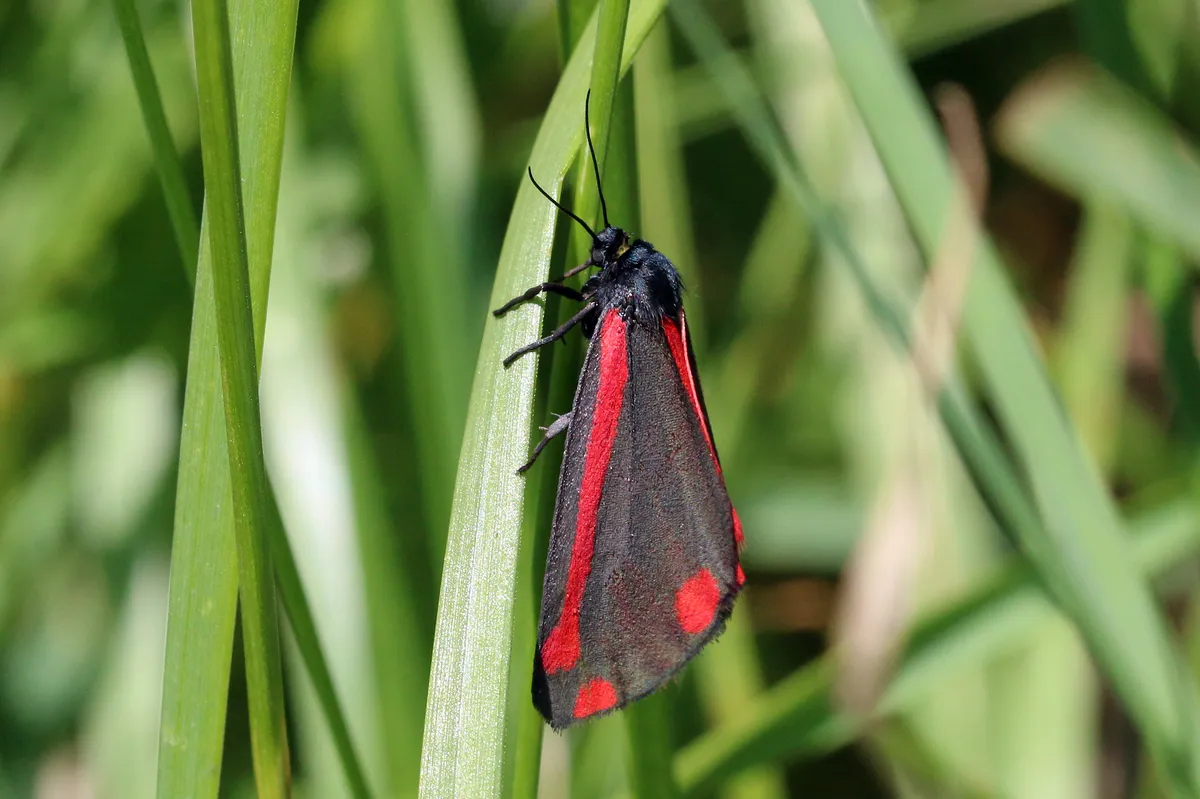
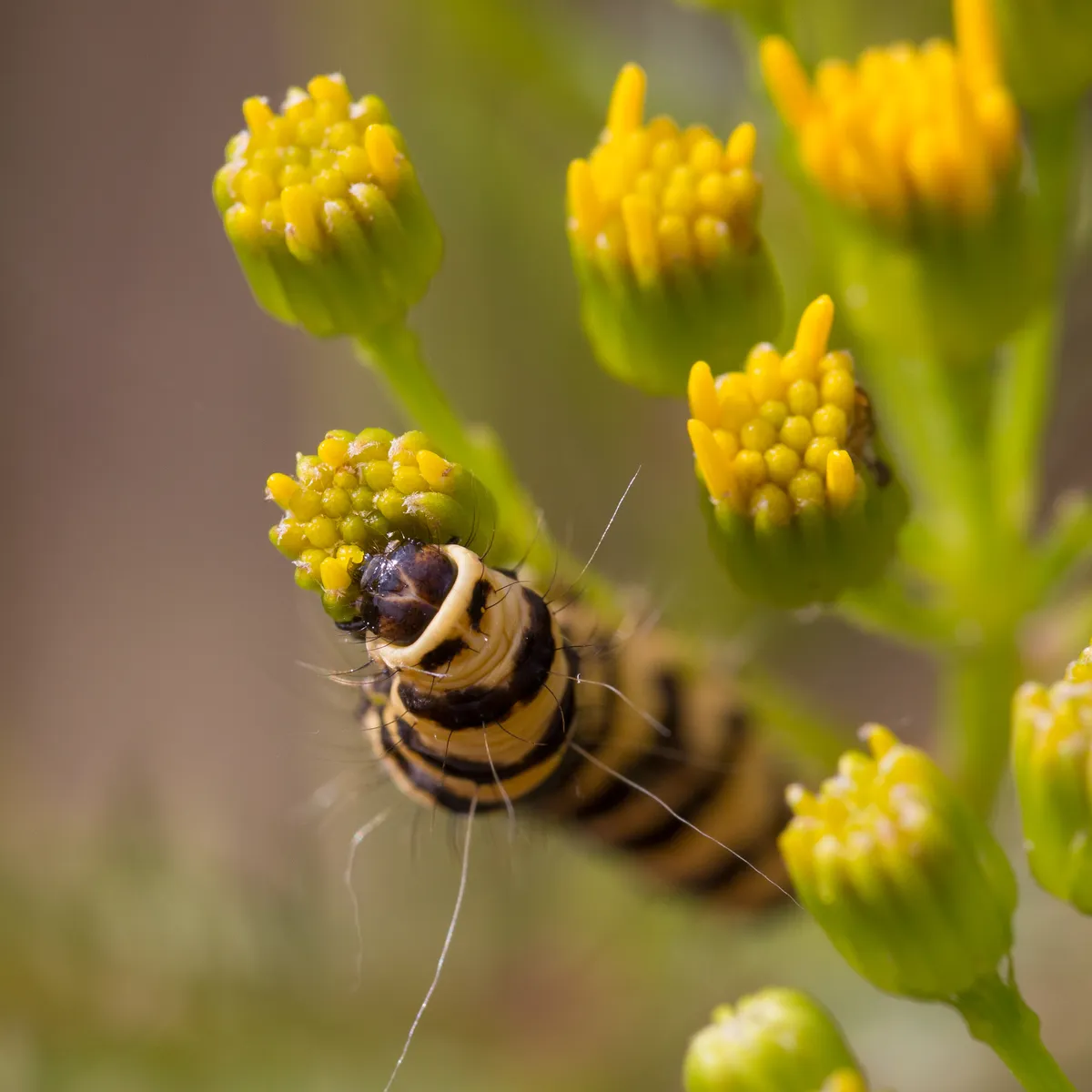
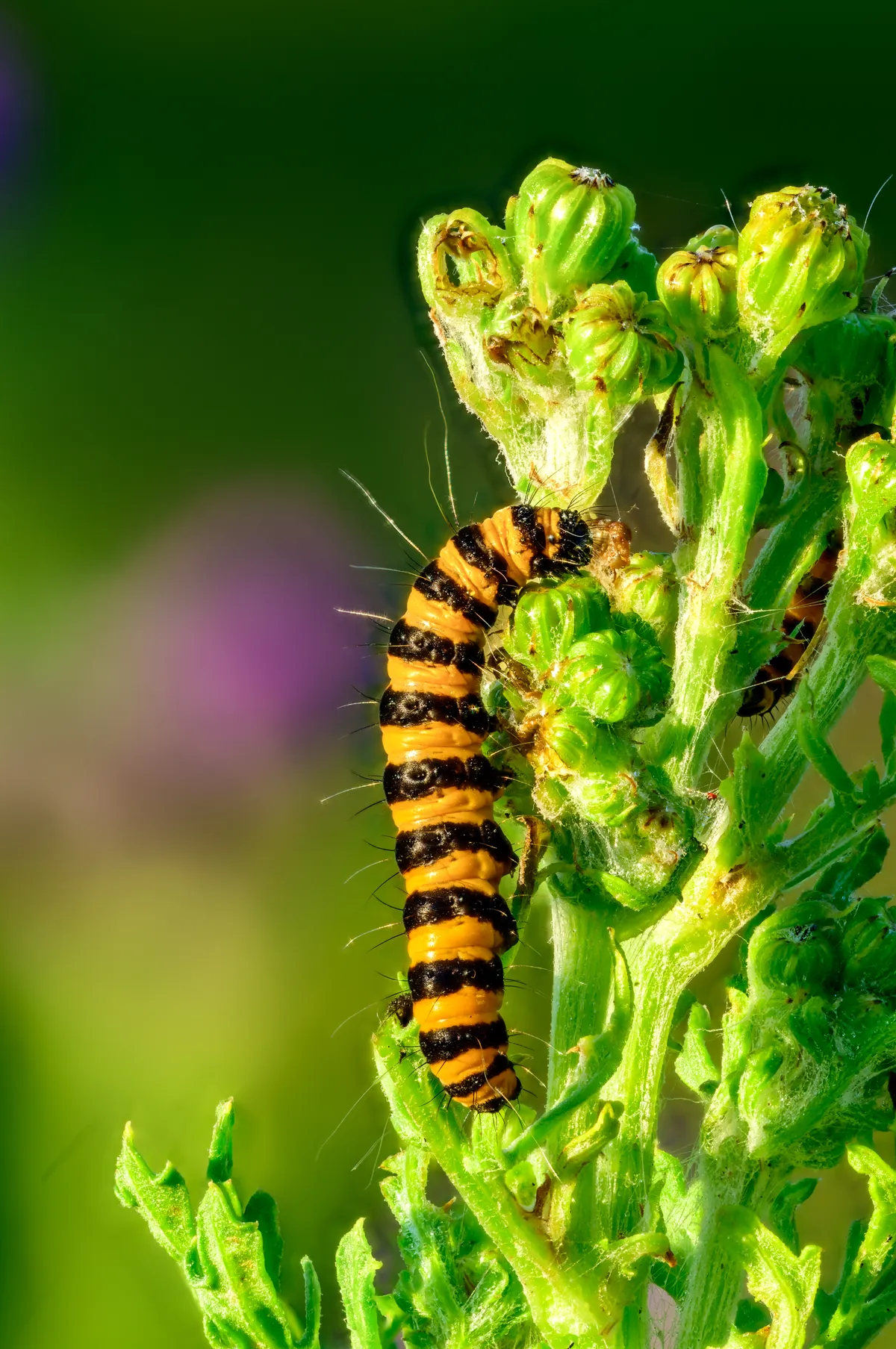
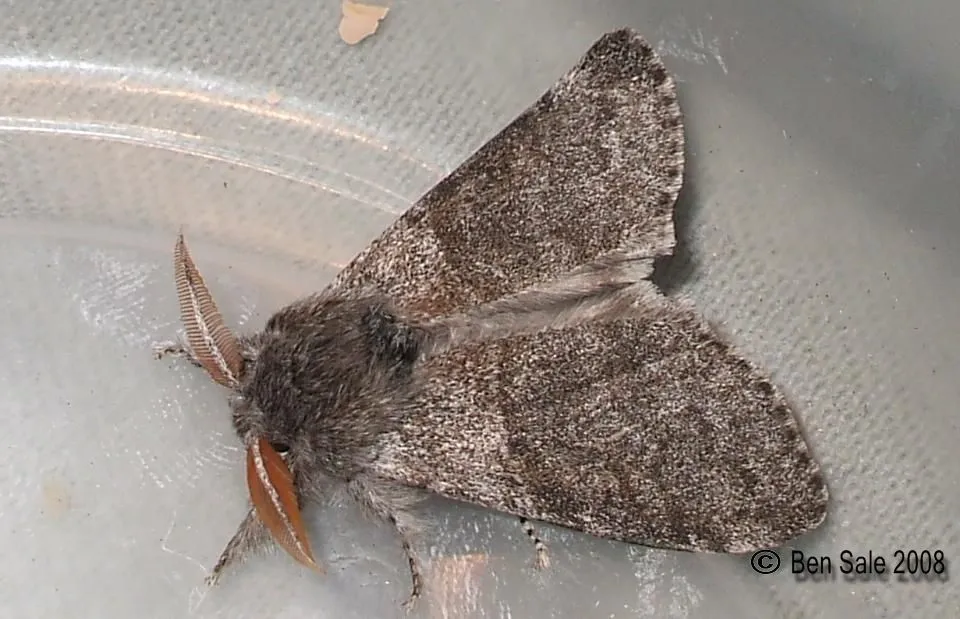
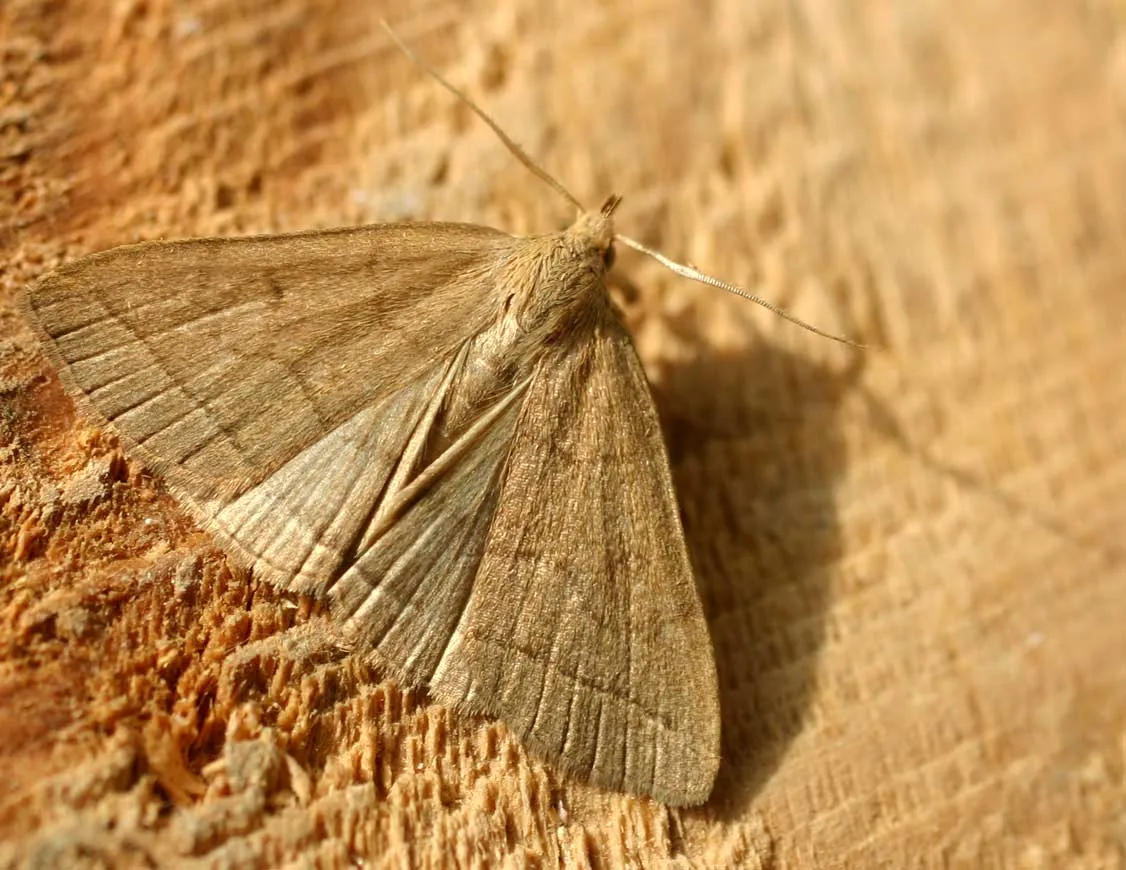
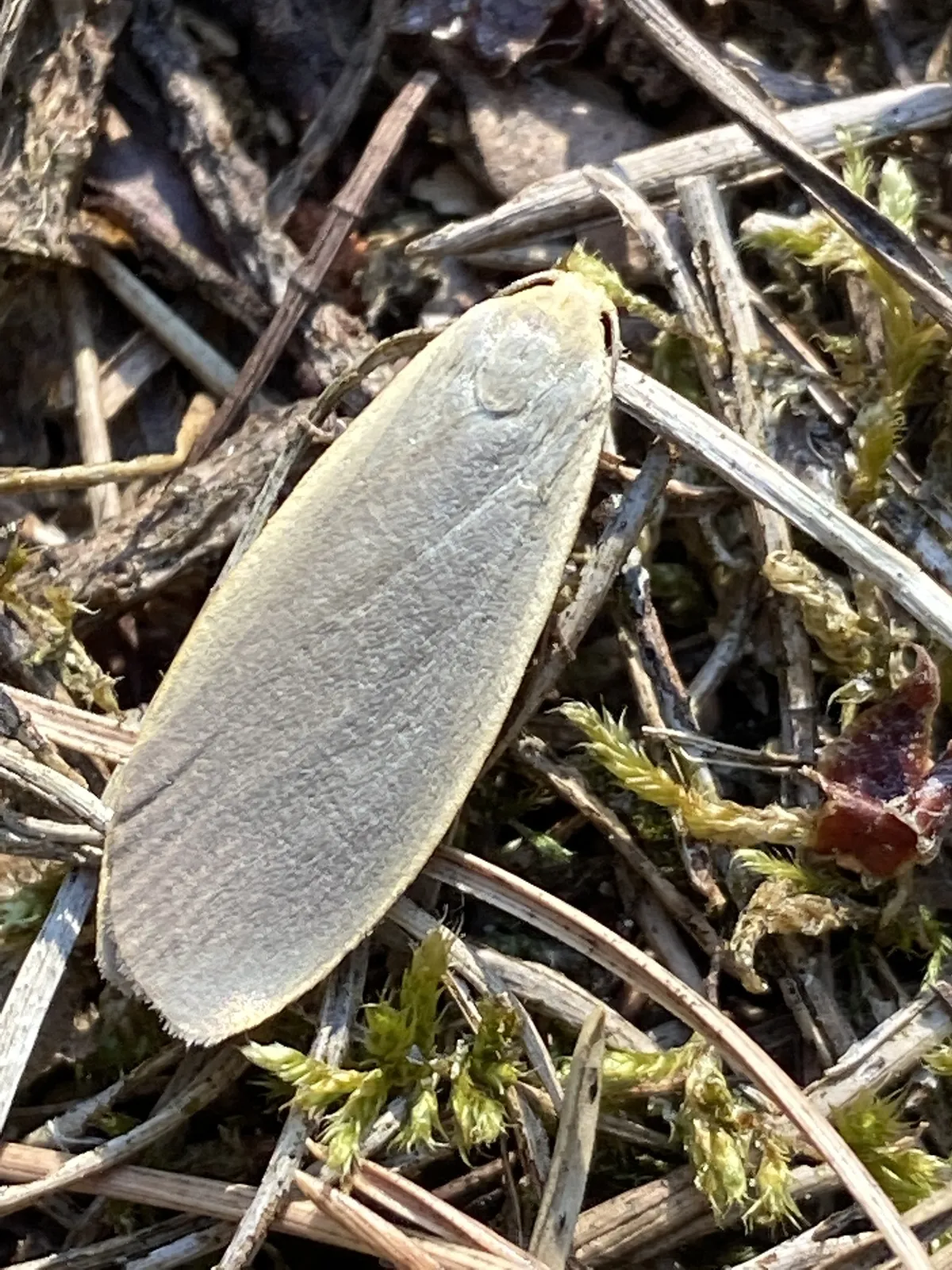
A distinctive day-flying moth species native to Europe, known for its bright red and black aposematic coloration, which signals toxicity to potential predators.
Image Gallery
ADSENSE SLOT
Ecology & Habitat
Habitat
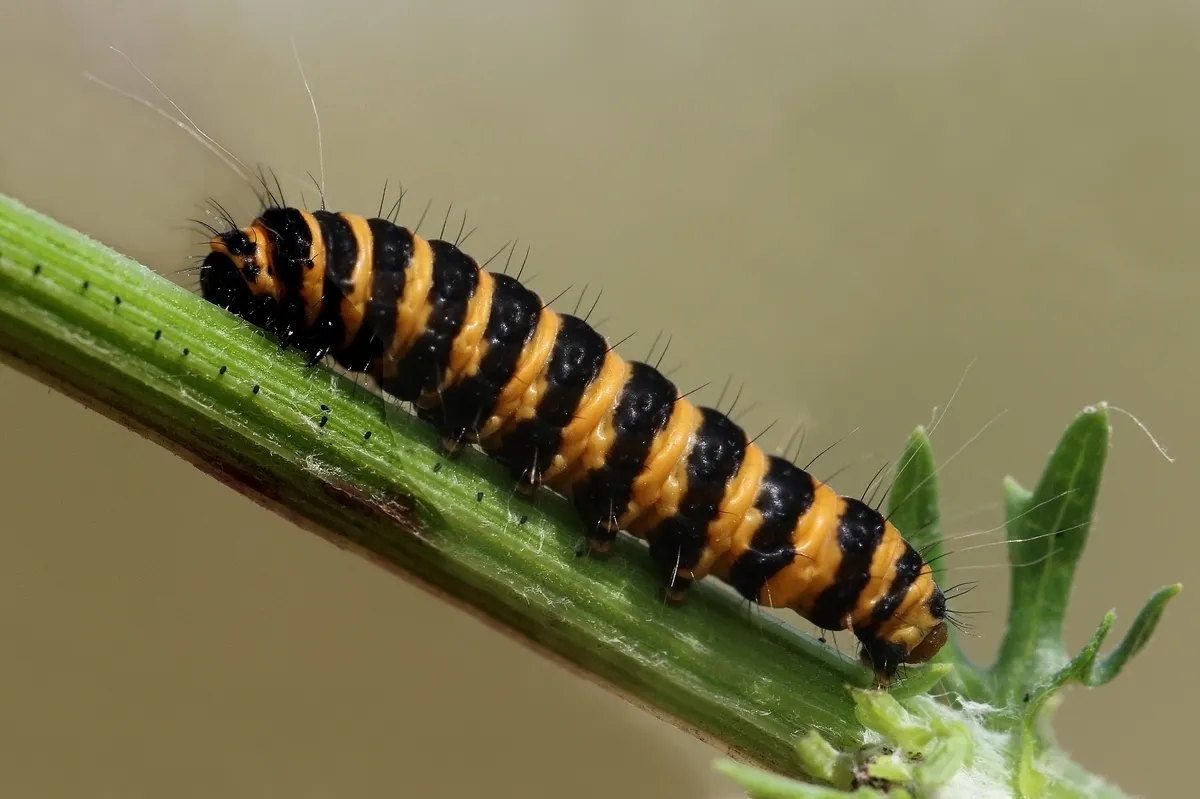
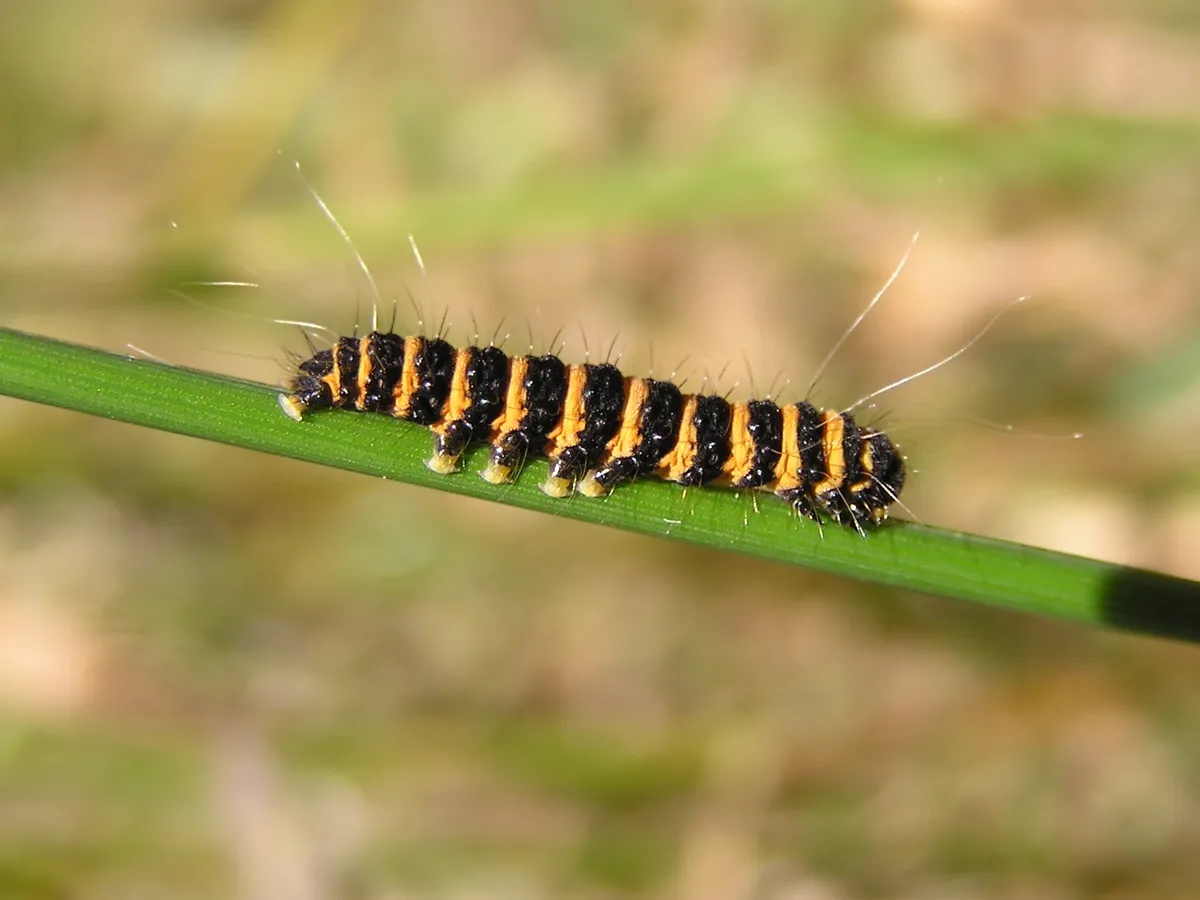
Temperate meadows, grasslands, and open landscapes with abundant ragwort (Senecio jacobaea), its primary larval food plant. Found across Europe, parts of Asia, and introduced to New Zealand and North America for biological control.
Ecological Role
Critical biocontrol agent for invasive ragwort plants. Larvae consume ragwort, reducing its spread and impact on pastures. Moths play a role in pollination and serve as prey for various predators.
Morphology
SKIN COATScaled wings with aposematic coloration, serving as chemical defense mechanism.
LIMBS WINGSTwo pairs of wings, hindwings smaller. Red and black striped wing pattern providing visual warning to predators.
HEAD SENSORYLarge compound eyes, short antennae, typical lepidopteran sensory structures.
BODY STRUCTURESmall moth, wingspan of 32-44 mm. Robust body with prominent red and black warning coloration.