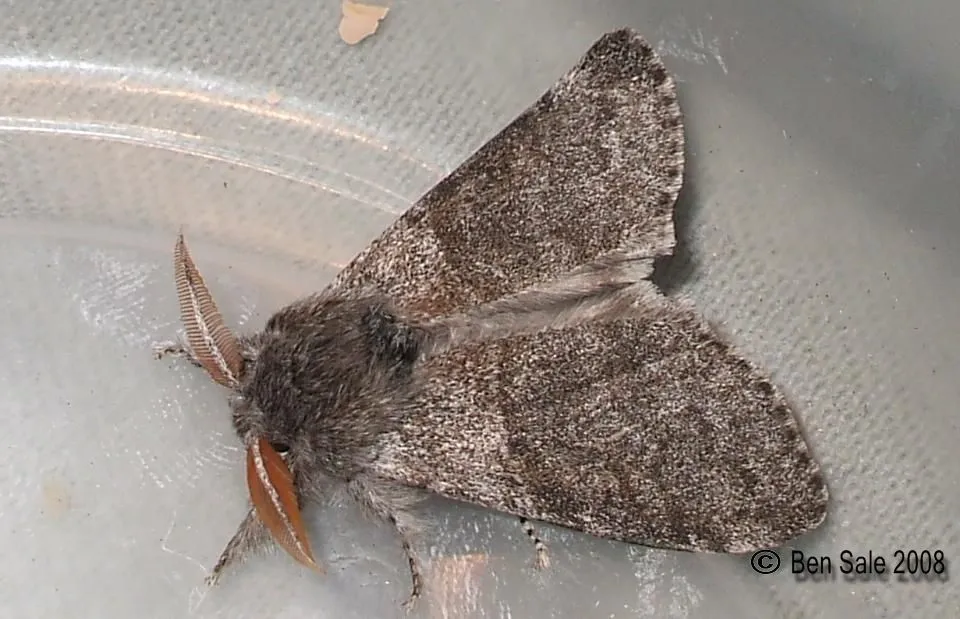
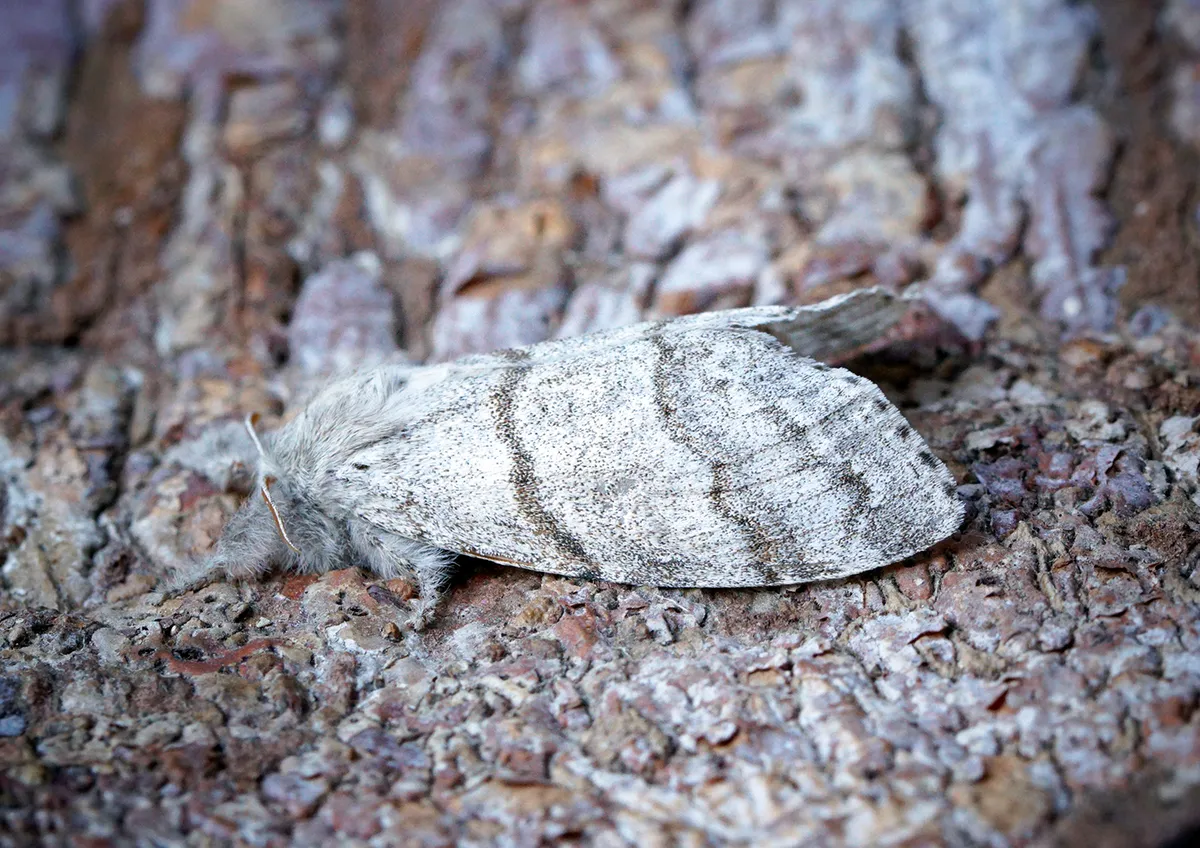
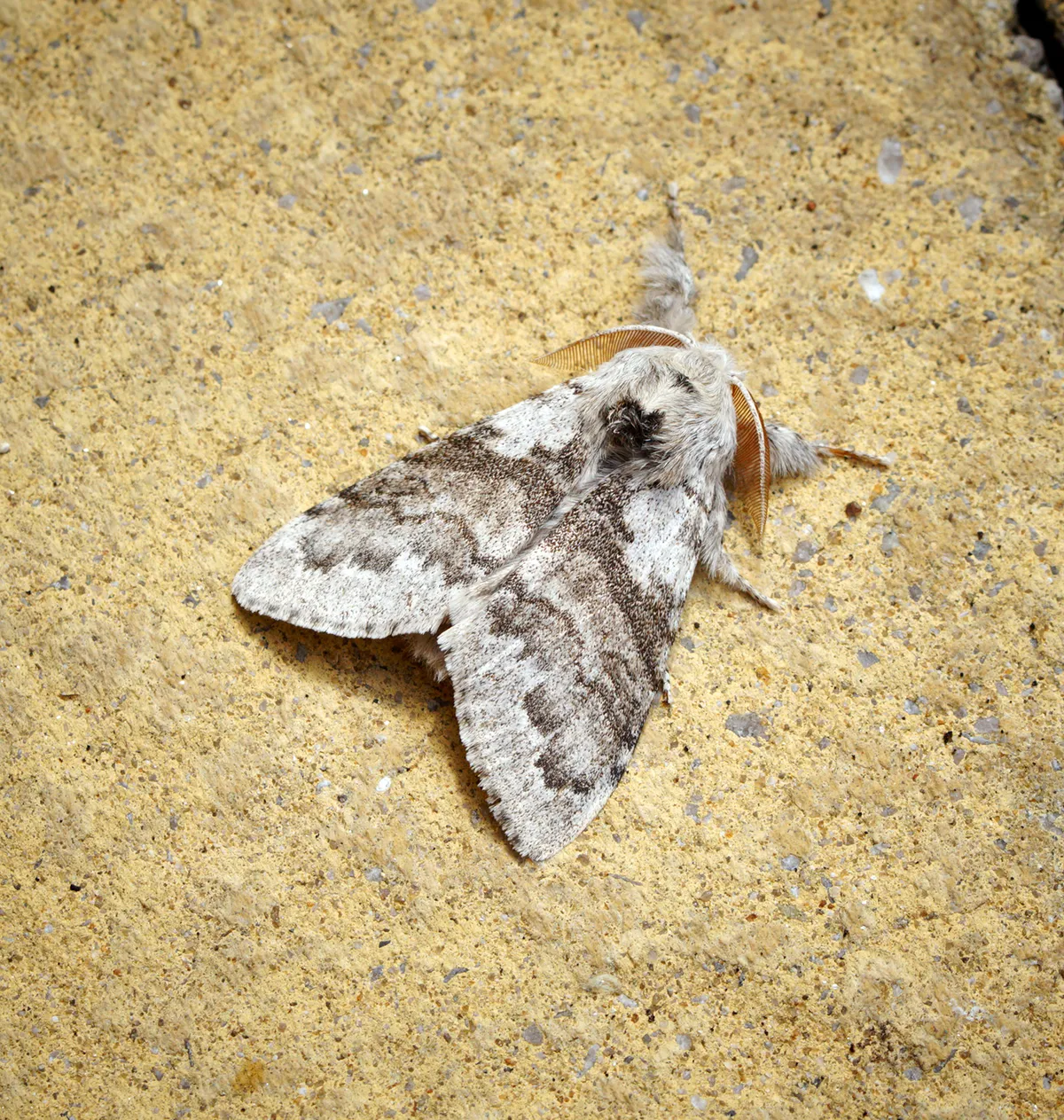
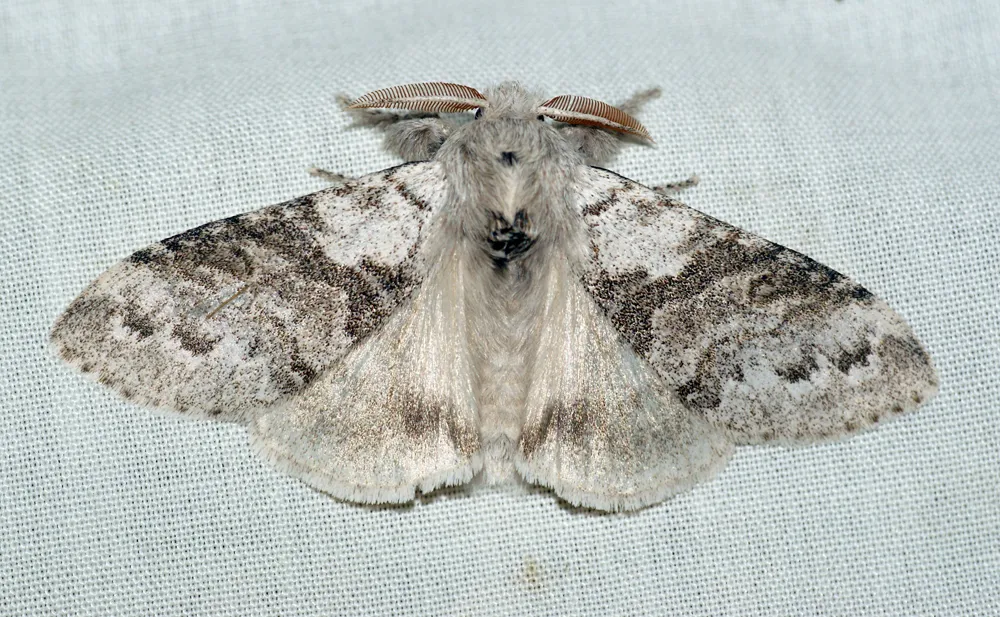
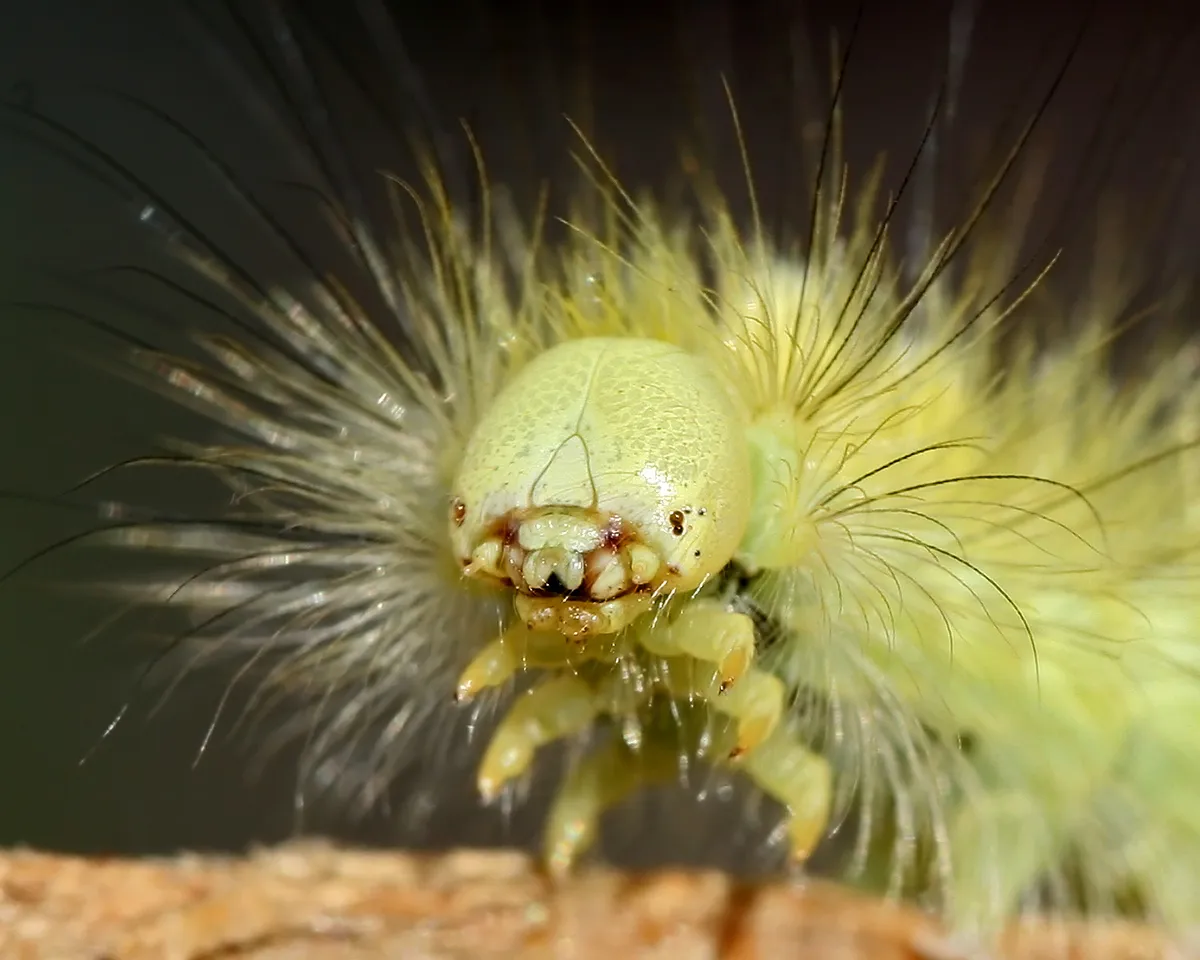
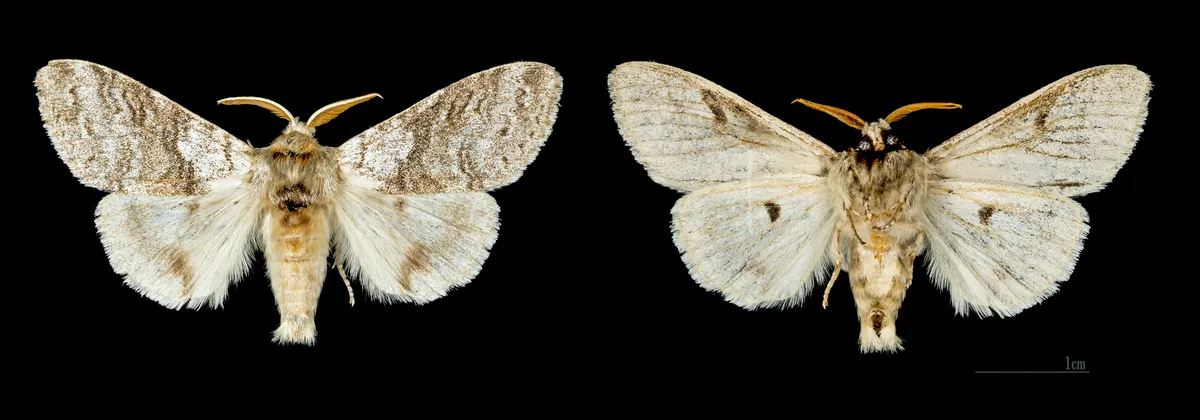
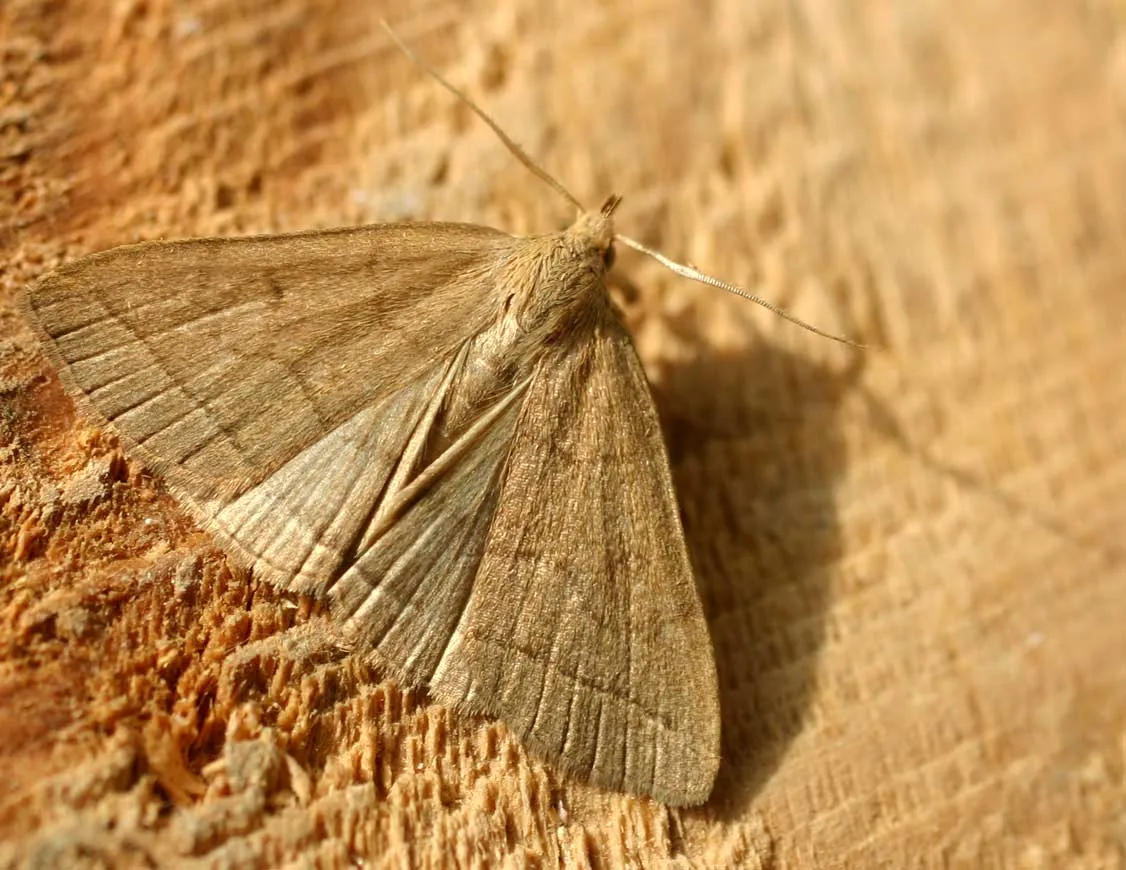
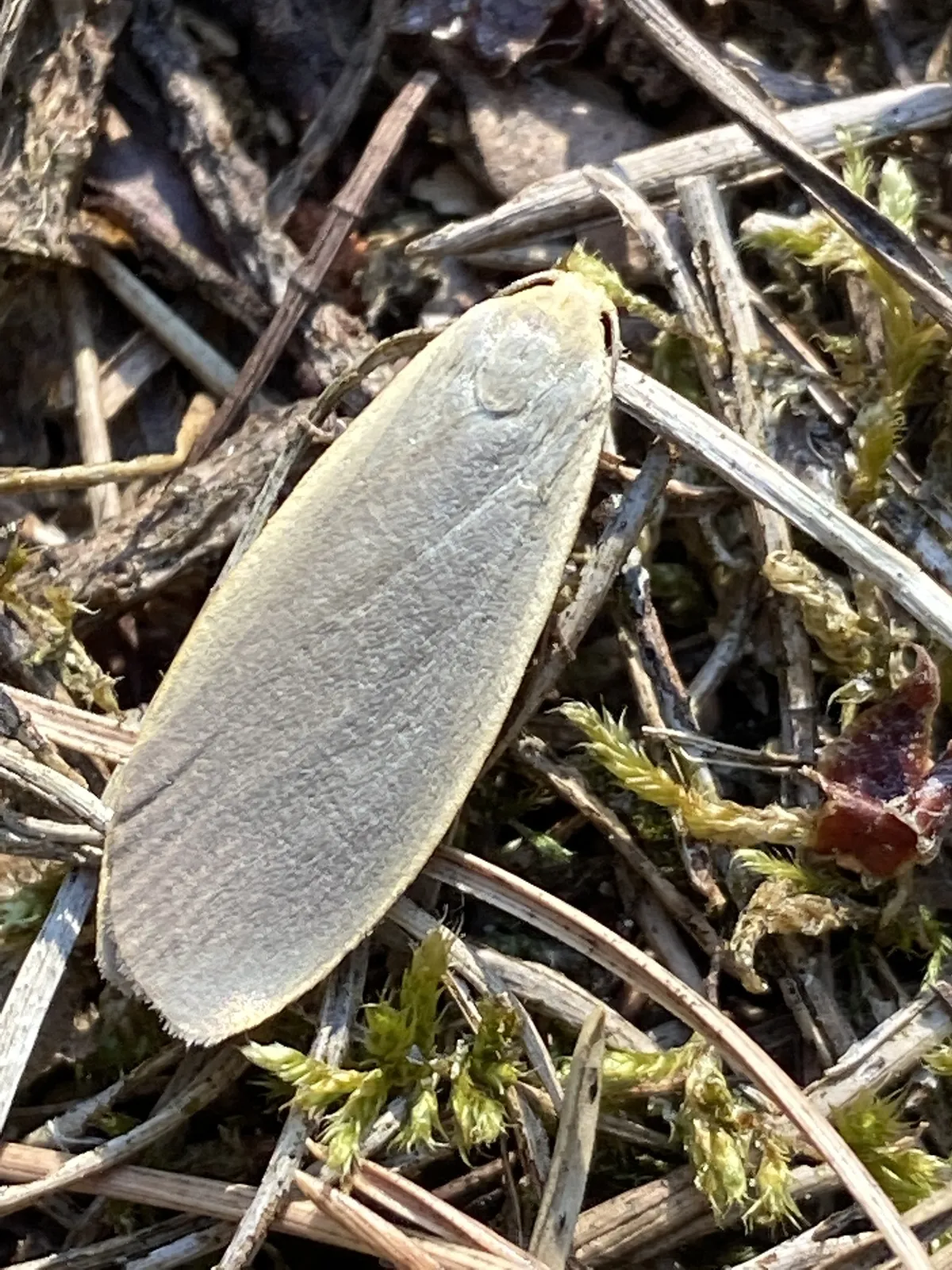
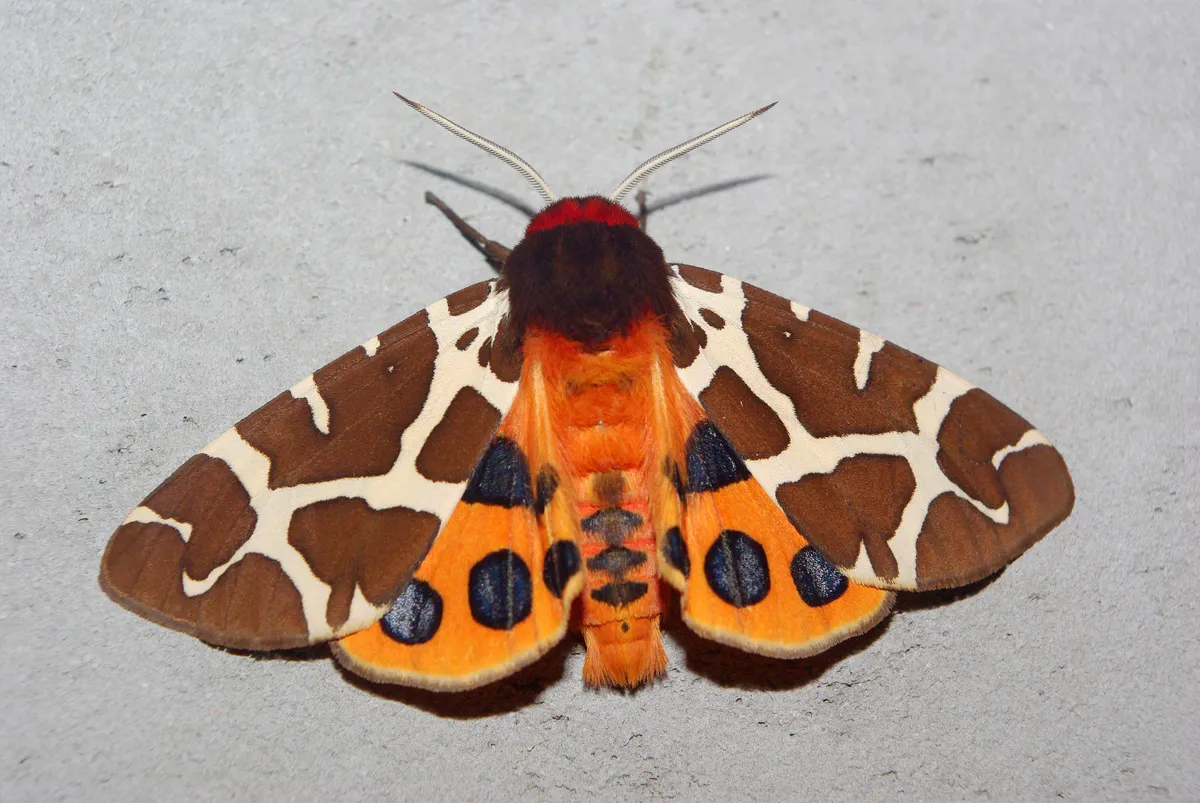
A nocturnal moth species native to Europe, characterized by distinctive fuzzy appearance and variable coloration, belonging to the family Erebidae.
Image Gallery
ADSENSE SLOT
Ecology & Habitat
Habitat
Deciduous and mixed woodlands, forest edges, gardens, and urban green spaces across temperate European regions, typically found at elevations between 0-1000 meters.
Ecological Role
Critical pollinator and prey species in forest ecosystems, larvae serve as important food source for birds and contribute to nutrient cycling through leaf consumption.
Morphology
SKIN COATDense, woolly setae covering body and wings, providing thermal regulation and camouflage
LIMBS WINGSBroad, pale greyish-brown wings with subtle mottled patterns, hindwings slightly lighter than forewings
HEAD SENSORYAntennae feather-like, well-developed compound eyes, sensory capabilities adapted for nocturnal navigation
BODY STRUCTUREMedium-sized moth with wingspan of 38-52 mm, robust and densely hairy body
Data Source: TaxonHub Database
Image Credit: Ben Sale from UK