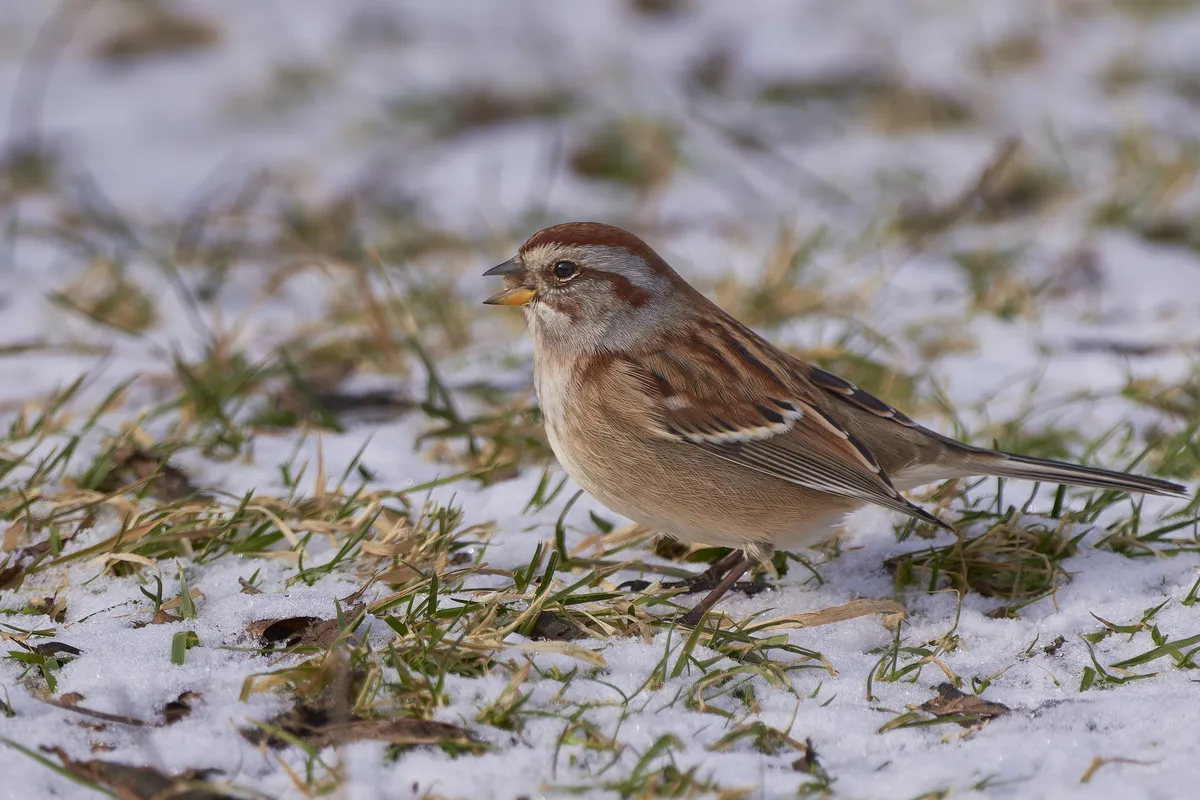
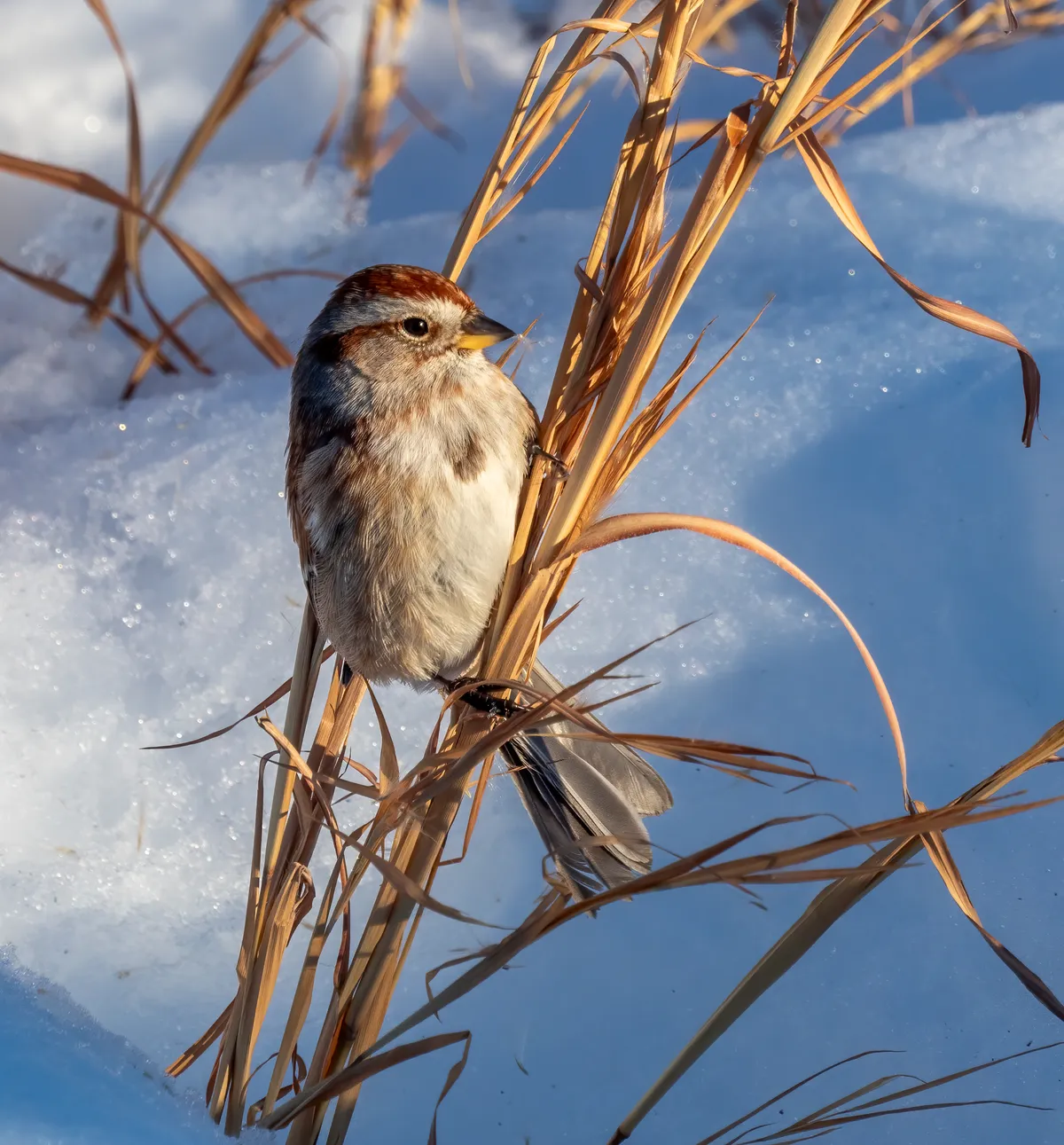
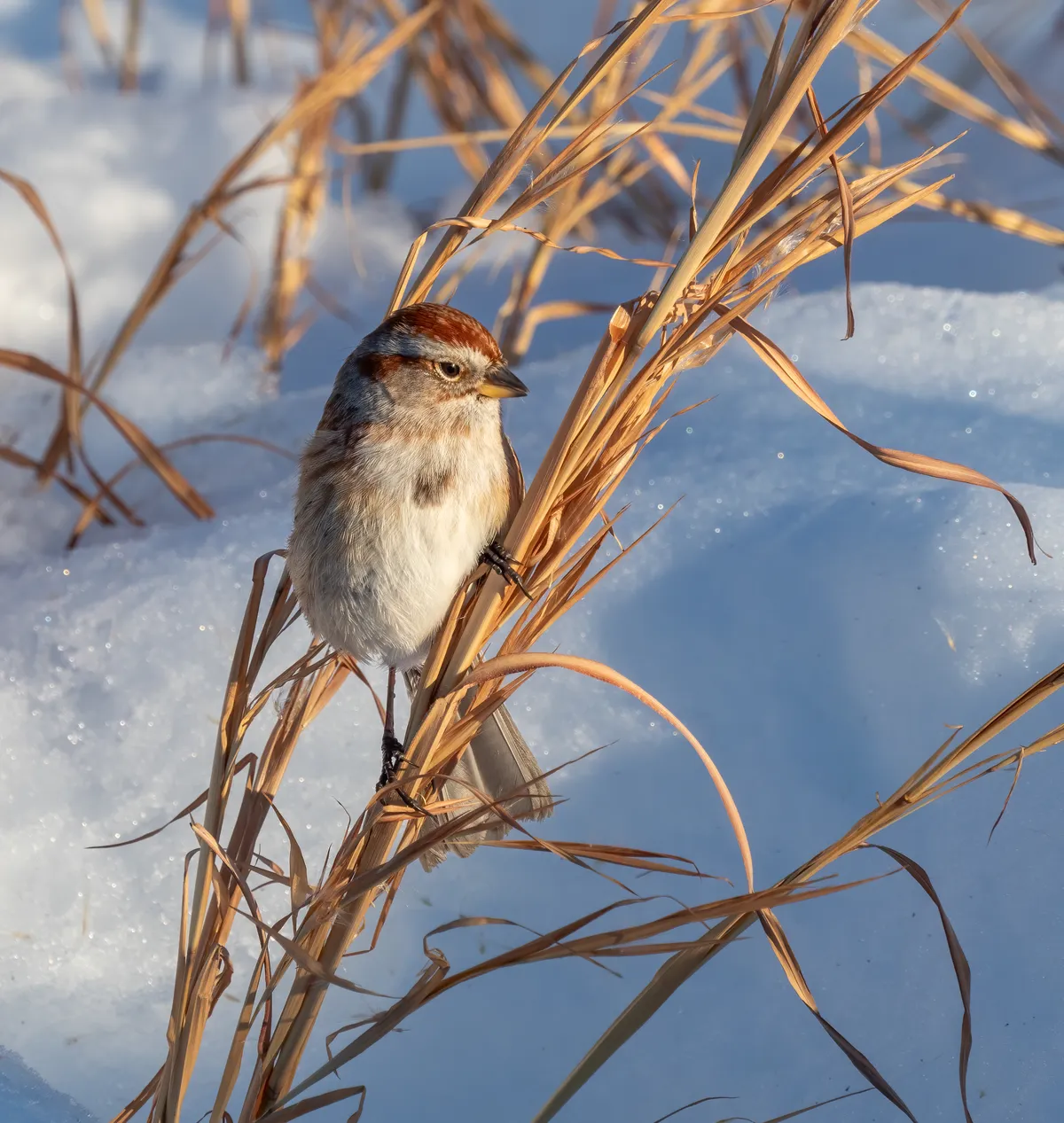
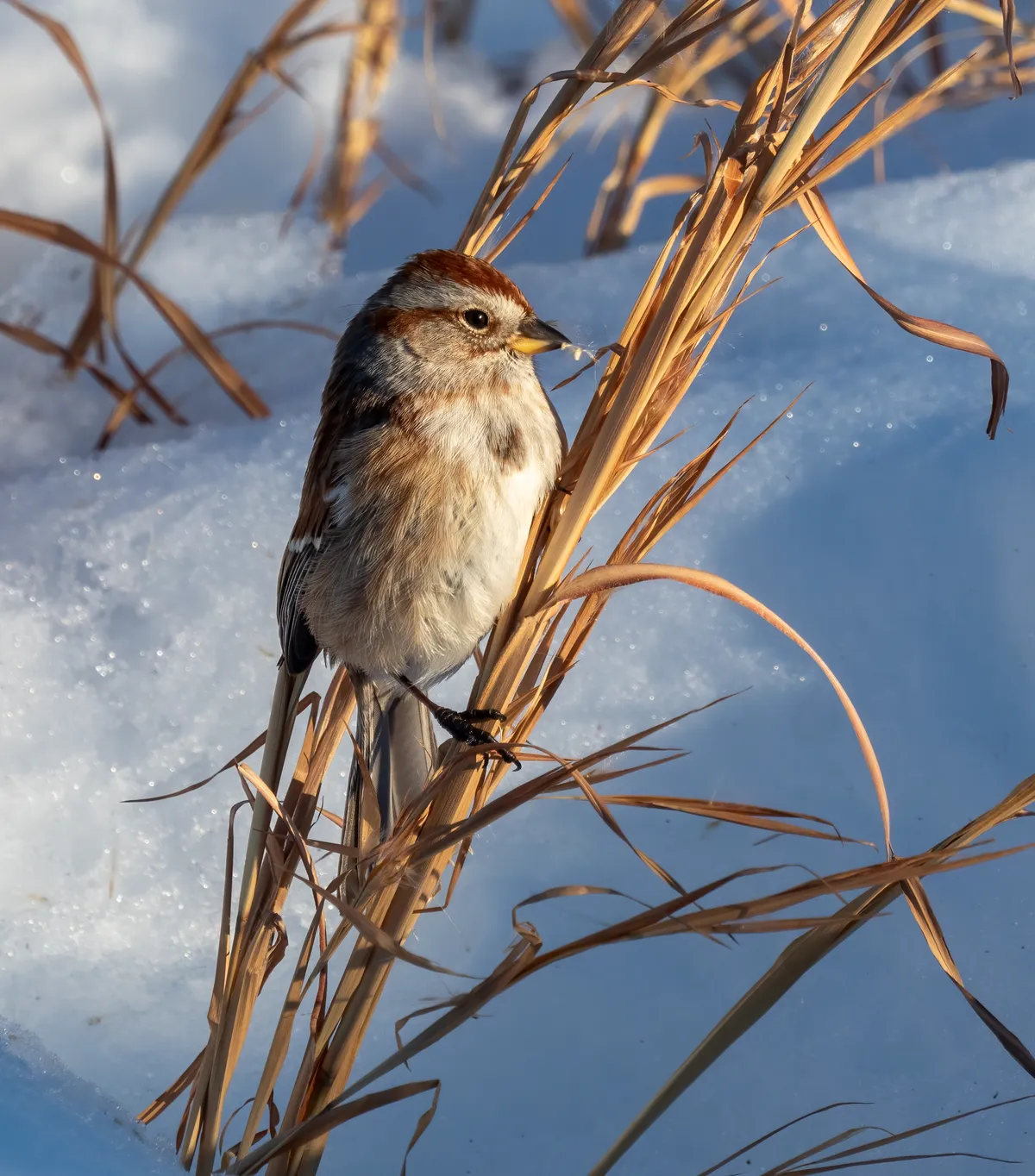
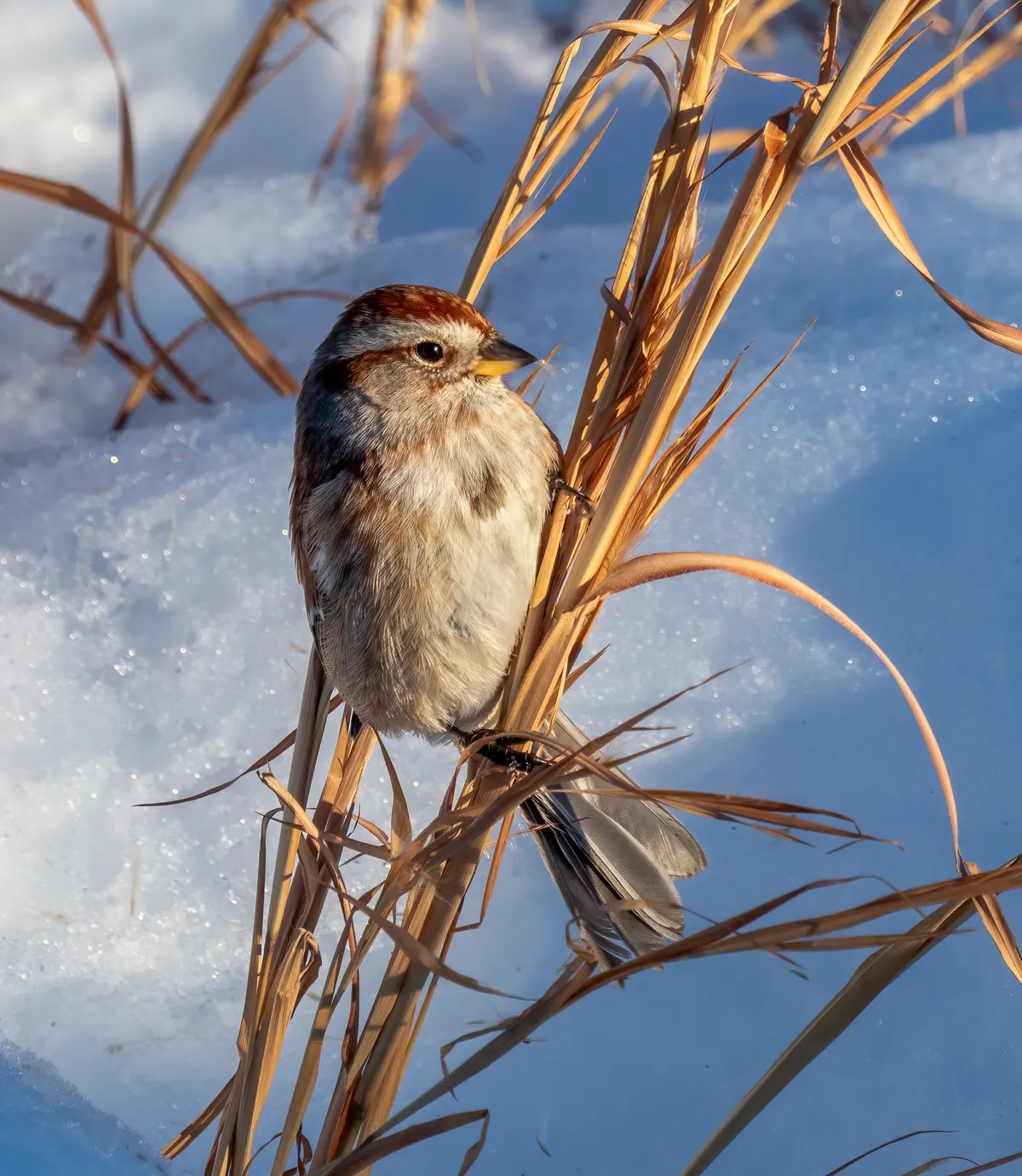
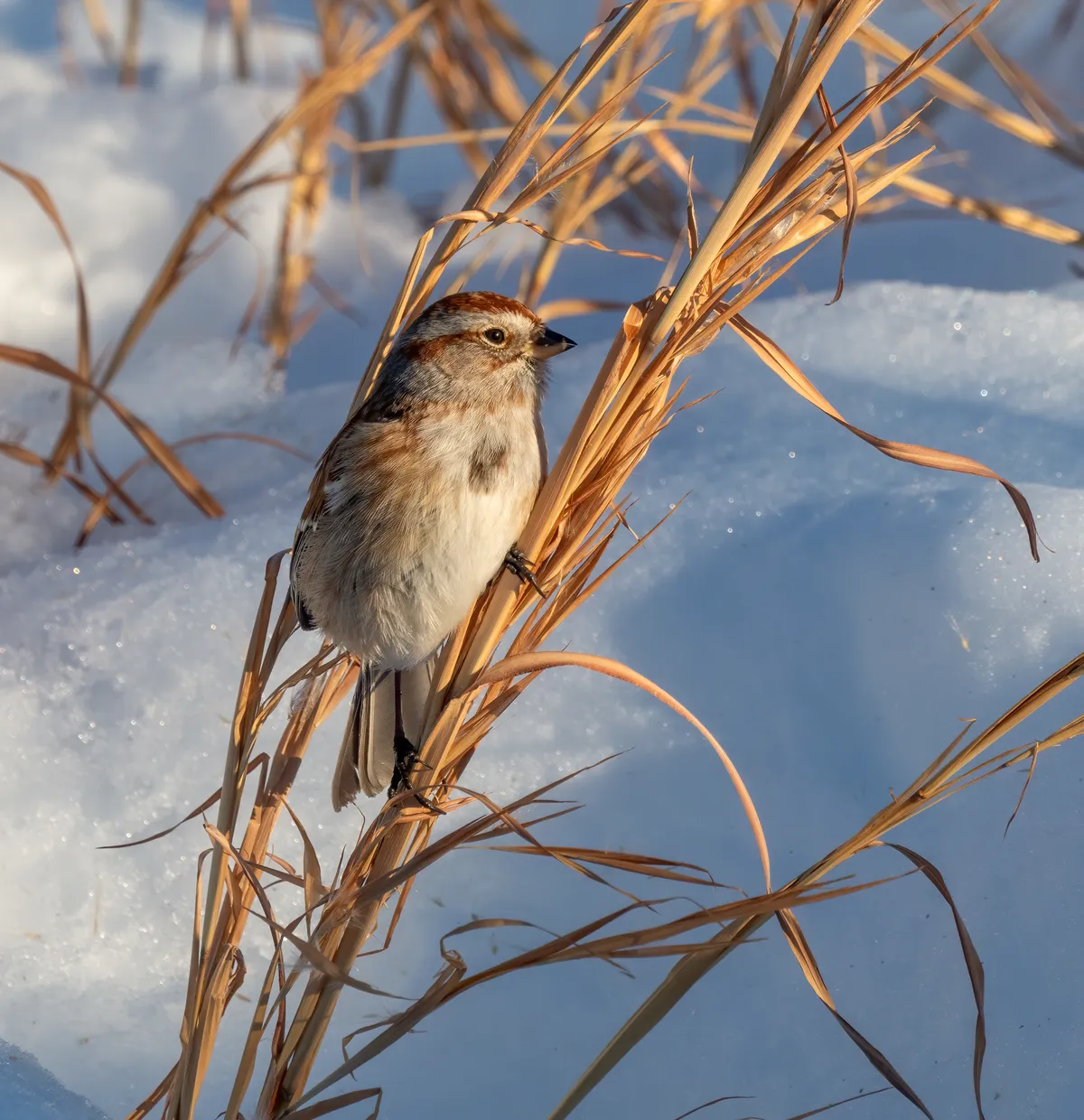
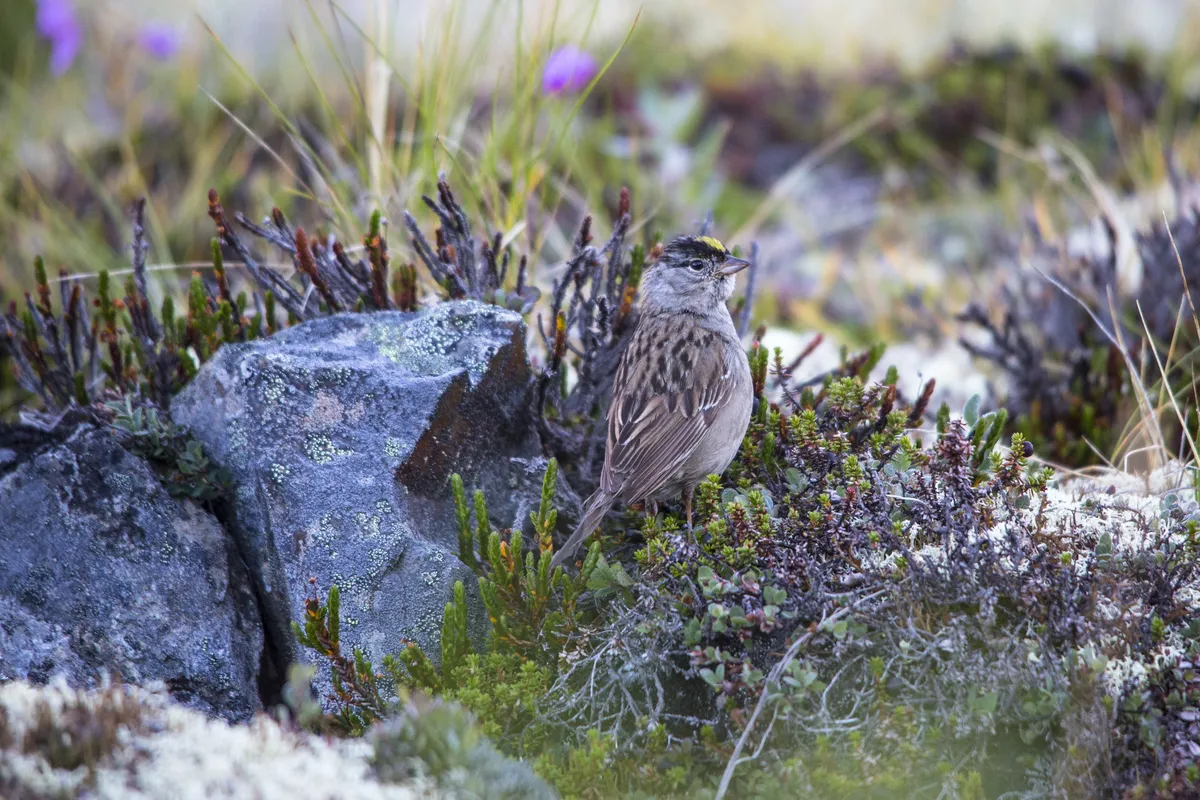
A small passerine bird native to North America, characterized by its distinctive rusty cap and bicolored bill. Primarily found in boreal and arctic tundra regions during breeding season and migrating to southern regions during winter.
Image Gallery
ADSENSE SLOT
Ecology & Habitat
Habitat
Breeds in open subarctic shrublands, tundra edges, and boreal forest regions of Alaska and northern Canada. Winters in open fields, grasslands, and suburban areas across the central and southern United States.
Ecological Role
Key seed disperser and insect control in boreal ecosystems. Important prey species for predatory birds and serves as a bioindicator for climate change impacts on arctic breeding habitats.
Morphology
SKIN COATDense, insulating feather coat with winter plumage featuring more substantial insulation for arctic environments.
LIMBS WINGSShort, strong legs adapted for ground foraging. Wingspan of 20-22 cm with rounded wing shape for efficient migration.
HEAD SENSORYRusty-red crown, gray cheeks, and distinctive black spot in center of breast. Keen visual perception for foraging.
BODY STRUCTURESmall sparrow, approximately 14-16 cm in length, weighing 20-25 g. Compact body with rounded head and short, conical bill.
Data Source: TaxonHub Database
Image Credit: Paul Danese