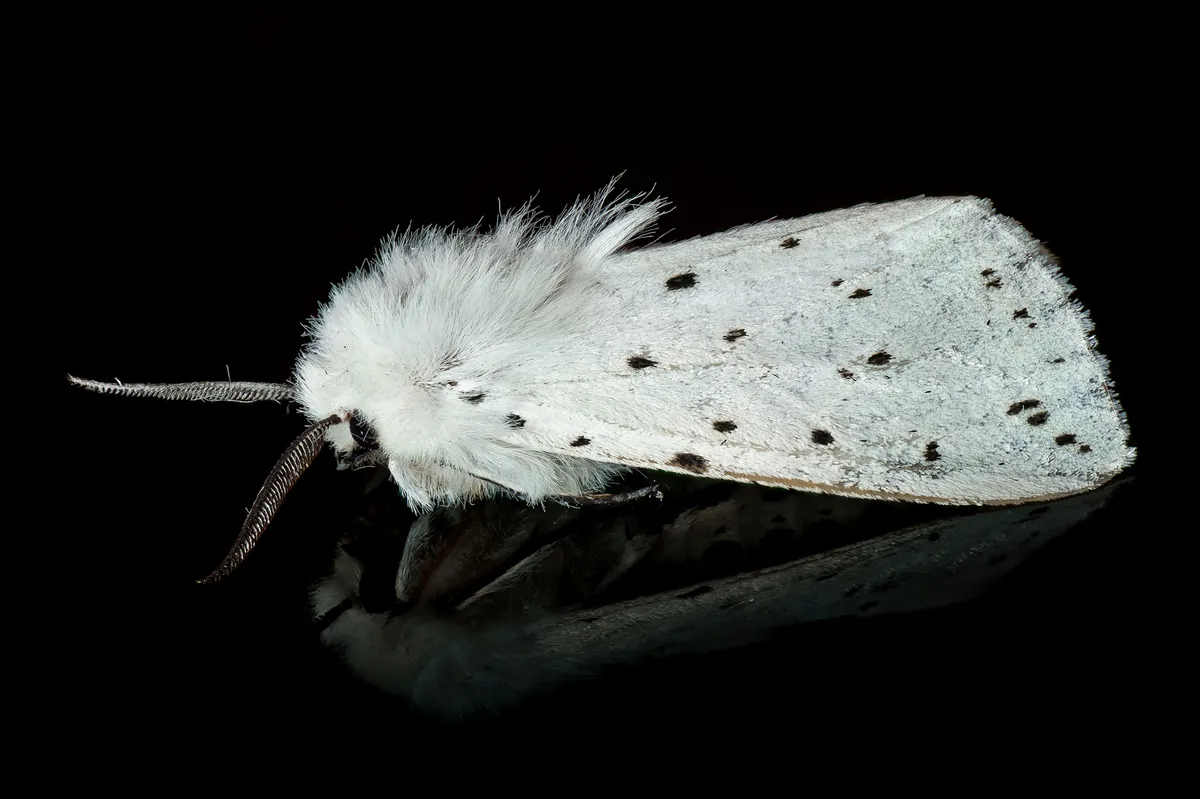
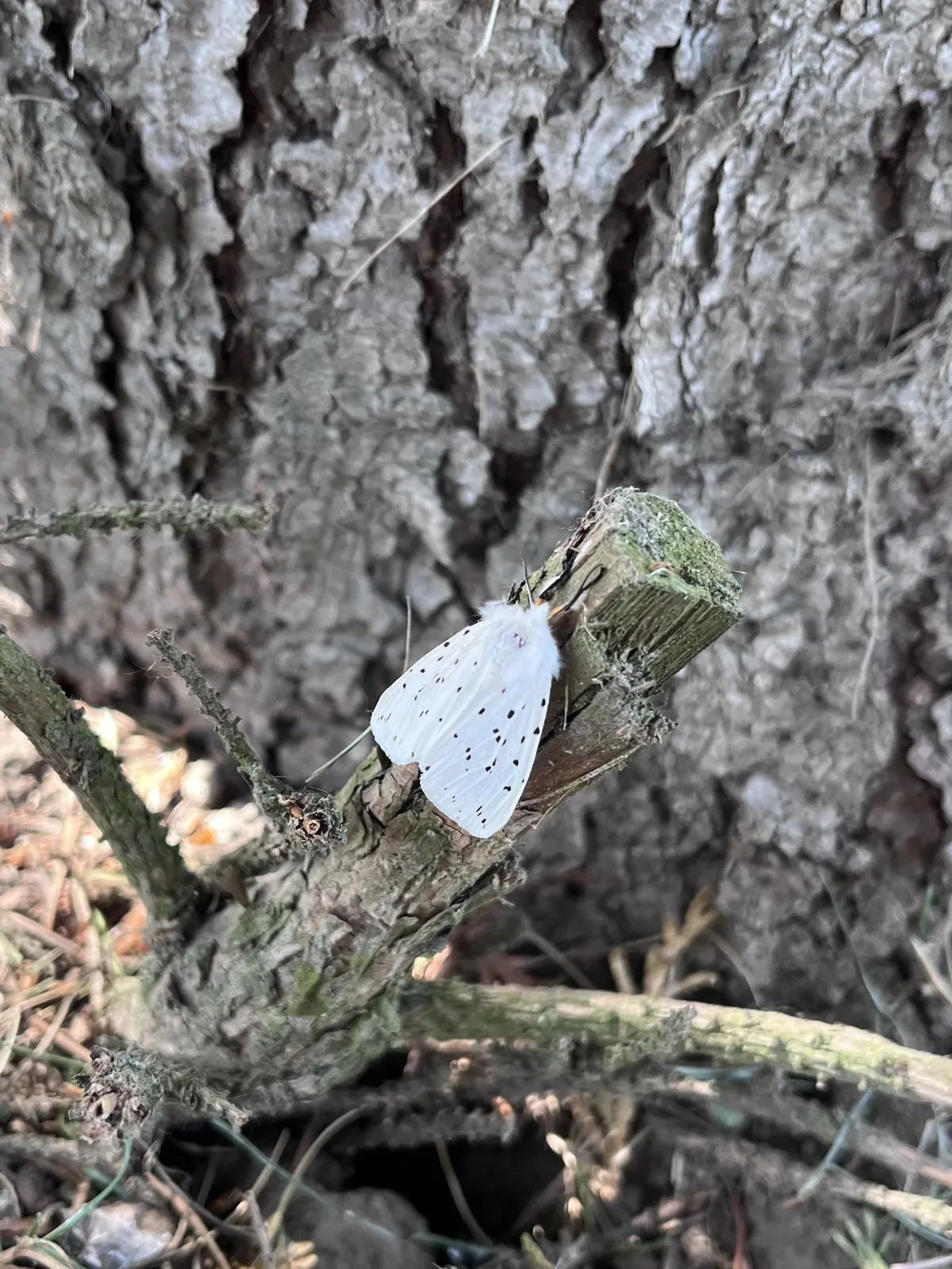
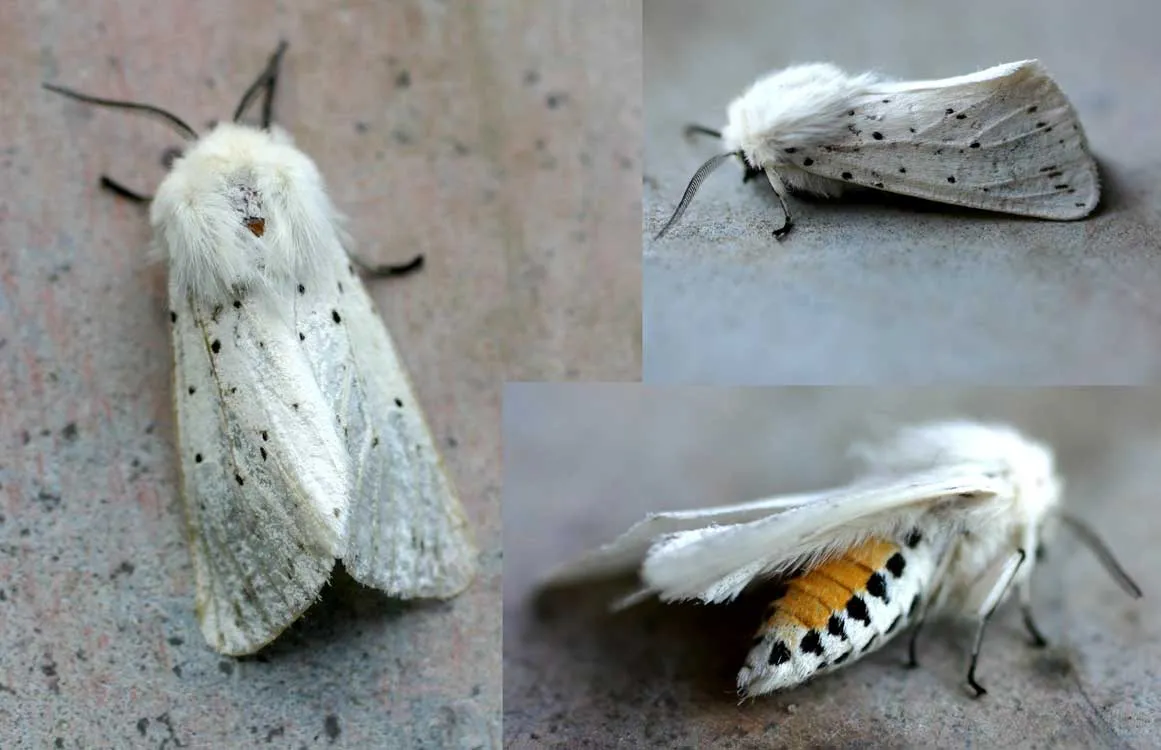
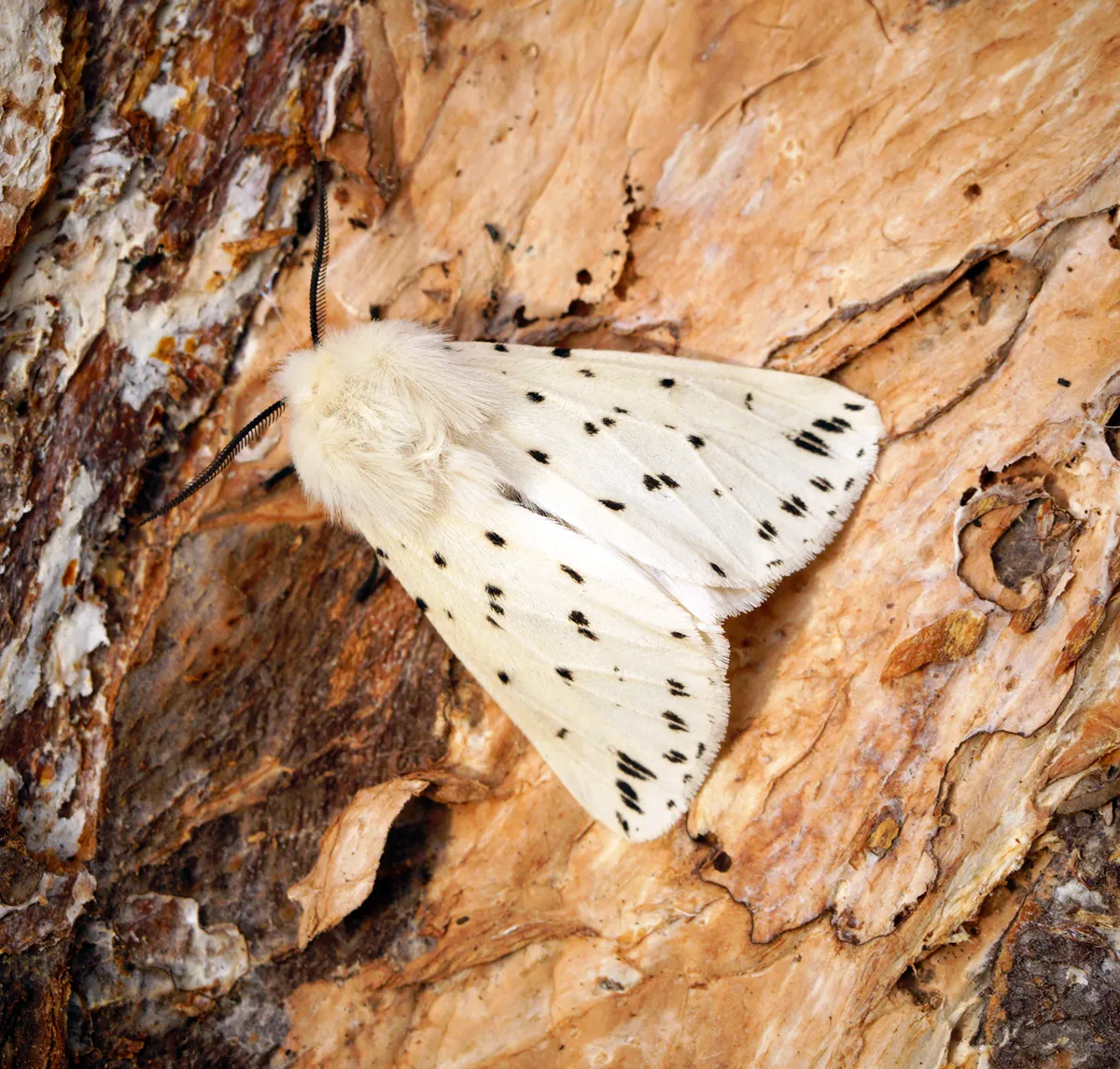
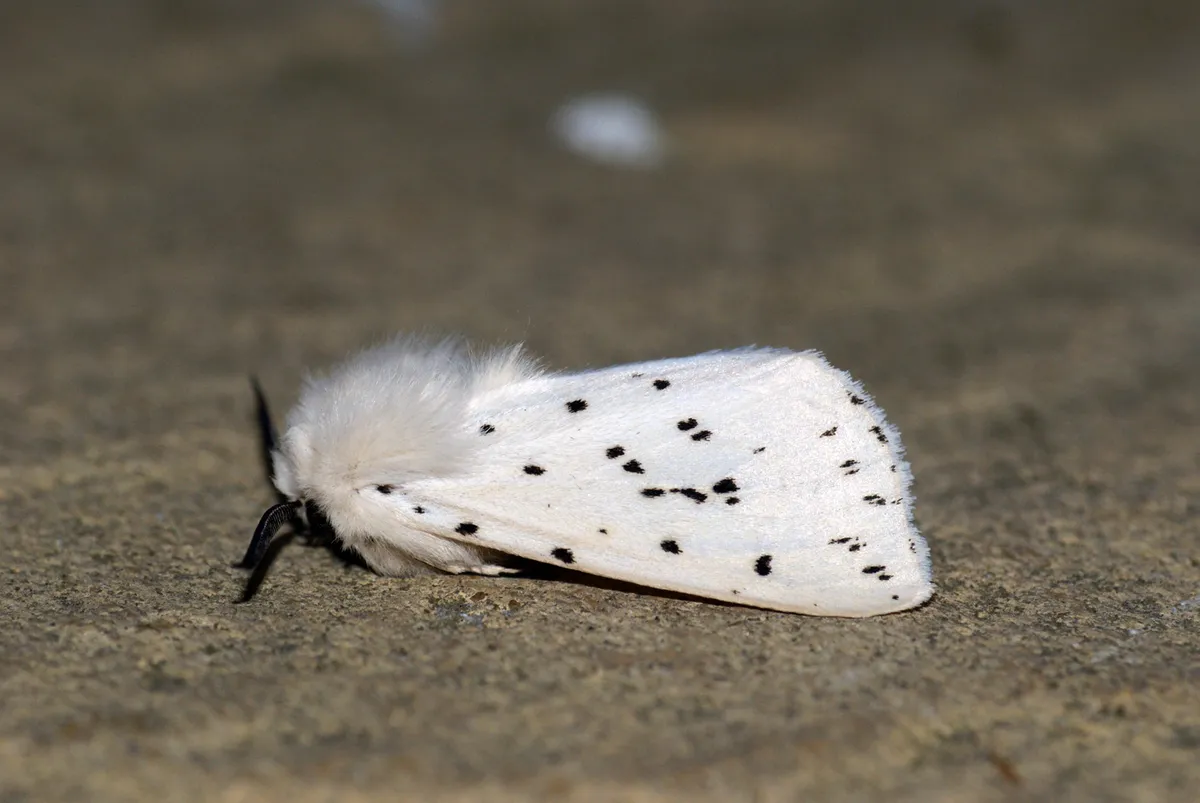
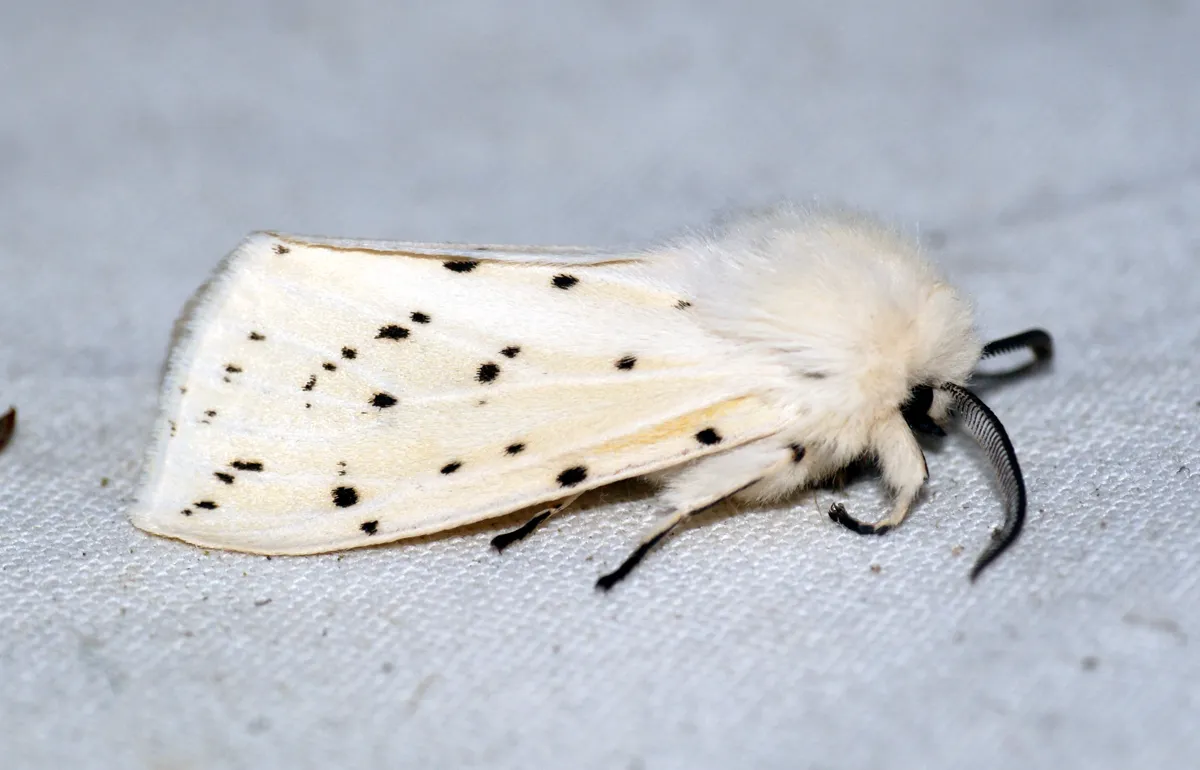
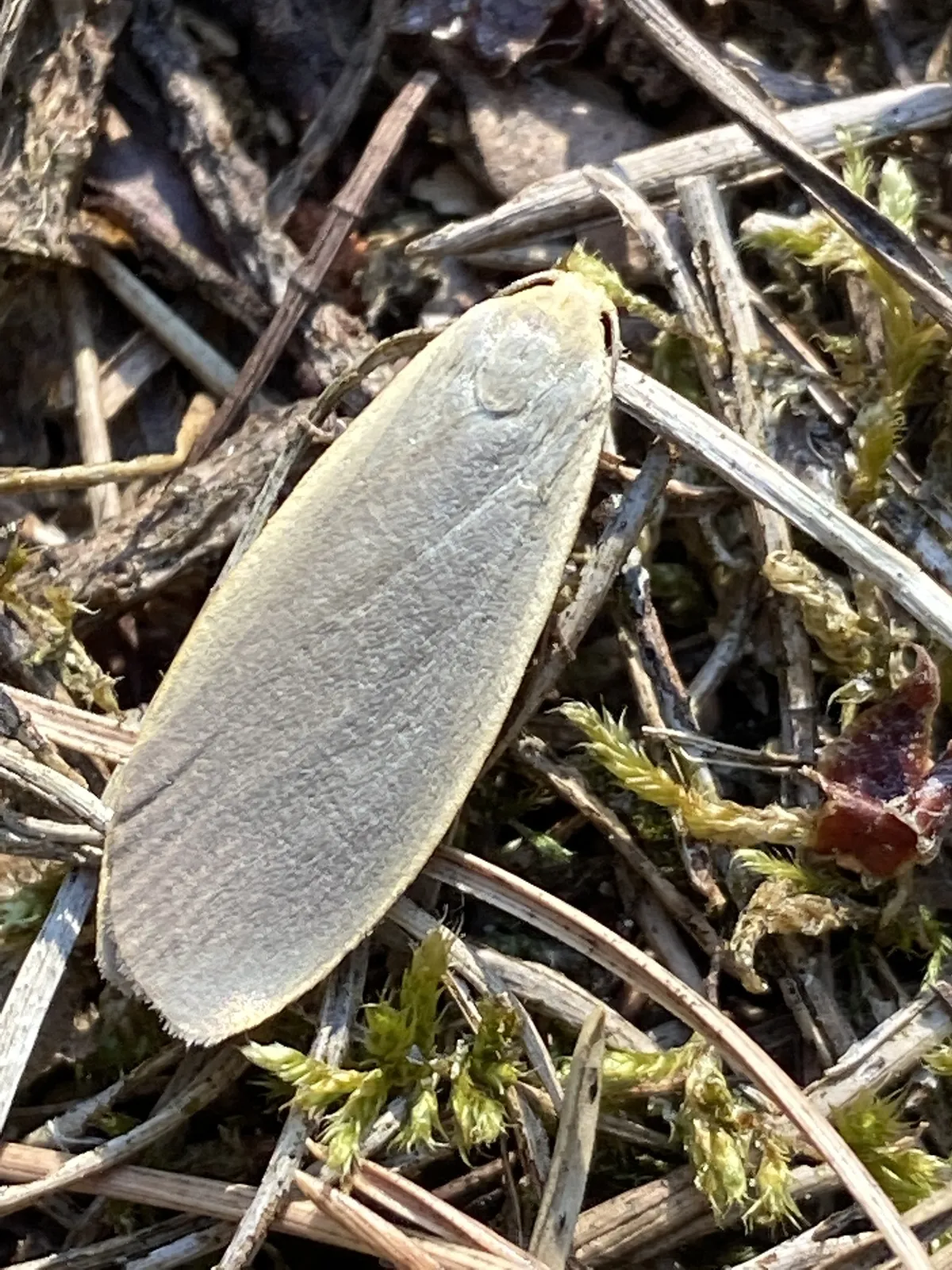
Spilosoma lubricipeda is a moth species within the family Erebidae, characterized by white wings with black spots and a distinctive fuzzy appearance. Native to Europe and parts of temperate Asia, this species is commonly found in woodland and grassland habitats.
Image Gallery
ADSENSE SLOT
Ecology & Habitat
Habitat
Deciduous and mixed forests, woodland edges, gardens, grasslands, and urban green spaces across temperate European and Asian regions. Typically found at elevations between 0-1,200 meters above sea level.
Ecological Role
Important pollinator and prey species in ecosystem food webs. Caterpillars serve as a crucial food source for birds, small mammals, and predatory insects. Adults contribute to plant pollination and serve as bioindicators of environmental health.
Morphology
SKIN COATThick layer of white or cream-colored scales and hair-like setae providing thermal insulation and camouflage.
LIMBS WINGSTwo pairs of broad, membranous wings. Forewings white with variable black spot patterns. Hindwings typically lighter with less pronounced markings.
HEAD SENSORYLarge compound eyes, short antennae with fine sensory receptors. Well-developed proboscis for nectar feeding.
BODY STRUCTUREMedium-sized moth with wingspan of 40-50 mm. Body covered in dense, white to cream-colored setae. Wing coloration predominantly white with scattered black spots.
Data Source: TaxonHub Database
Image Credit: Mathias Krumbholz