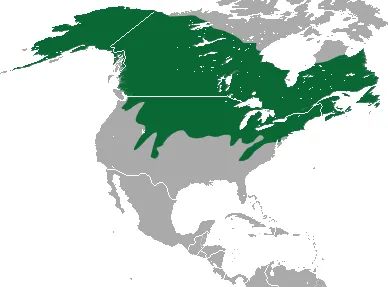
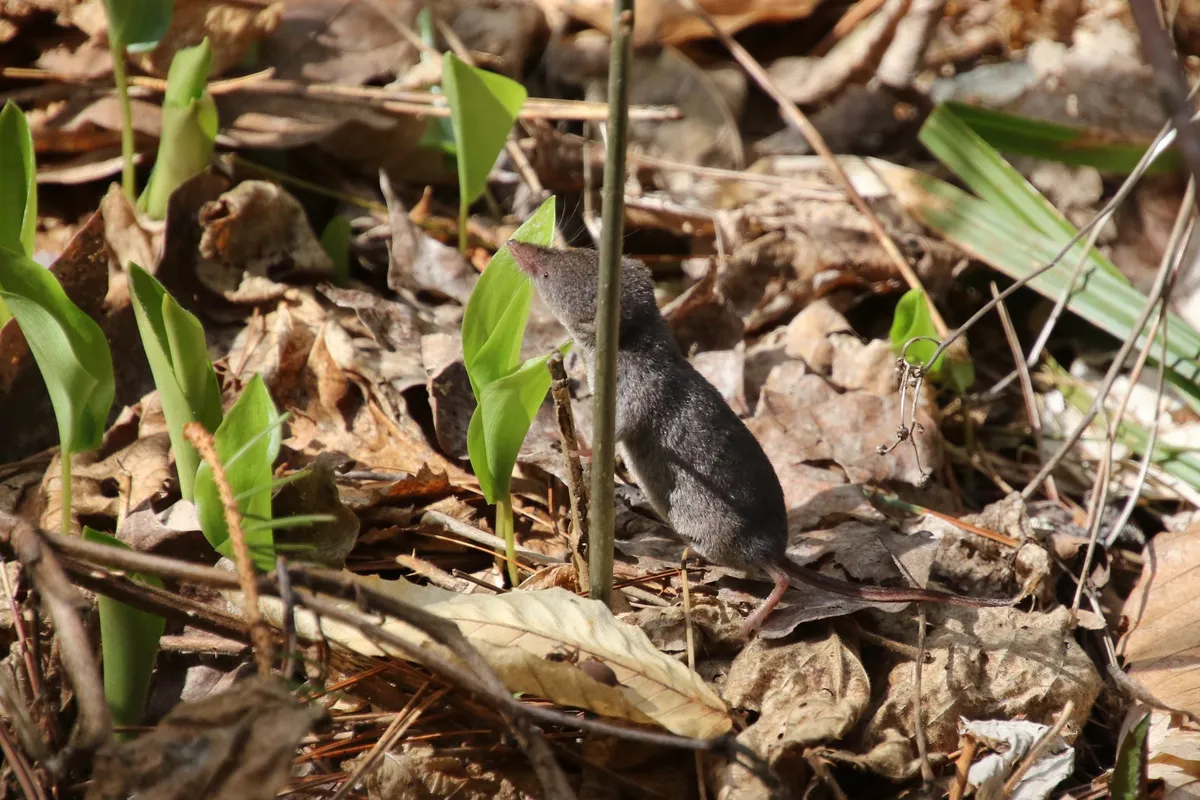
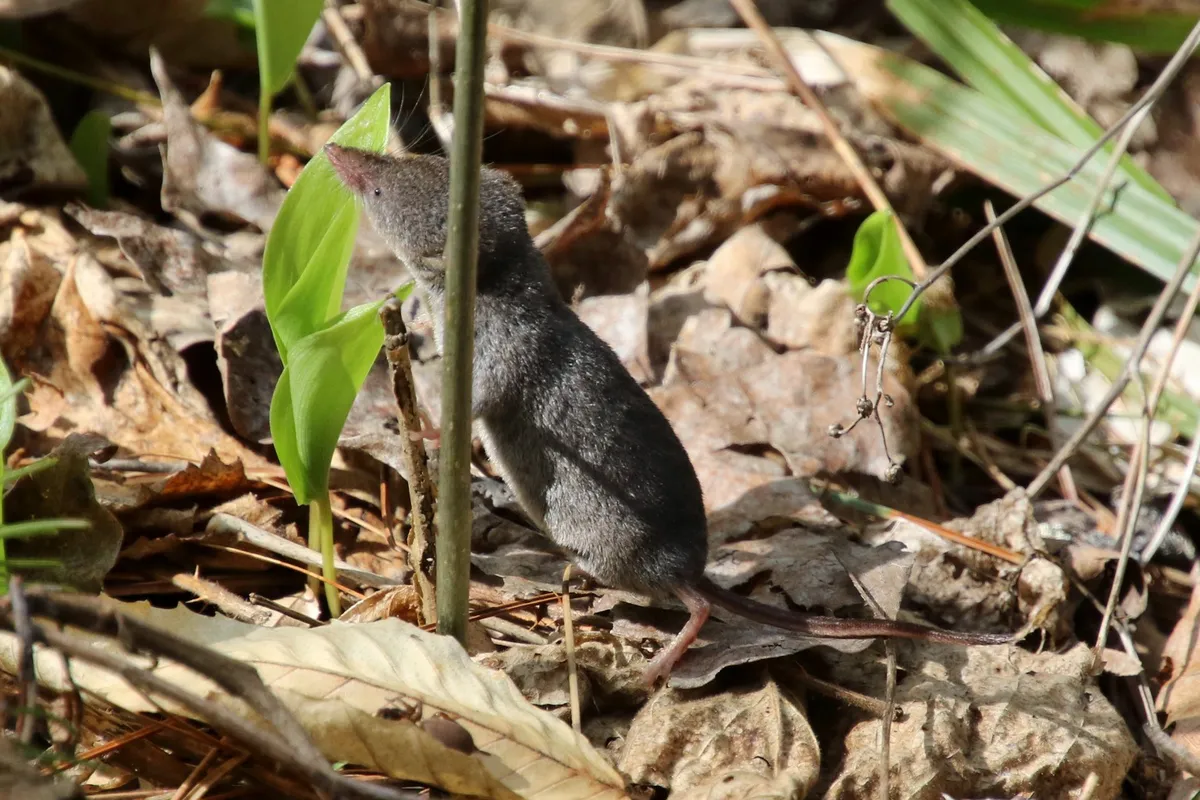
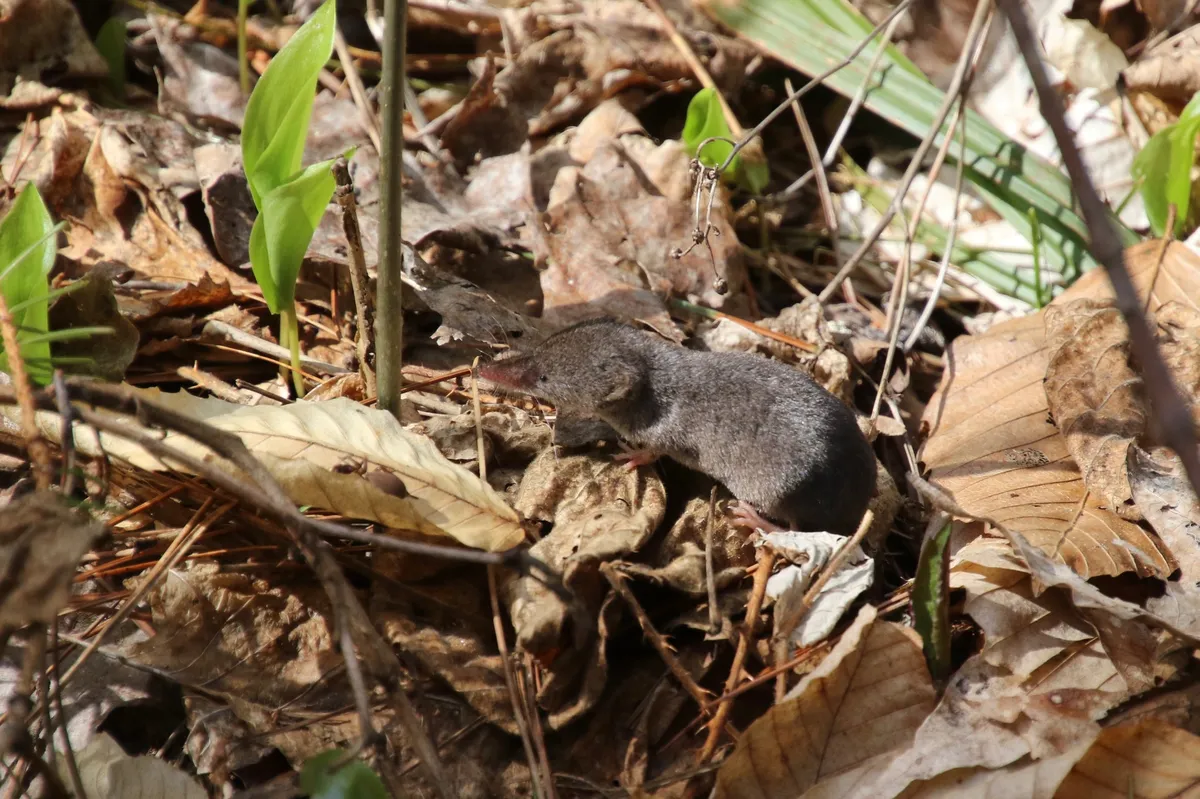
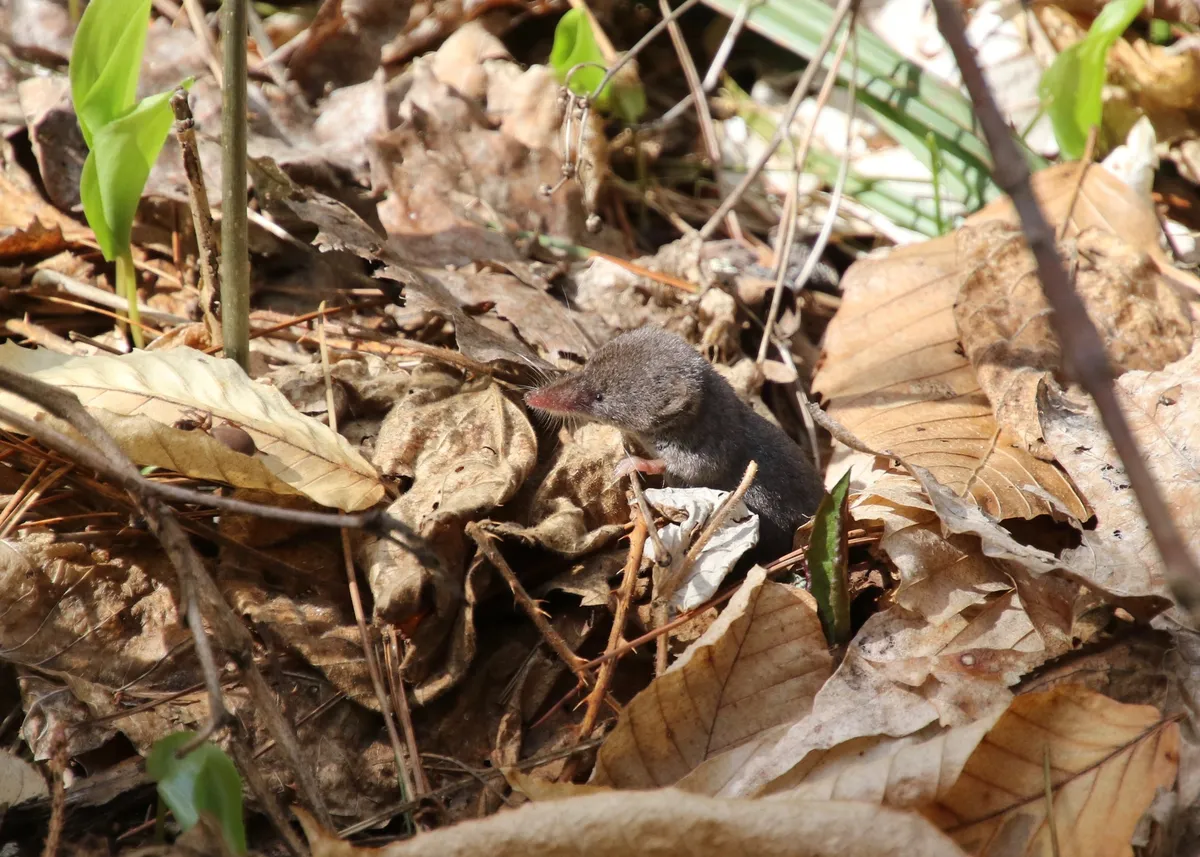
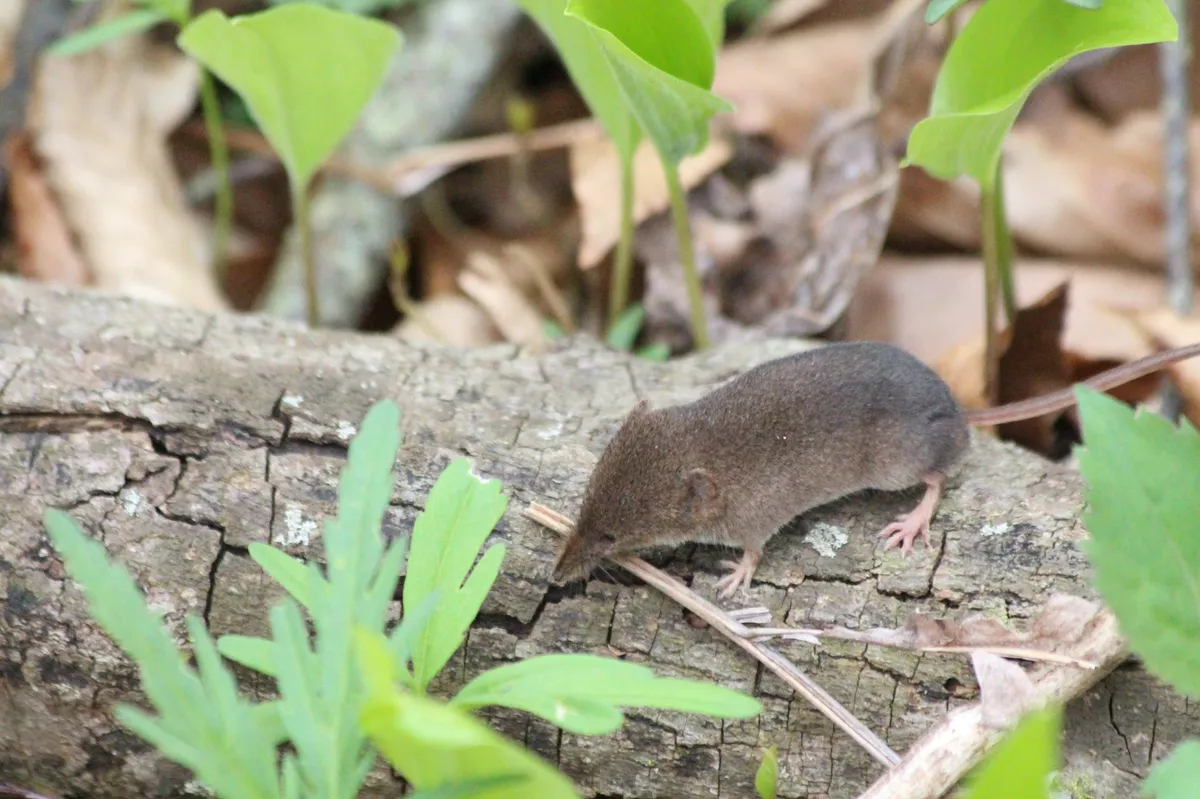
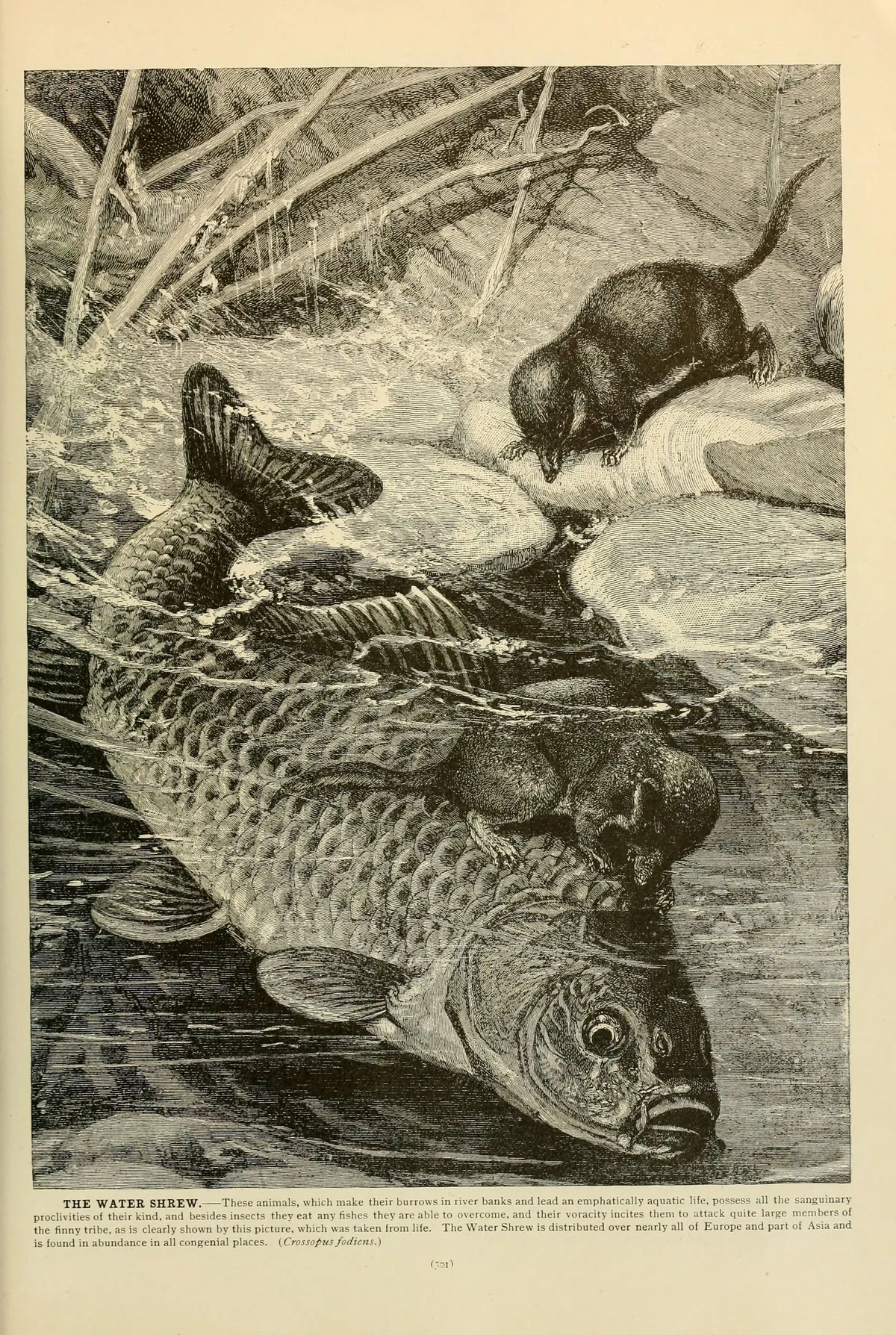
A small, insectivorous mammal native to North America, characterized by a high metabolic rate and tiny body size. Inhabits diverse environments from boreal forests to grasslands across Canada and the United States.
Image Gallery
ADSENSE SLOT
Ecology & Habitat
Habitat
Predominantly found in cool temperate and subarctic regions, preferring dense ground cover like moss, leaf litter, and low shrubs. Occurs in coniferous and mixed forests, tundra edges, and alpine meadows at elevations between 0-3,200 meters.
Ecological Role
Critical component of small mammal ecosystems, serving as prey for predators like owls, foxes, and weasels while controlling insect populations through intense predation.
Morphology
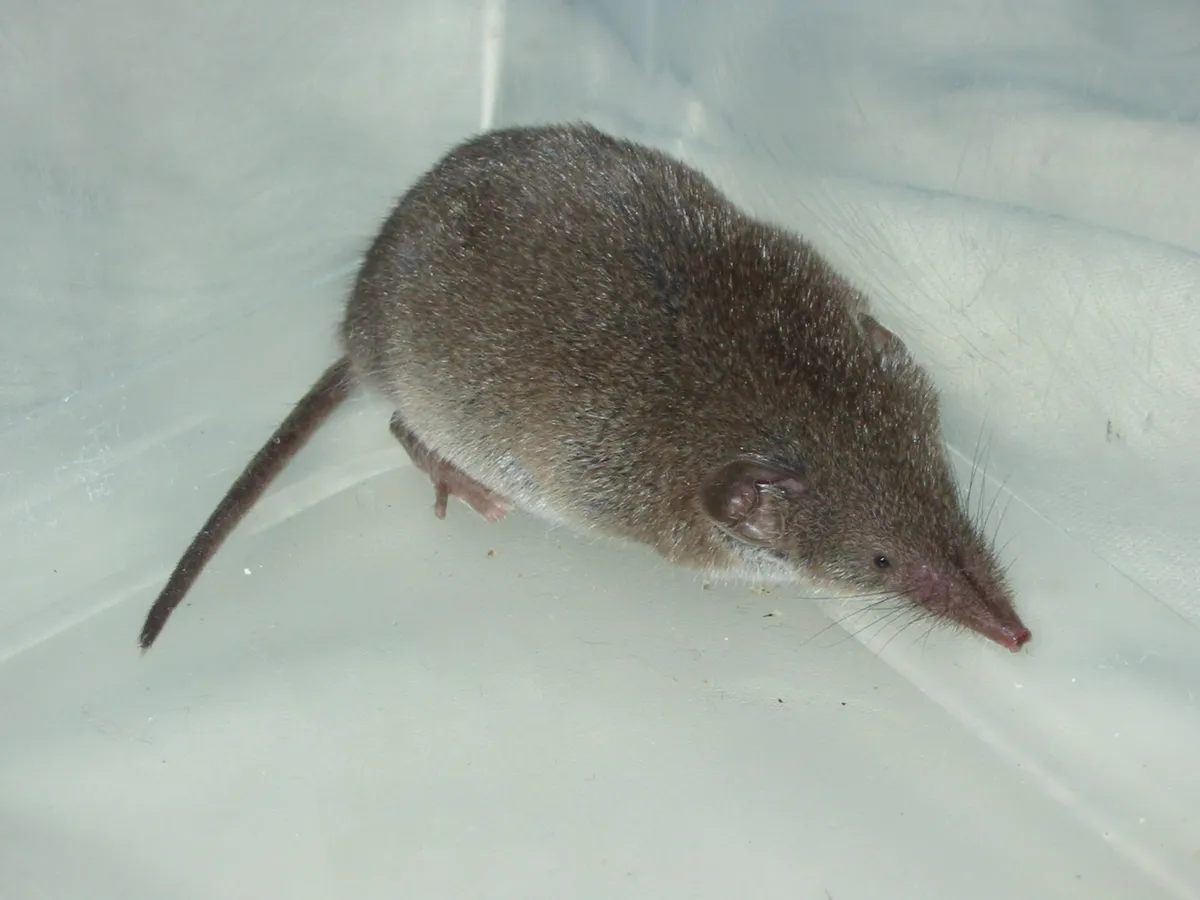
SKIN COATDense, soft gray-brown fur providing thermal insulation. Fur color helps camouflage in forest floor environments.
LIMBS WINGSShort limbs with five-toed feet, specialized for rapid movement through ground cover. Forelimbs slightly stronger for digging and manipulating prey.
HEAD SENSORYPronounced snout with sensitive whiskers, acute hearing, and small eyes. Relies heavily on echolocation and olfactory senses for navigation and prey detection.
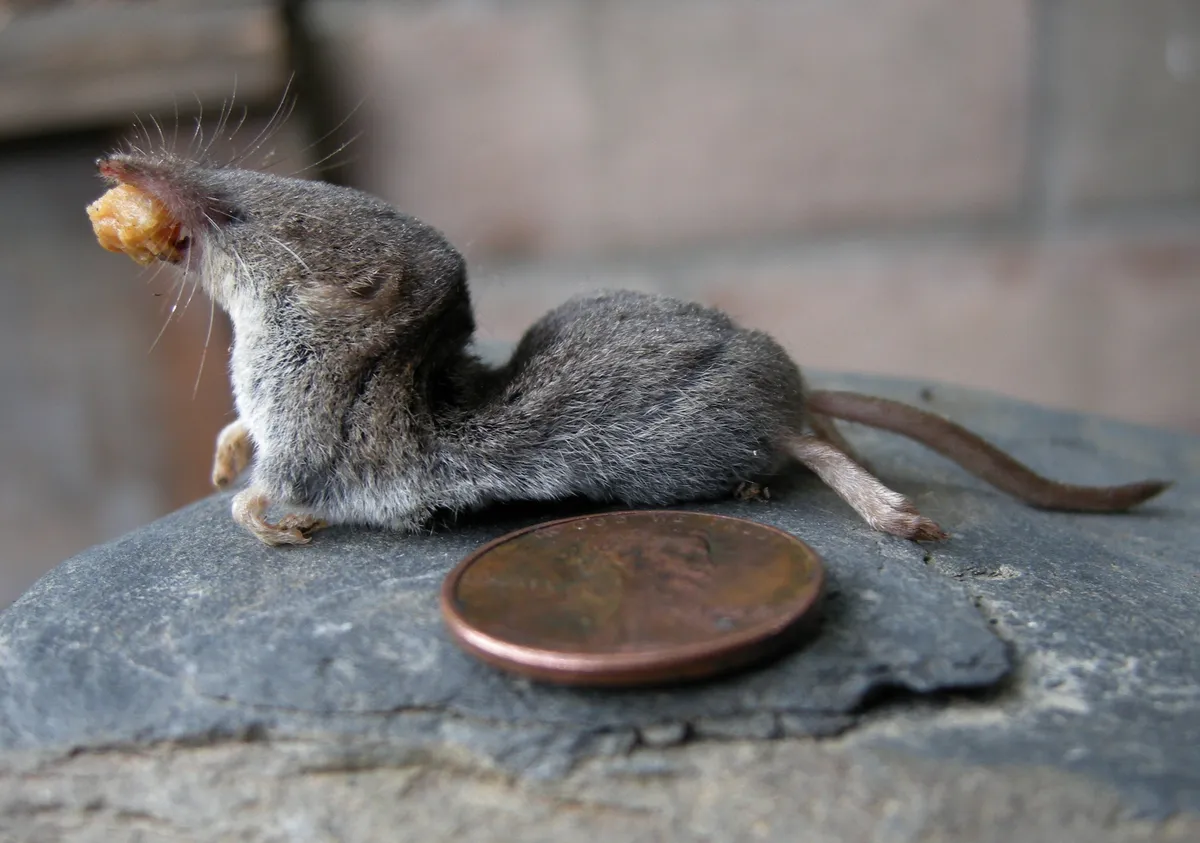
BODY STRUCTUREExtremely small, weighing 2-5 grams, with body length ranging 65-85 millimeters. Elongated, cylindrical body adapted for burrowing and moving through dense vegetation.
Data Source: TaxonHub Database
Image Credit: Chermundy