TaxonHub
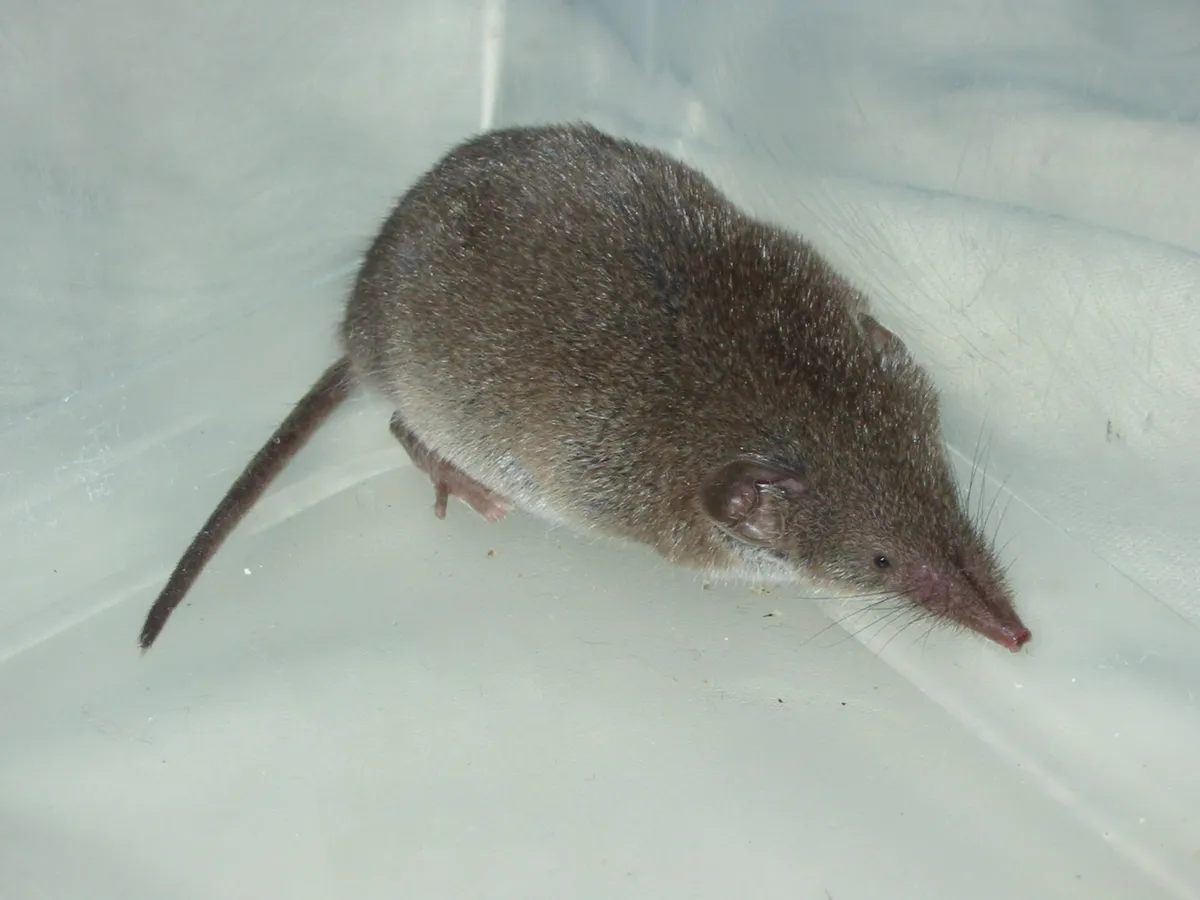
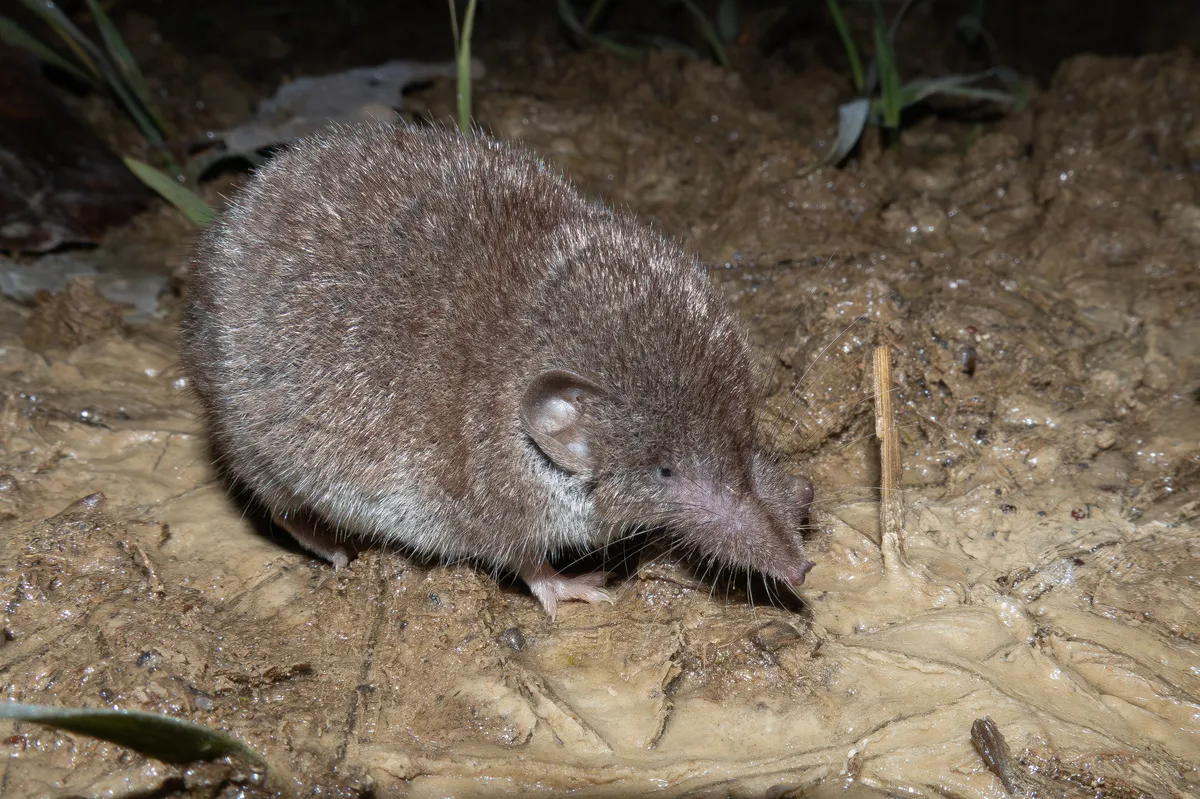
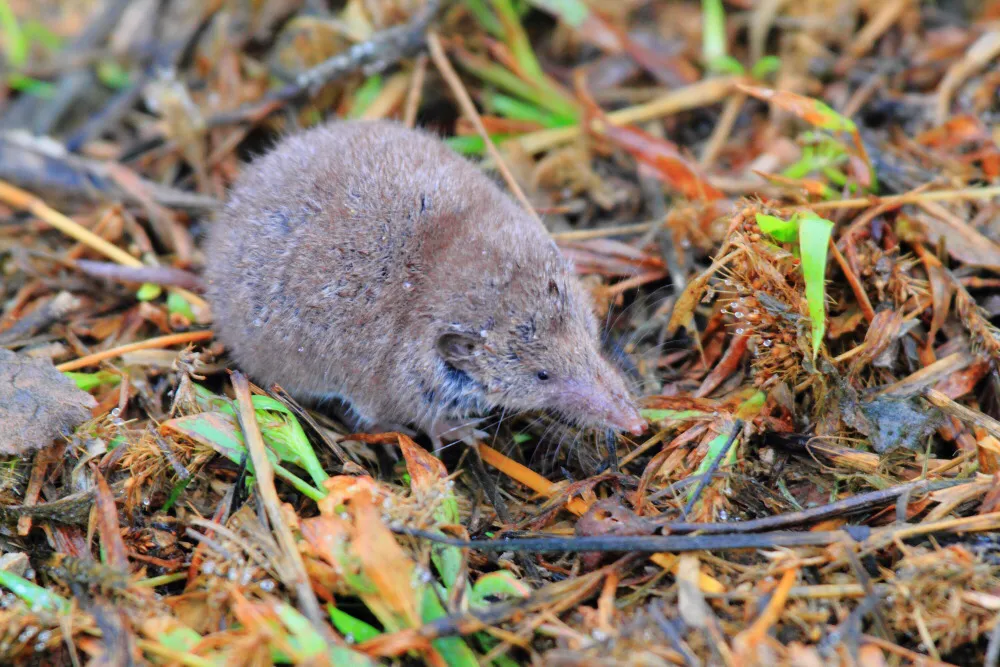
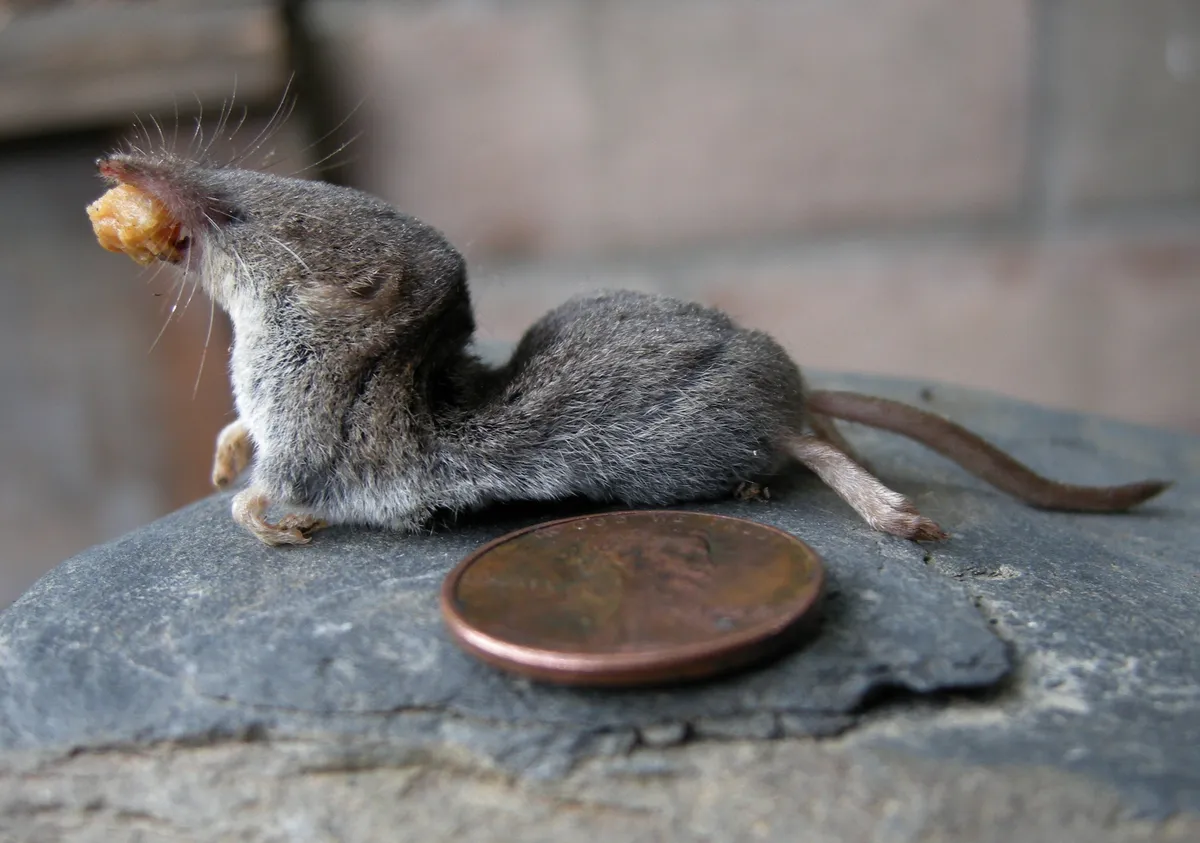
Greater white-toothed shrew

Greater white-toothed shrew

Crocidura russula

A small mammalian insectivore belonging to the Soricidae family, characterized by its small size, high metabolic rate, and distinctive white tooth tips.

Image Gallery

Greater white-toothed shrew
ADSENSE SLOT

Ecology & Habitat

Habitat

Widespread across western and central Europe, typically inhabiting grasslands, woodlands, hedgerows, and agricultural landscapes with dense ground vegetation

Ecological Role

Critical in controlling insect populations, serving as prey for larger predators, and contributing to ecosystem nutrient cycling through high metabolic activity
Morphology

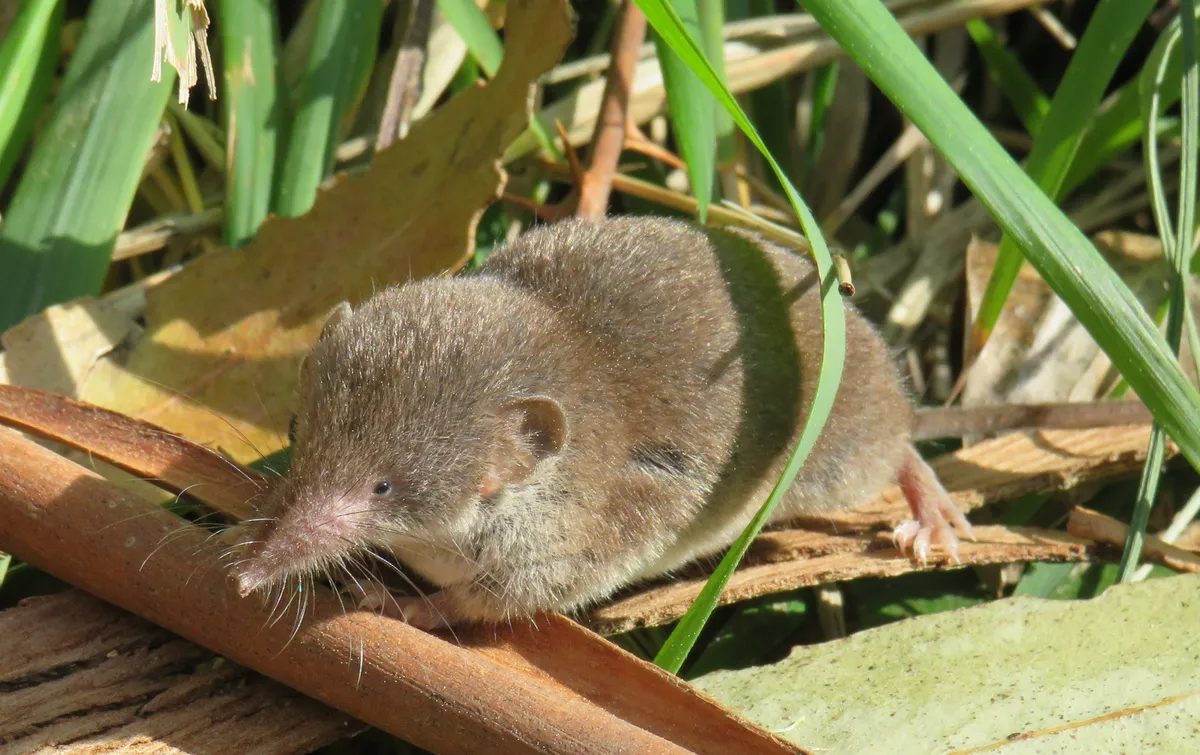
  • SKIN COAT Dense gray-brown fur, lighter ventral surface, distinctive white-tipped teeth
  • LIMBS WINGS Short limbs with five-toed feet, adapted for quick ground movement and burrowing
  • HEAD SENSORY Acute sense of hearing and smell, prominent whiskers for environmental navigation, small eyes with limited visual acuity
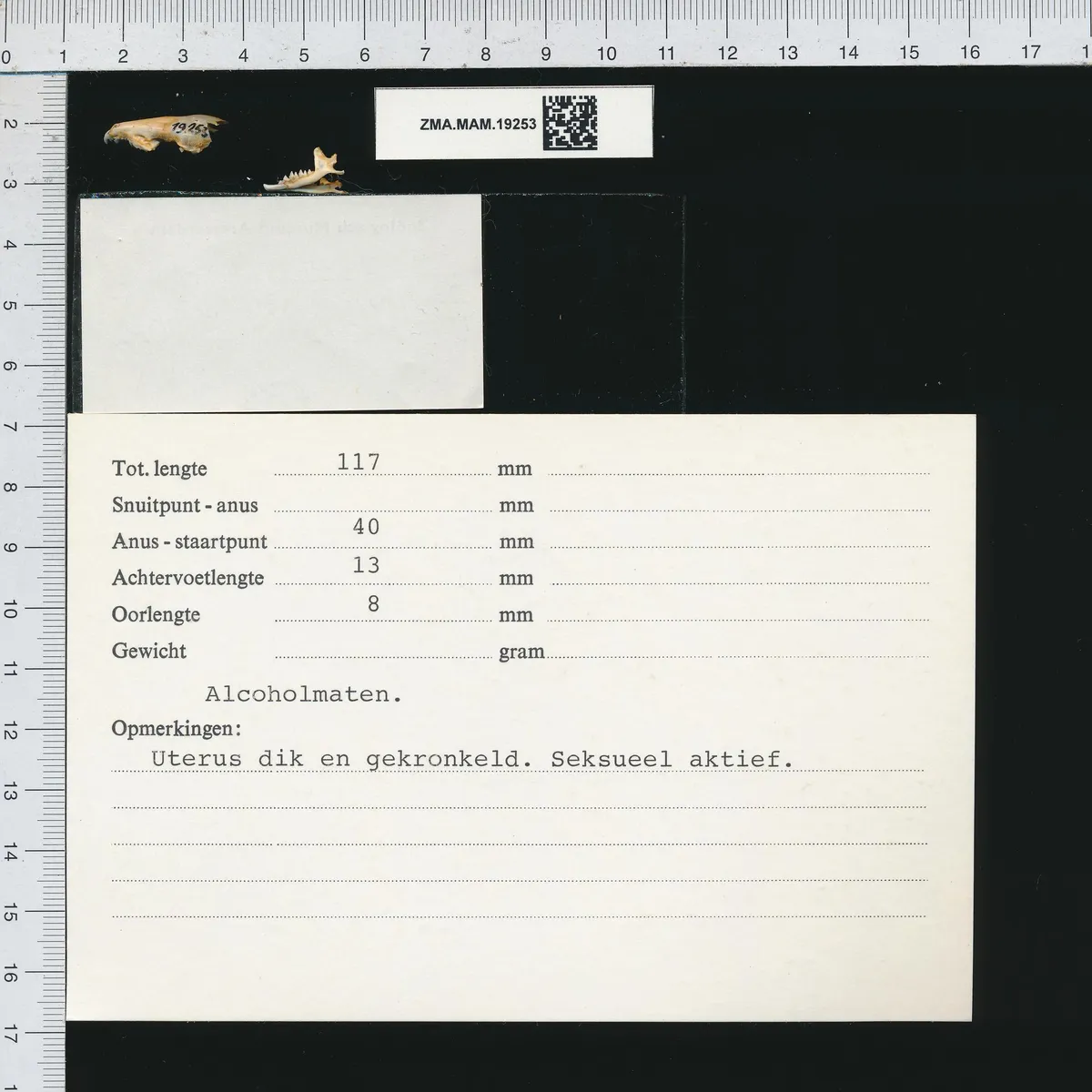
  • BODY STRUCTURE Small-bodied shrew, typically 5-9 cm in body length, weighing approximately 5-12 g, with elongated pointed snout
Data Source: TaxonHub Database
Image Credit: Hermann
ADSENSE VERTICAL

Related Species in Soricidae