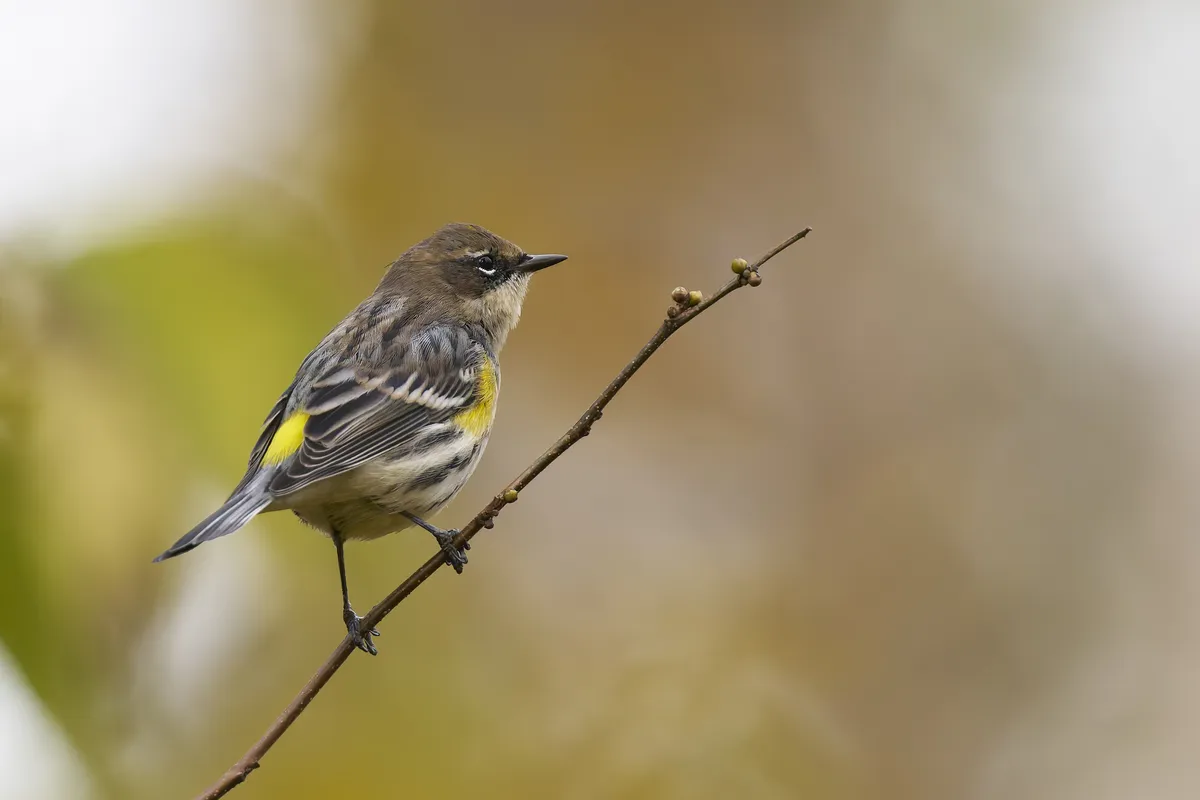
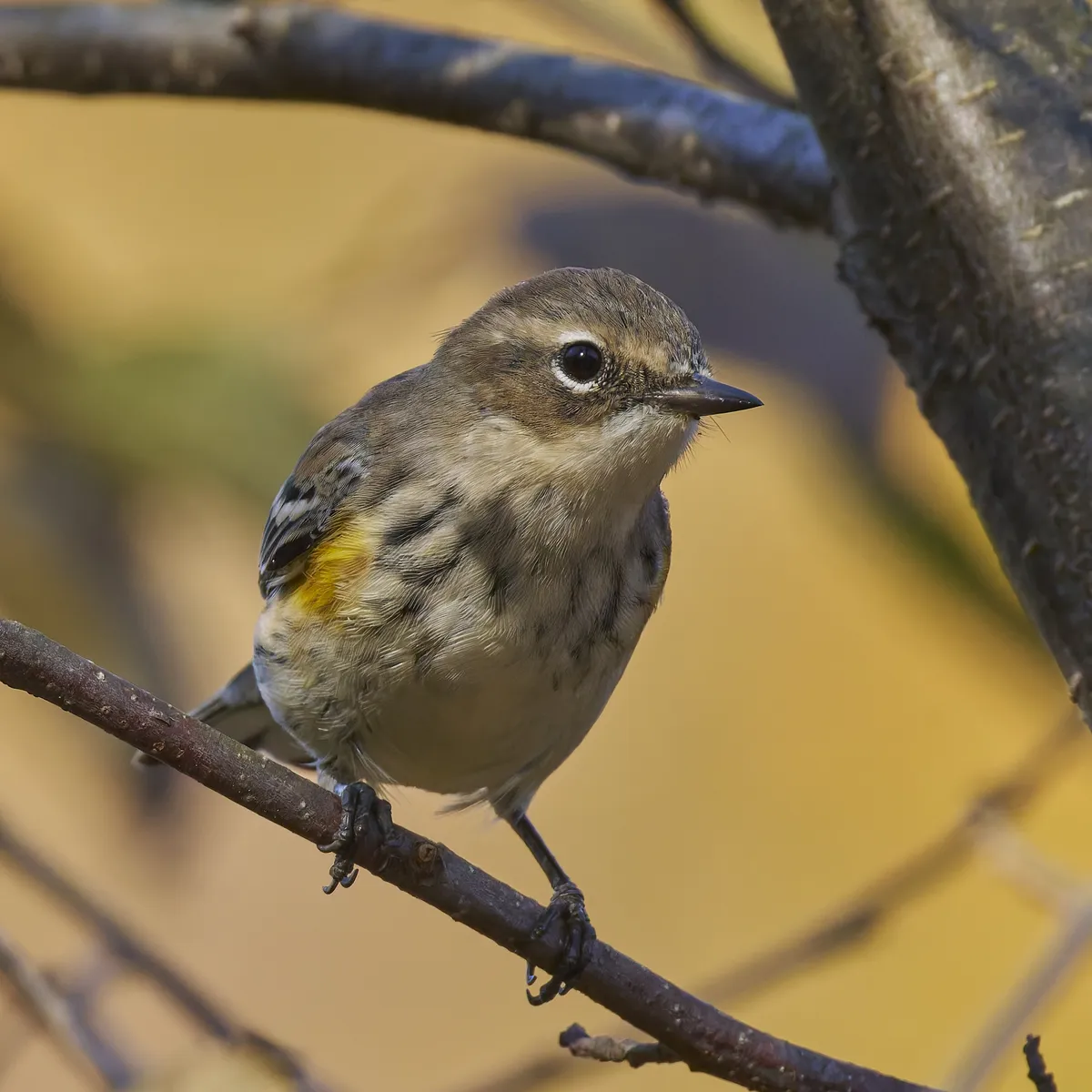
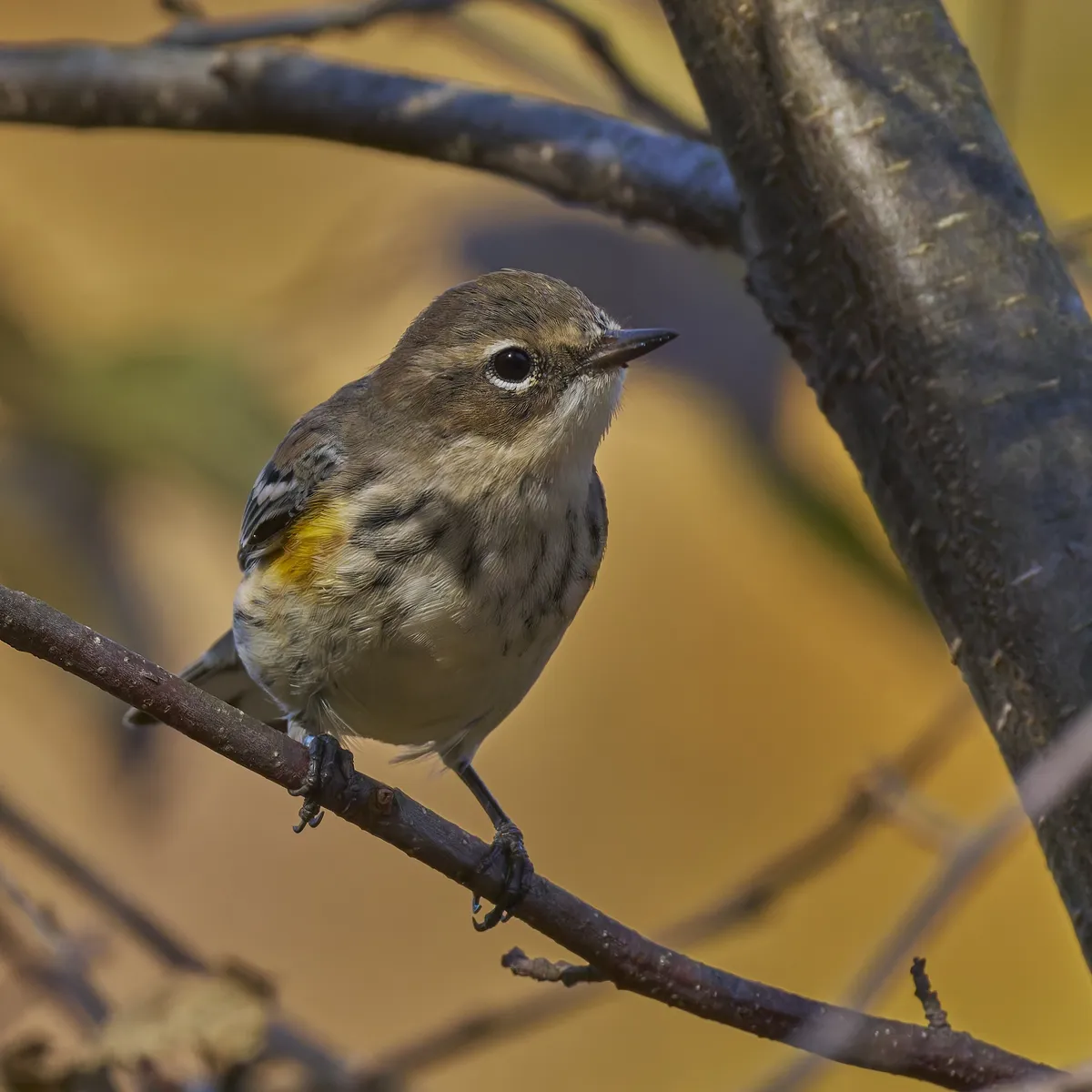
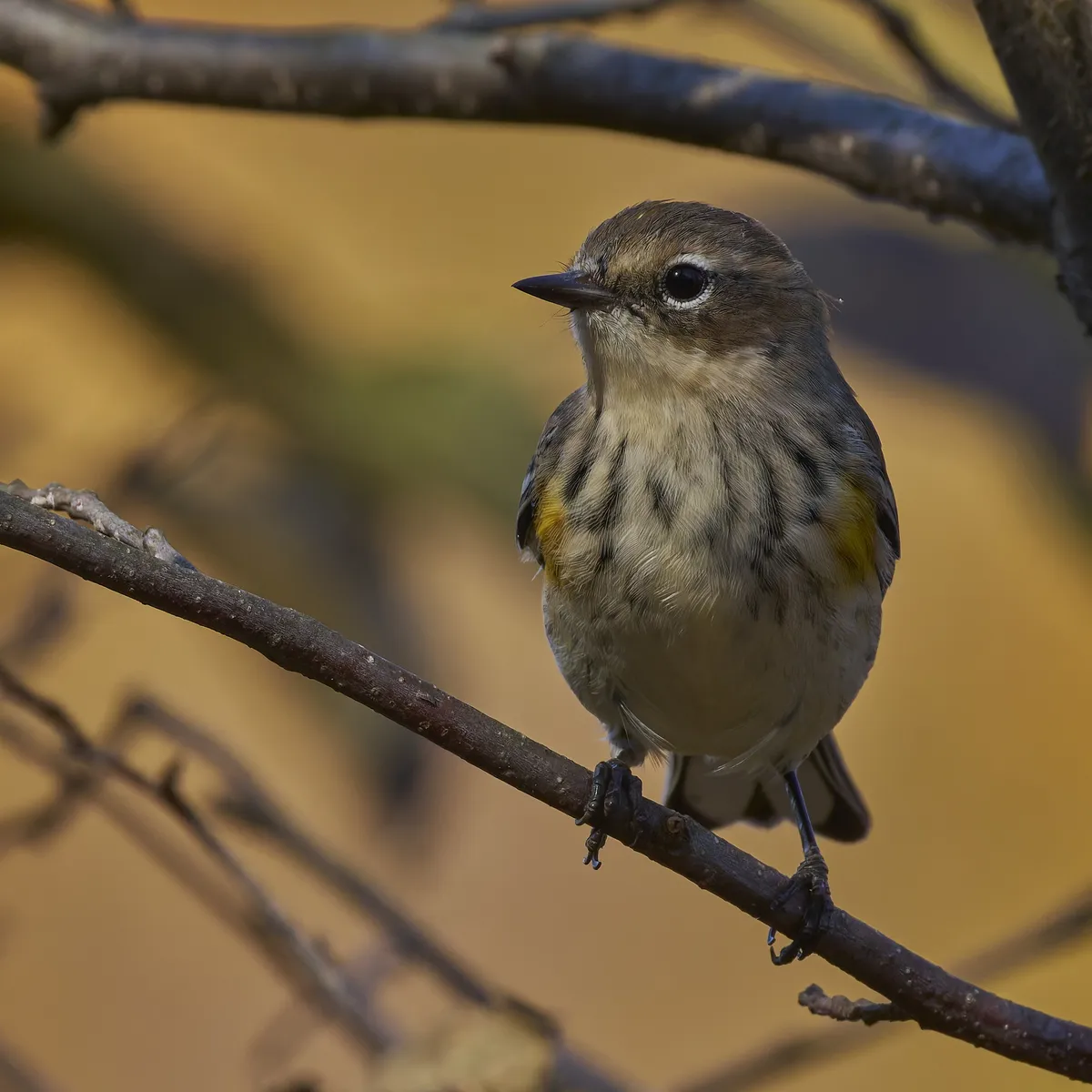
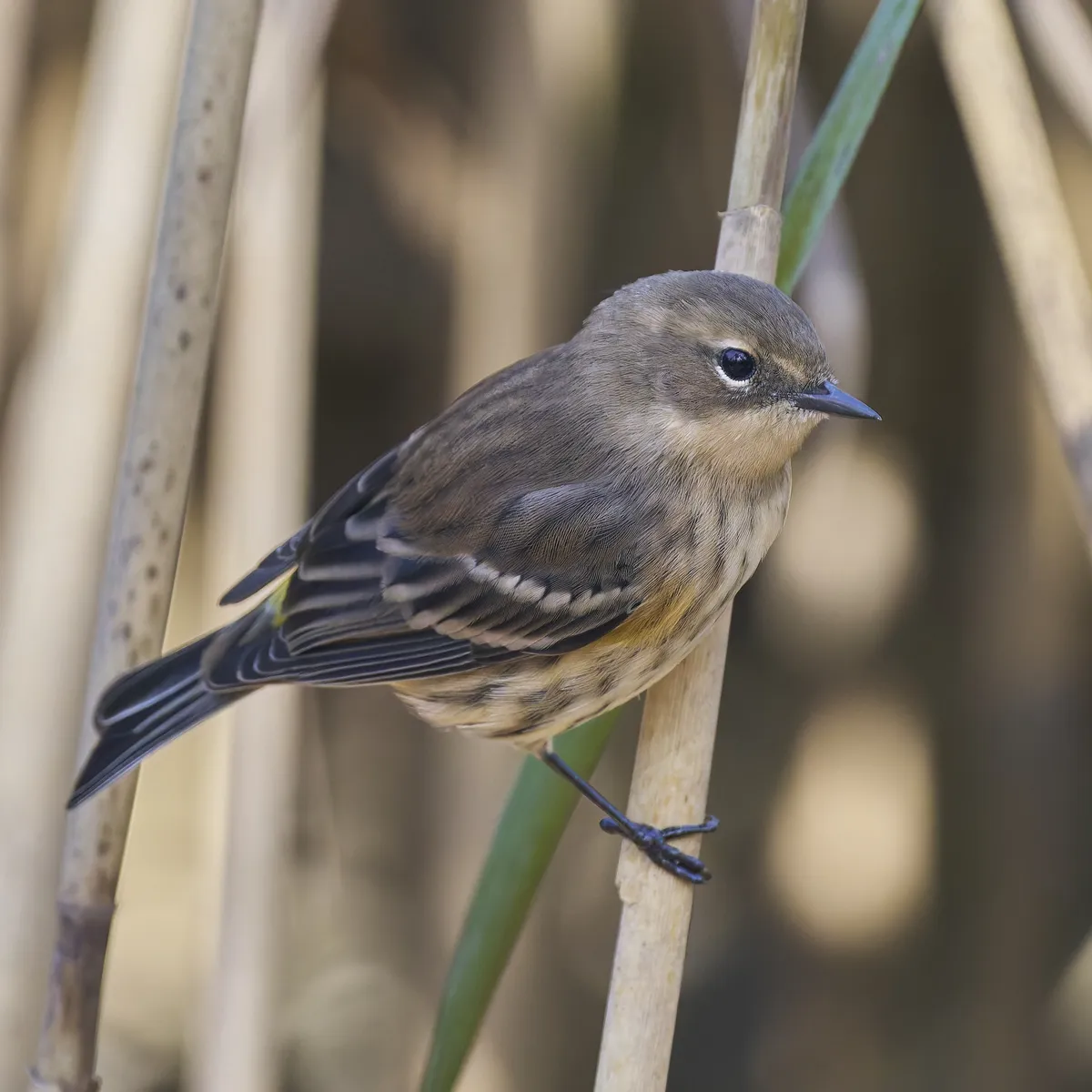
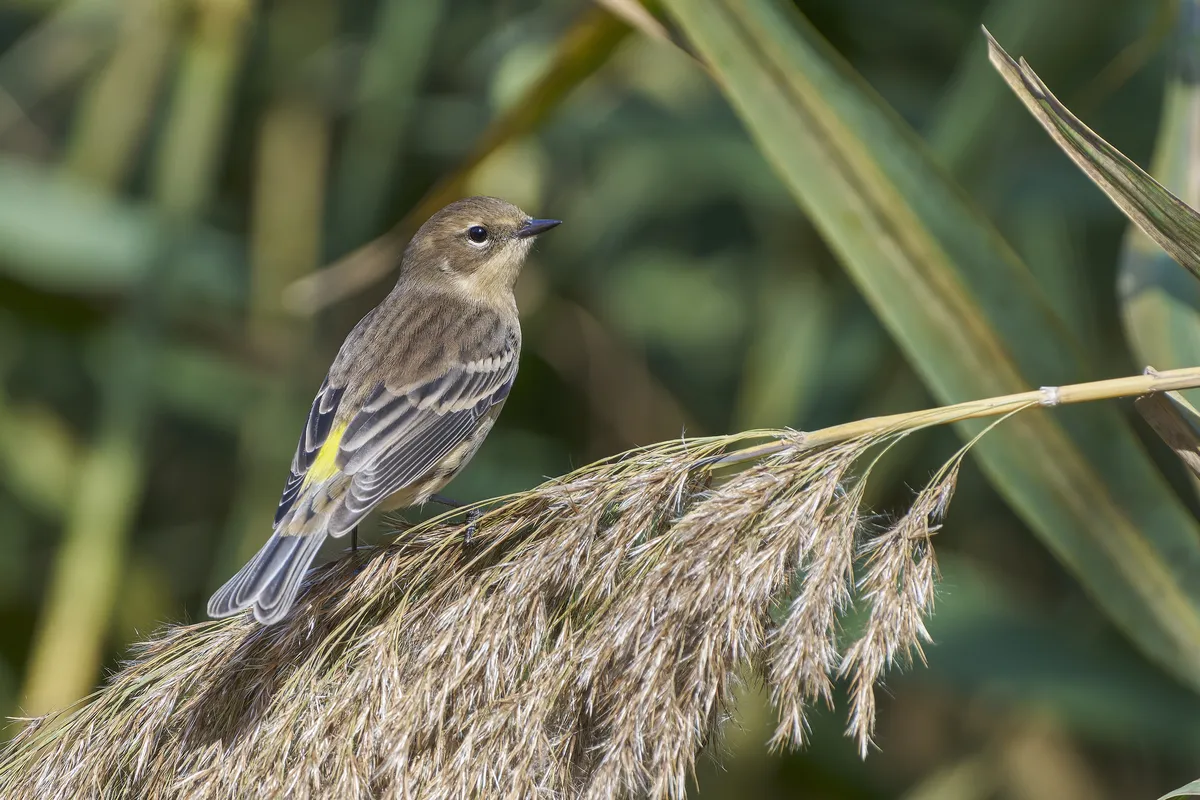
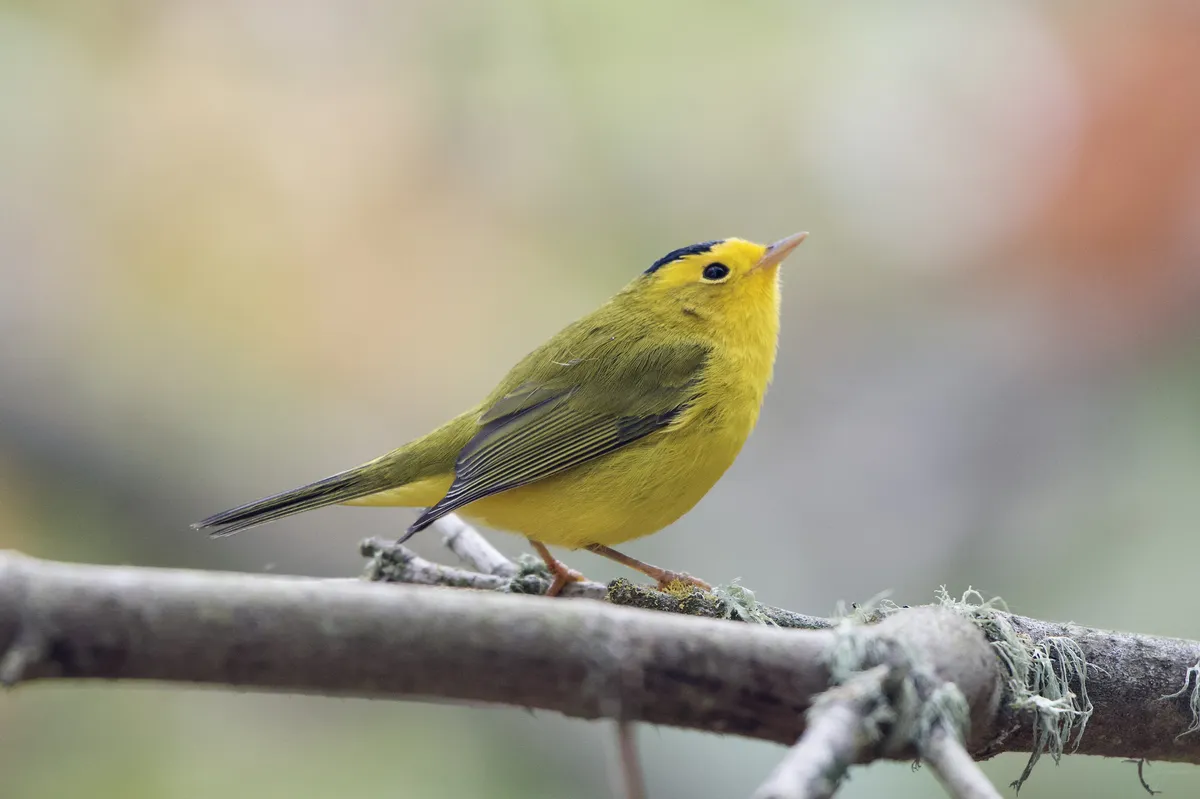
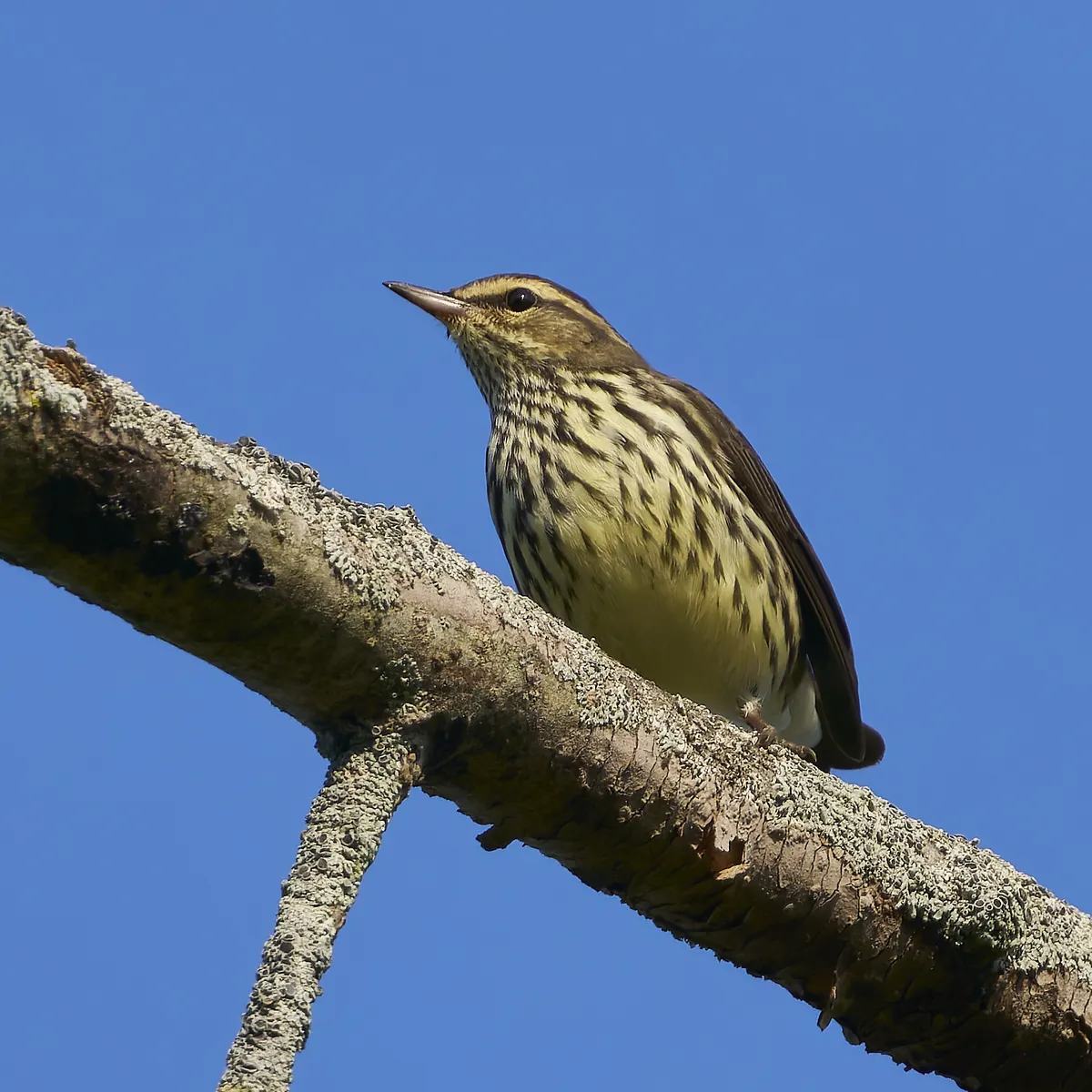
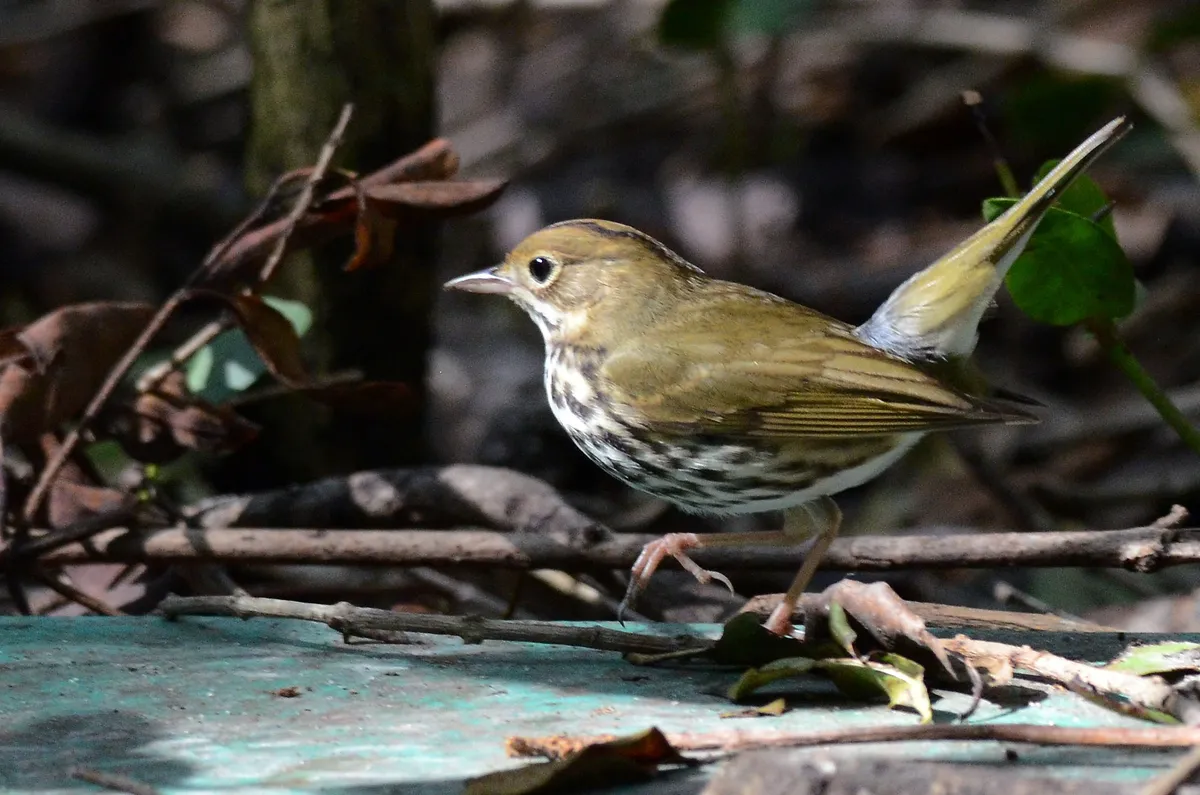
A small migratory songbird of the New World warbler family, widely distributed across North America, known for its distinctive yellow rump and intricate plumage patterns.
Image Gallery
ADSENSE SLOT
Ecology & Habitat
Habitat
Coniferous and mixed forests of North America, ranging from boreal forests in Canada to mountainous regions in the United States, with seasonal migrations to Central America and the Caribbean
Ecological Role
Key insectivorous species playing critical roles in forest ecosystem pest control, seed dispersal, and serving as indicator species for forest health and climate change impacts
Morphology
SKIN COATDense, layered plumage with blue-gray back, white underparts, distinctive yellow patches on crown, sides, and rump
LIMBS WINGSRelatively short, strong legs adapted for perching and hopping between branches, wings pointed and streamlined for efficient migration
HEAD SENSORYPointed, slightly curved bill specialized for capturing insects, large dark eyes with excellent visual acuity for detecting prey movement
BODY STRUCTURESmall passerine bird, approximately 11-14 cm in length, weighing 9-12 g, with compact, agile body adapted for foraging in tree canopies
Data Source: TaxonHub Database
Image Credit: Paul Danese