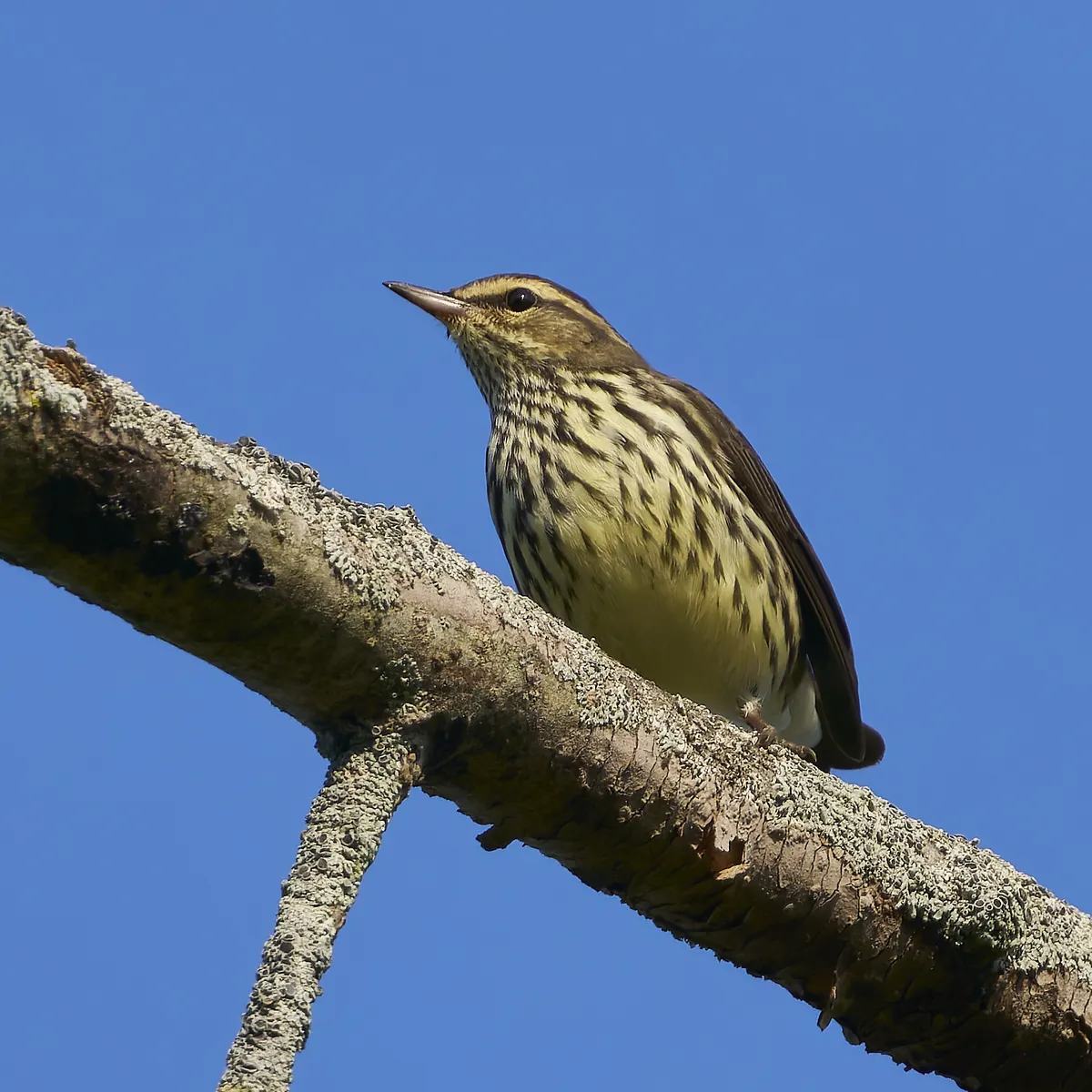
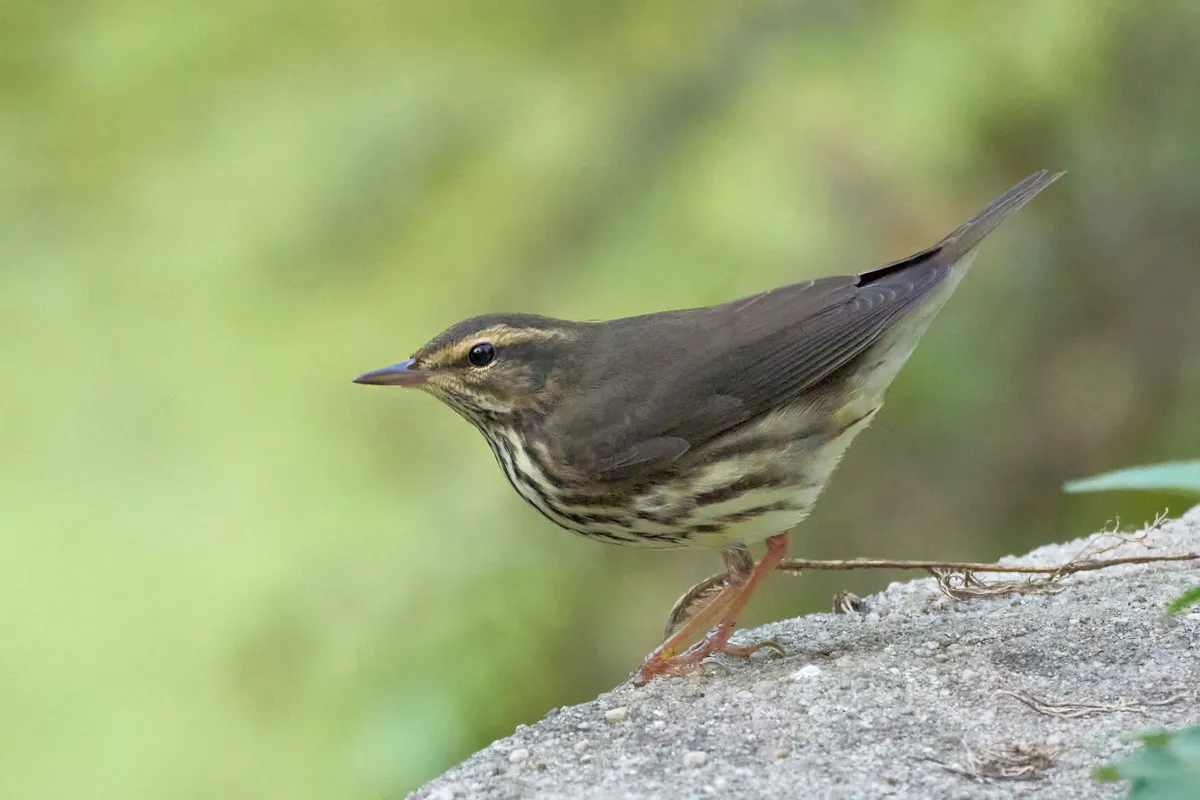
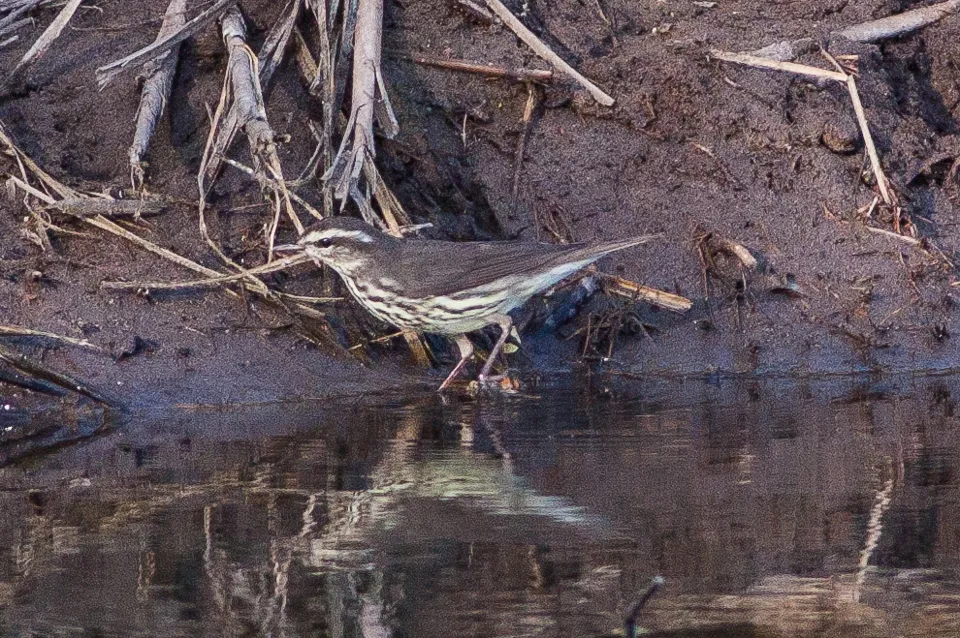
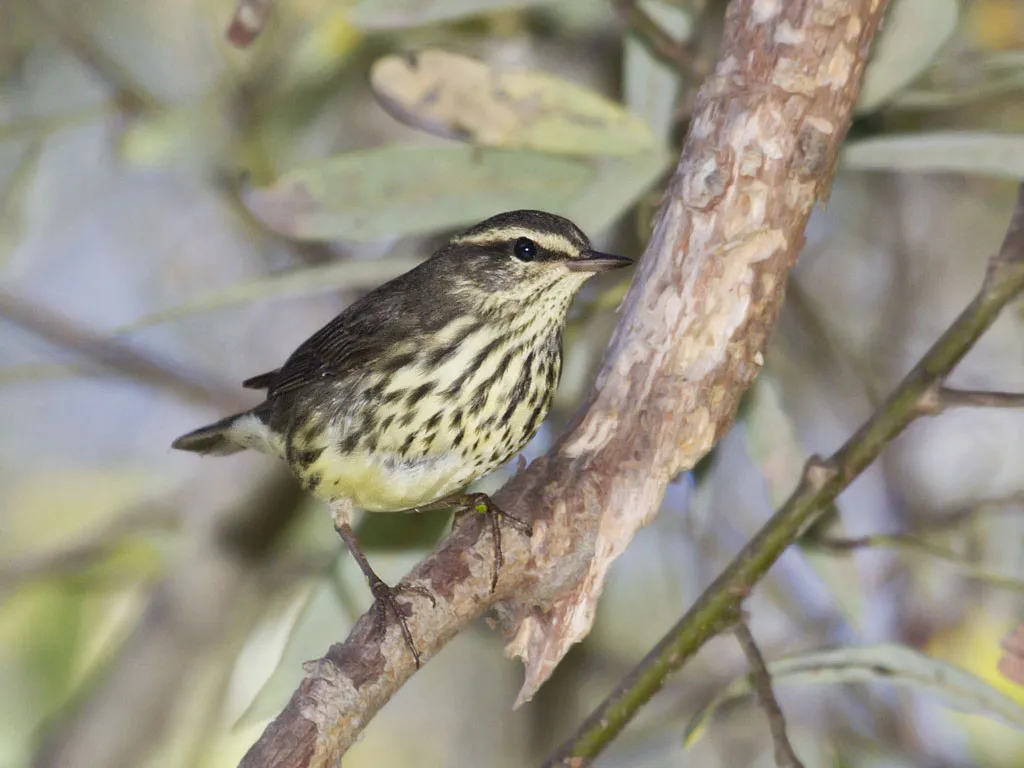
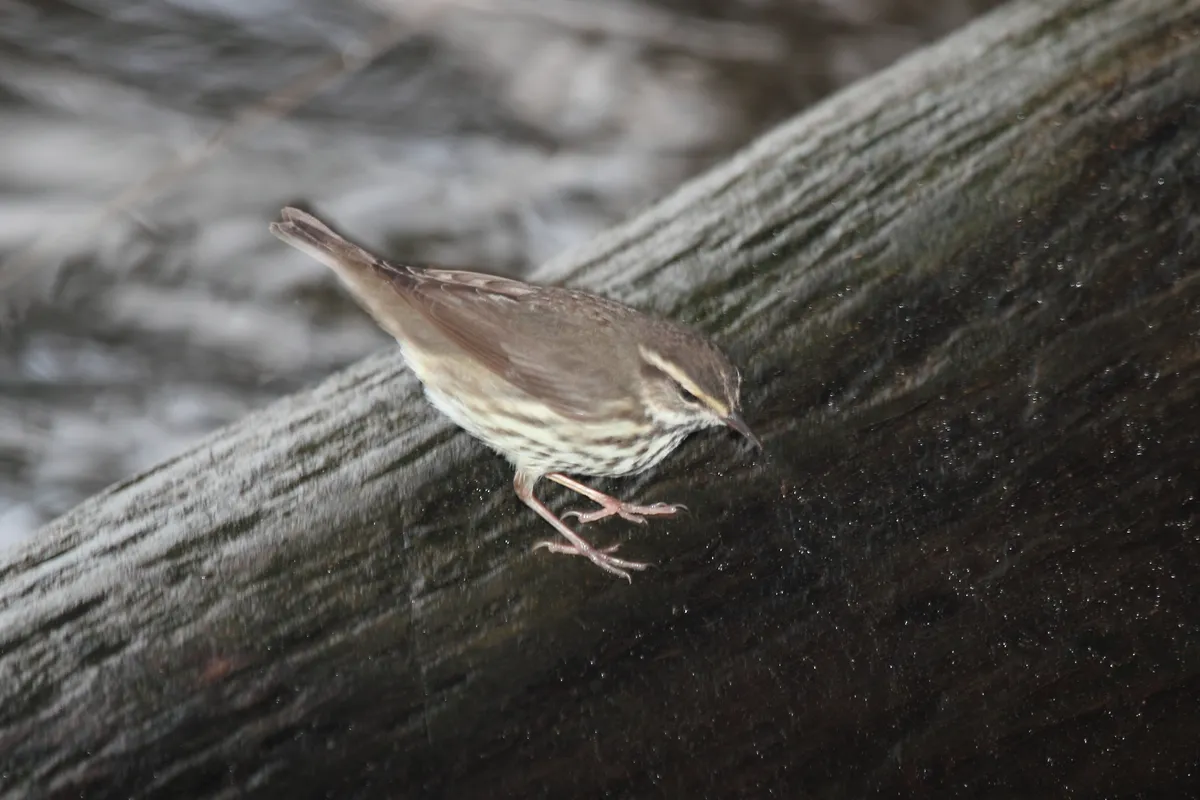
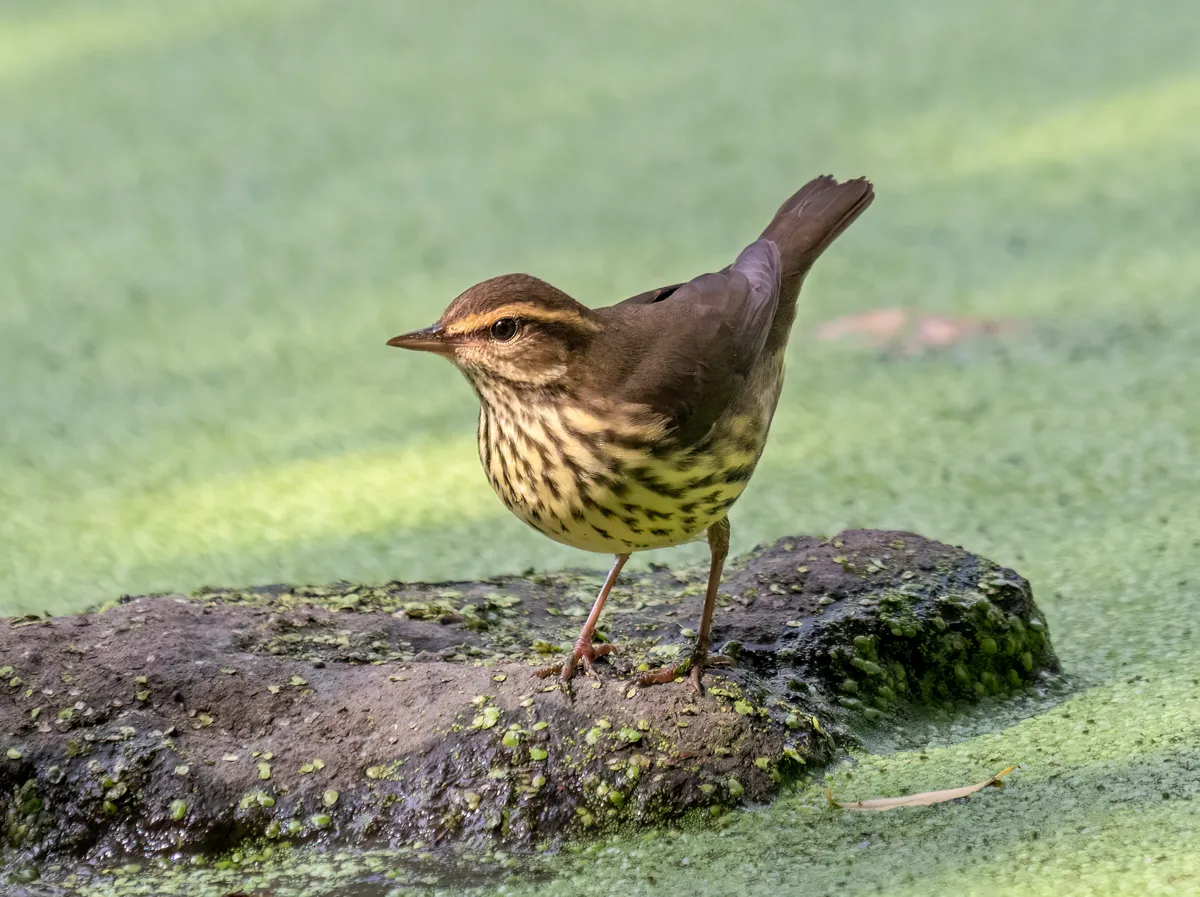
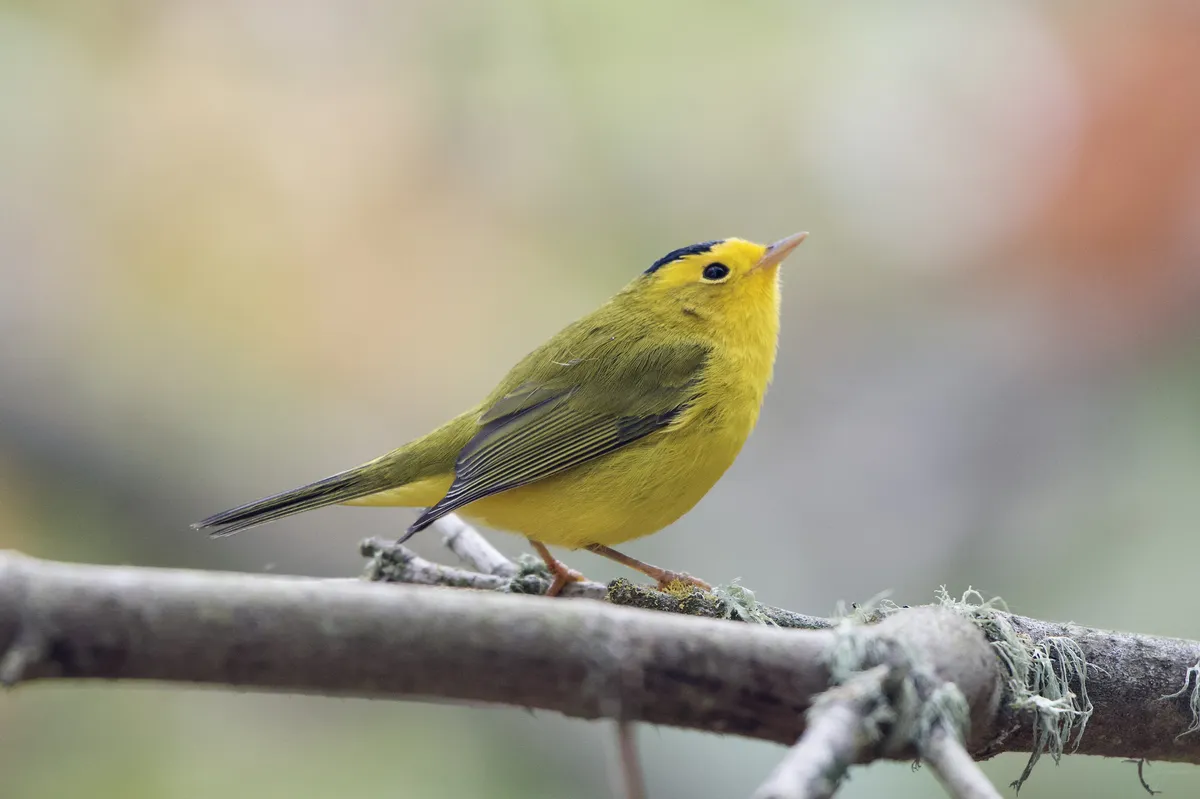
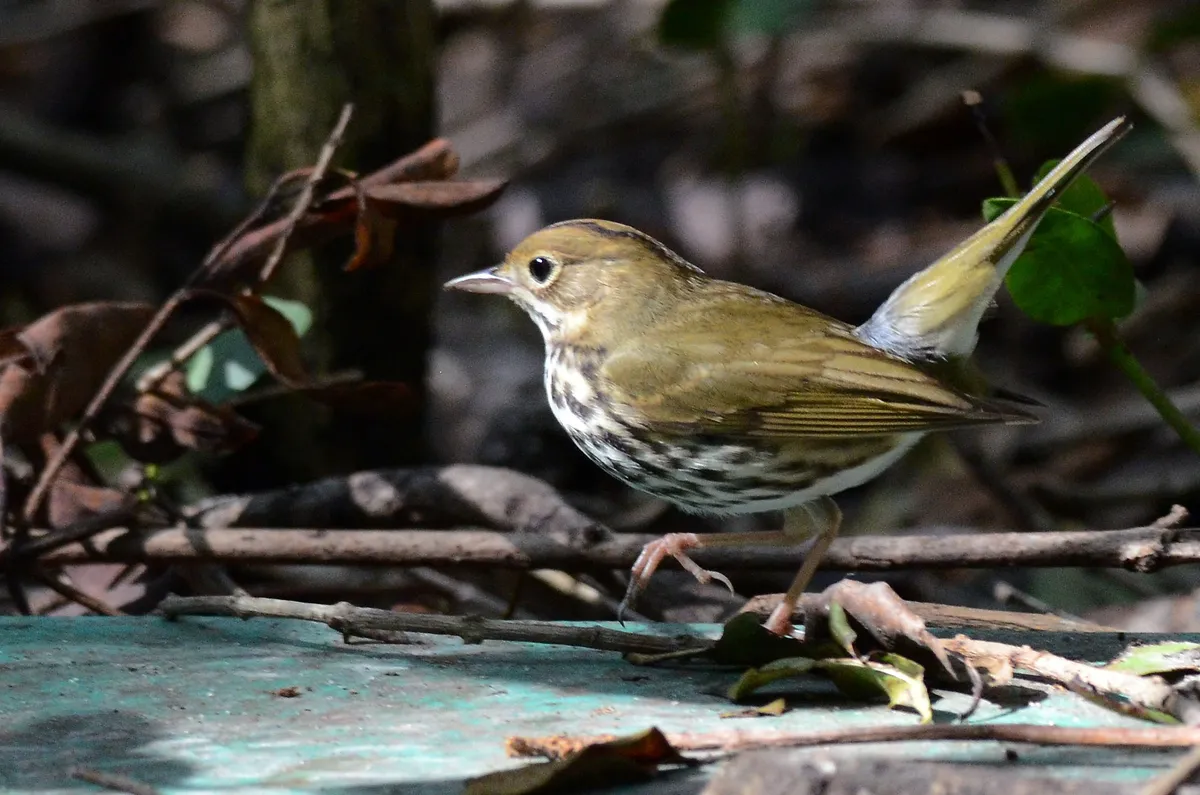
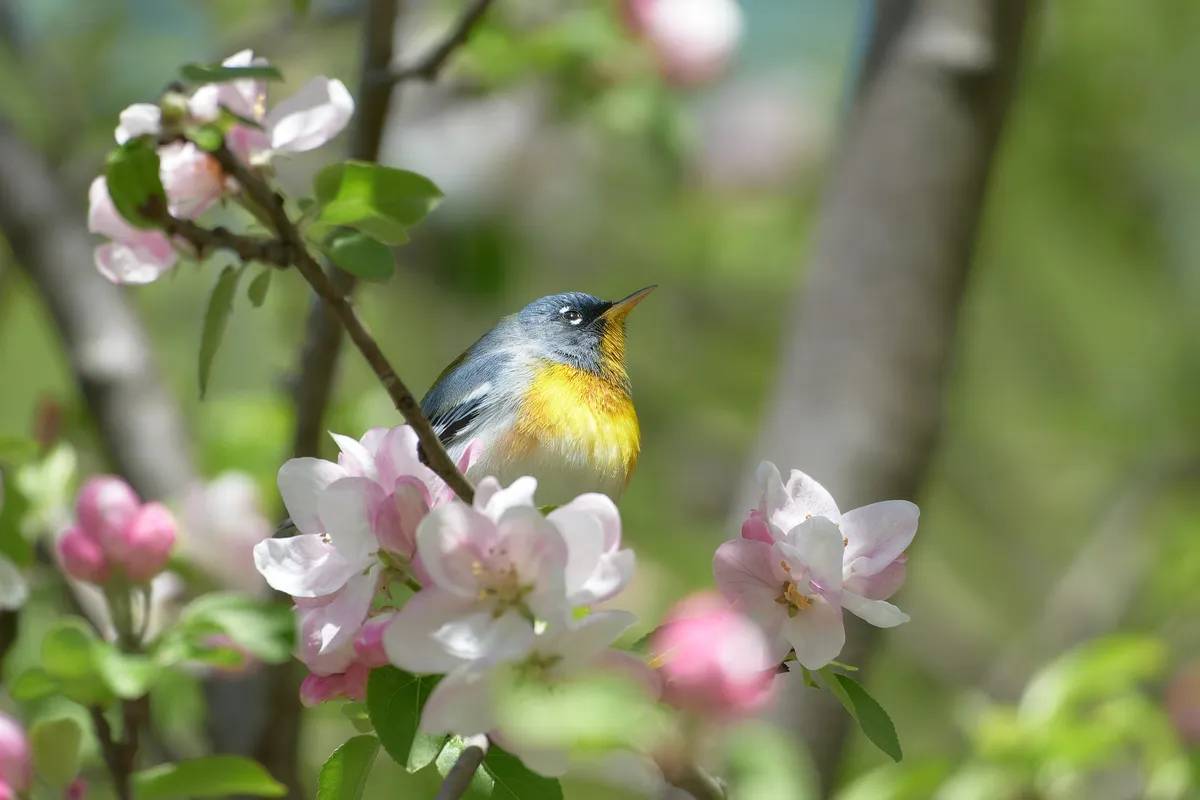
A small, robust migratory wood warbler species native to North America, characterized by its distinctive wagging tail movement and preference for wet woodland habitats.
Image Gallery
ADSENSE SLOT
Ecology & Habitat
Habitat
Breeds in boreal and temperate forest wetlands across Canada and northeastern United States; winters in Central and South American tropical and subtropical forests, particularly mangrove and riparian ecosystems.
Ecological Role
Critical insectivore in forest ecosystems, controlling insect populations; serves as important indicator species for forest and wetland habitat health and climate change impacts.
Morphology
SKIN COATBrown-olive upperparts with heavy dark streaking on white underparts, providing effective camouflage in forest understory
LIMBS WINGSShort, rounded wings for agile forest navigation; strong, elongated legs for terrestrial and near-ground foraging
HEAD SENSORYRelatively large head with pointed bill, dark eyes, and strong visual acuity for detecting ground-dwelling invertebrates
BODY STRUCTURECompact passerine bird, approximately 14 cm long, weighing 15-20 g, with robust build and sturdy legs adapted for ground foraging
Data Source: TaxonHub Database
Image Credit: Paul Danese