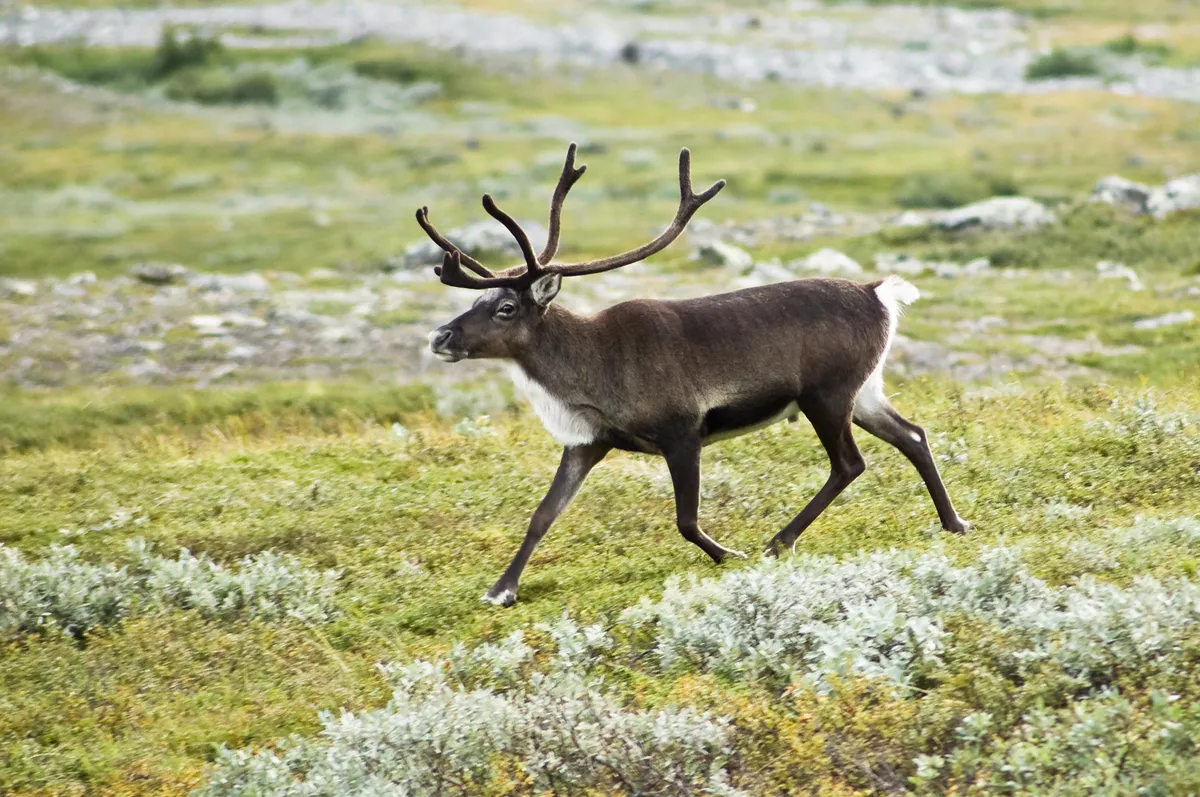
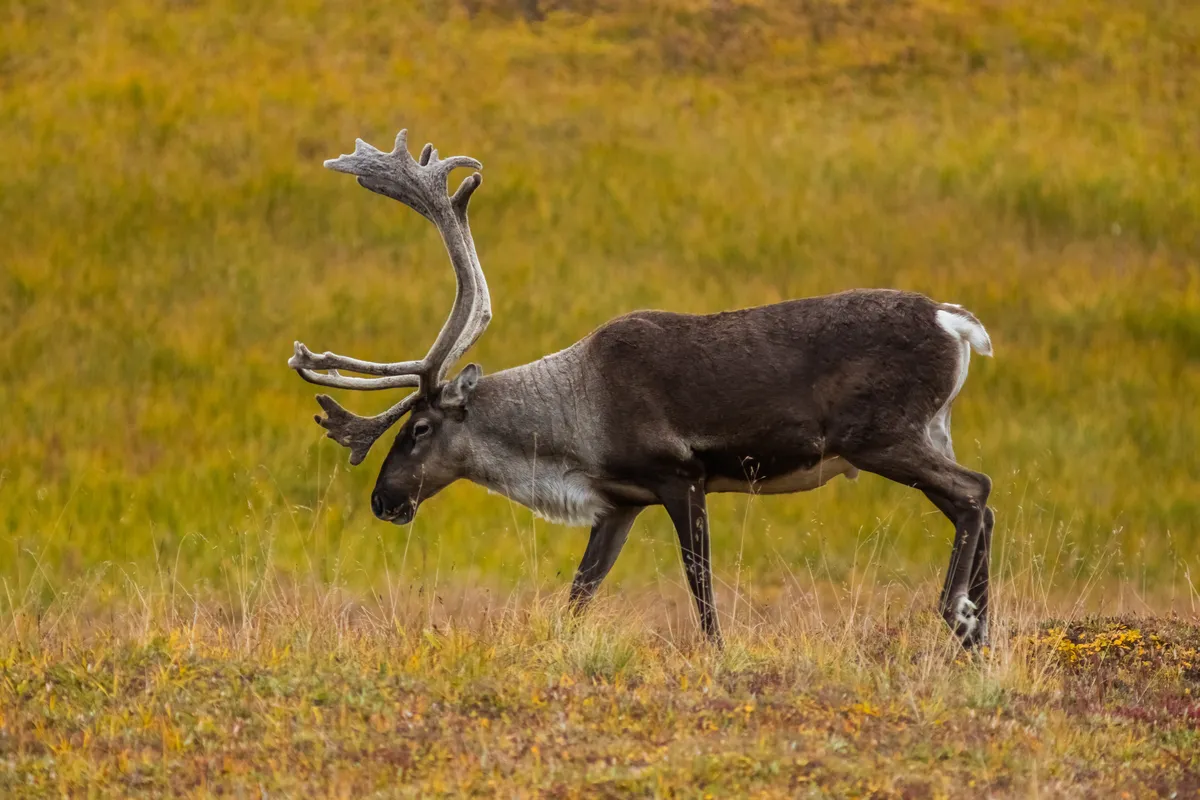
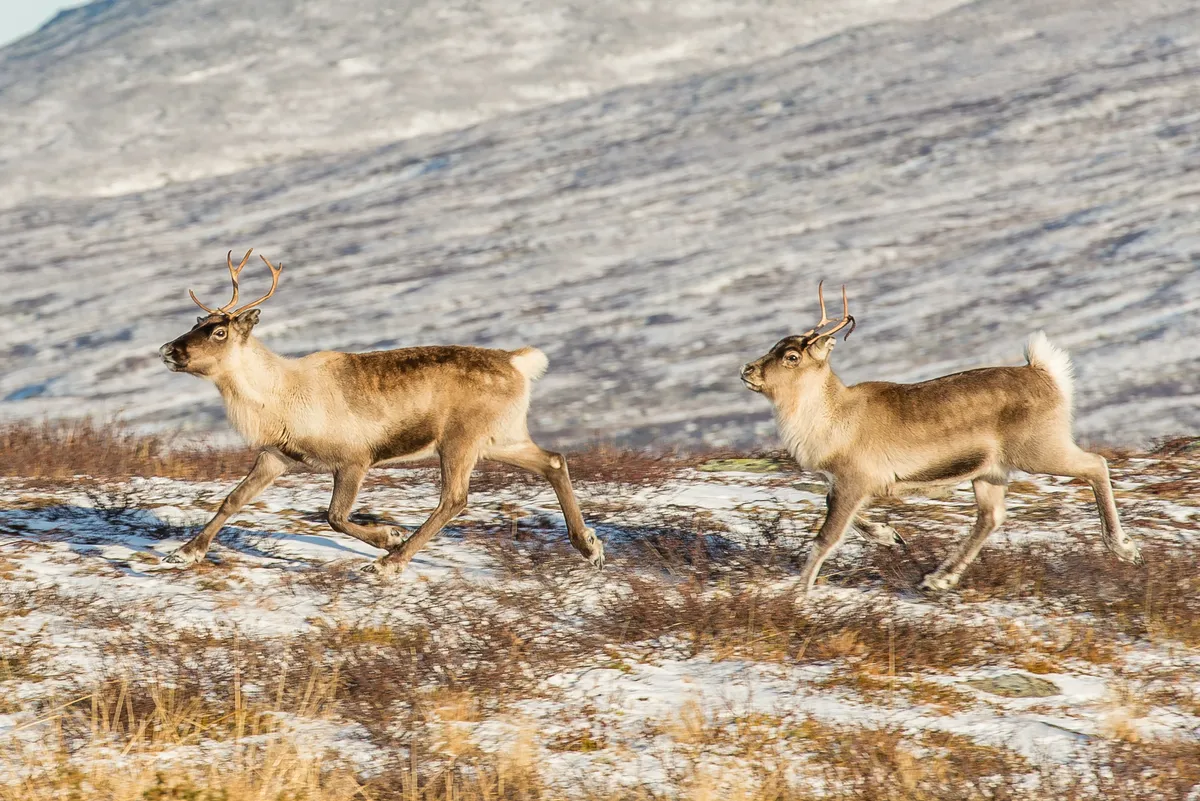
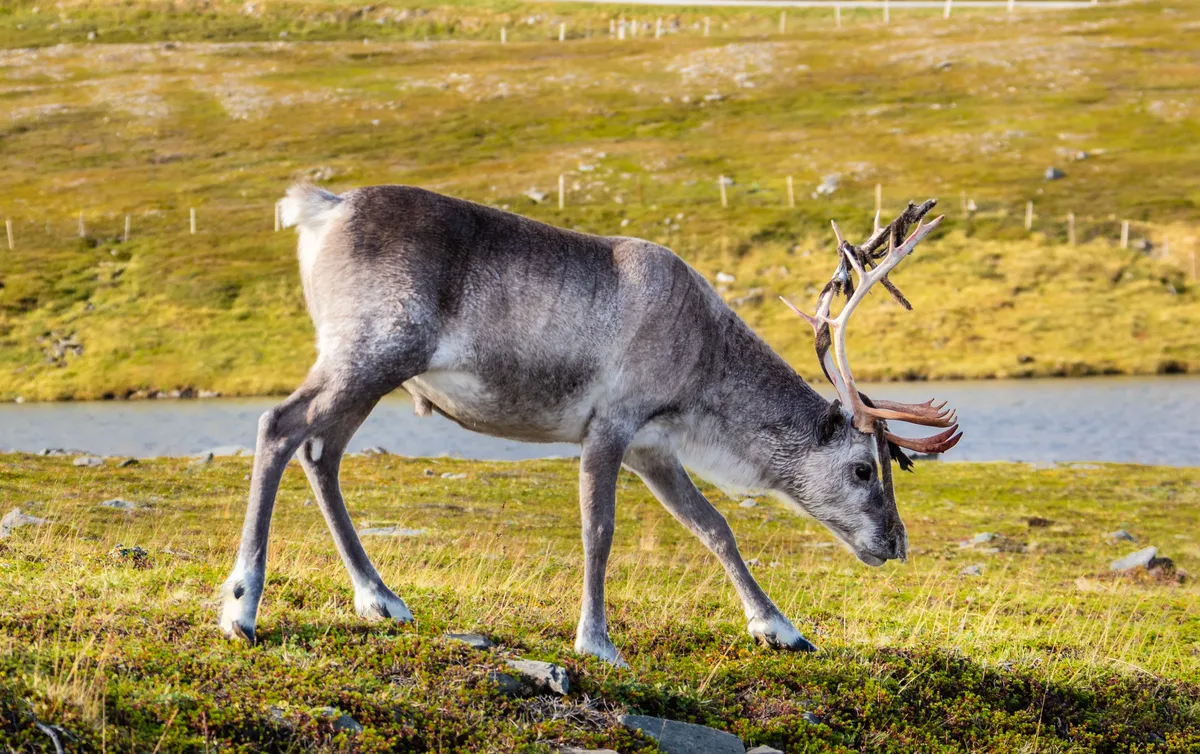
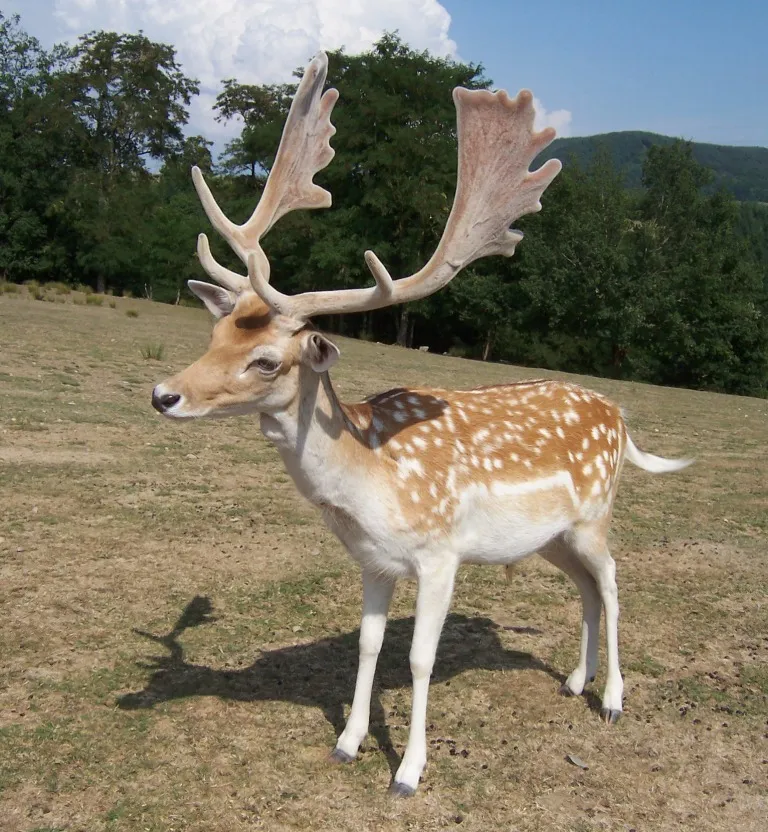
A large cervid species native to subarctic and arctic regions of Europe, Asia, and North America, characterized by unique adaptations to cold environments and annual migrations.
Image Gallery
ADSENSE SLOT
Ecology & Habitat
Habitat
Tundra, boreal forests, alpine regions across circumpolar territories ranging from 50-75° North latitude, with elevations between 0-3,500 meters above sea level.
Ecological Role
Critical keystone species in Arctic ecosystems, supporting indigenous human populations, regulating vegetation dynamics, and serving as prey for predators like wolves and bears.
Morphology
SKIN COATDense, multilayered fur with hollow guard hairs providing exceptional thermal insulation, color ranging from dark brown to near-white
LIMBS WINGSSpecialized hooves with sharp edges for digging through snow, powerful legs enabling efficient walking and running on varied terrain
HEAD SENSORYLarge, broad antlers with complex branching, keen eyesight adapted to low-light Arctic conditions, sensitive hearing
BODY STRUCTURERobust, stocky build with body length 1.6-2.1 meters, shoulder height 0.8-1.2 meters, body mass 60-300 kg depending on subspecies and sex