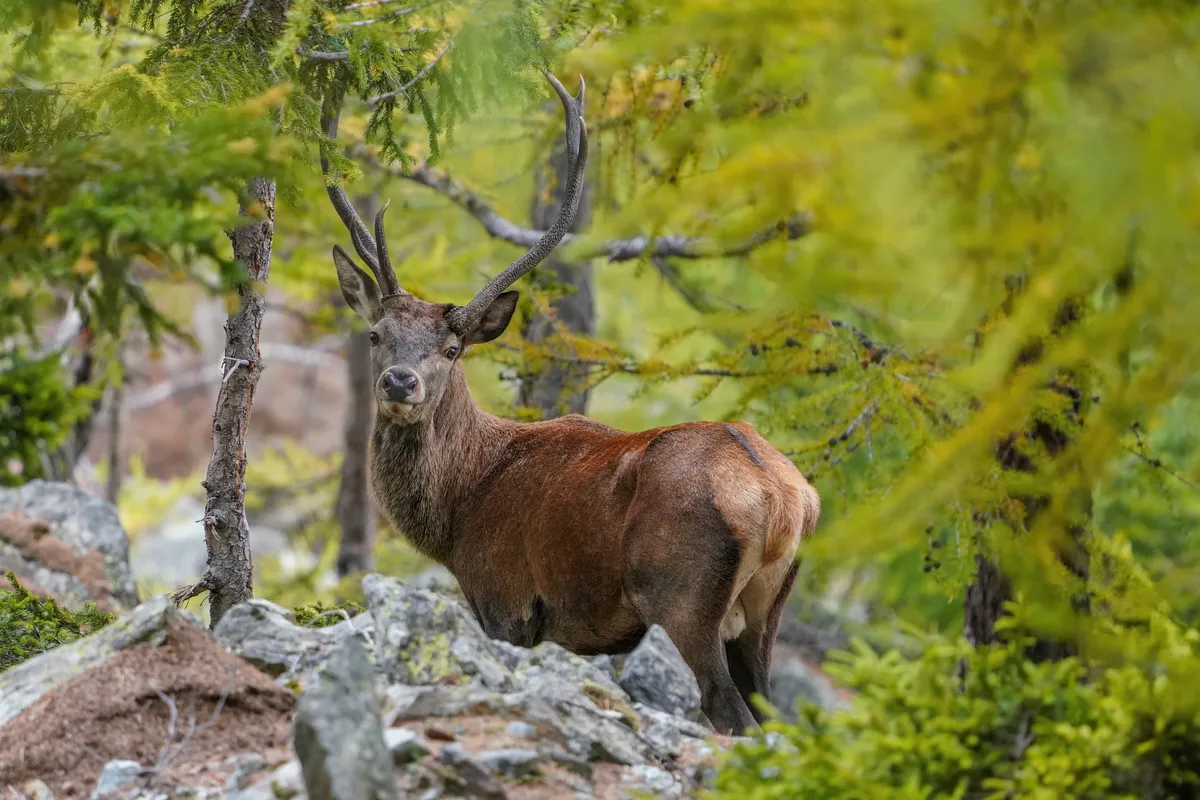
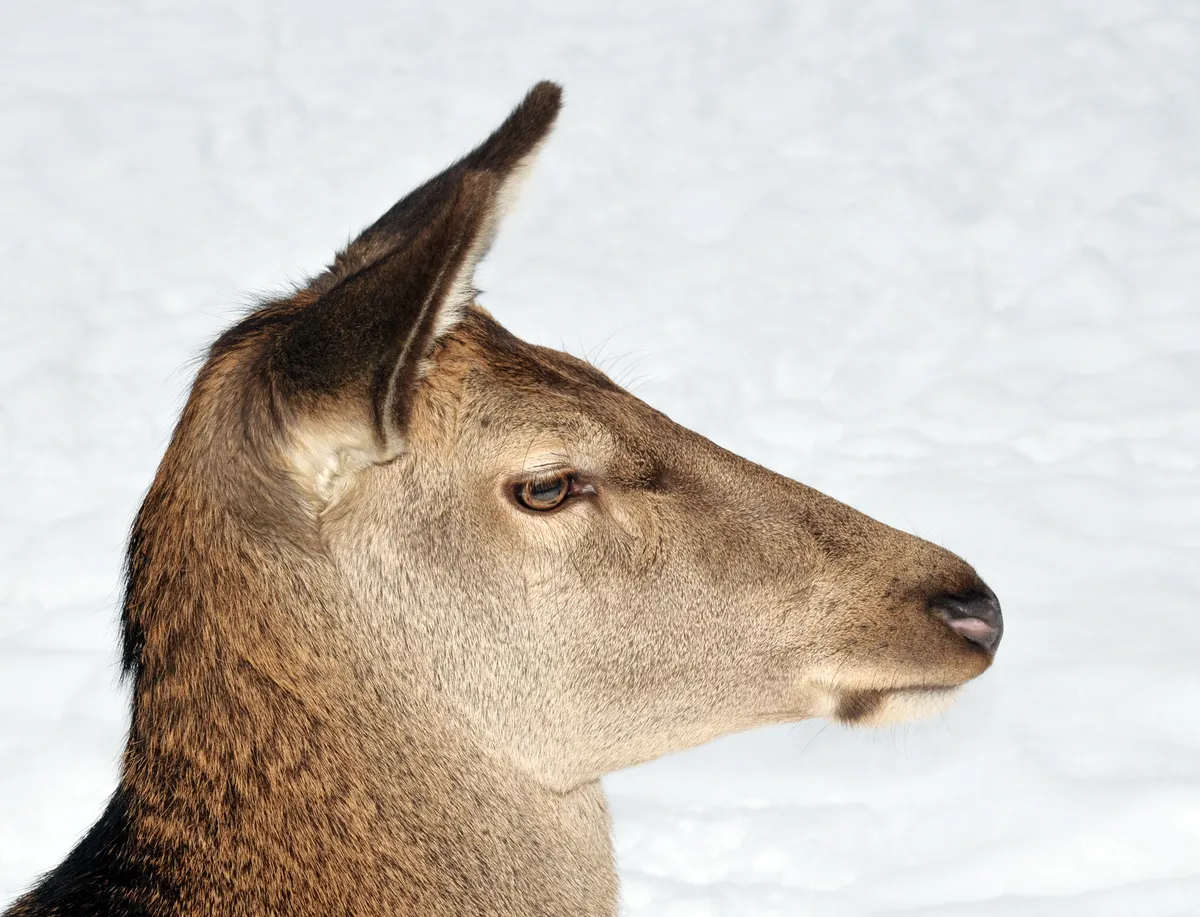
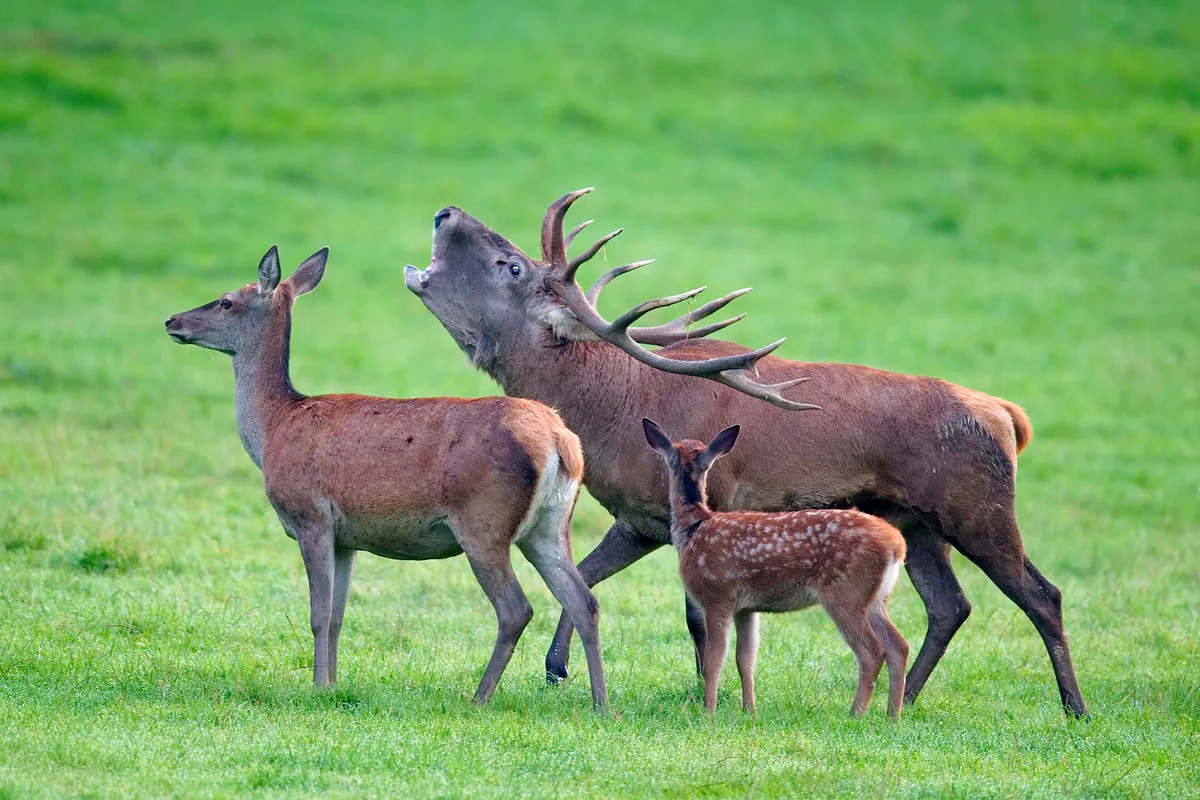
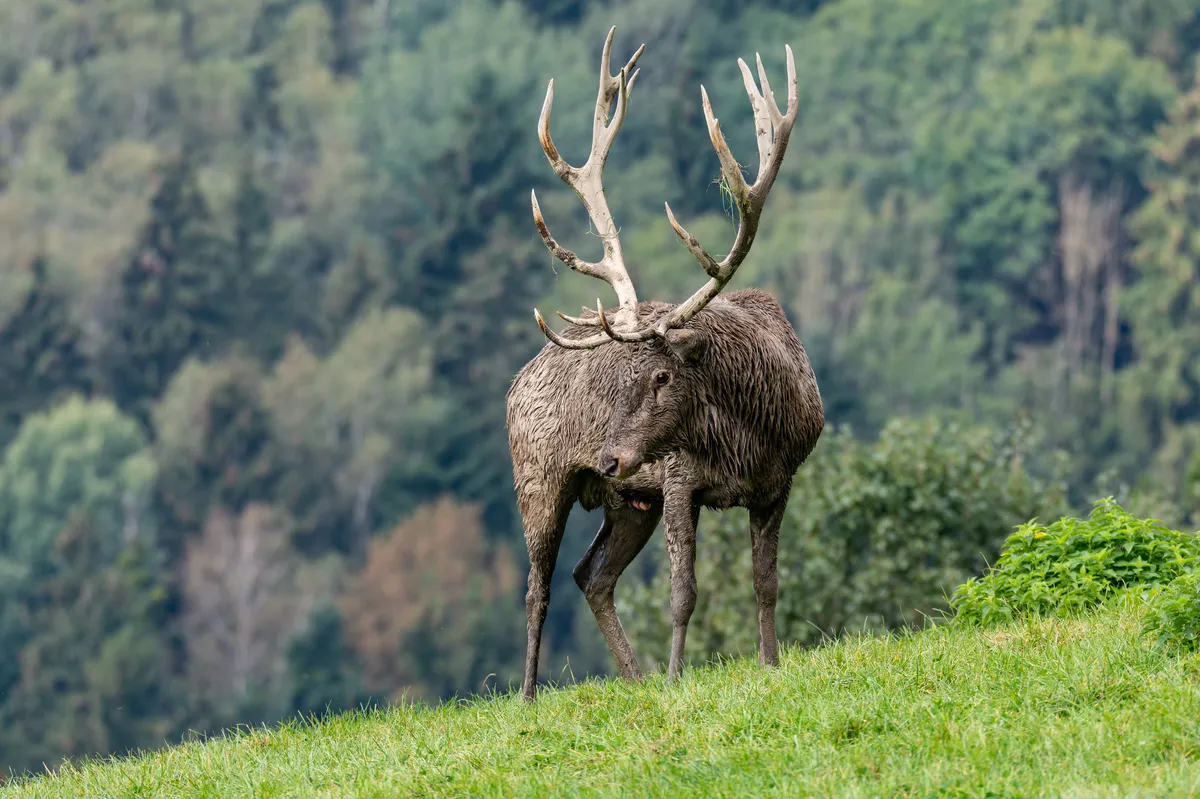
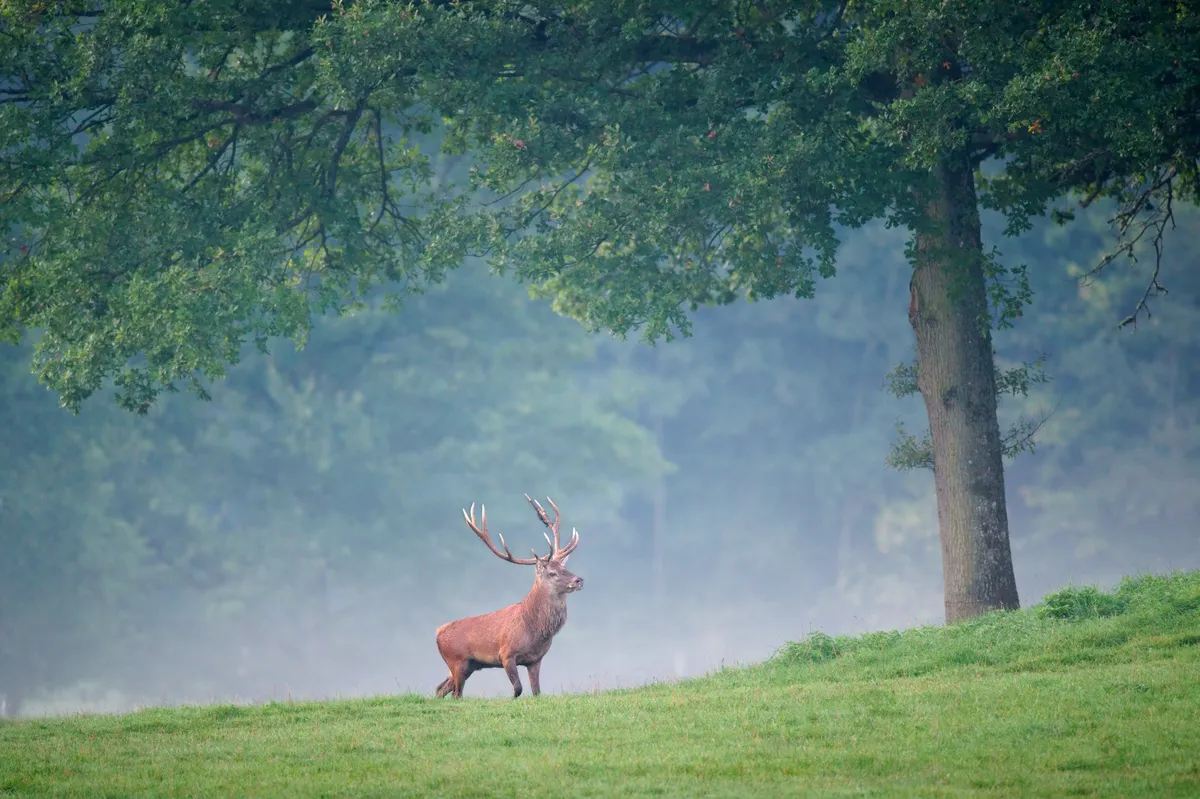
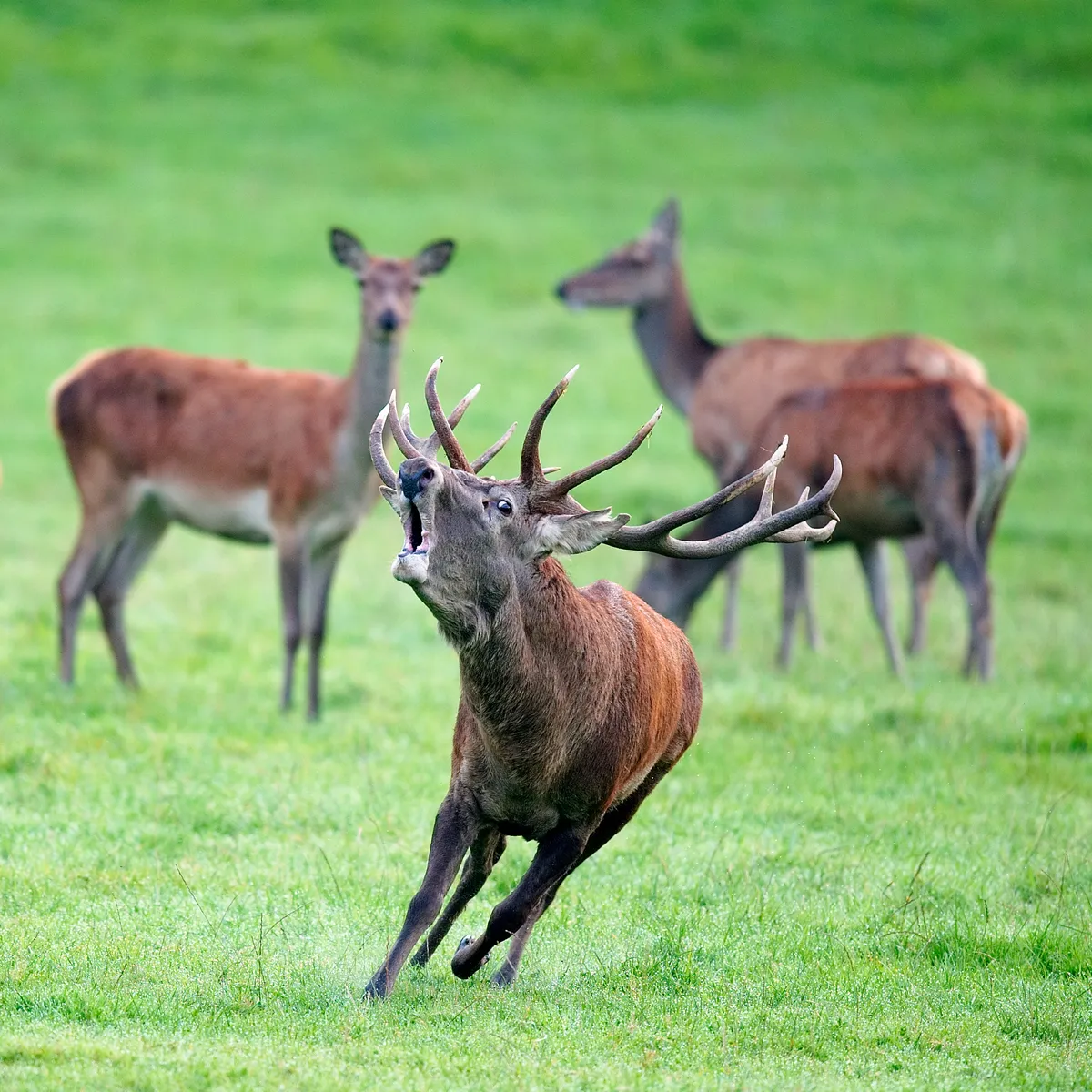
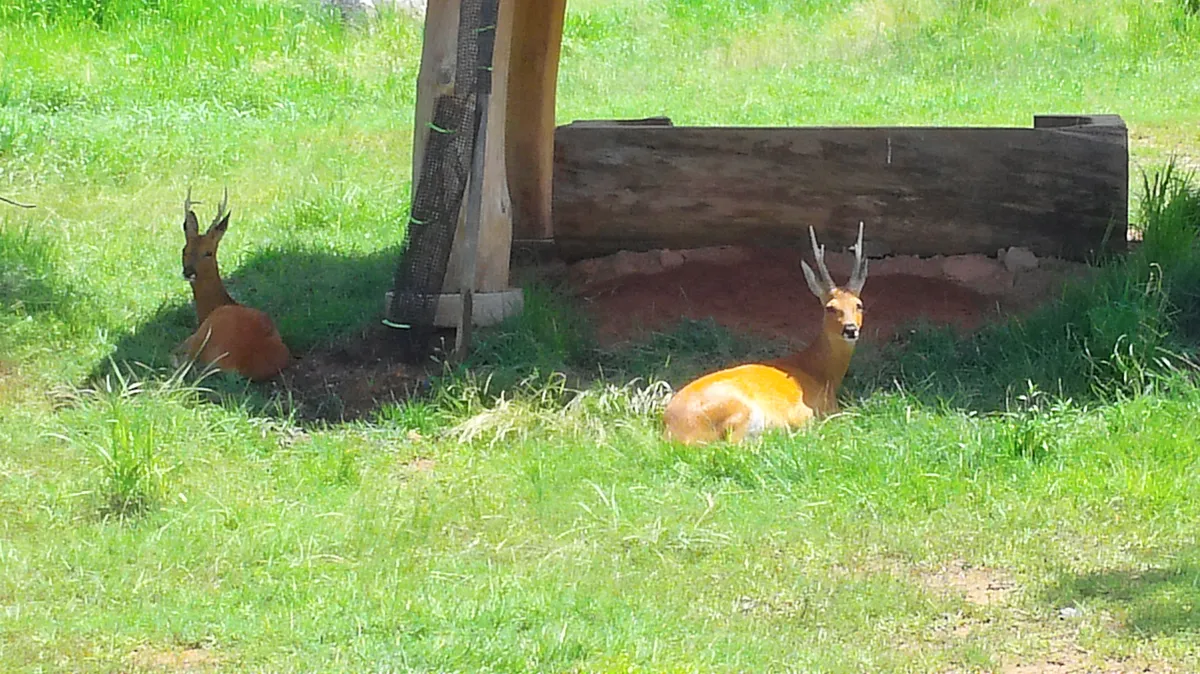
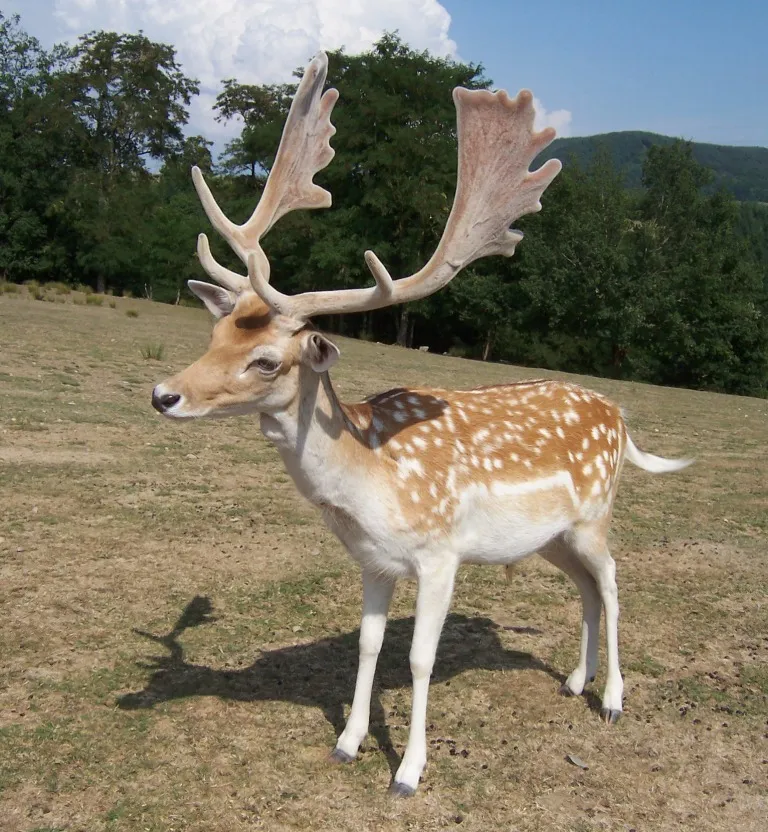
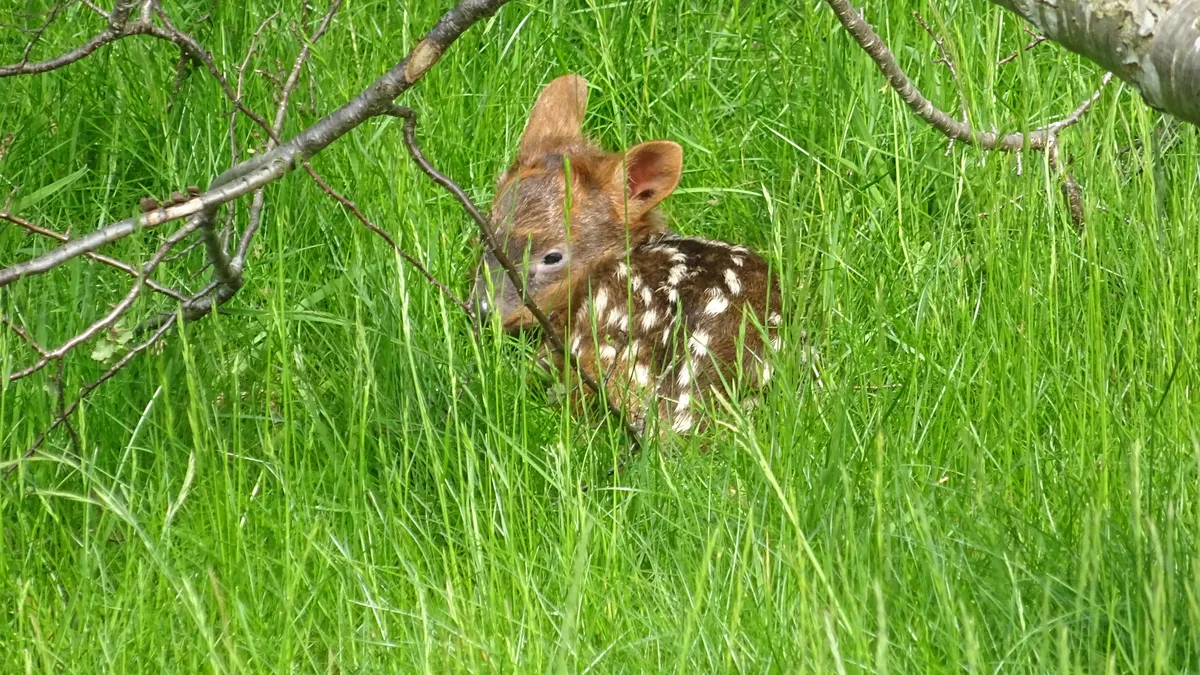
Large cervid mammal native to Europe, western Asia, and parts of North Africa, characterized by impressive antlers and social herd behavior.
Image Gallery
ADSENSE SLOT
Ecology & Habitat
Habitat
Diverse landscapes including temperate forests, mountain ranges, grasslands, and mixed woodland ecosystems across Eurasia with elevations ranging from sea level to 3,000 meters
Ecological Role
Key herbivore in forest ecosystems, facilitating vegetation management, serving as prey for large predators, and contributing to nutrient cycling
Morphology
SKIN COATDense seasonal coat varying from reddish-brown in summer to grayish-brown in winter, providing thermal regulation
LIMBS WINGSLong, powerful legs adapted for swift movement and jumping, with specialized hooves for traversing varied terrain
HEAD SENSORYLarge cranial structure with broad muzzle, acute hearing, and large orbital regions for enhanced visual perception
BODY STRUCTURELarge cervid with robust body, typically 1.6-2.4 meters in length, weighing 90-240 kg, with muscular build and distinctive antler formation
Data Source: TaxonHub Database
Image Credit: Giles Laurent