TaxonHub
Great Cormorant

Great Cormorant

Phalacrocorax carbo

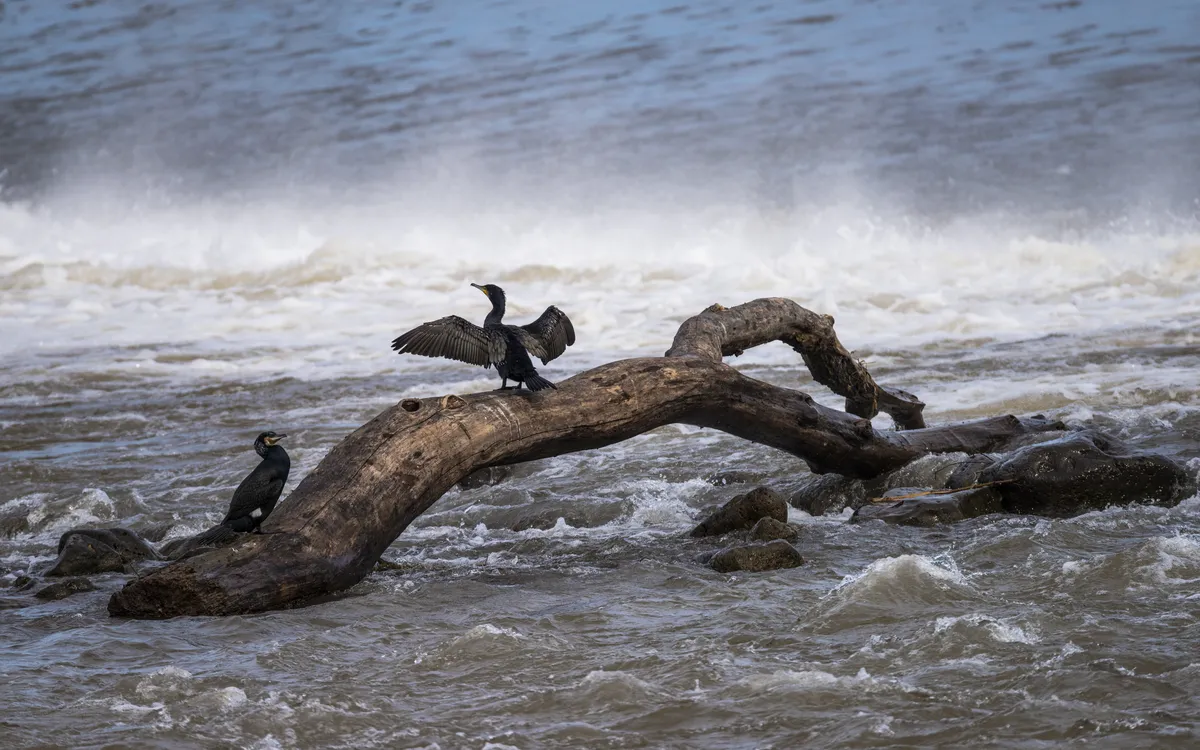
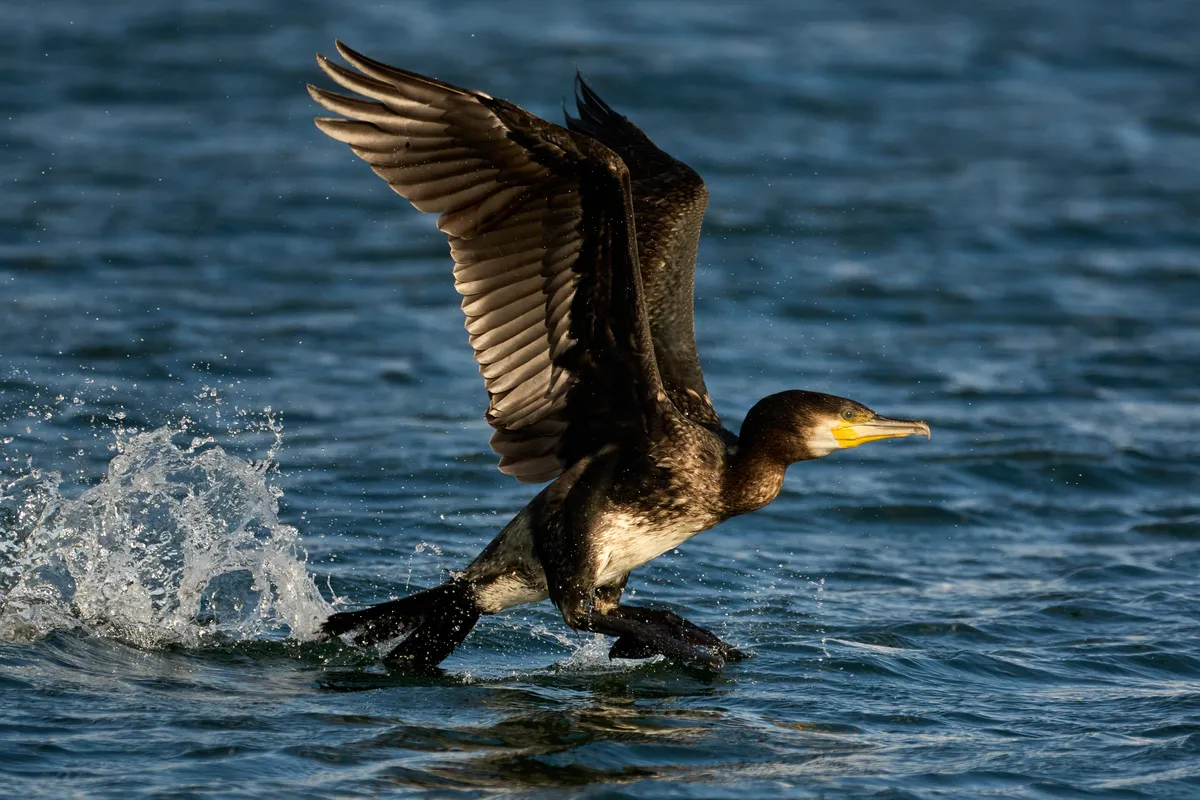
Large, black water bird widely distributed across Eurasia and parts of Africa, known for its excellent diving and fishing capabilities.
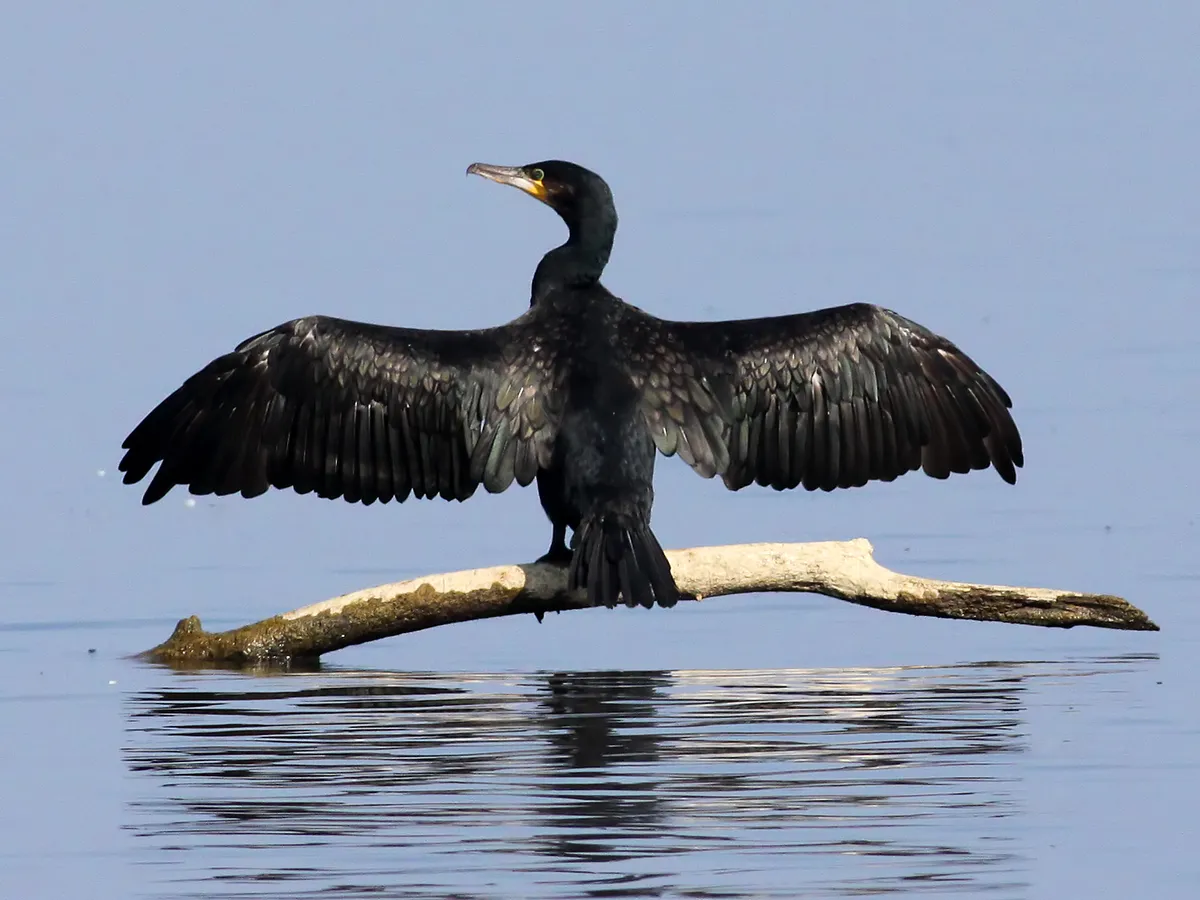
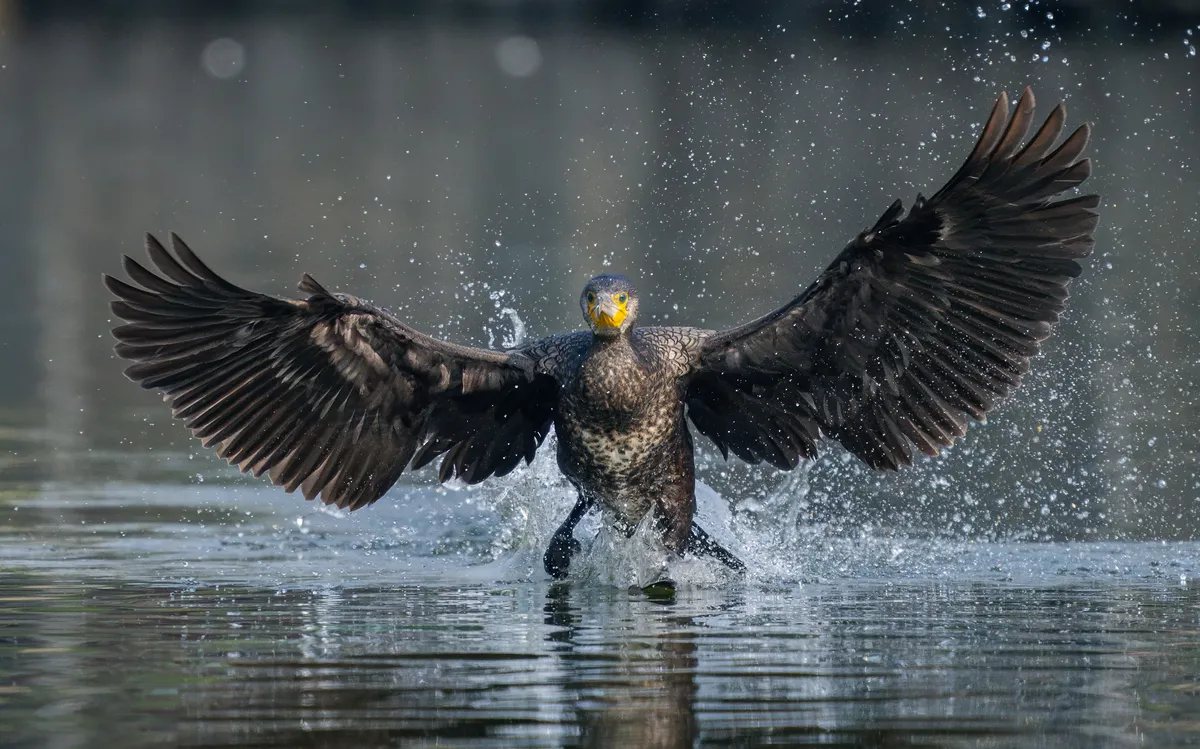
Image Gallery

Great Cormorant
Great Cormorant
Great Cormorant
Great Cormorant
Great Cormorant
ADSENSE SLOT

Ecology & Habitat

Habitat

Coastal marine environments, inland lakes, rivers, and estuaries with proximity to fish-rich water bodies and rocky or tree-based nesting sites.

Ecological Role

Key predator in aquatic ecosystems, regulating fish populations and serving as an important indicator species for marine and freshwater environmental health.
Morphology

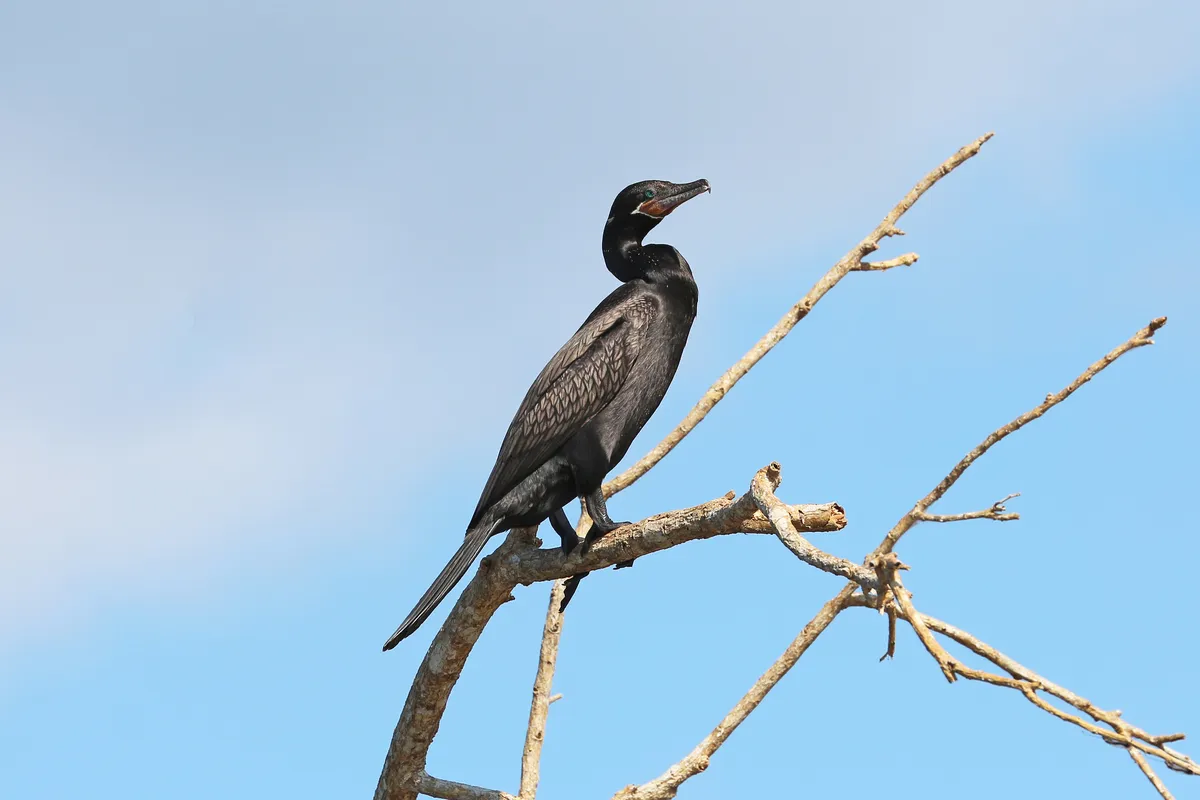
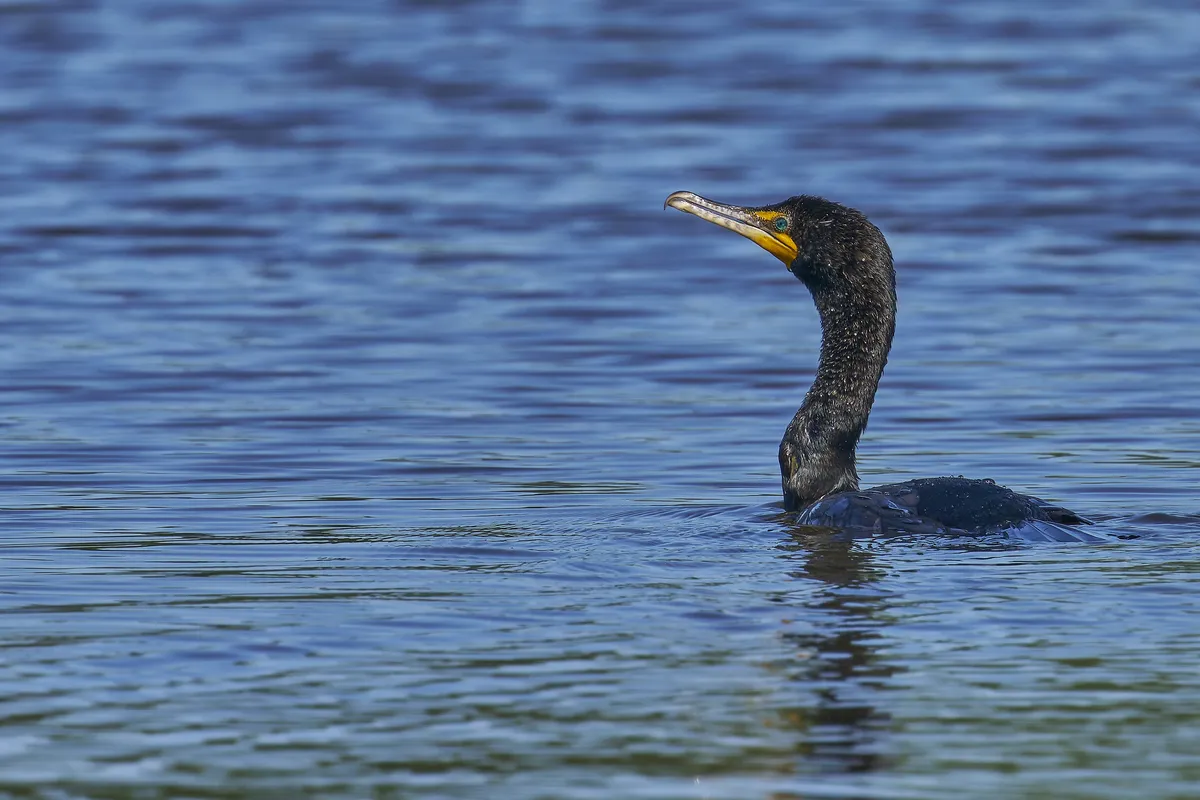
  • SKIN COAT Dense, water-resistant plumage; primarily black with slight green metallic sheen during breeding season
  • LIMBS WINGS Powerful webbed feet for swimming; strong wings enabling efficient flight and diving
  • HEAD SENSORY Sharp, piercing eyes with excellent underwater vision; hooked beak for grasping slippery prey
  • BODY STRUCTURE Large seabird, approximately 70-100 cm in length, with a robust body, long neck, and hook-tipped bill adapted for catching fish
Data Source: TaxonHub Database
Image Credit: Hobbyfotowiki
ADSENSE VERTICAL

Related Species in Phalacrocoracidae