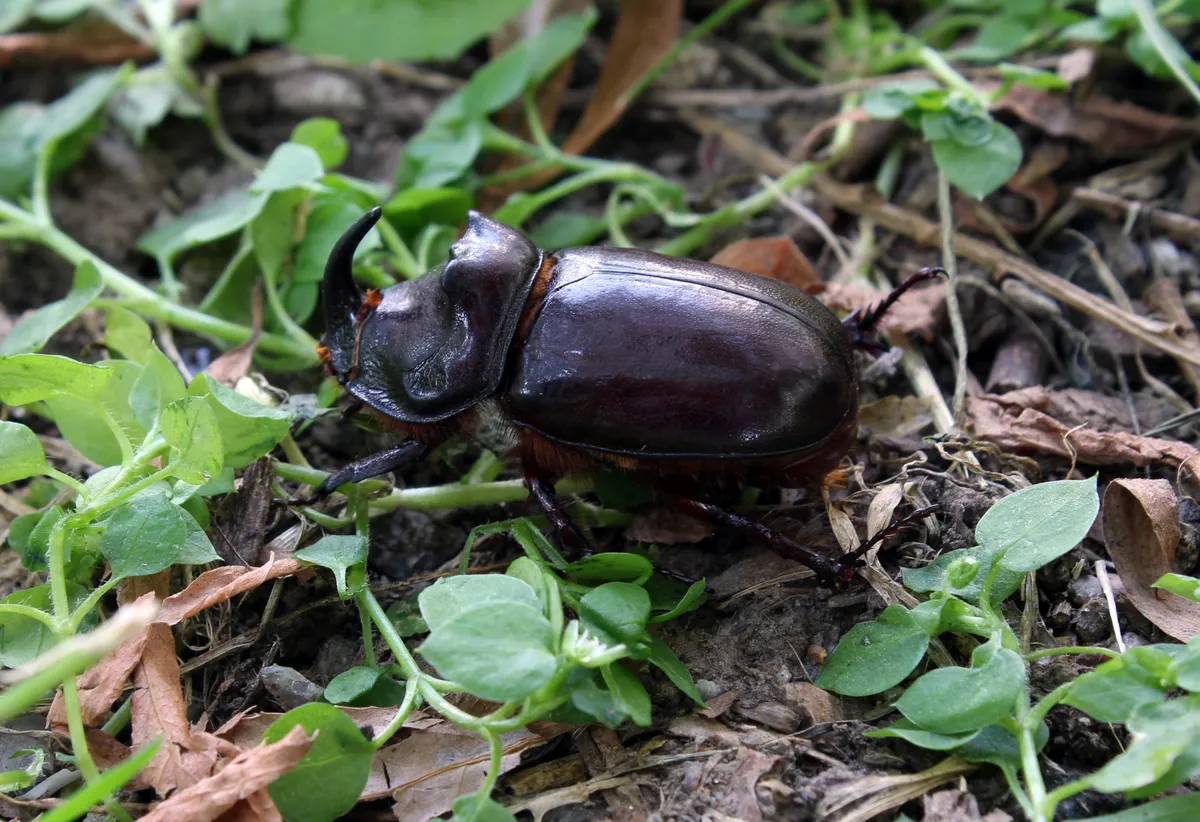
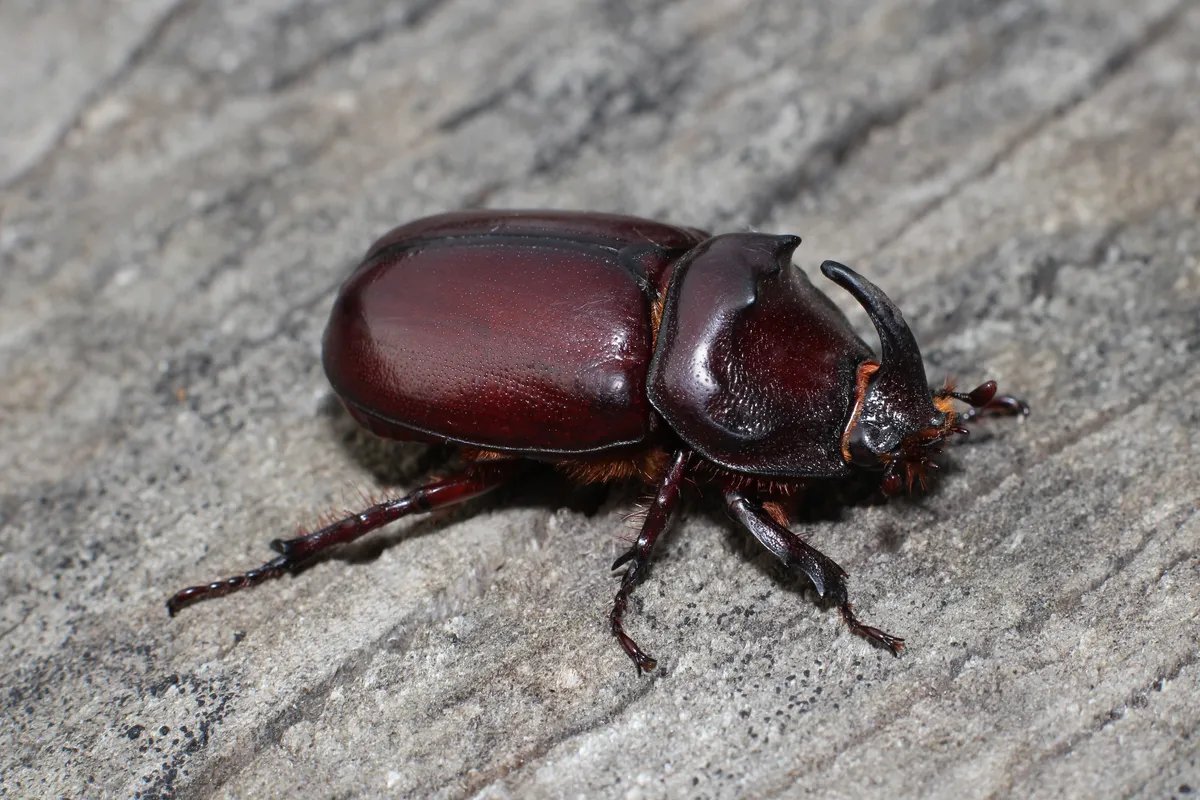
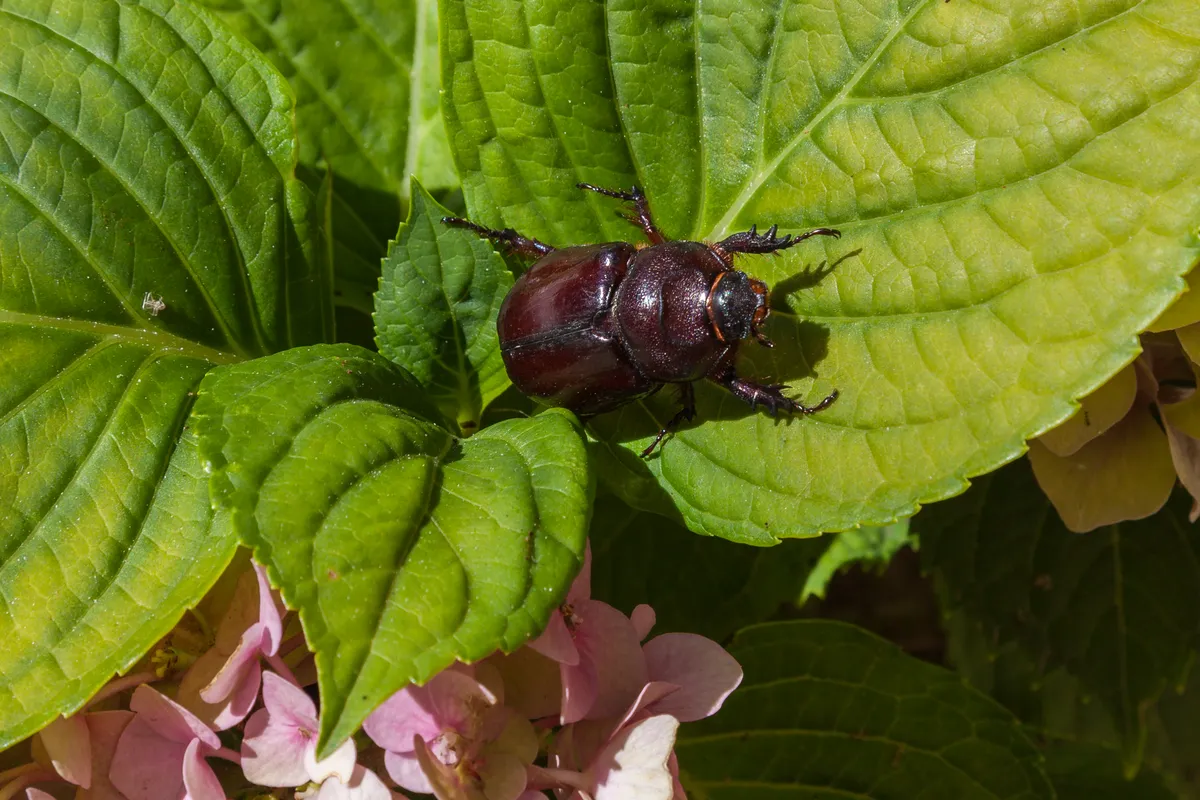
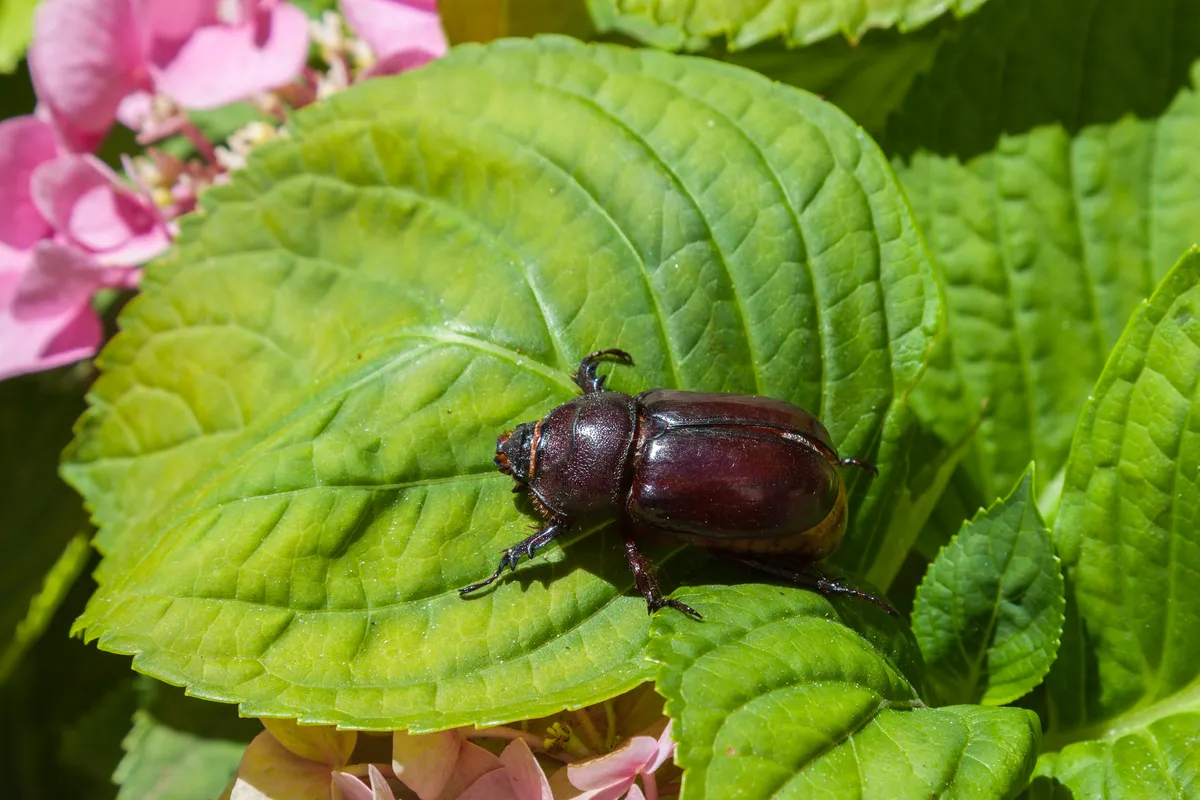
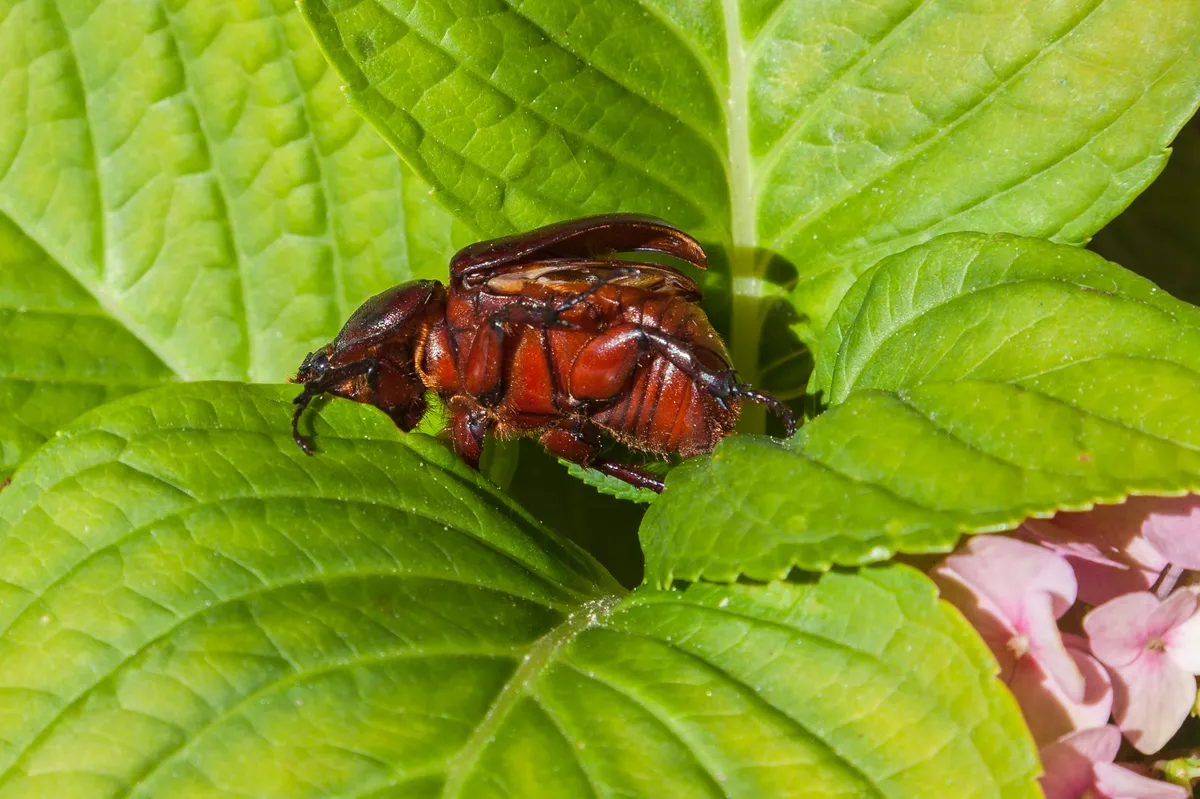
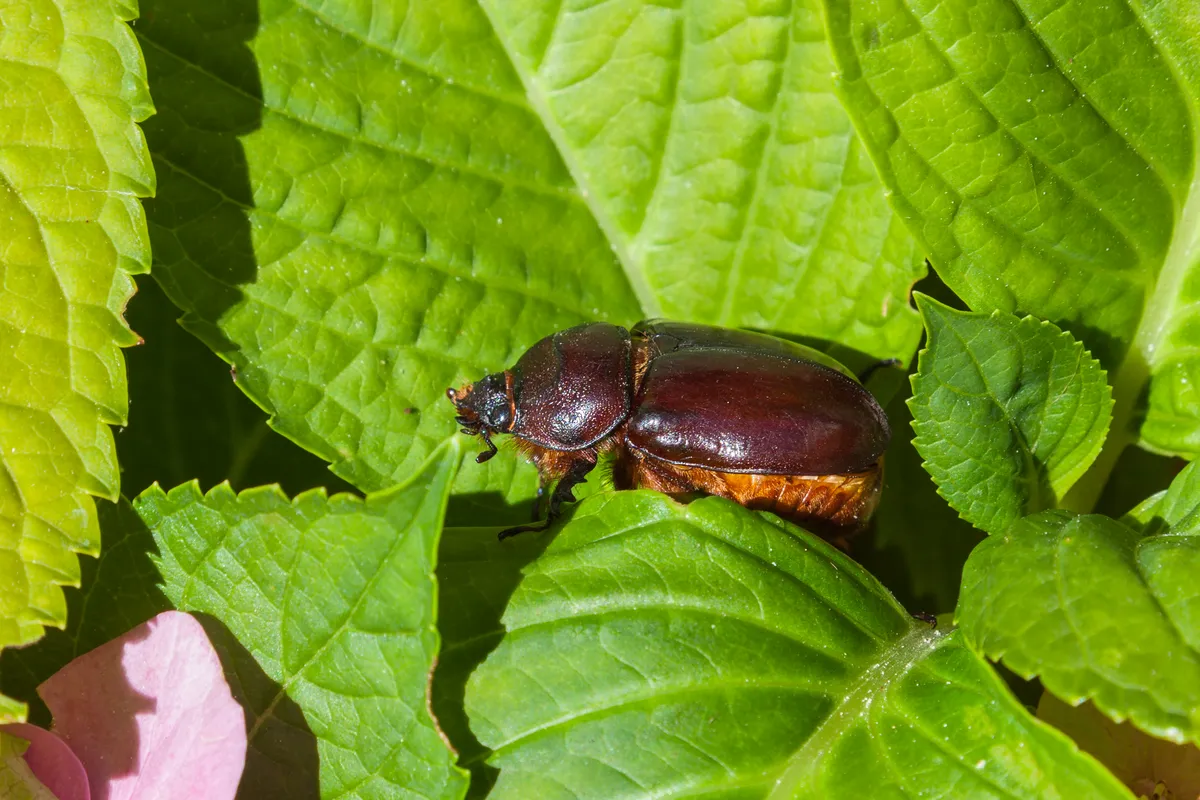
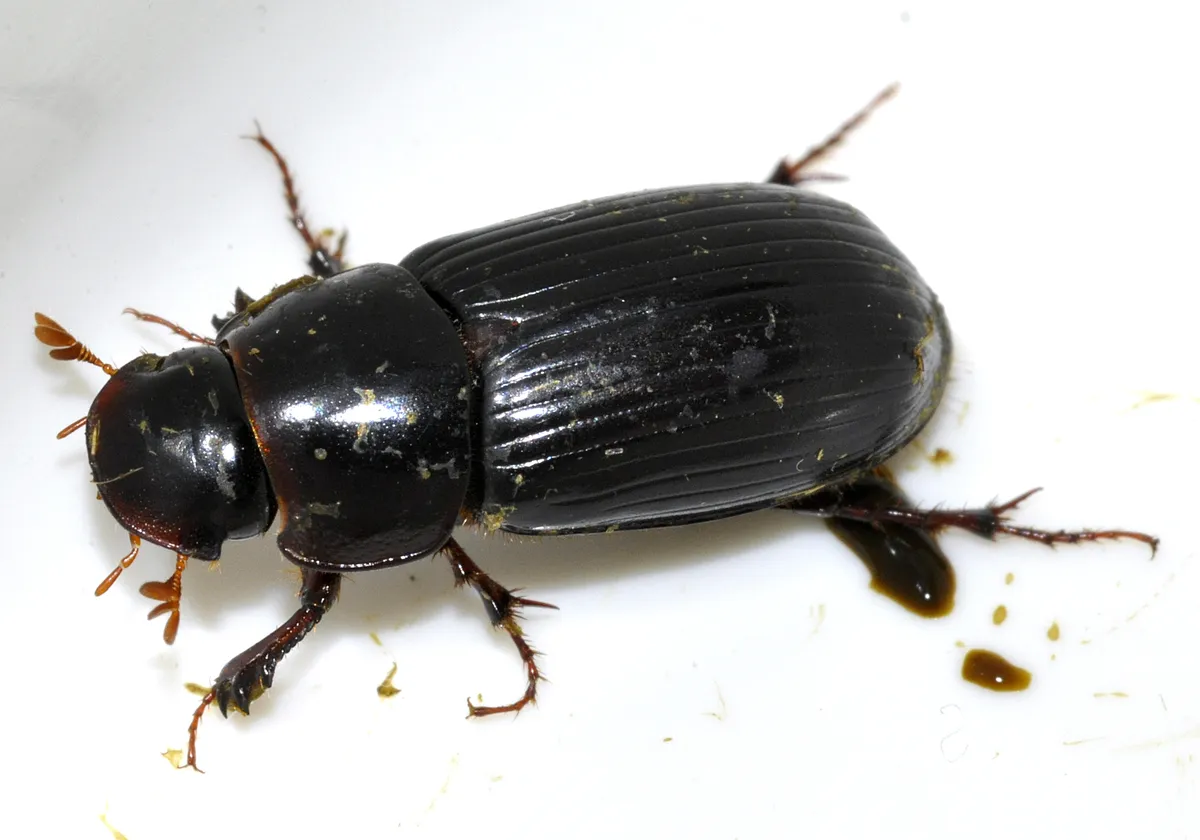
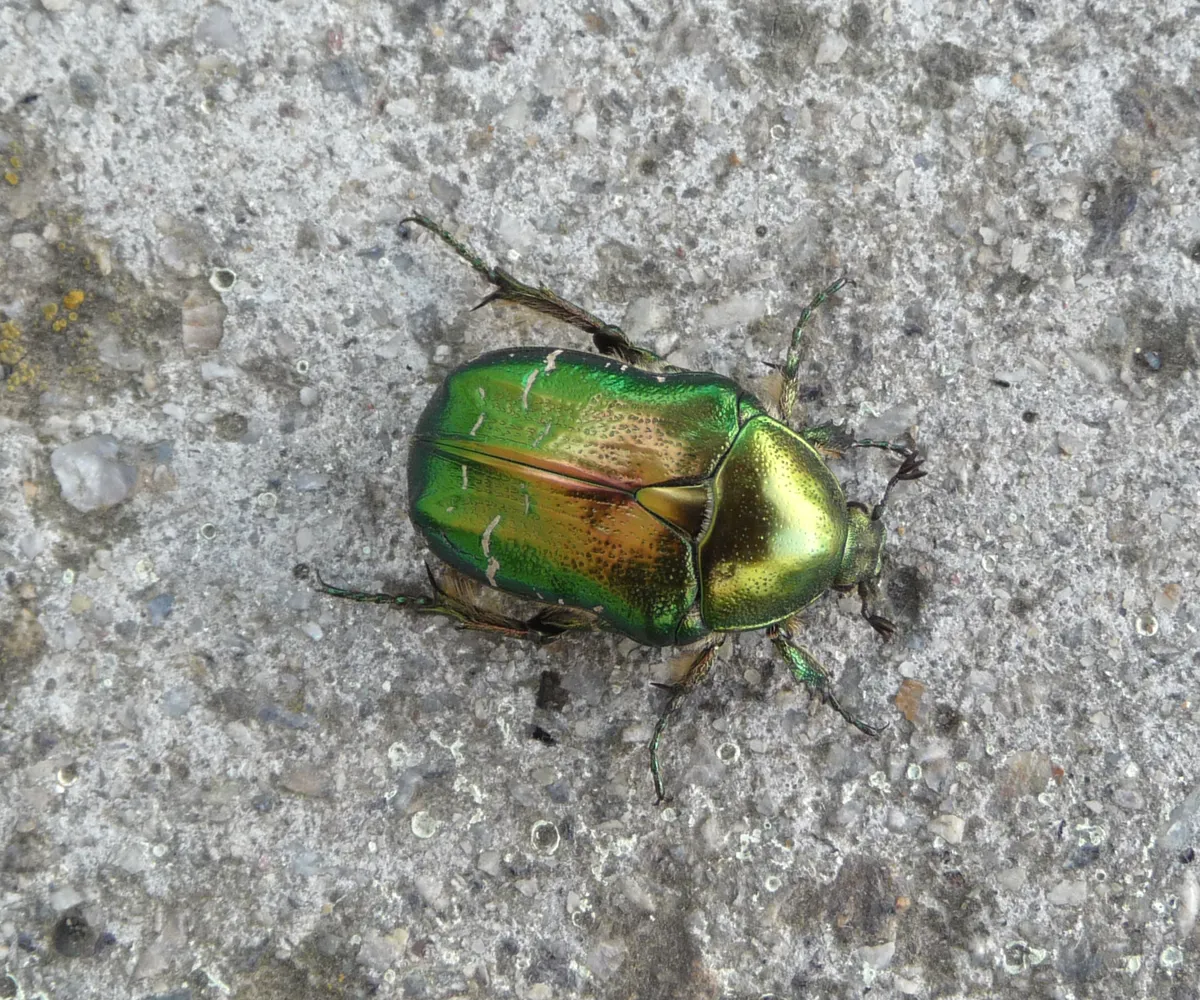
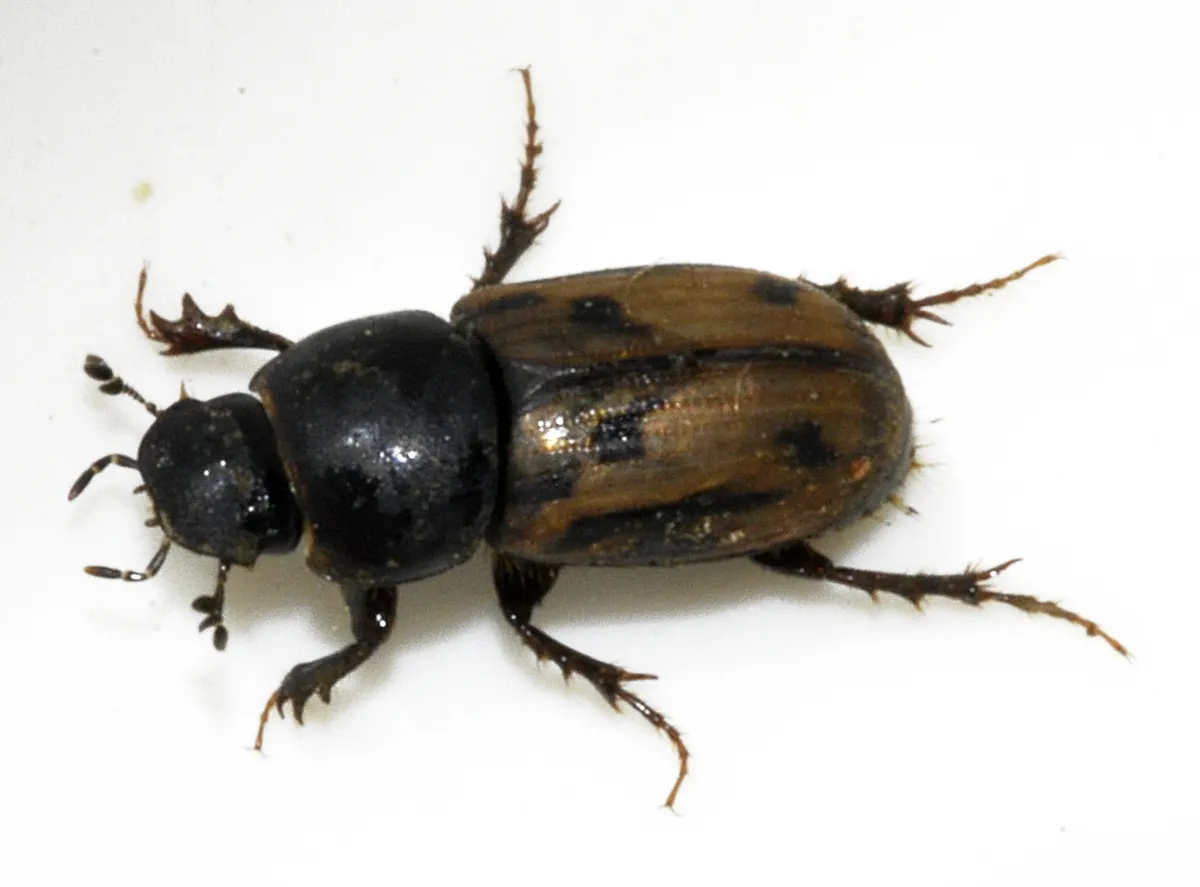
Large, robust scarab beetle native to Europe characterized by its distinctive horn-like protrusion on the male's head. Belongs to the subfamily Dynastinae within Scarabaeidae.
Image Gallery
ADSENSE SLOT
Ecology & Habitat
Habitat
Deciduous and mixed forest ecosystems across Europe, typically found in woodland areas with decaying wood and tree stumps, ranging from sea level to approximately 1,500 meters elevation.
Ecological Role
Critical decomposer in forest ecosystems, larvae break down dead wood, recycling nutrients and supporting forest soil health. Adults serve as prey for birds and small mammals.
Morphology
SKIN COATThick, chitinous exoskeleton with slight sheen, providing protection against environmental stressors.
LIMBS WINGSStrong legs adapted for burrowing, hardened elytra protecting membranous flight wings, capable of flying short distances.
HEAD SENSORYMales possess prominent curved horn on head used for male-male competition during mating season. Robust mandibles for wood manipulation.
BODY STRUCTURELarge beetle, males 30-45 mm long, females slightly smaller. Robust, dark brown to black exoskeleton with thick, armored appearance.
Data Source: TaxonHub Database
Image Credit: George Chernilevsky