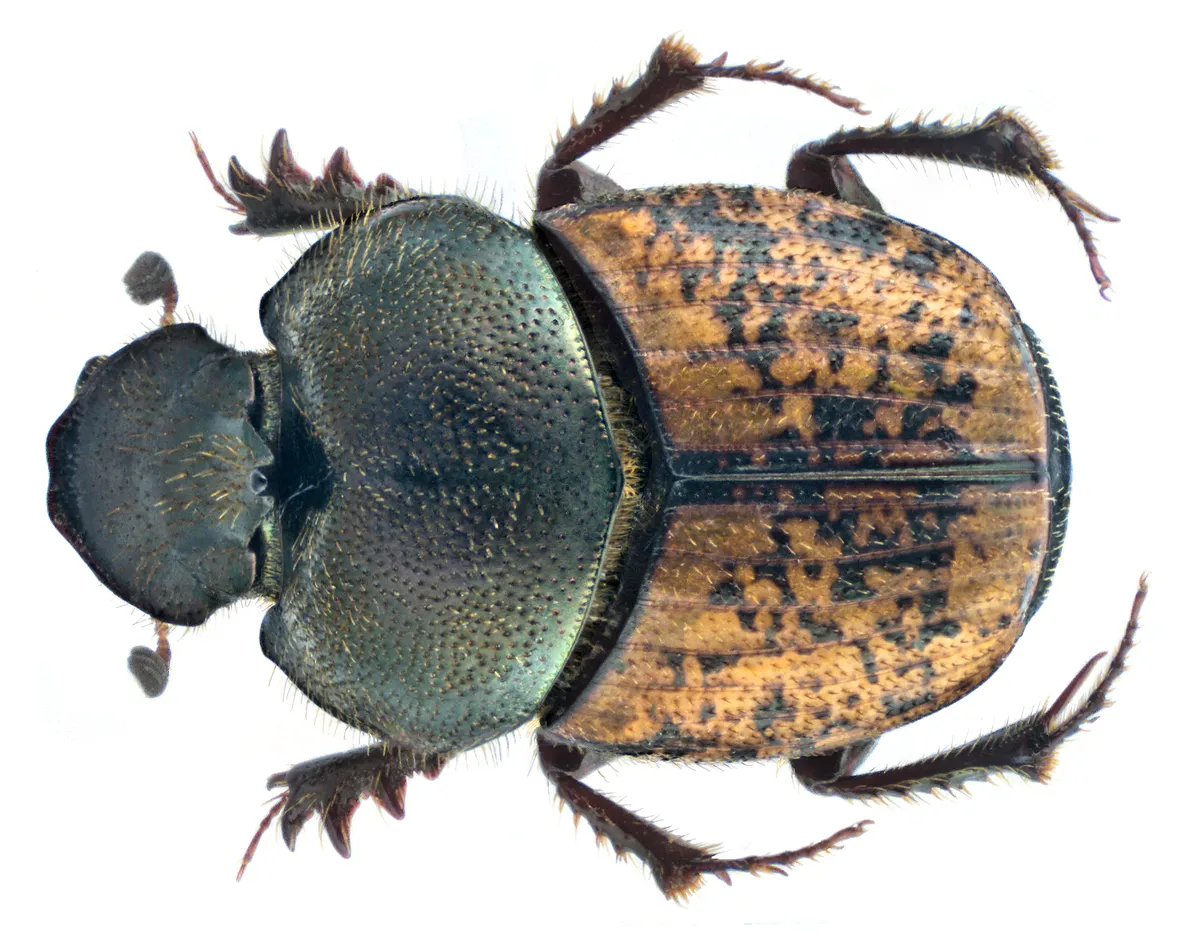
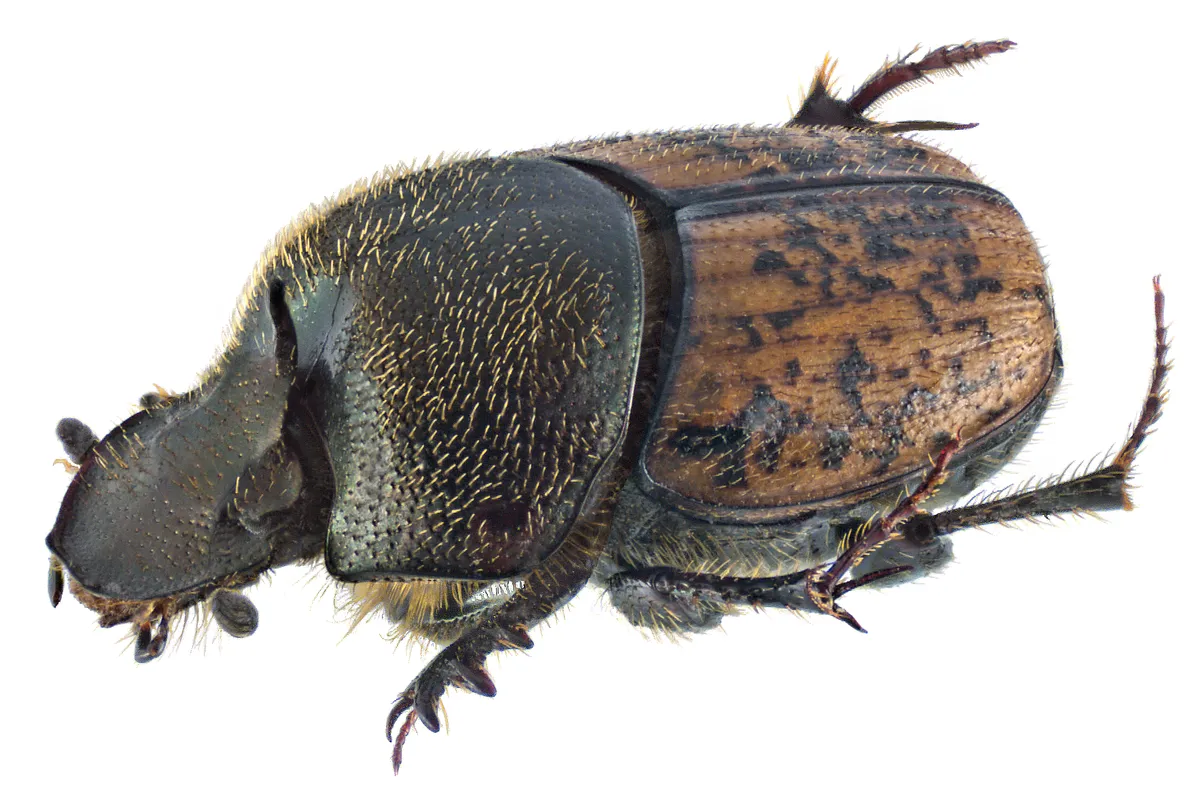
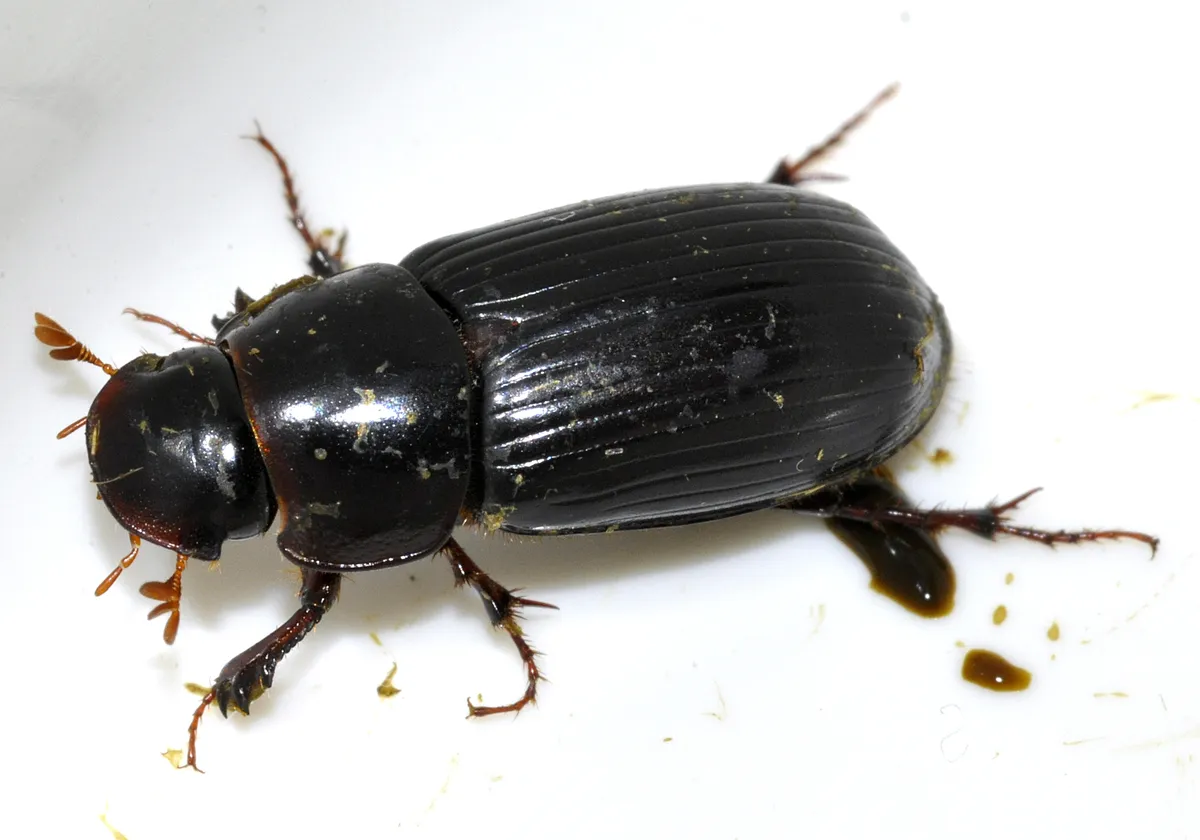
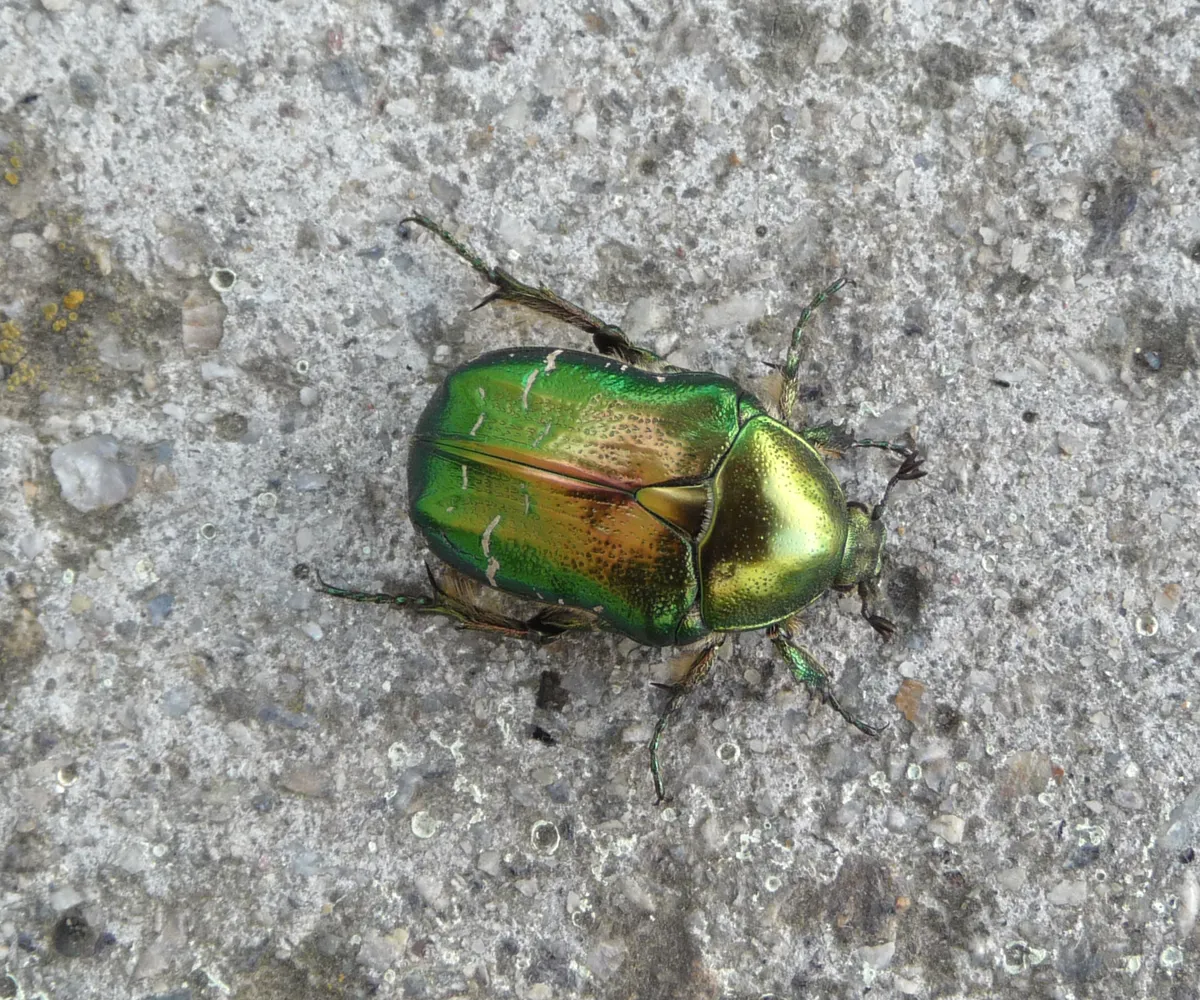
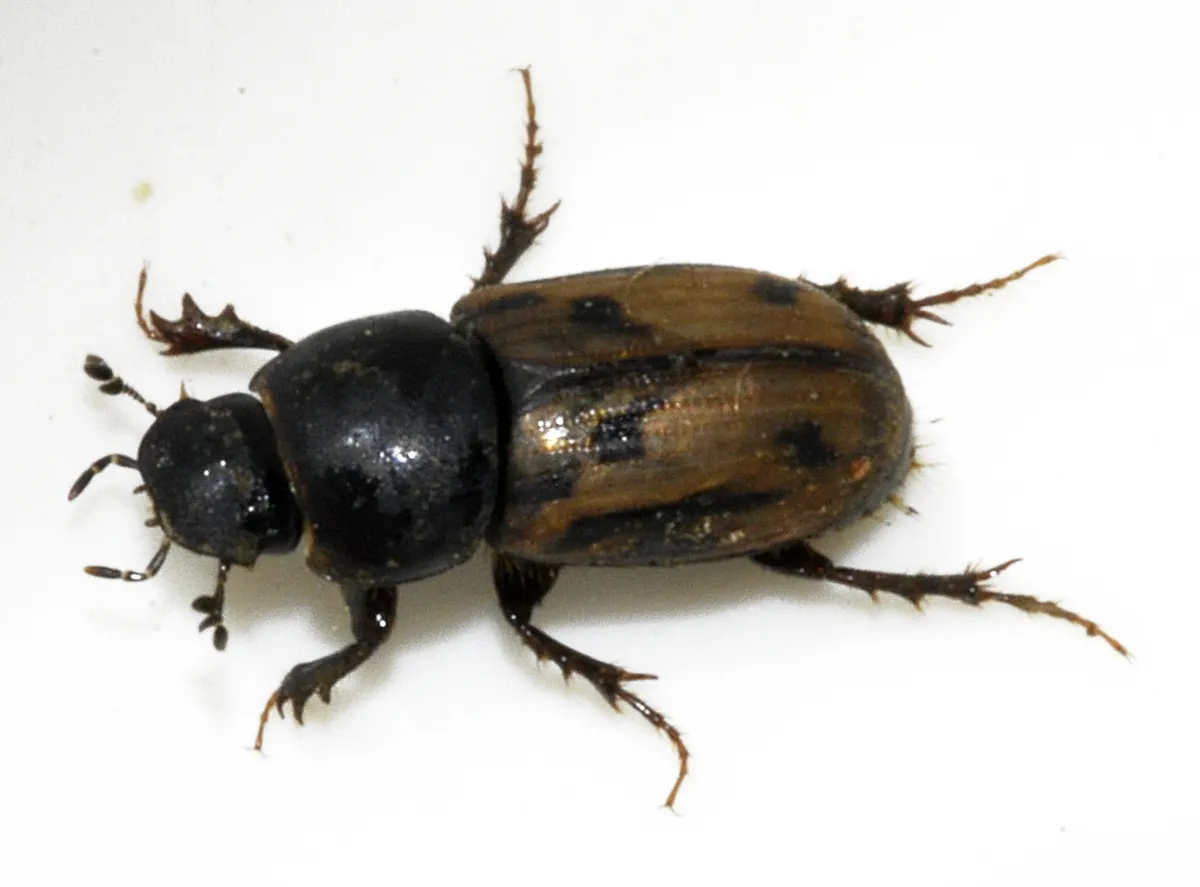
A small scarab beetle within the Onthophagus genus, known for its role in ecological waste management and decomposition processes in terrestrial ecosystems.
Image Gallery
ADSENSE SLOT
Ecology & Habitat
Habitat
Temperate and Mediterranean grasslands, pastures, agricultural landscapes, and forest margins across Europe, particularly prevalent in regions with significant livestock populations
Ecological Role
Critical decomposer species that accelerates nutrient recycling, improves soil structure, reduces pest populations, and supports broader ecosystem health through dung processing
Morphology
SKIN COATHard, chitinous exoskeleton with potential microscopic surface textures for moisture regulation
LIMBS WINGSStrong, digging legs with specialized tibial structures for efficient soil excavation and dung ball formation
HEAD SENSORYProminent mandibles adapted for manipulating and processing organic matter, well-developed antennae for chemical and environmental sensing
BODY STRUCTURESmall, robust beetle typically 6-10 mm in length, compact exoskeleton with dark brown to black coloration
Data Source: TaxonHub Database
Image Credit: Udo Schmidt from Deutschland