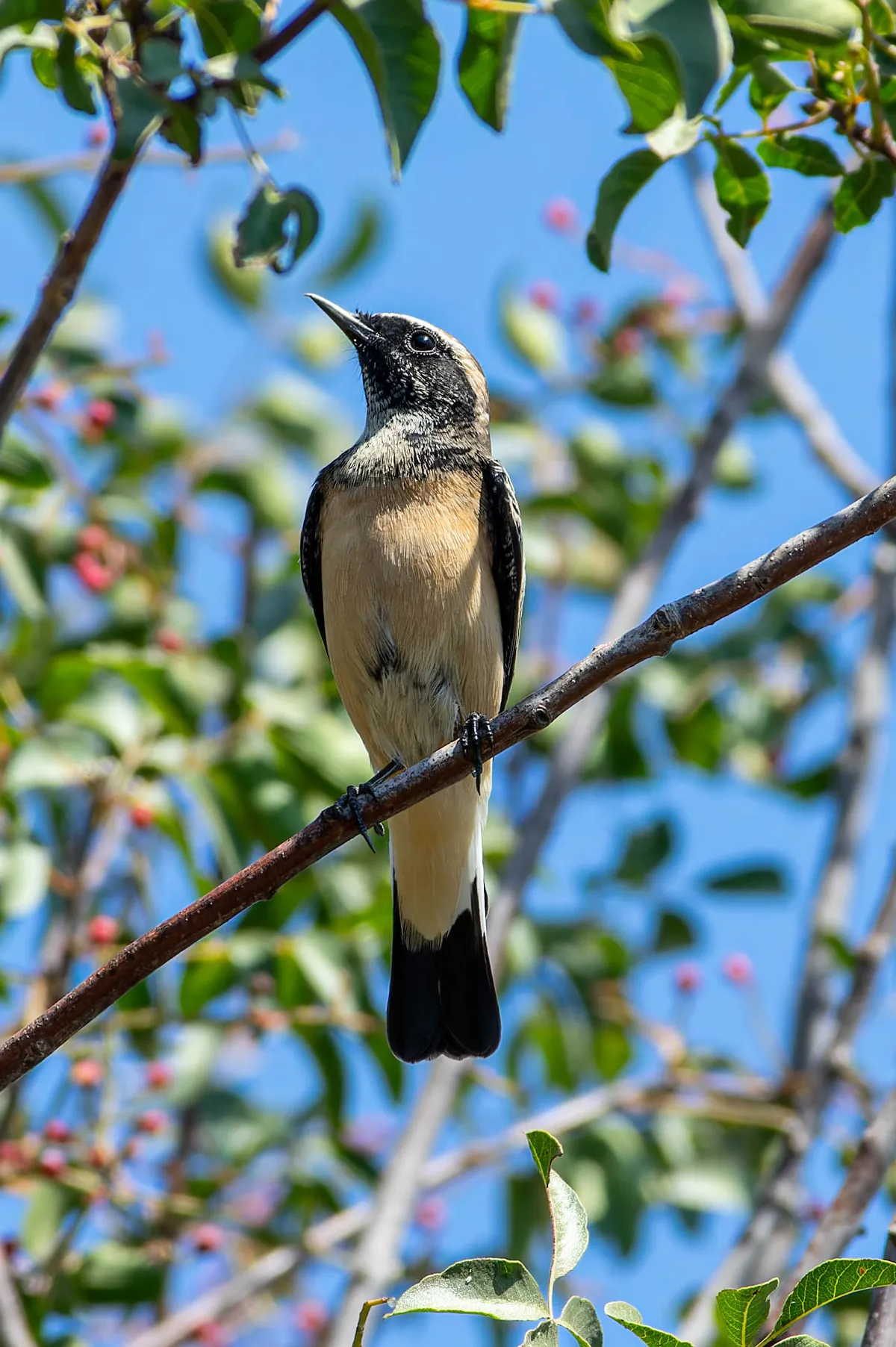
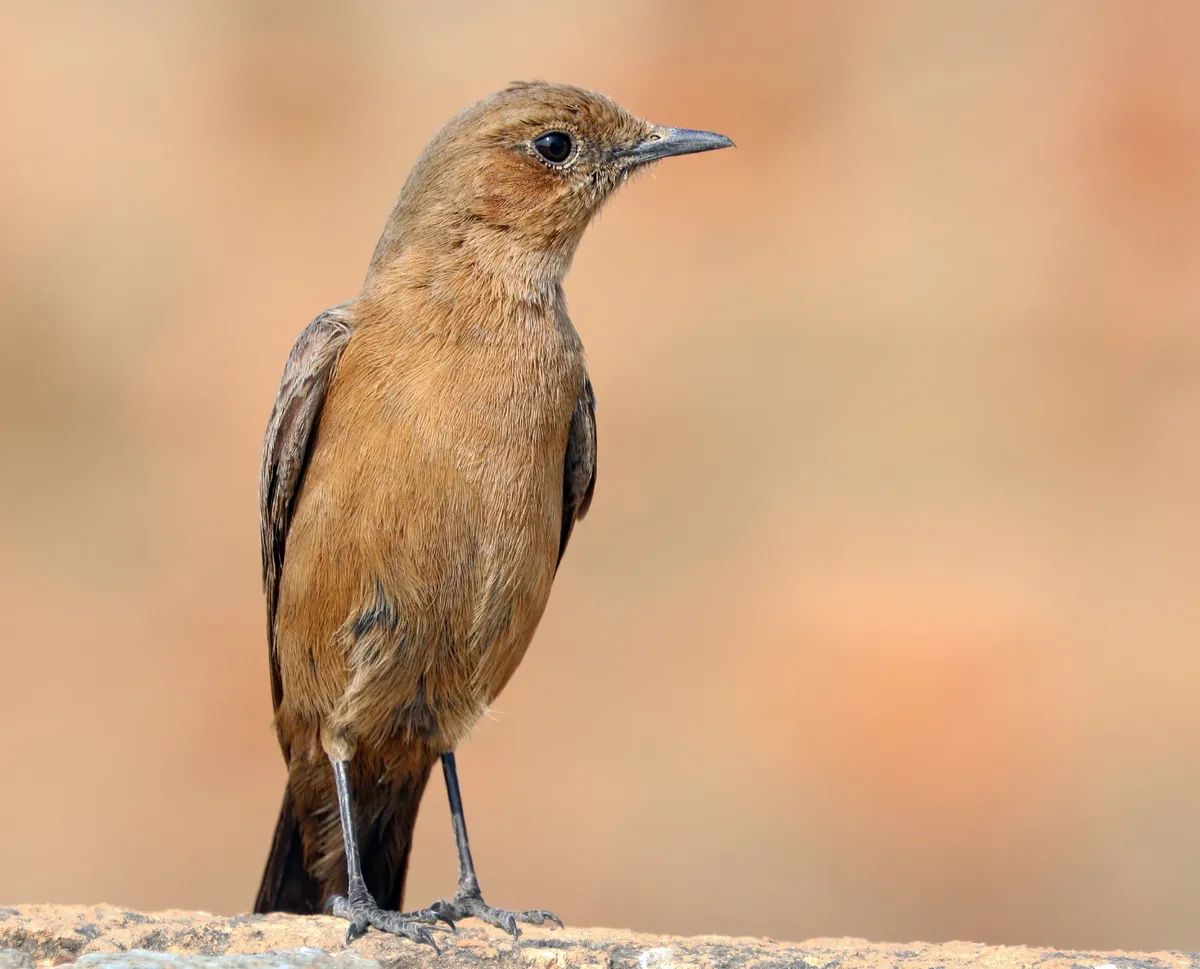
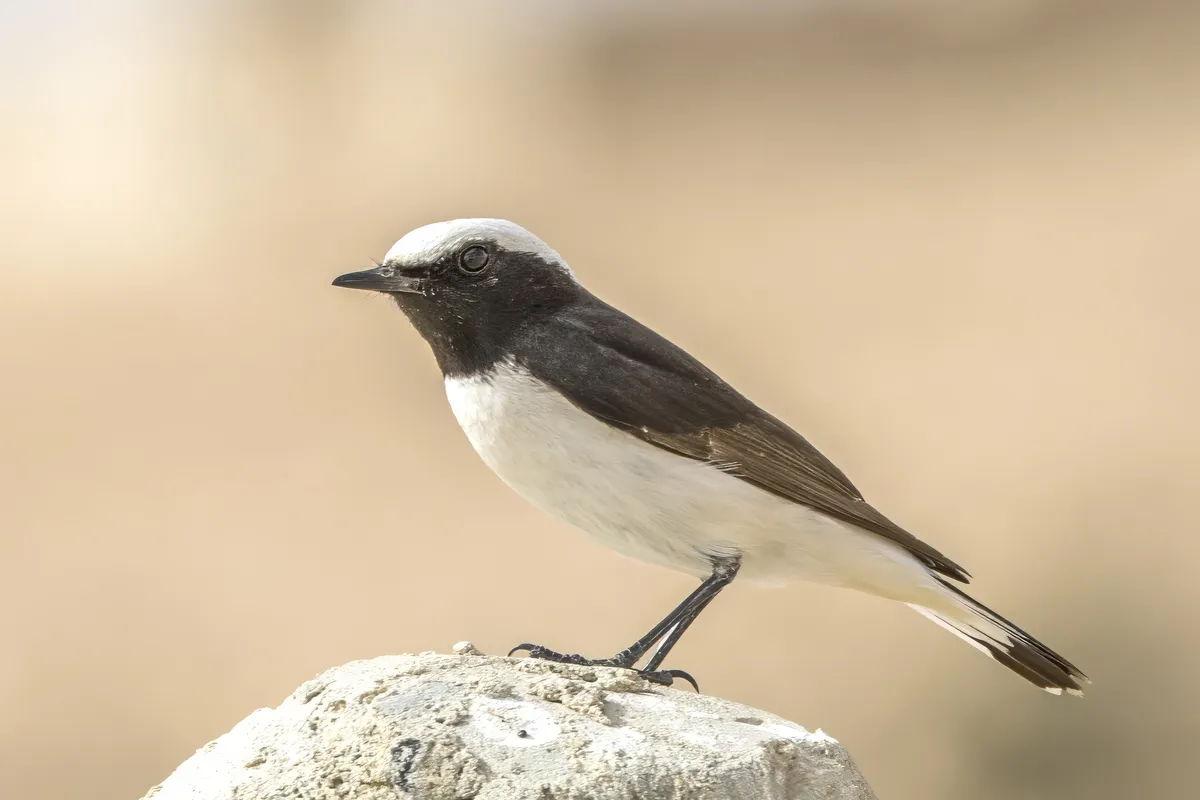
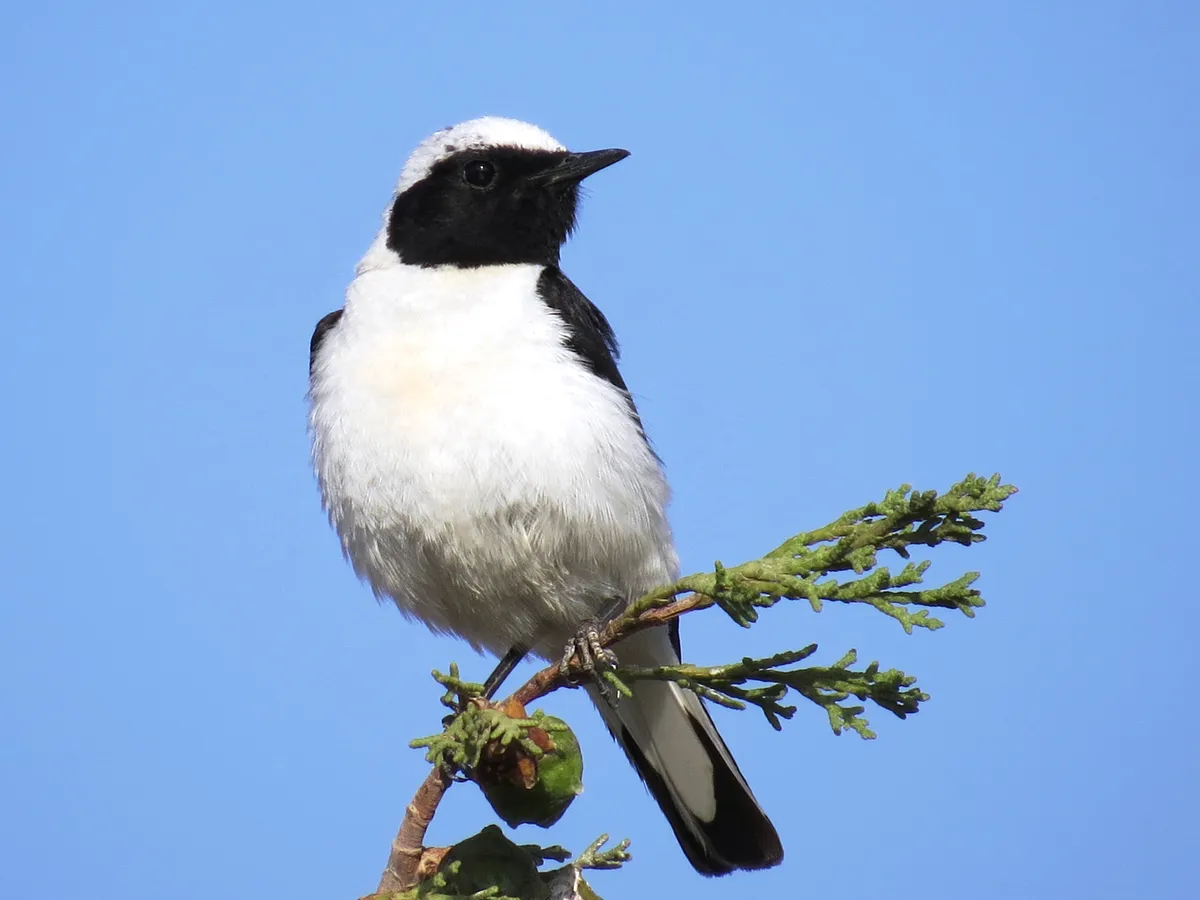
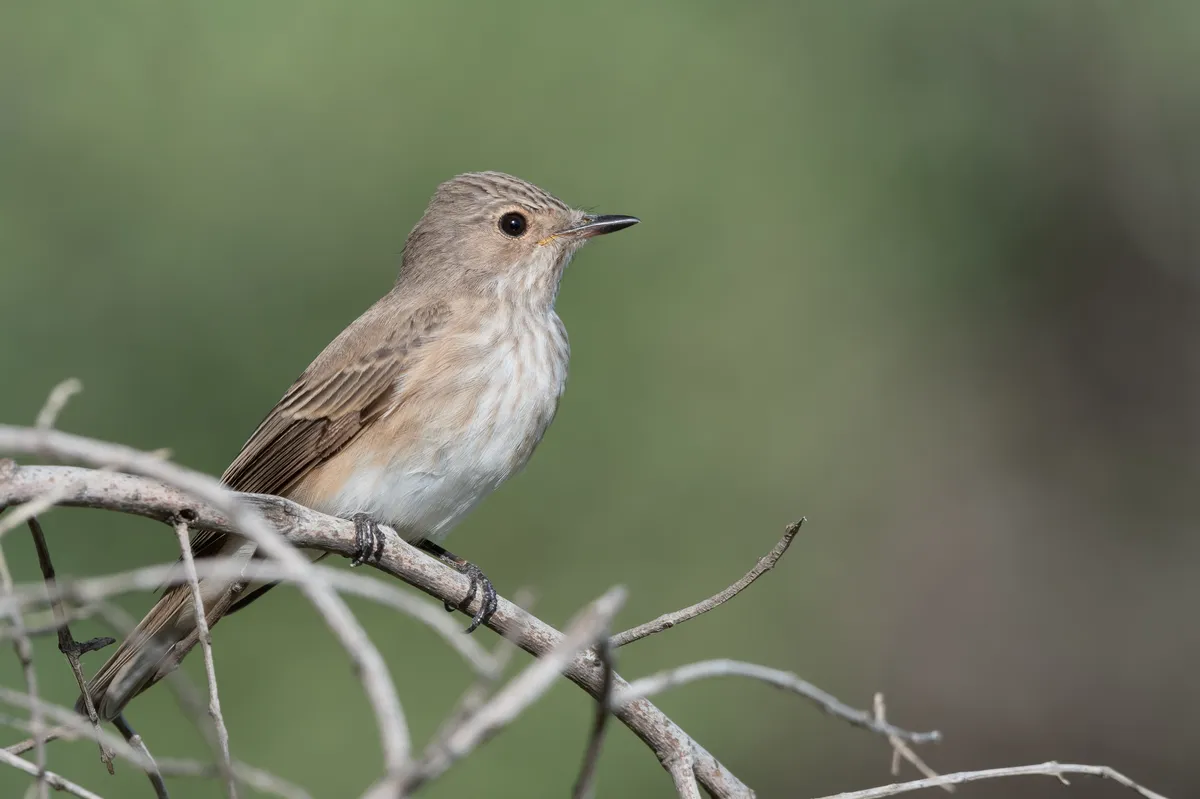
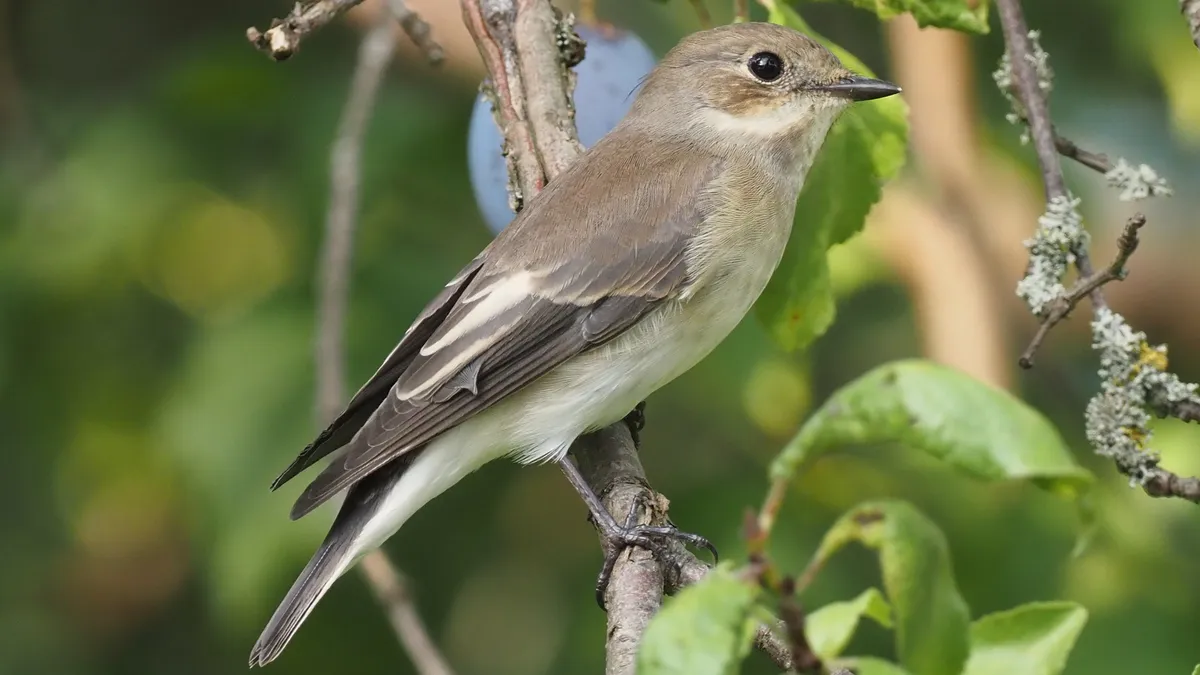
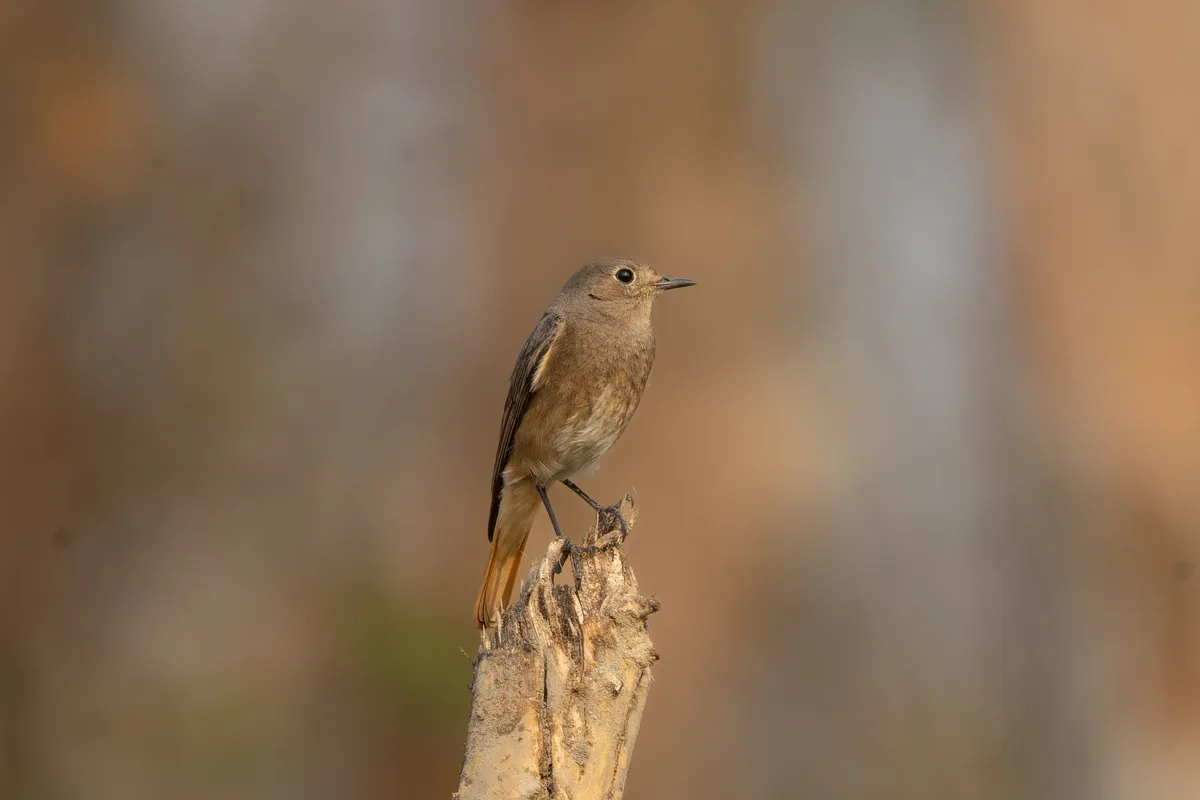
A small passerine bird of open habitats, known for its distinctive migratory behavior across vast distances between Arctic breeding grounds and African wintering regions.
Image Gallery
ADSENSE SLOT
Ecology & Habitat
Habitat
Tundra, alpine meadows, rocky terrain, open grasslands, and sparse shrublands across the Northern Hemisphere, ranging from Alaska and Canada to Eurasia.
Ecological Role
Key insectivorous species that controls insect populations, serves as prey for predators, and acts as bioindicator for ecosystem health in Arctic and subarctic environments.
Morphology
SKIN COATPredominantly gray and white plumage, with males exhibiting darker markings during breeding season
LIMBS WINGSStrong legs for ground foraging, pointed wings enabling long-distance migration, wingspan approximately 26-32 cm
HEAD SENSORYLarge, proportionate head with keen eyesight, prominent beak adapted for catching insects, rounded skull with excellent auditory capabilities
BODY STRUCTURECompact, medium-sized passerine bird with a length of 14-16 cm and weight of 20-30 g, characterized by a robust build and relatively short tail