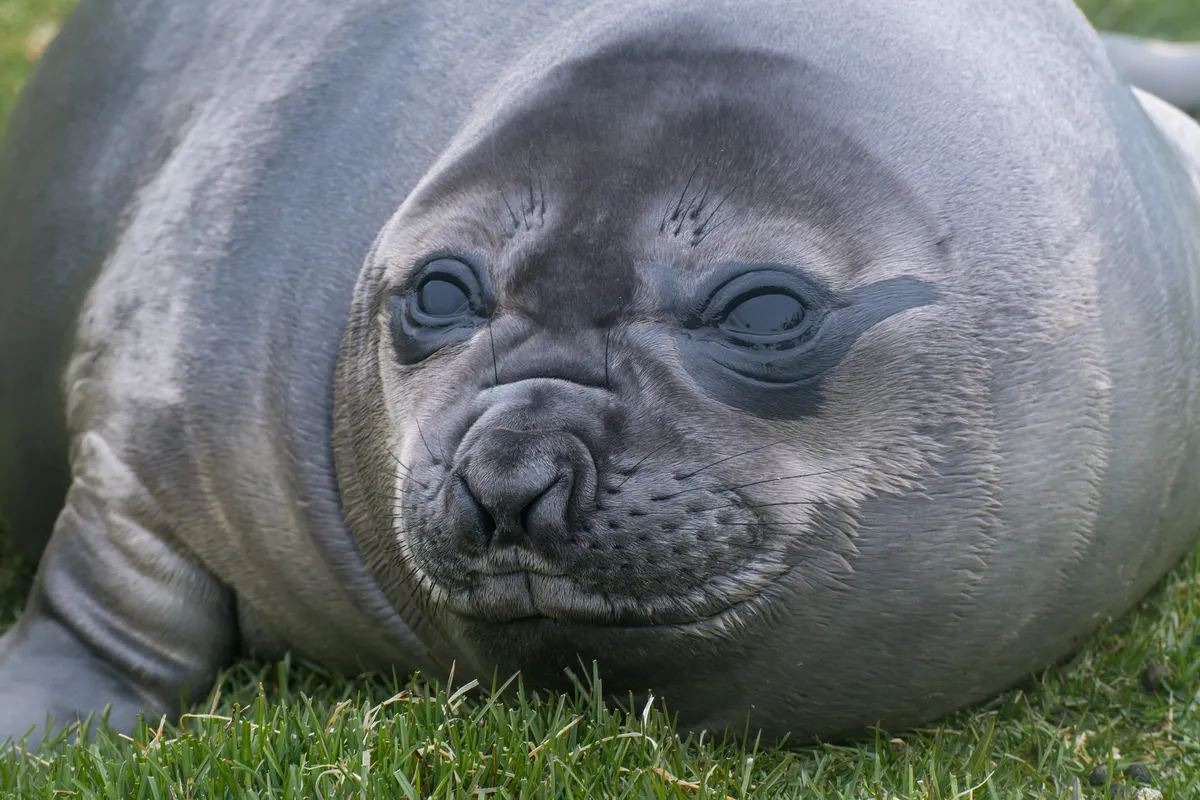
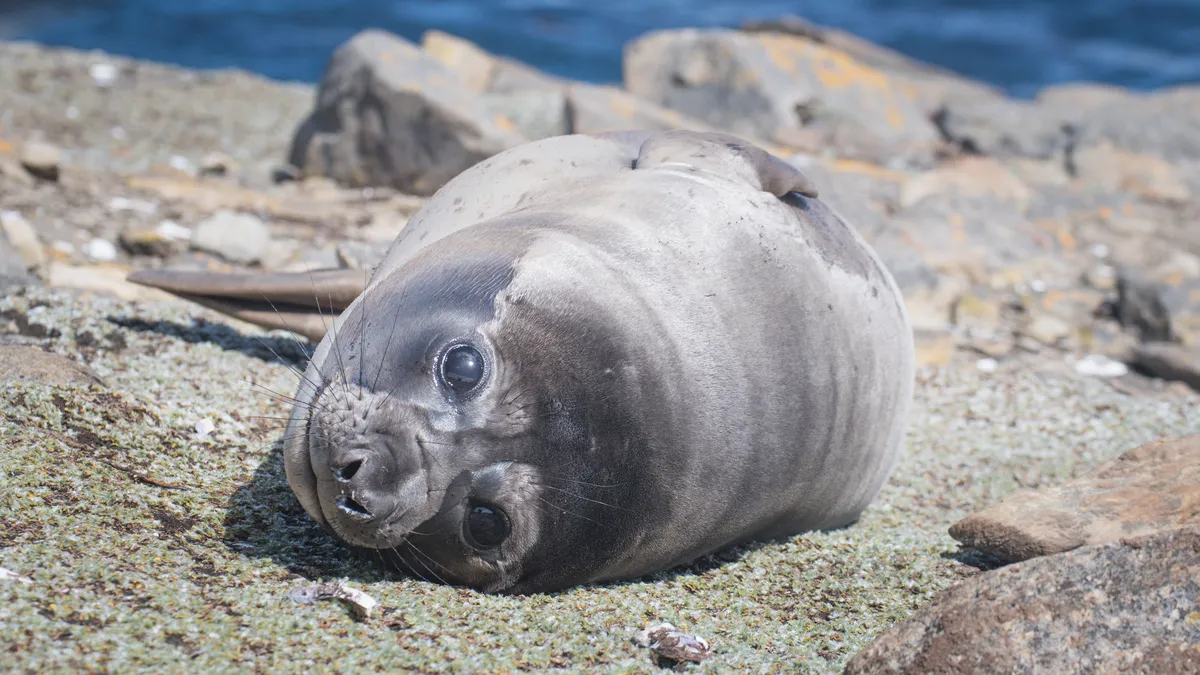
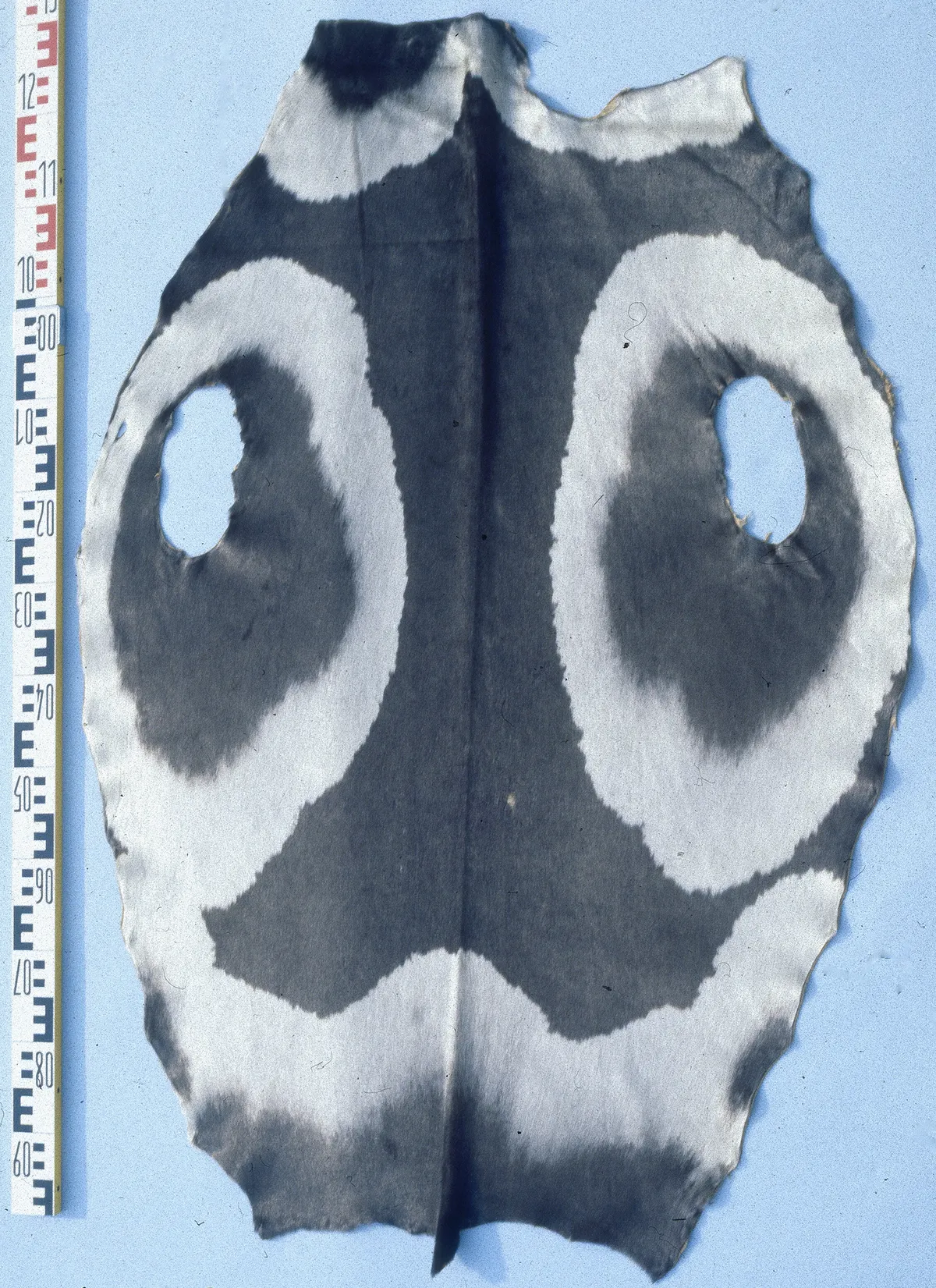
Large marine mammal of the Phocidae family, characterized by massive sexual dimorphism and remarkable deep-diving capabilities in Antarctic and sub-Antarctic marine ecosystems.
Image Gallery
ADSENSE SLOT
Ecology & Habitat
Habitat
Coastal regions of southern South America, Antarctic Peninsula, South Georgia, Falkland Islands, and various sub-Antarctic islands with cold pelagic environments
Ecological Role
Key predator in marine food webs, controlling populations of fish, squid, and marine invertebrates; important indicator species for marine ecosystem health and climate change impacts
Morphology
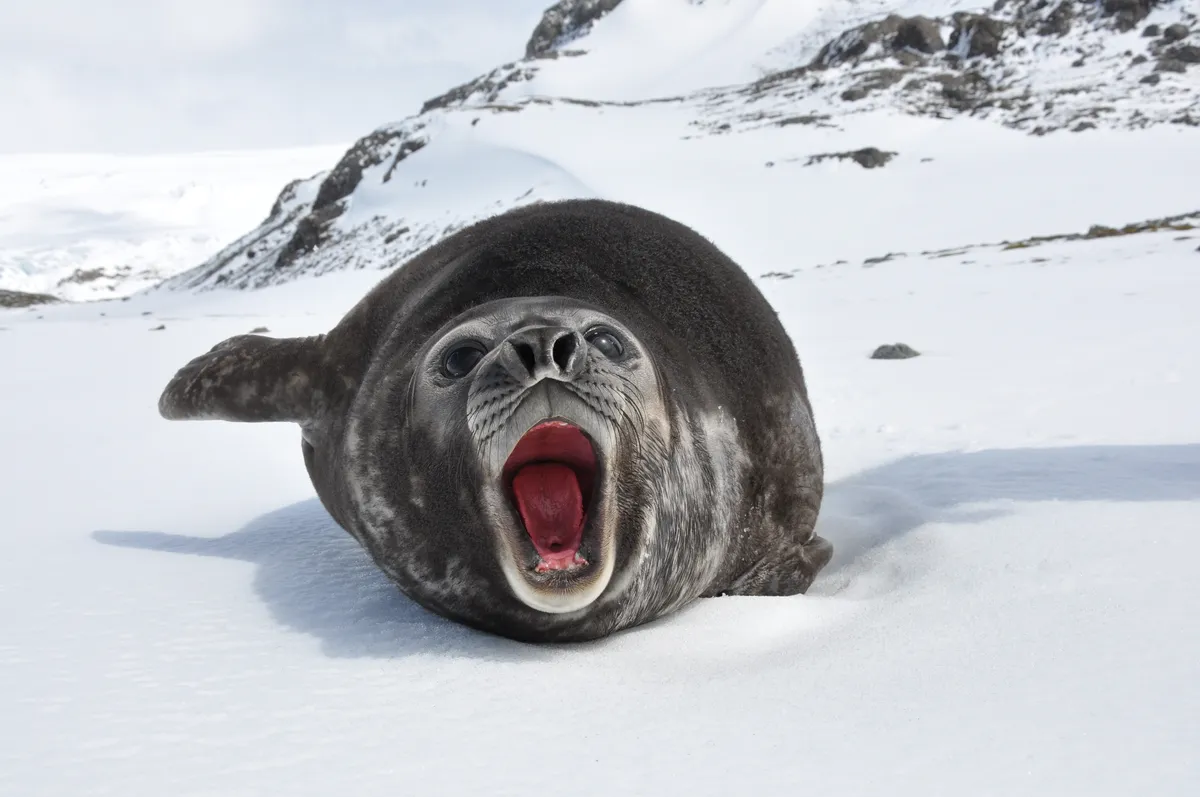
SKIN COATThick blubber layer for thermal insulation; dense fur coat with silver-gray to dark brown coloration
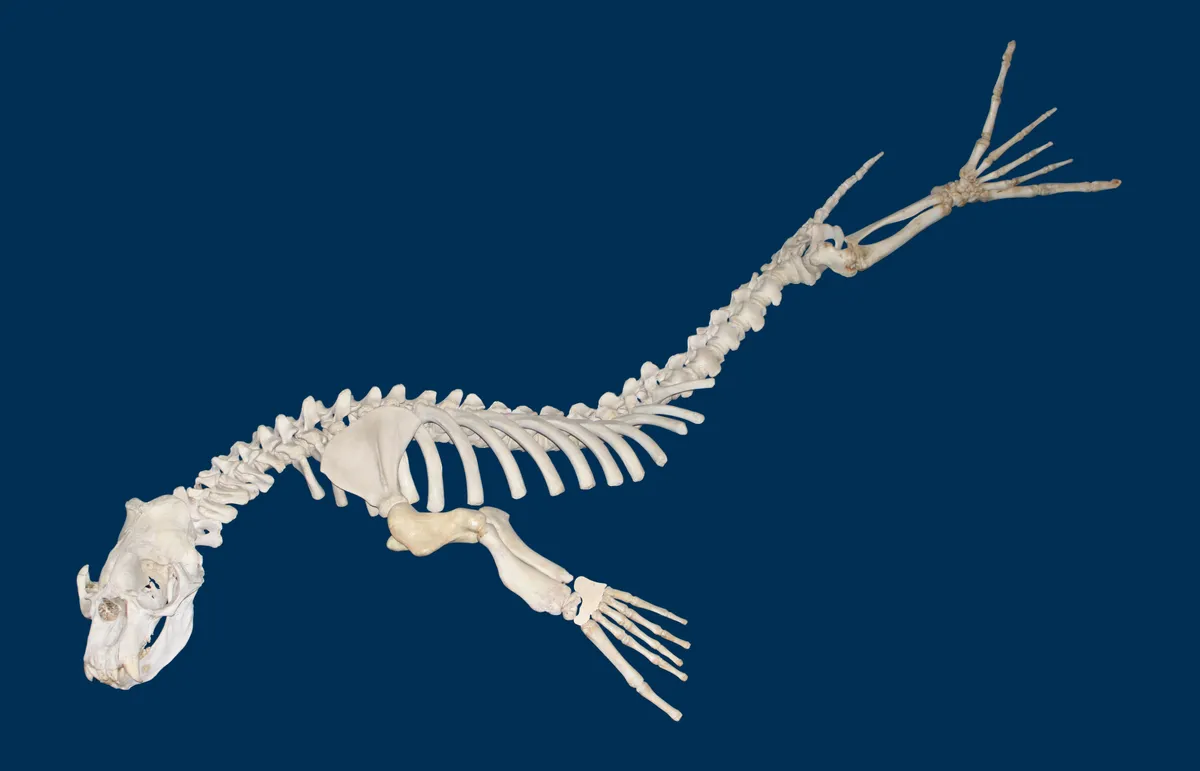
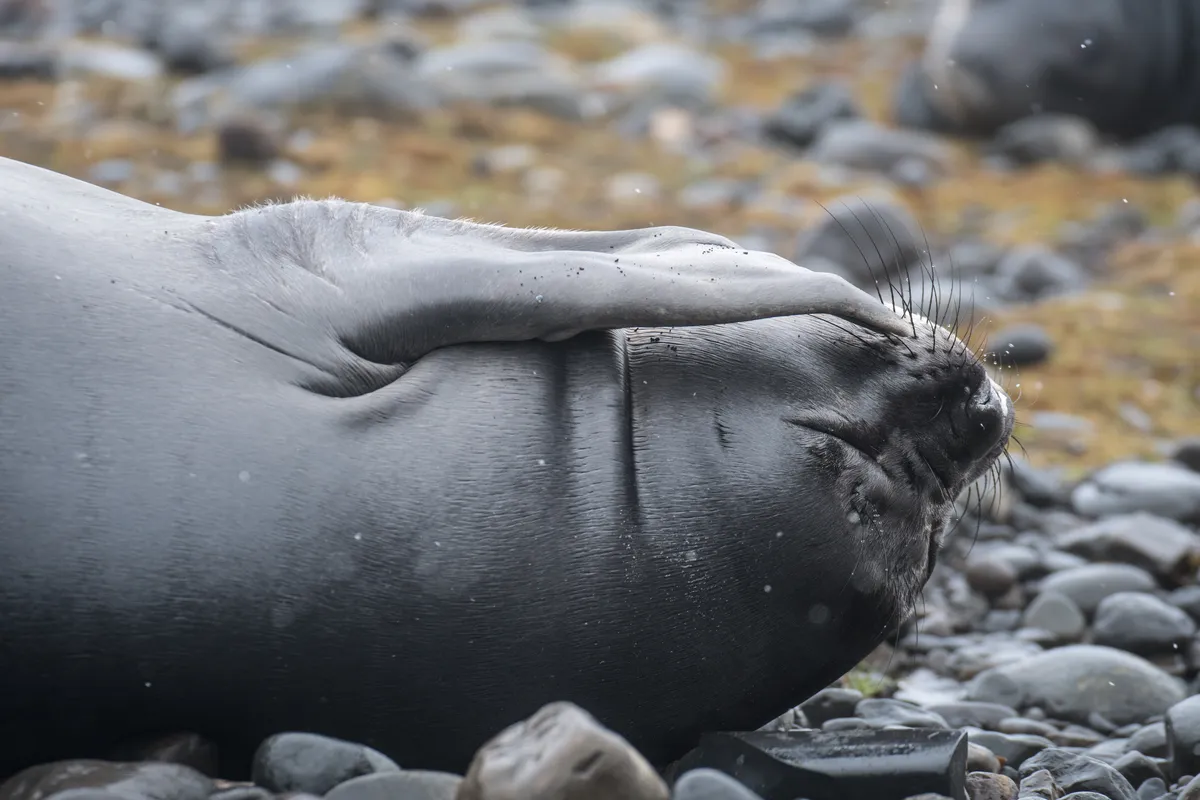
LIMBS WINGSPowerful flippers for swimming; rear flippers used for locomotion on land; streamlined body for efficient marine movement
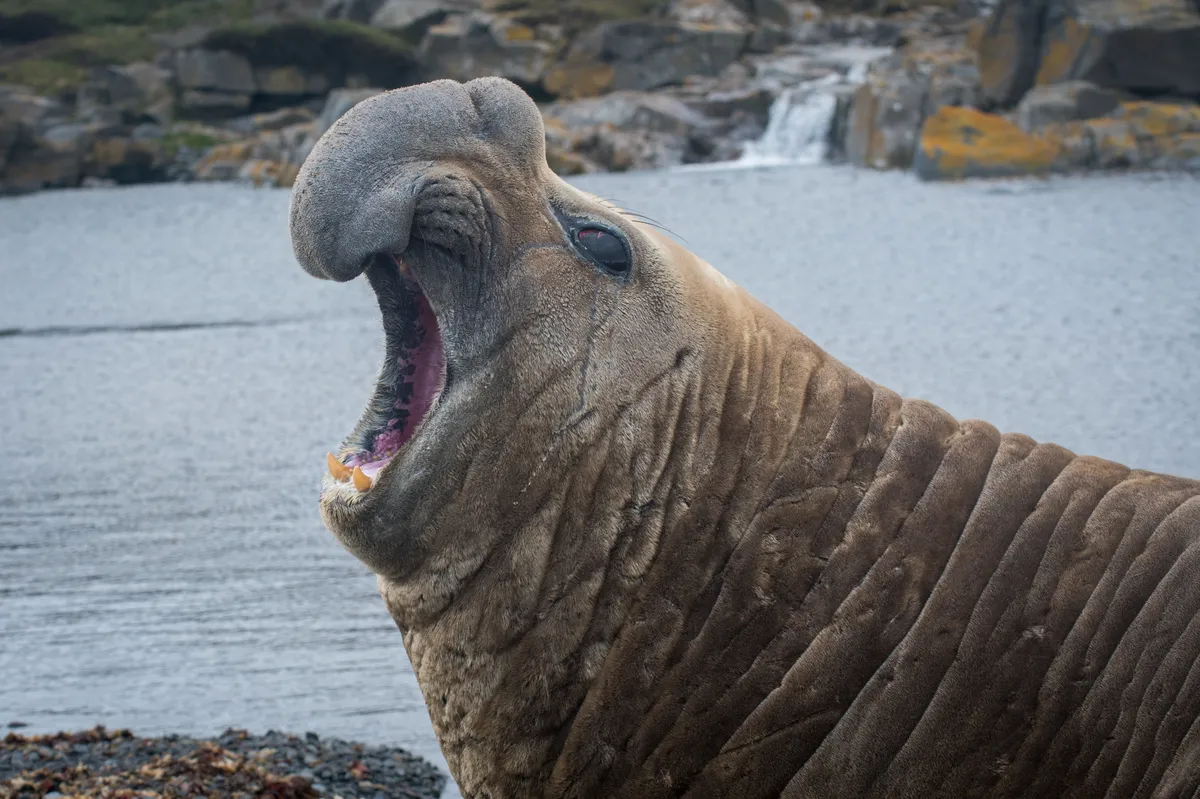
HEAD SENSORYLarge proboscis in males; highly developed underwater sensory capabilities; acute hearing and vision adapted to marine environments
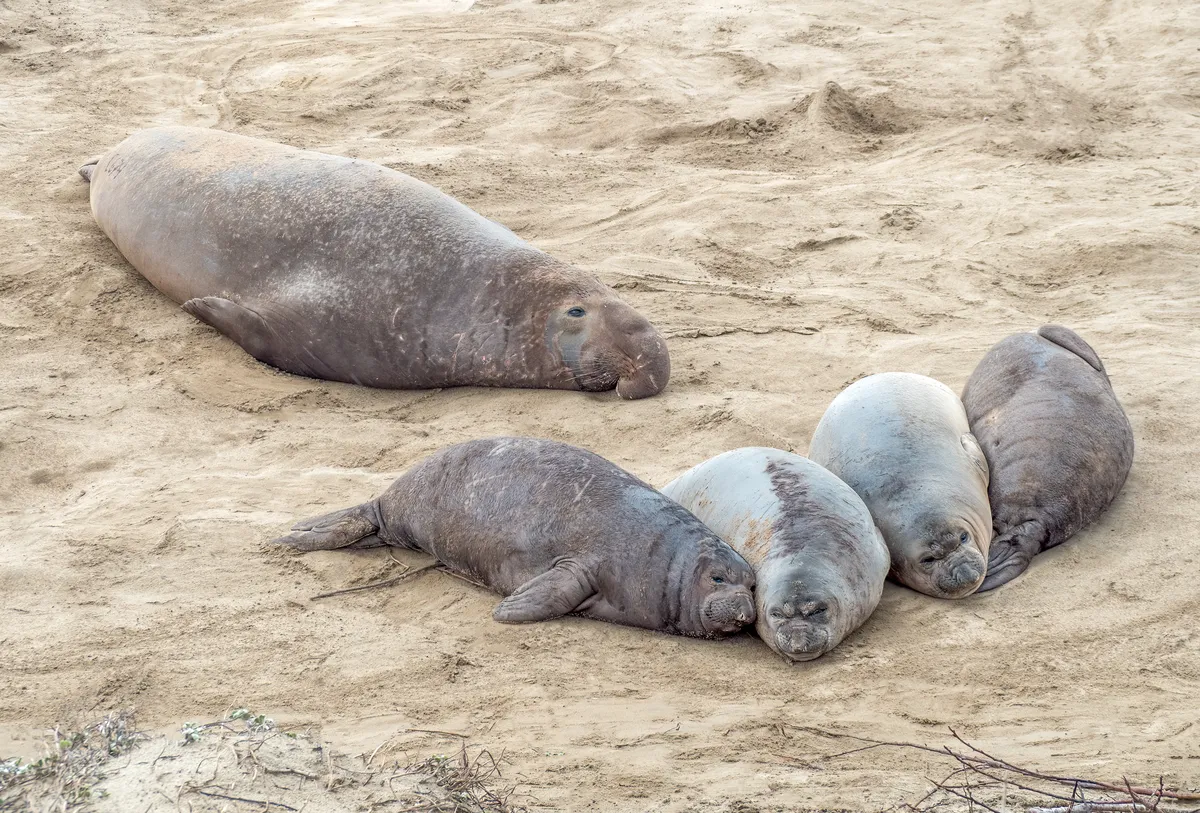
BODY STRUCTURERobust, torpedo-shaped body; males can reach 5 meters in length and weigh up to 4,000 kg; females significantly smaller at 2.5-3 meters
Data Source: TaxonHub Database
Image Credit: Antoine Lamielle