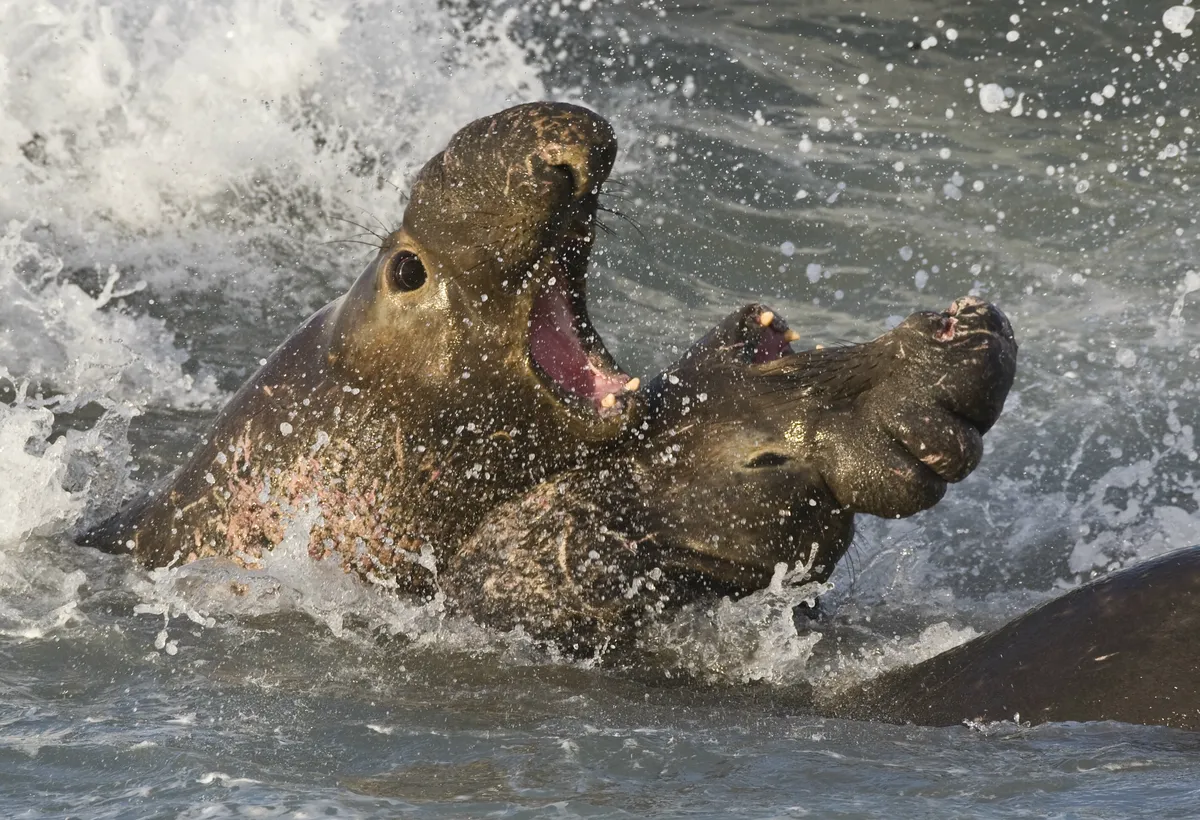
Marine mammal of the Phocidae family, characterized by large body size and distinctive proboscis-like nose in adult males. Endemic to the Pacific coastal regions of North America, ranging from Alaska to Baja California.
Image Gallery
ADSENSE SLOT
Ecology & Habitat
Habitat
Coastal marine environments along the northeastern Pacific Ocean, including rocky coastal areas, offshore islands, and deep oceanic regions. Primarily found in California, Oregon, and Mexico's Baja California peninsula.
Ecological Role
Key marine predator in coastal ecosystems, playing a crucial role in marine food webs. Helps regulate populations of prey species like squid, fish, and small marine mammals. Acts as an indicator species for marine ecosystem health.
Morphology
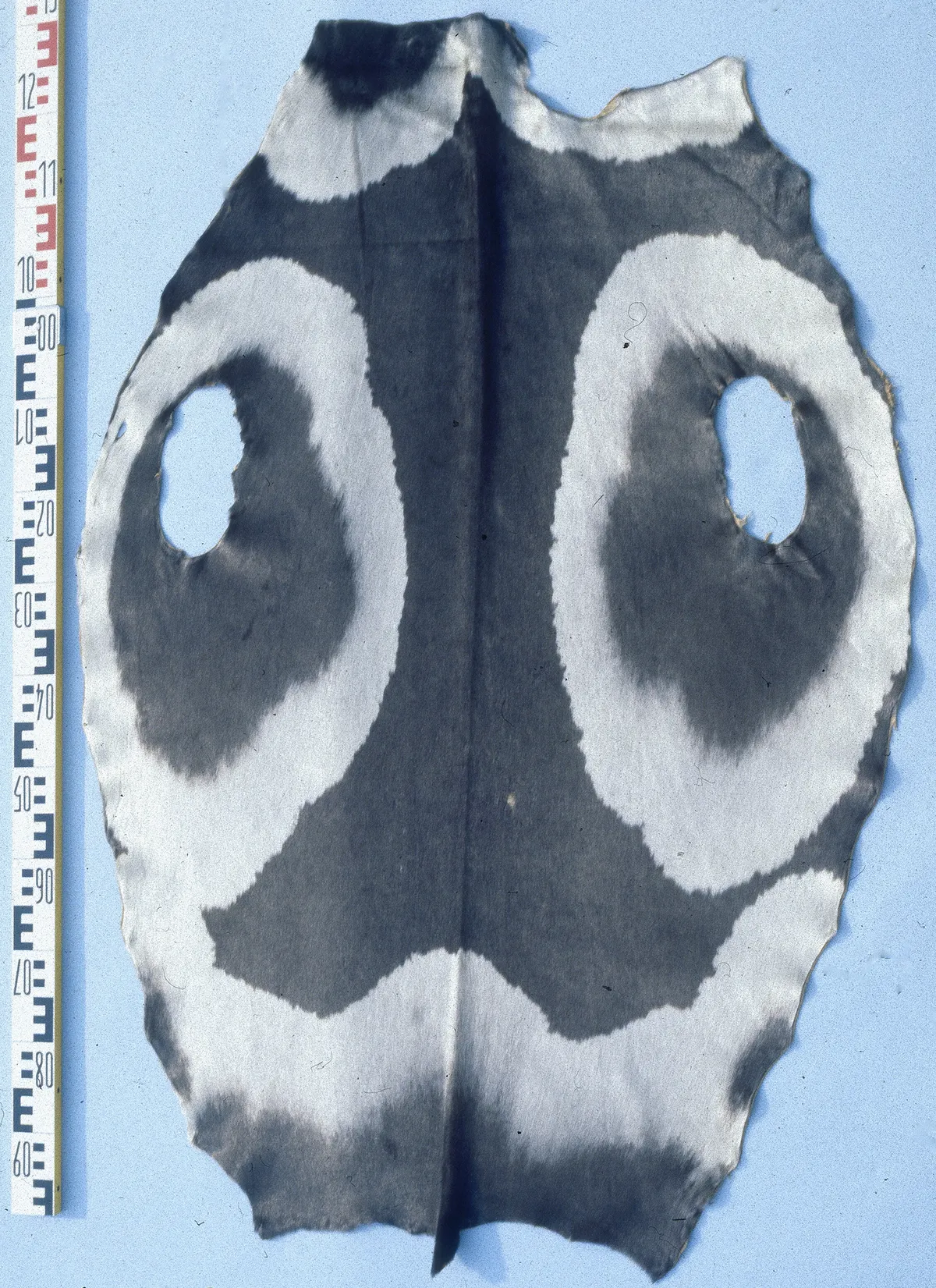
SKIN COATThick blubber layer for thermal insulation, dark gray to brown skin coloration with slight sexual dimorphism.
LIMBS WINGSFlipper-like hindlimbs for powerful swimming, modified forelimbs used for terrestrial movement during breeding season.
HEAD SENSORYDistinctive proboscis in males, large eyes adapted for deep-sea vision, sensitive whiskers for underwater navigation and prey detection.
BODY STRUCTURELarge, robust pinnipeds with massive body mass. Males can reach 4-5 meters in length and weigh up to 3,700 kg. Females are significantly smaller, typically 2.5-3 meters long.
Data Source: TaxonHub Database
Image Credit: Rhododendrites