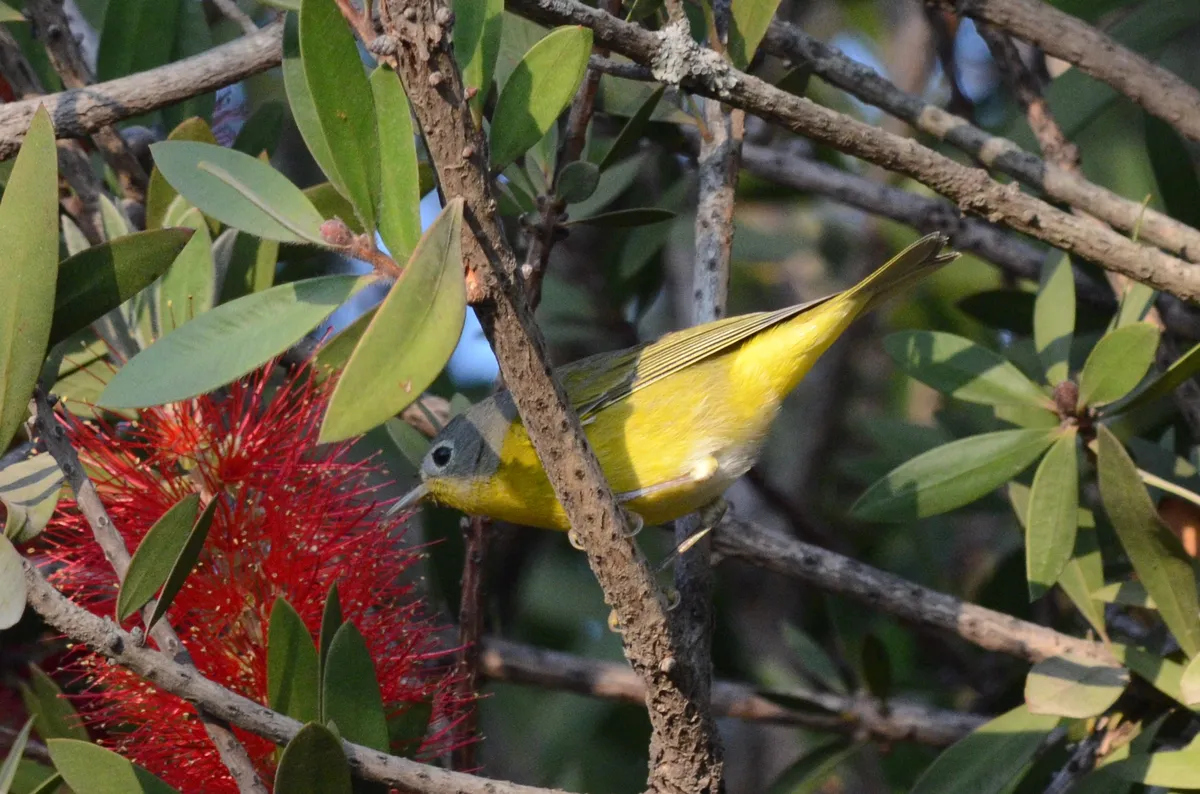
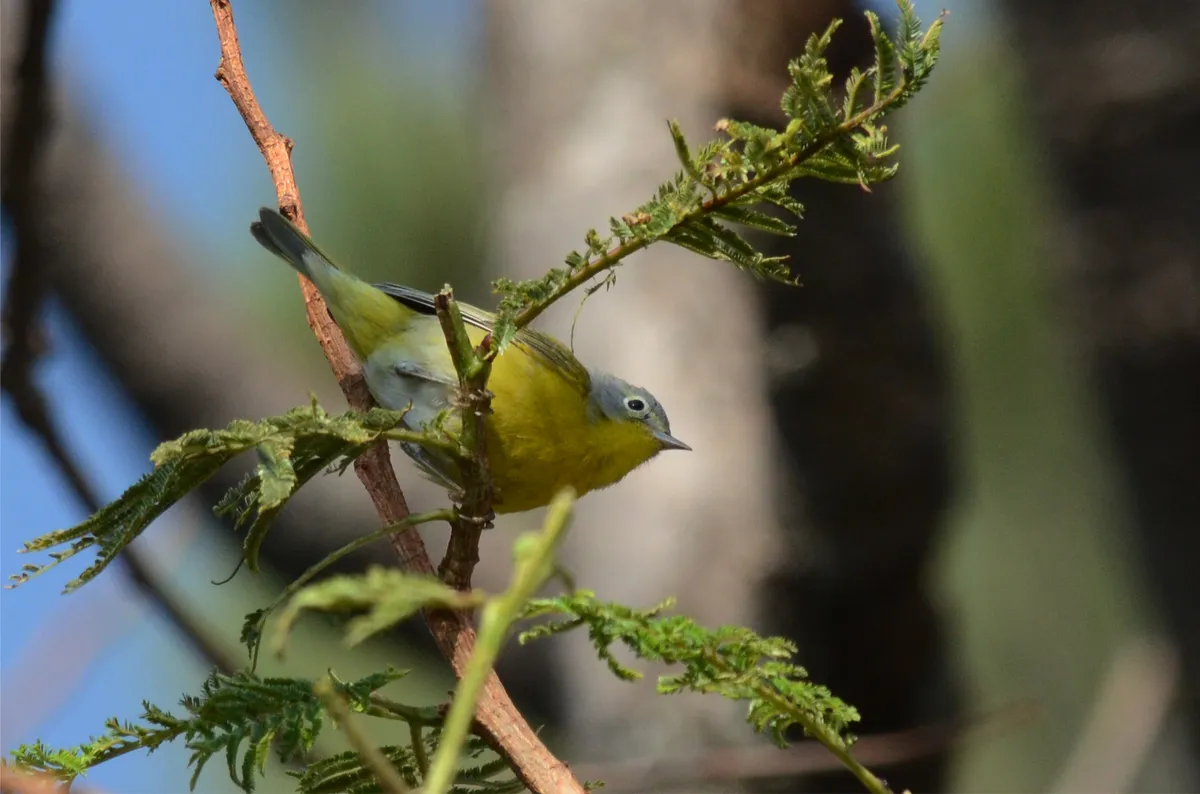
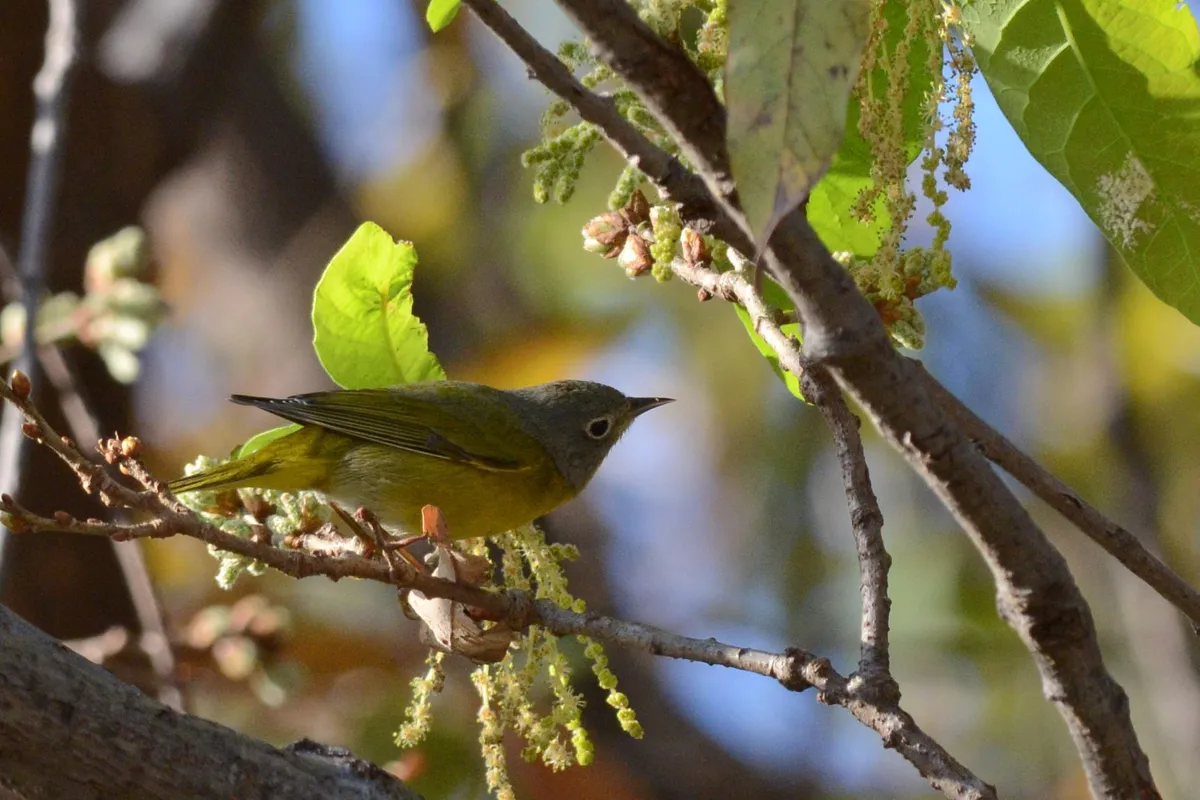
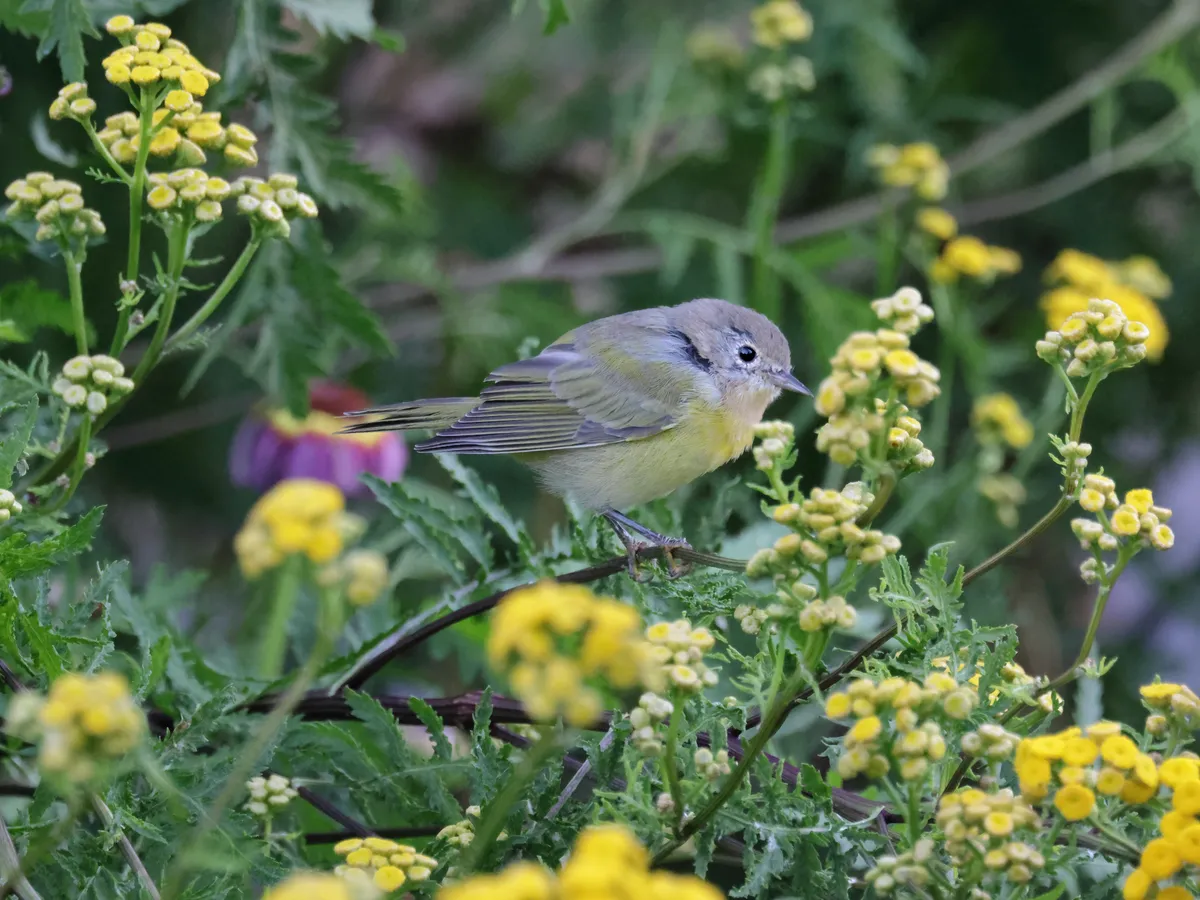
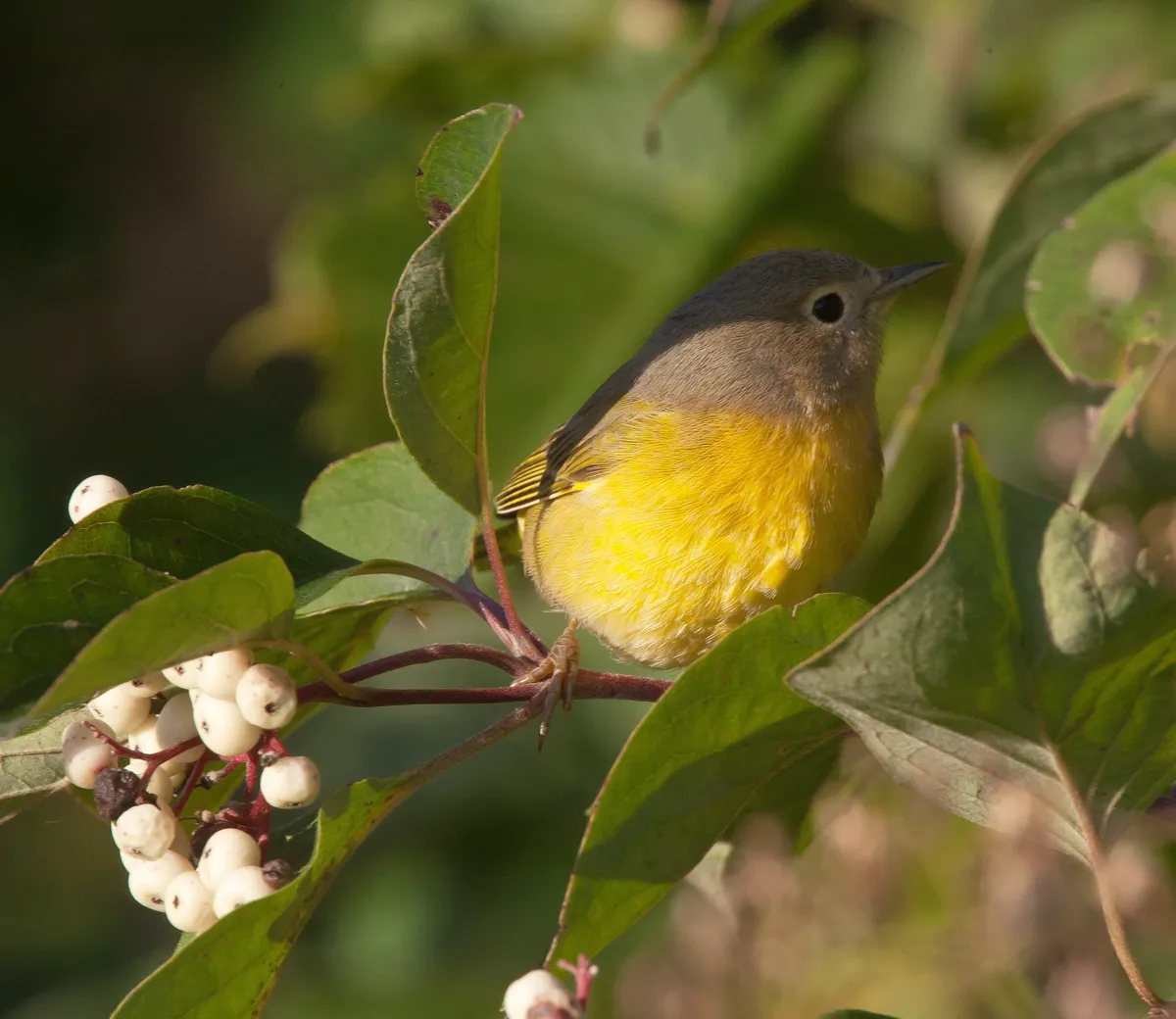
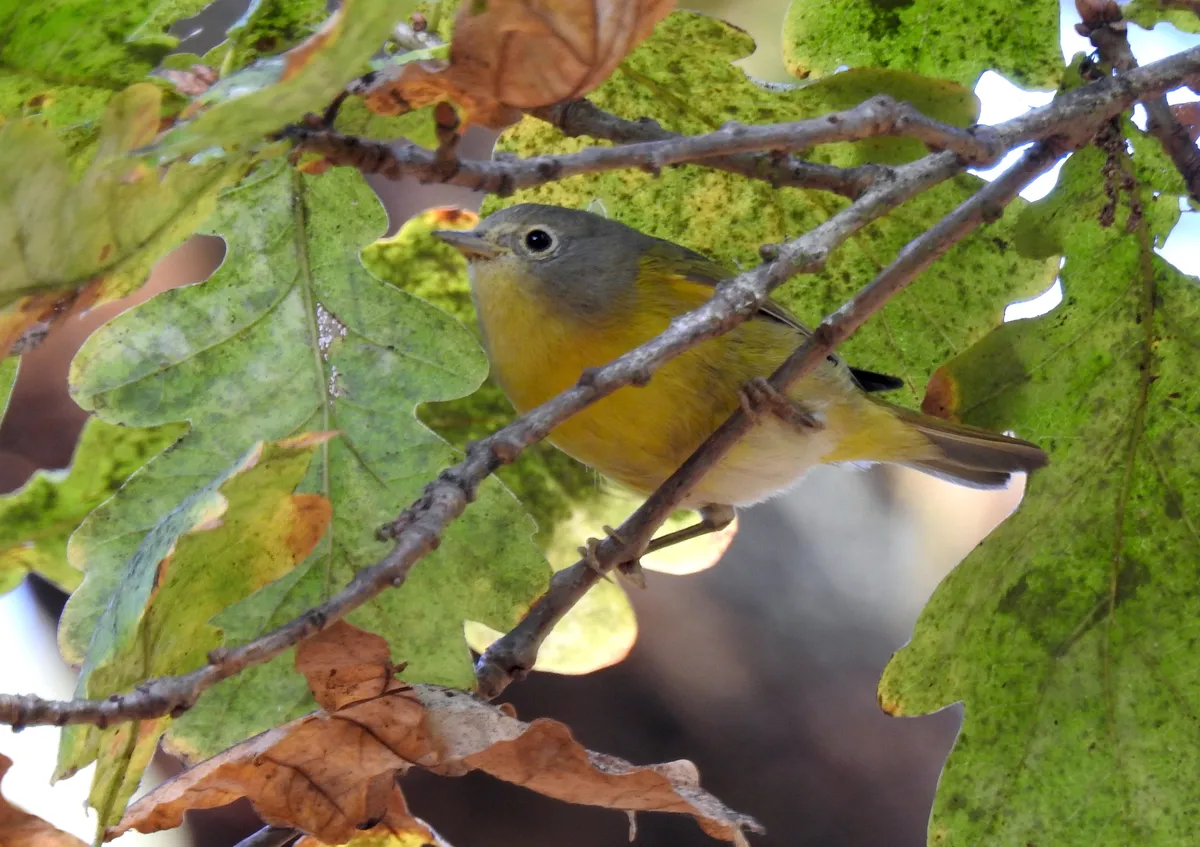
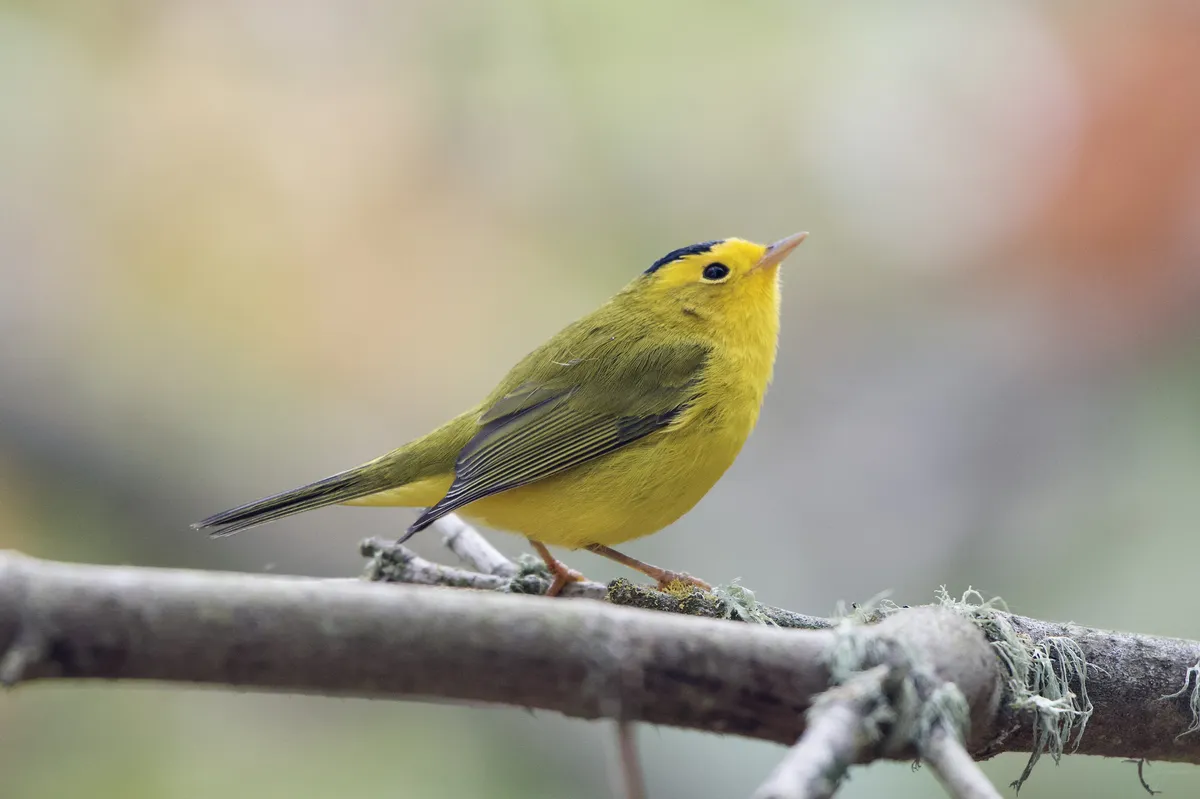
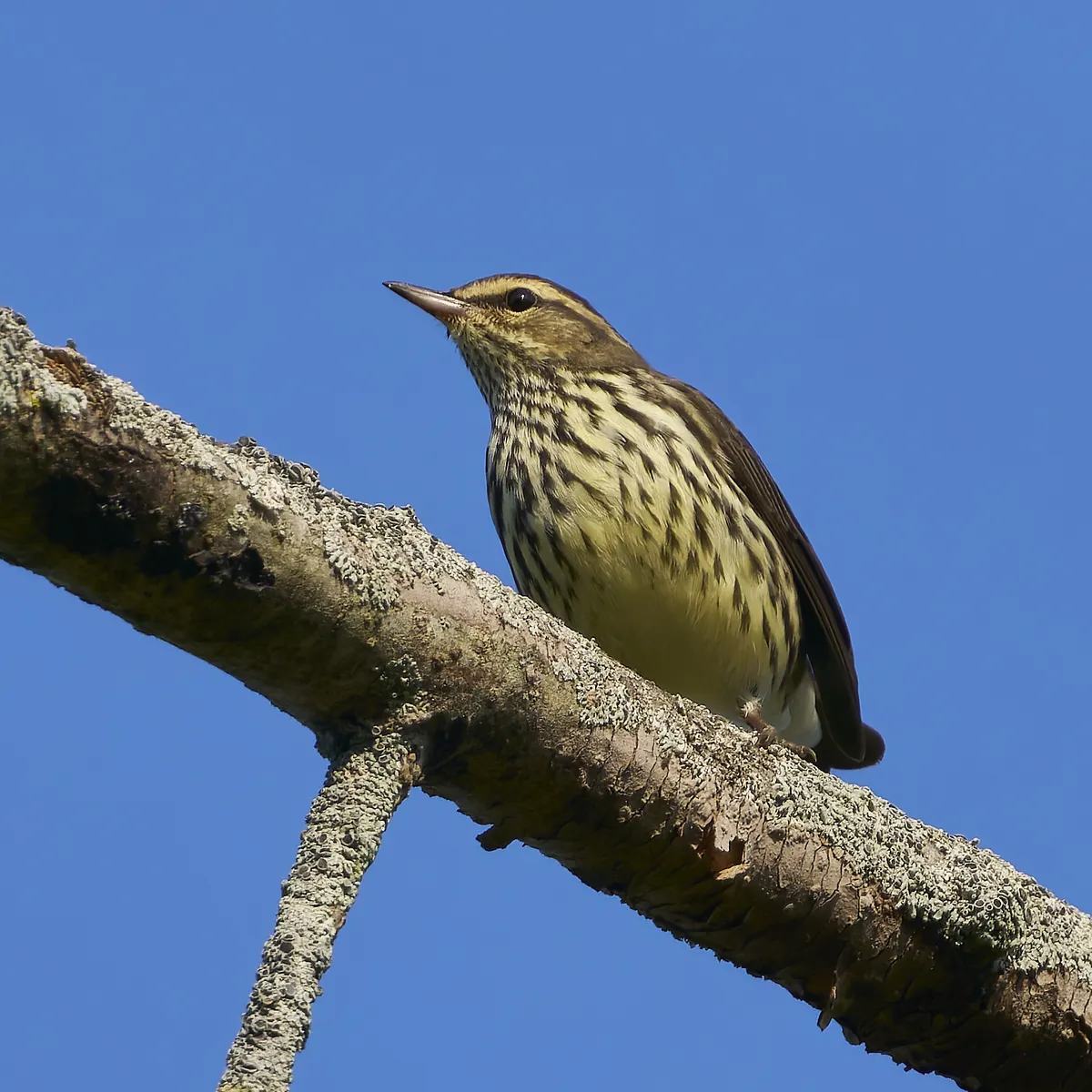
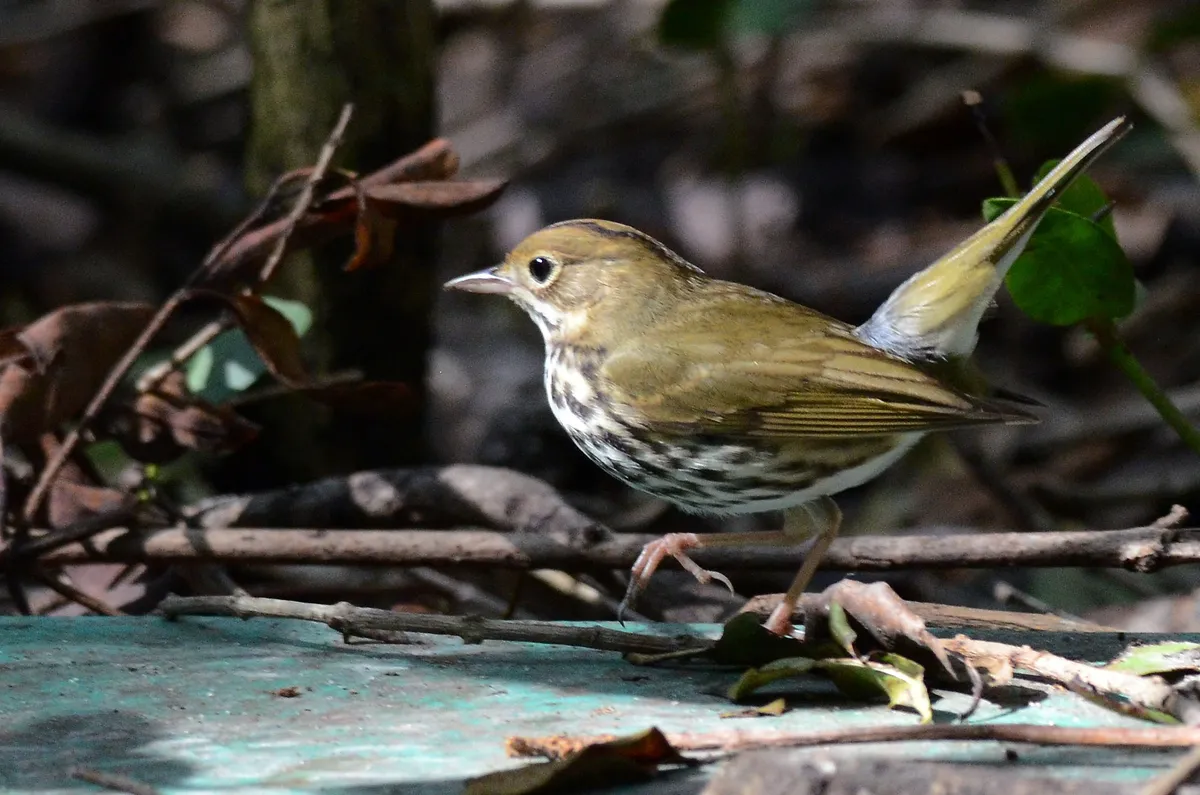
A small, vibrant songbird of the New World warbler family, characterized by its olive-green plumage and distinctive rufous crown patch. Endemic to North America, this migratory species plays a crucial role in forest ecosystems.
Image Gallery
ADSENSE SLOT
Ecology & Habitat
Habitat
Primarily inhabits coniferous and mixed deciduous forests across Canada and the northern United States during breeding season. Winters in Mexico and Central America, preferring woodland and shrubby environments.
Ecological Role
Critical insectivore that controls forest insect populations. Serves as an important indicator species for forest health and biodiversity. Contributes to seed dispersal and ecosystem balance through foraging behaviors.
Morphology
SKIN COATBright olive-green upperparts, gray underparts, white eye-ring. Plumage provides excellent camouflage in forest environments.
LIMBS WINGSRelatively long, slender legs for perching. Wings are olive-green with white wing bars, enabling agile flight and branch navigation.
HEAD SENSORYRounded head with prominent eyes, thin pointed beak adapted for capturing small insects. Distinctive rufous (reddish-brown) crown patch.
BODY STRUCTURESmall passerine bird, approximately 11-13 cm in length, weighing 8-12 grams. Compact, slender build with a relatively short tail.
Data Source: TaxonHub Database
Image Credit: Amado Demesa from DF, México