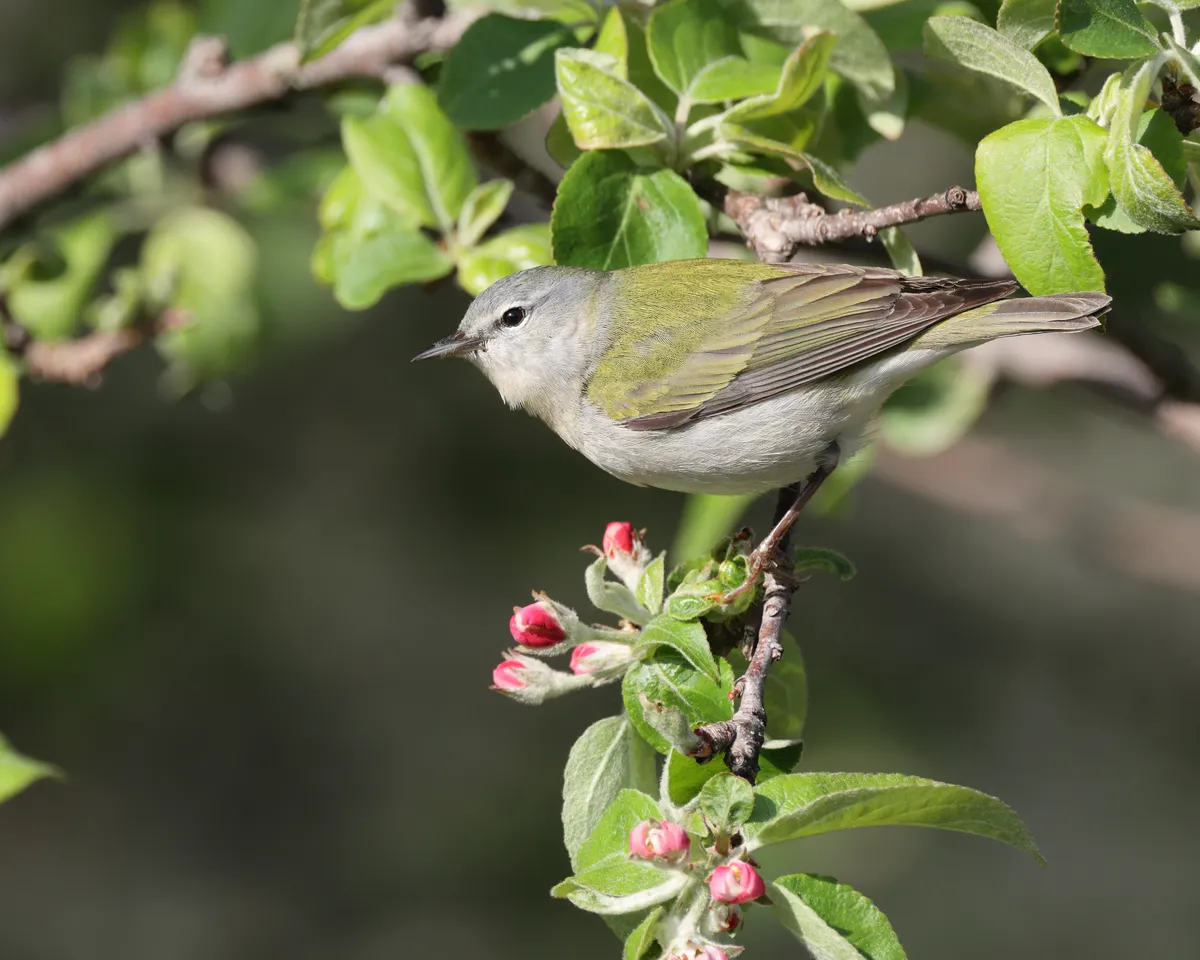
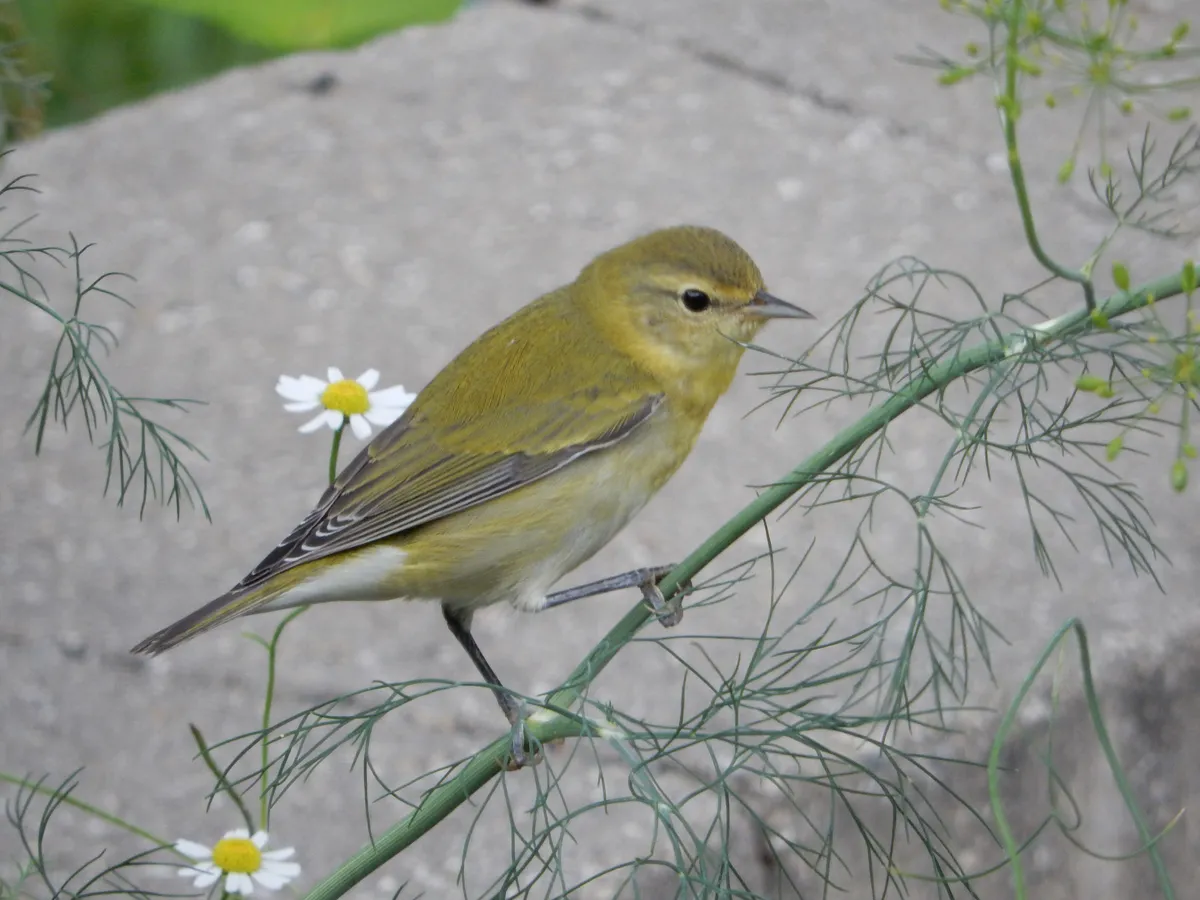
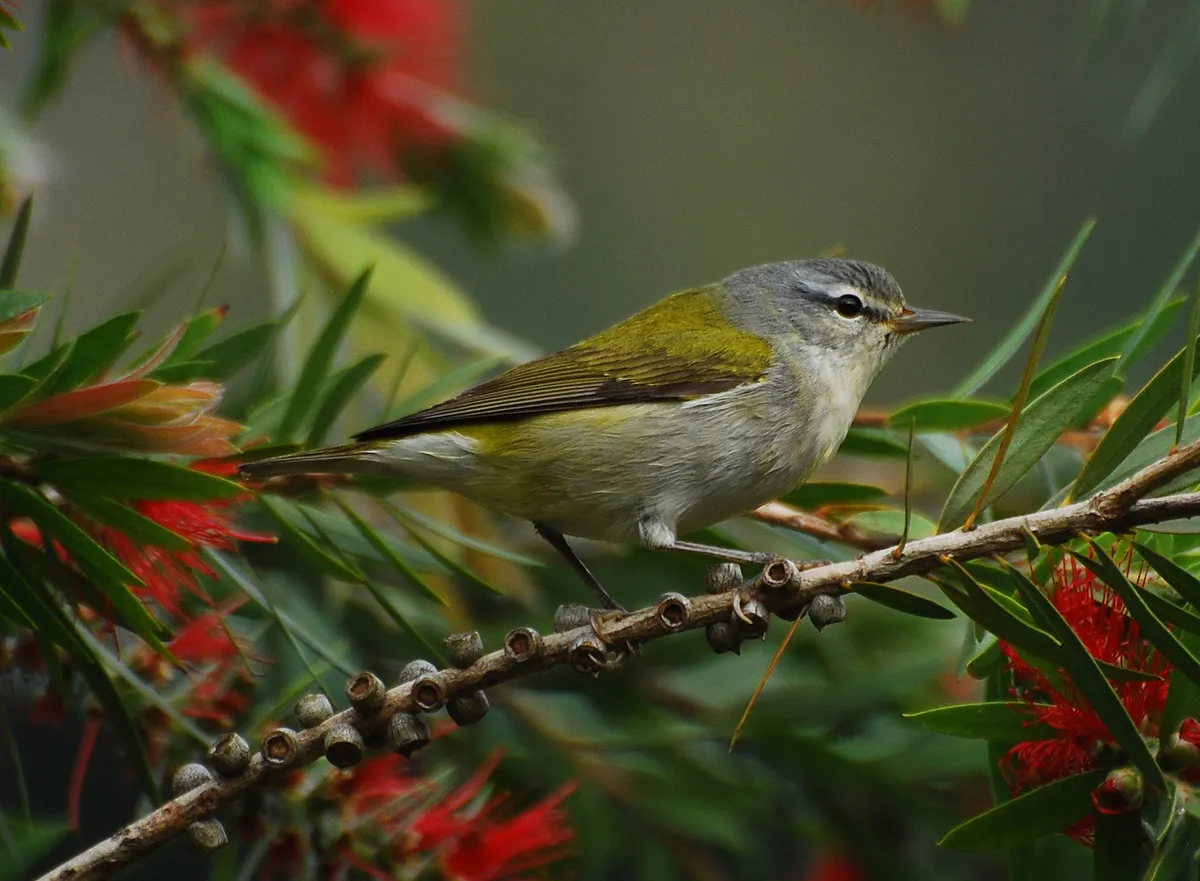
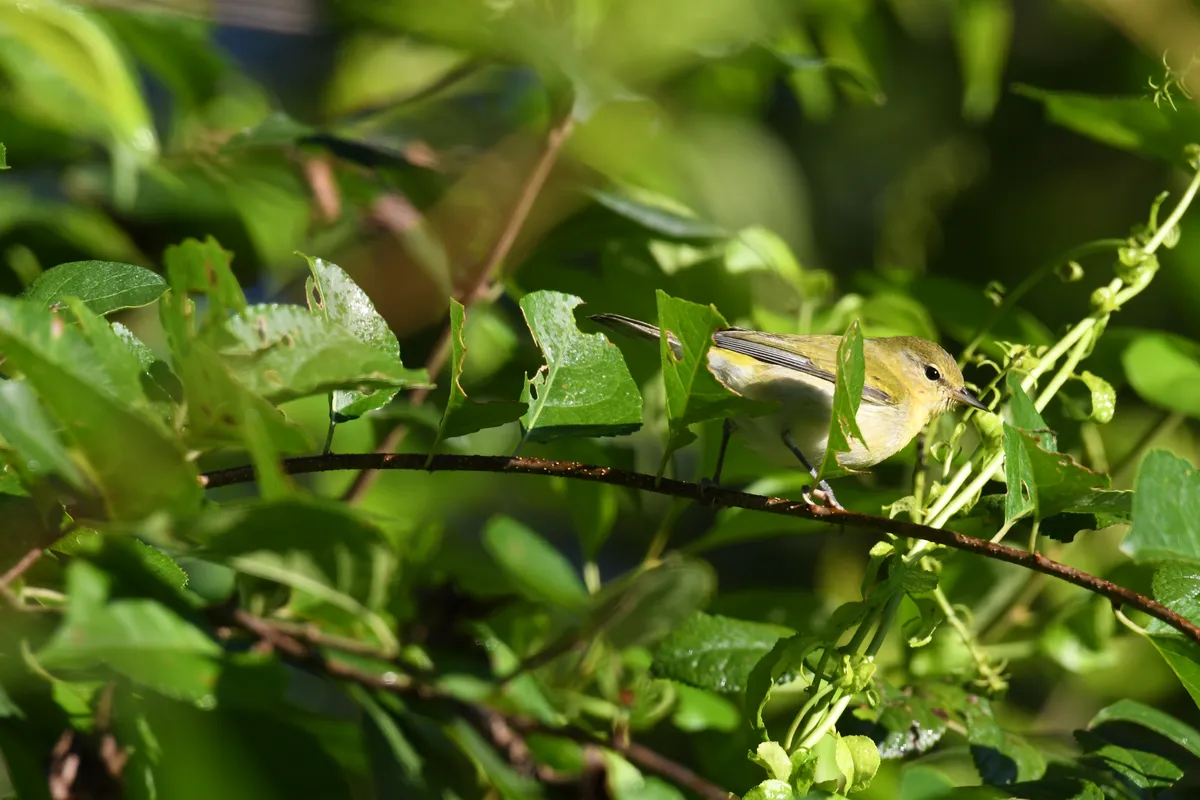
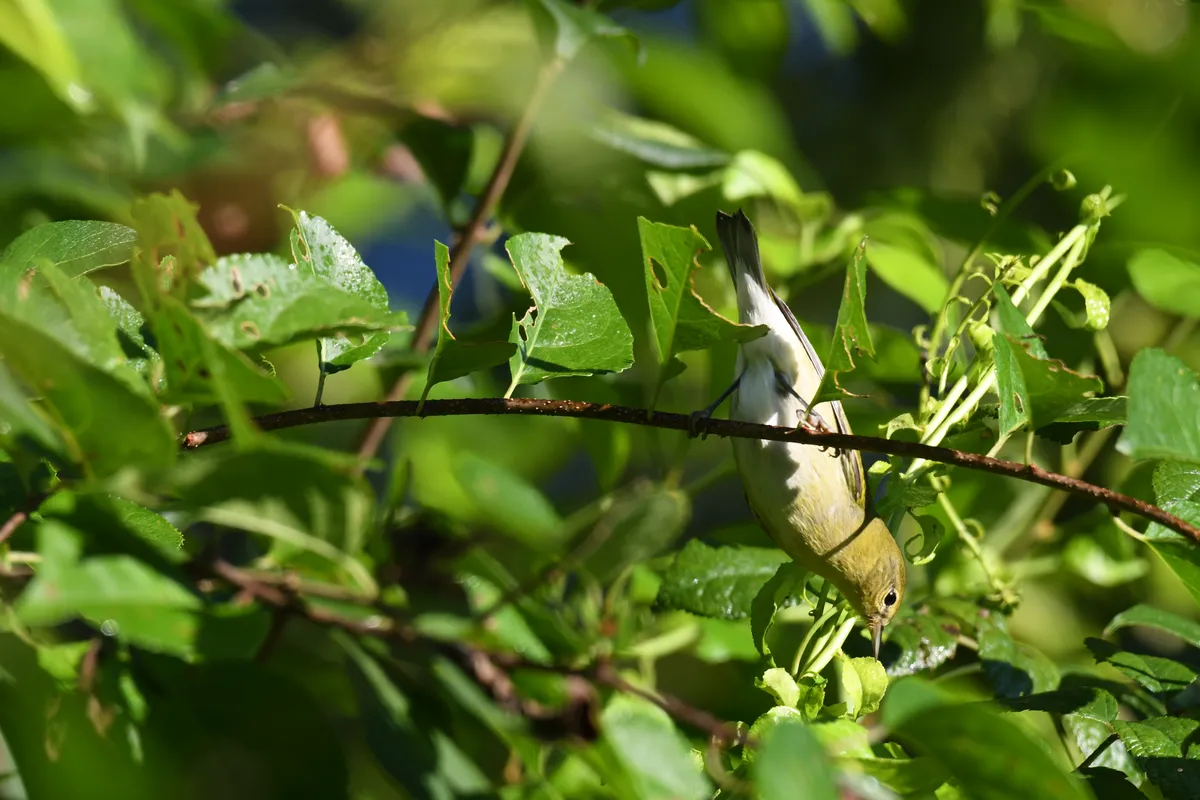
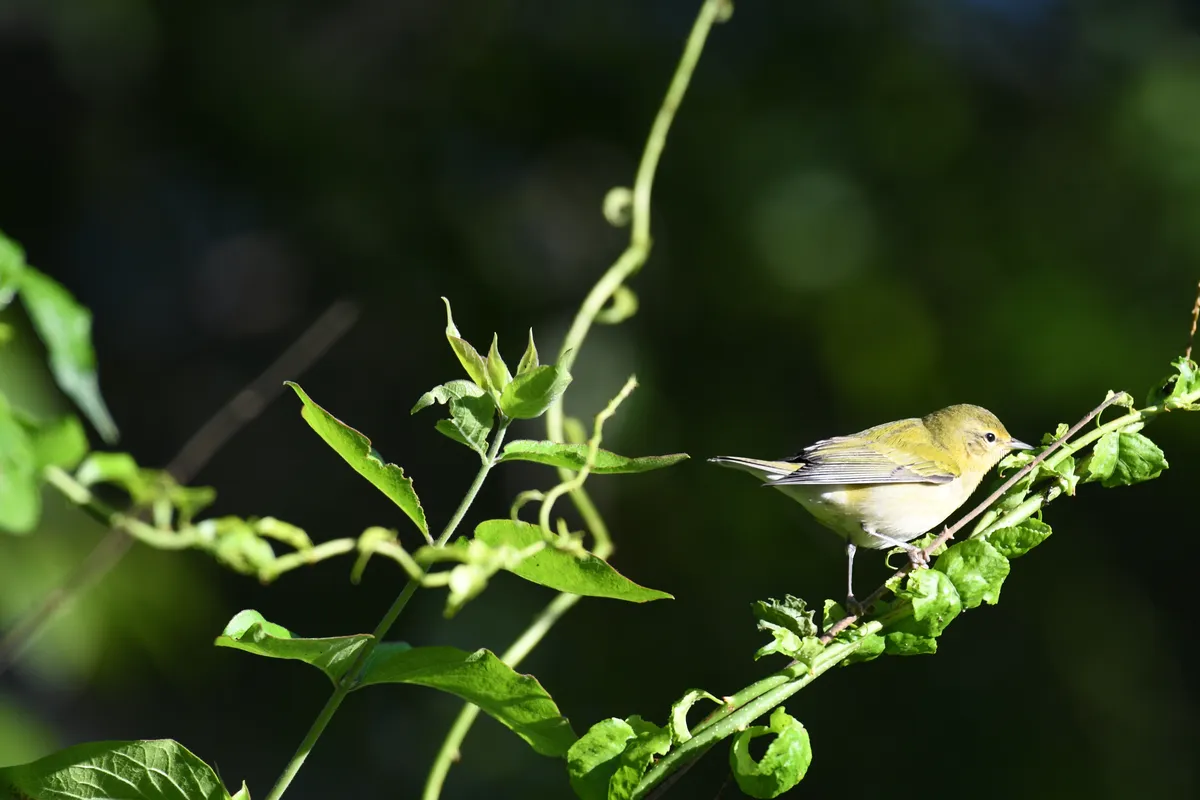
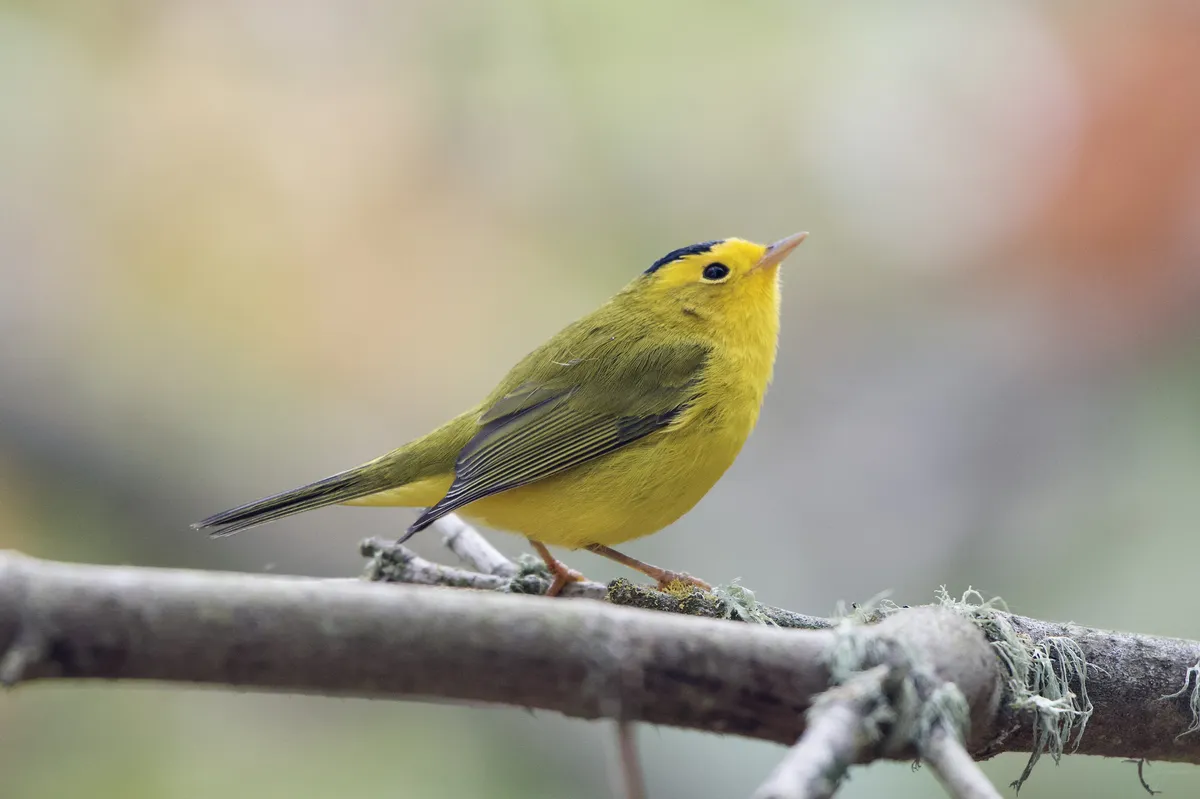
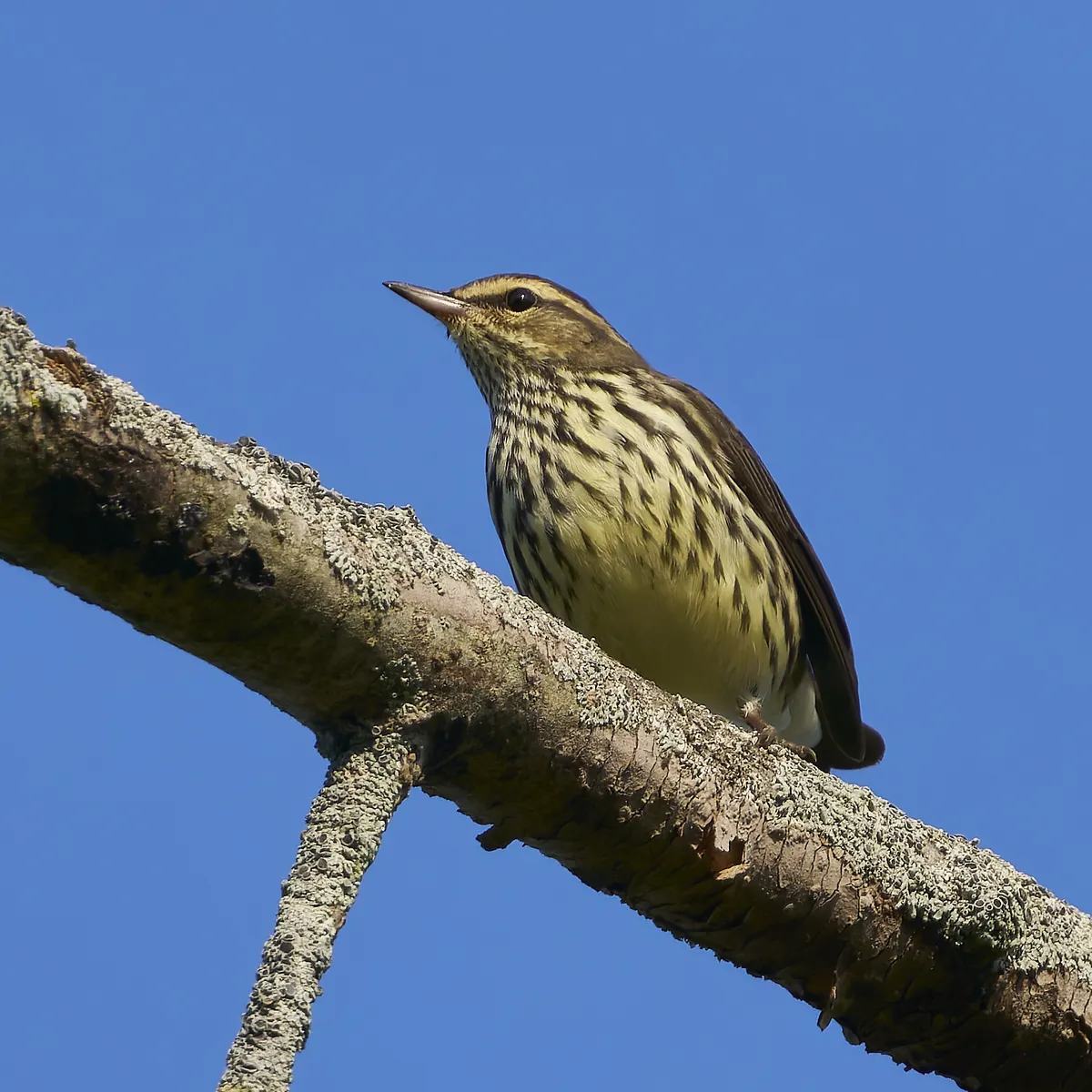
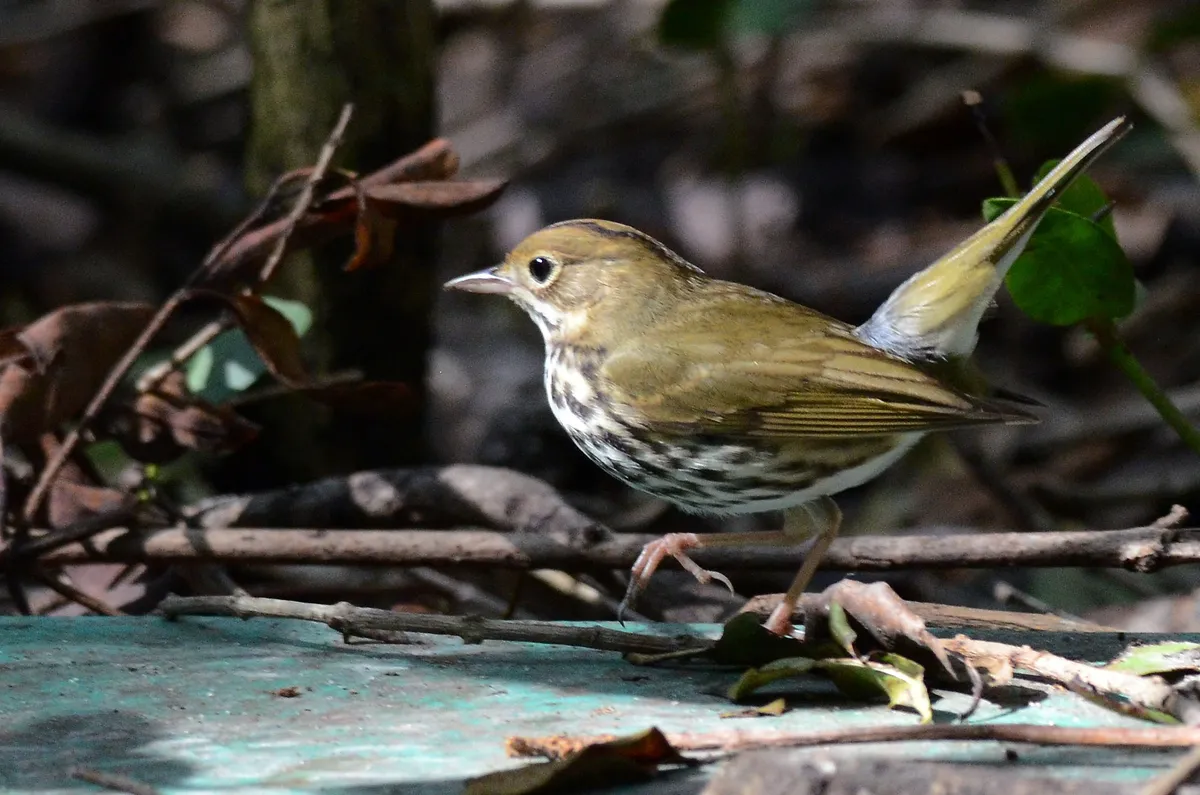
A small migratory songbird of the wood warbler family, found primarily in North American boreal forests during breeding season and Central/South American regions during winter migration.
Image Gallery
ADSENSE SLOT
Ecology & Habitat
Habitat
Breeds in mature coniferous and mixed forests of Canada and northern United States; winters in tropical forest regions of Central and northern South America, particularly in areas with dense forest canopies.
Ecological Role
Critical insect population control, especially during breeding season; plays significant role in forest ecosystem dynamics through seed dispersal and predator-prey interactions.
Morphology
SKIN COATPredominantly olive-green plumage with gray head, white undertail coverts; seasonal color variations during breeding and non-breeding periods
LIMBS WINGSSlender legs adapted for perching; wings enable long-distance migration with efficient aerodynamic design
HEAD SENSORYSharp, pointed beak adapted for insectivorous diet; keen visual perception for locating insects among foliage
BODY STRUCTURESmall passerine bird, approximately 11-12 cm in length, weighing 9-12 grams; compact body with relatively short tail and pointed beak
Data Source: TaxonHub Database
Image Credit: Cephas