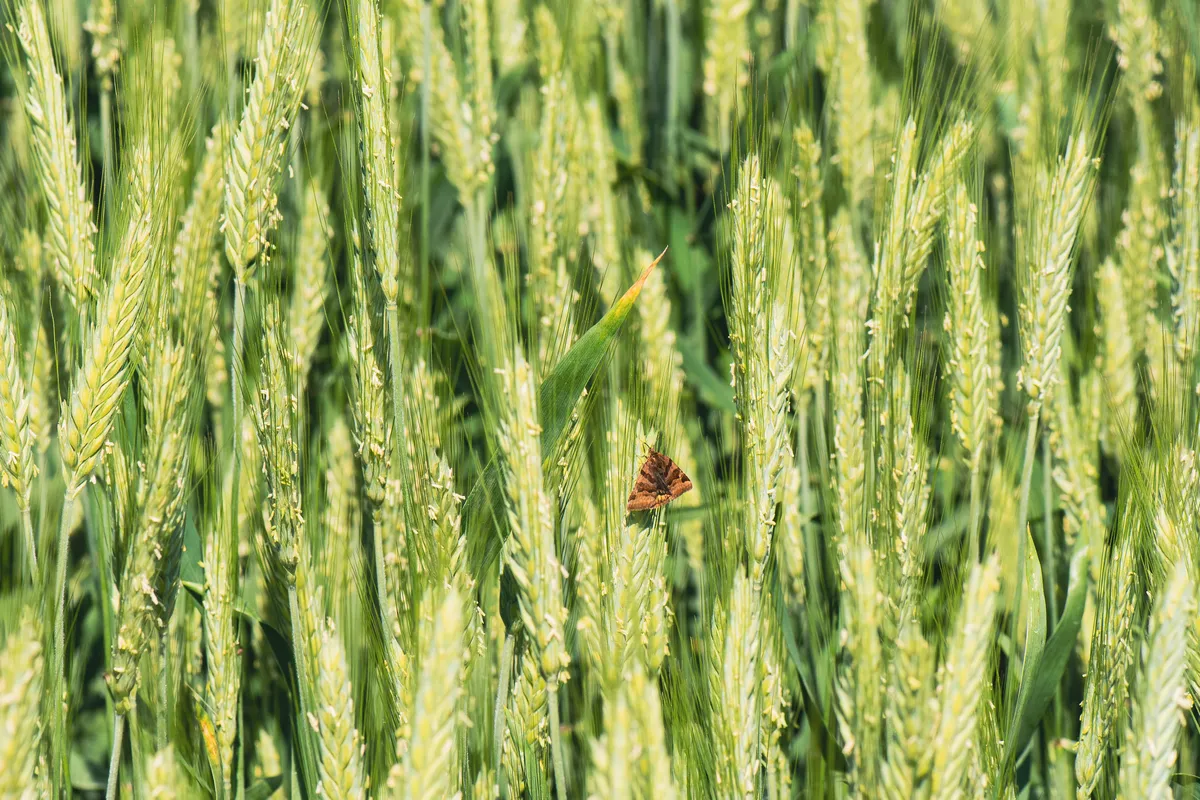
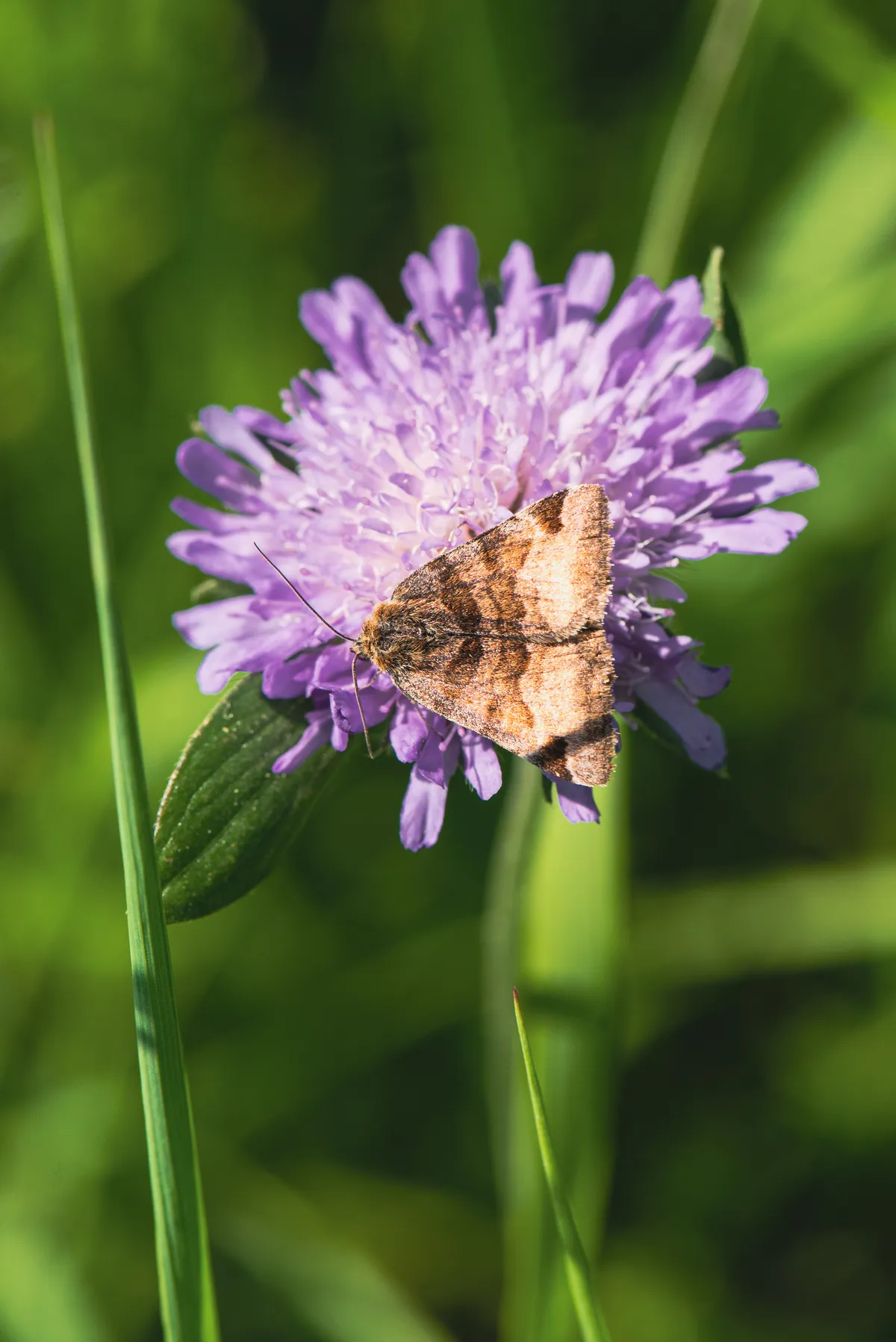
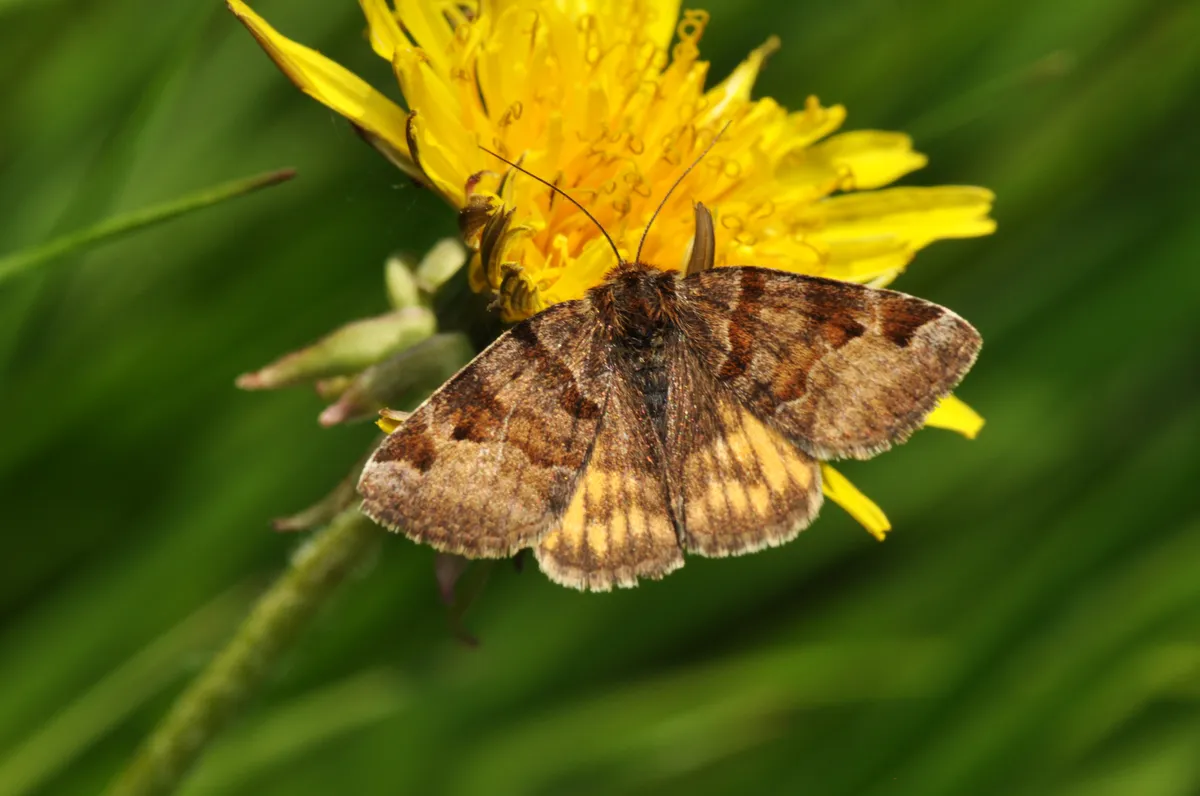
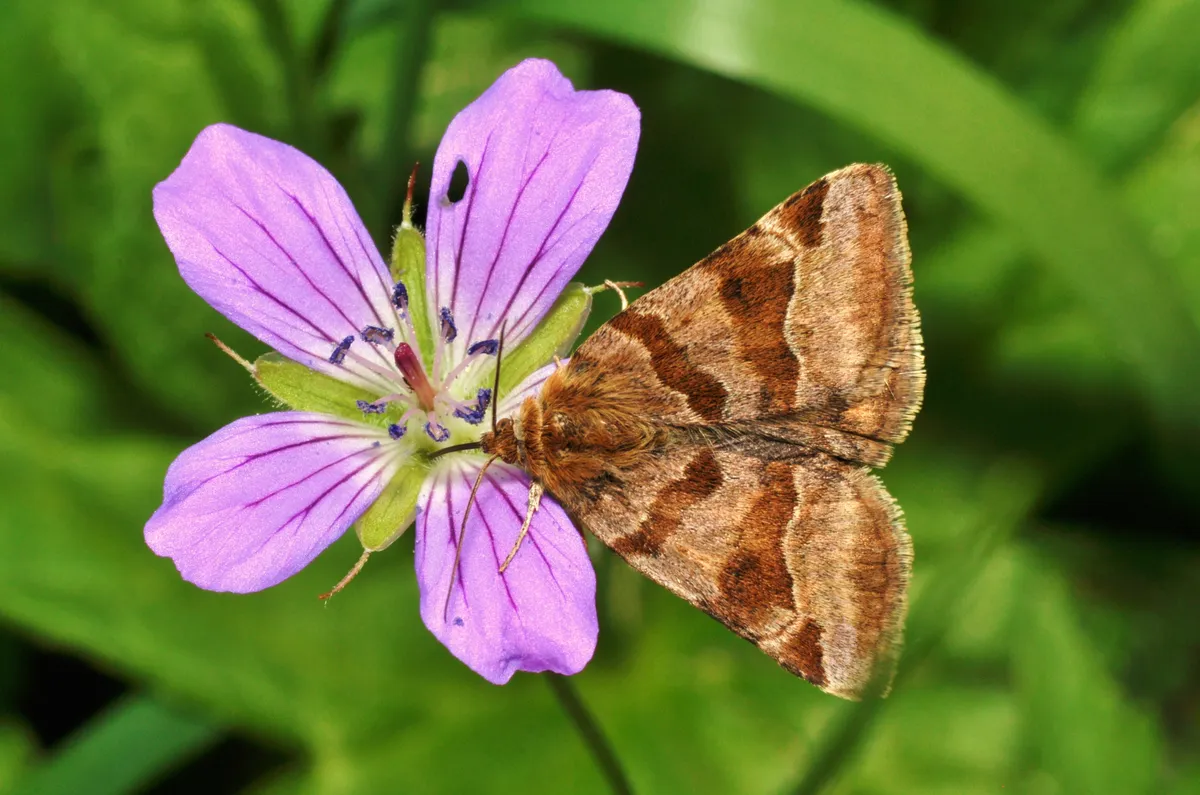
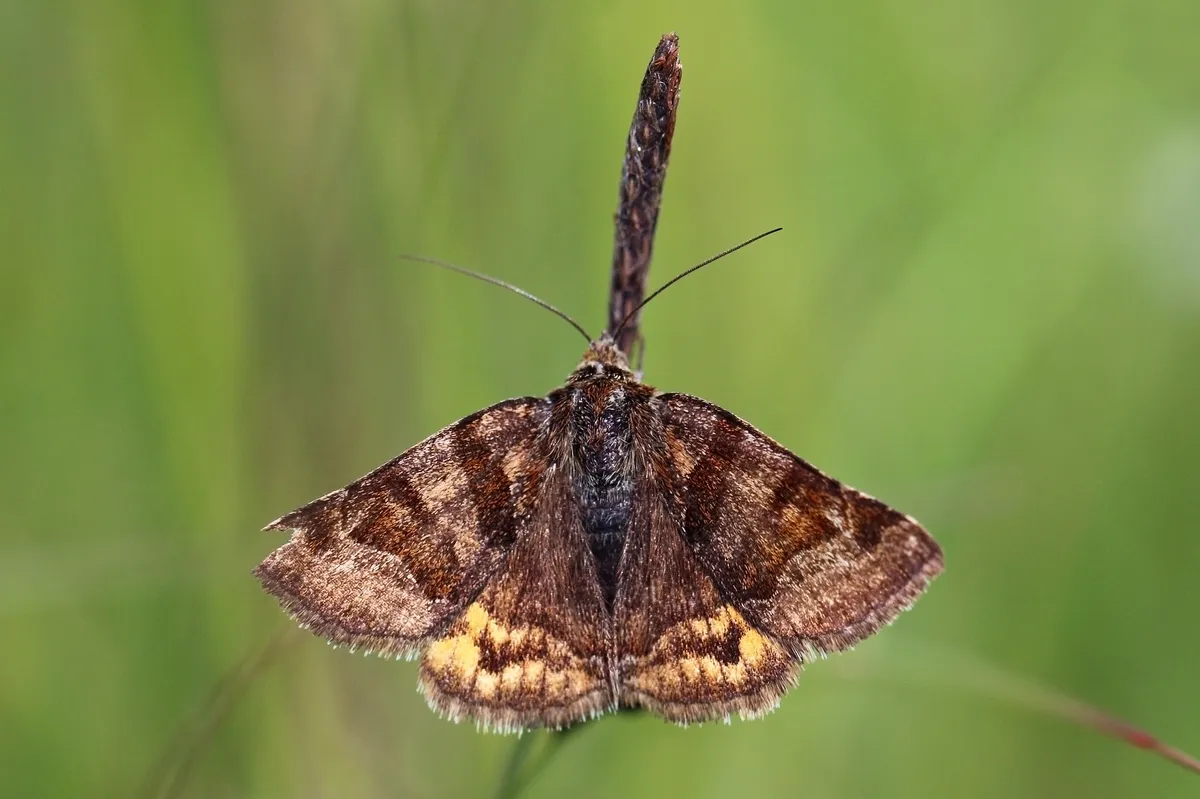
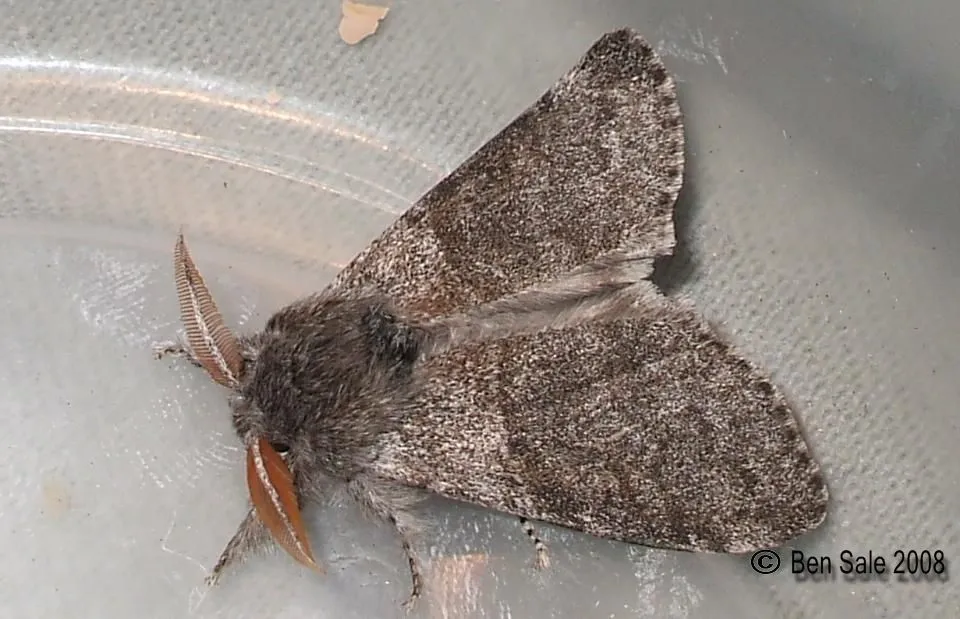
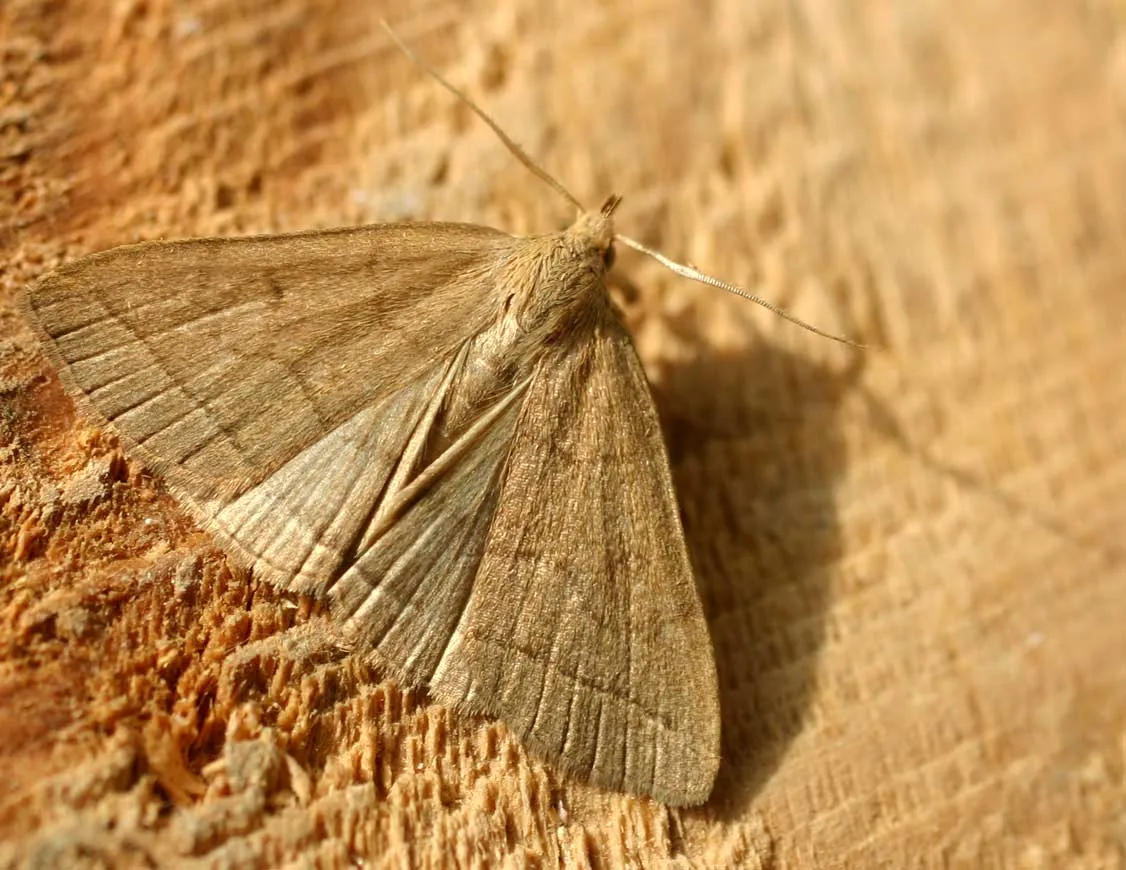
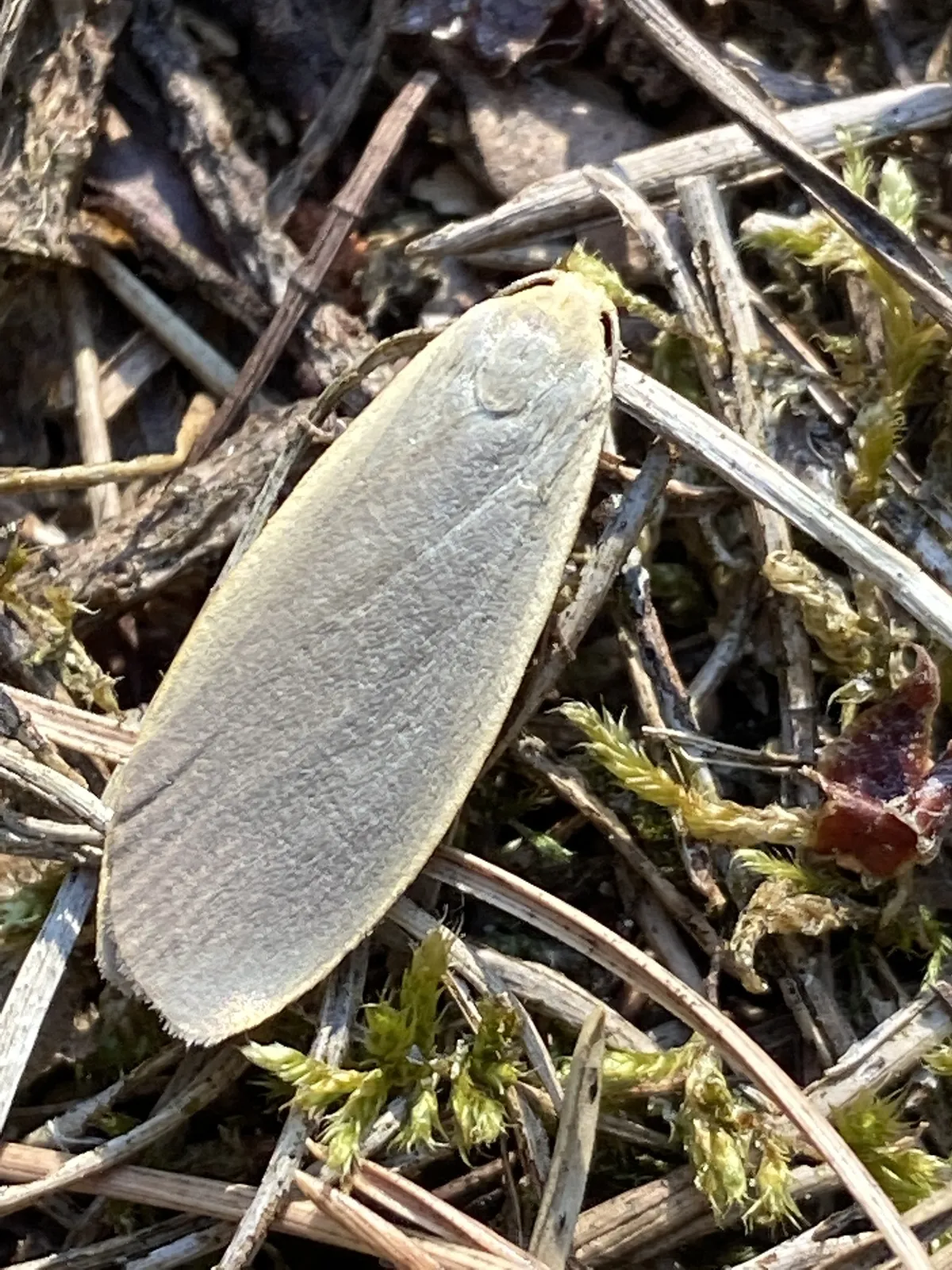
A nocturnal moth species of the Erebidae family, native to Europe, characterized by distinctive wing patterns and typically found in grassland and woodland habitats.
Image Gallery
ADSENSE SLOT
Ecology & Habitat
Habitat
Open grasslands, meadows, woodland edges, and scrublands across temperate European regions, particularly in areas with diverse herbaceous vegetation.
Ecological Role
Important pollinator and prey species in grassland ecosystems, serving as food source for birds and contributing to local biodiversity and ecosystem balance.
Morphology
SKIN COATScales covering wings and body, providing thermal regulation and camouflage protection
LIMBS WINGSTwo pairs of wings with complex camouflage patterns, forewings darker with intricate geometric markings, hindwings lighter in coloration
HEAD SENSORYCompound eyes, short antennae typical of nocturnal moth species, capable of detecting pheromones and navigating night environments
BODY STRUCTURESmall moth with wingspan of 30-40 mm, robust body with triangular wings featuring intricate geometric dark and light patterning
Data Source: TaxonHub Database
Image Credit: Flocci Nivis