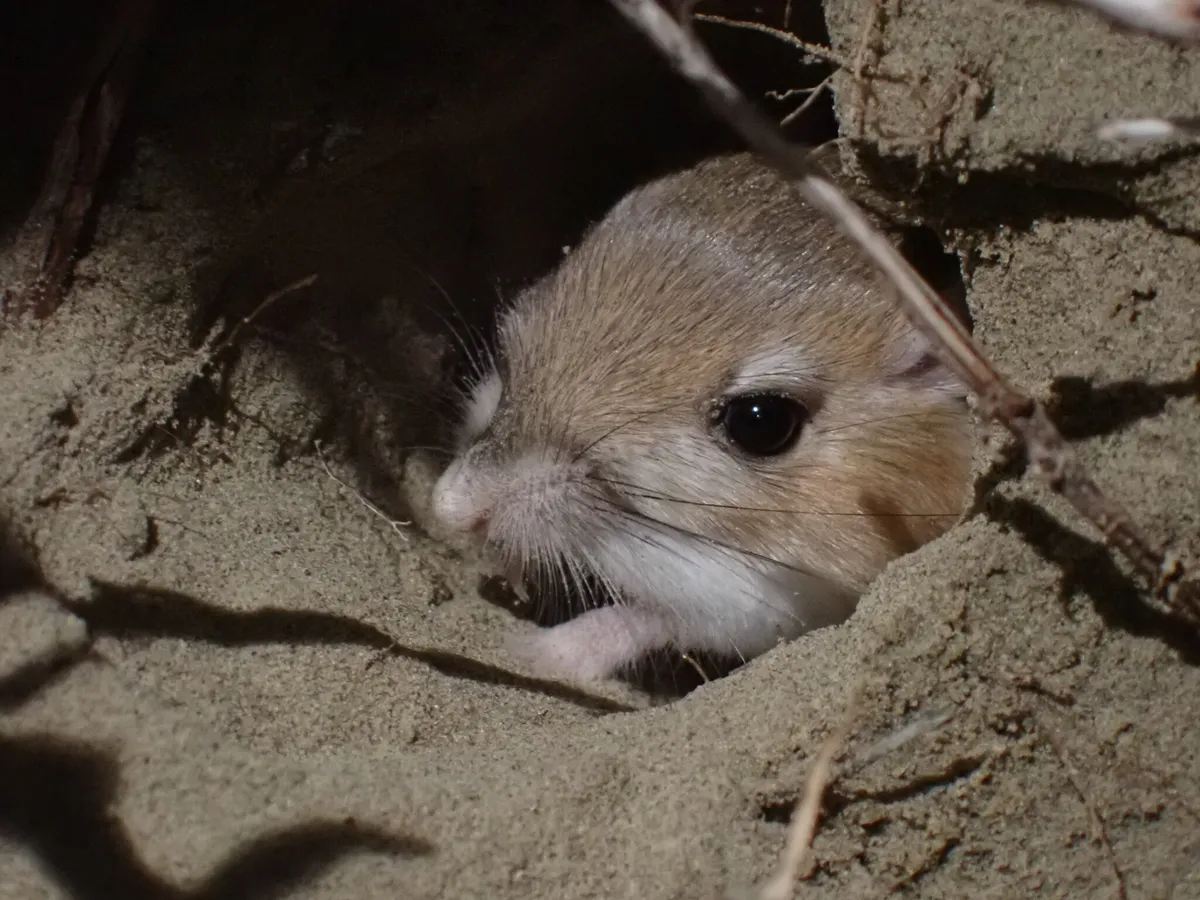
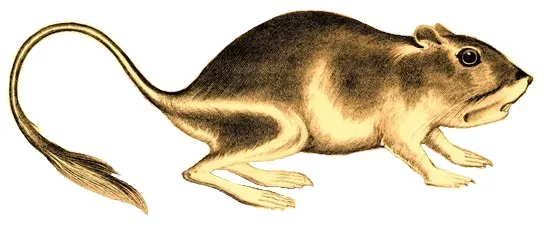
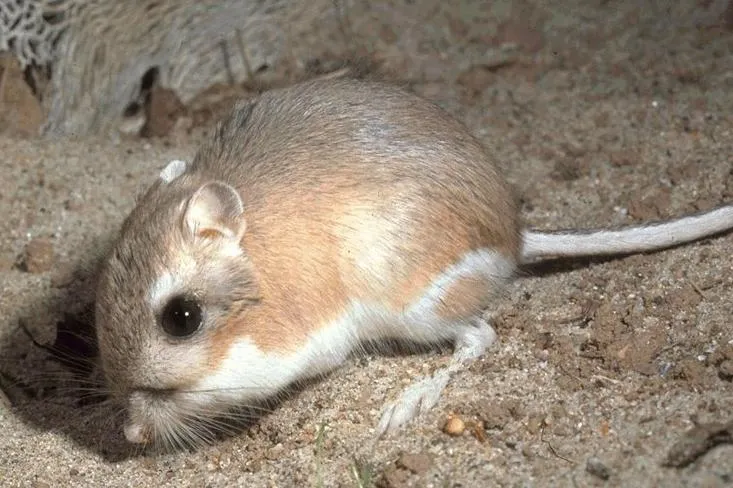
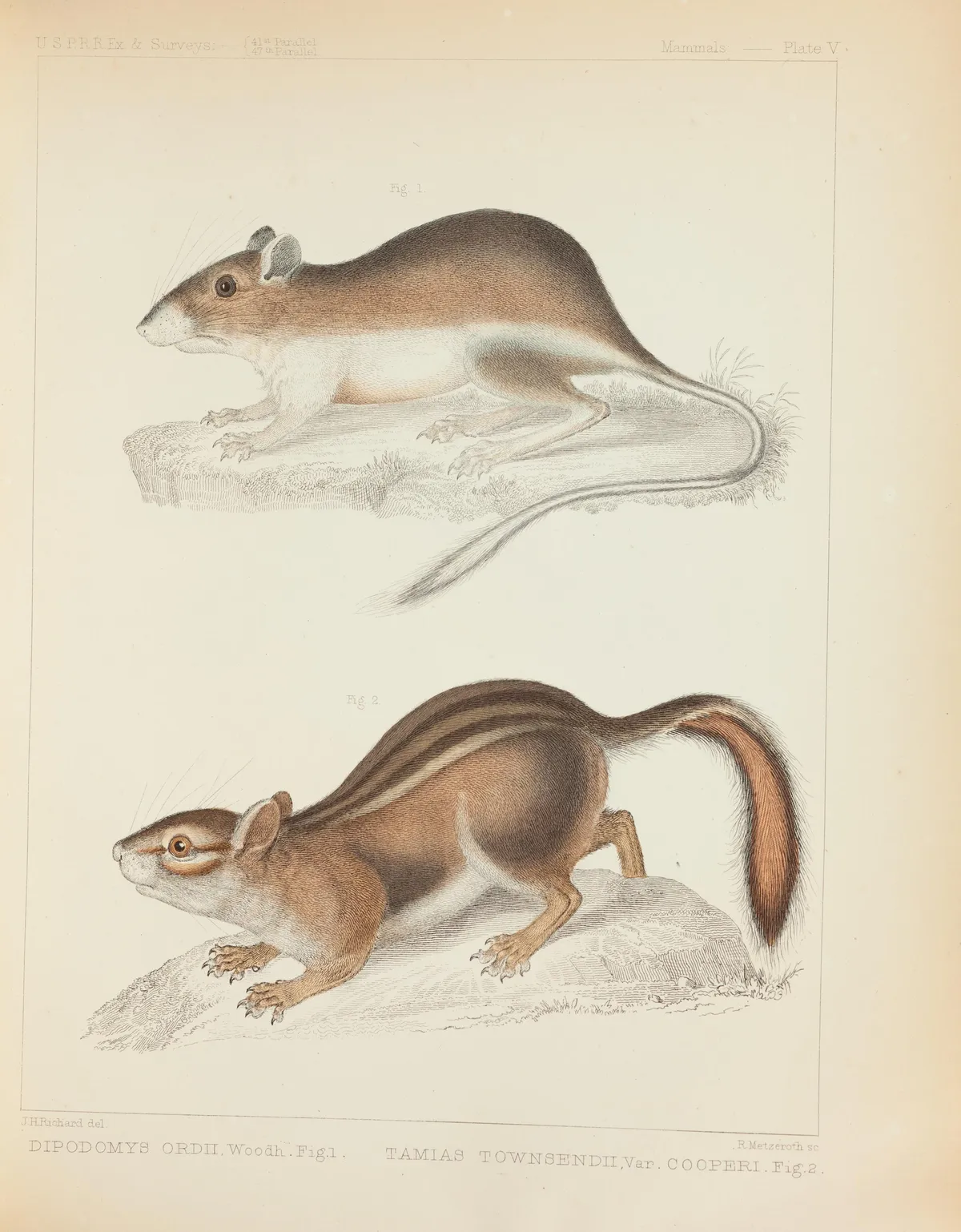
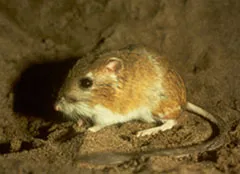
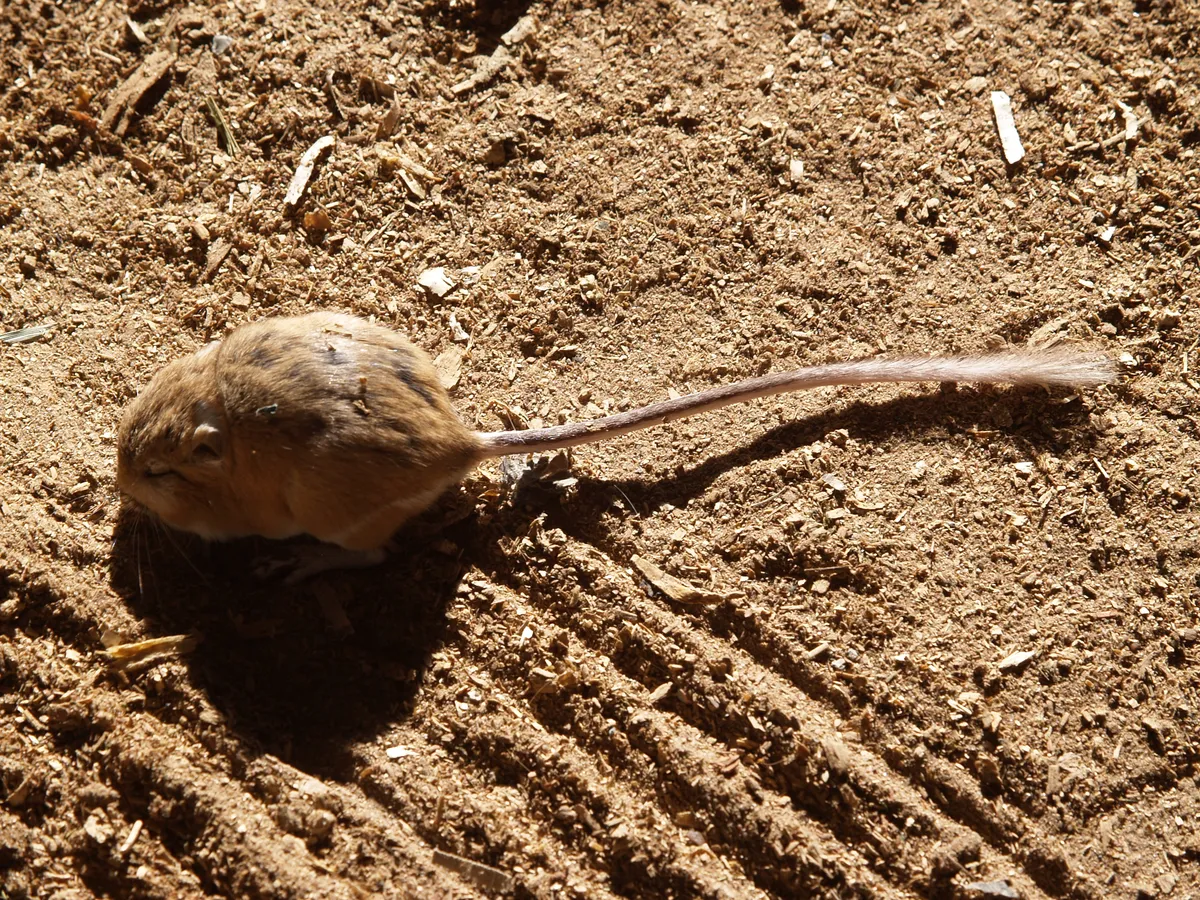
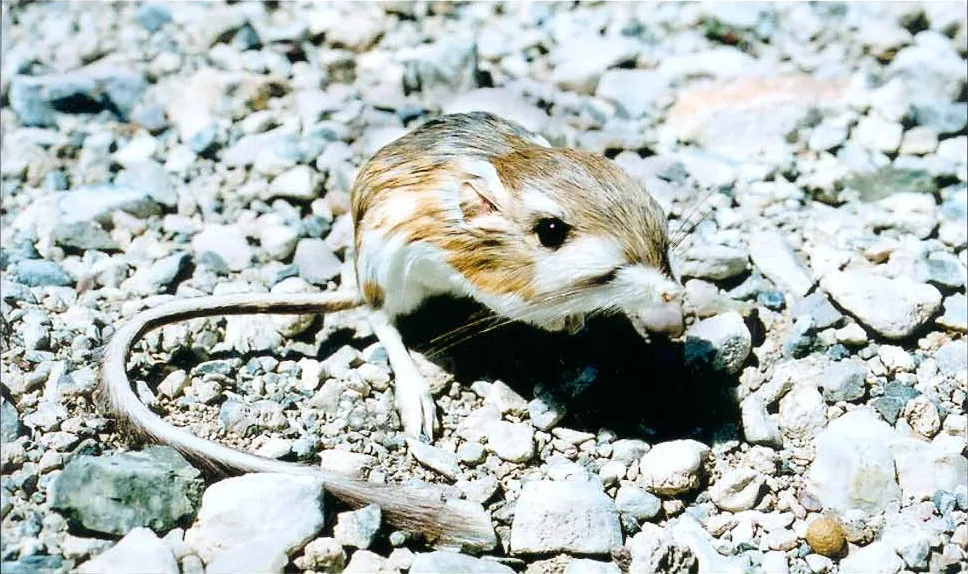
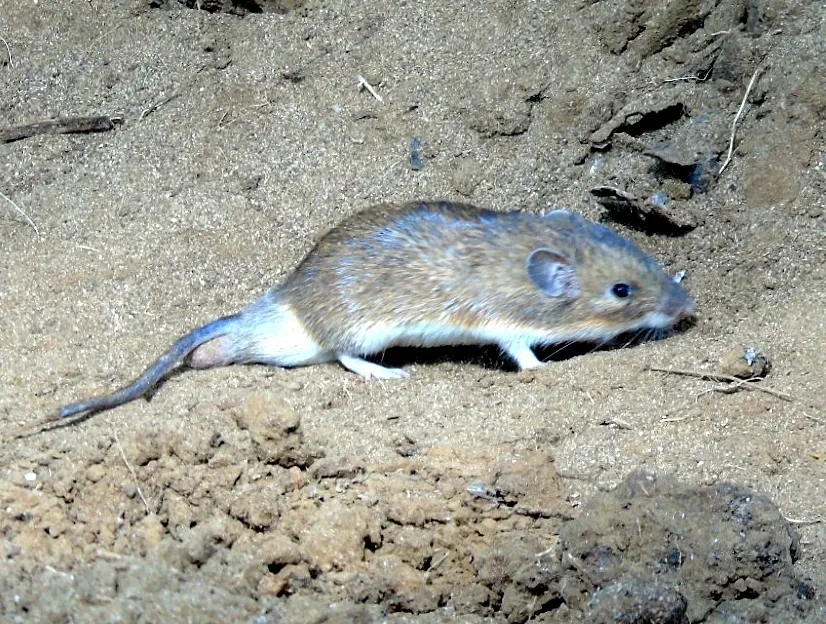
A small nocturnal rodent native to arid and semi-arid regions of western North America, characterized by powerful hind limbs for bipedal hopping and desert adaptation.
Image Gallery
ADSENSE SLOT
Ecology & Habitat
Habitat
Dry grasslands, desert scrublands, and sandy plains across southwestern United States and northern Mexico, typically in areas with sparse vegetation and sandy or gravelly substrates.
Ecological Role
Key seed dispersal agent, soil aeration contributor, and prey species in desert ecosystem food webs; helps maintain plant biodiversity through seed caching behaviors.
Morphology
SKIN COATPale sandy to grayish-brown fur providing camouflage; dense, short pelage adapted to desert temperature fluctuations
LIMBS WINGSPowerful, elongated hind limbs for saltatory locomotion; smaller forelimbs used for manipulation and food handling
HEAD SENSORYLarge eyes adapted for nocturnal vision, prominent ears for sound detection, long whiskers for spatial navigation
BODY STRUCTURESmall rodent, approximately 110-140 mm body length, 150-230 mm total length including tail; body mass 35-65 g; bipedal locomotion with elongated hindlimbs
Data Source: TaxonHub Database
Image Credit: Ellyne Geurts