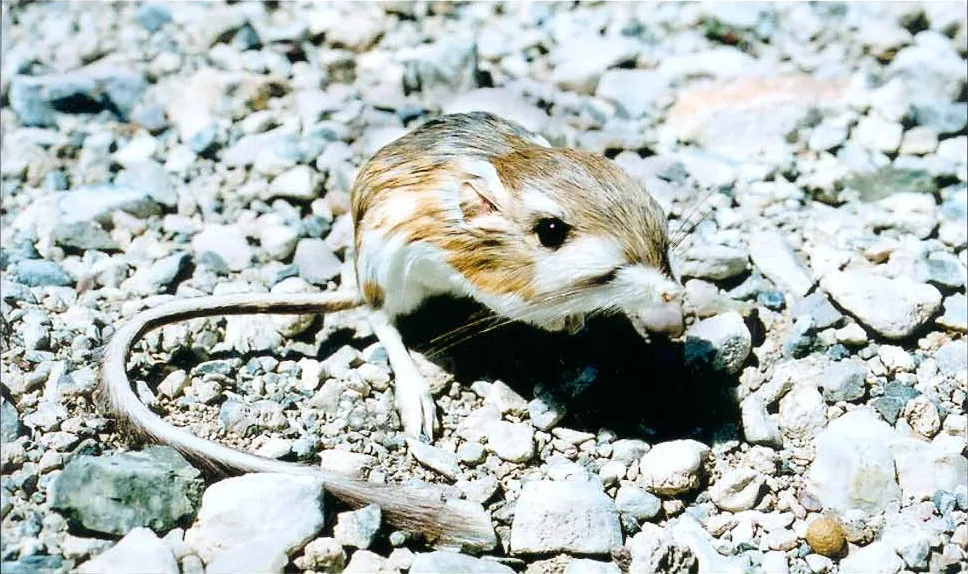
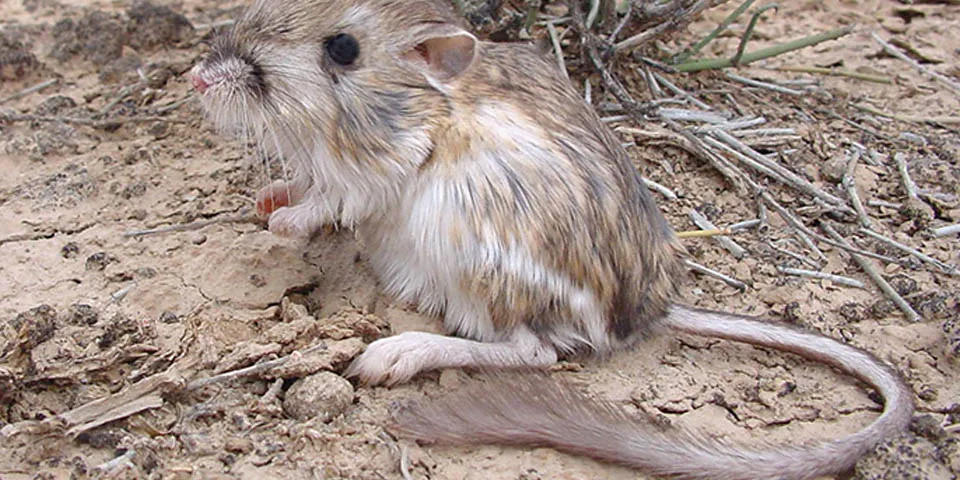
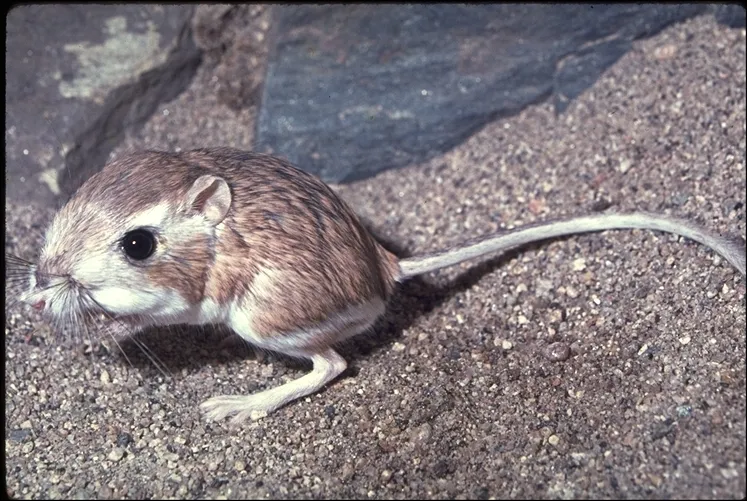
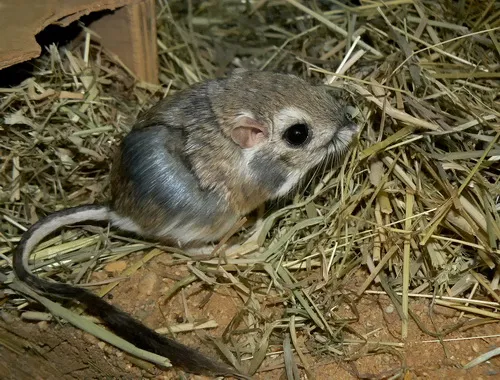
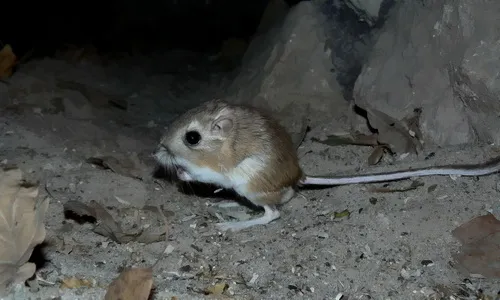
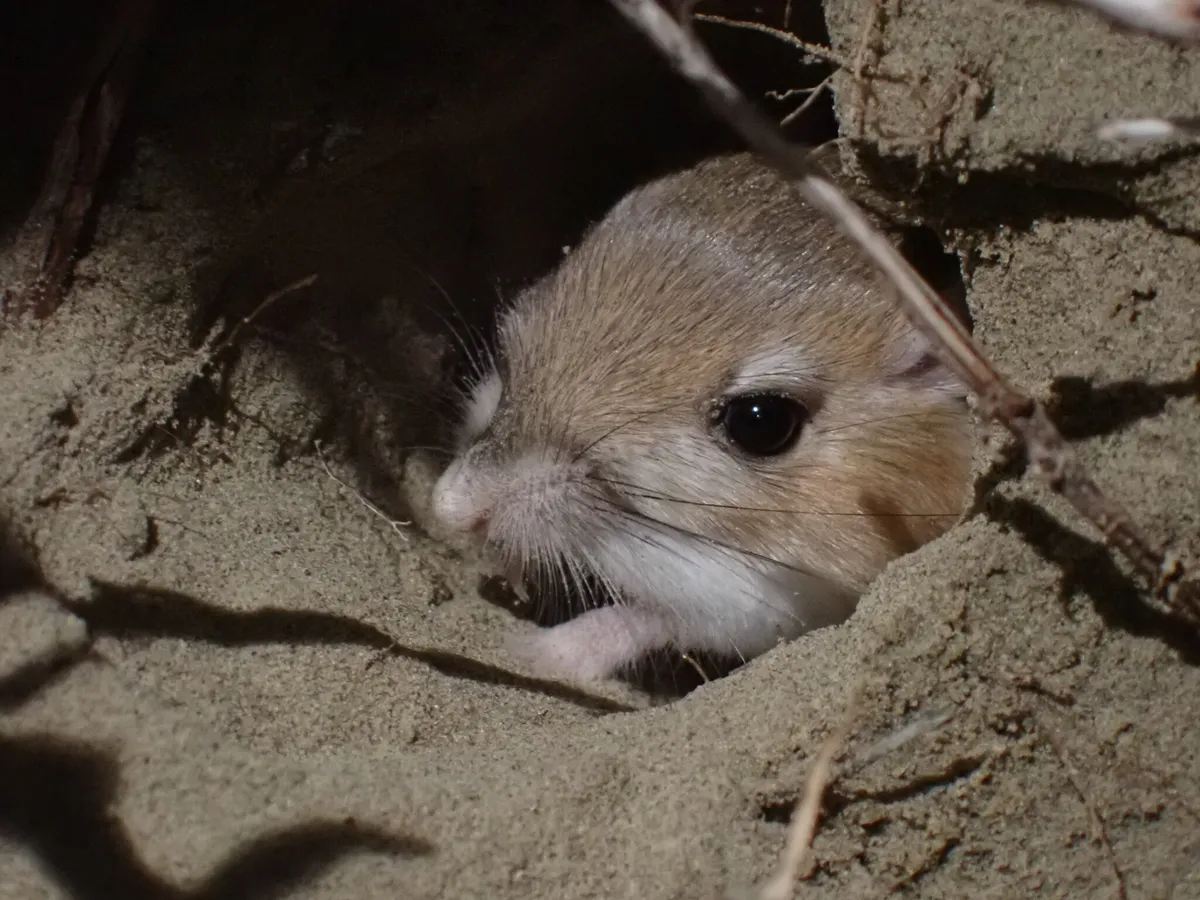
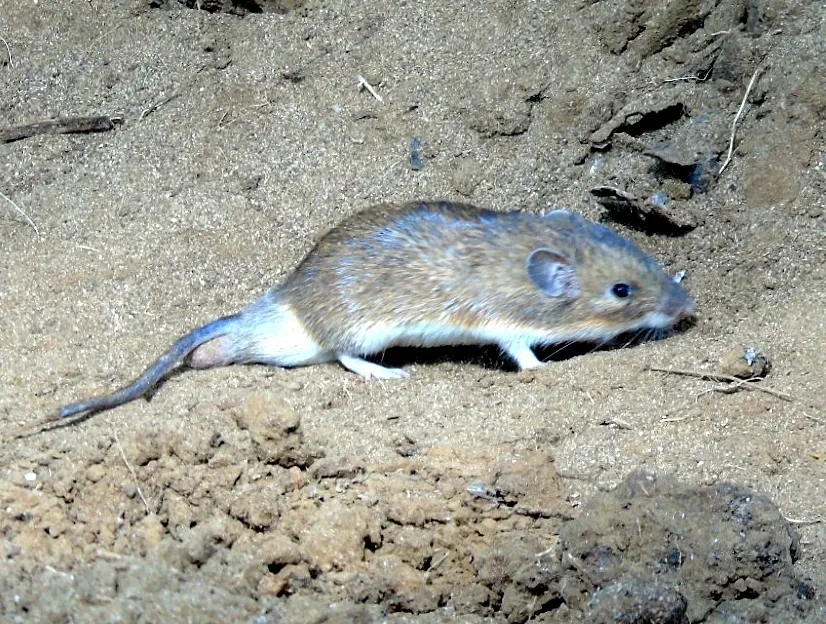
A small, nocturnal rodent native to arid and semi-arid regions of southwestern United States and northern Mexico, adapted to extreme desert environments with specialized physiological mechanisms for water conservation.
Image Gallery
ADSENSE SLOT
Ecology & Habitat
Habitat
Dry desert scrublands, sandy plains, and sparse grasslands of Arizona, California, Nevada, Utah, New Mexico, and northern Mexico, typically at elevations between 0-1,500 meters above sea level.
Ecological Role
Critical seed dispersal agent, soil aeration contributor, and prey species for desert predators like owls, snakes, and coyotes; plays significant role in desert ecosystem food webs and seed bank dynamics.
Morphology
SKIN COATSparse, light brown to gray fur providing desert camouflage, capable of reflecting solar radiation
LIMBS WINGSElongated, muscular hindlimbs for jumping, short forelimbs for manipulation, specialized foot structure with fur-covered soles
HEAD SENSORYLarge eyes, prominent ears, sensitive whiskers for nocturnal navigation and predator detection
BODY STRUCTURESmall rodent, body length 90-130 mm, tail length 130-160 mm, body mass 35-50 grams, with powerful hindlimbs adapted for bipedal saltatorial locomotion
Data Source: TaxonHub Database
Image Credit: Federal Government of the United States