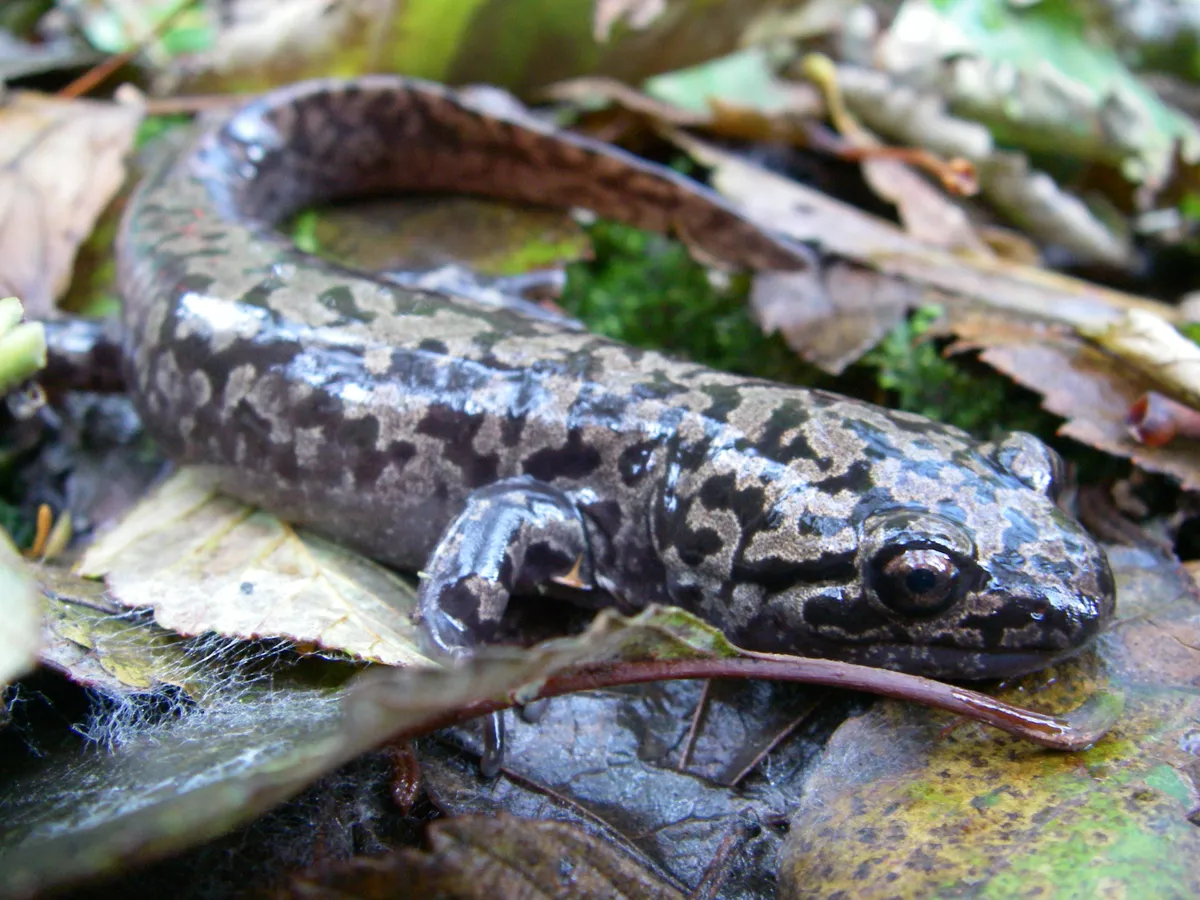
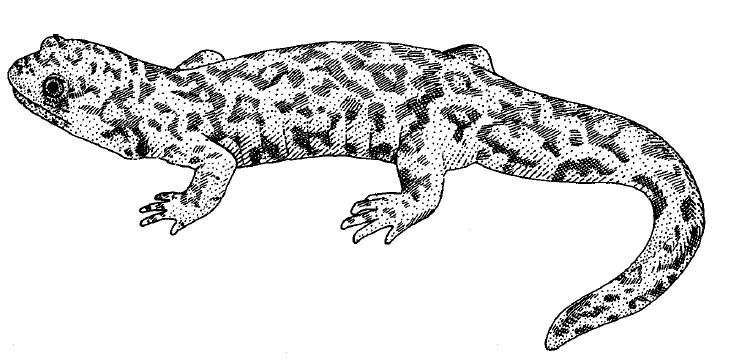
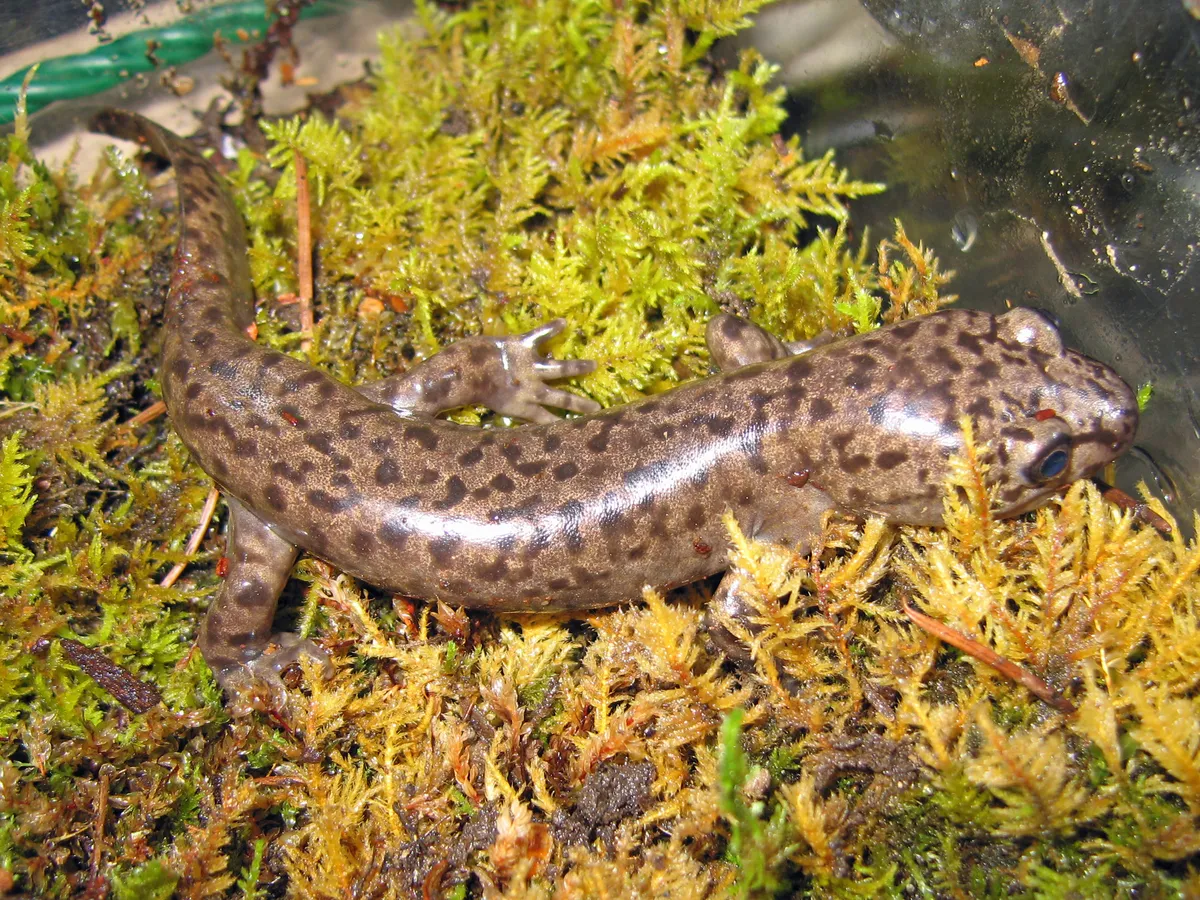
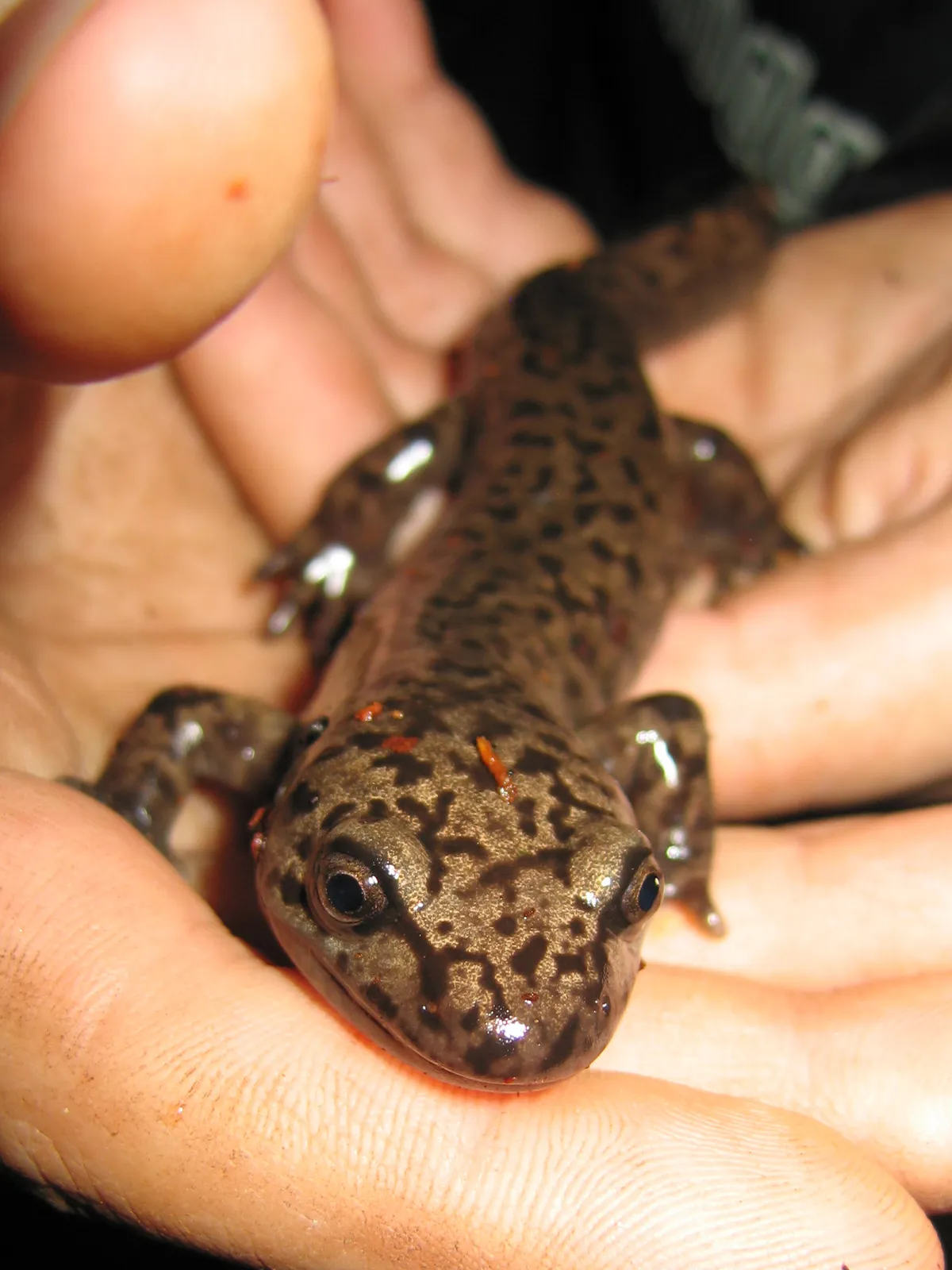
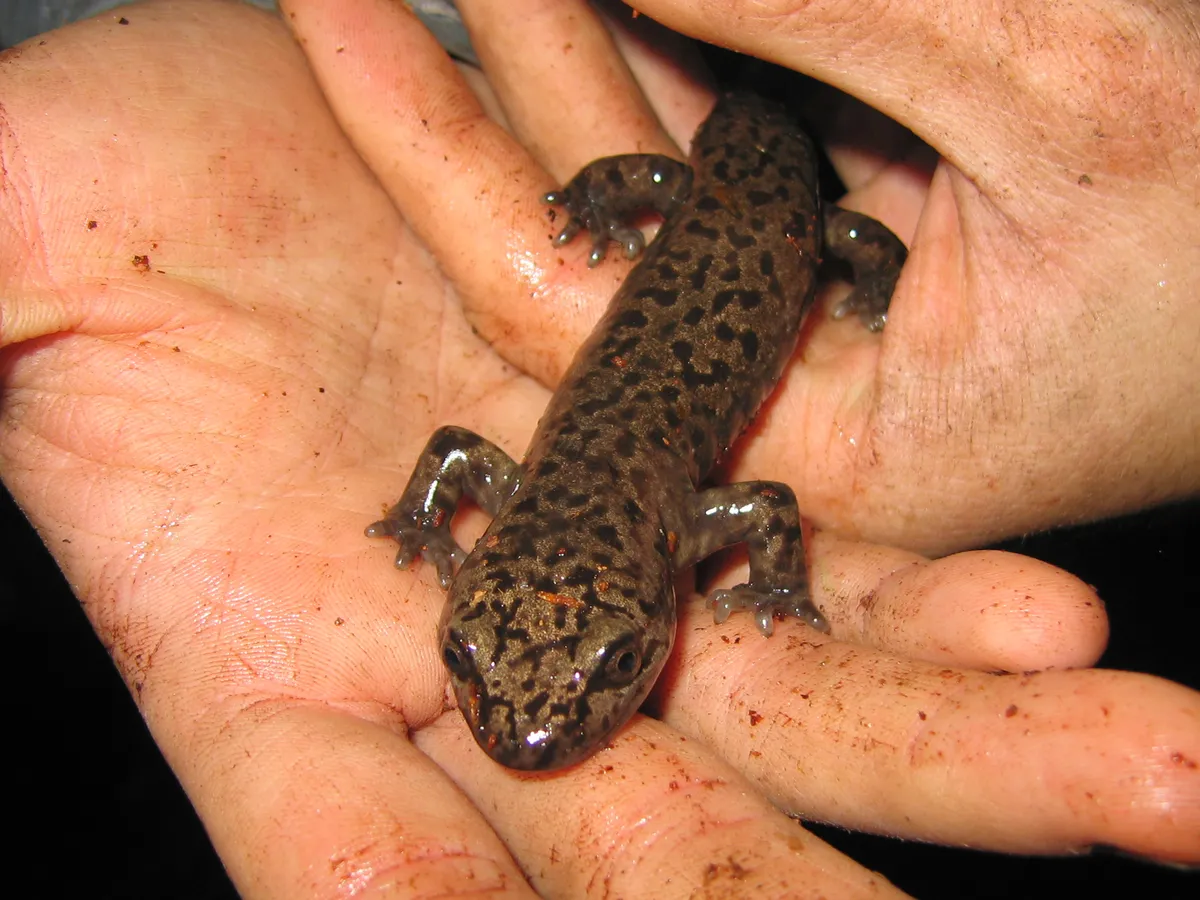
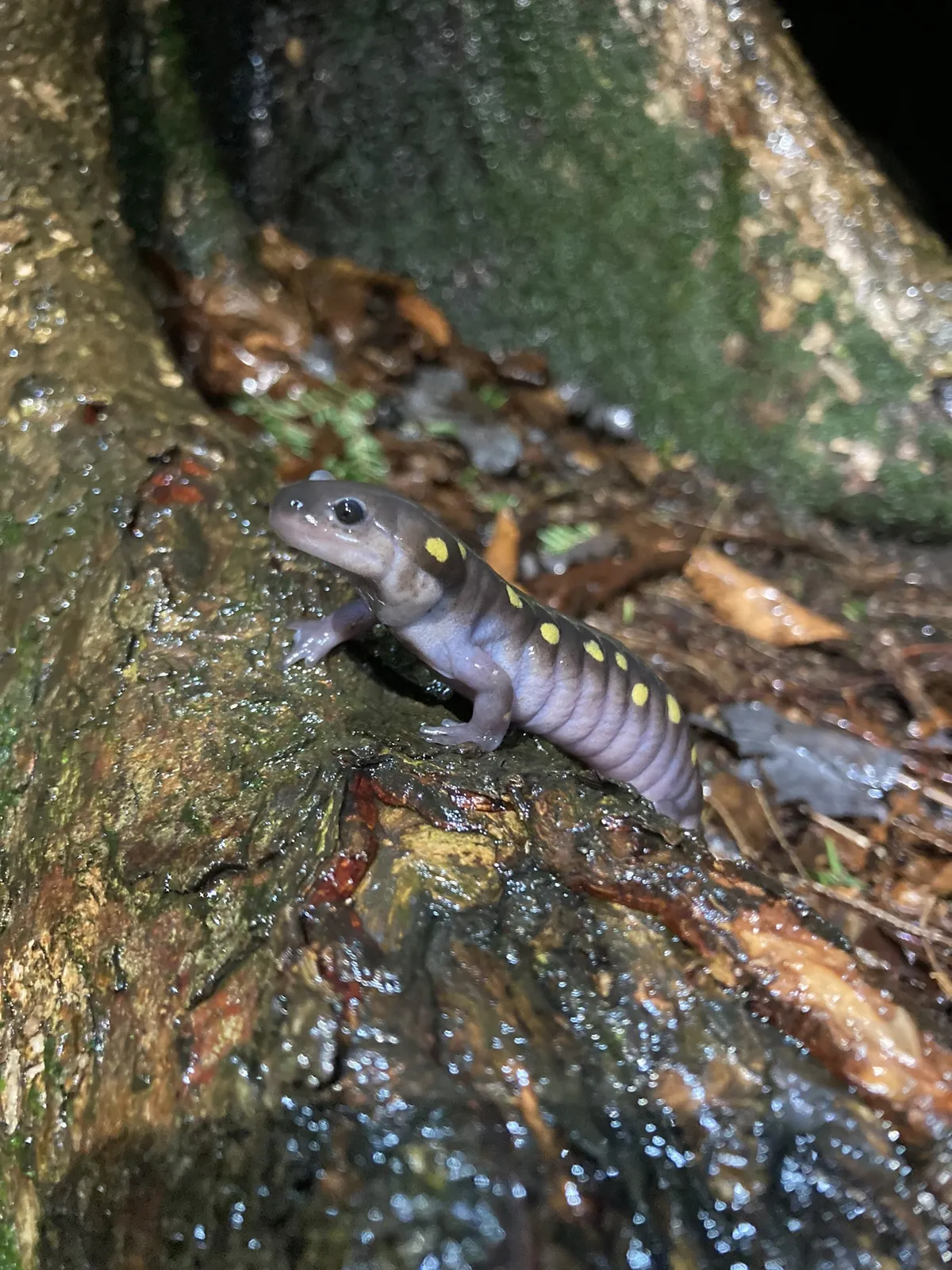
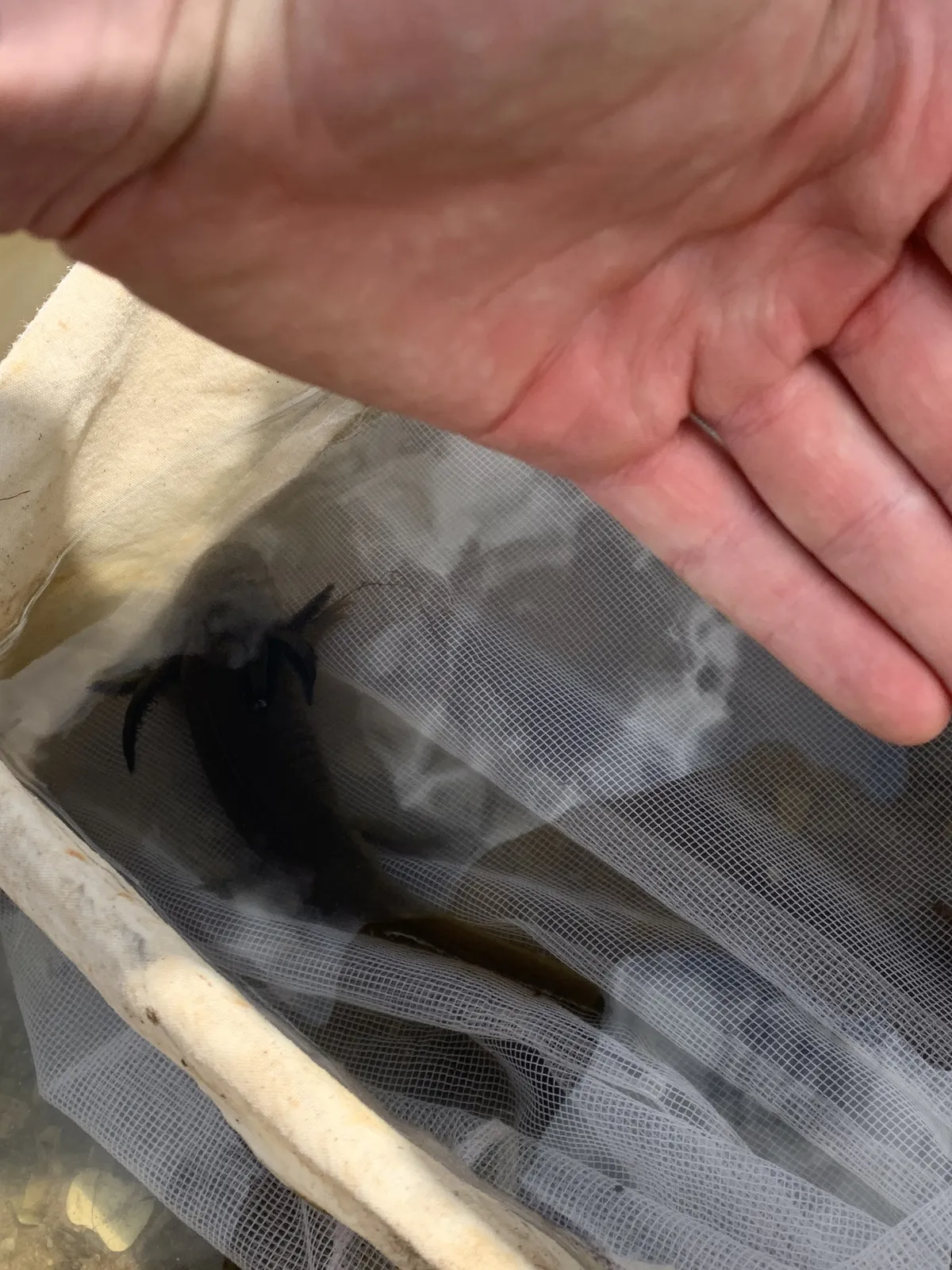
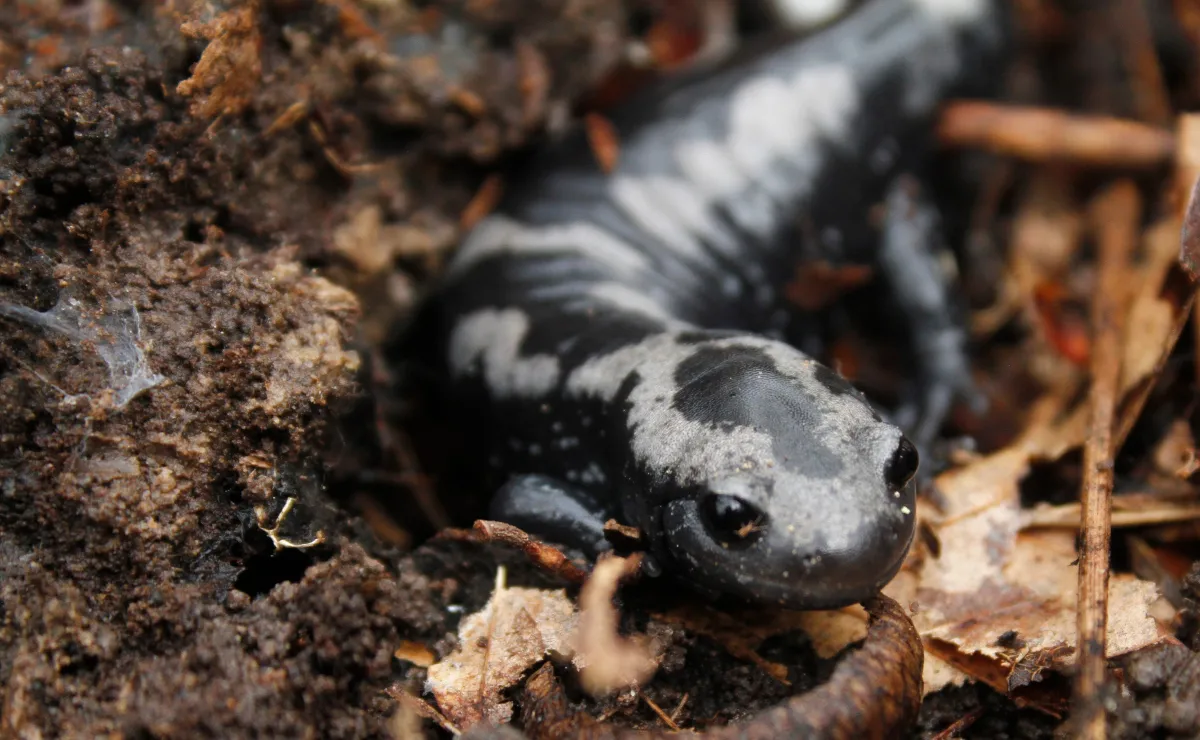
The largest terrestrial salamander in North America, endemic to the Pacific Northwest region of the United States and Canada, known for its impressive size and aquatic-terrestrial lifestyle.
Image Gallery
ADSENSE SLOT
Ecology & Habitat
Habitat
Inhabits cool, moist forests near streams, rivers, and woodland environments in coastal regions from Northern California to Southern British Columbia, preferring elevations between 0-1,500 meters.
Ecological Role
Critical apex predator in stream and forest ecosystems, regulating populations of invertebrates, small amphibians, and fish, while serving as an important indicator species for forest and stream ecosystem health.
Morphology
SKIN COATSmooth, moist skin with dark brown to black coloration, often with lighter marbling or spots
LIMBS WINGSFour robust limbs with five toes each, powerful limb musculature enabling terrestrial and aquatic movement
HEAD SENSORYProminent eyes, well-developed sensory barbels, strong jaw for predation
BODY STRUCTURELarge, robust salamander reaching up to 60 cm in total length, with a muscular body and broad, flattened head
Data Source: TaxonHub Database
Image Credit: U.S. Forest Service