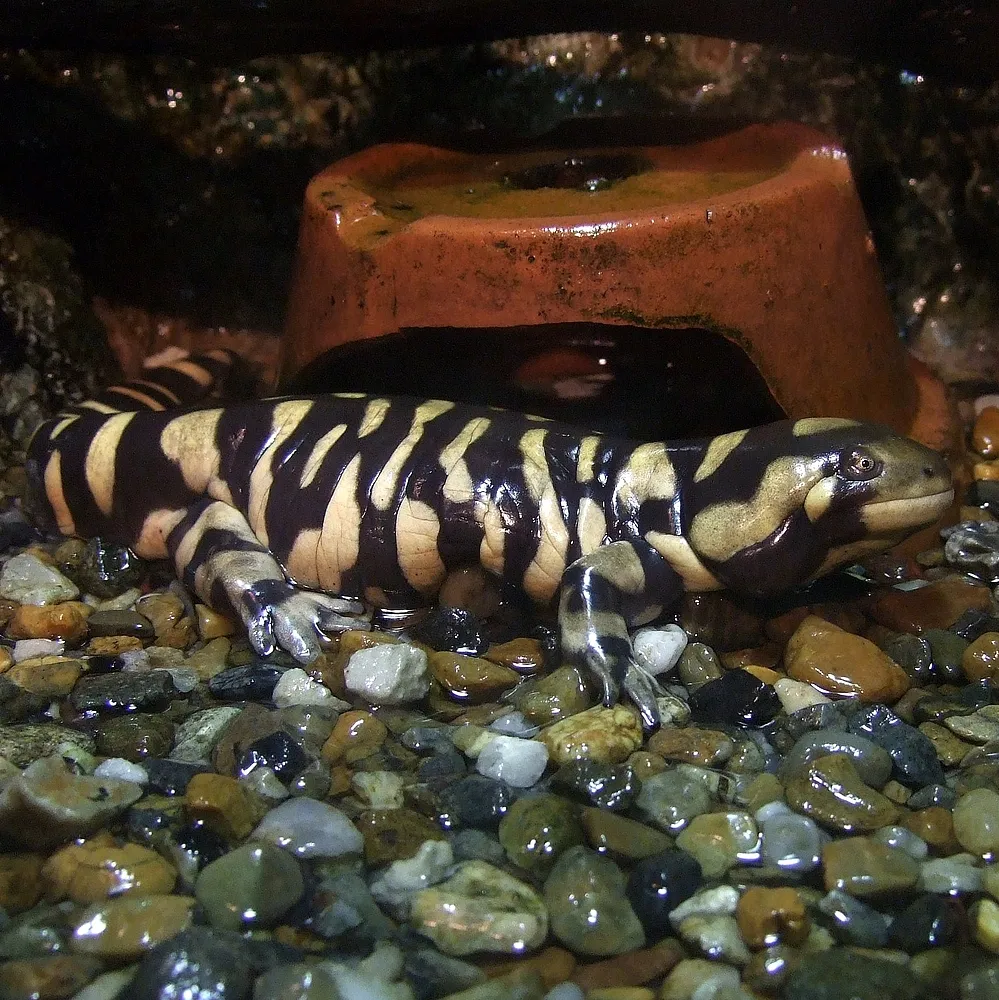
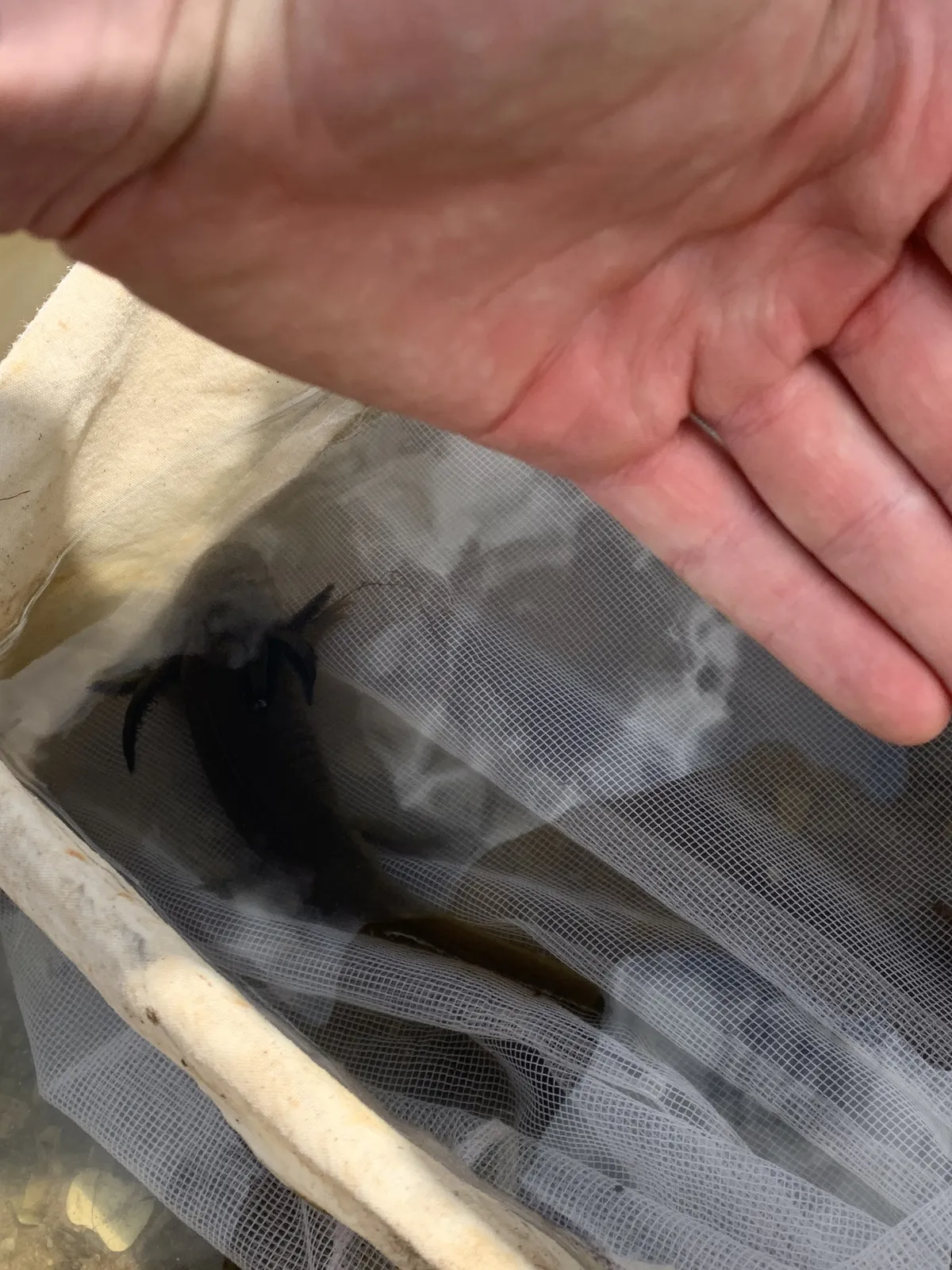
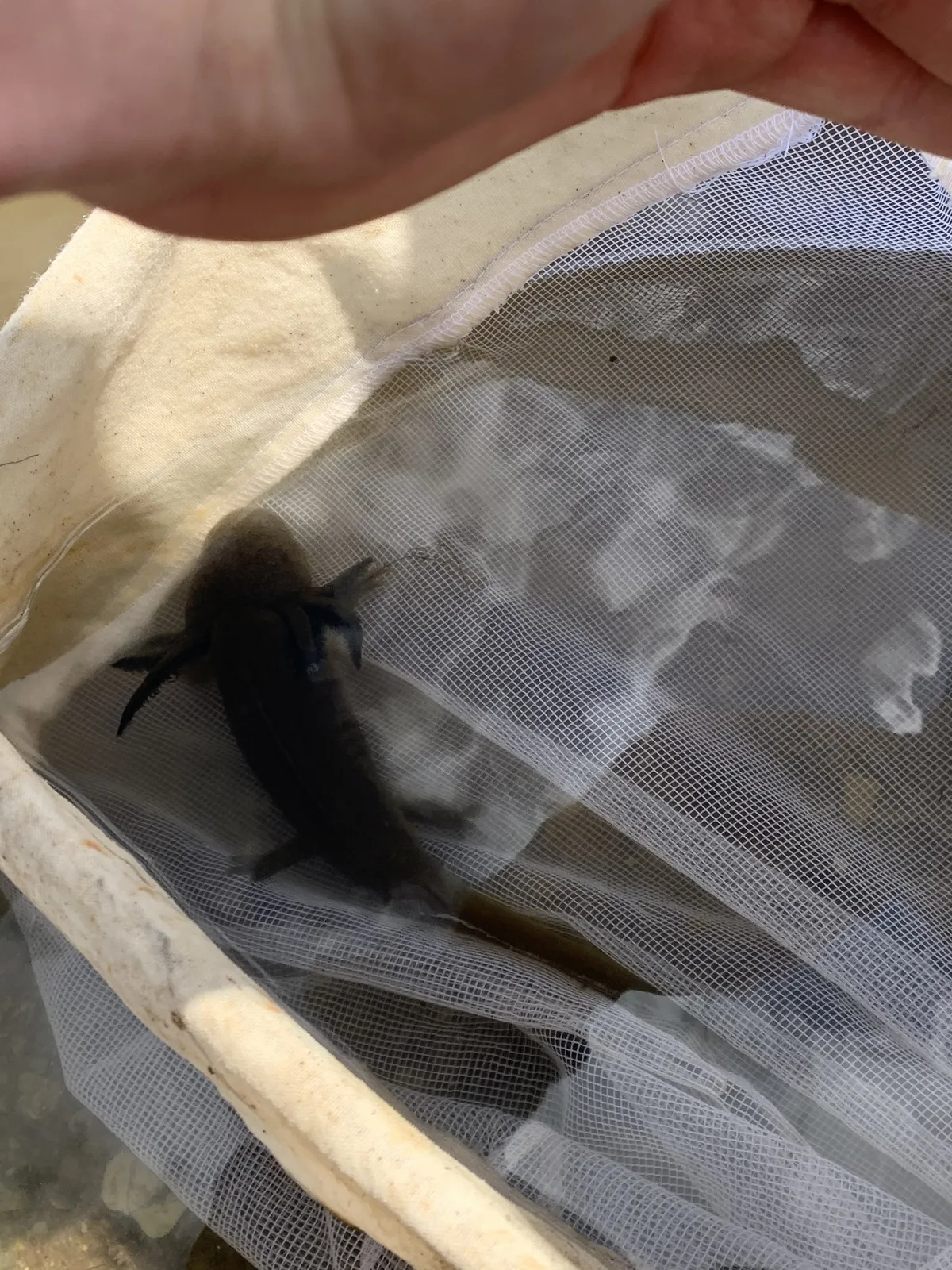
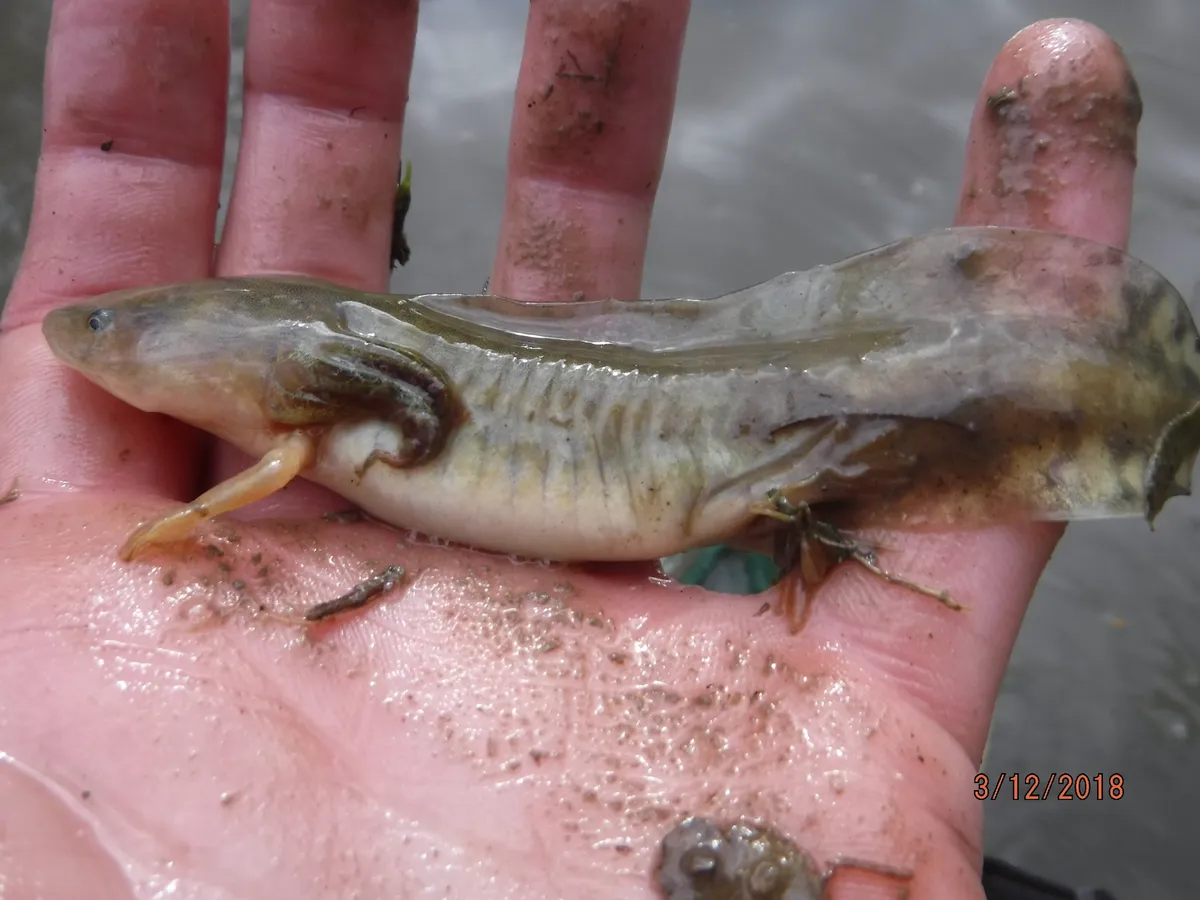
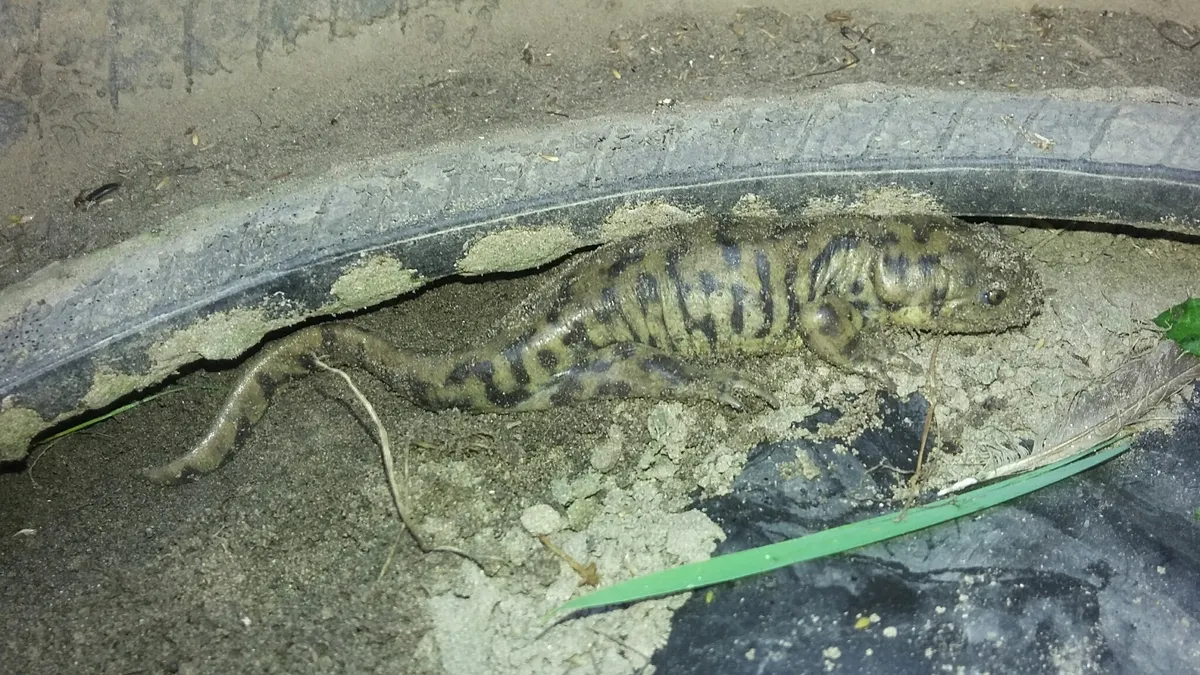
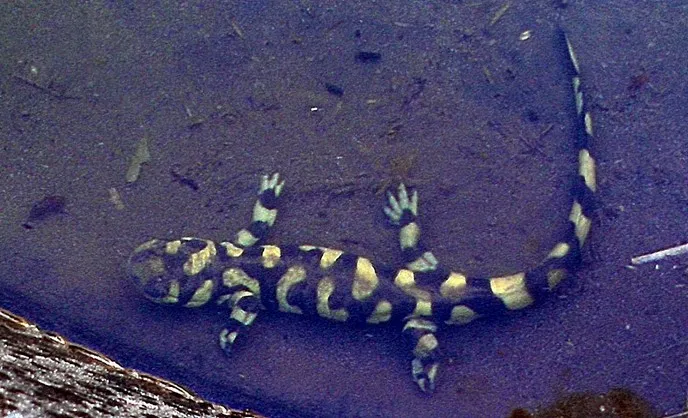
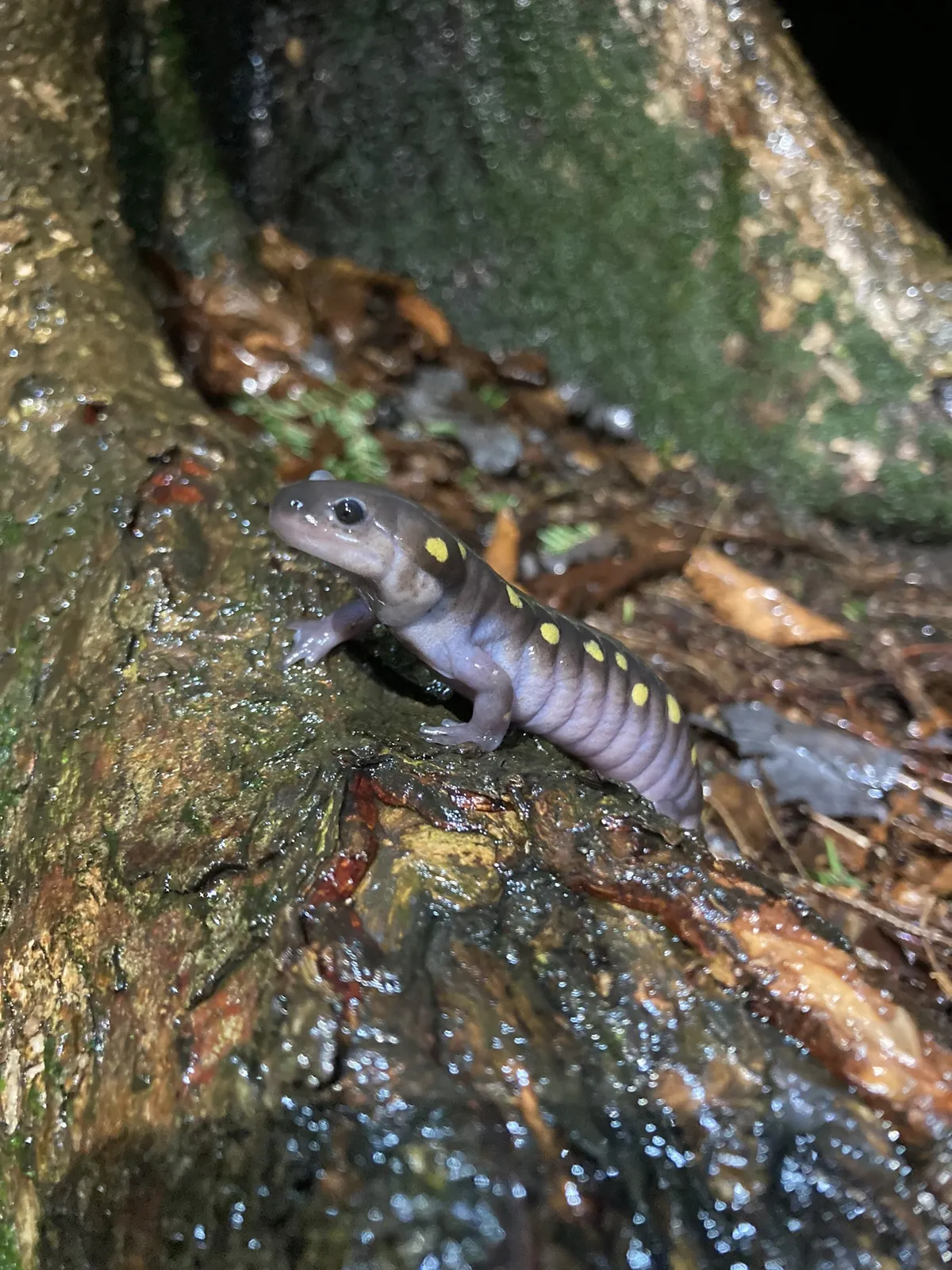
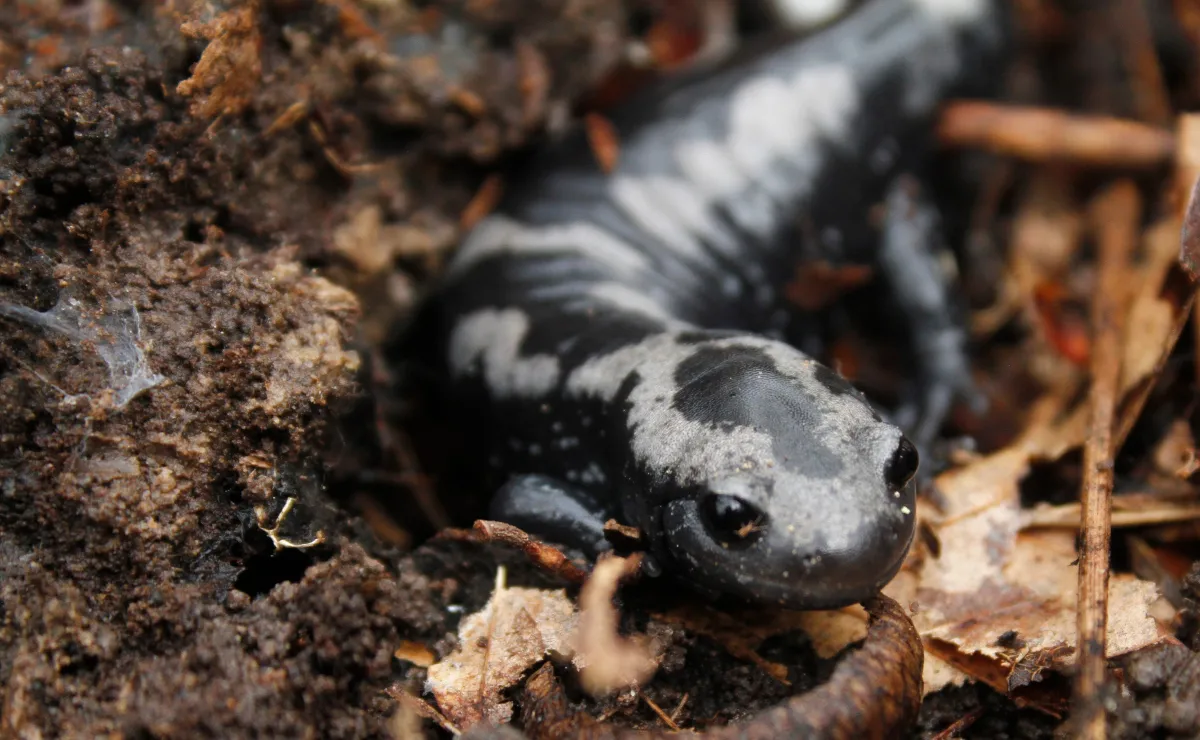
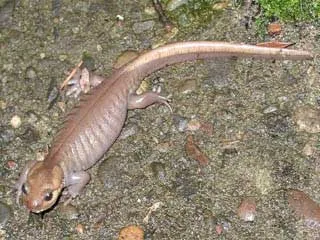
A large terrestrial salamander endemic to western North America, characterized by distinctive barred or mottled patterns and significant ecological adaptability.
Image Gallery
ADSENSE SLOT
Ecology & Habitat
Habitat
Diverse environments including grasslands, forests, agricultural areas, and underground burrows across western United States and parts of Canada, ranging from sea level to approximately 3,500 meters elevation.
Ecological Role
Critical ecosystem engineer, controlling insect populations, serving as prey for larger predators, and indicating environmental health in grassland and forest ecosystems.
Morphology
SKIN COATSmooth, moist skin with variable coloration including black, brown, and yellow barred or mottled patterns
LIMBS WINGSFour sturdy limbs with 4-5 toes per foot, adapted for terrestrial and subterranean locomotion
HEAD SENSORYBroad, flattened head with prominent external gills during larval stage, well-developed eyes and chemosensory capabilities
BODY STRUCTURELarge salamander, typically 15-35 cm in total length, robust body with muscular limbs and long tail
Data Source: TaxonHub Database
Image Credit: Daiju Azuma assumed (based on copyright claims).