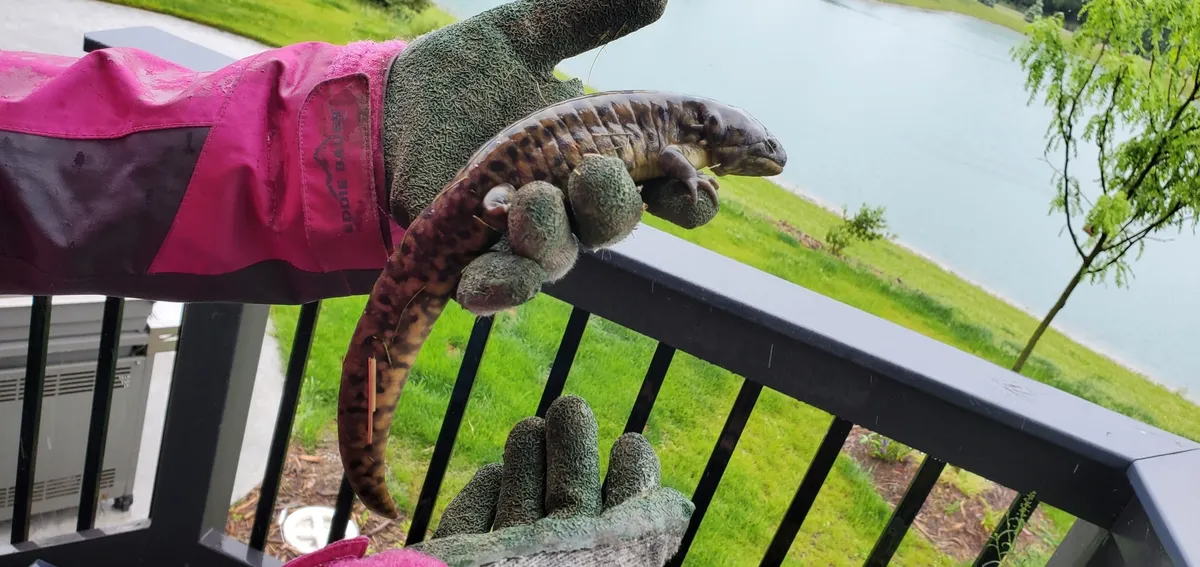
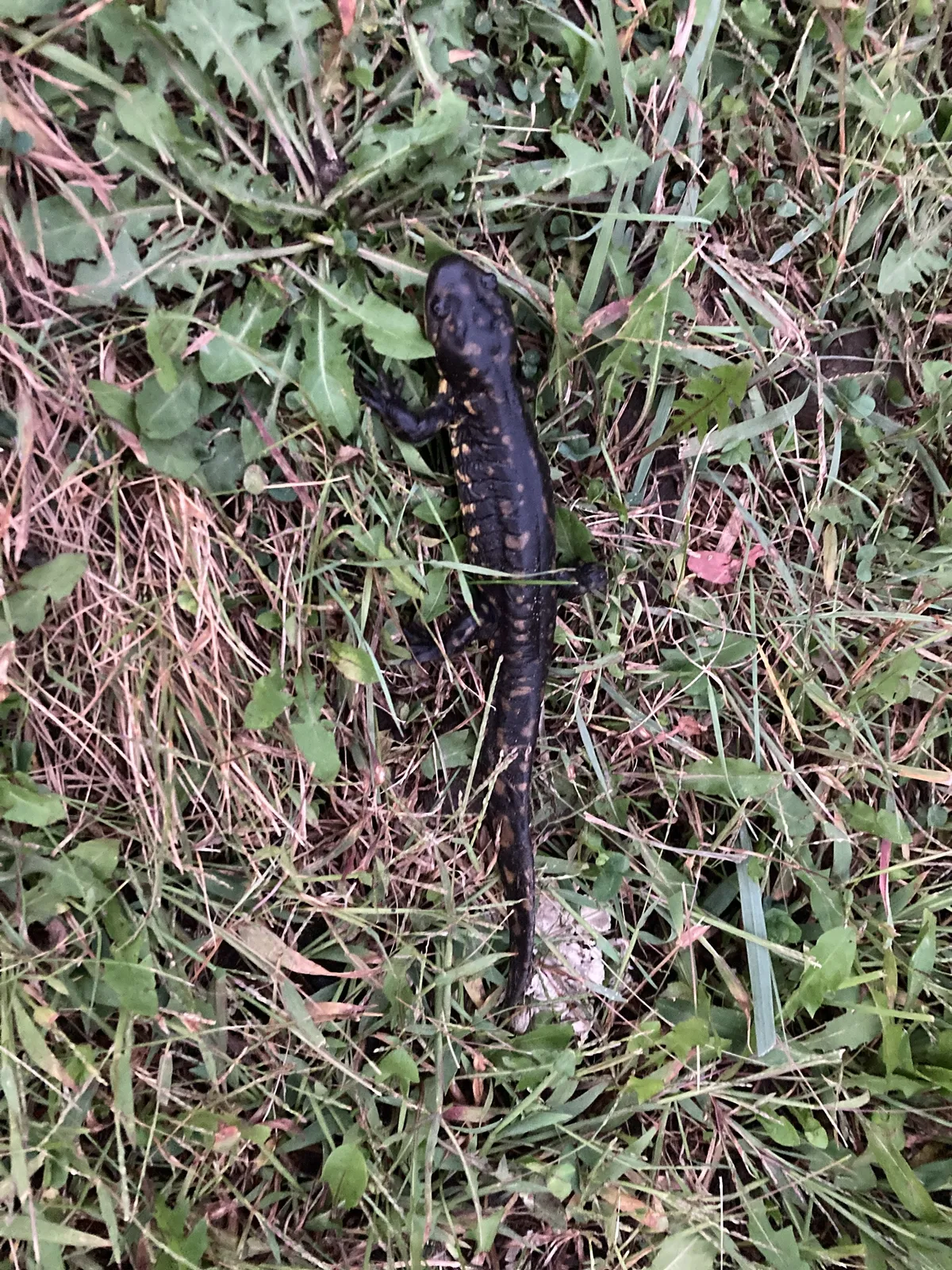
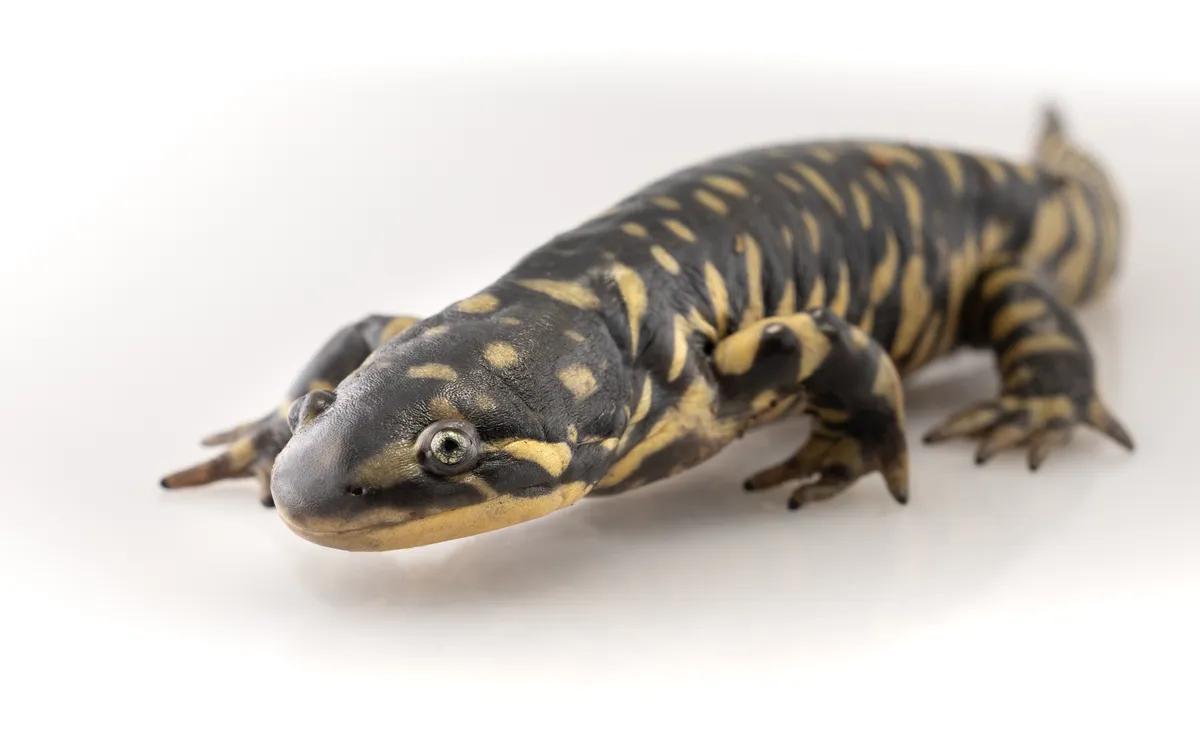
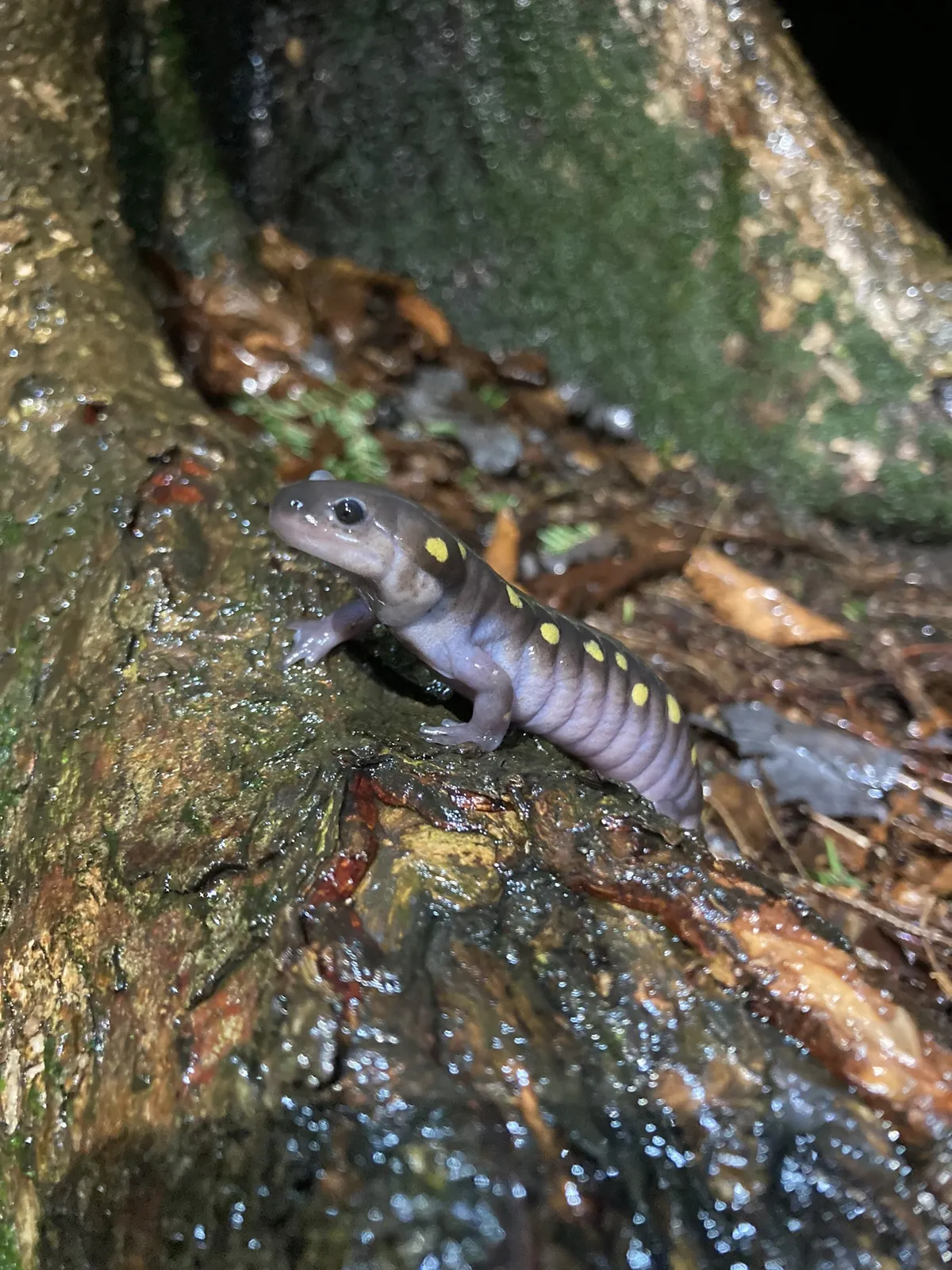
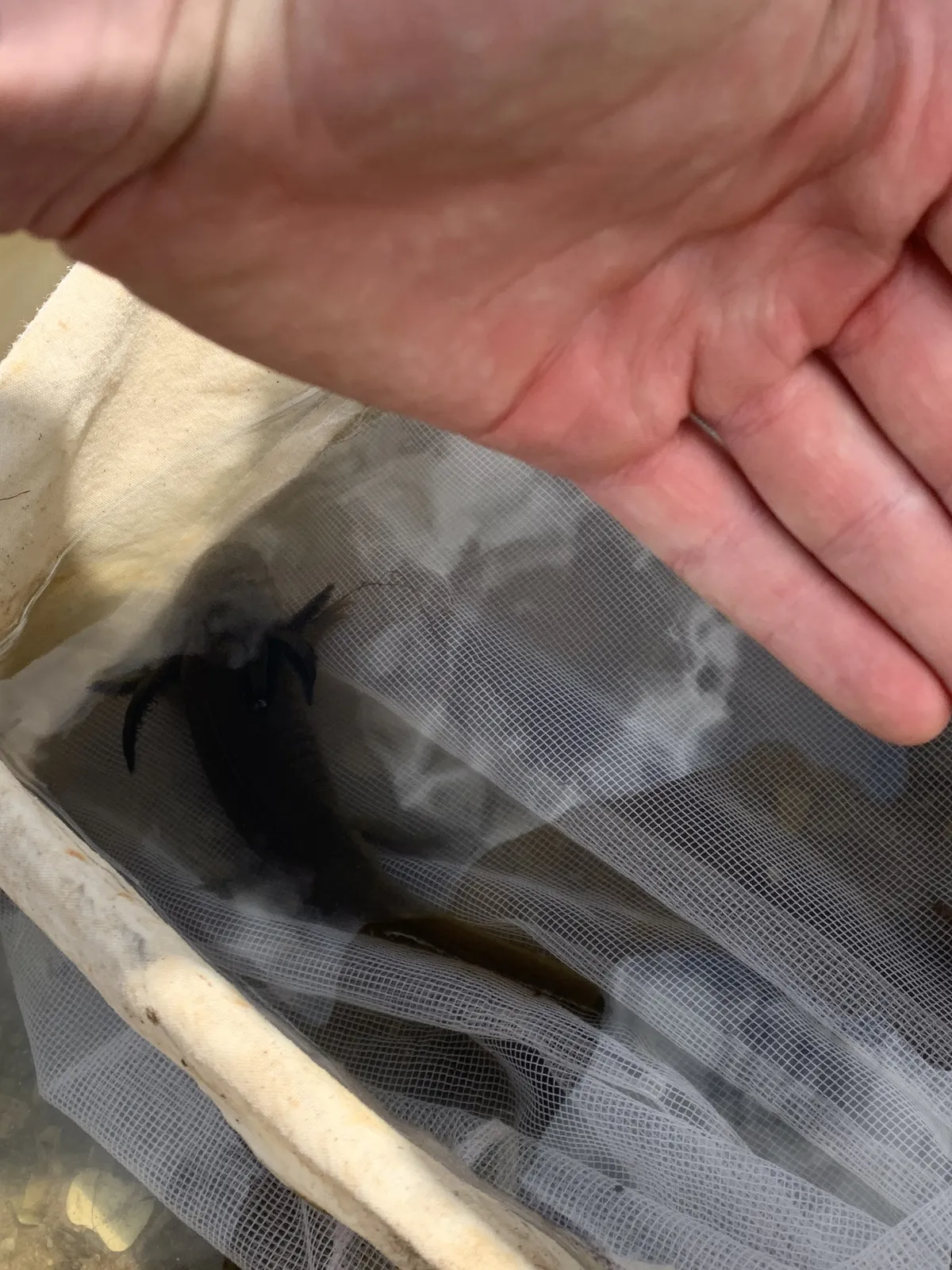
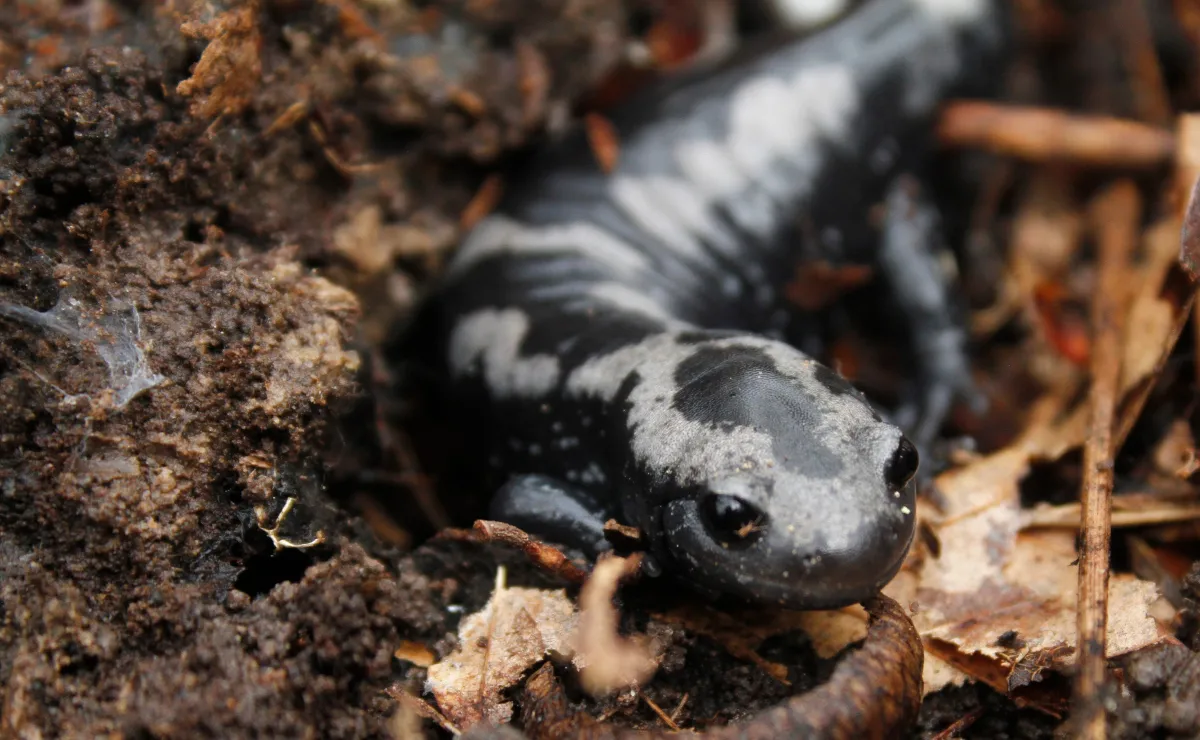
A large, robust salamander species endemic to North America, known for its distinctive tiger-like striped or mottled coloration and remarkable ability to remain in larval form throughout its life in some populations.
Image Gallery
ADSENSE SLOT
Ecology & Habitat
Habitat
Diverse environments including forests, grasslands, wetlands, and underground burrows across western and central North America, ranging from Canada to Mexico at elevations between sea level and 4,000 meters
Ecological Role
Critical predator in aquatic and terrestrial ecosystems, controlling invertebrate populations and serving as both prey and predator in complex food webs
Morphology
SKIN COATSmooth, moist skin with variable coloration including olive, brown, black with yellow or cream-colored markings
LIMBS WINGSFour strong limbs with four toes on front feet, five toes on rear feet, adapted for terrestrial and aquatic locomotion
HEAD SENSORYProminent eyes, well-developed chemosensory capabilities, broad snout with sensitive lateral line system
BODY STRUCTURELarge salamander, typically 15-35 cm in total length, robust body with broad head and muscular limbs
Data Source: TaxonHub Database
Image Credit: kiwikki