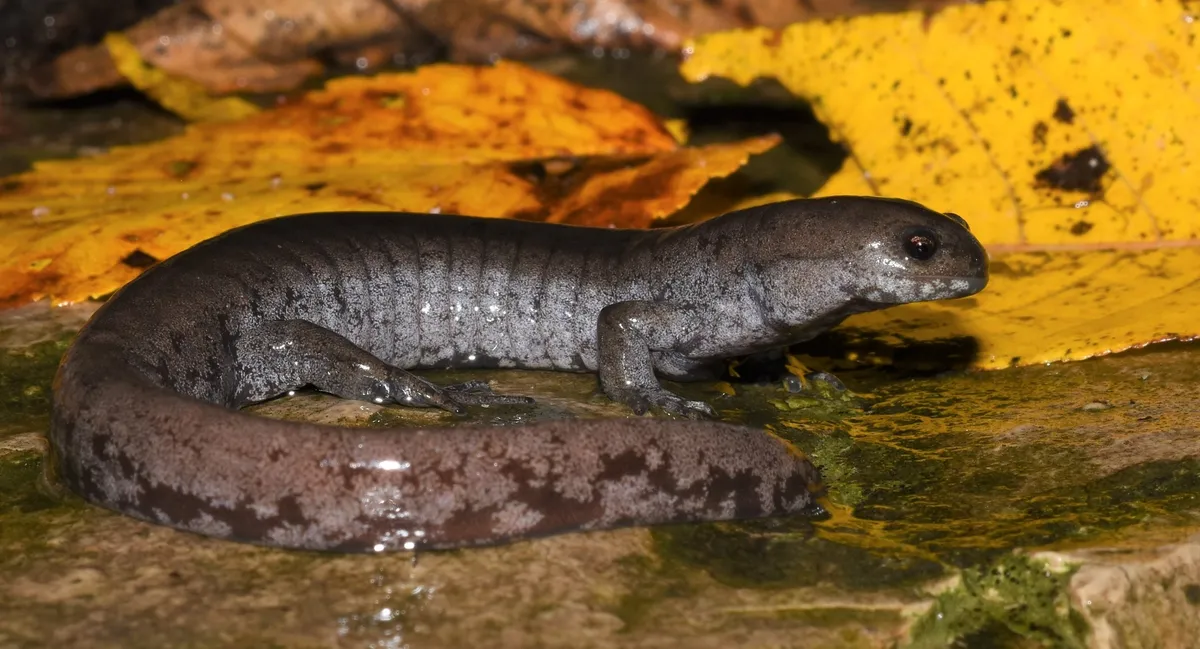
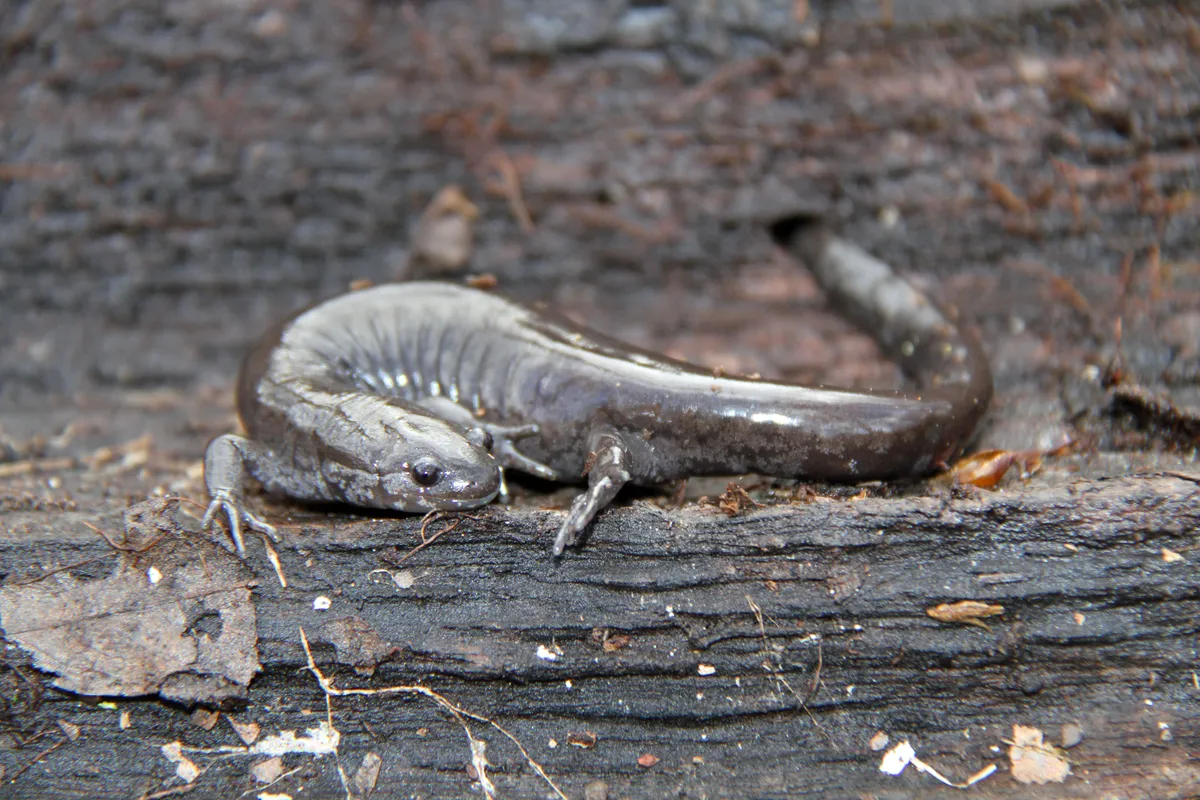
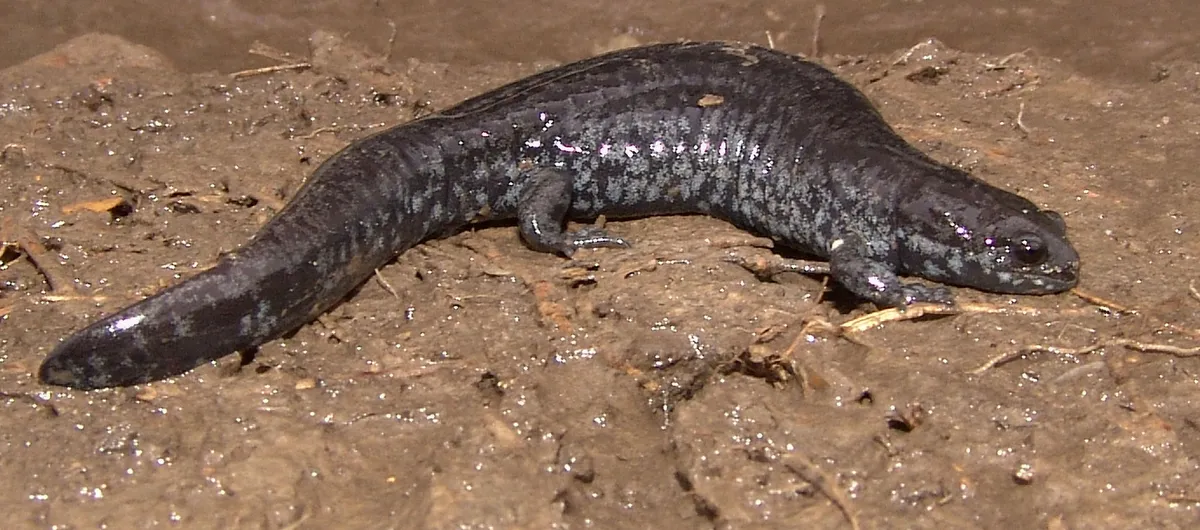
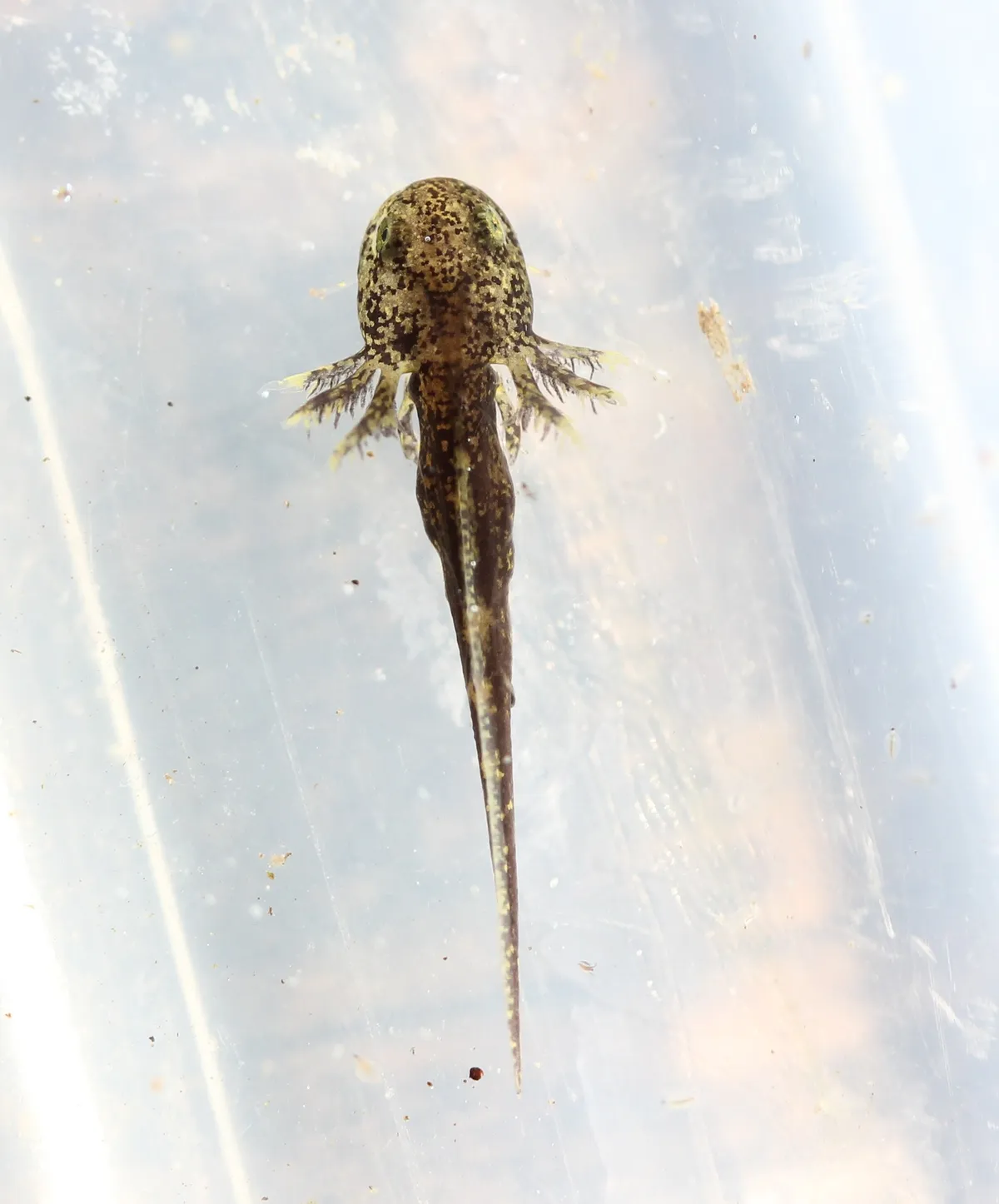
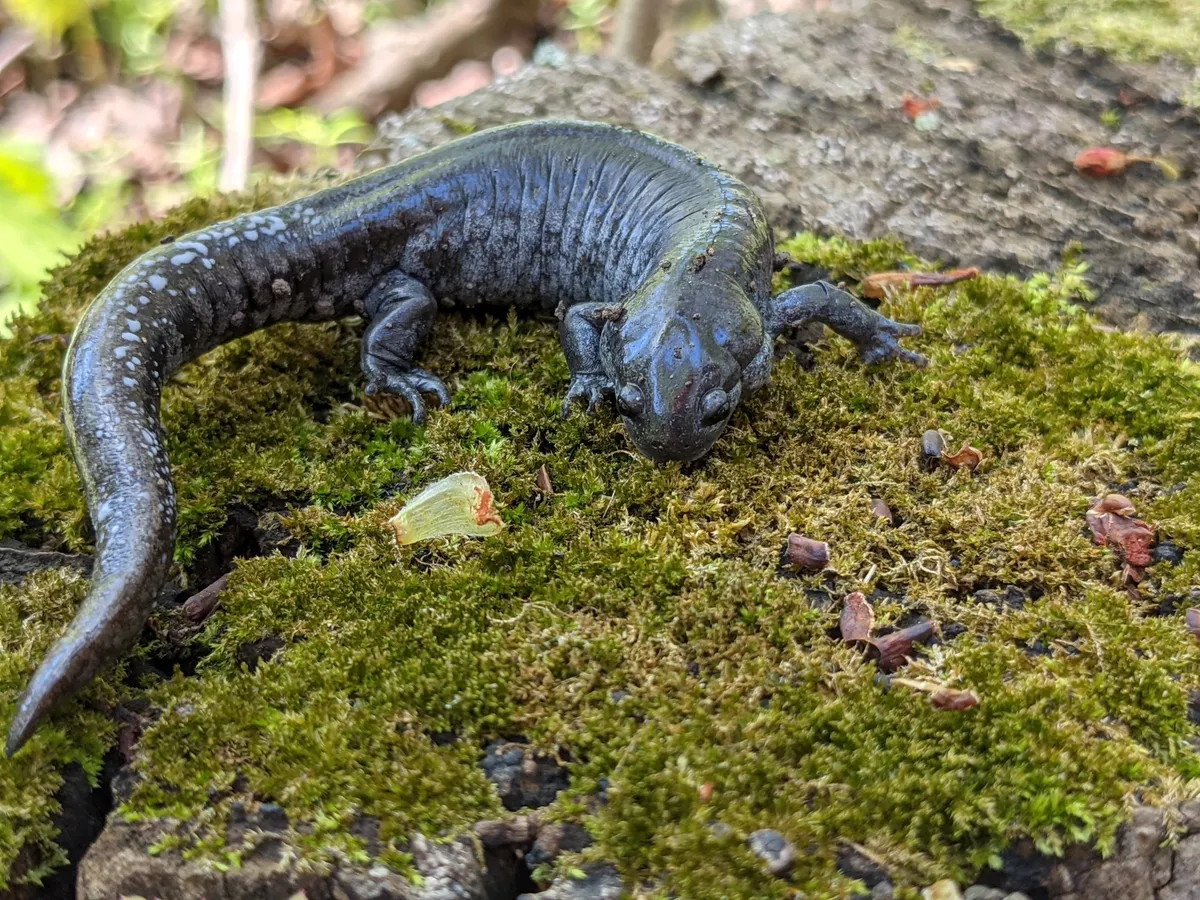
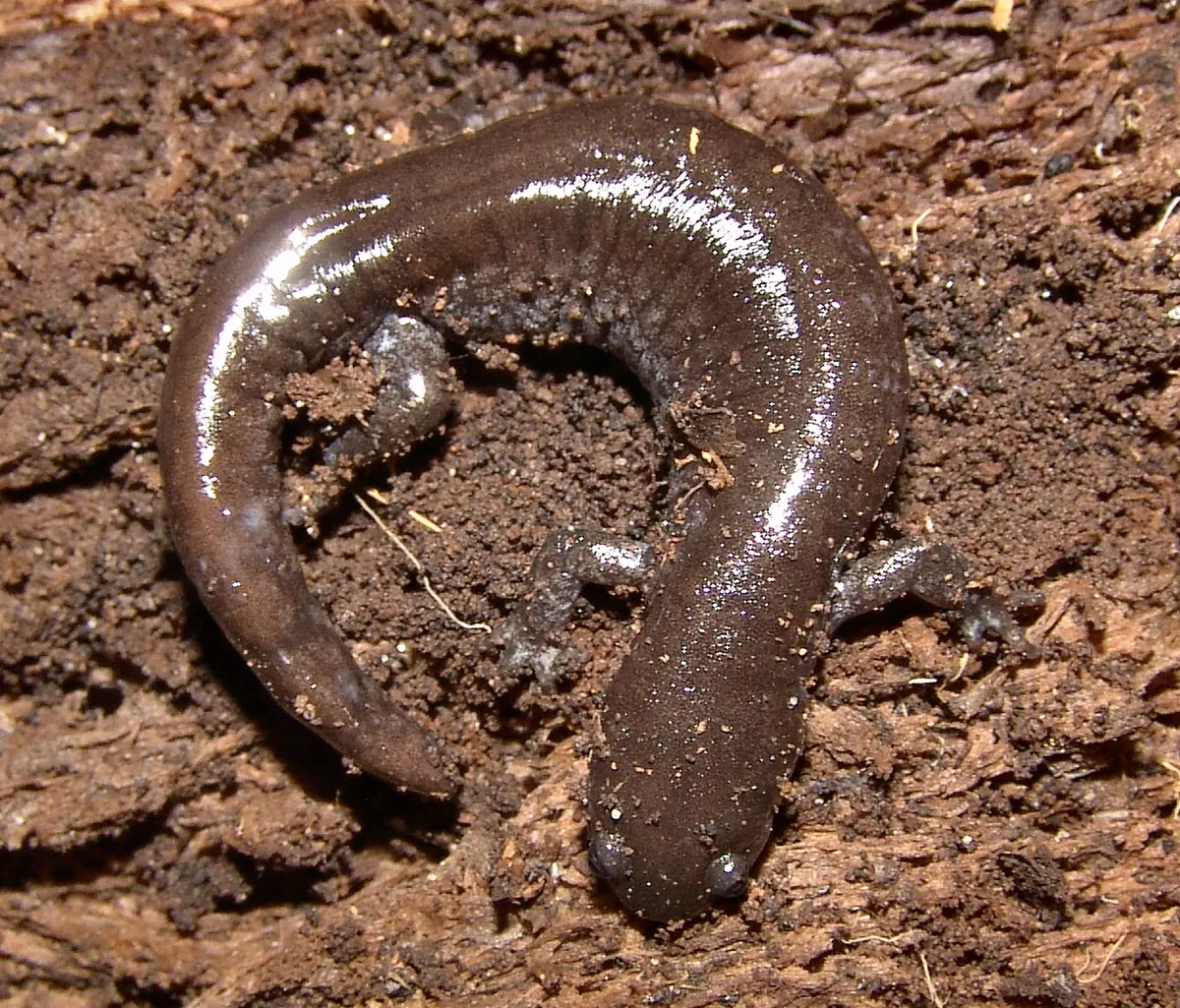
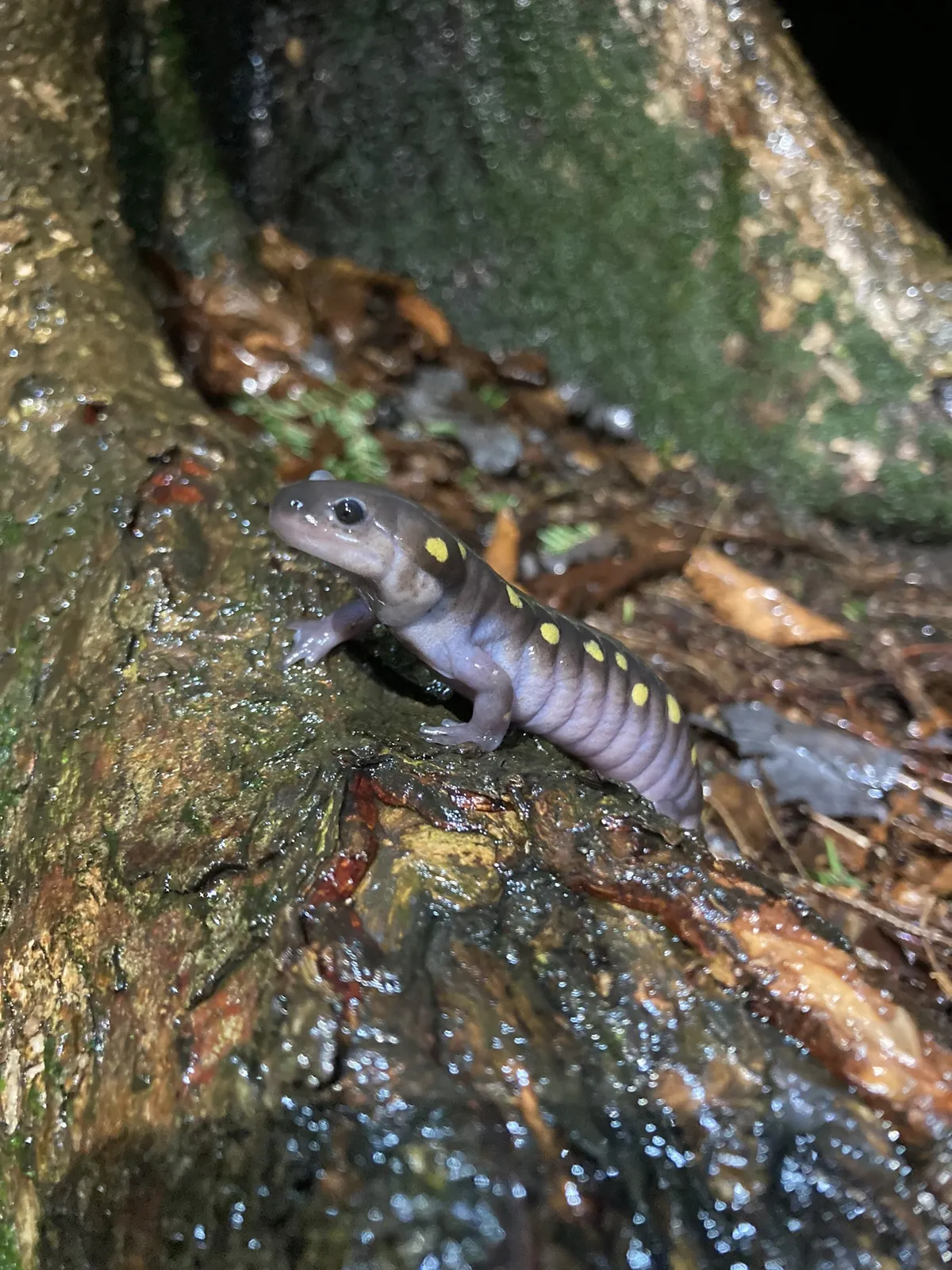
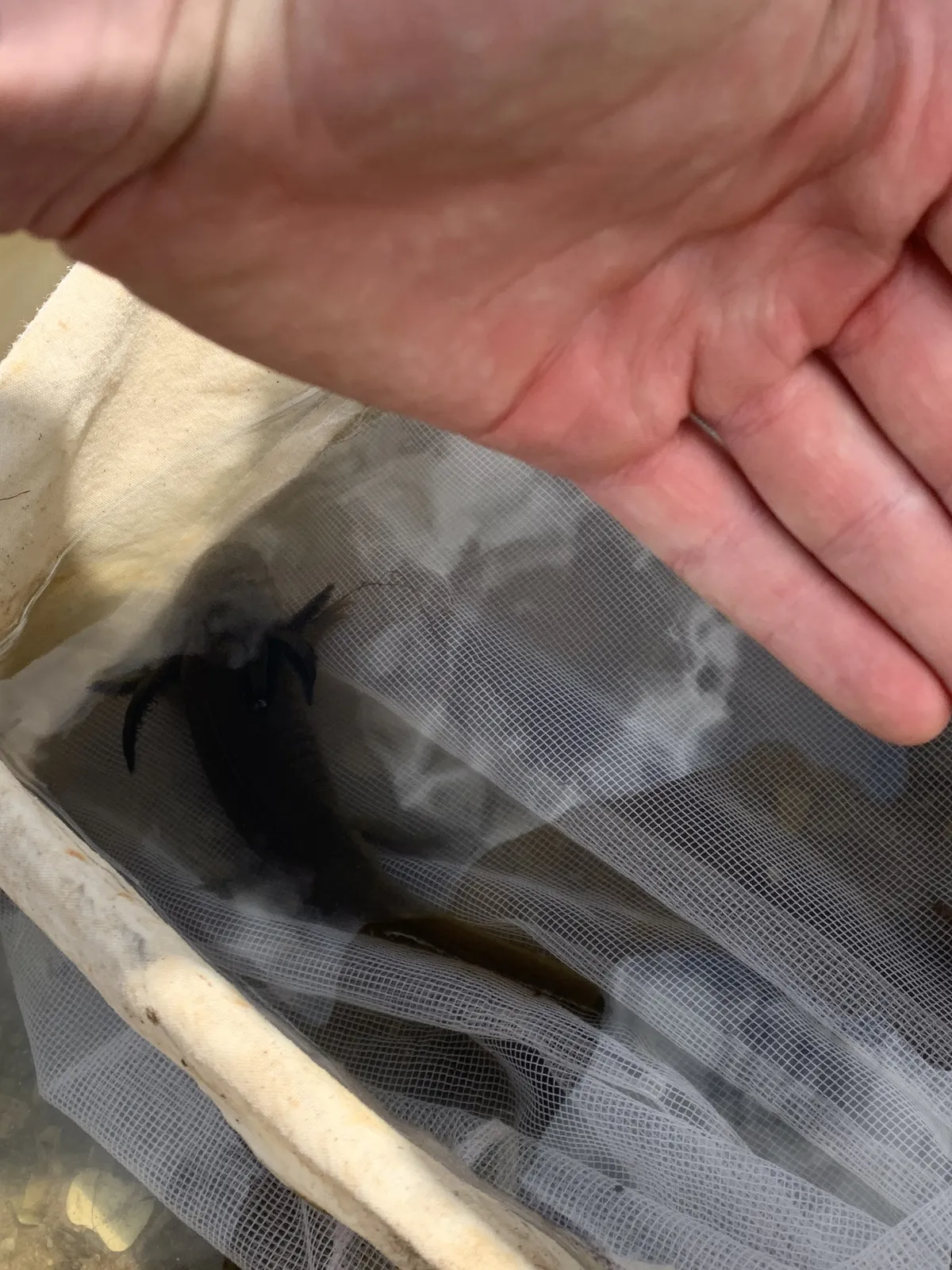
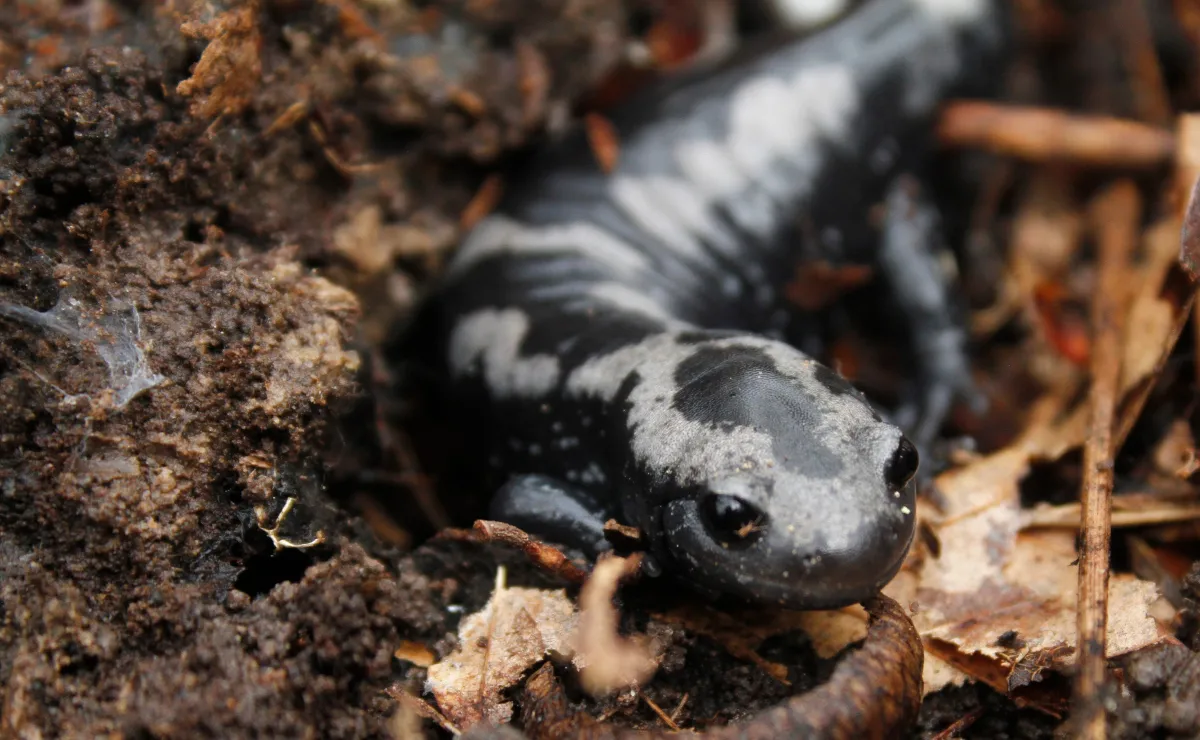
A small, robust salamander native to North America, characterized by its dark coloration and aquatic larval stage. Found predominantly in midwestern United States regions with temperate woodland and wetland ecosystems.
Image Gallery
ADSENSE SLOT
Ecology & Habitat
Habitat
Deciduous forests, woodland streams, seasonal pools, wetlands, and prairie regions across midwestern United States, with preference for areas with abundant moisture and leaf litter
Ecological Role
Critical component of woodland ecosystem food webs, serving as both predator of small invertebrates and prey for larger amphibians and reptiles. Plays significant role in controlling insect populations and nutrient cycling.
Morphology
SKIN COATSmooth, dark gray to black dorsal surface with occasional lighter mottling or speckling
LIMBS WINGSFour relatively short limbs with 4-5 toes, adapted for terrestrial and aquatic locomotion
HEAD SENSORYBroad, flattened head with well-developed eyes and chemosensory capabilities
BODY STRUCTURECompact salamander, typically 10-14 cm in total length, with robust body and relatively short limbs
Data Source: TaxonHub Database
Image Credit: Chrissy McClarren and Andy Reago