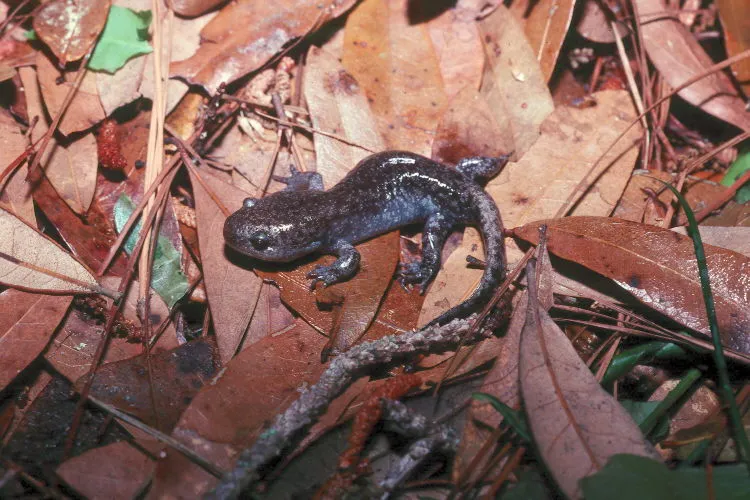
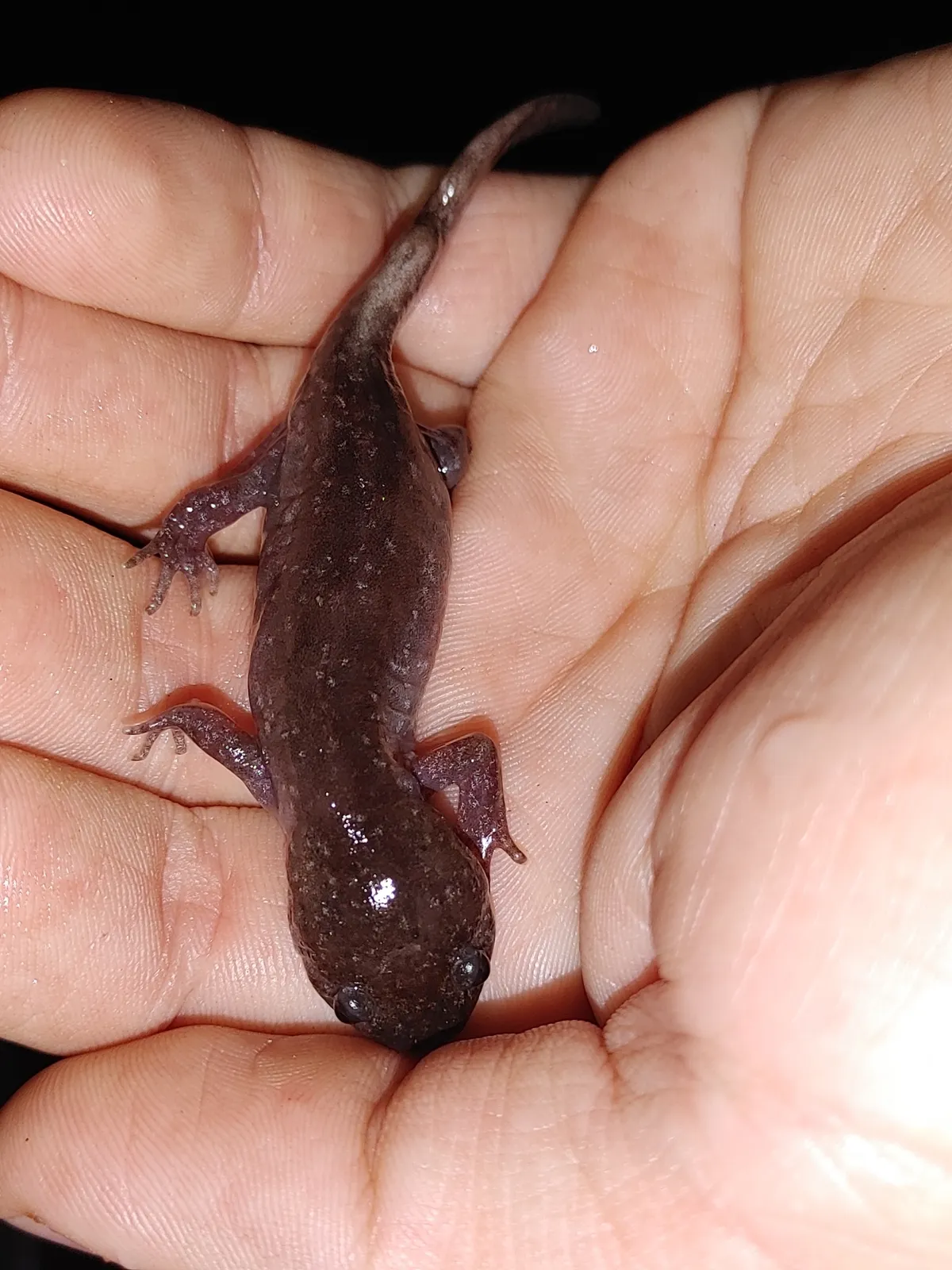
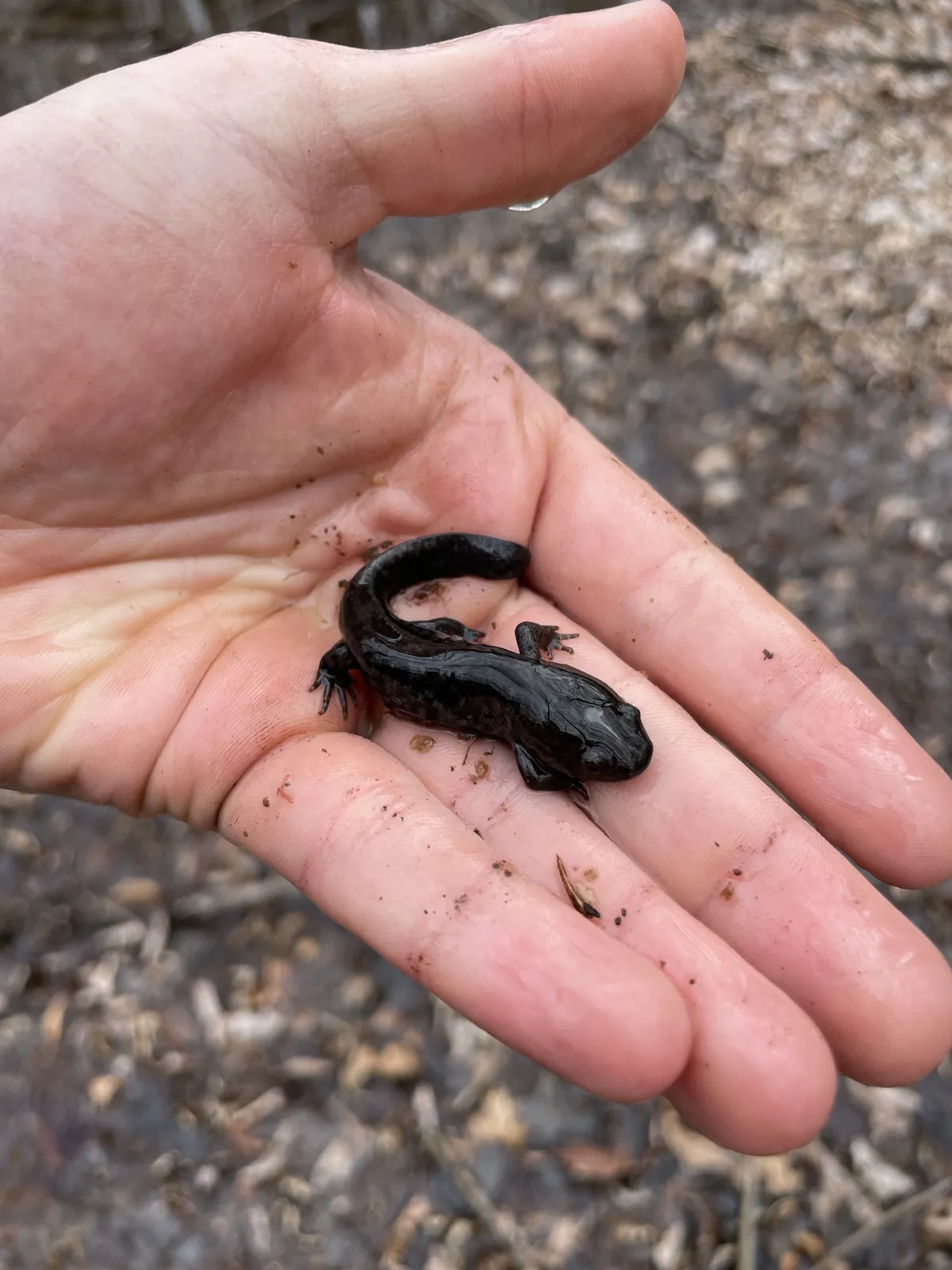
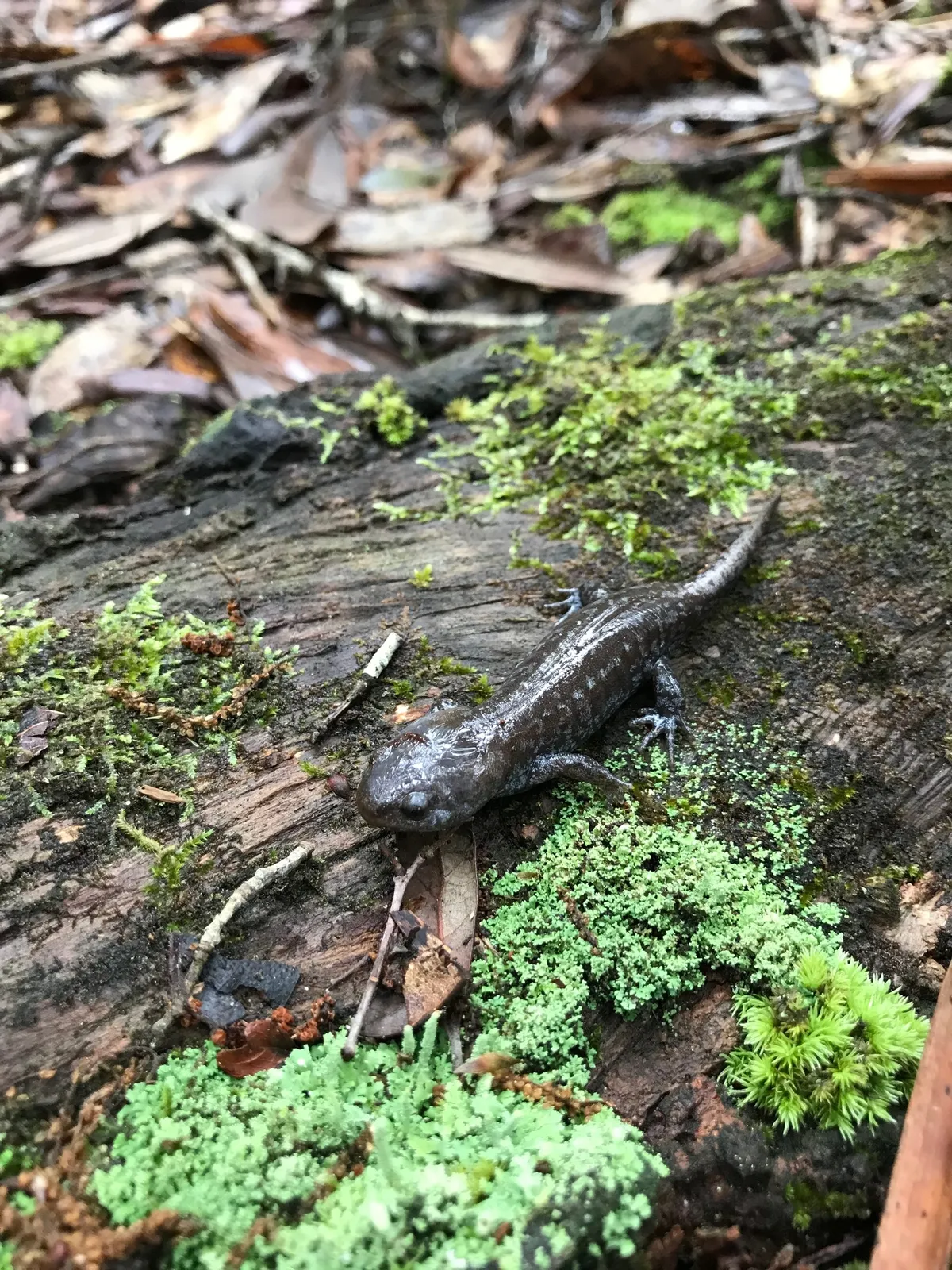
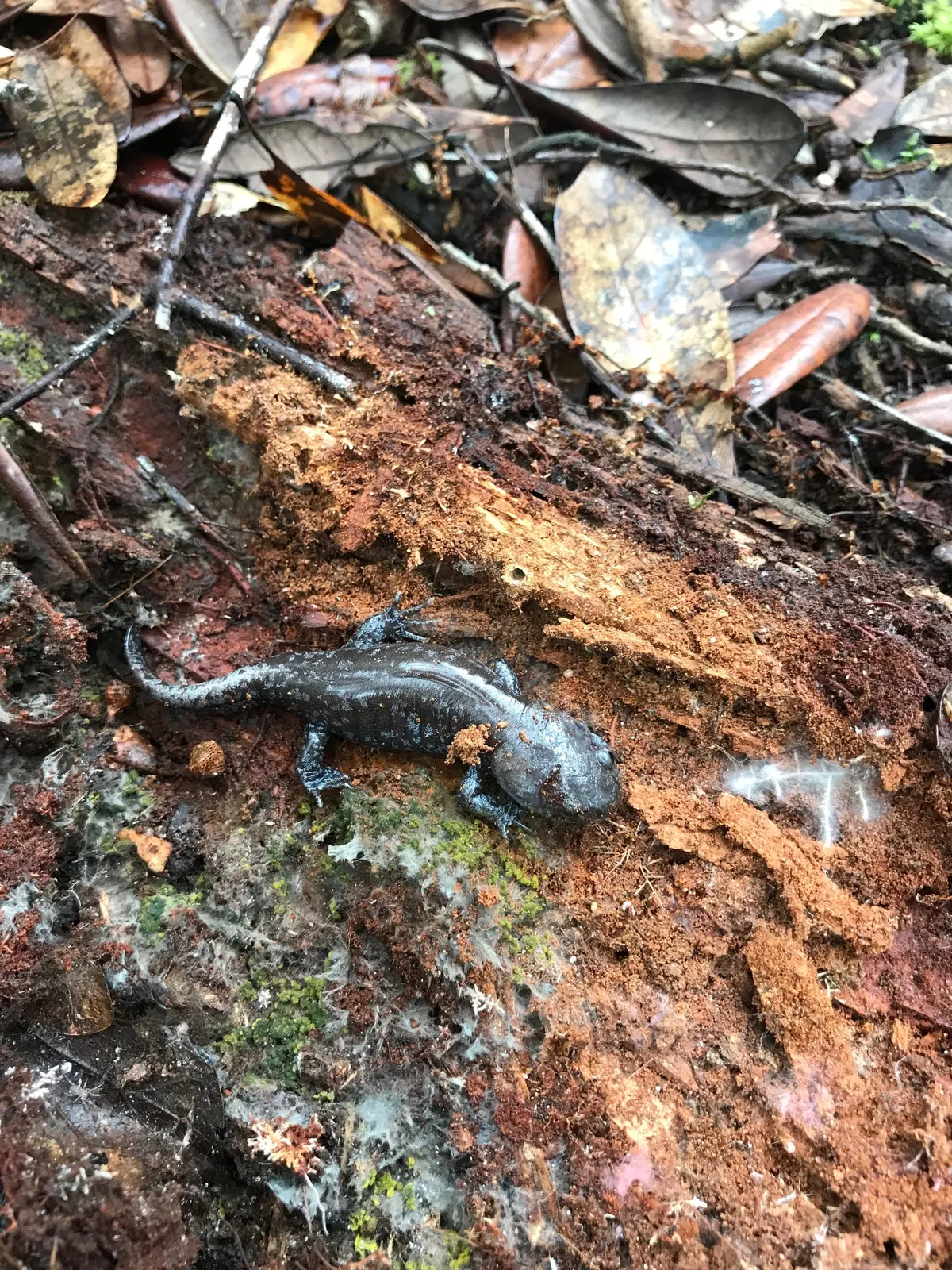
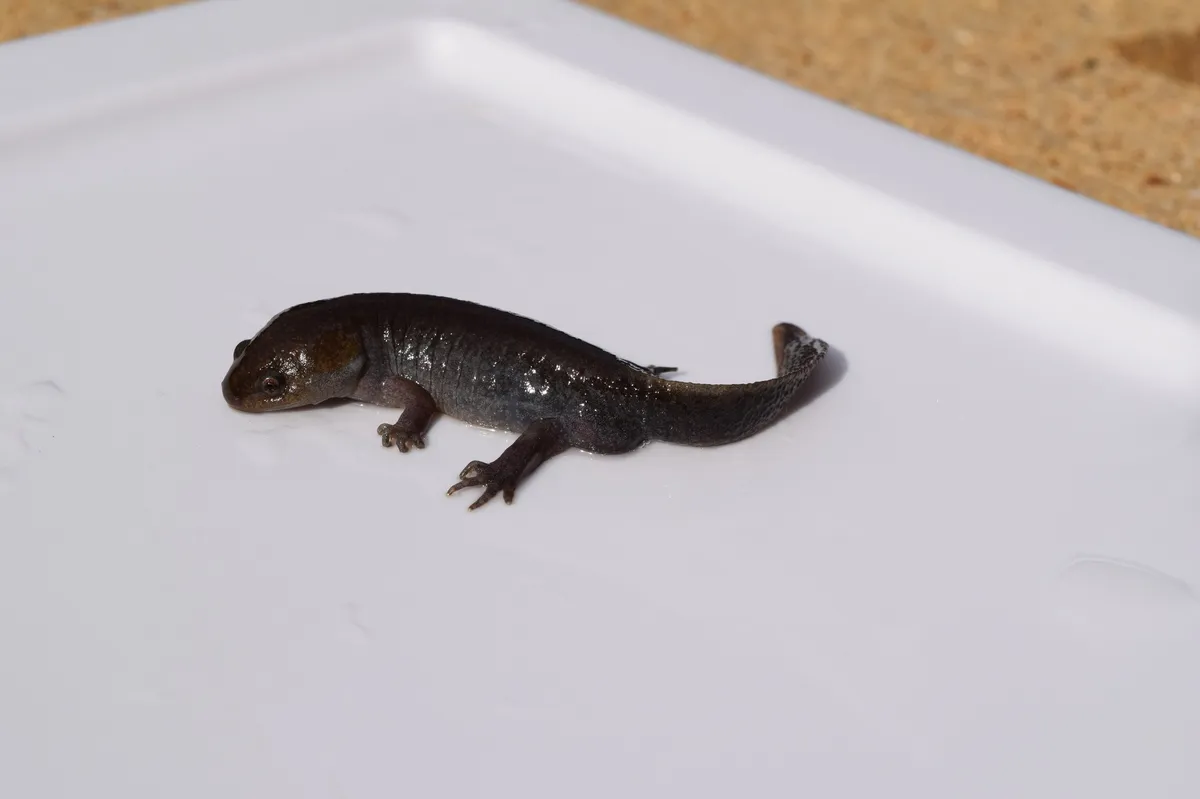
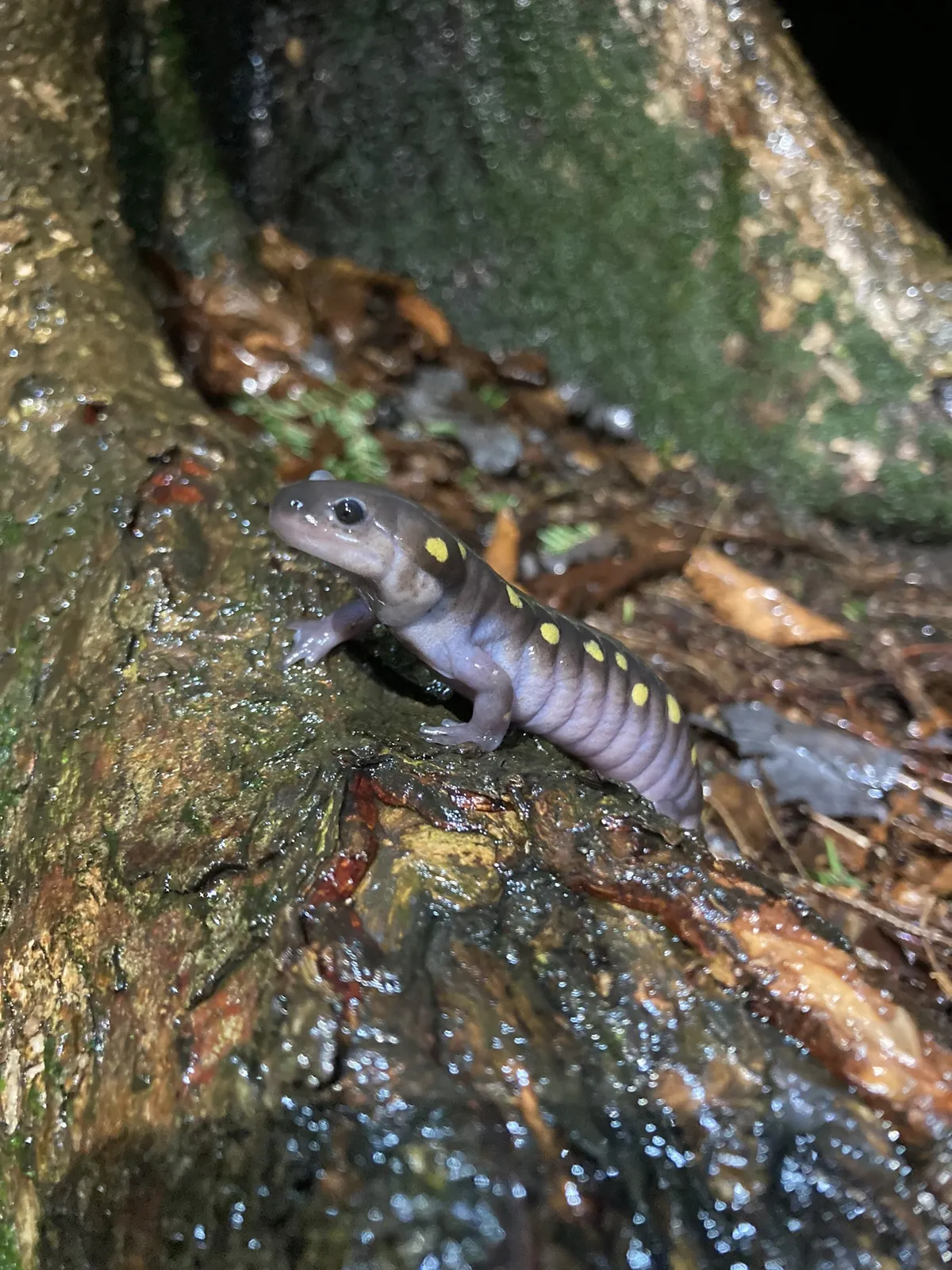
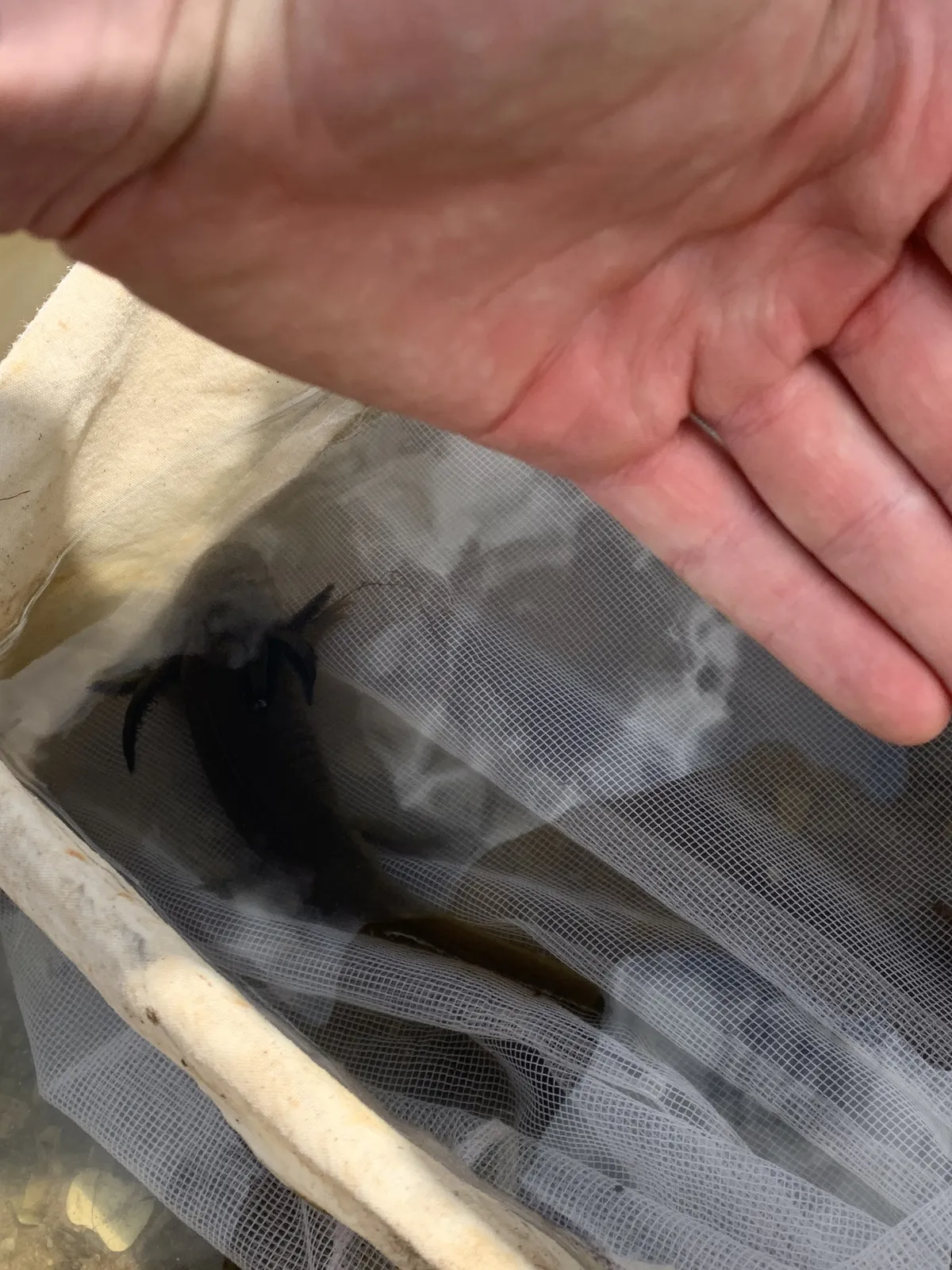
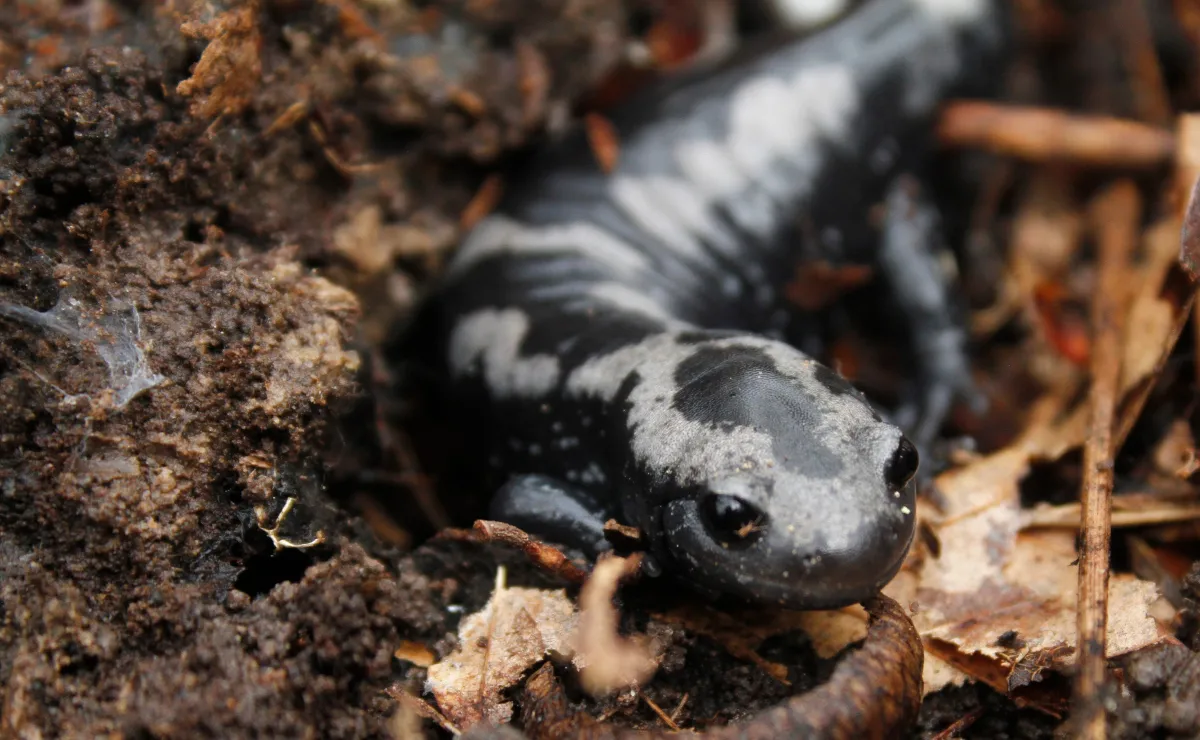
A terrestrial salamander species native to southeastern United States, characterized by its subterranean lifestyle and robust body structure.
Image Gallery
ADSENSE SLOT
Ecology & Habitat
Habitat
Deciduous and mixed forests, woodland areas with moist soil, underground burrows, and vernal pools during breeding season. Primarily found in regions with dense leaf litter and soft, loamy substrates.
Ecological Role
Critical predator in forest floor ecosystems, controlling invertebrate populations. Plays significant role in nutrient cycling and serves as prey for larger predators like snakes and birds.
Morphology
SKIN COATSmooth, moist skin with limited cutaneous respiration. Dark pigmentation provides camouflage in underground environments.
LIMBS WINGSShort, sturdy limbs with four toes on front and hind feet. Powerful limb muscles facilitate efficient underground movement and burrowing.
HEAD SENSORYBroad, slightly flattened head with small, dark eyes. Well-developed chemosensory capabilities for underground navigation and prey detection.
BODY STRUCTUREStout, cylindrical body averaging 7-13 cm in length. Dark coloration with variable blue-gray, black, or brown patterns. Compact, muscular build adapted for burrowing.