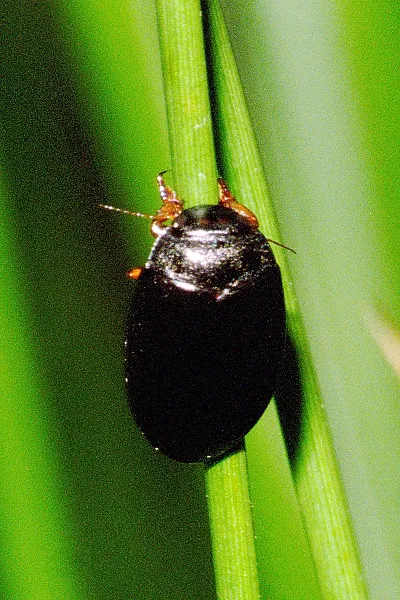
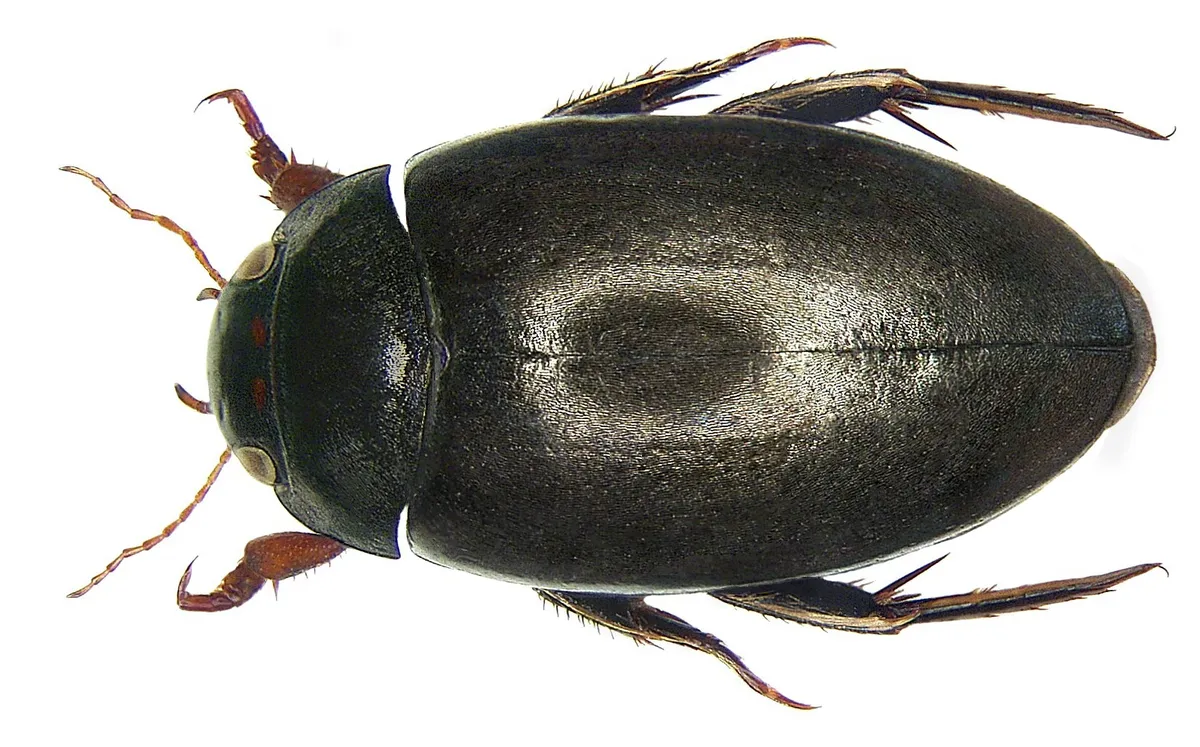
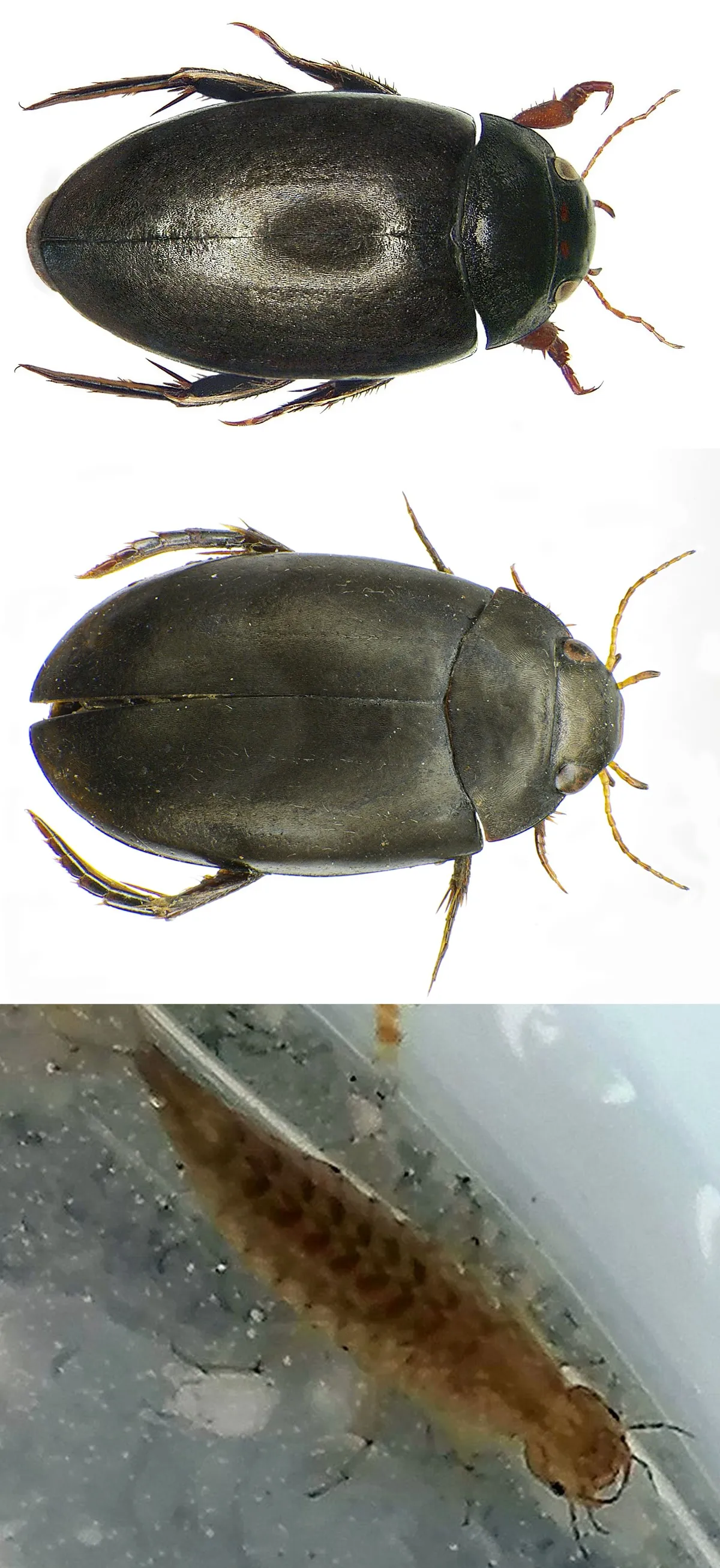
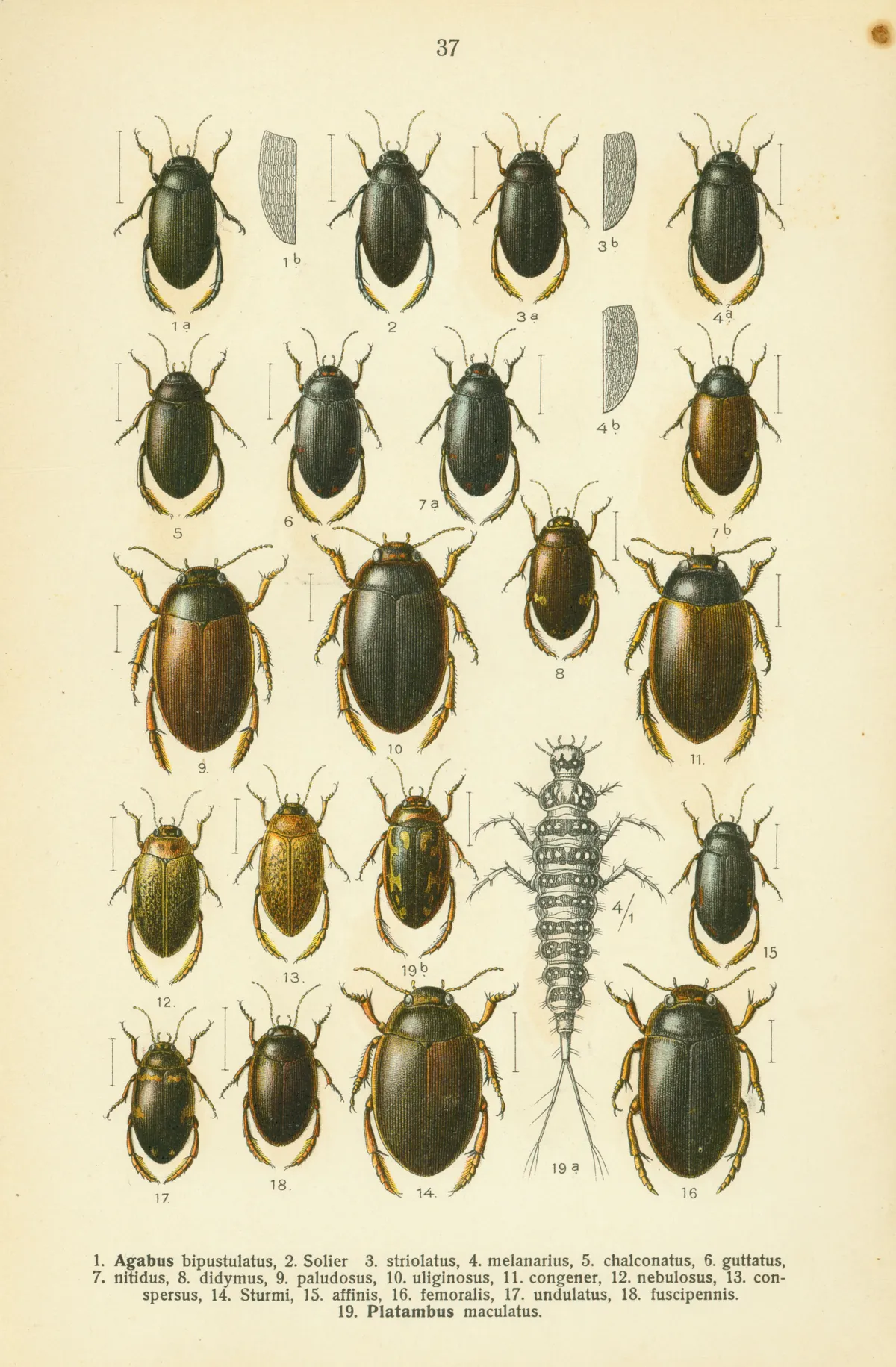
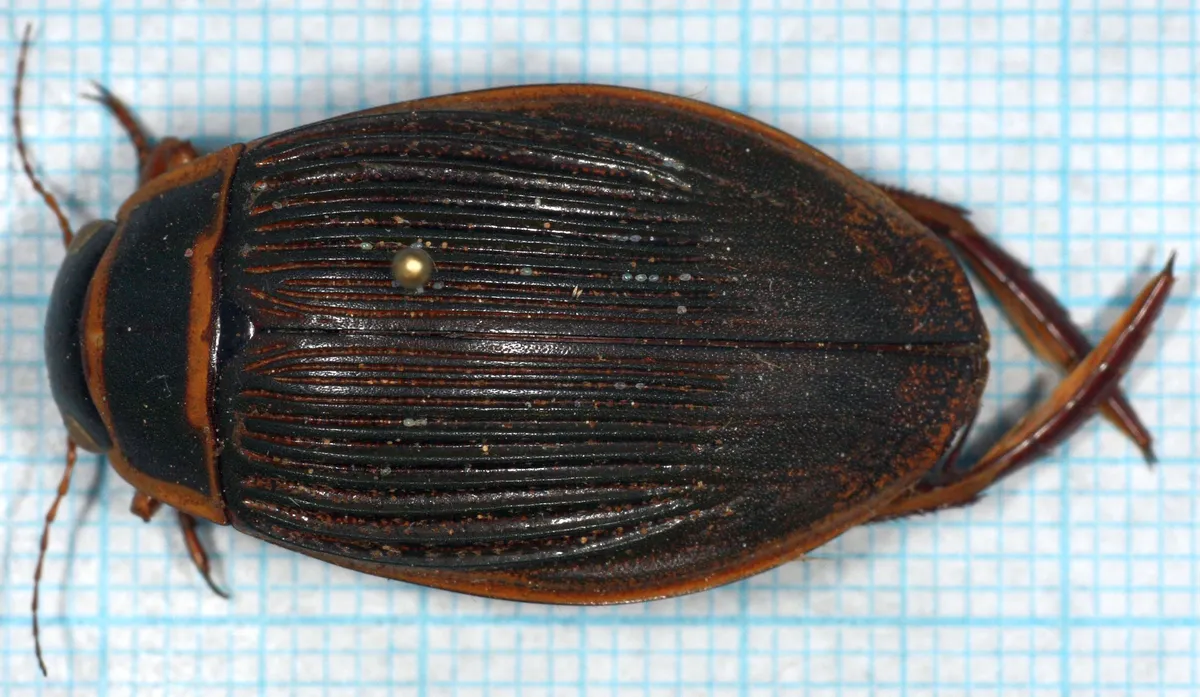
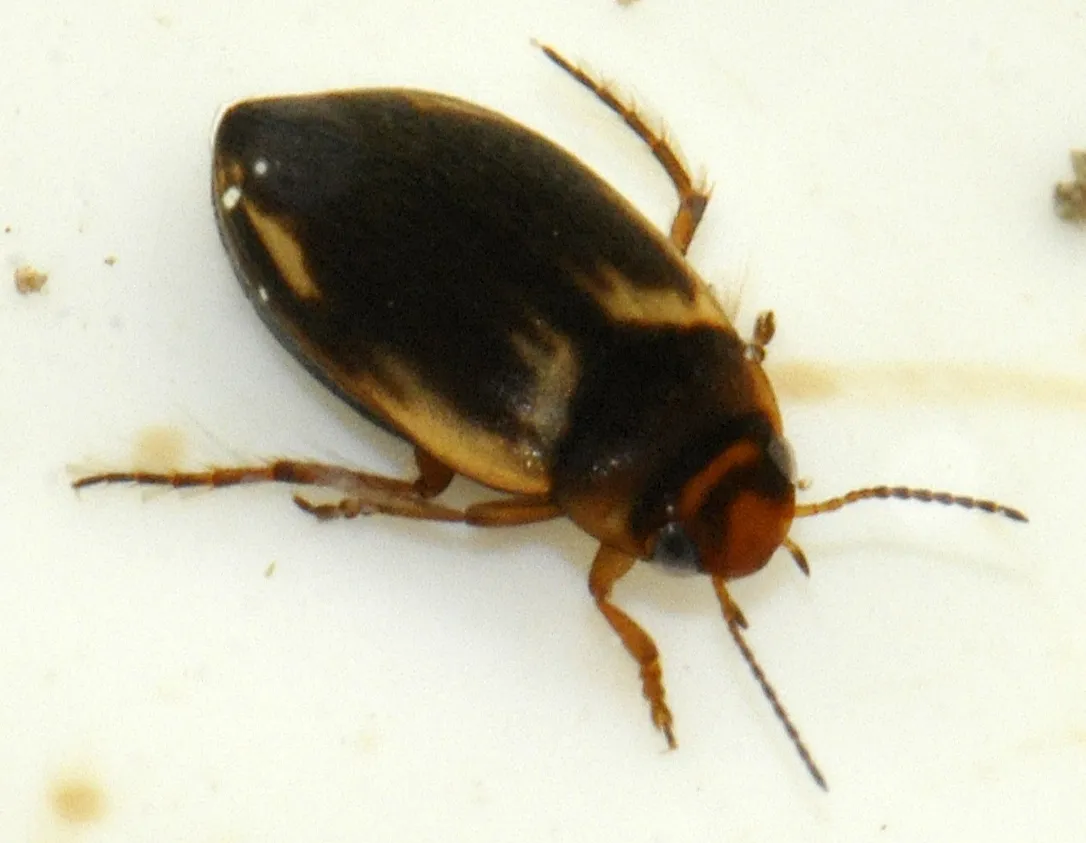
A small predatory aquatic beetle belonging to the Dytiscidae family, widespread in European freshwater ecosystems. This diving beetle is characterized by its remarkable swimming capabilities and aquatic predatory behavior.
Image Gallery
ADSENSE SLOT
Ecology & Habitat
Habitat
Inhabits freshwater environments including ponds, slow-moving streams, marshes, and small water bodies with vegetation. Typically found in temperatures ranging from 4°C to 25°C, preferring still or gently moving water with abundant aquatic invertebrate prey.
Ecological Role
Critical component of aquatic food webs, serving as both predator and prey. Plays significant role in controlling aquatic invertebrate populations and serving as bioindicator of water quality and ecosystem health.
Morphology
SKIN COATDark brown to black exoskeleton with water-repellent cuticle, providing protection and reducing drag during aquatic movement.
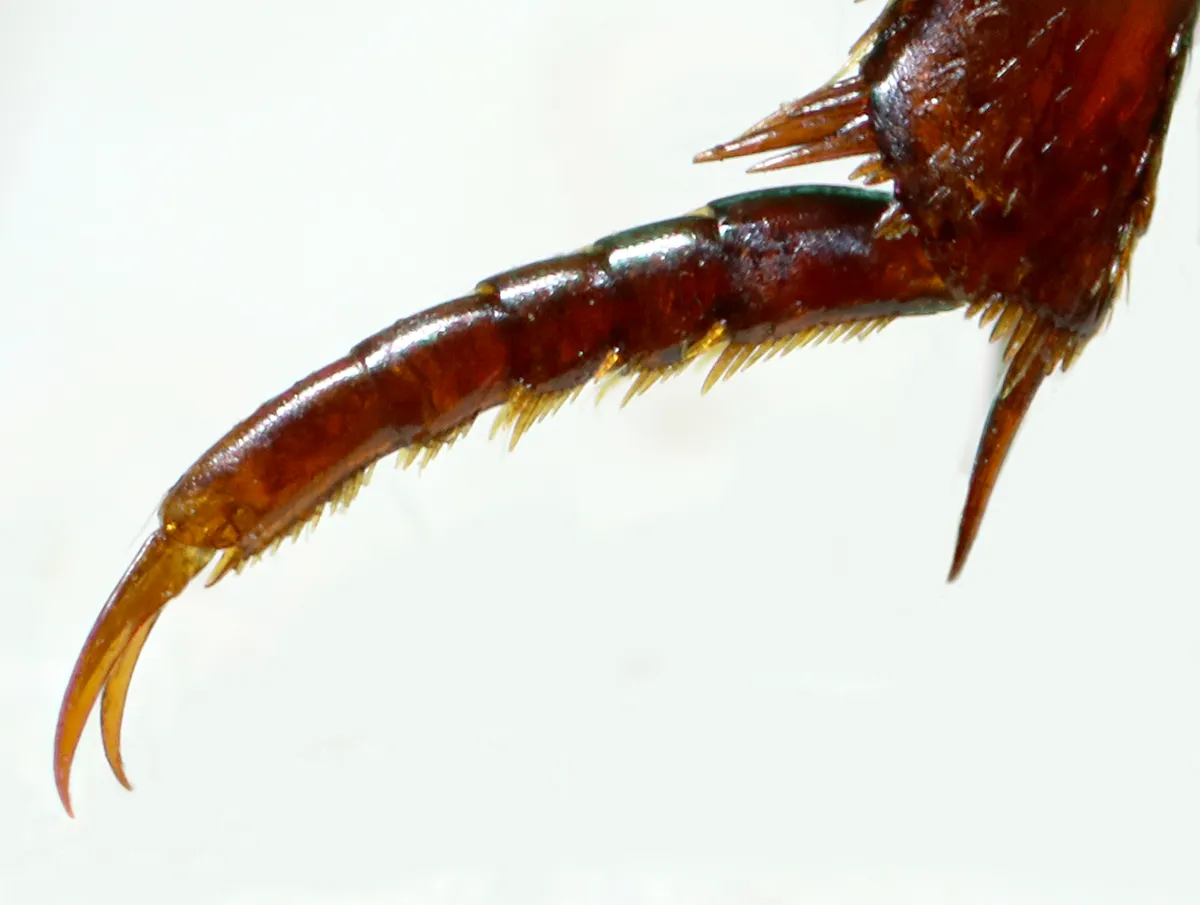
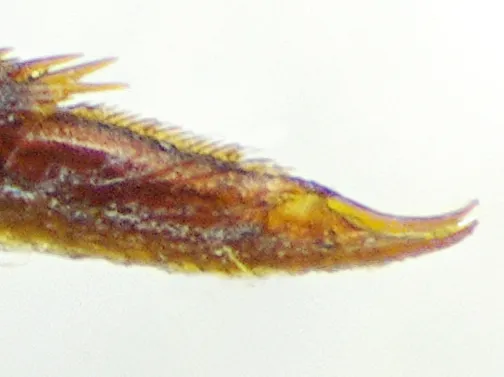
LIMBS WINGSPosterior legs modified into powerful swimming appendages with dense setae, enabling rapid underwater propulsion. Capable of diving and swimming with remarkable agility.
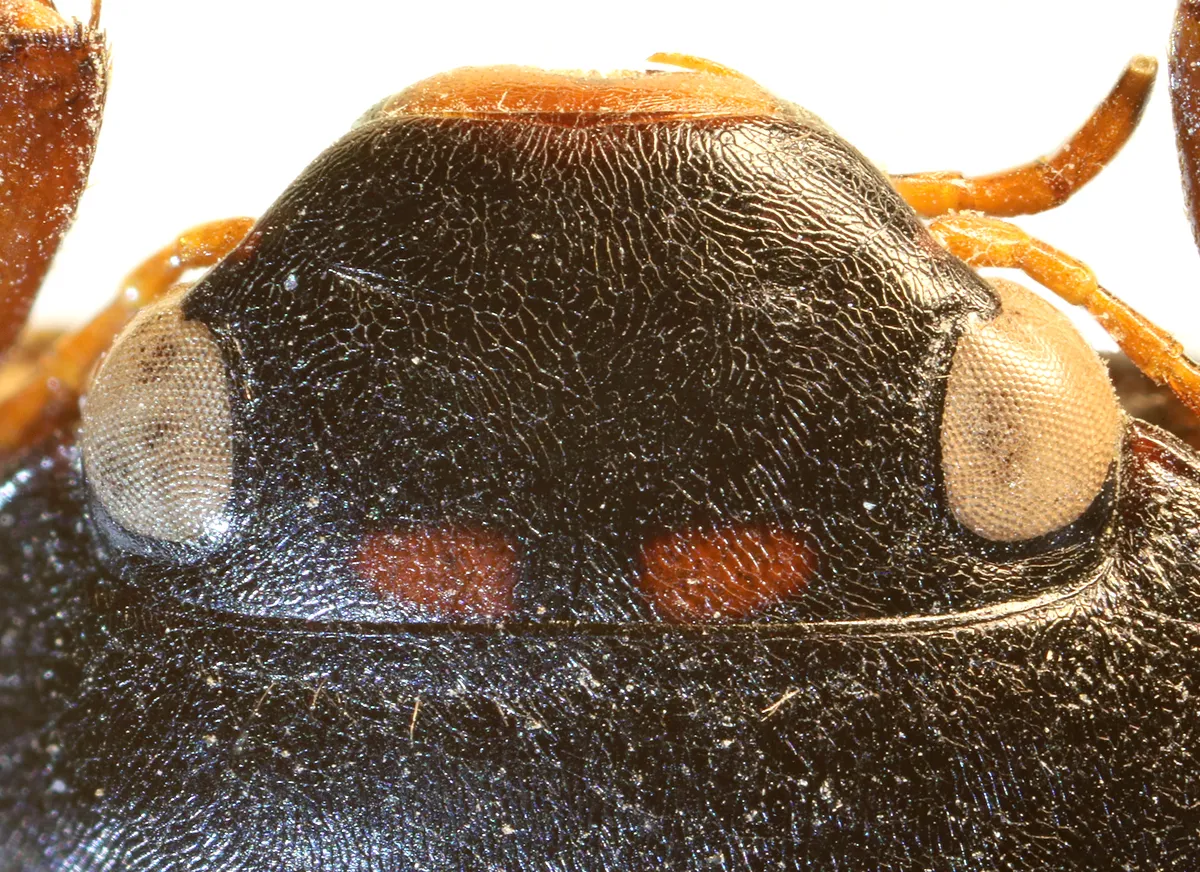
HEAD SENSORYCompound eyes with excellent underwater vision, sensitive antennae for detecting water movement and prey vibrations.
BODY STRUCTUREStreamlined, oval-shaped body approximately 7-9 mm in length. Adapted for efficient underwater movement with hydrodynamic exoskeleton.
Data Source: TaxonHub Database
Image Credit: James K. Lindsey