TaxonHub
Common Wombat

Common Wombat

Vombatus ursinus

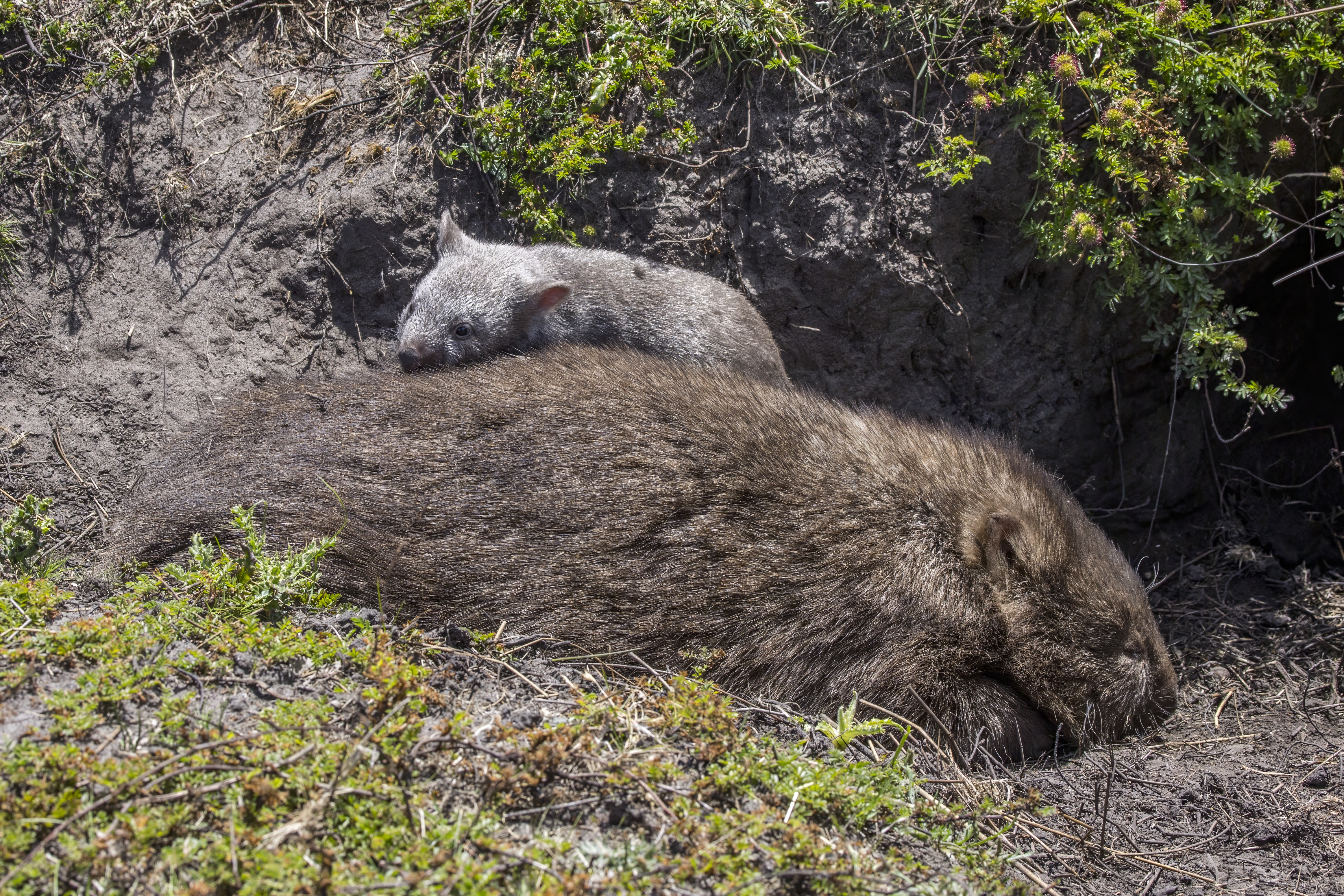
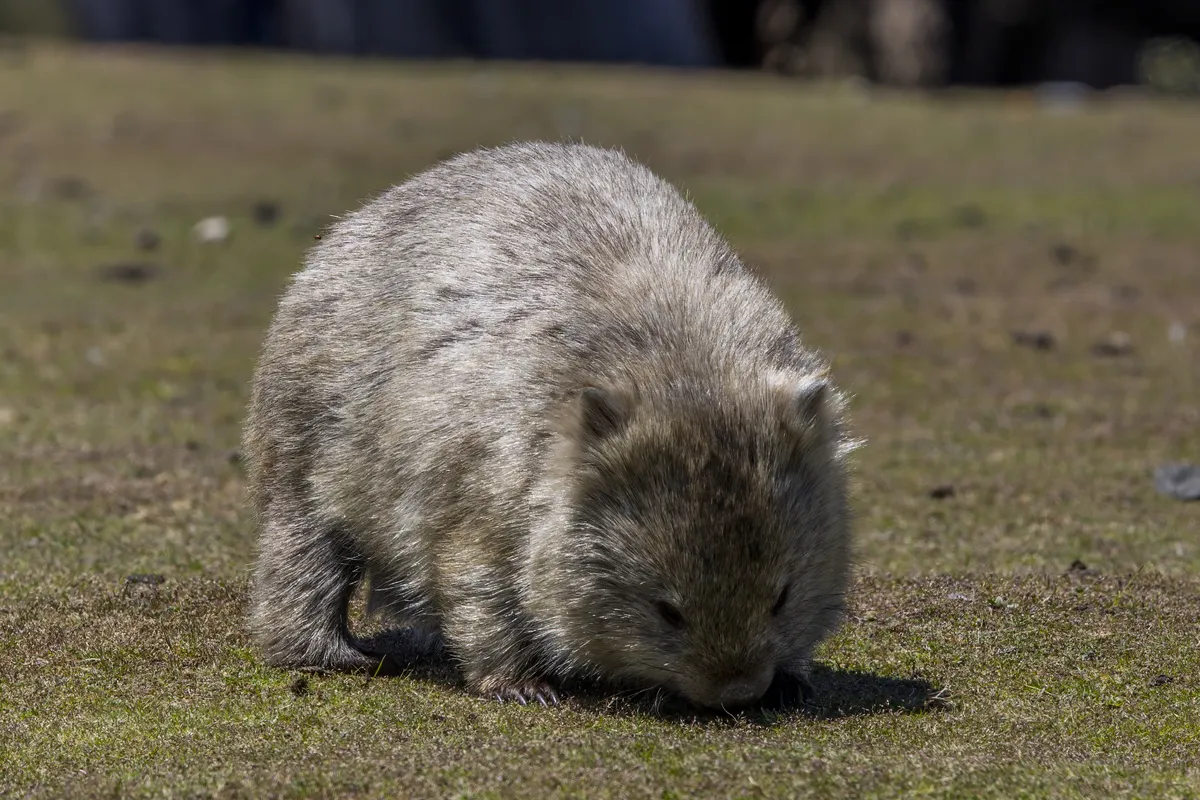
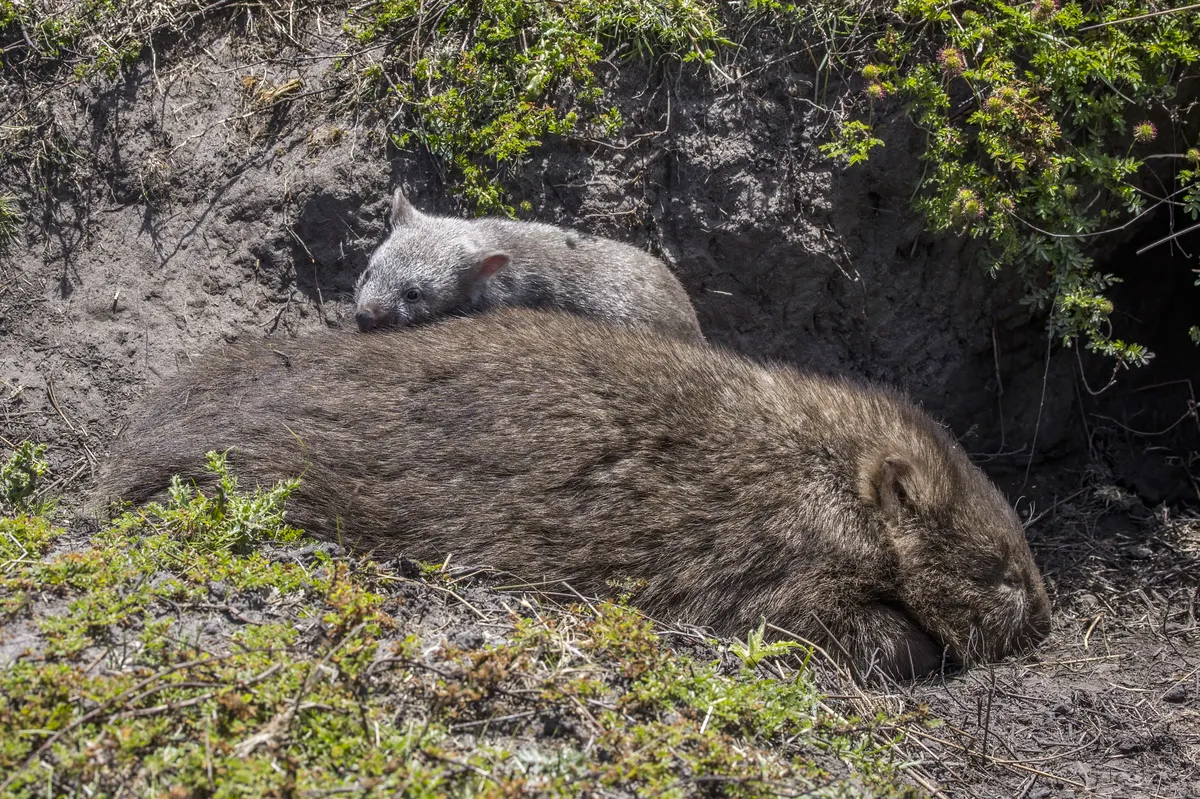
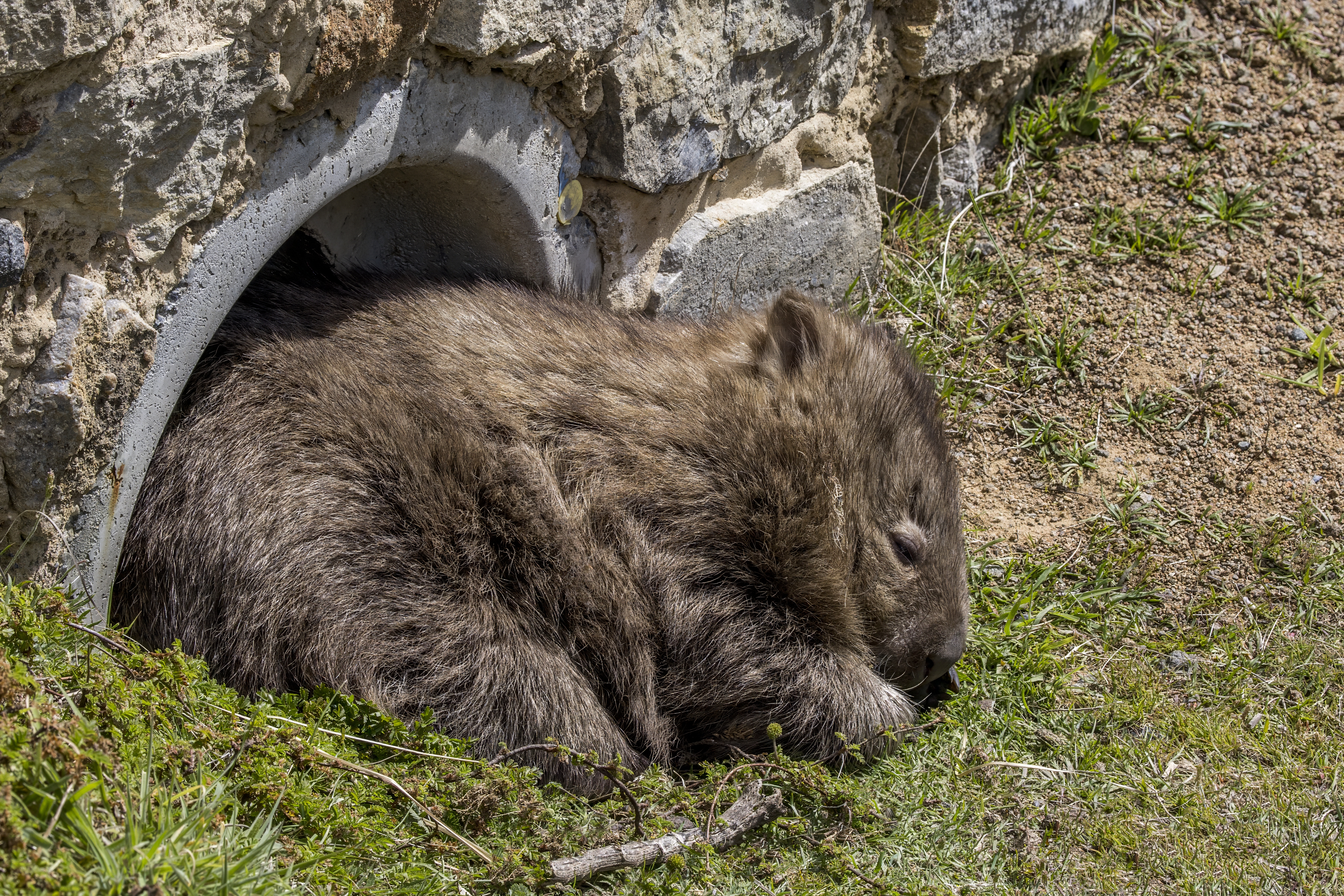
A robust marsupial mammal native to southeastern Australia, characterized by its stocky build and burrowing behavior. Vombatus ursinus is the largest of the three extant wombat species, adapted to temperate forest and grassland ecosystems.
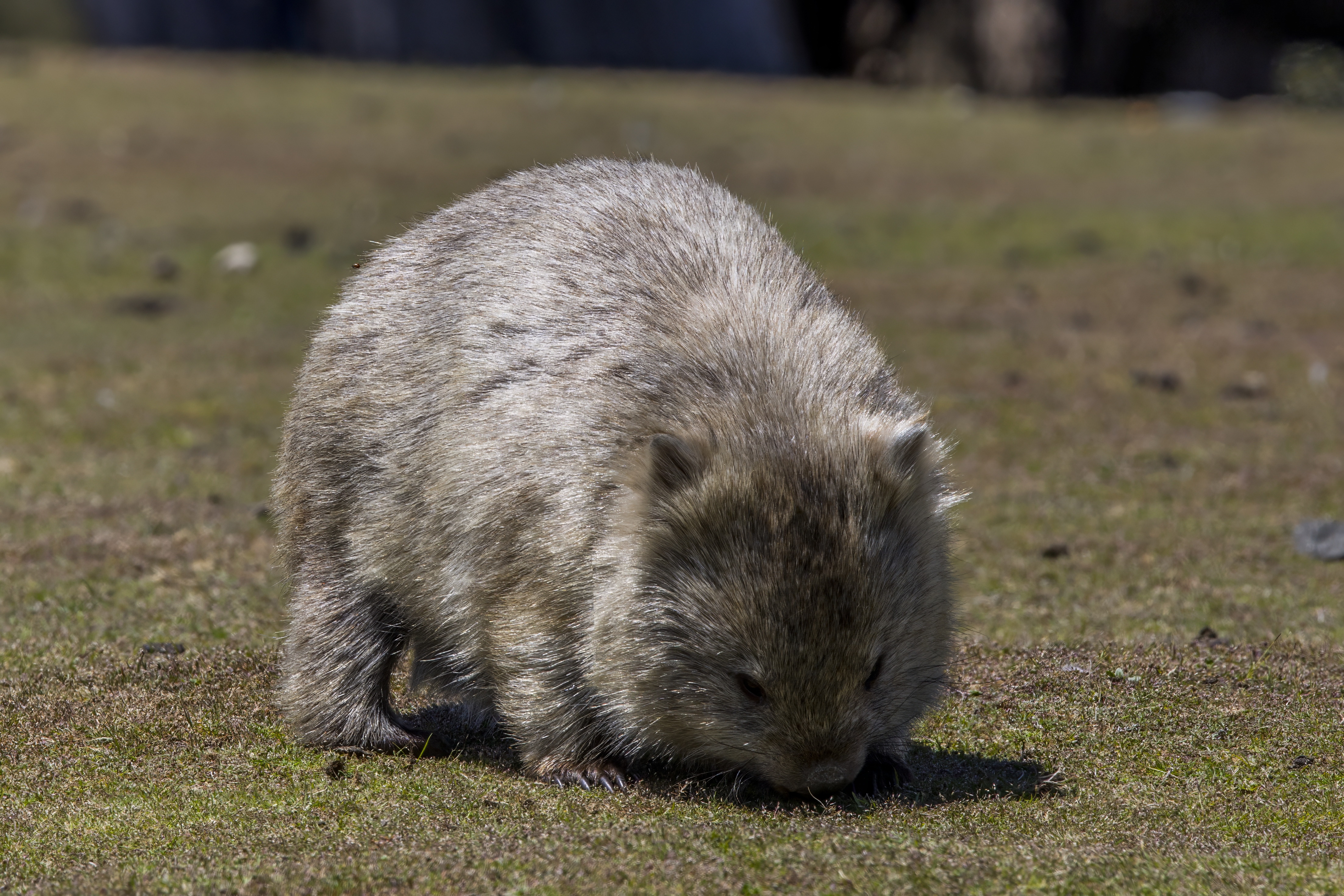
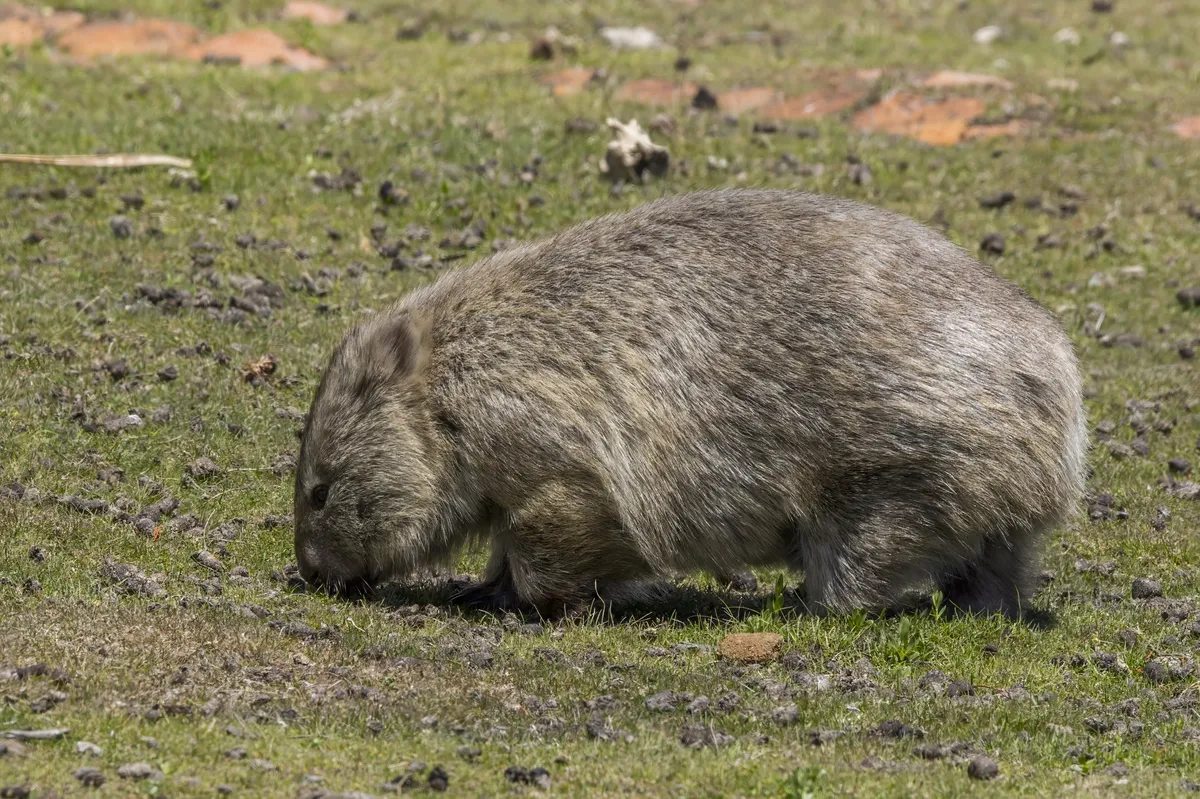
Image Gallery

Common Wombat
Common Wombat
Common Wombat
Common Wombat
Common Wombat
Common Wombat
Common Wombat
Common Wombat
ADSENSE SLOT

Ecology & Habitat

Habitat

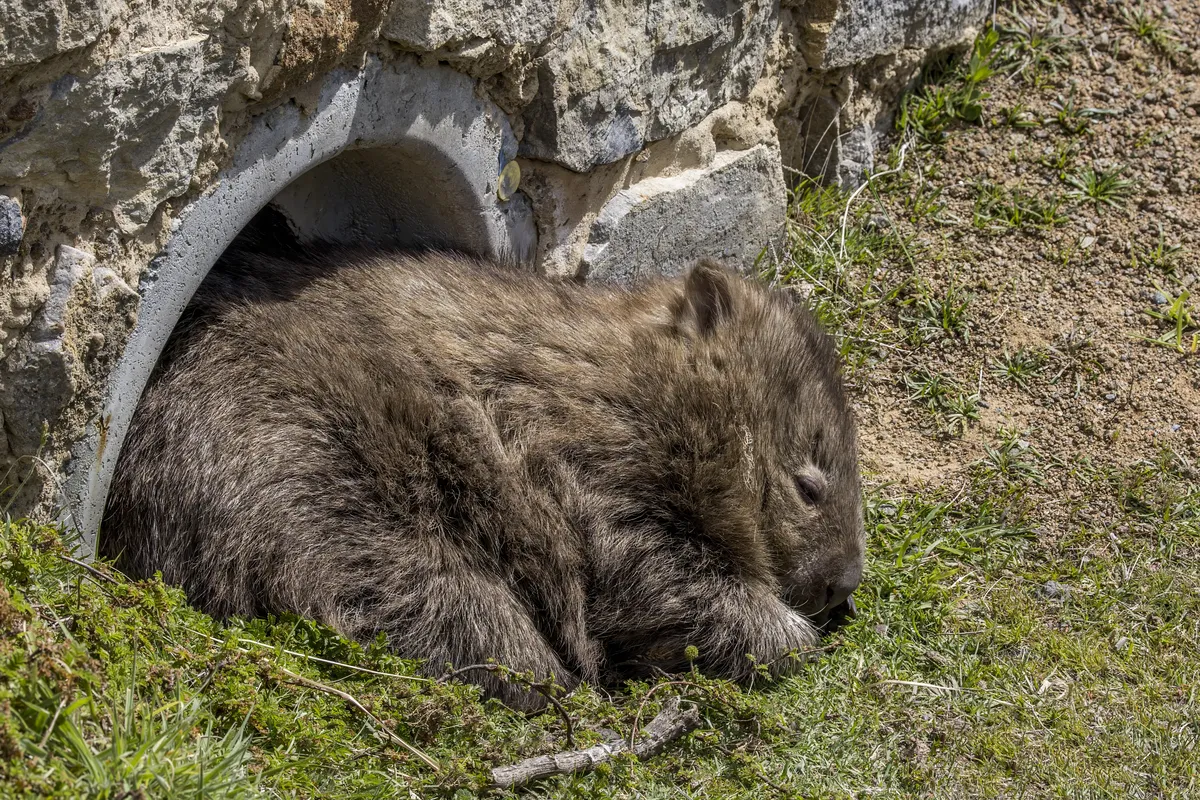
Forested regions of Tasmania, southeastern mainland Australia, including alpine and subalpine zones ranging from sea level to 2,000 meters elevation. Prefers areas with dense vegetation and soft, well-drained soils suitable for extensive underground tunnel systems.

Ecological Role

Critical ecosystem engineers that modify landscape through extensive burrowing, create habitat refuges for other species, and contribute to soil turnover and nutrient cycling in Australian terrestrial ecosystems.

Morphology

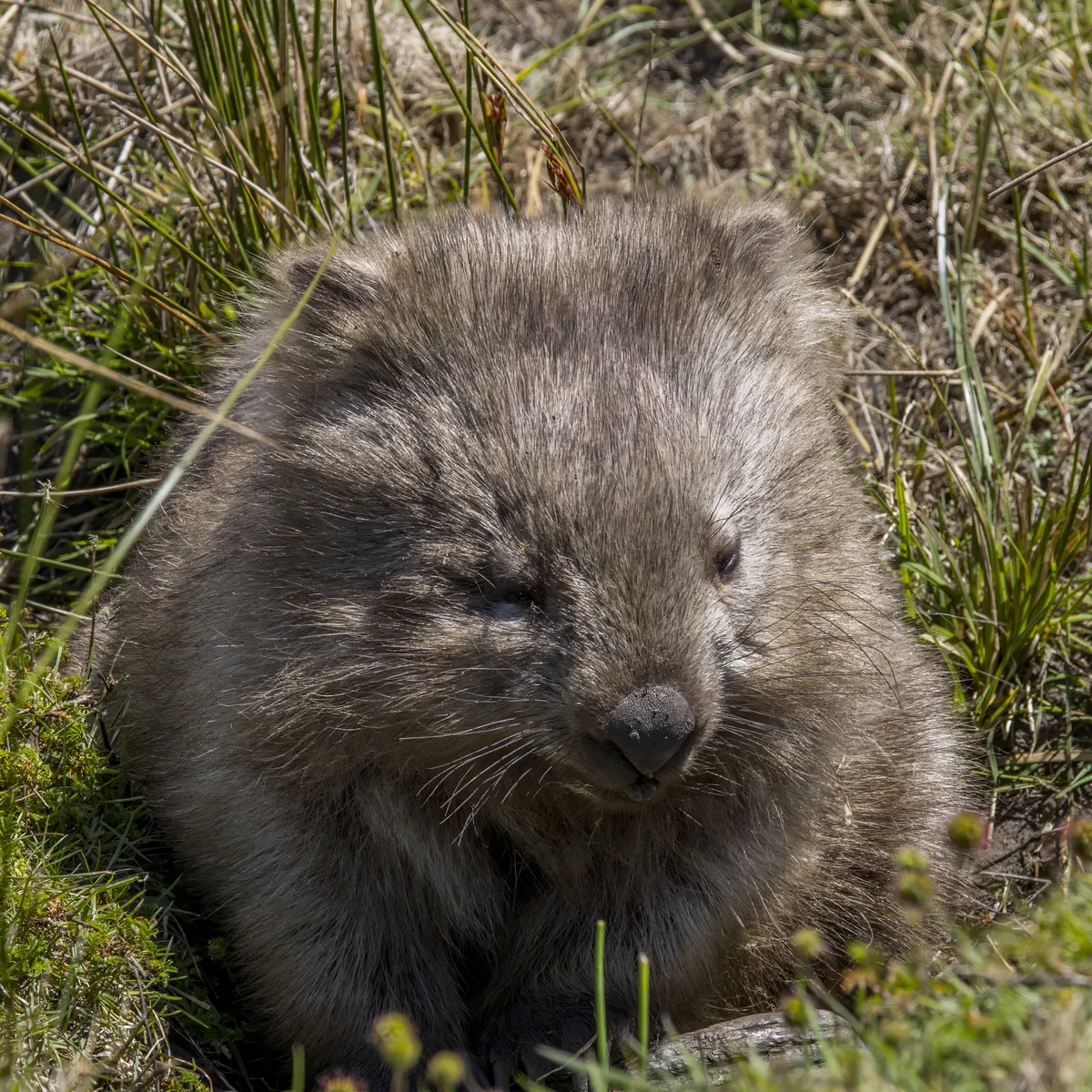
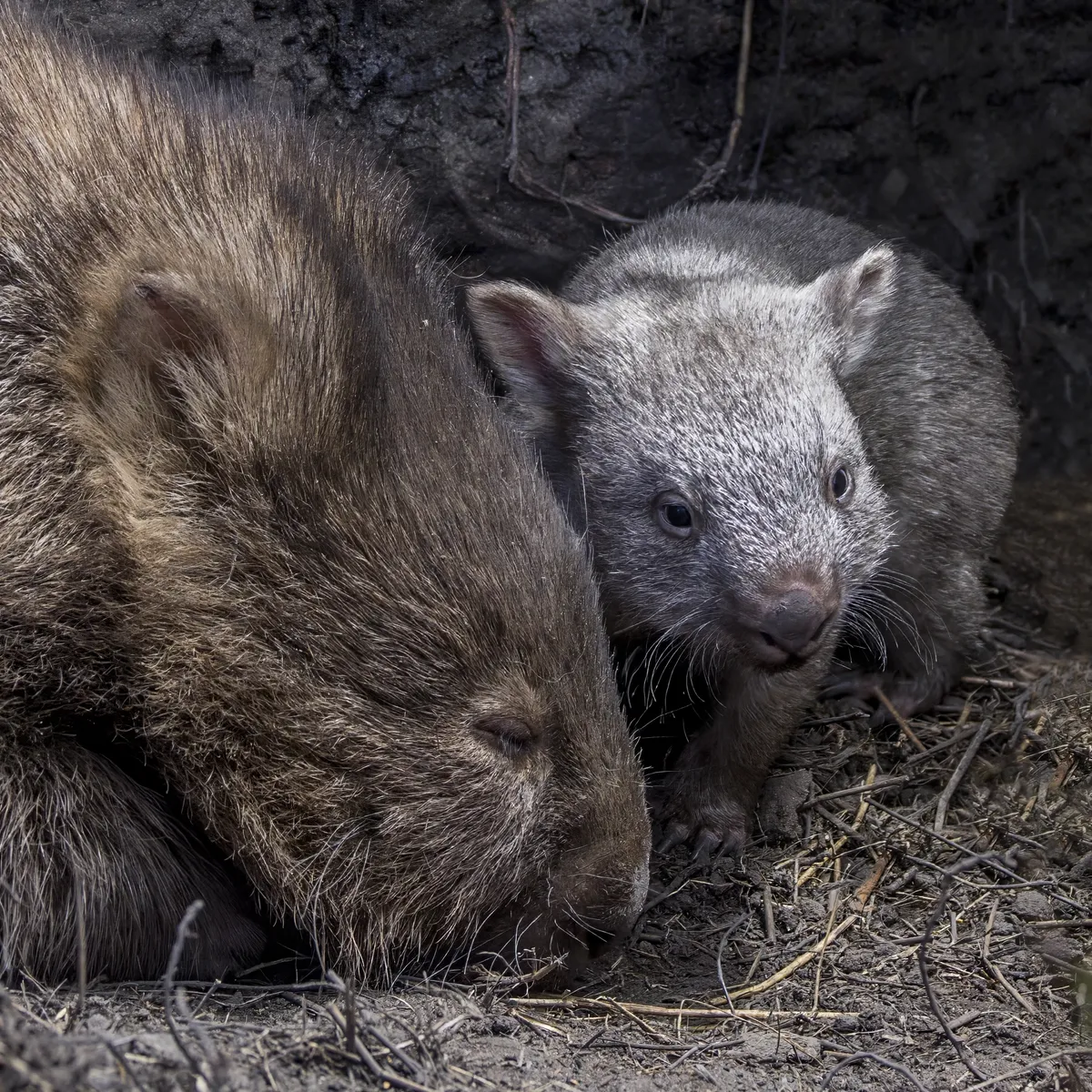
  • SKIN COAT Thick, coarse fur ranging from greyish-brown to chocolate brown, providing thermal insulation and protection
  • LIMBS WINGS Powerful forelimbs with strong claws adapted for excavating complex underground burrow networks
  • HEAD SENSORY Relatively small head, rounded ears, poor eyesight compensated by acute hearing and olfactory senses
  • BODY STRUCTURE Stocky, barrel-shaped body weighing 20-35 kg, length 0.9-1.2 meters, with short legs and muscular build optimized for digging
Data Source: TaxonHub Database
Image Credit: Wiki
ADSENSE VERTICAL