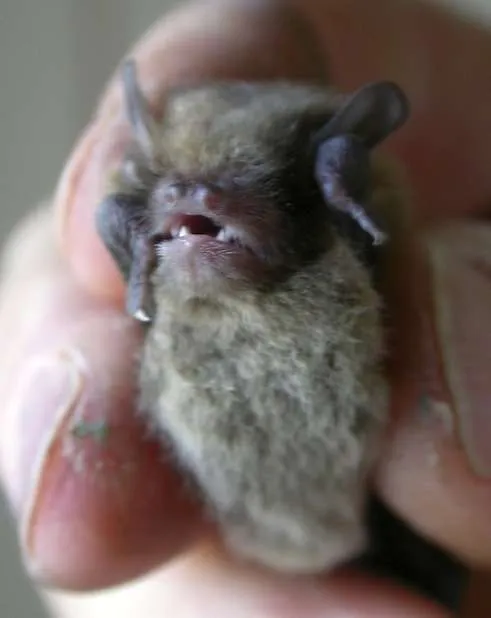
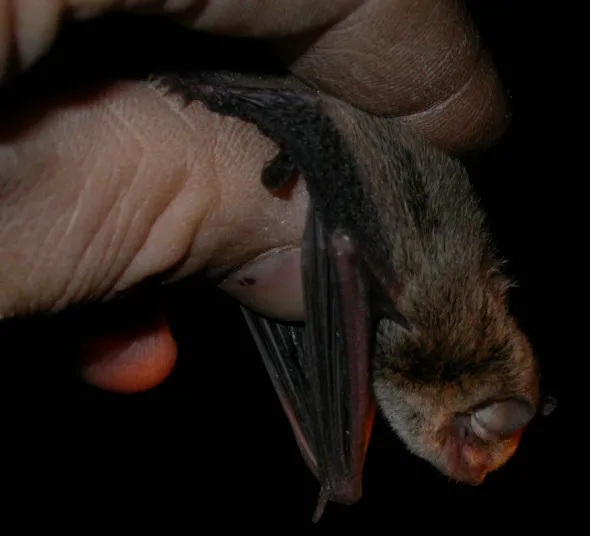
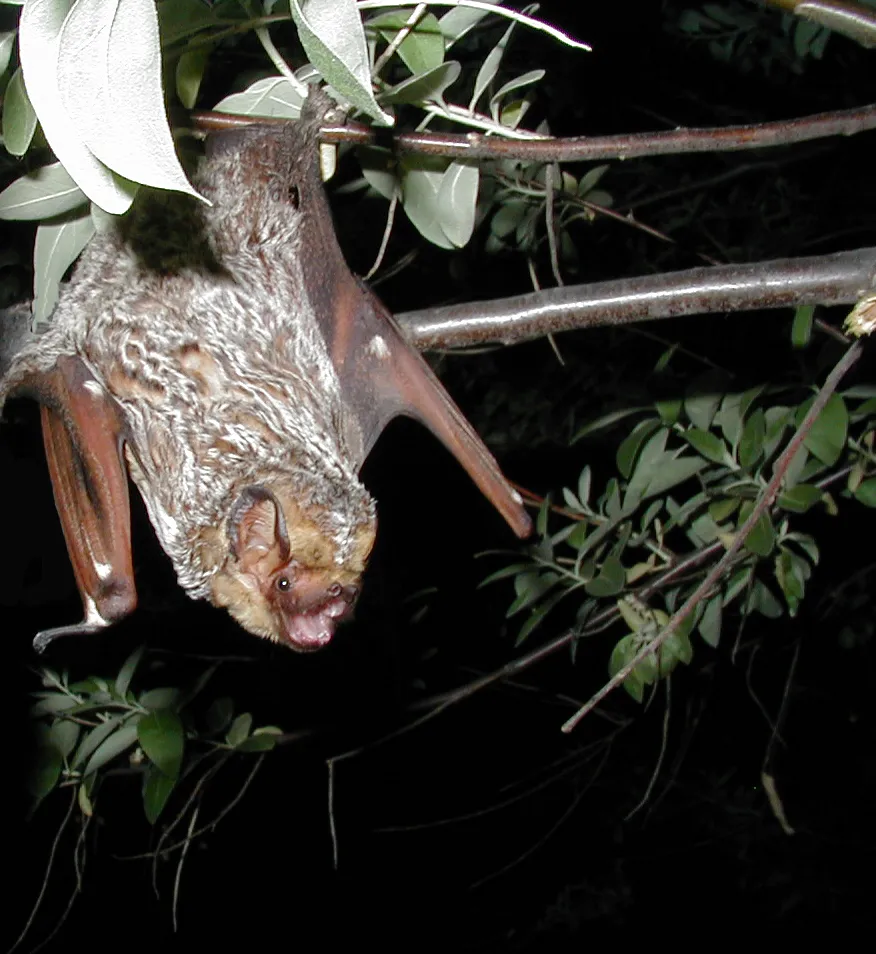
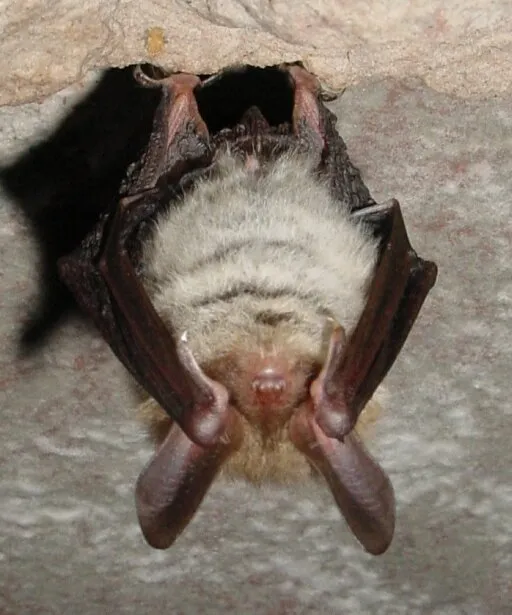
A small vesper bat endemic to southeastern Australia, characterized by its diminutive size and forest-dwelling behavior. Part of the Vespertilionidae family, this nocturnal species plays a critical role in insect population control.
Image Gallery
ADSENSE SLOT
Ecology & Habitat
Habitat
Temperate and subtropical forests of southeastern Australia, particularly in coastal and mountainous regions of Victoria, New South Wales, and Tasmania. Prefers dense woodland environments with complex canopy structures.
Ecological Role
Critical insectivore that consumes significant quantities of nocturnal insects, helping maintain ecological balance and controlling potential pest populations in forest ecosystems.
Morphology
SKIN COATFine, short fur ranging from dark brown to grayish-brown, providing camouflage in forest environments
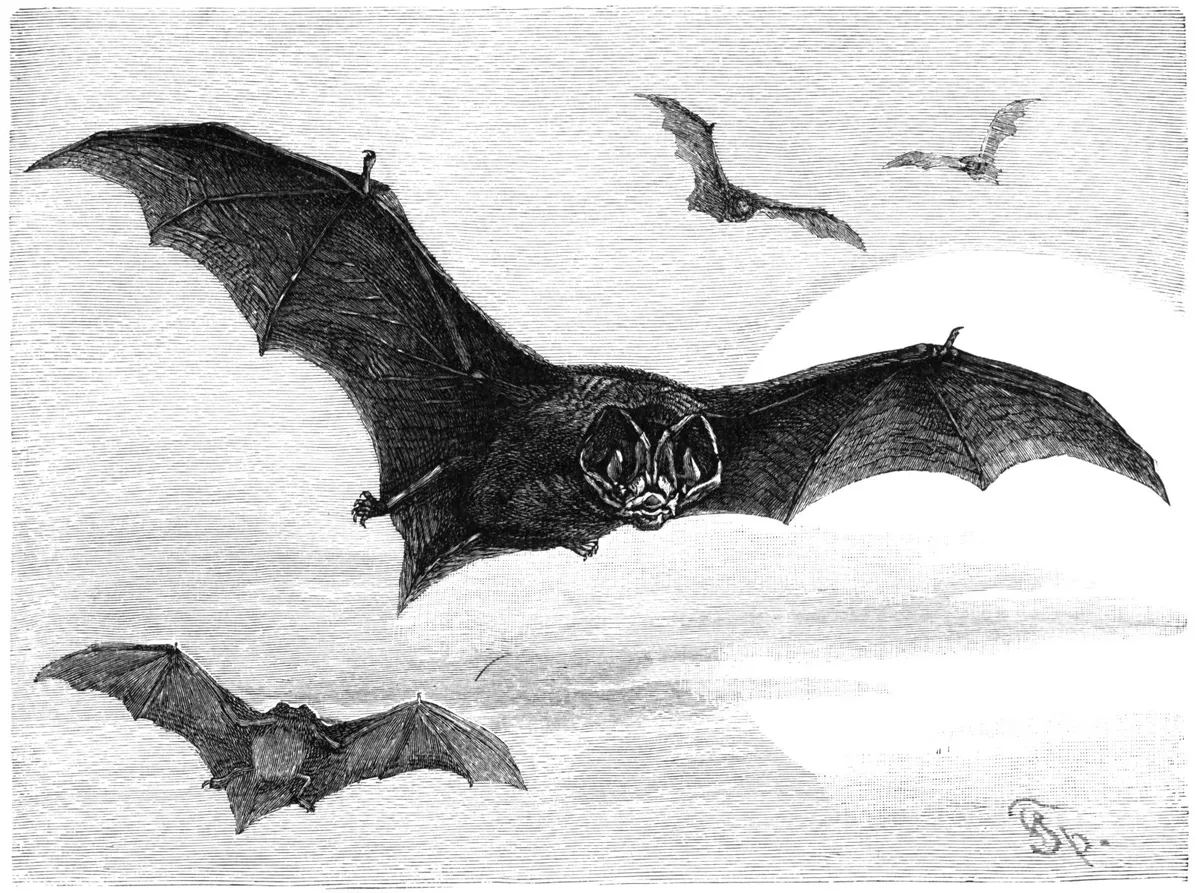
LIMBS WINGSDelicate, membranous wings adapted for agile flight through dense forest understory, with wingspan around 250-300 mm
HEAD SENSORYDeveloped echolocation system with large, sensitive ears for precise aerial navigation and prey detection
BODY STRUCTURESmall bat, typically weighing 4-8 grams with a total length of 70-90 mm, including a relatively short forearm of 30-35 mm
Data Source: TaxonHub Database
Image Credit: Lawrie Conole