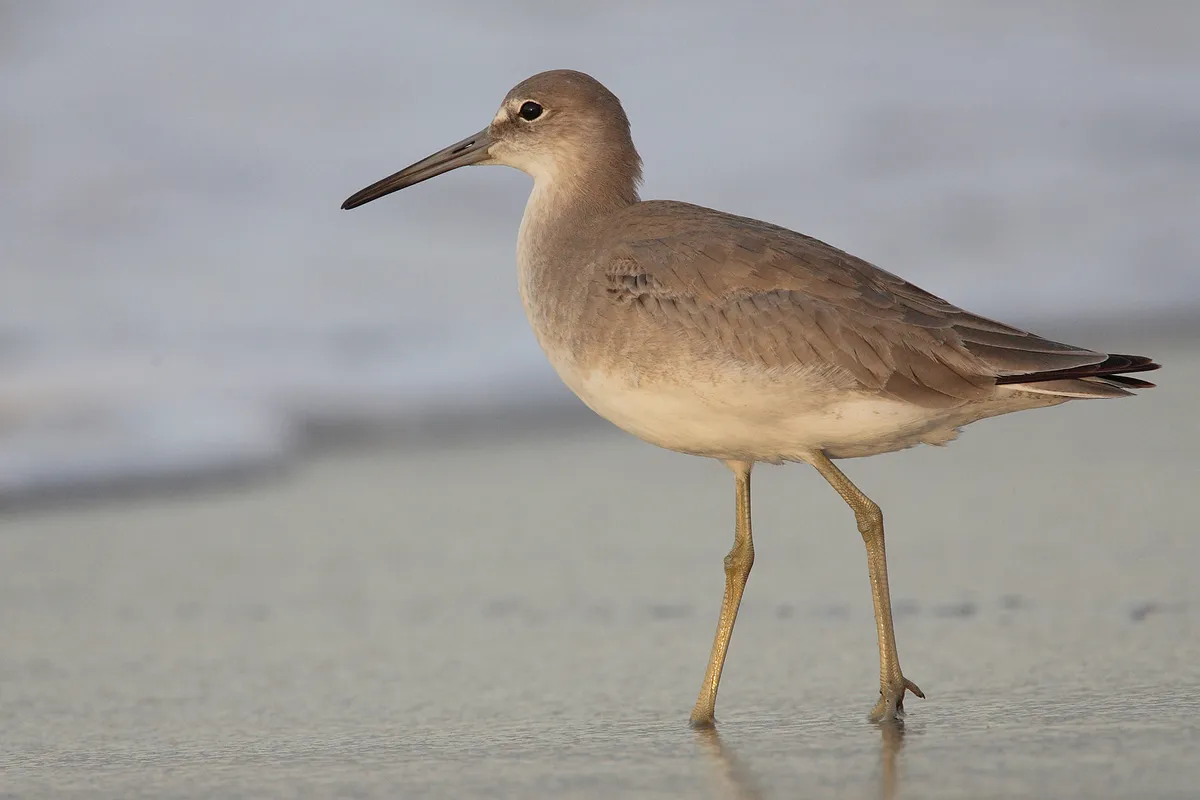
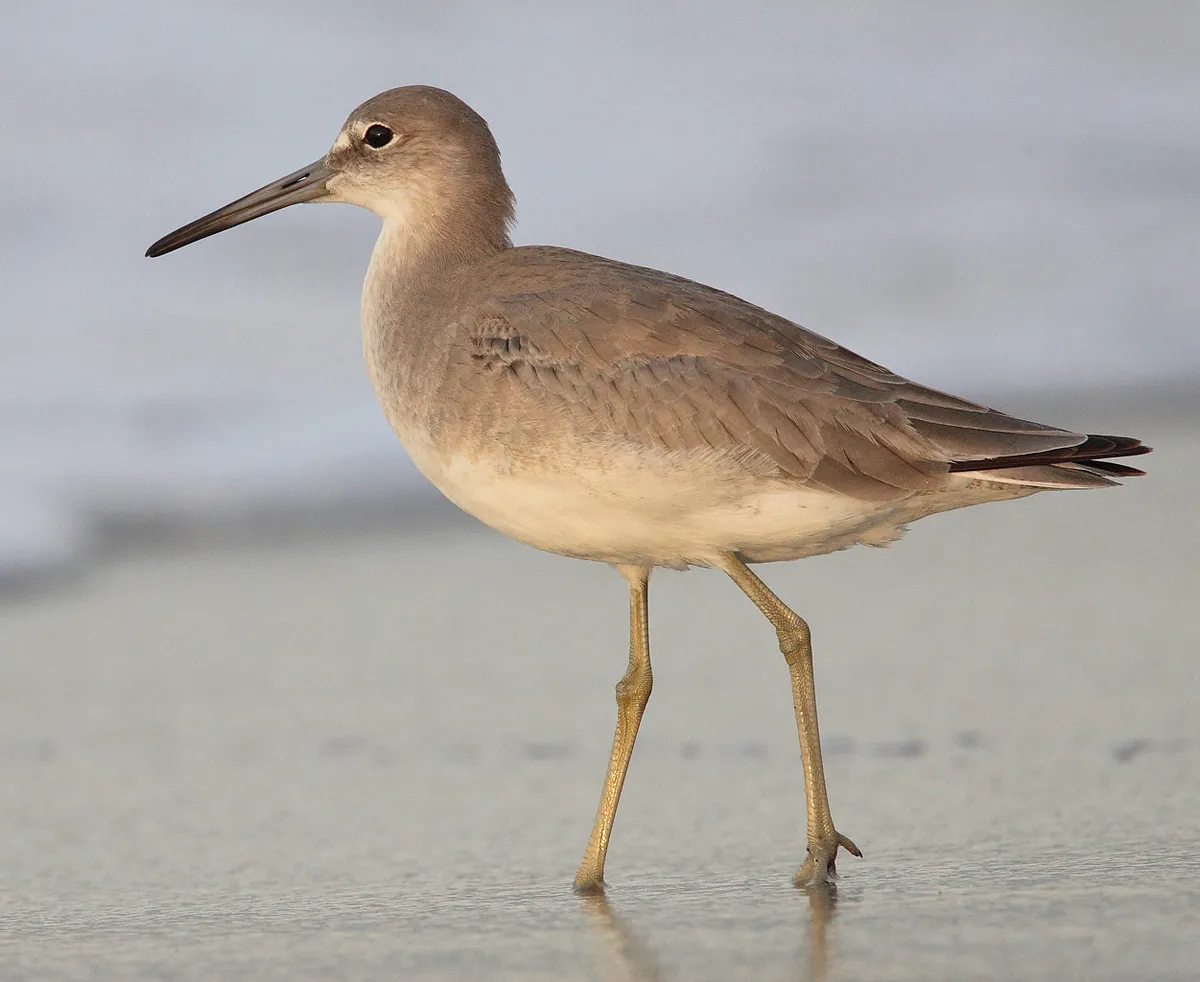
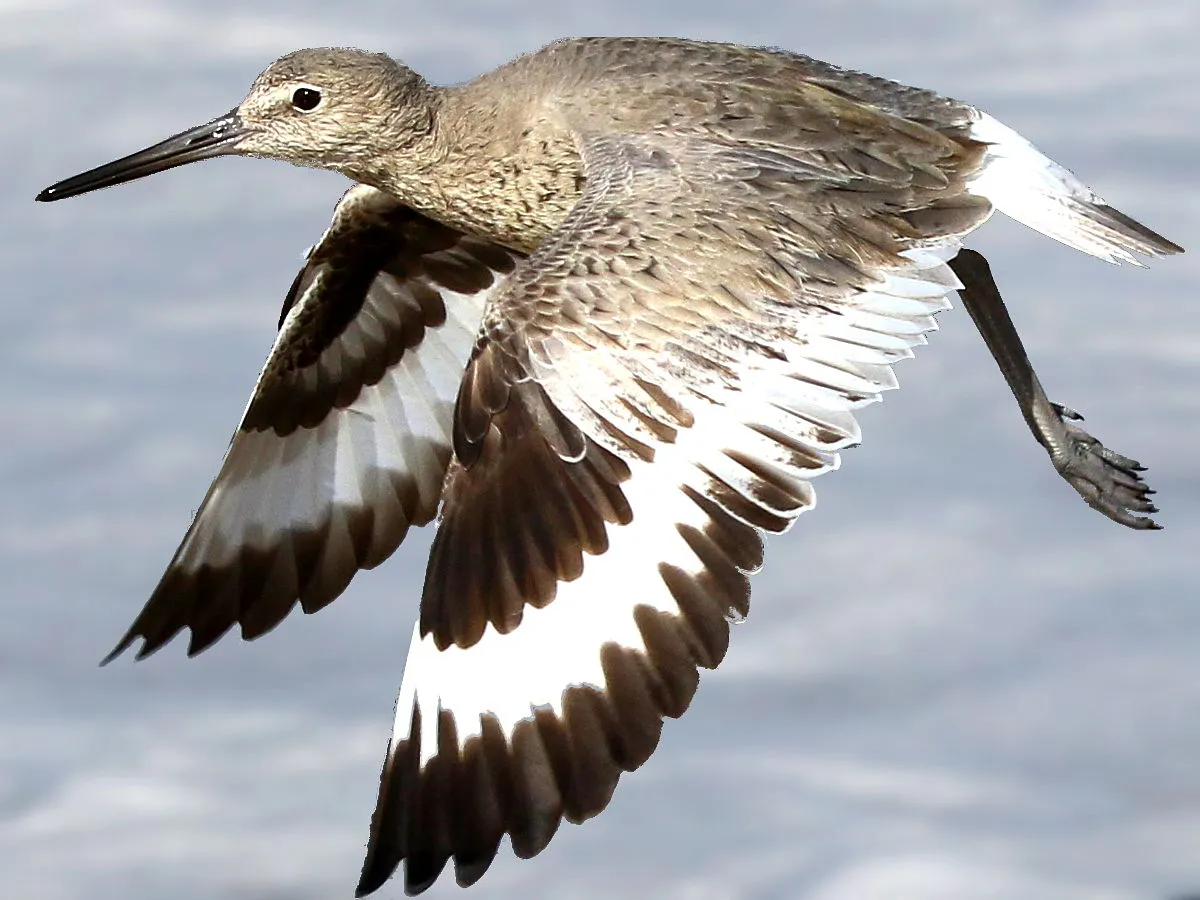
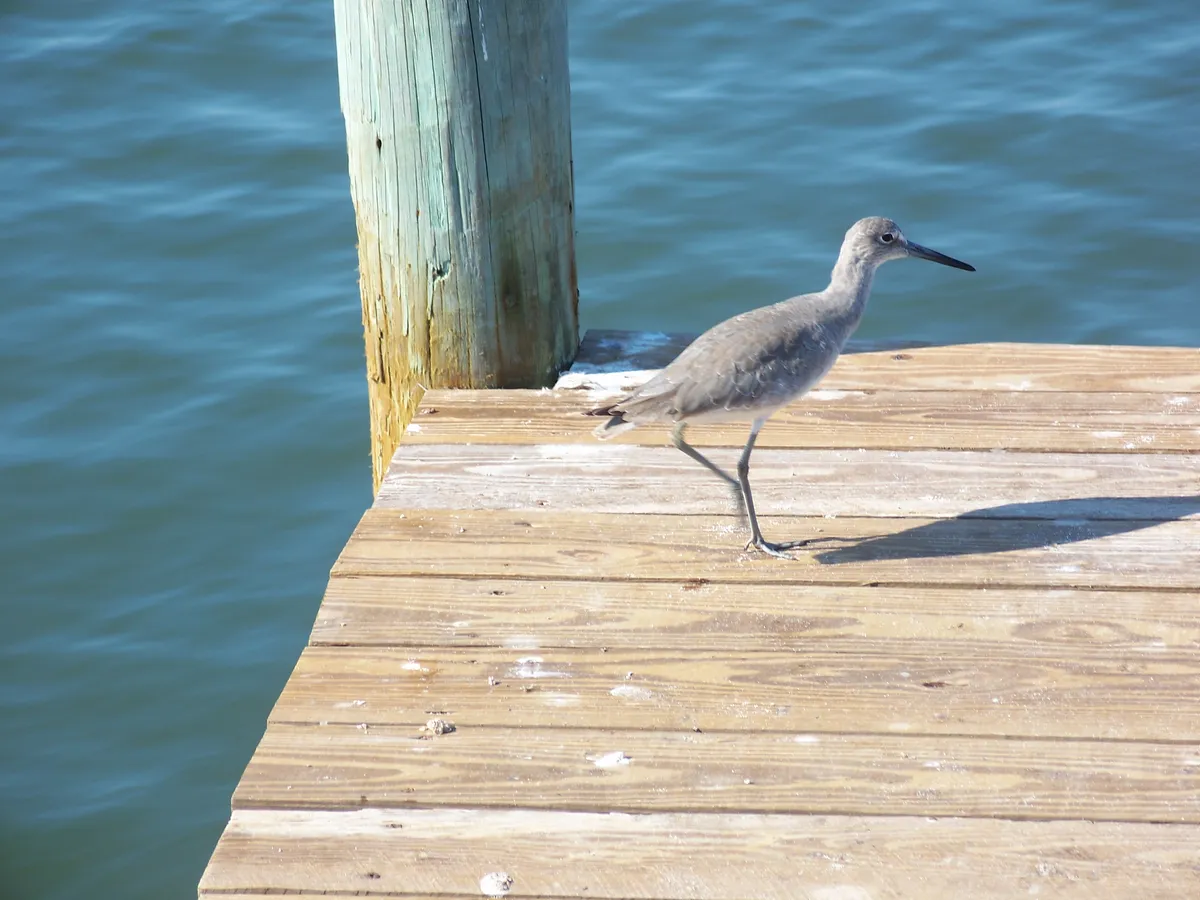
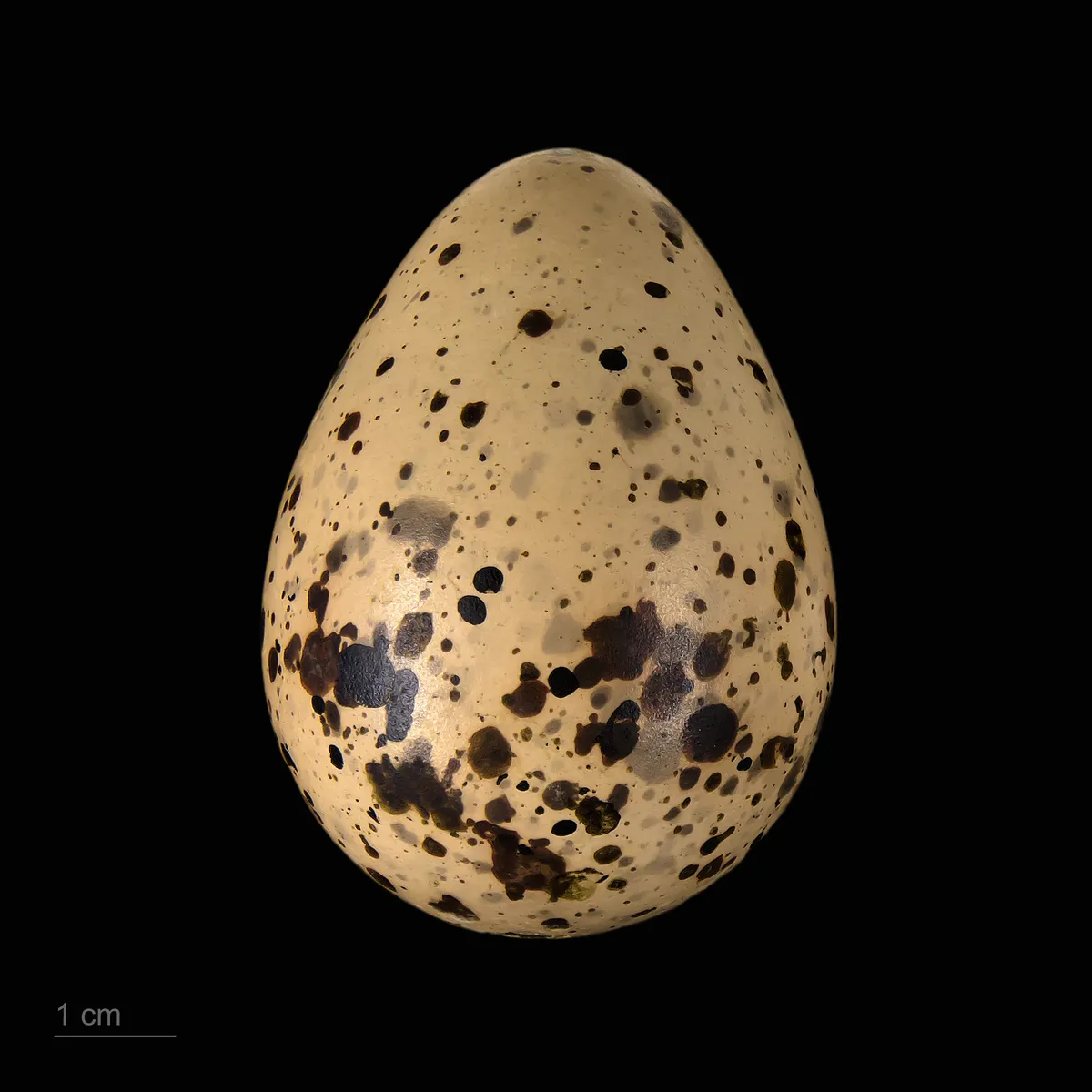
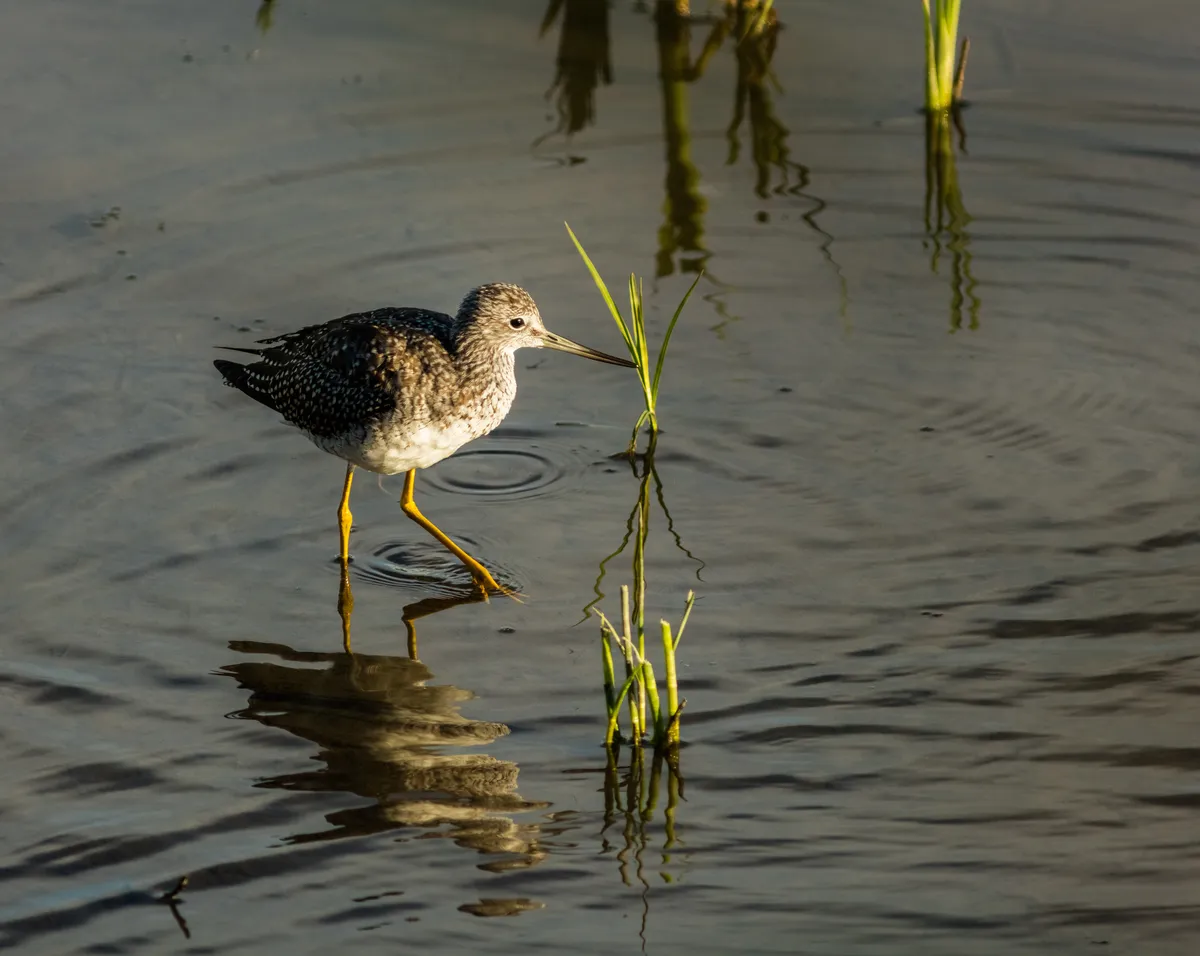
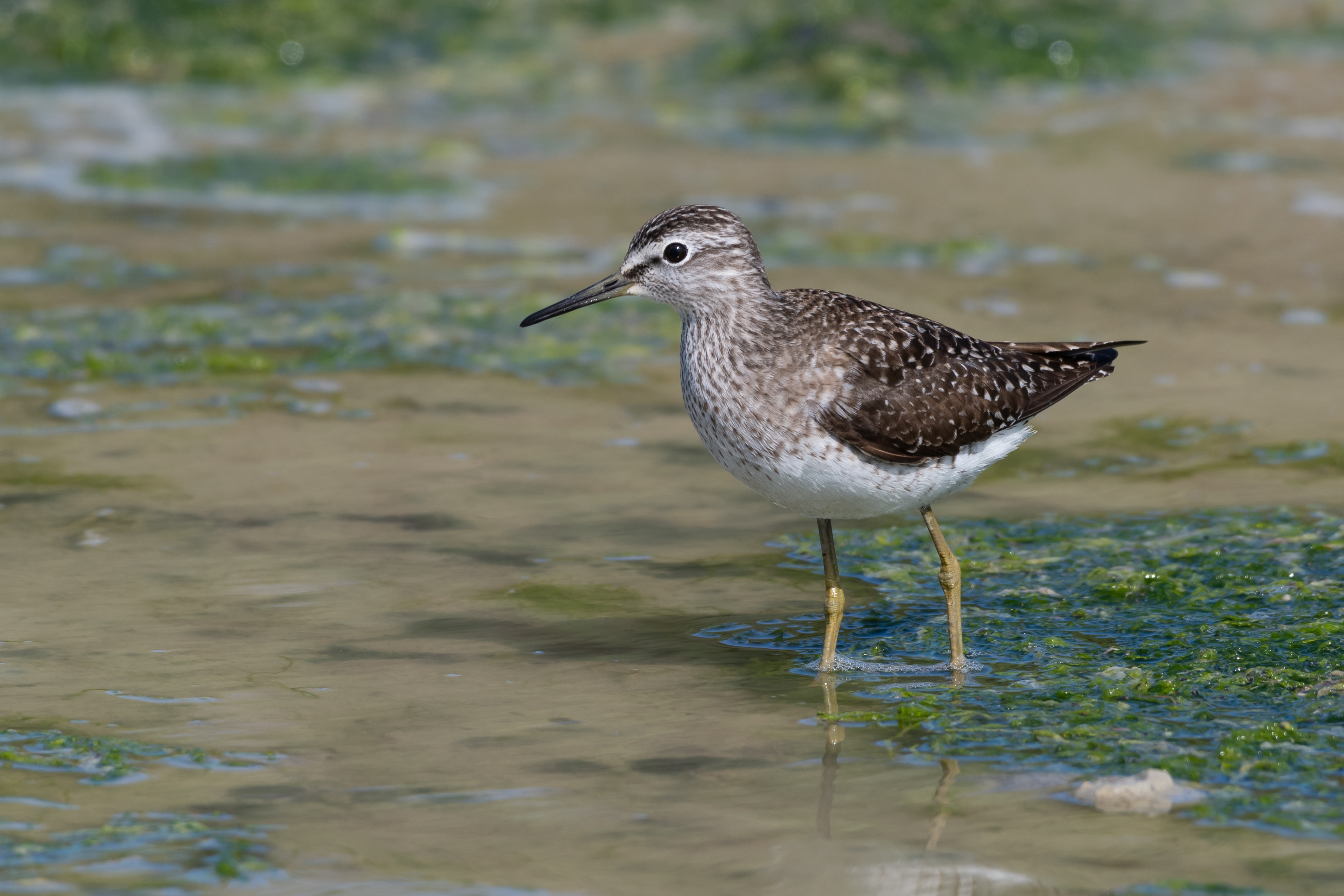
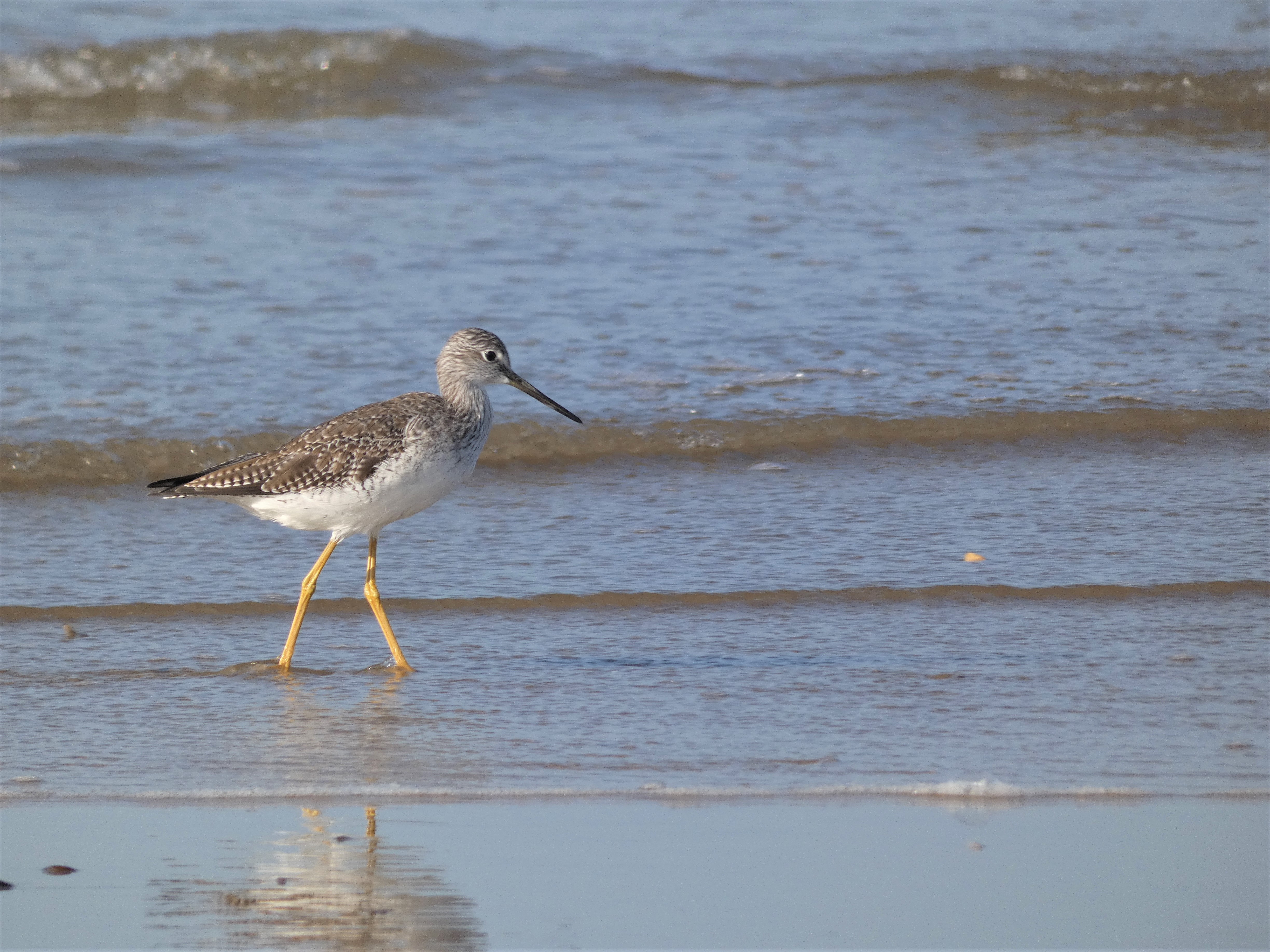
Large shorebird of the sandpiper family with distinctive black and white wing pattern during flight, distributed across coastal regions of North and South America.
Image Gallery
ADSENSE SLOT
Ecology & Habitat
Habitat
Coastal wetlands, salt marshes, mudflats, sandy beaches, estuaries, and inland prairie grasslands with shallow water bodies
Ecological Role
Key indicator species for coastal ecosystem health, plays significant role in marine invertebrate population control and wetland food web dynamics
Morphology
SKIN COATGray-brown plumage during non-breeding season, darker with distinctive black and white wing patterns during breeding season
LIMBS WINGSLong grayish-blue legs, semi-palmated feet for efficient movement in aquatic environments, broad wings for long-distance migration
HEAD SENSORYLarge eyes with excellent peripheral vision, sharp bill for precise foraging, keen spatial awareness
BODY STRUCTURERobust shorebird, approximately 35-43 cm in length, weighing 200-350 grams, with long legs and sturdy bill adapted for probing soft sediments