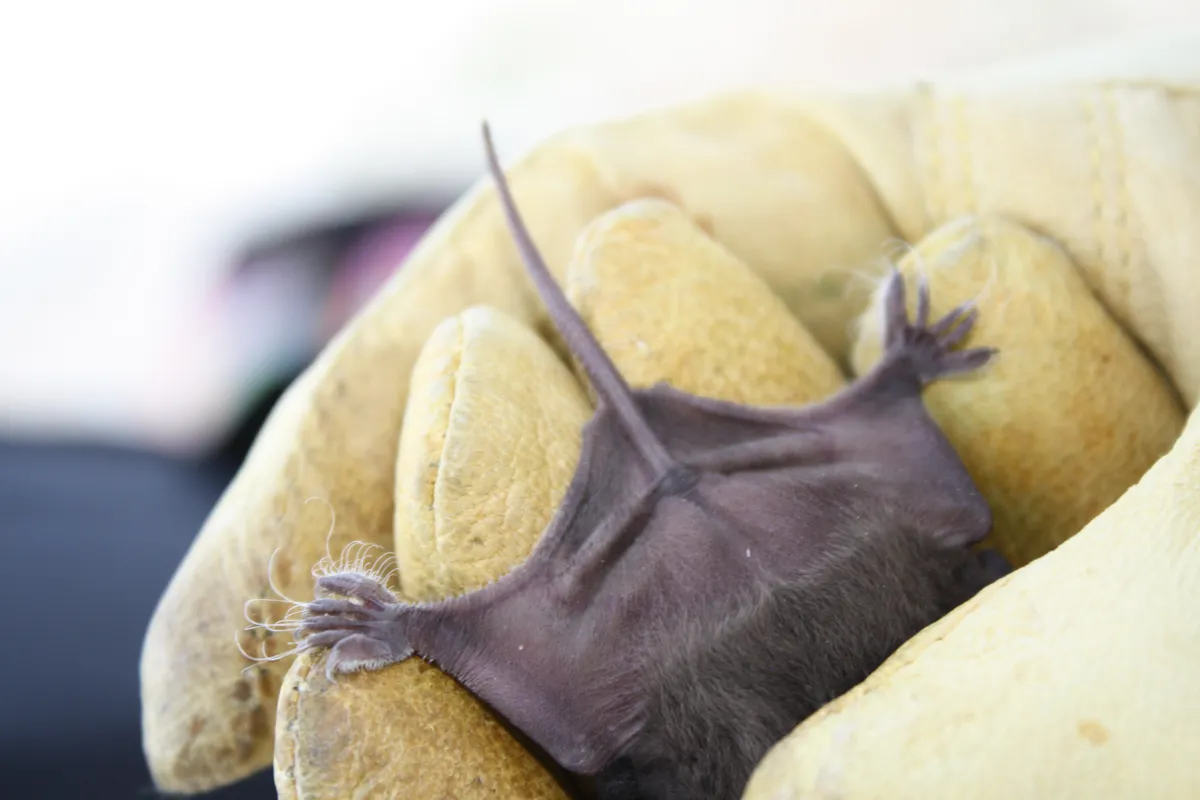
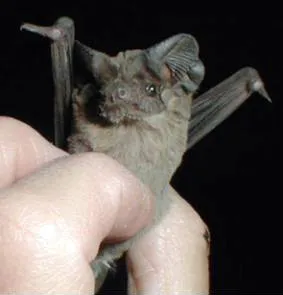
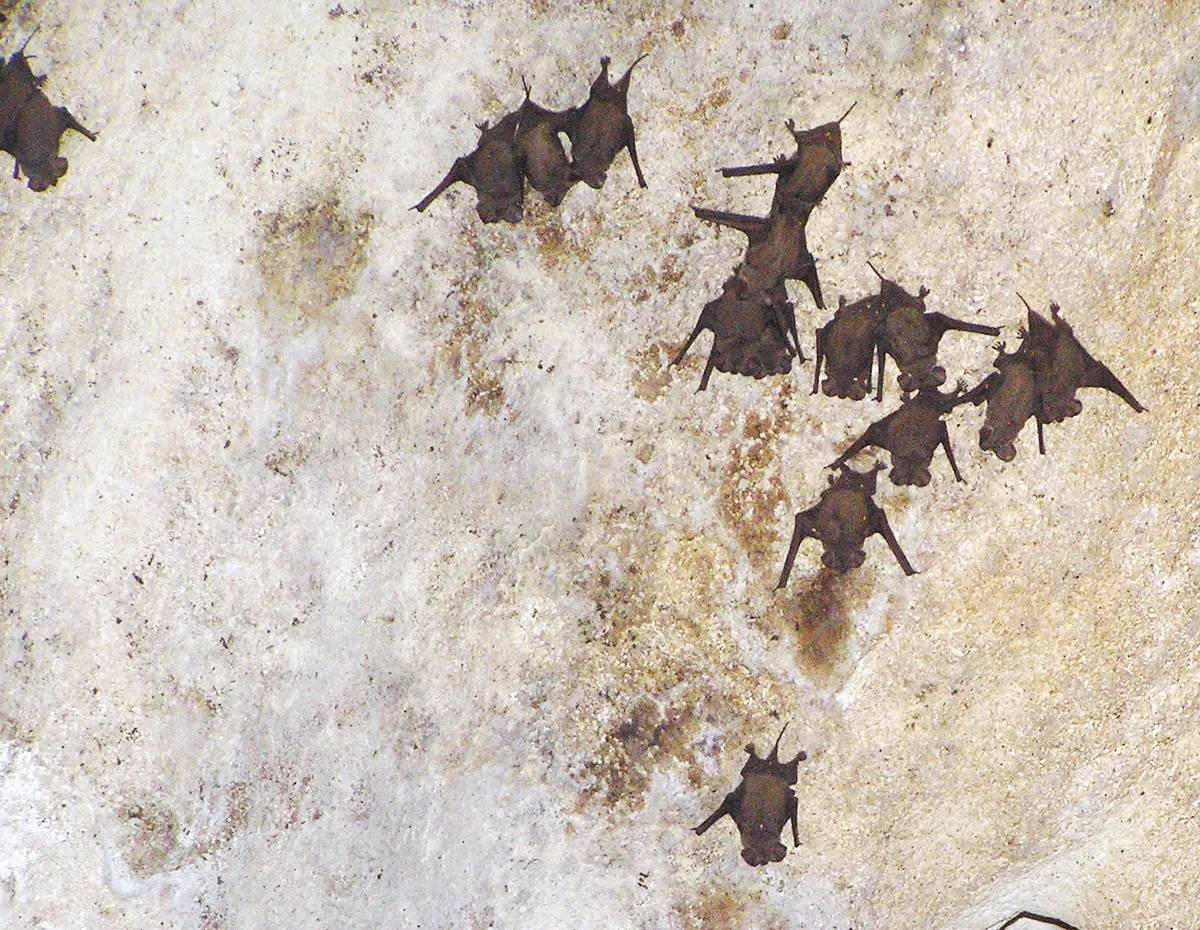
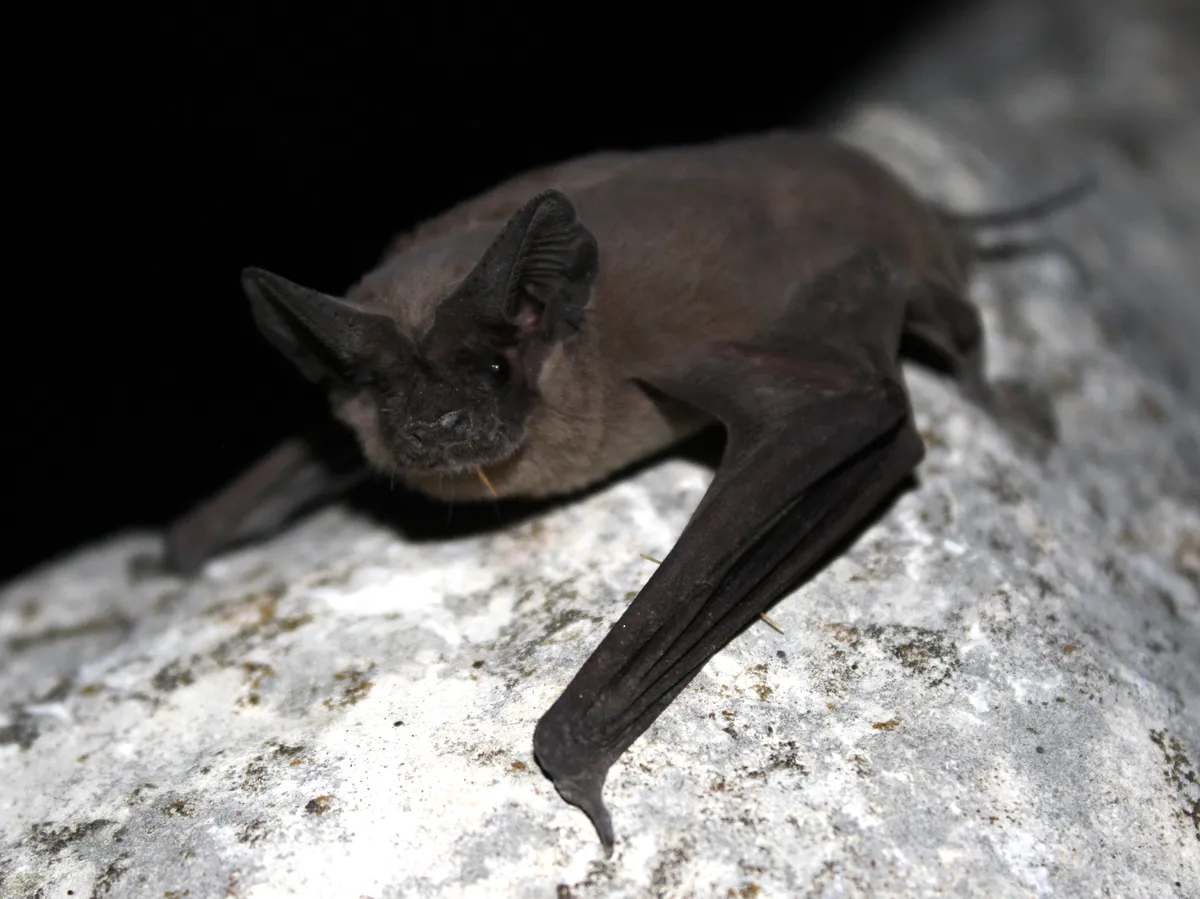
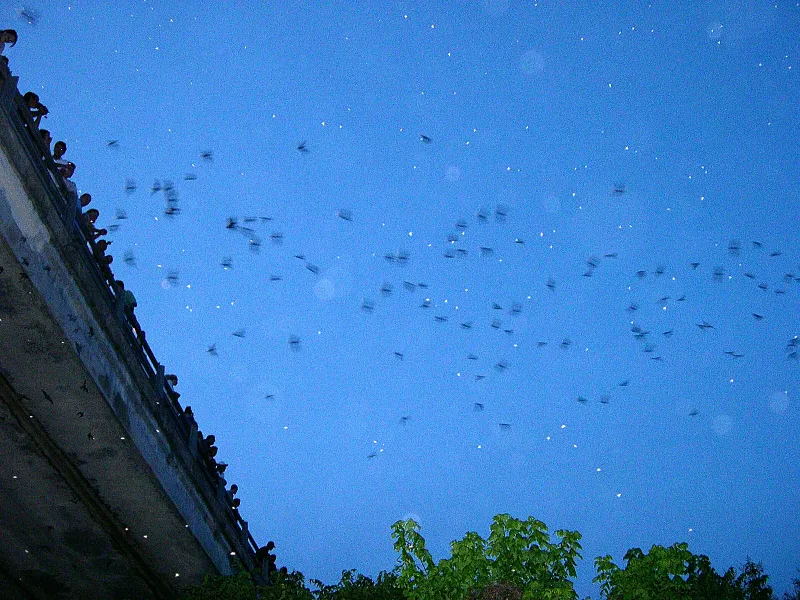
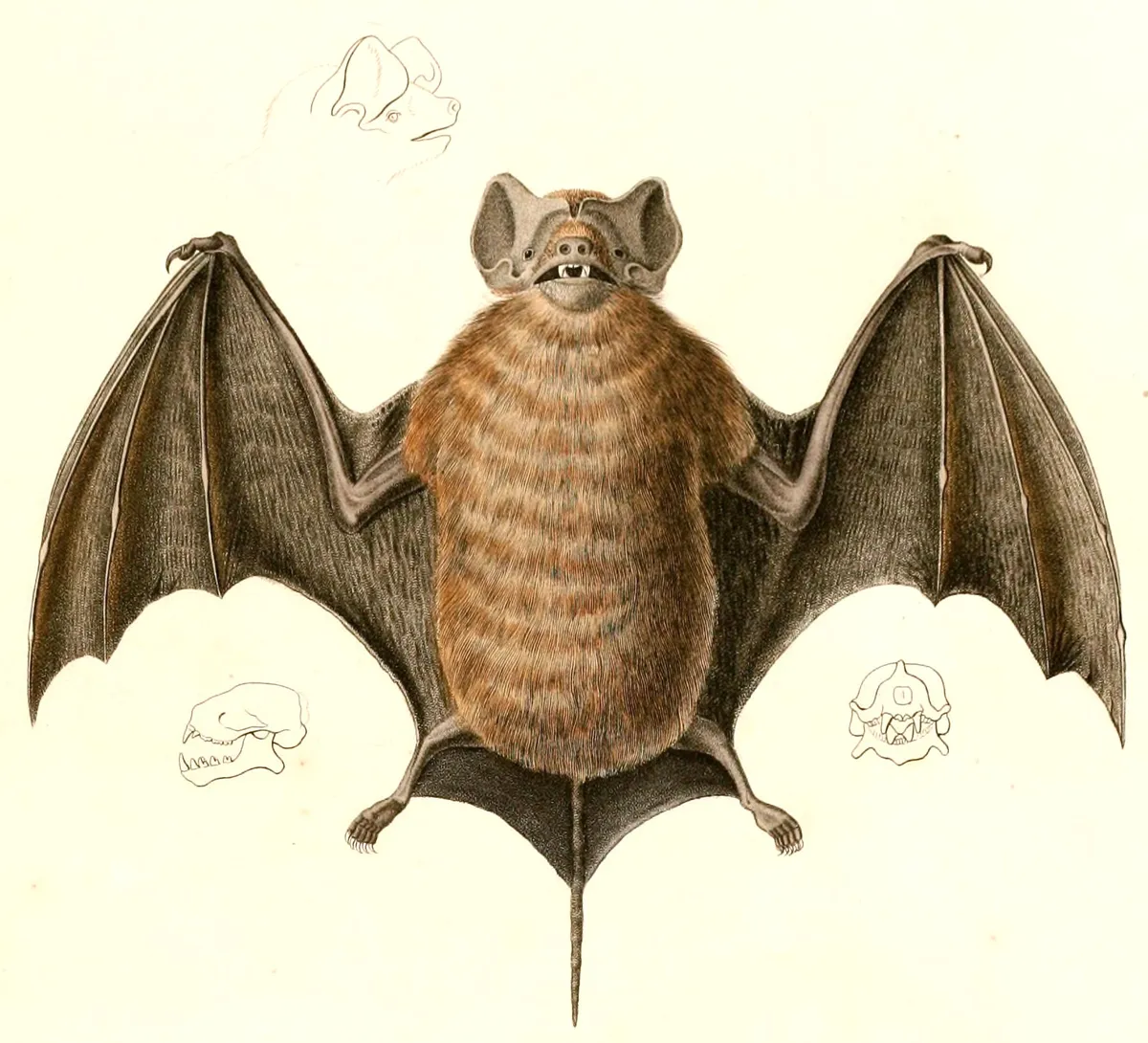
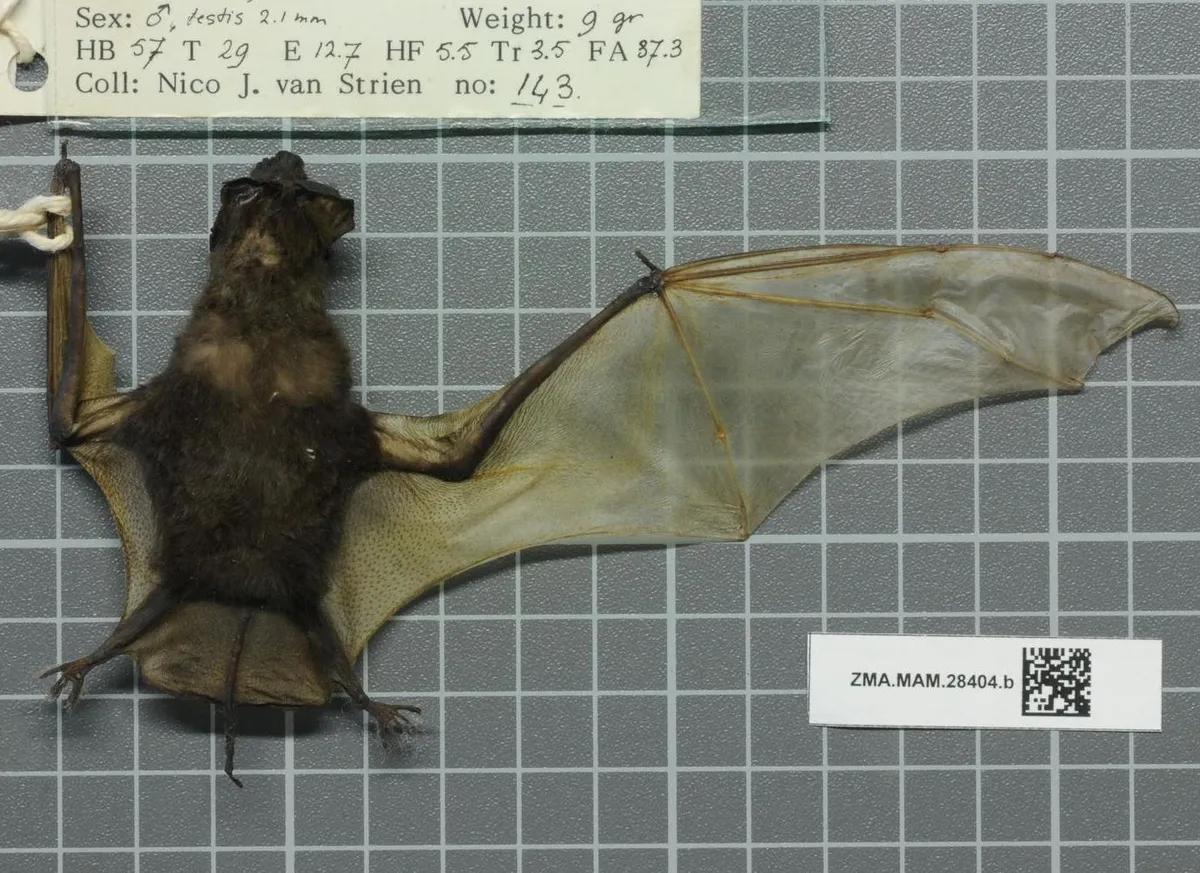
A highly adaptive, small chiropteran species distributed across the Americas, known for its remarkable aerial capabilities and extensive migratory behavior.
Image Gallery
ADSENSE SLOT
Ecology & Habitat
Habitat
Diverse ecosystems ranging from tropical and subtropical forests, grasslands, urban environments, caves, buildings, and agricultural landscapes across North, Central, and South America
Ecological Role
Critical insectivore playing a significant role in agricultural pest control, consuming massive quantities of nocturnal insects and contributing to ecosystem balance
Morphology
SKIN COATDark brown to grayish fur, smooth and dense, providing thermal regulation and aerodynamic efficiency
LIMBS WINGSLong, narrow wings enabling exceptional flight speeds up to 160 km/h, making it one of the fastest flying mammals
HEAD SENSORYPronounced ears, sophisticated echolocation capabilities, keen auditory and ultrasonic detection systems
BODY STRUCTURESmall bat with streamlined body, approximately 9-13 cm in length, weighing 11-14 grams, adapted for high-speed aerial navigation
Data Source: TaxonHub Database
Image Credit: U.S. Fish and Wildlife Service Headquarters