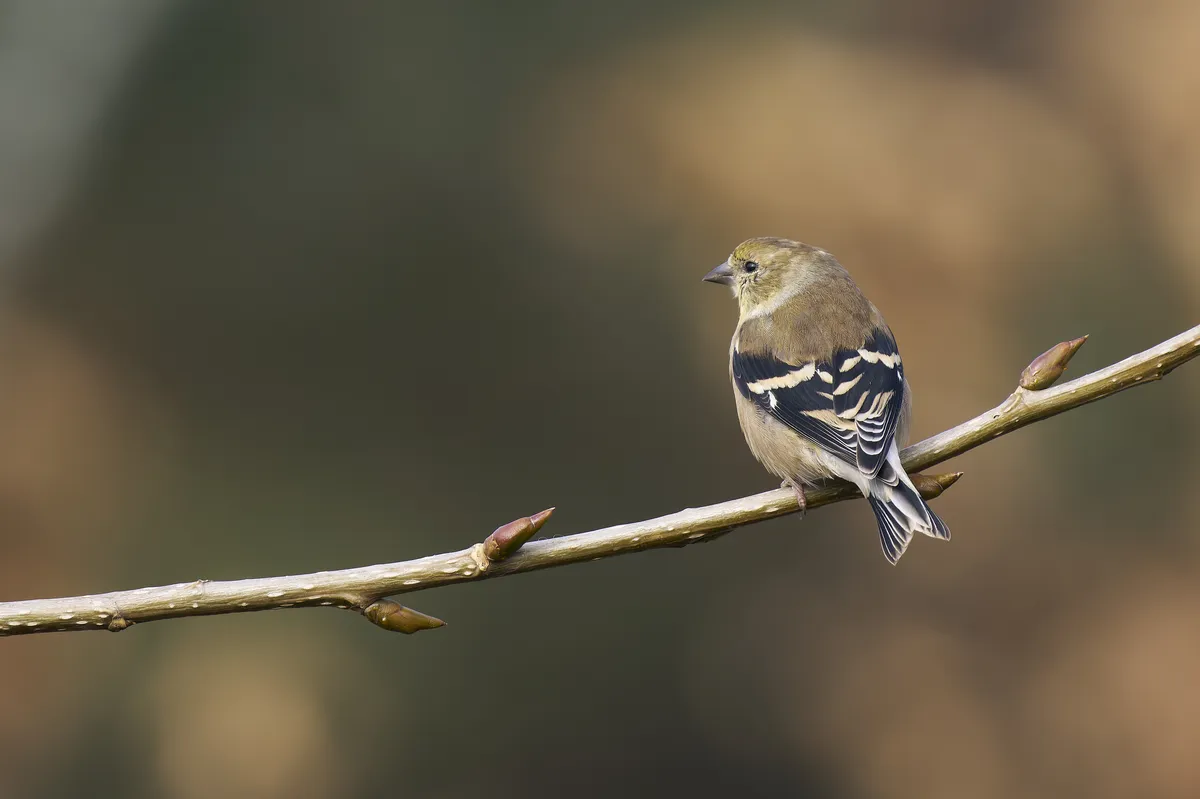
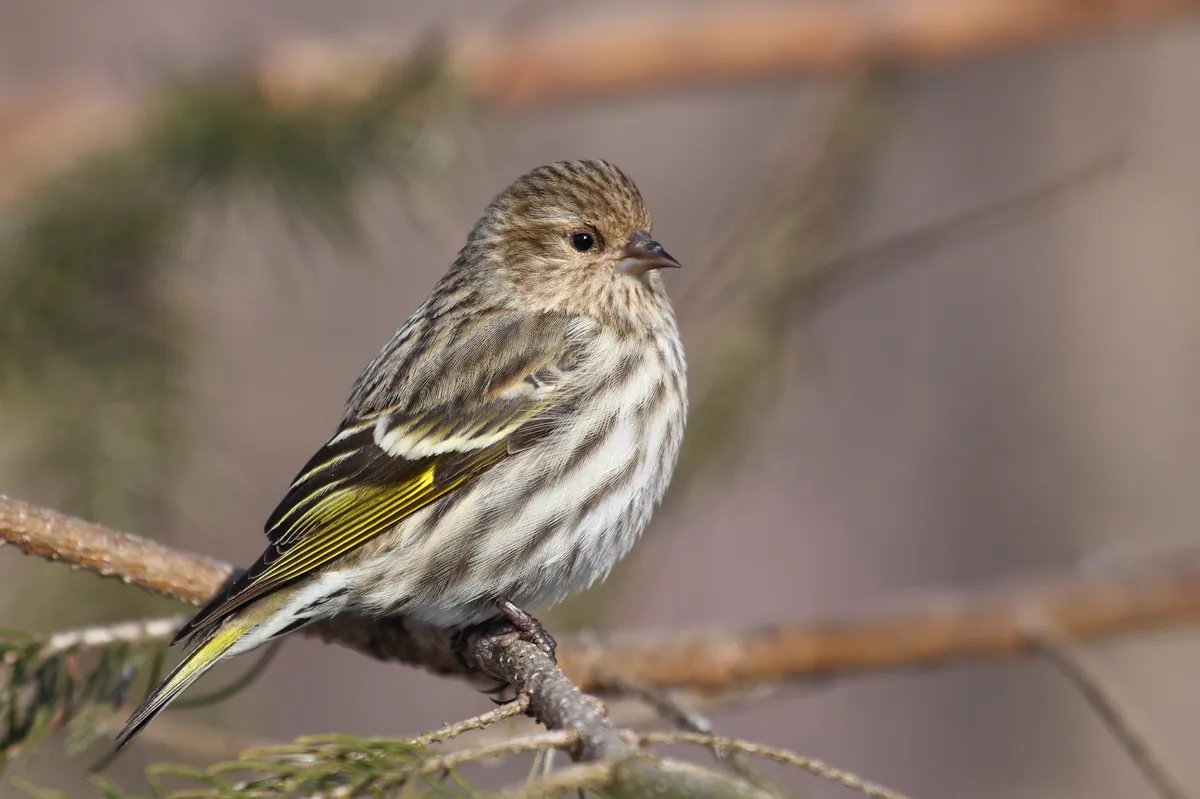
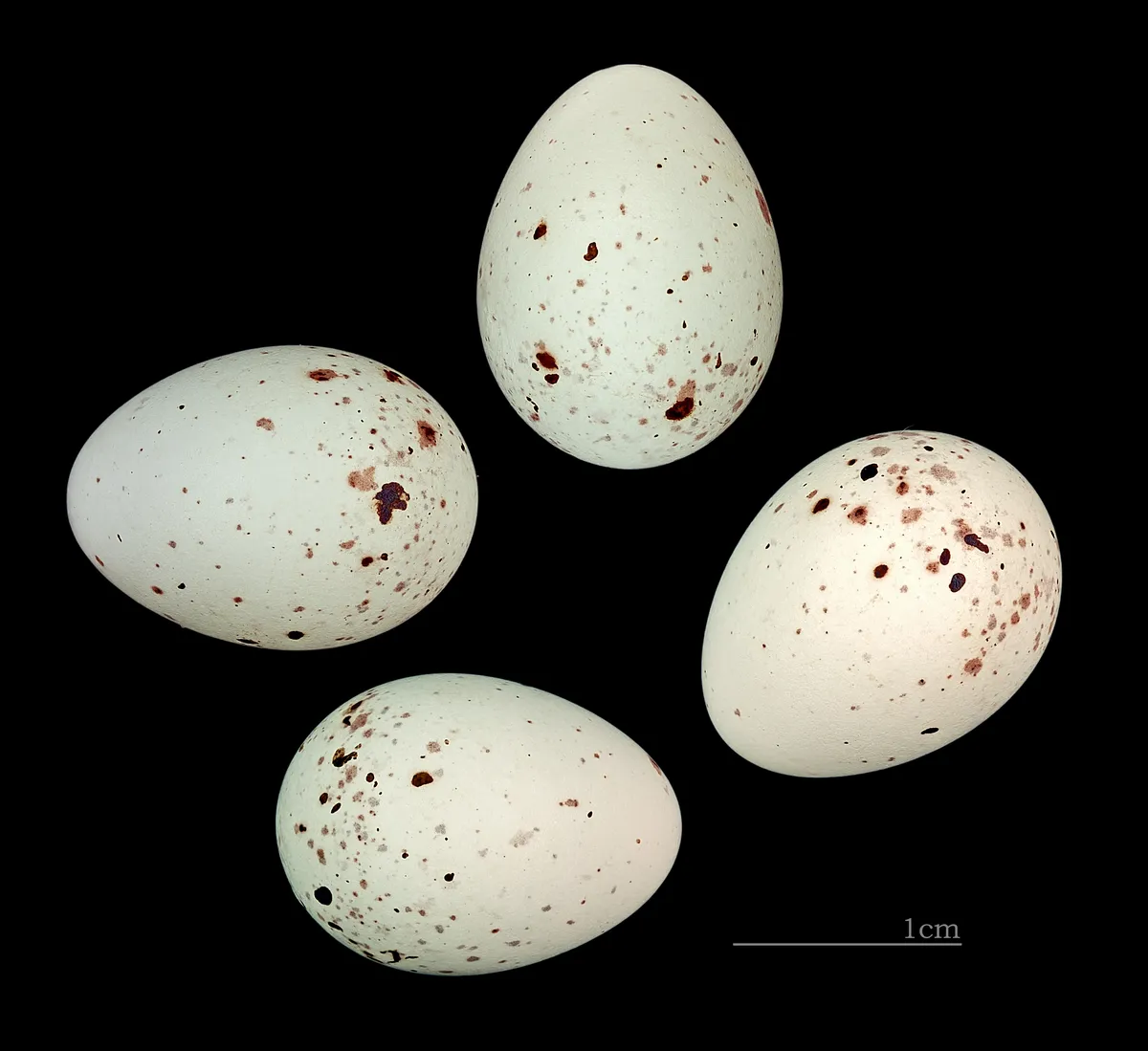
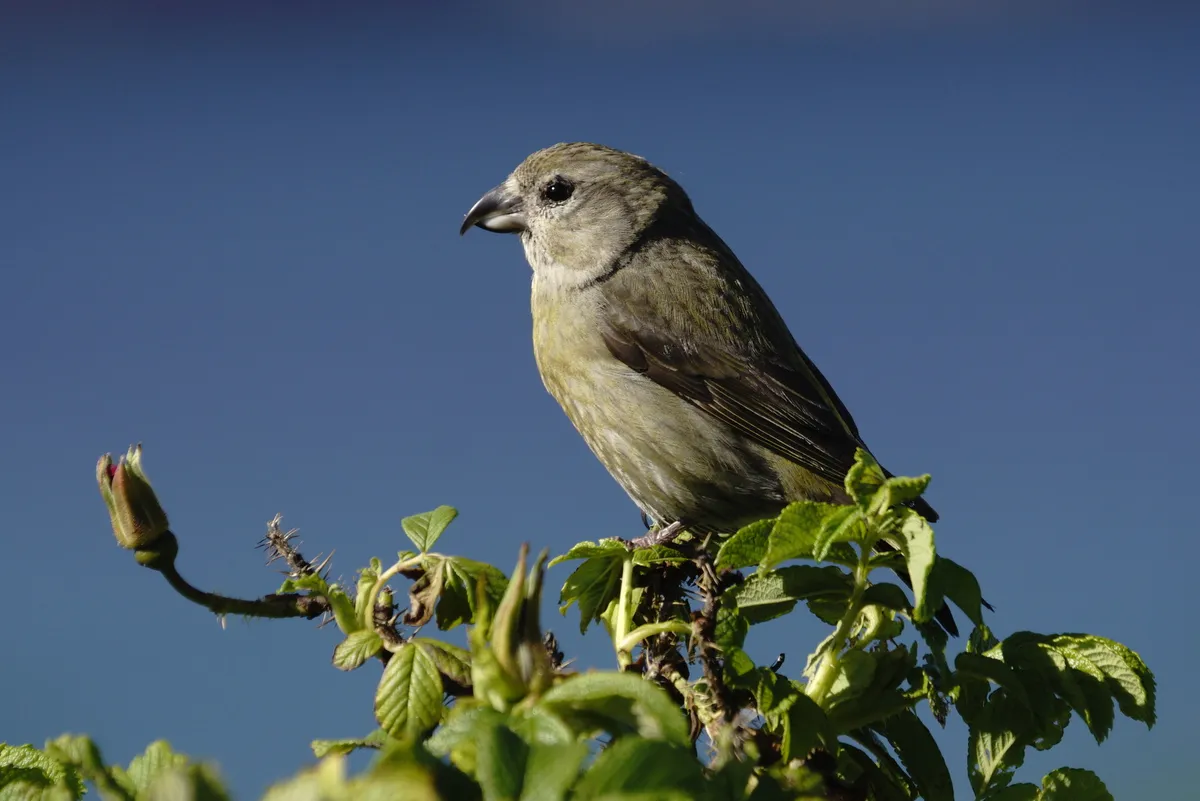
Small passerine bird native to North America, characterized by vibrant plumage and distinctive behavioral patterns. Belongs to the finch family Fringillidae, known for seed-eating adaptations and melodic vocalizations.
Image Gallery
ADSENSE SLOT
Ecology & Habitat
Habitat
Widespread across open woodlands, meadows, gardens, and suburban environments in North America. Prefers areas with abundant seed-producing plants and proximity to water sources.
Ecological Role
Critical seed dispersal agent, pollinator, and indicator species for ecosystem health. Plays significant role in controlling insect populations and maintaining plant biodiversity.
Morphology
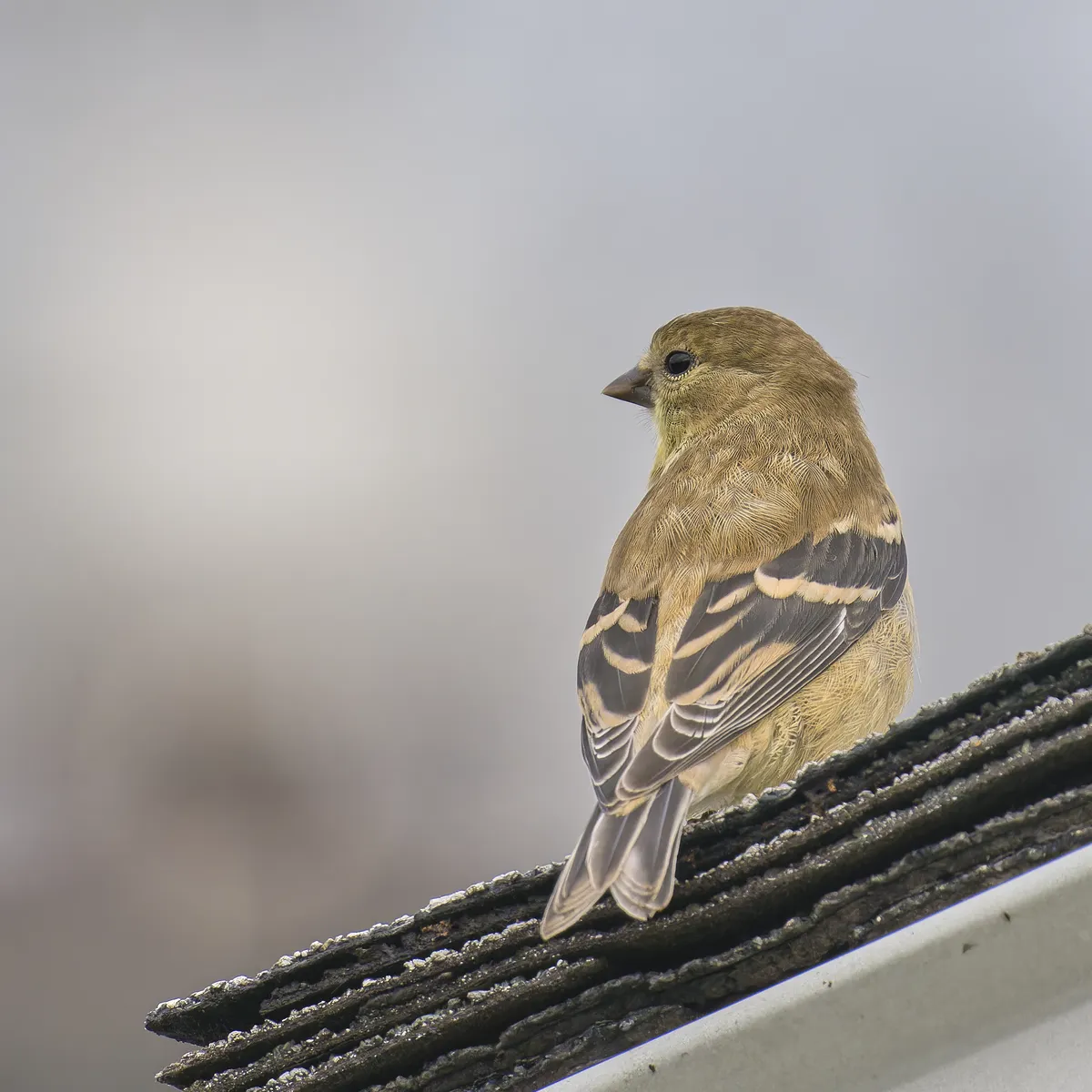
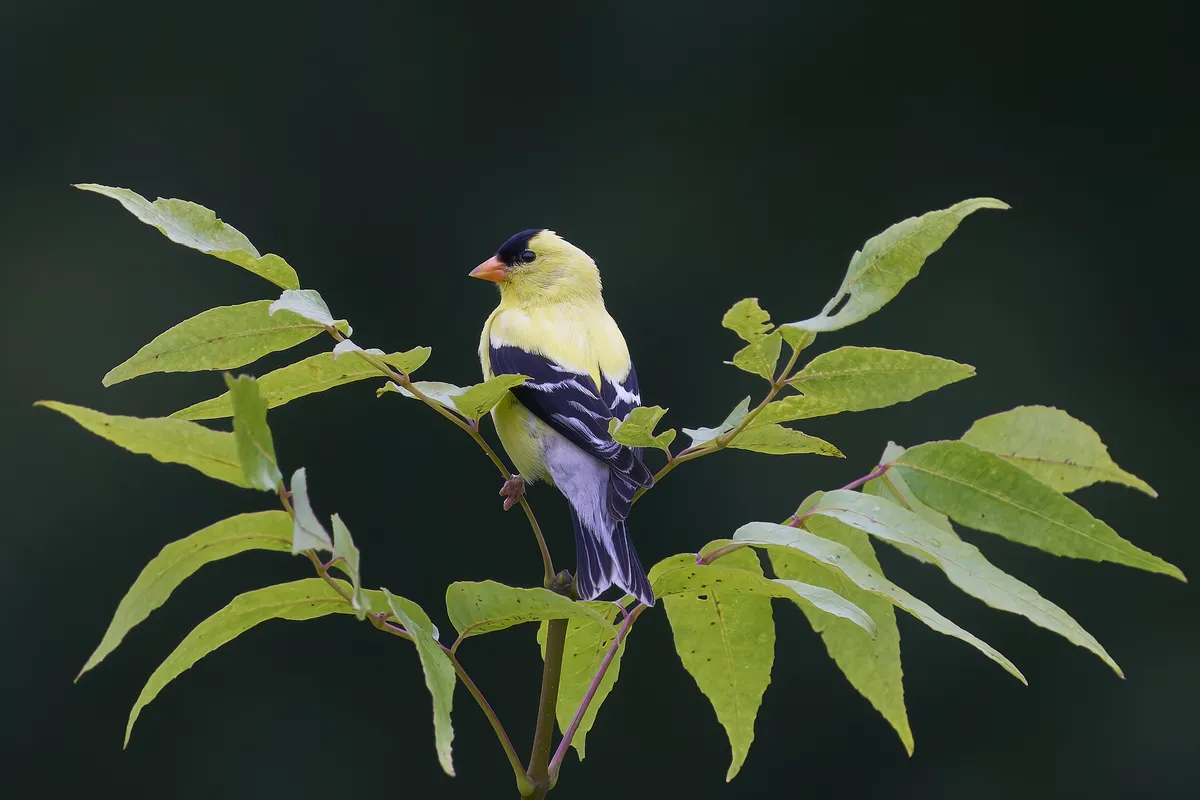
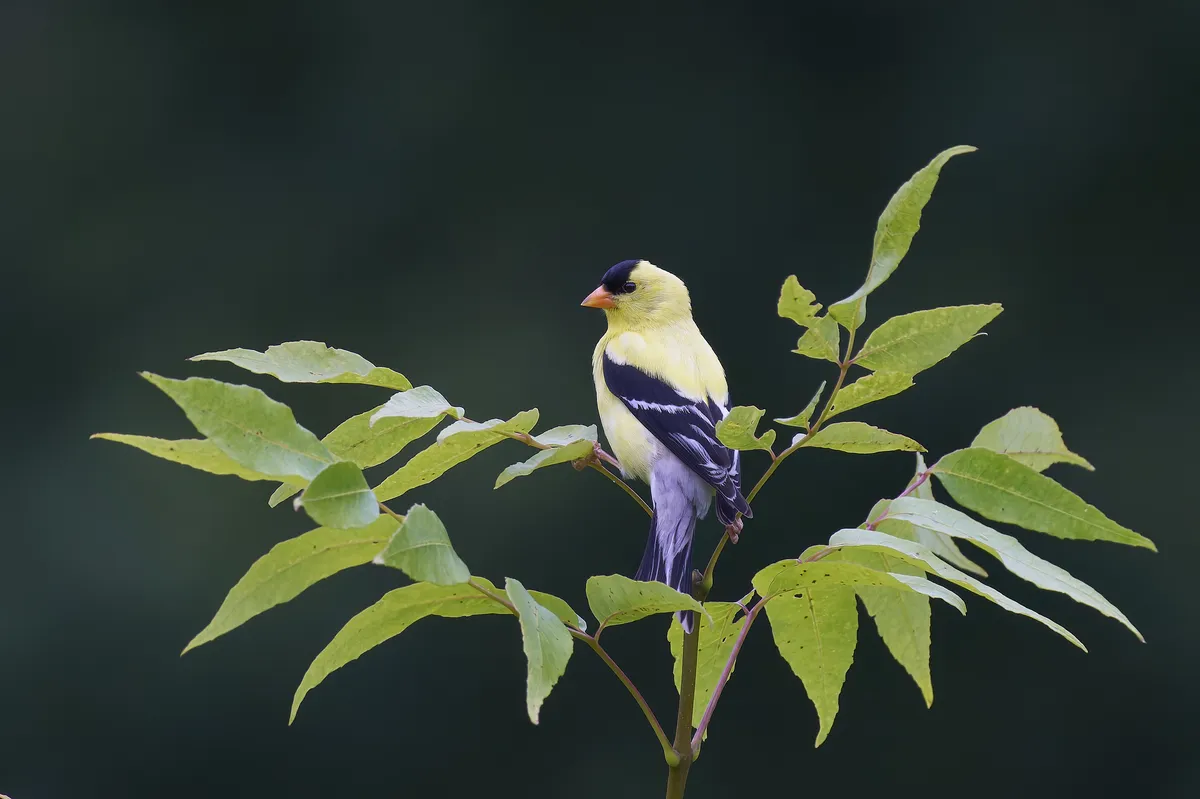
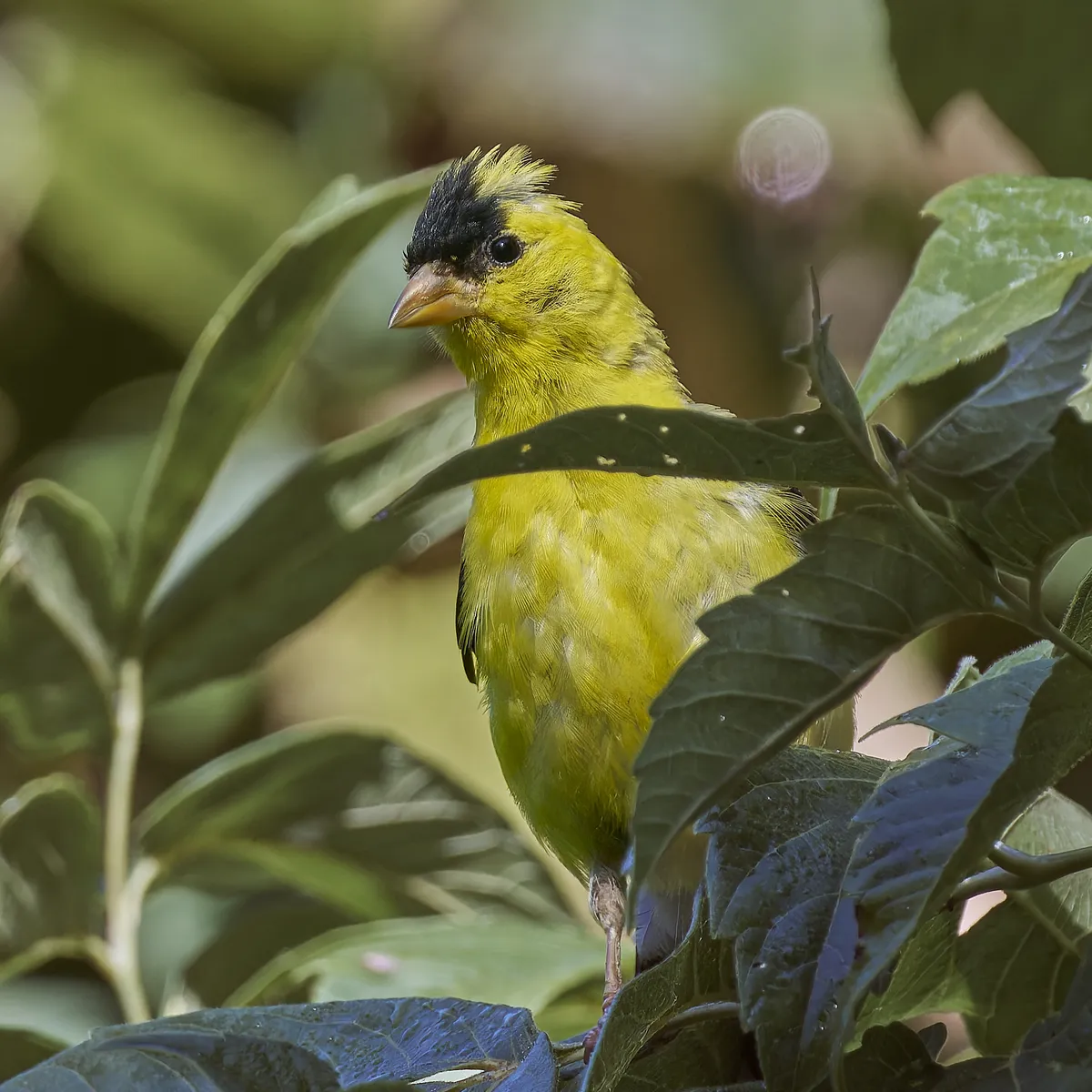
SKIN COATSeasonal plumage changes; bright yellow with black wings in breeding male, olive-brown in female and non-breeding male.
LIMBS WINGSRelatively short, strong legs for perching. Wings are pointed and enable agile, quick flight patterns.
HEAD SENSORYLarge eyes, small rounded head with excellent visual acuity. Capable of detecting predators and navigating complex environments.
BODY STRUCTURESmall songbird, approximately 11-13 cm in length, weighing 11-20 g. Compact body with conical beak adapted for seed consumption.
Data Source: TaxonHub Database
Image Credit: Paul Danese