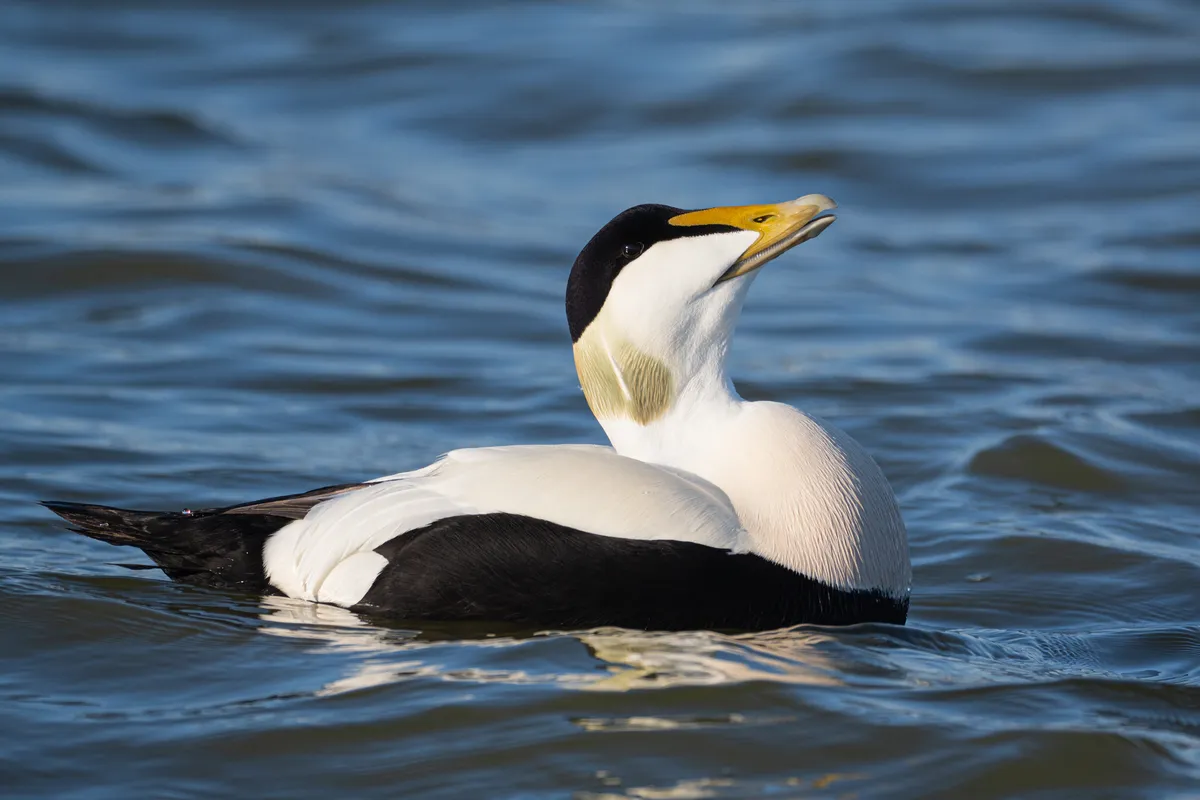
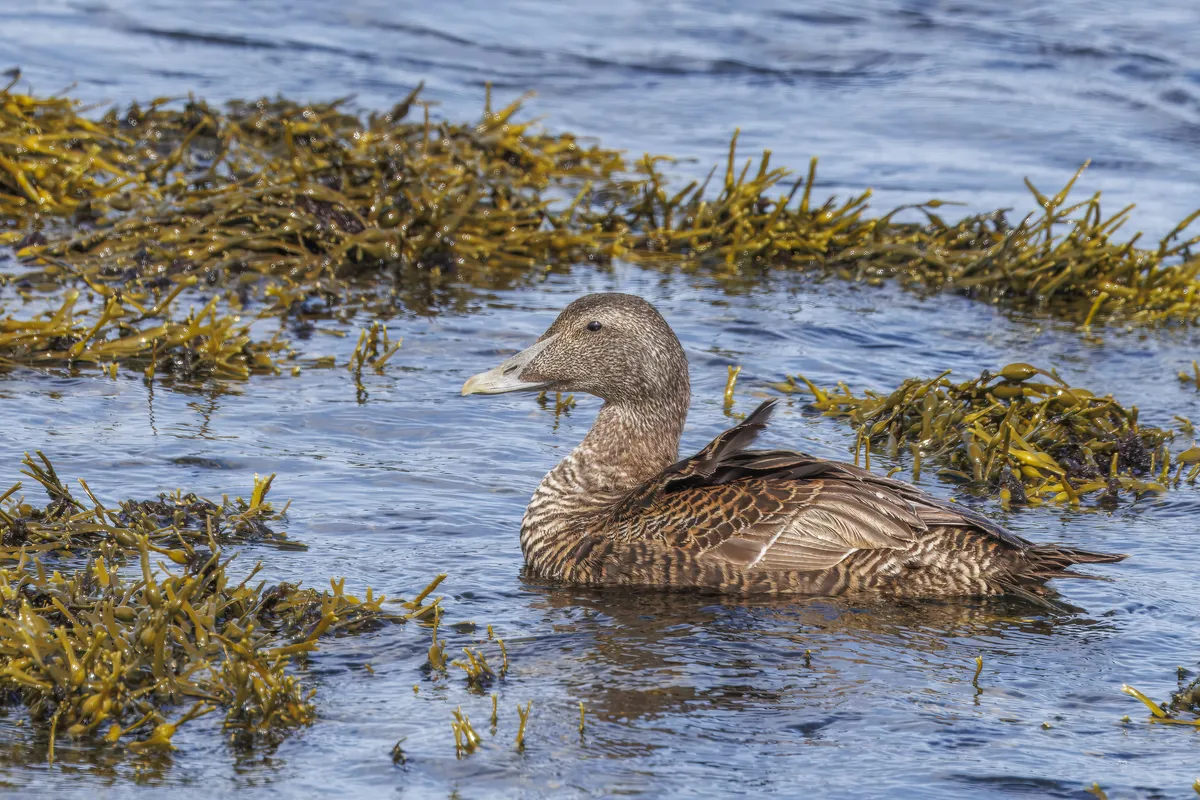
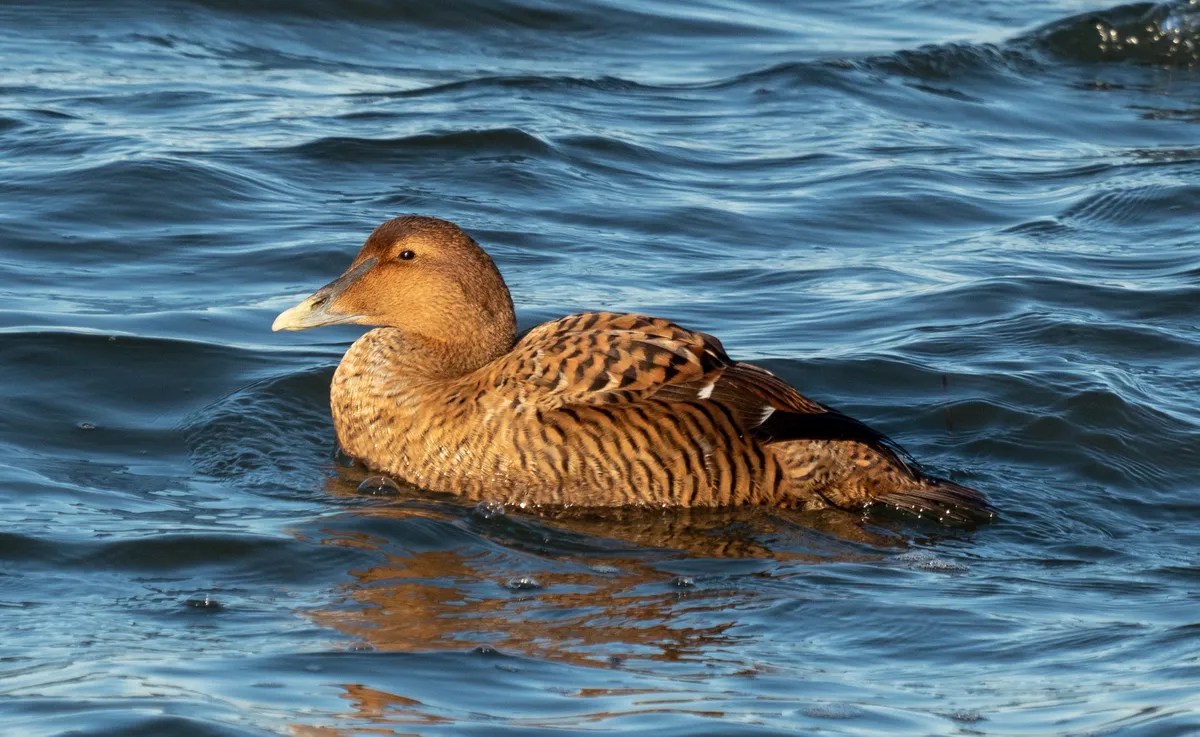
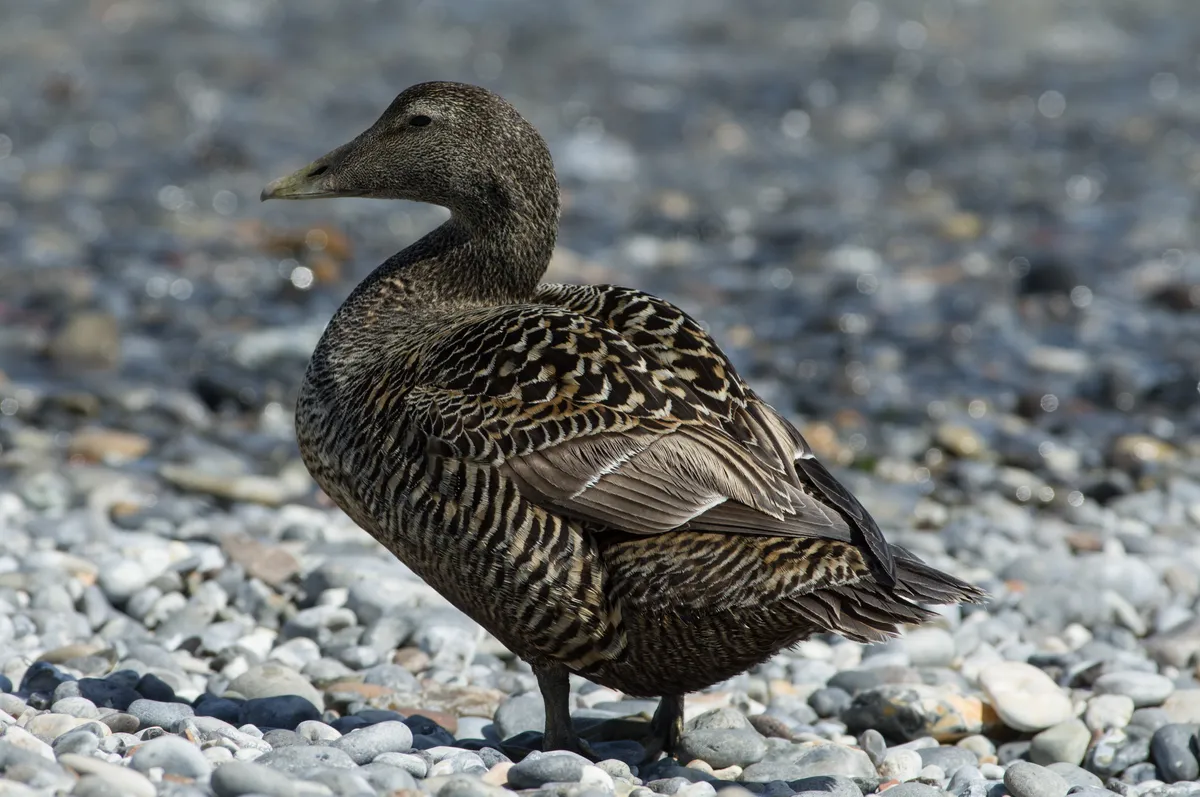
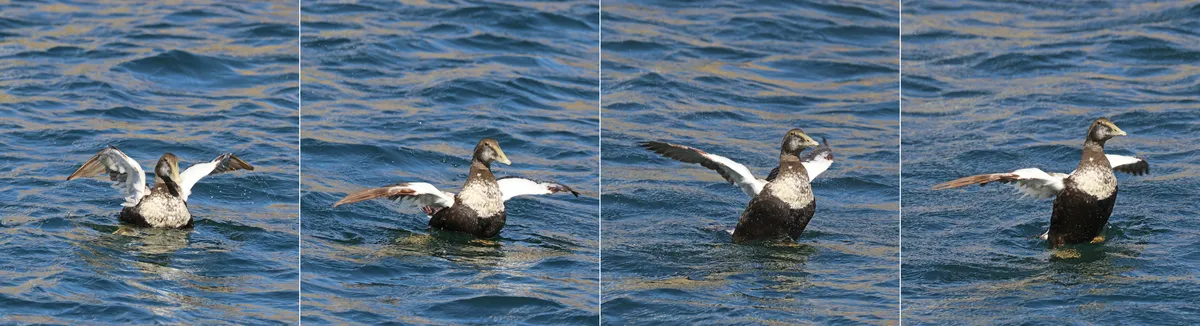
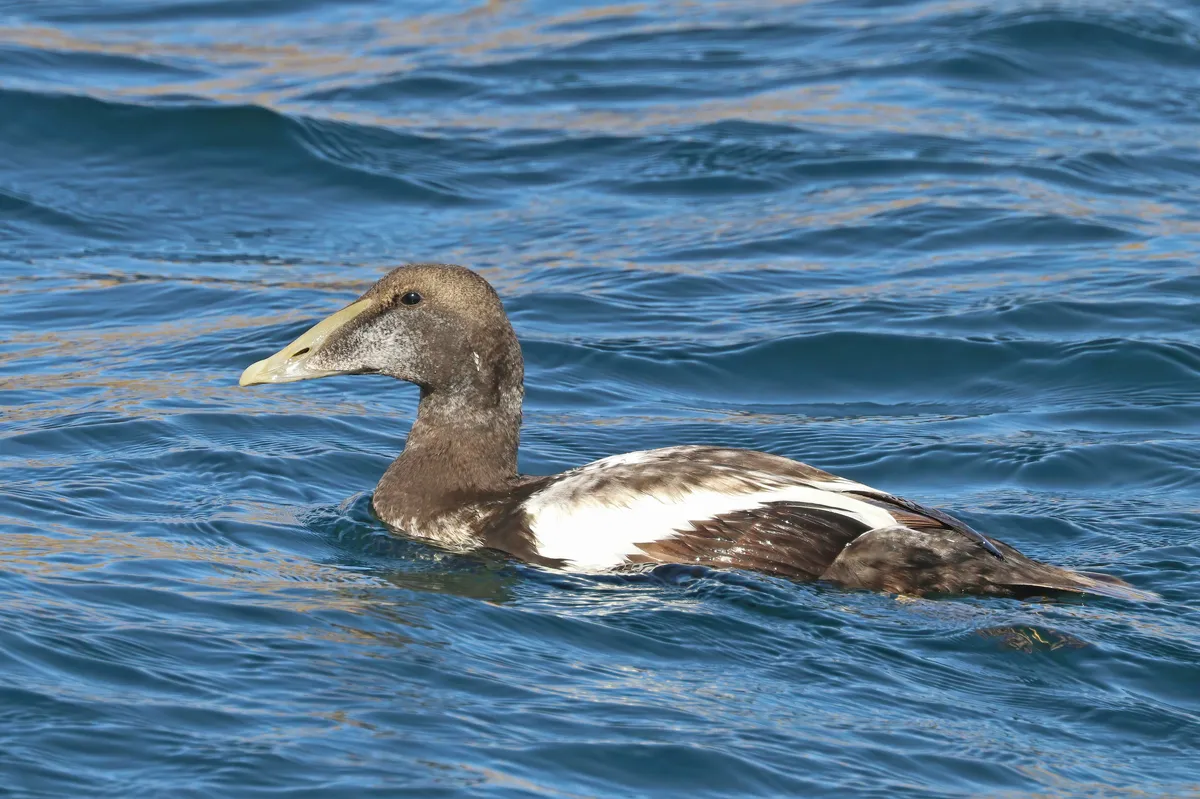
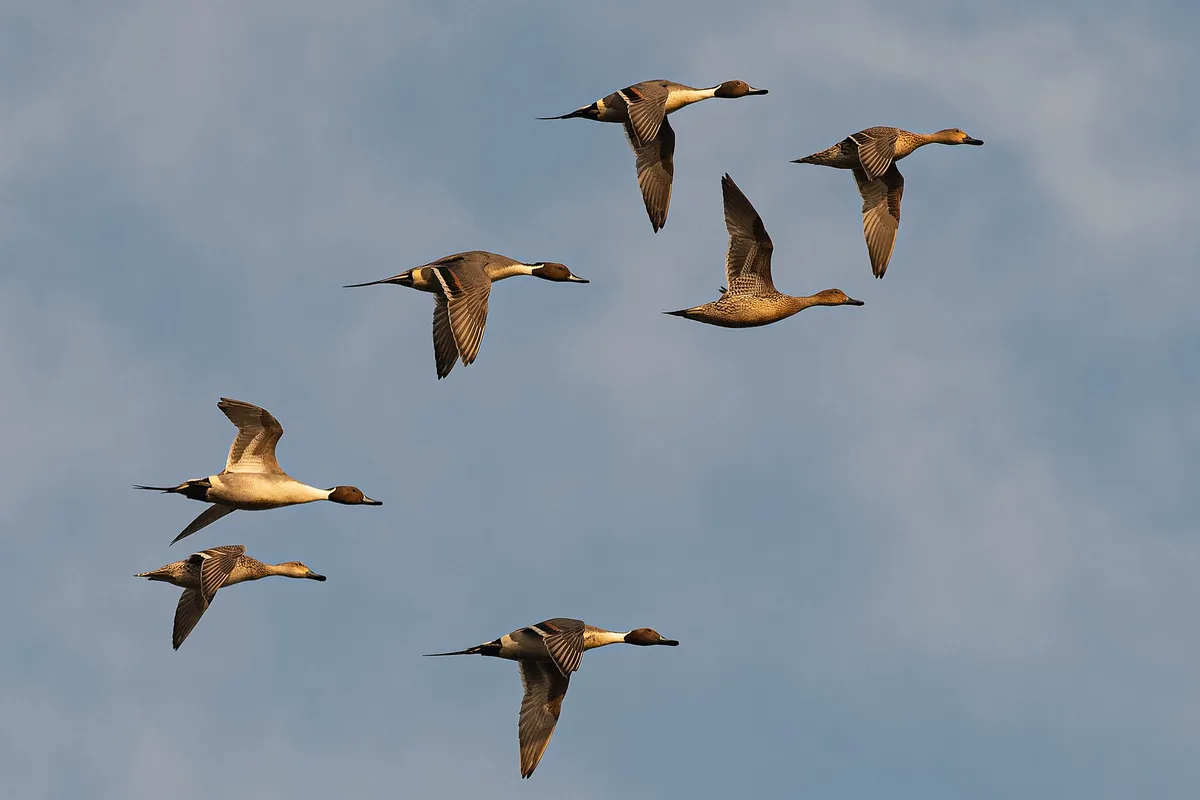
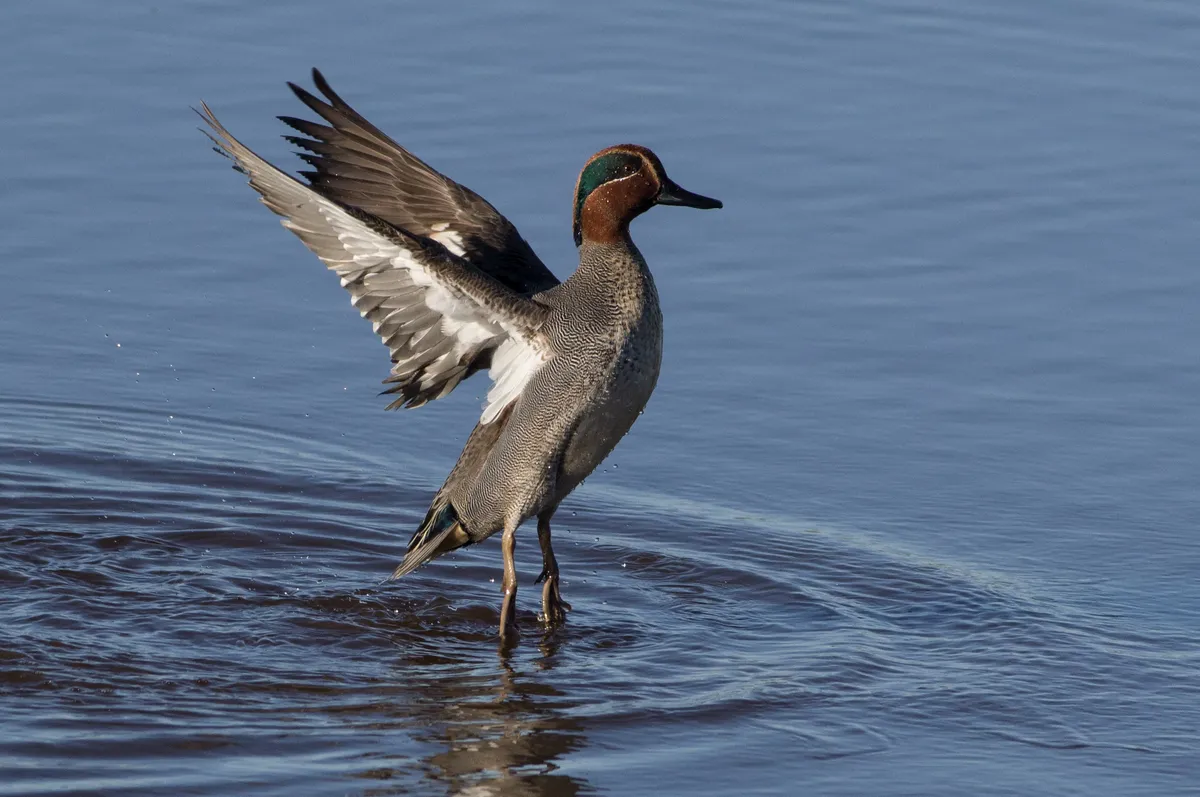
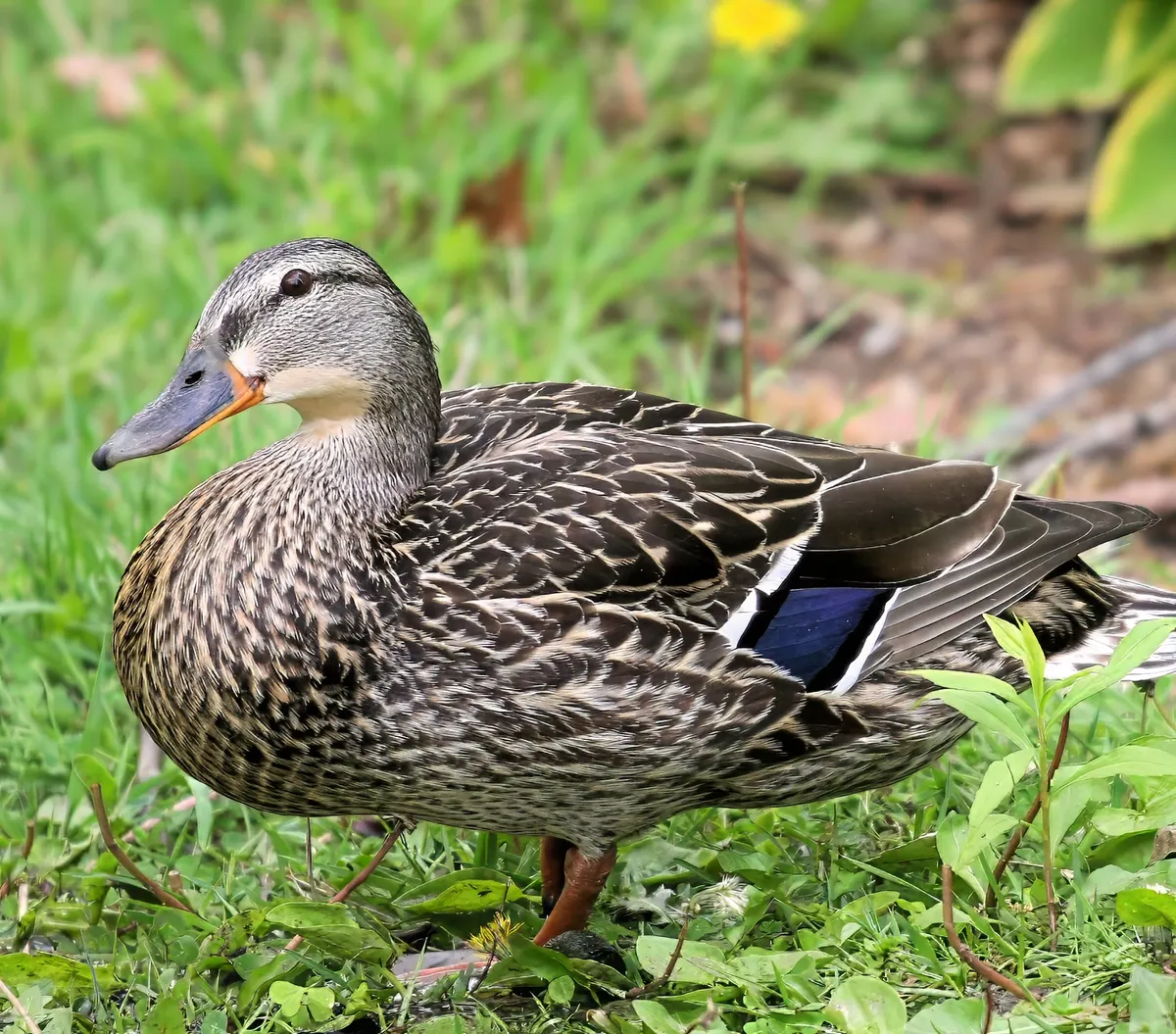
Large sea duck native to coastal regions of the North Atlantic and North Pacific, characterized by its robust build and specialized marine adaptations.
Image Gallery
ADSENSE SLOT
Ecology & Habitat
Habitat
Rocky coastal shores, Arctic and subarctic marine environments, including rocky islands, coastal cliffs, and marine tundra regions with proximity to ocean ecosystems.
Ecological Role
Key species in marine food webs, controlling invertebrate populations, serving as prey for predators, and contributing to coastal ecosystem dynamics.
Morphology
SKIN COATDense, insulating plumage with thick down layer providing exceptional cold water protection
LIMBS WINGSStrong, streamlined wings enabling efficient marine flight and diving, webbed feet for powerful swimming
HEAD SENSORYLarge, rounded head with distinctive bill adapted for marine foraging, keen vision for underwater prey detection
BODY STRUCTURELarge, heavy-bodied sea duck measuring 50-71 cm in length, with males weighing 1.2-2.5 kg and females 0.9-2.0 kg
Data Source: TaxonHub Database
Image Credit: Hobbyfotowiki