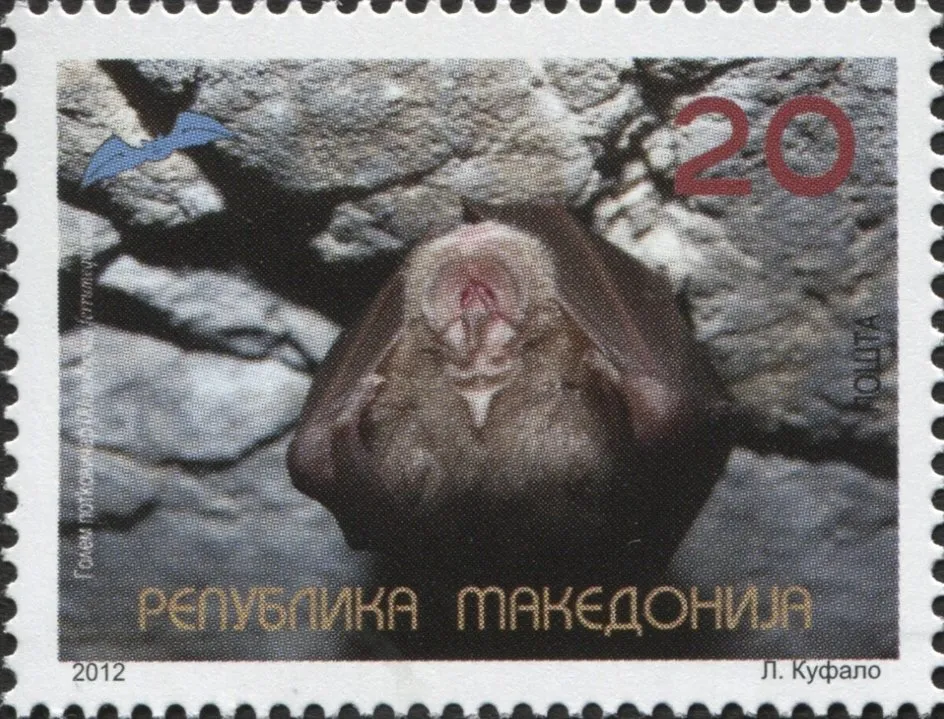
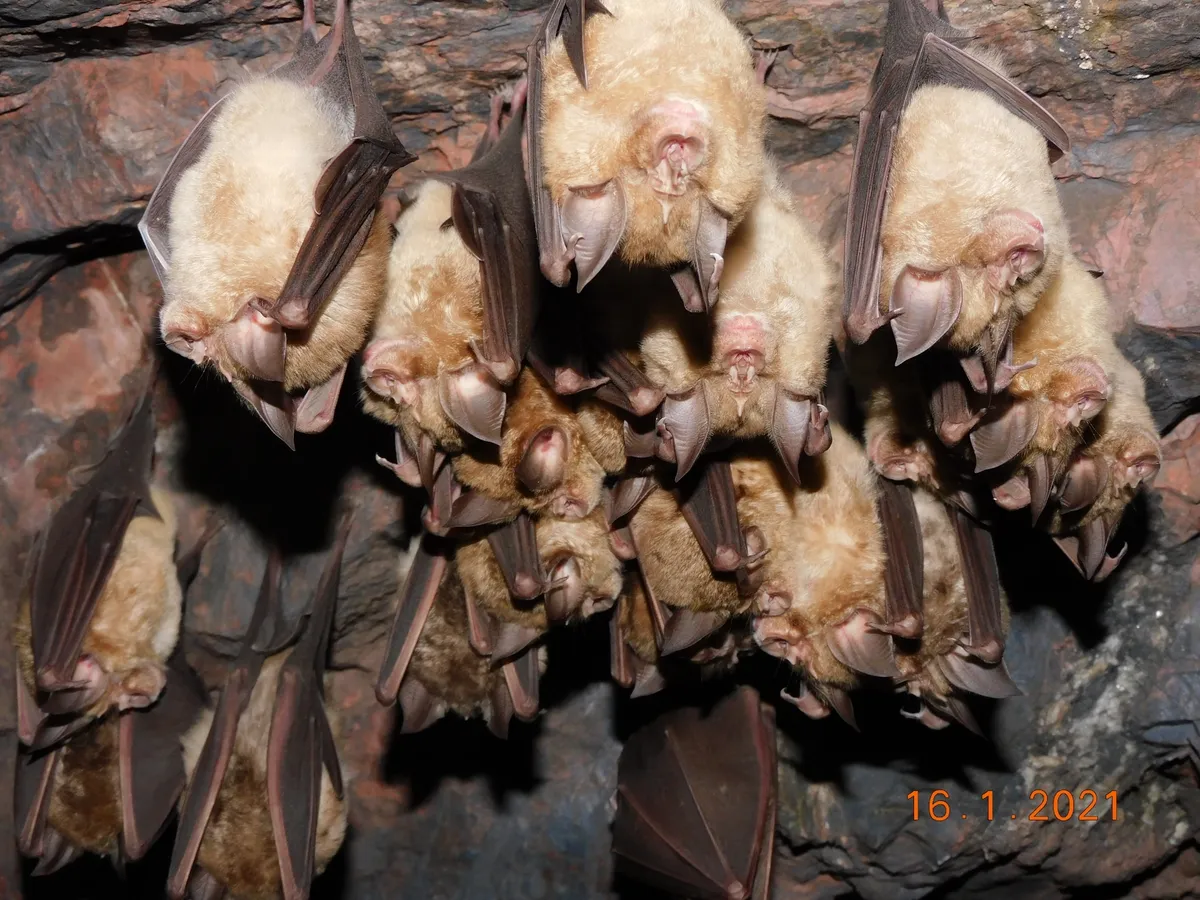
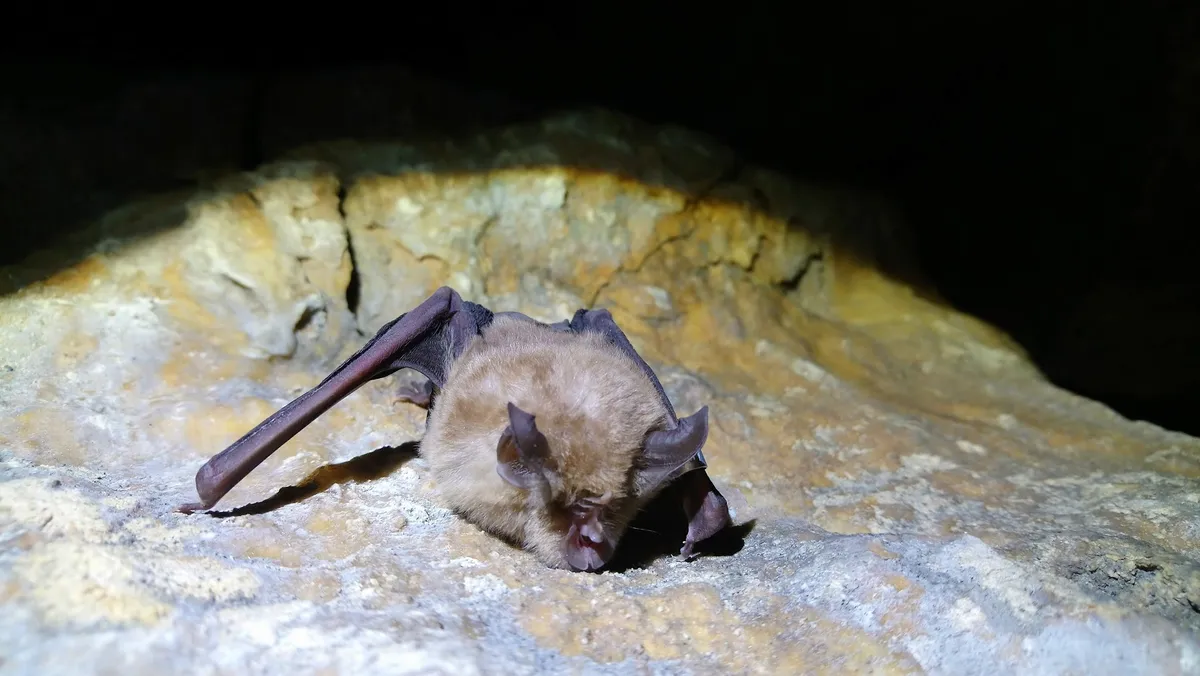
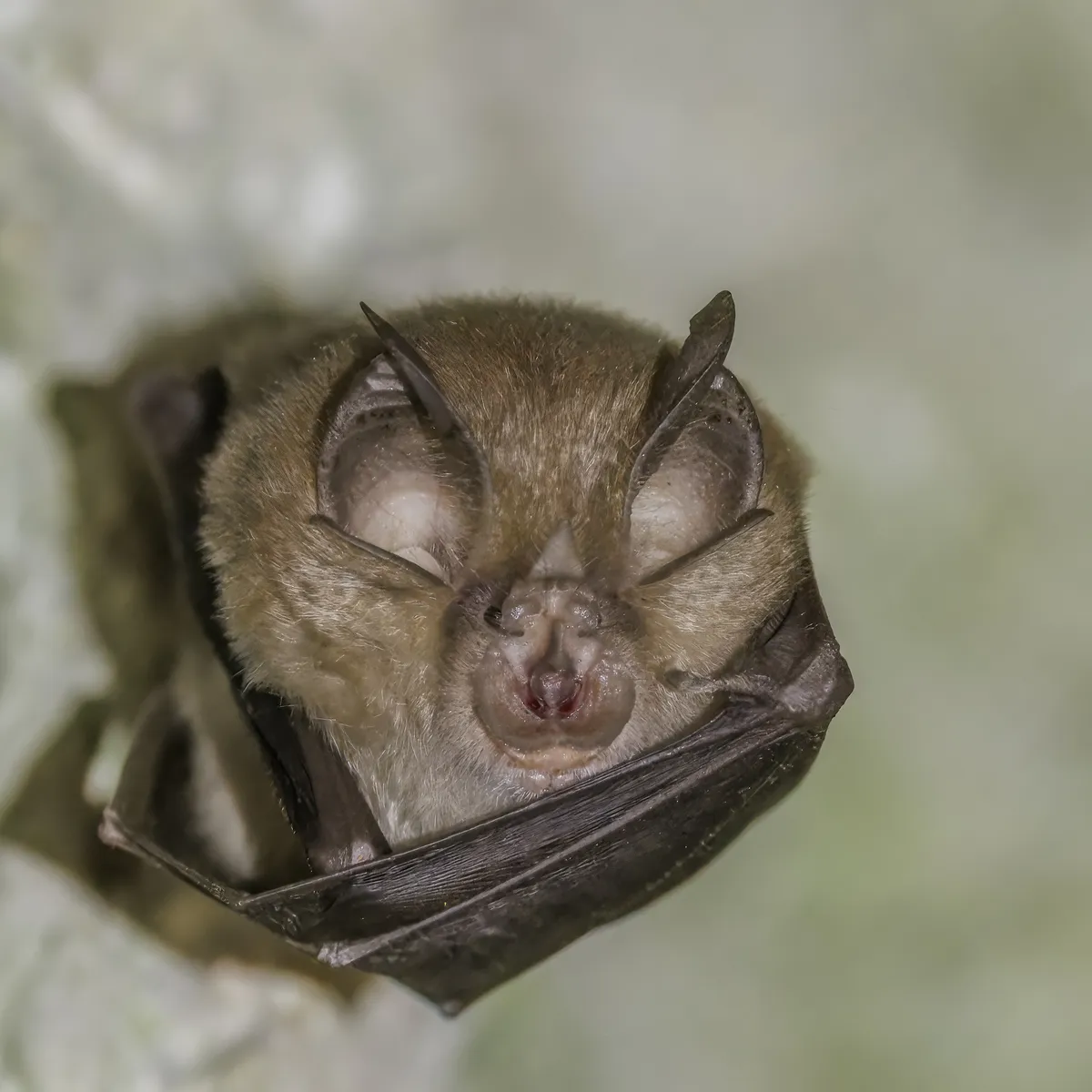
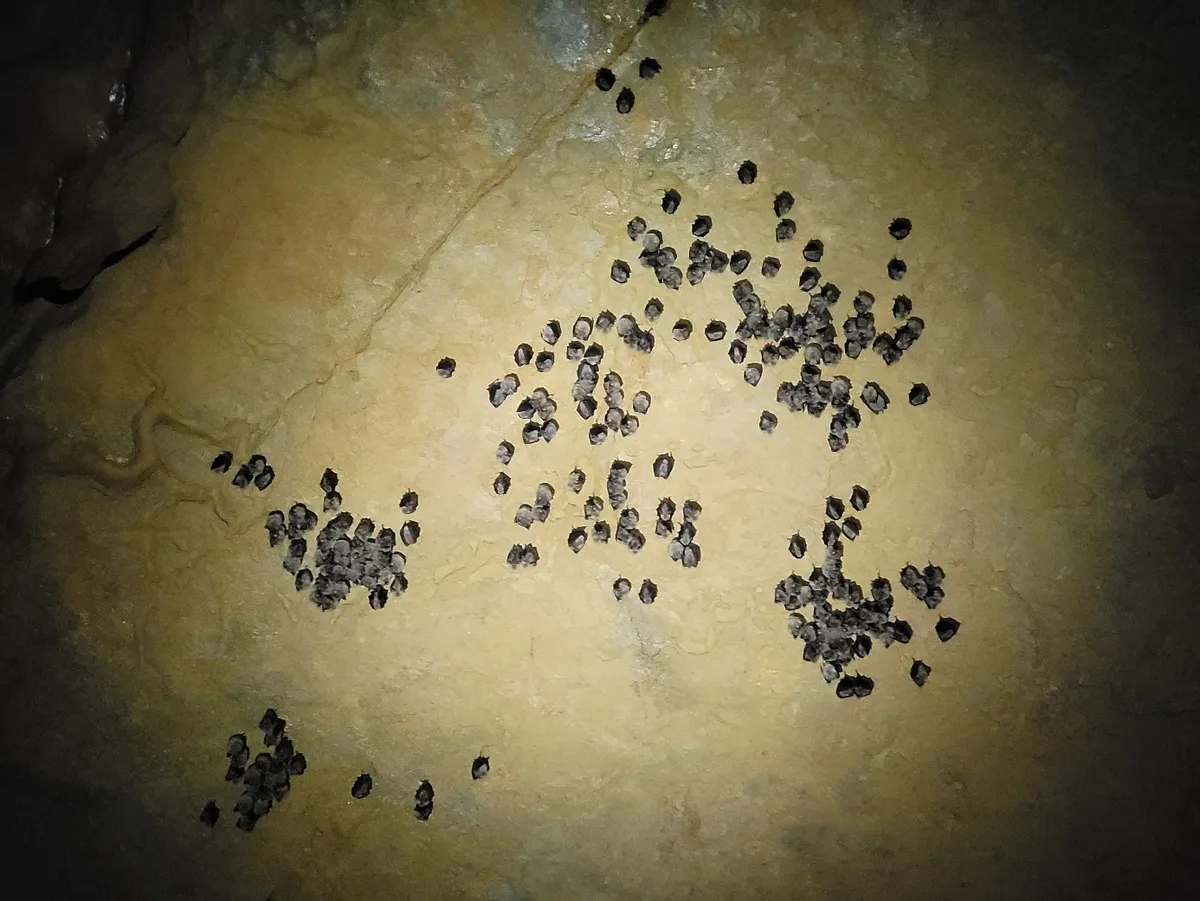
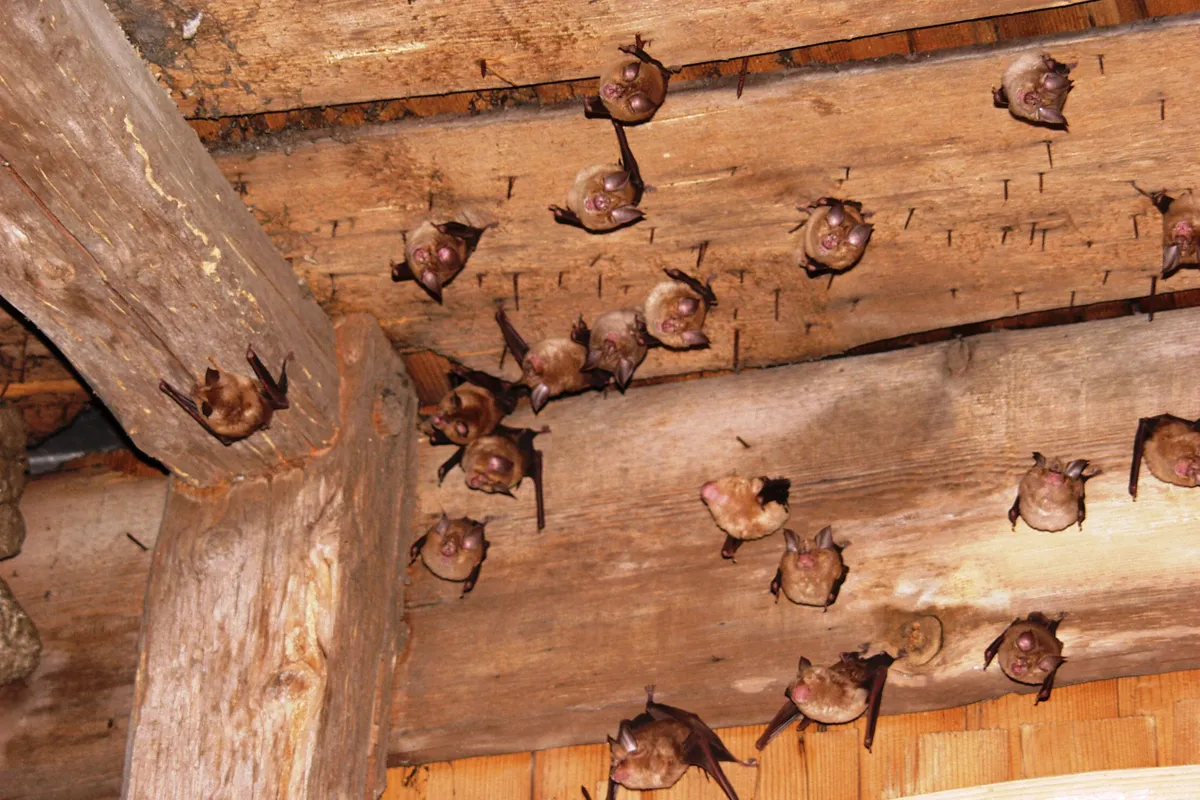
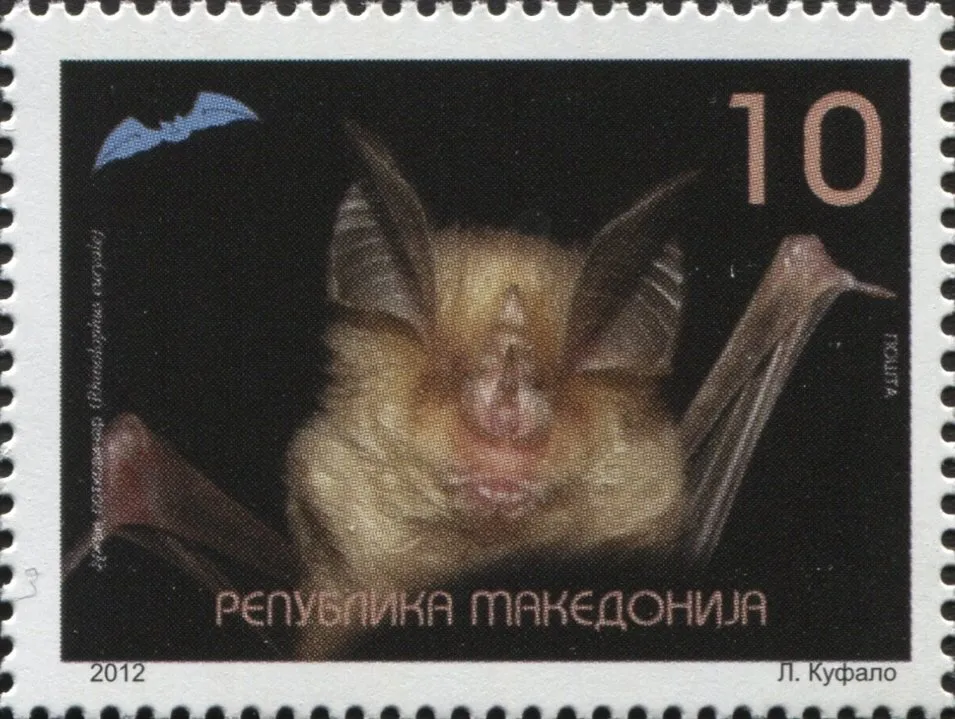
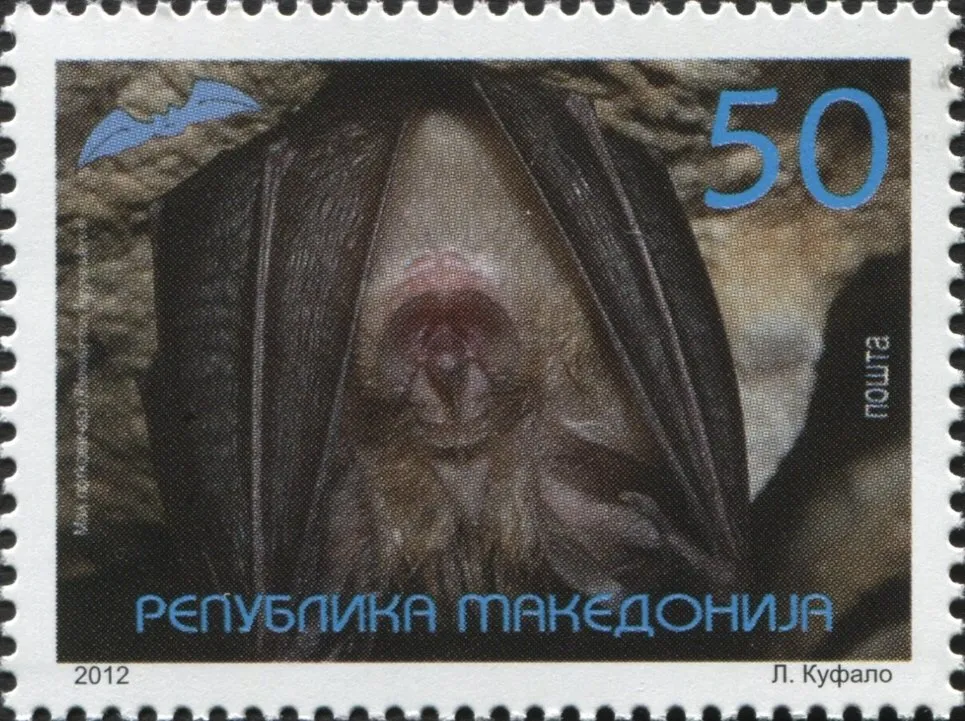
Large vespertilian bat species endemic to Eurasia, characterized by distinctive horseshoe-shaped noseleaf structure and significant echolocation capabilities.
Image Gallery
ADSENSE SLOT
Ecology & Habitat
Habitat
Found in diverse landscapes including temperate forests, rocky areas, cave systems, and human-modified environments across Europe, Middle East, and East Asia, typically at elevations between 0-1500 meters.
Ecological Role
Critical pollinator and insectivore, controlling agricultural pest populations and maintaining ecological balance in terrestrial ecosystems through nocturnal foraging.
Morphology
SKIN COATDense, short fur ranging from grey-brown to reddish-brown, providing thermal regulation and camouflage
LIMBS WINGSBroad, flexible membranous wings adapted for agile flight, strong hindlimbs for roosting and crawling
HEAD SENSORYDistinctive horseshoe-shaped noseleaf for advanced echolocation, large ears, highly developed auditory and ultrasonic sensory system
BODY STRUCTURELarge bat with body length 5-7 cm, wingspan 35-40 cm, weight 16-29 grams, robust and muscular build
Data Source: TaxonHub Database
Image Credit: Македонская почта