TaxonHub
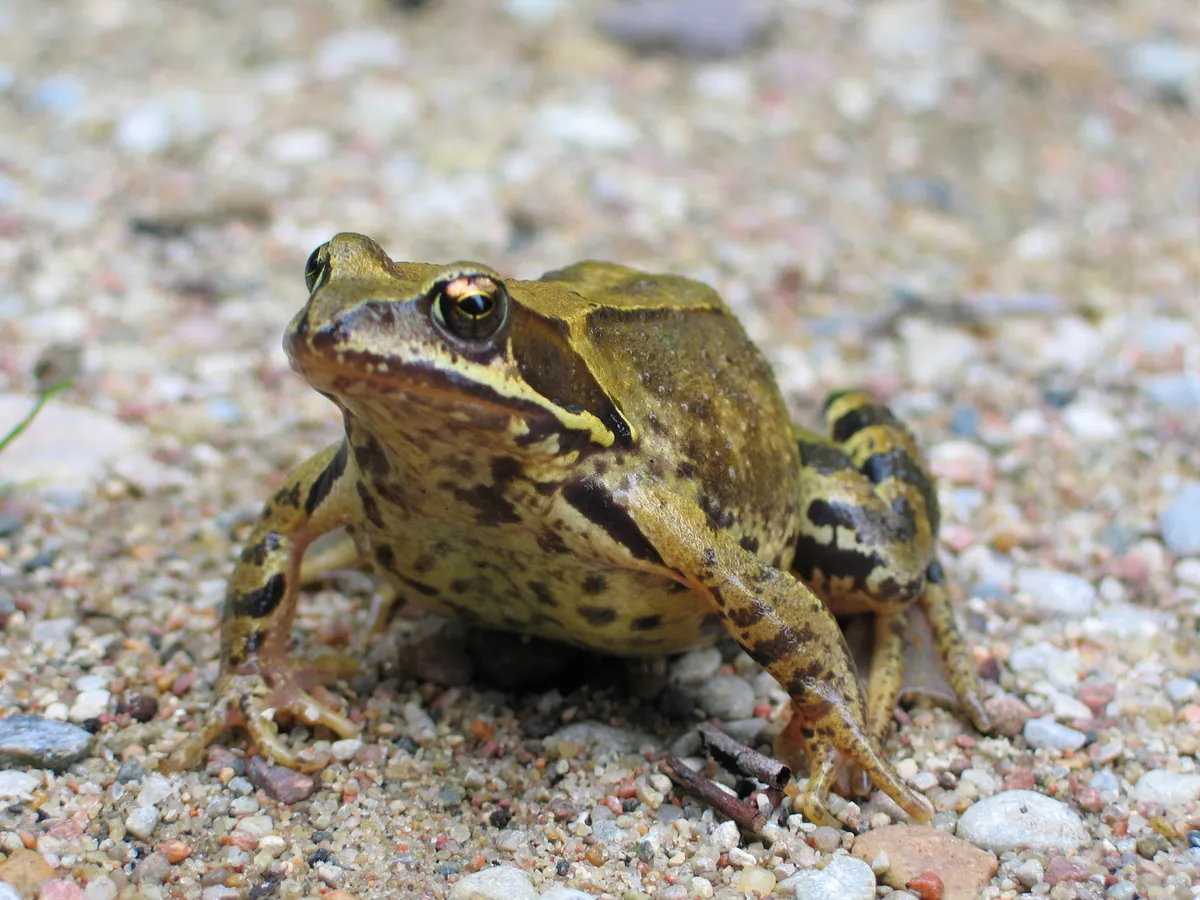
Common Frog

Common Frog

Rana temporaria

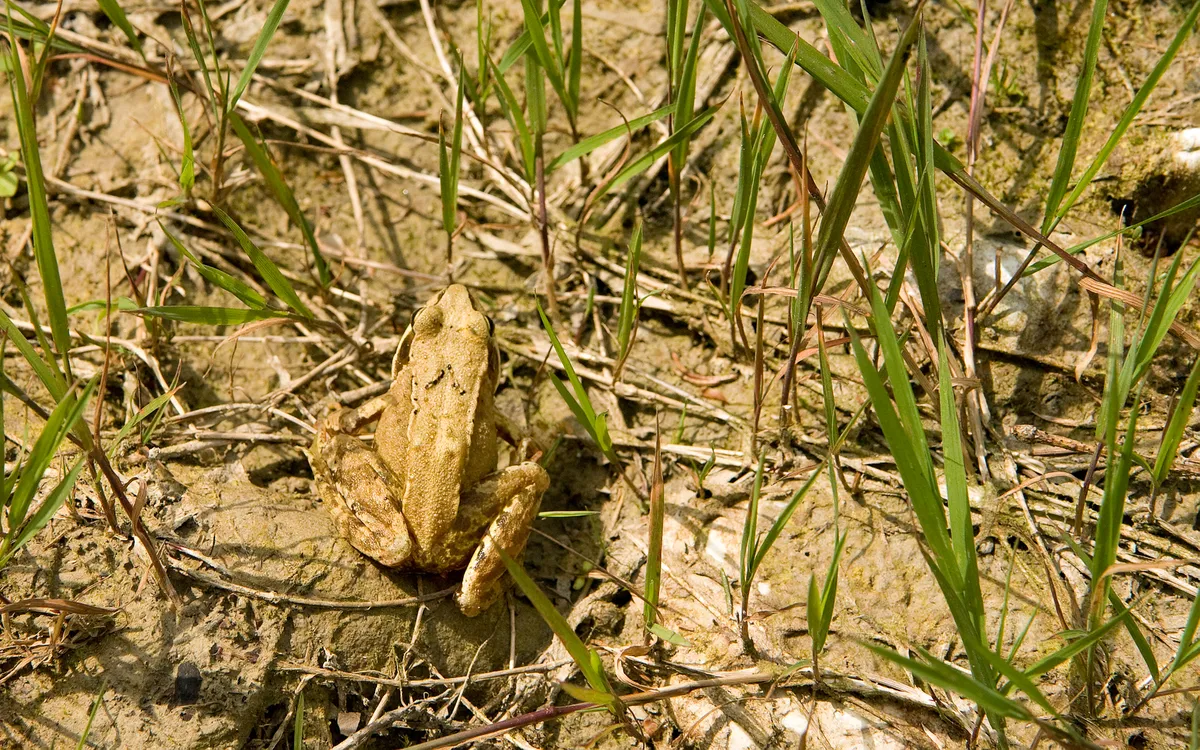
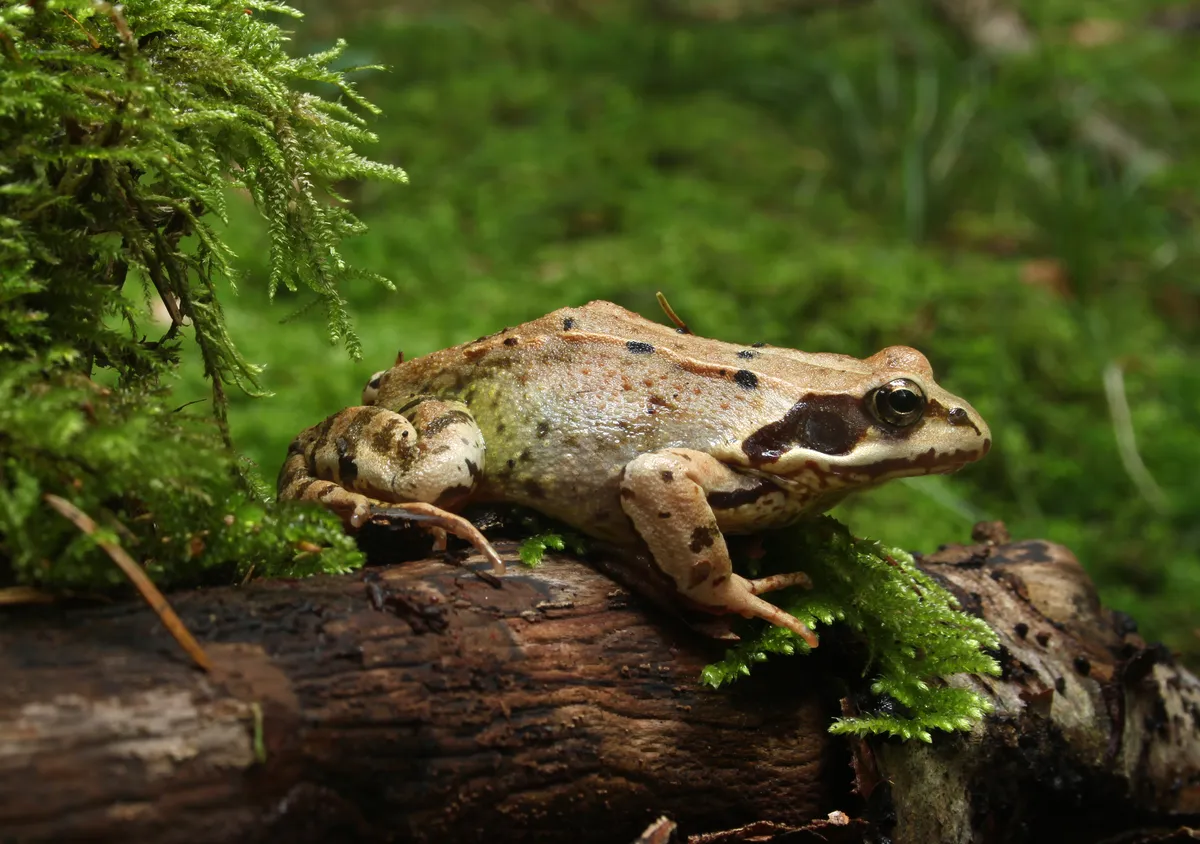
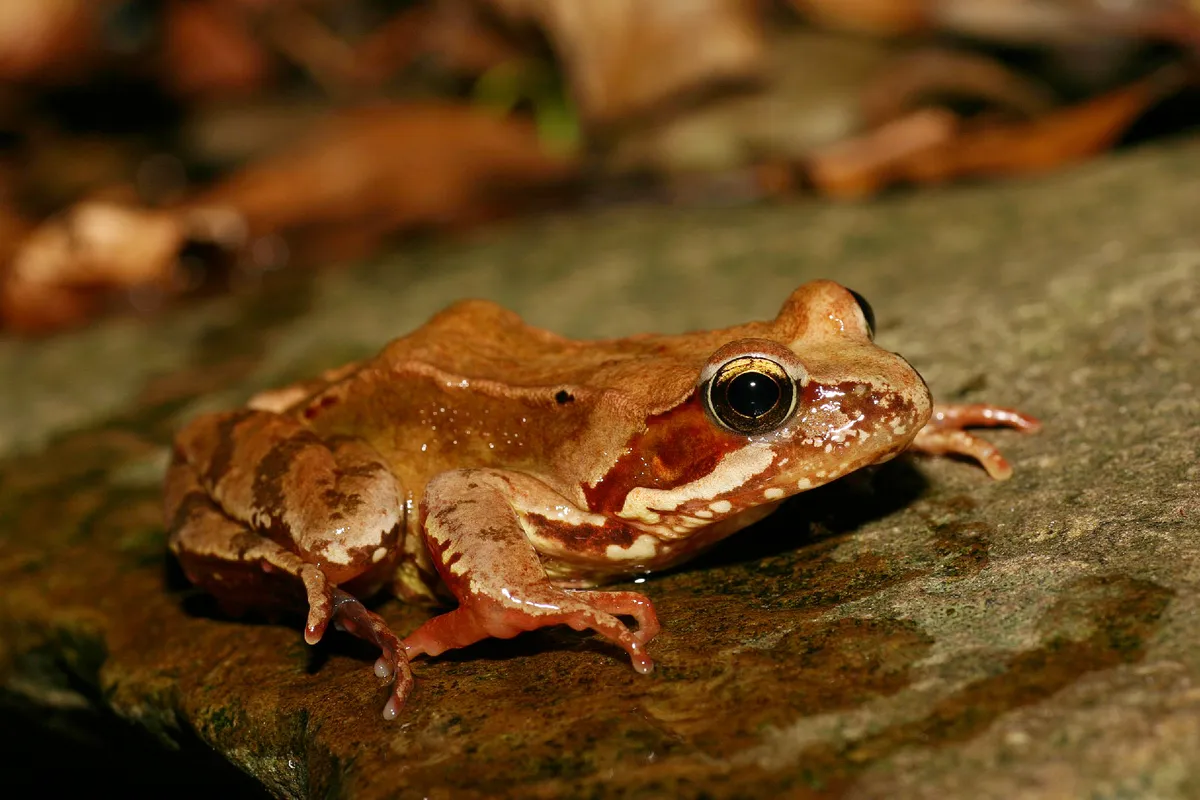
A widespread European amphibian species characterized by variable coloration and adaptability to diverse habitats ranging from woodland to grassland ecosystems.
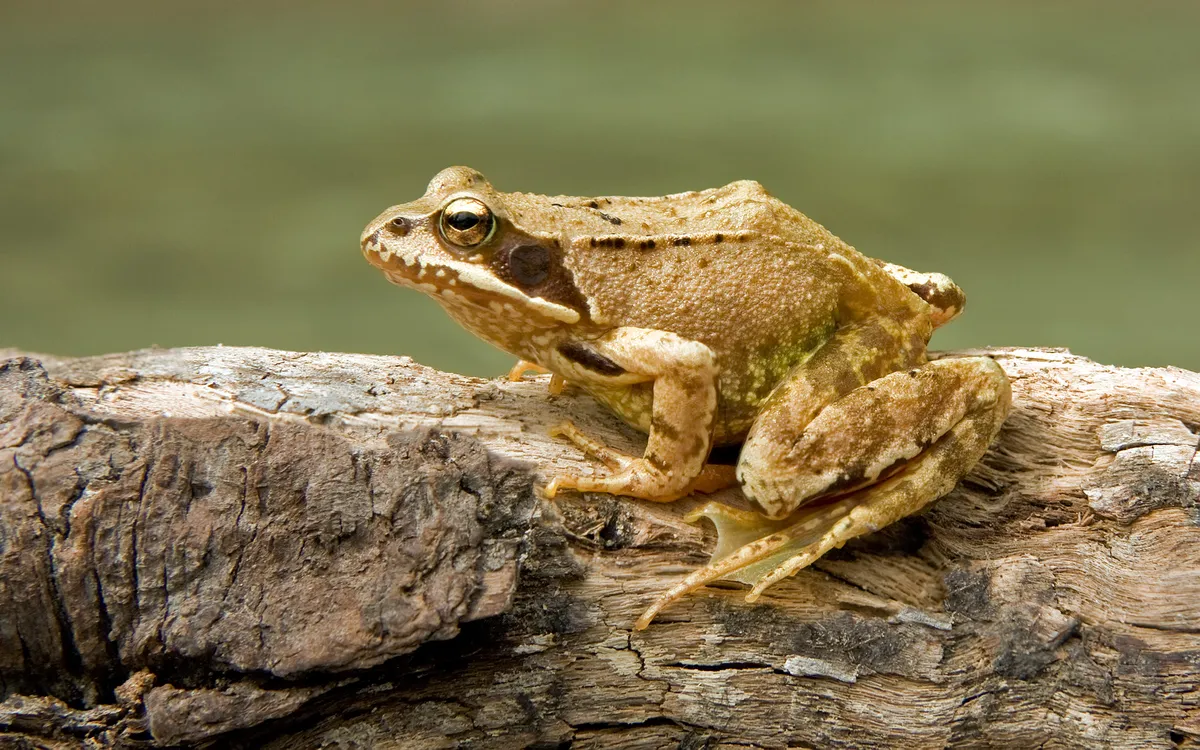
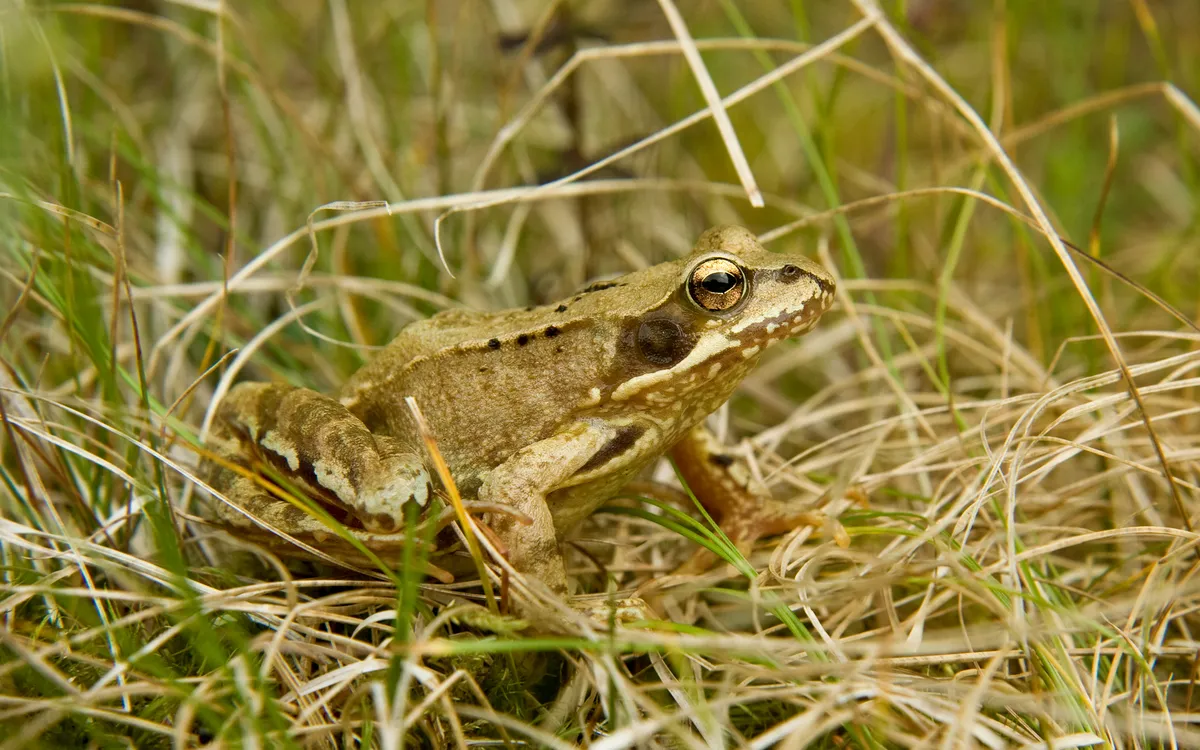
Image Gallery

Common Frog
Common Frog
Common Frog
Common Frog
Common Frog
ADSENSE SLOT

Ecology & Habitat

Habitat

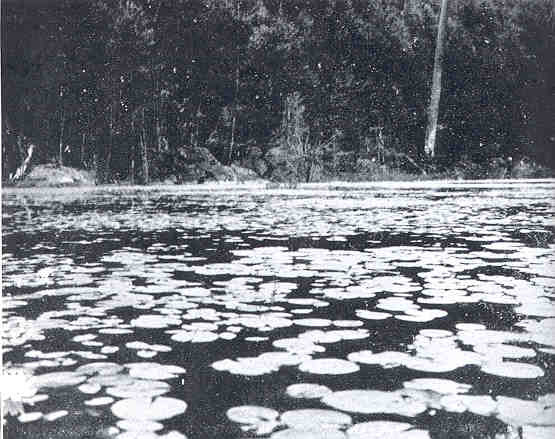
Temperate regions of Europe and western Asia, including forests, meadows, wetlands, and agricultural landscapes. Prefers areas with freshwater bodies for breeding.

Ecological Role

Critical component of ecosystem food webs, controlling insect populations and serving as prey for predators like birds, mammals, and reptiles. Indicator species for environmental health and ecosystem biodiversity.
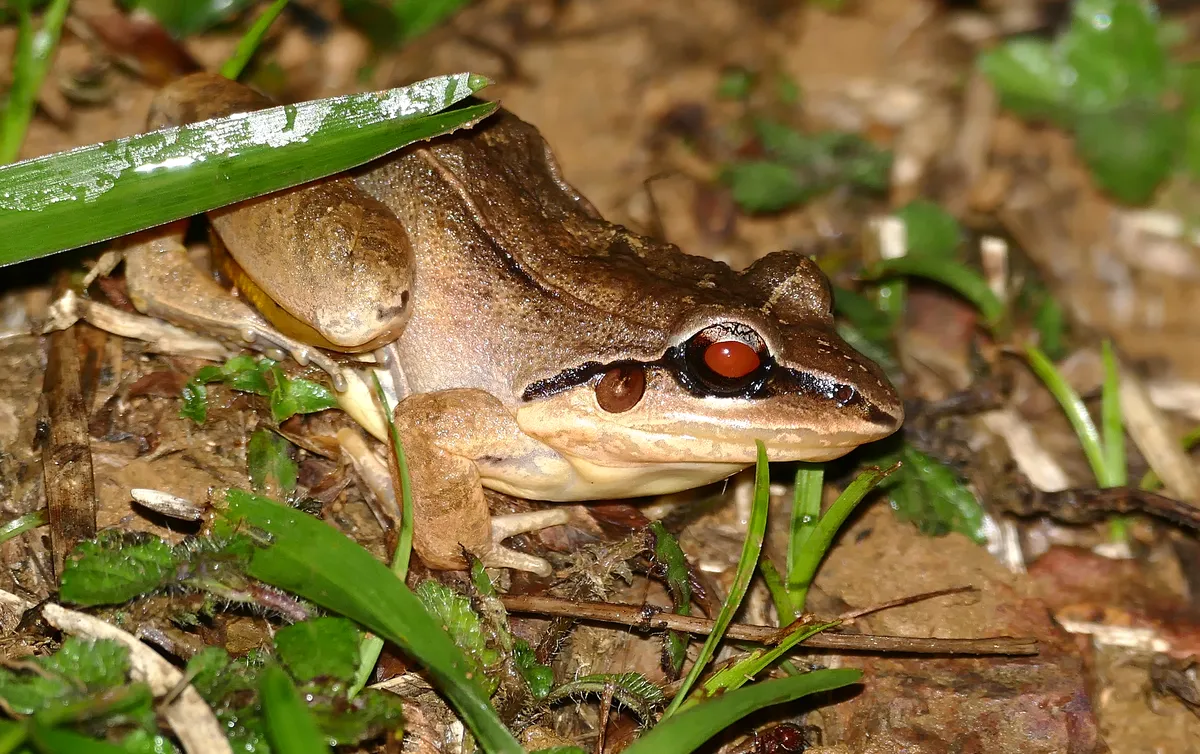
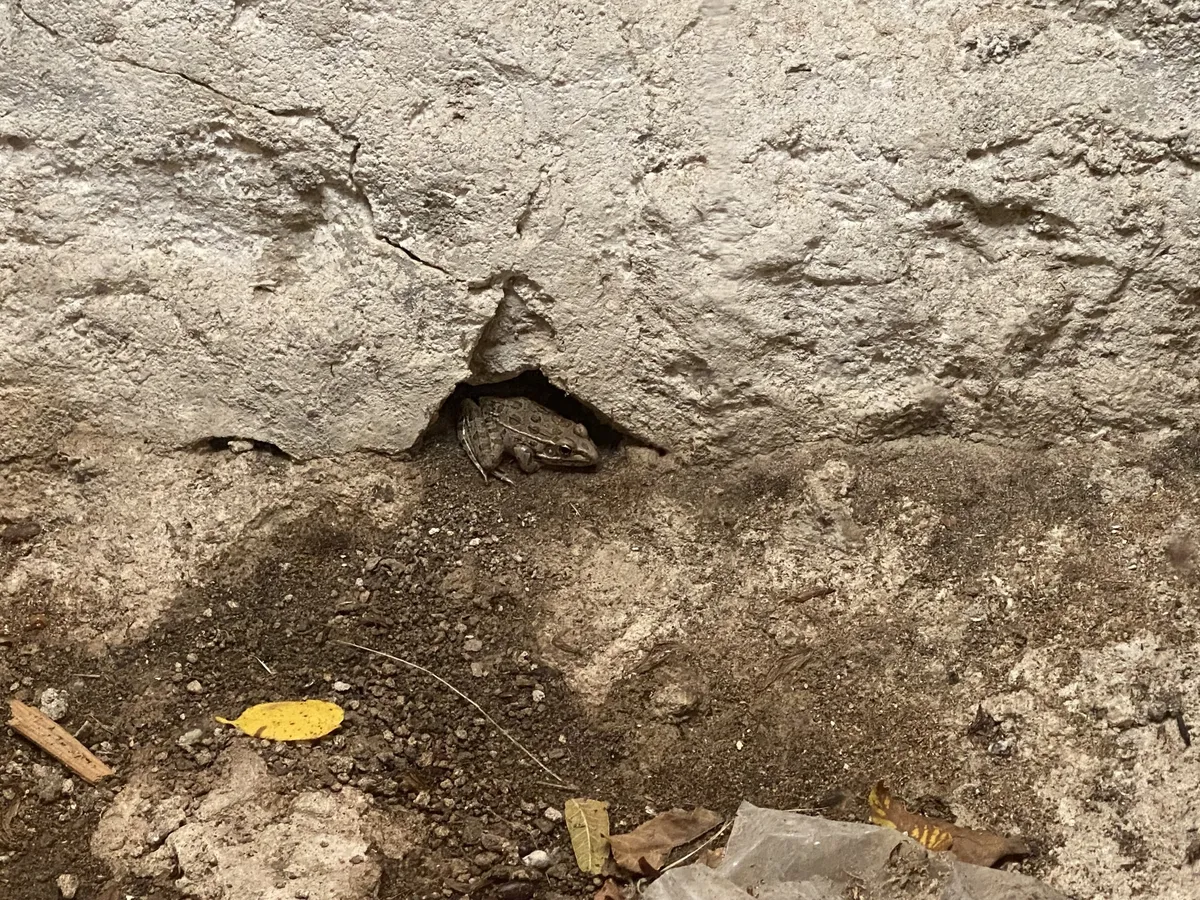
Morphology

  • SKIN COAT Smooth, moist skin with variable coloration including brown, olive, gray with dark irregular patches. Skin permeable for respiration and water absorption.
  • LIMBS WINGS Powerful hindlimbs adapted for jumping, with webbed feet for swimming. Front limbs shorter and used for locomotion and stabilization.
  • HEAD SENSORY Large, prominent eyes with horizontal pupils. Well-developed tympanum (ear drum). Acute auditory and visual sensory capabilities.
  • BODY STRUCTURE Medium-sized frog, body length 6-9 cm, weight 20-40 g. Robust build with rounded body and relatively short limbs.
Data Source: TaxonHub Database
Image Credit: Monika Betley
ADSENSE VERTICAL

Related Species in Ranidae