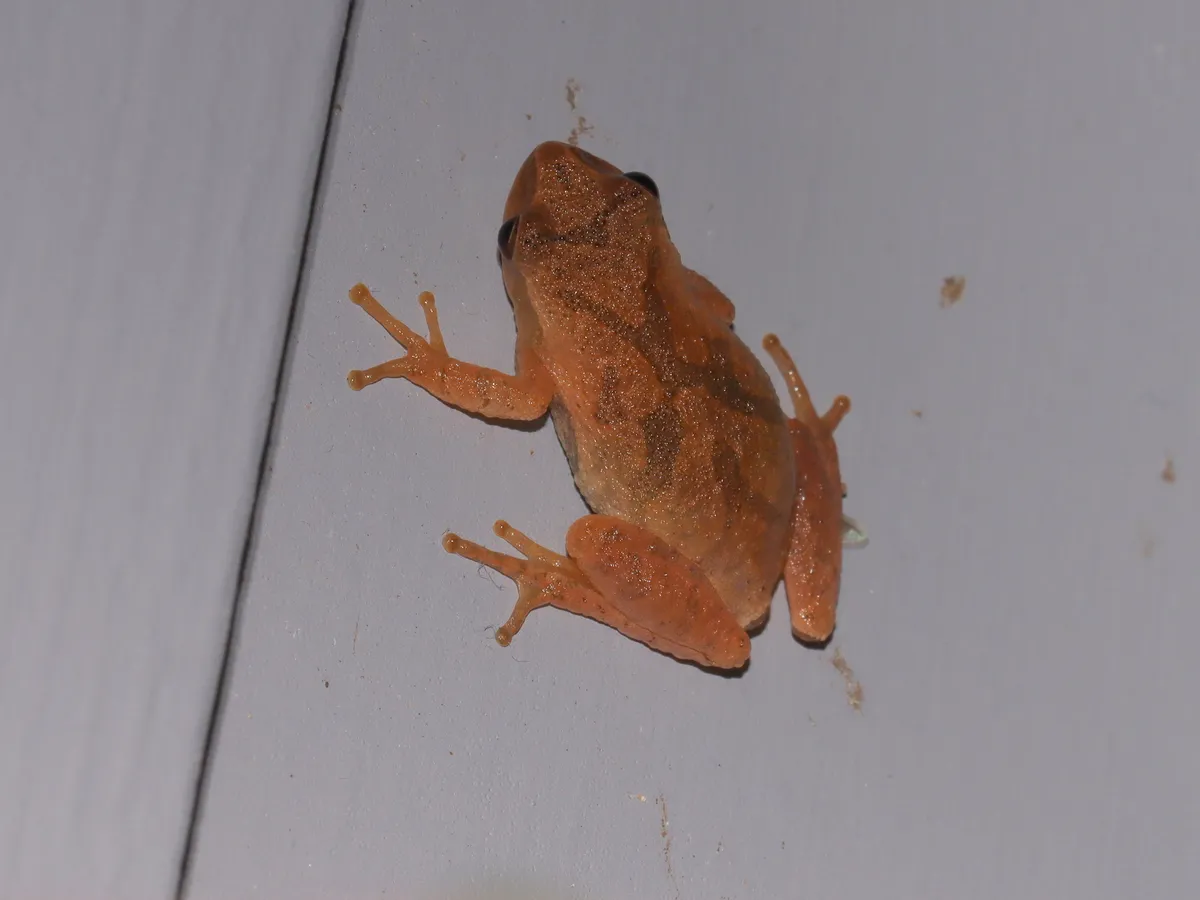
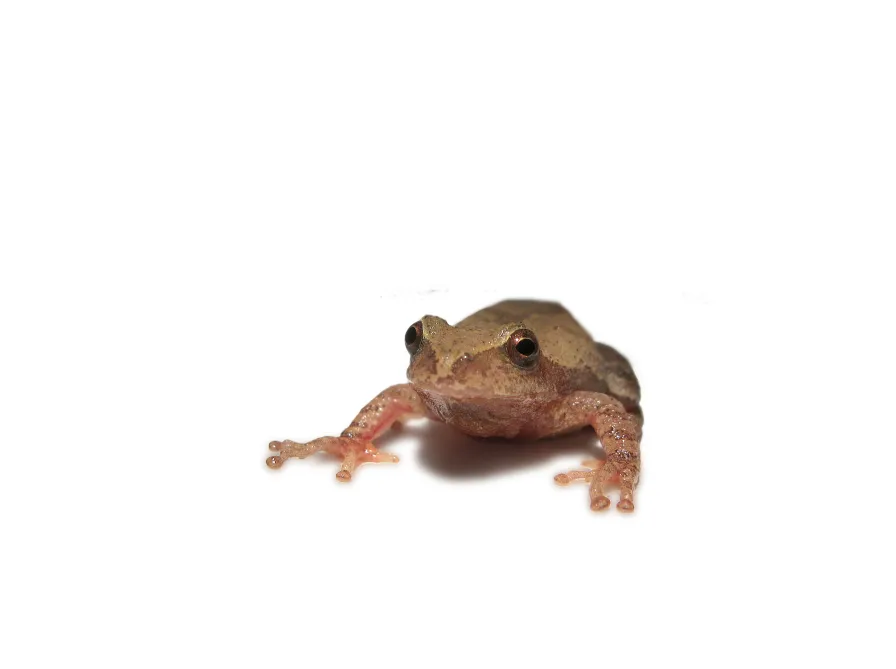
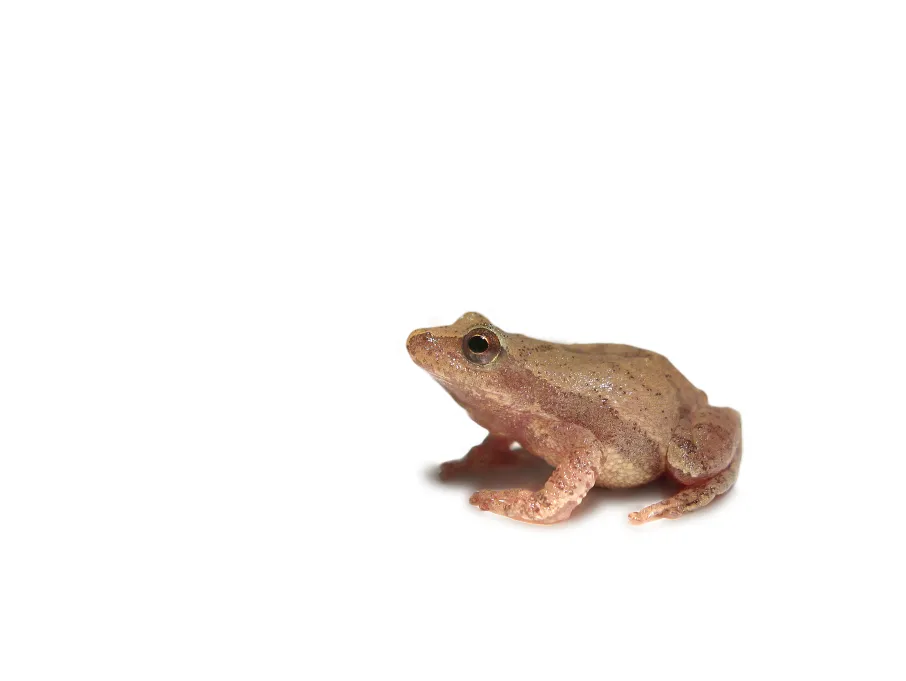
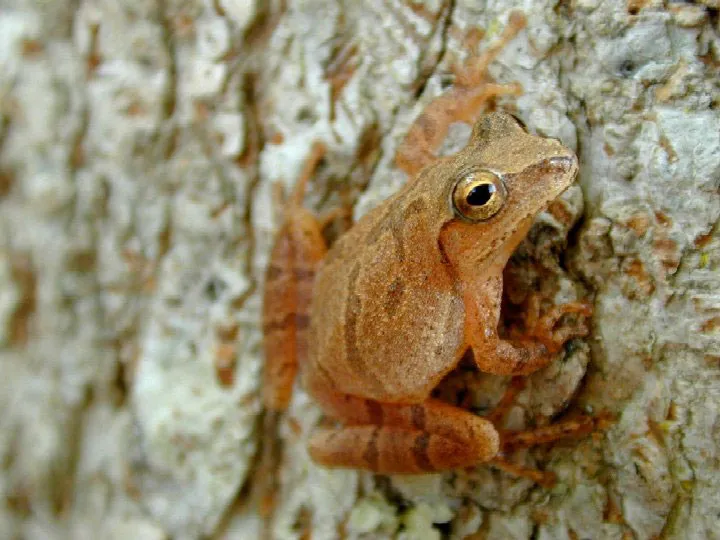
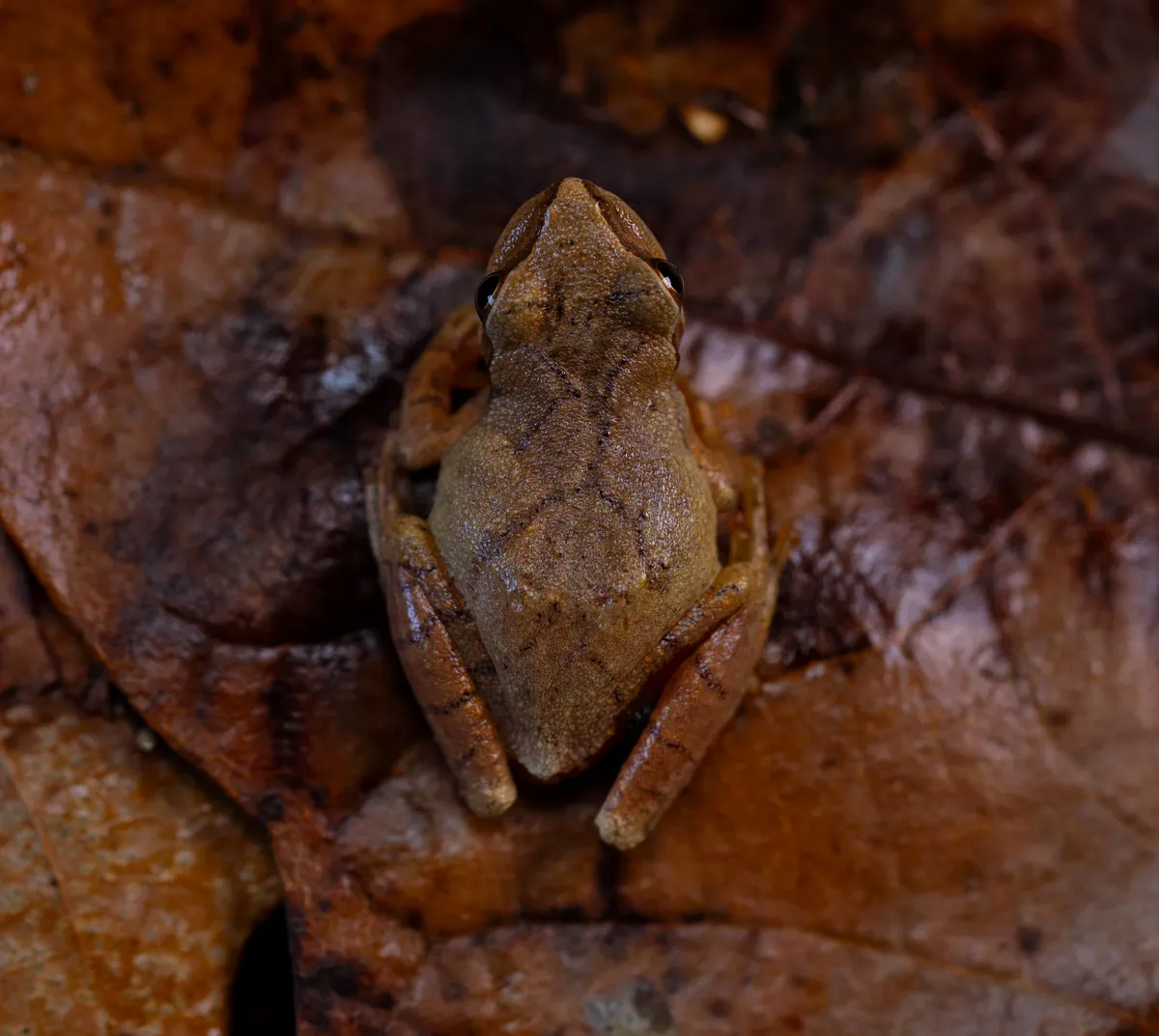
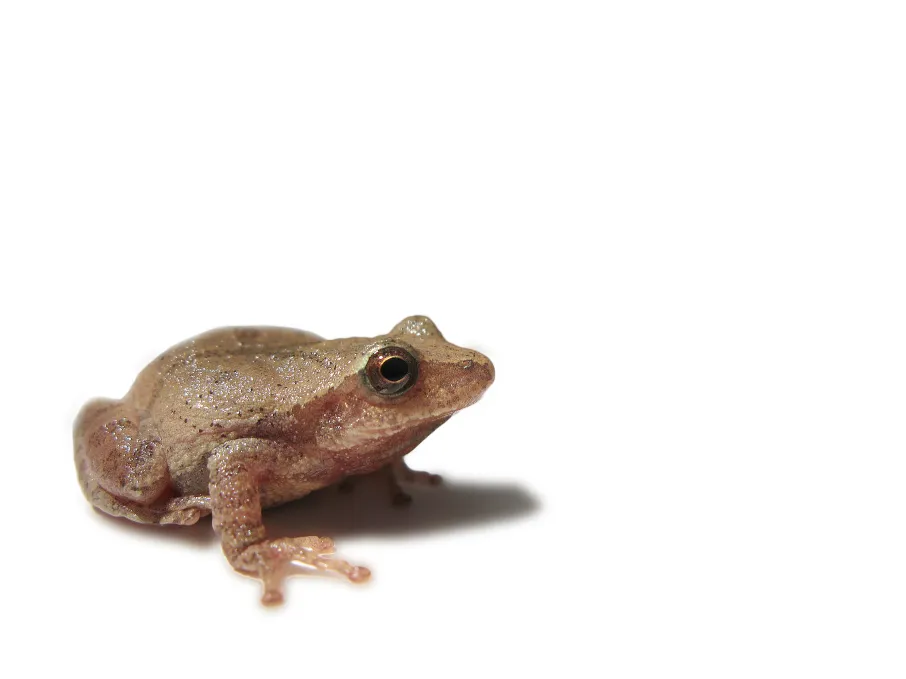
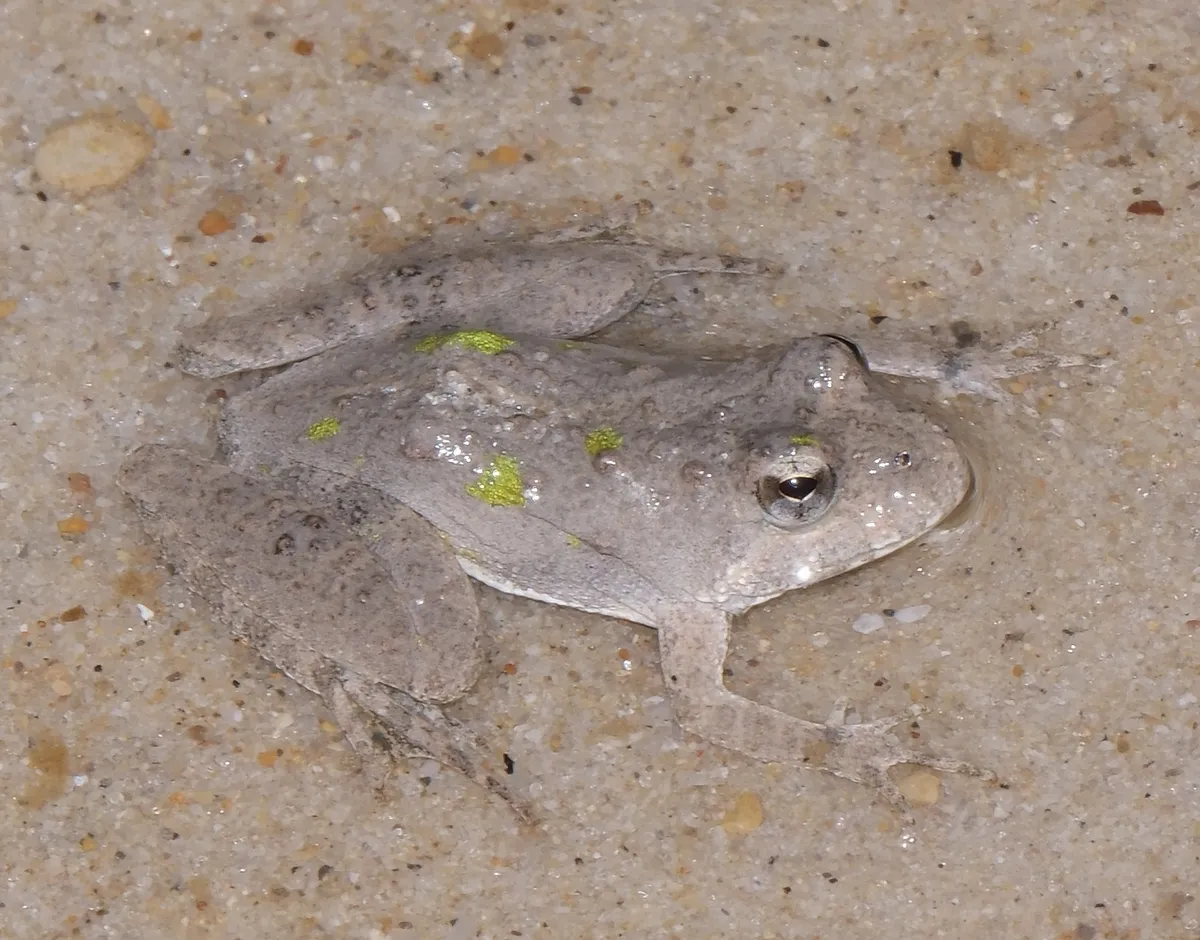
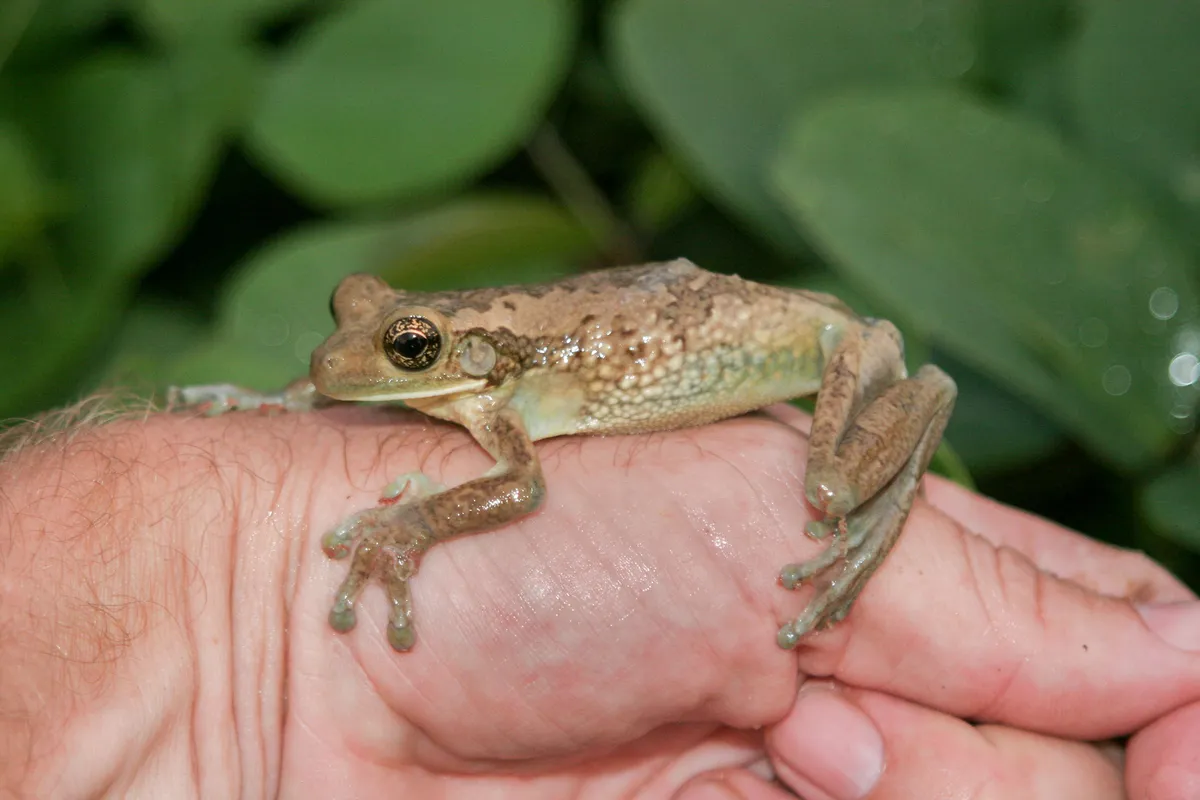
A small arboreal tree frog native to eastern North America, known for its distinctive high-pitched mating call that signals the arrival of spring.
Image Gallery
ADSENSE SLOT
Ecology & Habitat
Habitat
Primarily found in mixed deciduous and coniferous forests, wetlands, and woodland edges across eastern Canada and the United States, typically near temporary and permanent ponds, vernal pools, and woodland water bodies.
Ecological Role
Critical indicator species for ecosystem health, serving as prey for numerous predators and playing a significant role in controlling insect populations through their diet of small invertebrates.
Morphology
SKIN COATSmooth skin with variable coloration, typically light brown or gray with a distinctive dark 'X' pattern on dorsal surface
LIMBS WINGSShort, agile limbs with specialized toe pads for climbing vegetation and tree bark
HEAD SENSORYLarge, prominent eyes with horizontal pupils, excellent night vision and acoustic sensitivity
BODY STRUCTURESmall, lightweight frog measuring 2.5-3.8 cm in length, with a slender body and relatively large head
Data Source: TaxonHub Database
Image Credit: Jake McCumber