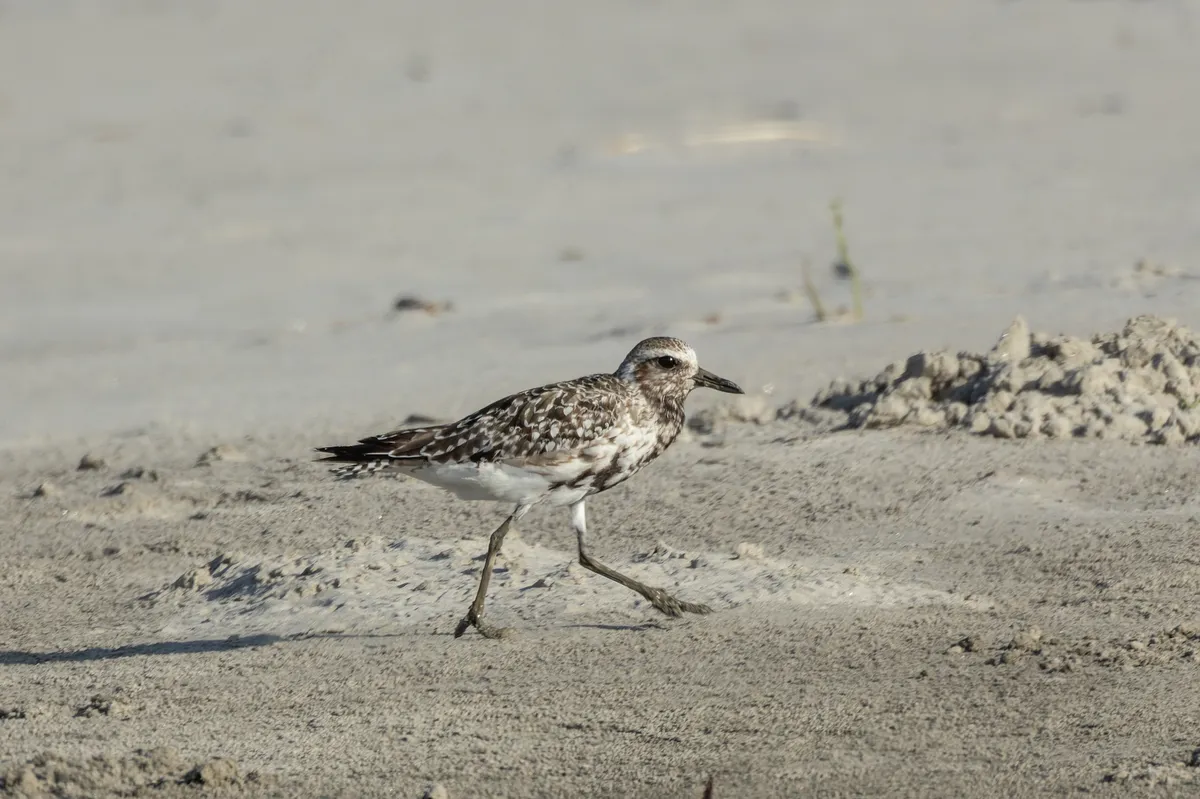
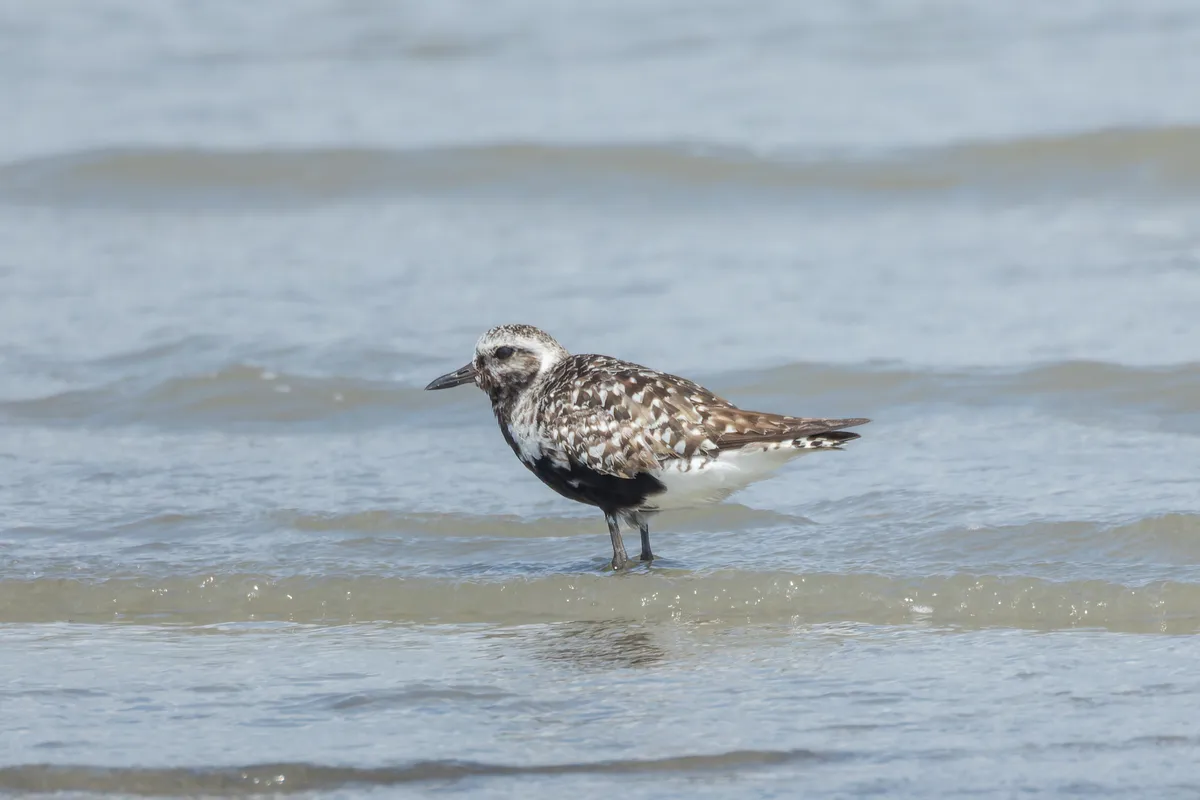
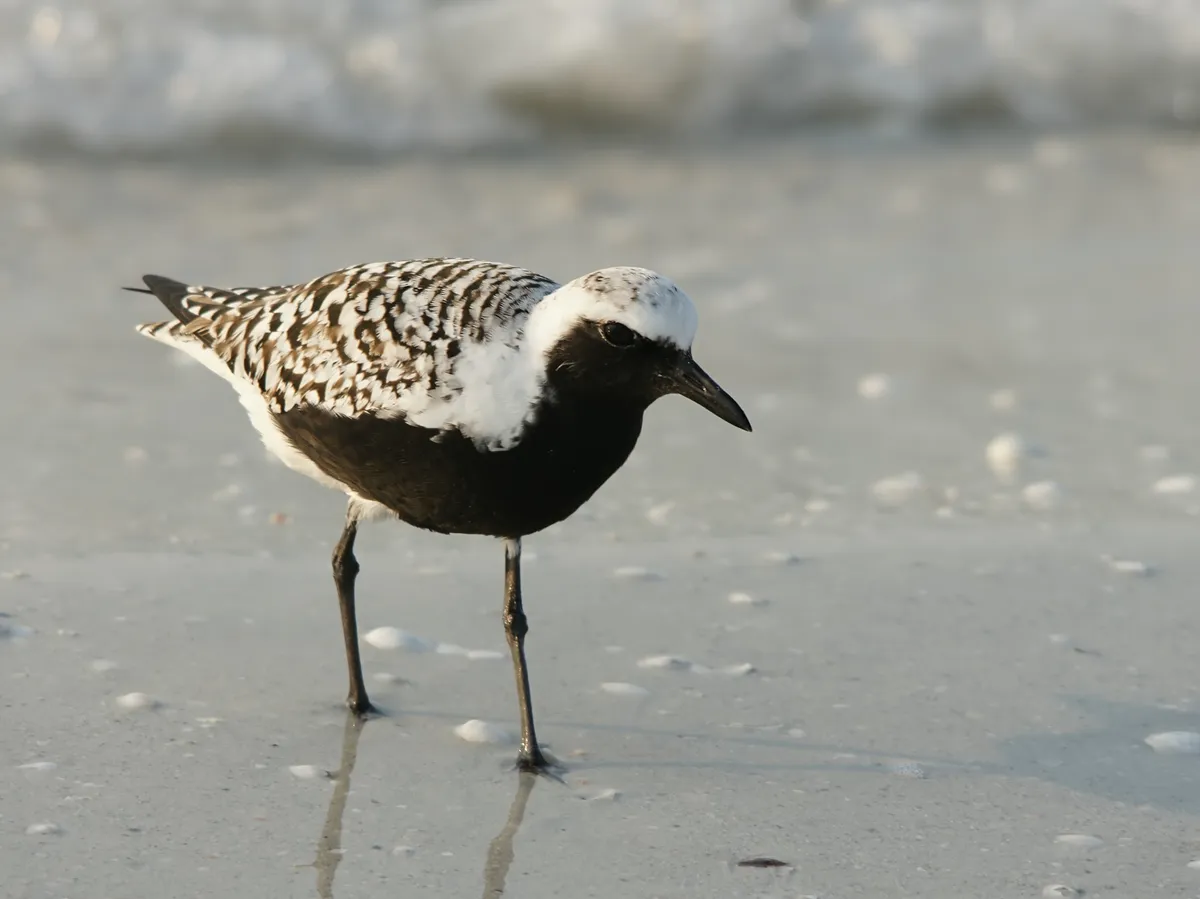
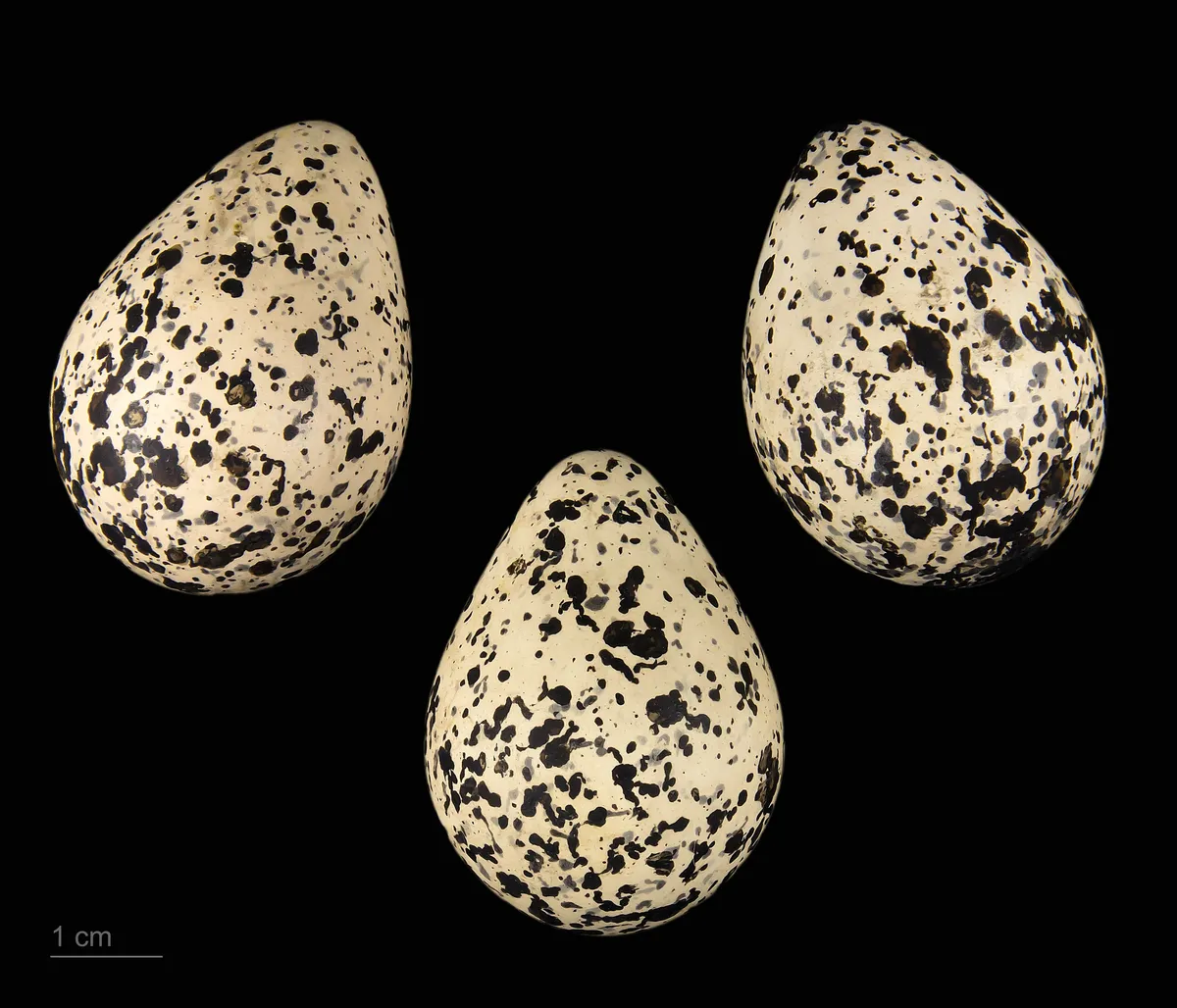
A large shorebird species distributed across Arctic and subarctic regions, known for extensive migratory patterns across multiple continents.
Image Gallery
ADSENSE SLOT
Ecology & Habitat
Habitat
Tundra breeding grounds, coastal mudflats, shorelines, wetlands, and intertidal zones across North America, Europe, Asia, and during migration in South America, Africa, and Australia
Ecological Role
Critical wetland ecosystem indicator species, playing significant roles in marine food webs and serving as prey and predator in coastal environments
Morphology
SKIN COATPlumage varies seasonally; breeding plumage displays distinct black belly and speckled gray-white back, non-breeding plumage more uniformly grayish
LIMBS WINGSLong, powerful legs adapted for wading, broad wings enabling long-distance migration, wingspan around 70-80 cm
HEAD SENSORYLarge eyes, sharp beak for probing soft substrates, excellent visual acuity for detecting prey
BODY STRUCTUREMedium-large wading bird, approximately 28-30 cm in length, weighing 150-250 g, with robust body and relatively short neck
Data Source: TaxonHub Database
Image Credit: Tisha Mukherjee