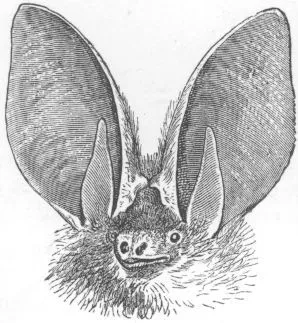
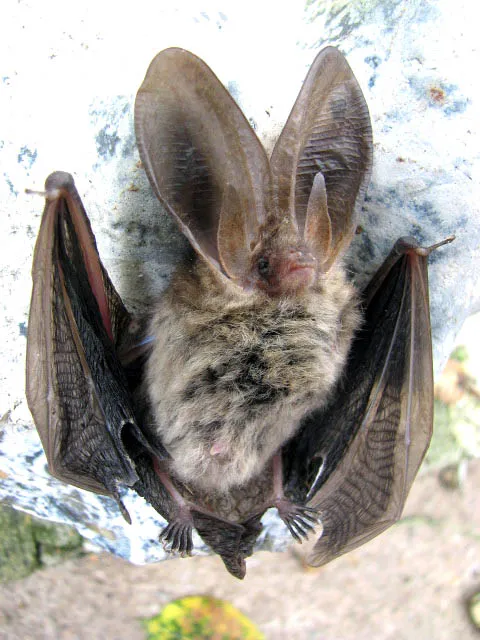
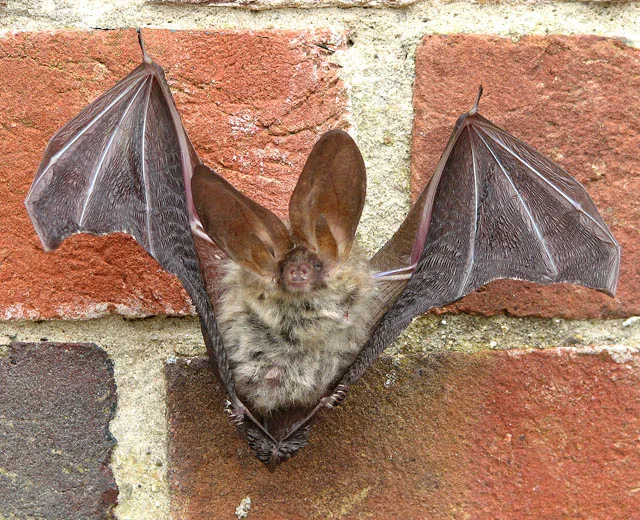
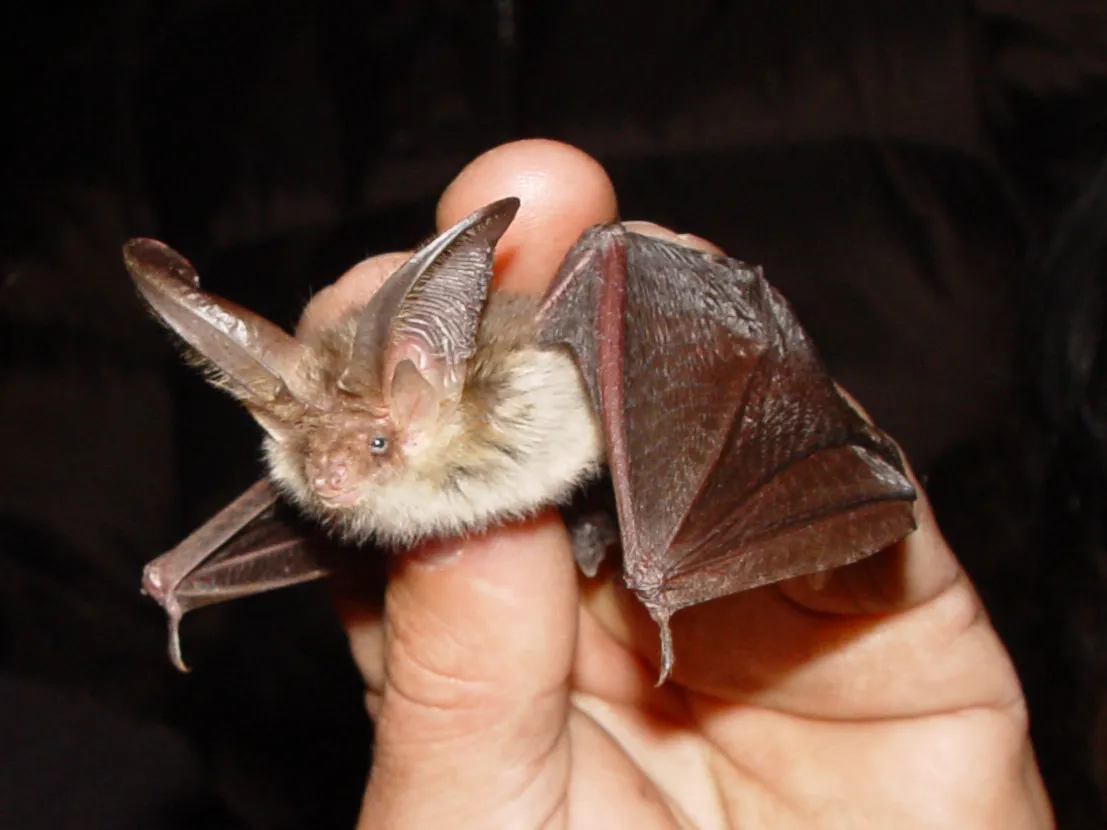
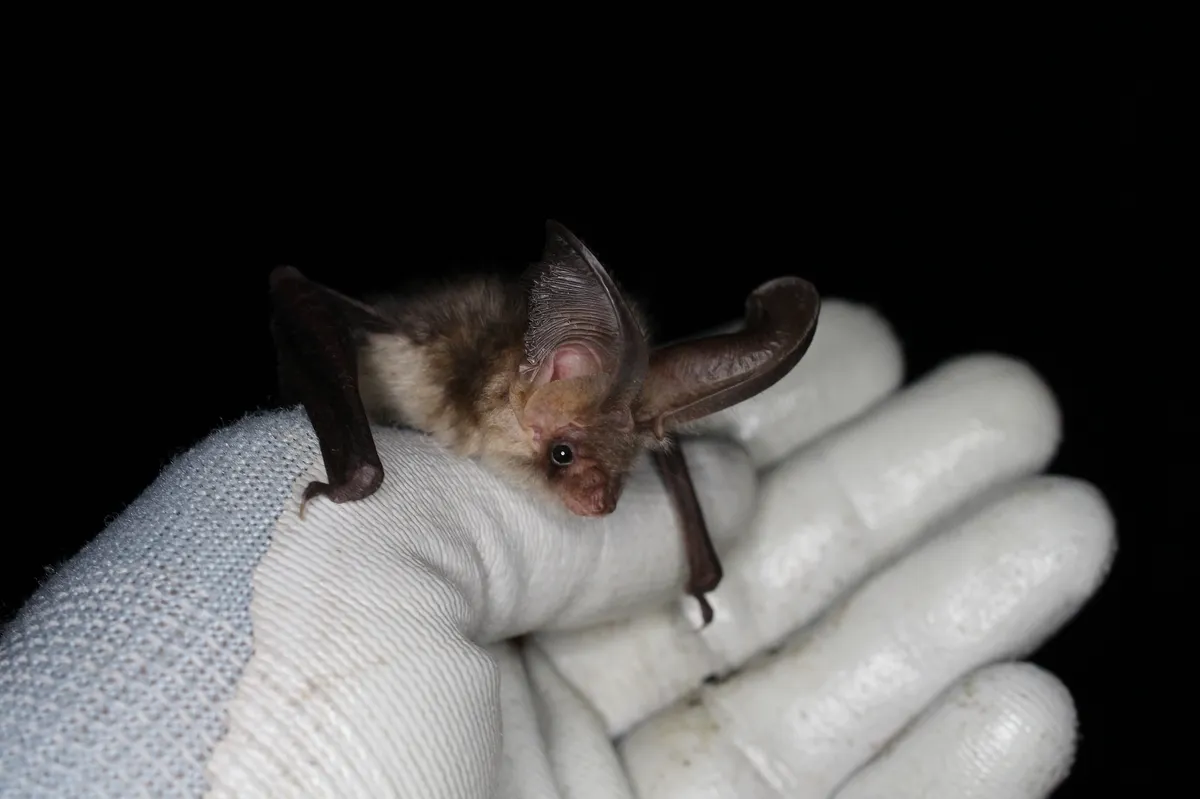
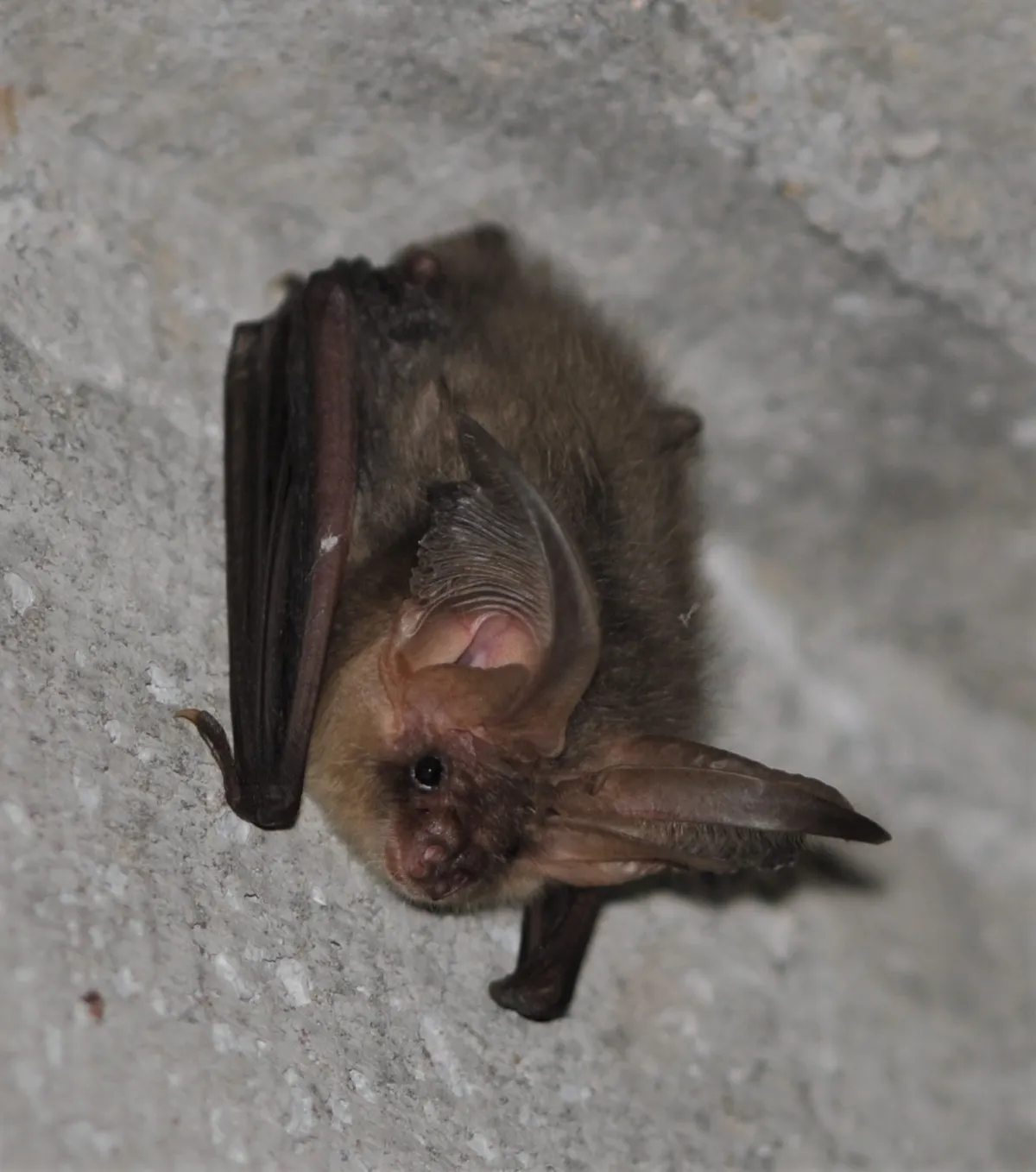
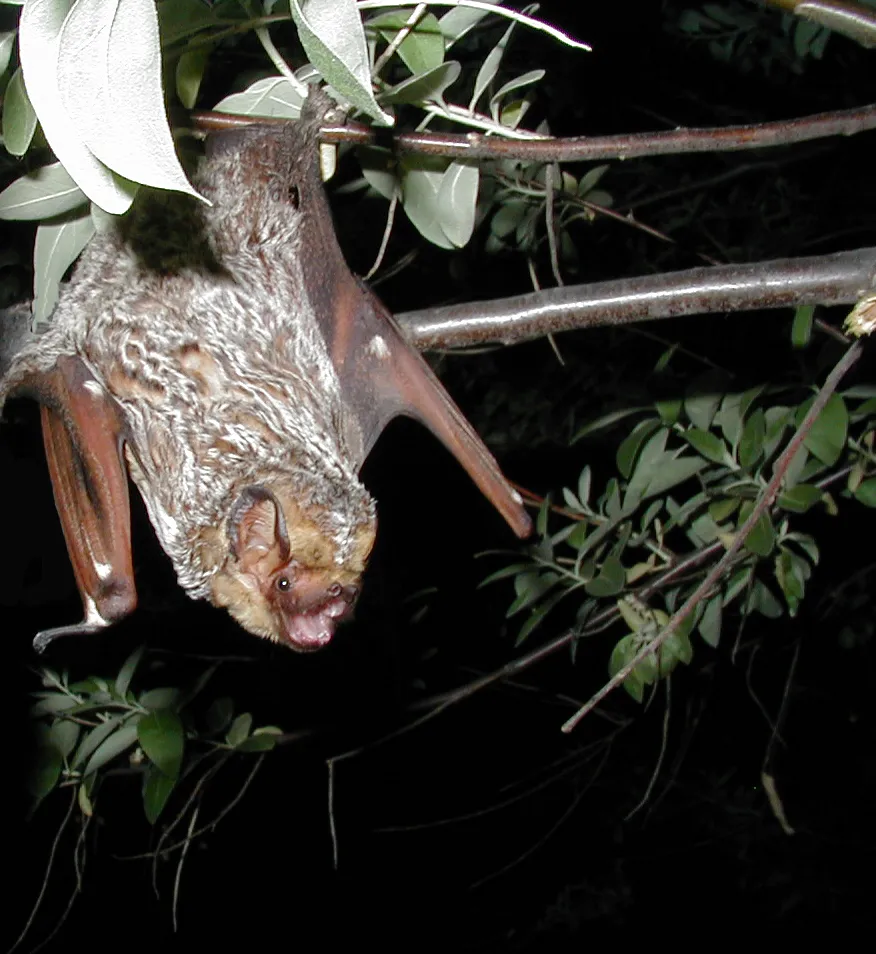
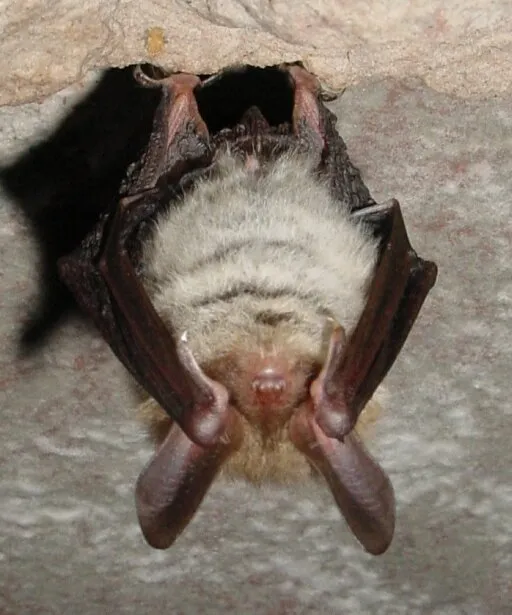
A small nocturnal bat species characterized by exceptionally large ears, native to Europe and parts of western Asia. Highly adapted for echolocation and insectivorous feeding in woodland and forest environments.
Image Gallery
ADSENSE SLOT
Ecology & Habitat
Habitat
Deciduous and mixed forests, woodland edges, parklands, and rural landscapes across temperate regions of Europe and western Asia. Prefers areas with mature trees for roosting and hunting grounds with high insect diversity.
Ecological Role
Critical insect population controller, consuming significant quantities of nocturnal insects including moths, beetles, and flies. Acts as a key bio-indicator for forest ecosystem health and maintains ecological balance.
Morphology
SKIN COATDorsal fur light to dark brown, ventral surface slightly lighter, dense fur provides thermal regulation
LIMBS WINGSMembranous wing structure (patagium) with dark brown to gray coloration, adapted for silent and agile flight
HEAD SENSORYExtremely large ears approximately 35-45 mm long, broader than head width, providing exceptional acoustic sensitivity
BODY STRUCTURESmall bat with body length 38-52 mm, weight 6-12 g, wingspan approximately 260-285 mm
Data Source: TaxonHub Database
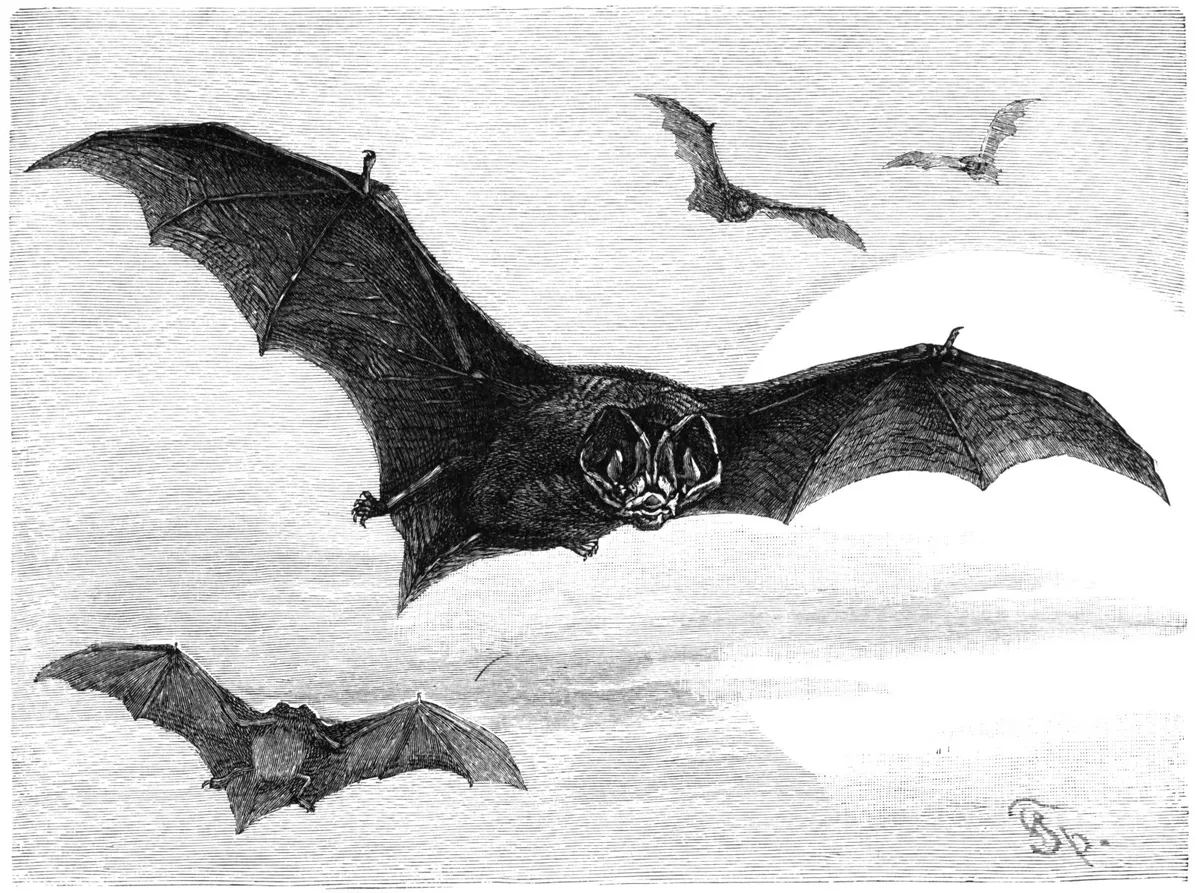
Image Credit: R. A. Sterndale