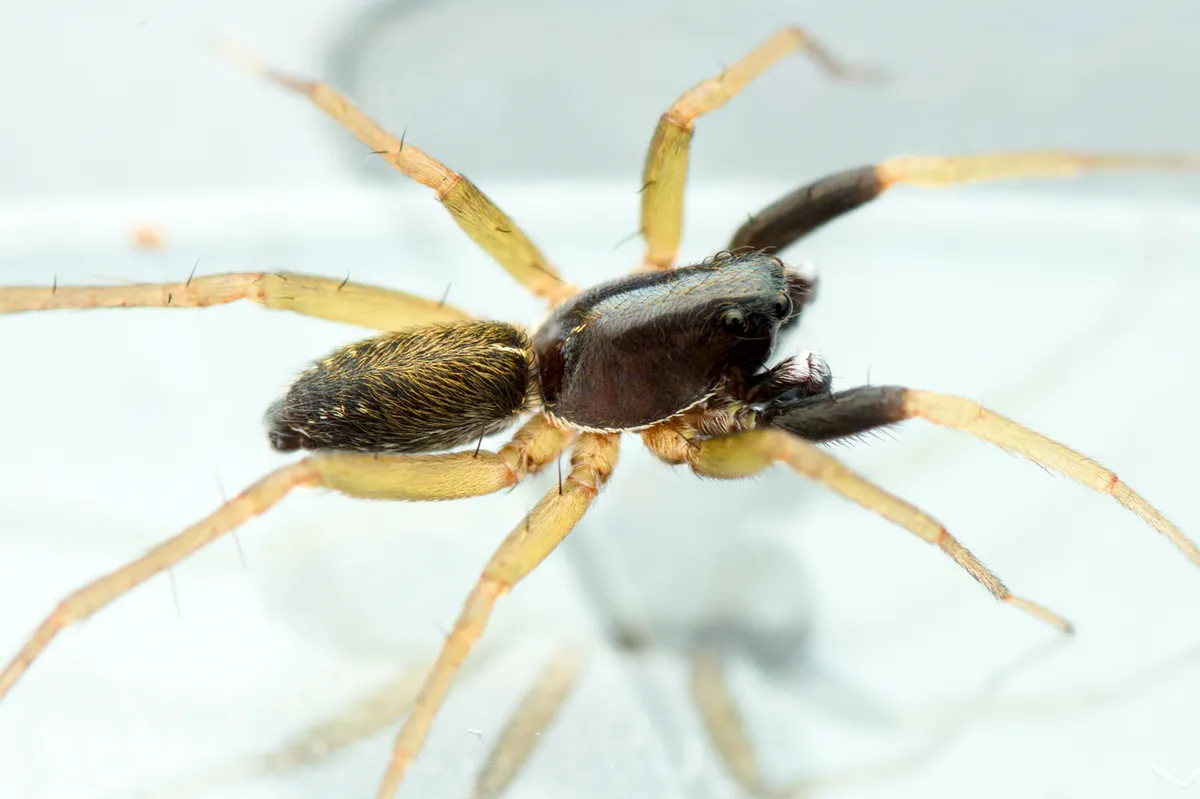
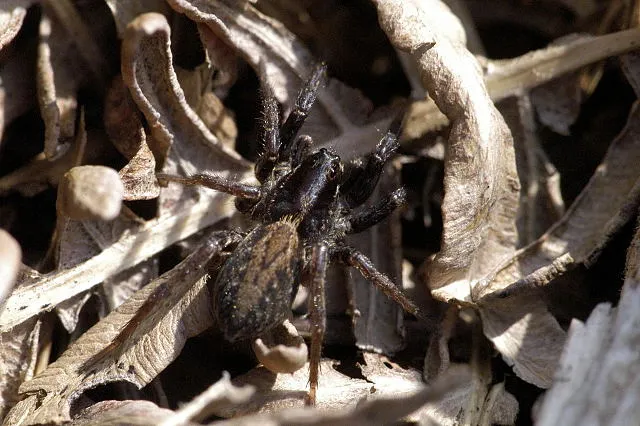
A small wolf spider species native to Northern Europe, characterized by its adaptation to wetland and marshy habitats. As a member of the Lycosidae family, it exhibits typical wolf spider predatory behaviors and hunting strategies.
ADSENSE SLOT
Ecology & Habitat
Habitat
Predominantly found in wet, marshy terrains, boggy areas, and riparian zones across Scandinavia and parts of Northern Europe. Prefers moist substrate with dense ground vegetation.
Ecological Role
Plays a crucial role in controlling insect populations, serving as an important predator in wetland ecosystem food webs. Helps maintain ecological balance by regulating prey species abundance.
Morphology
- SKIN COAT Cryptic coloration ranging from brown to grayish-brown, providing excellent camouflage in wet, vegetated environments.
- LIMBS WINGS Eight legs adapted for rapid ground movement, with specialized setae for tactile sensing. Strong, agile locomotion enabling efficient hunting in complex terrain.
- HEAD SENSORY Multiple eyes arranged in three rows, providing excellent peripheral vision for hunting. Enhanced sensory capabilities for detecting ground vibrations and prey movement.
- BODY STRUCTURE Small-sized wolf spider, approximately 5-8 mm in body length. Compact exoskeleton with robust cephalothorax and segmented abdomen.
Data Source: TaxonHub Database
Image Credit: Wikimedia Commons
Image Credit: Wikimedia Commons
ADSENSE VERTICAL