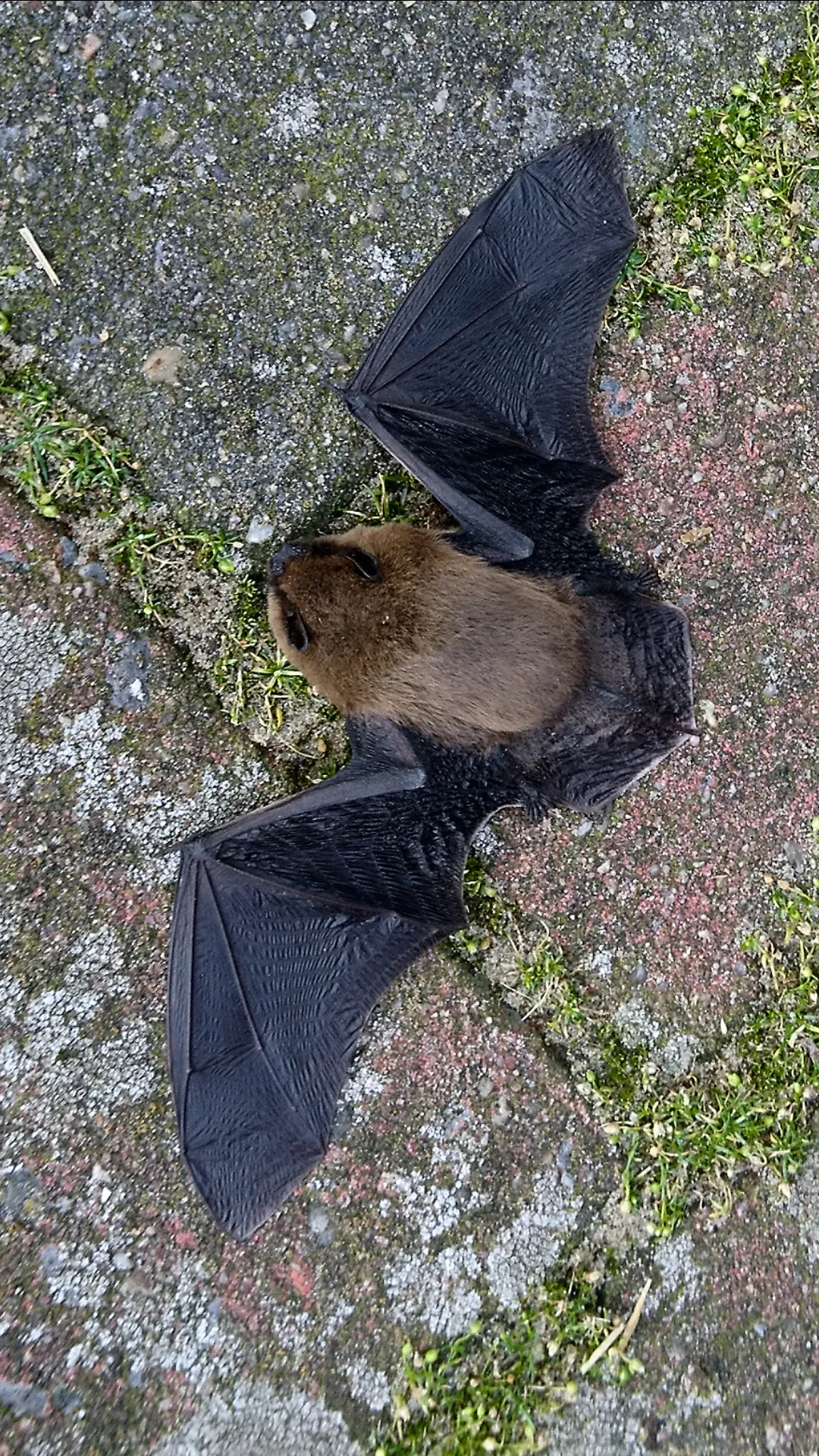
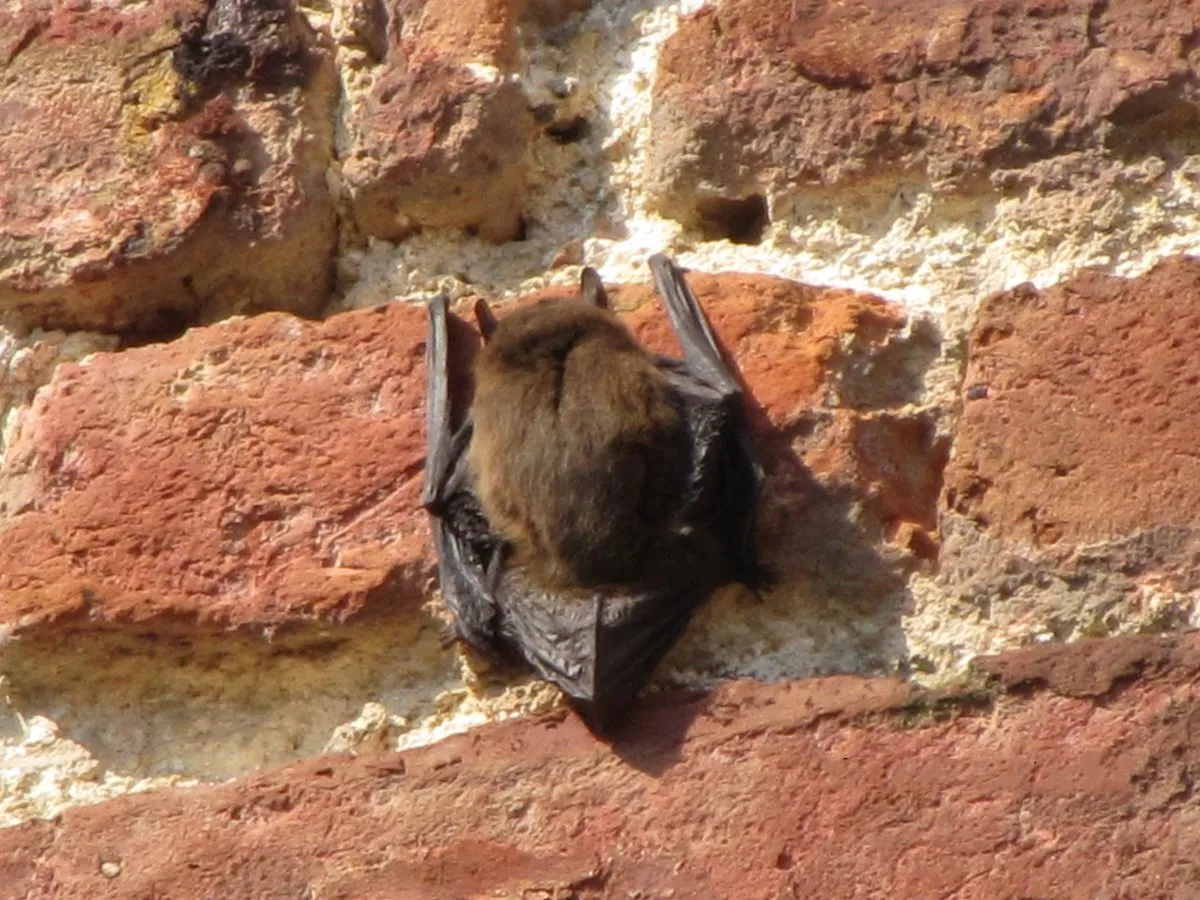
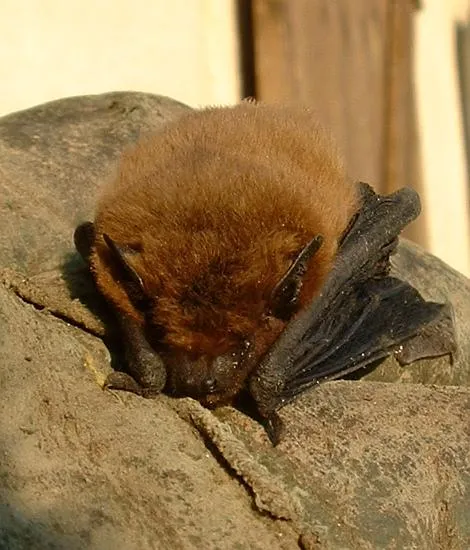
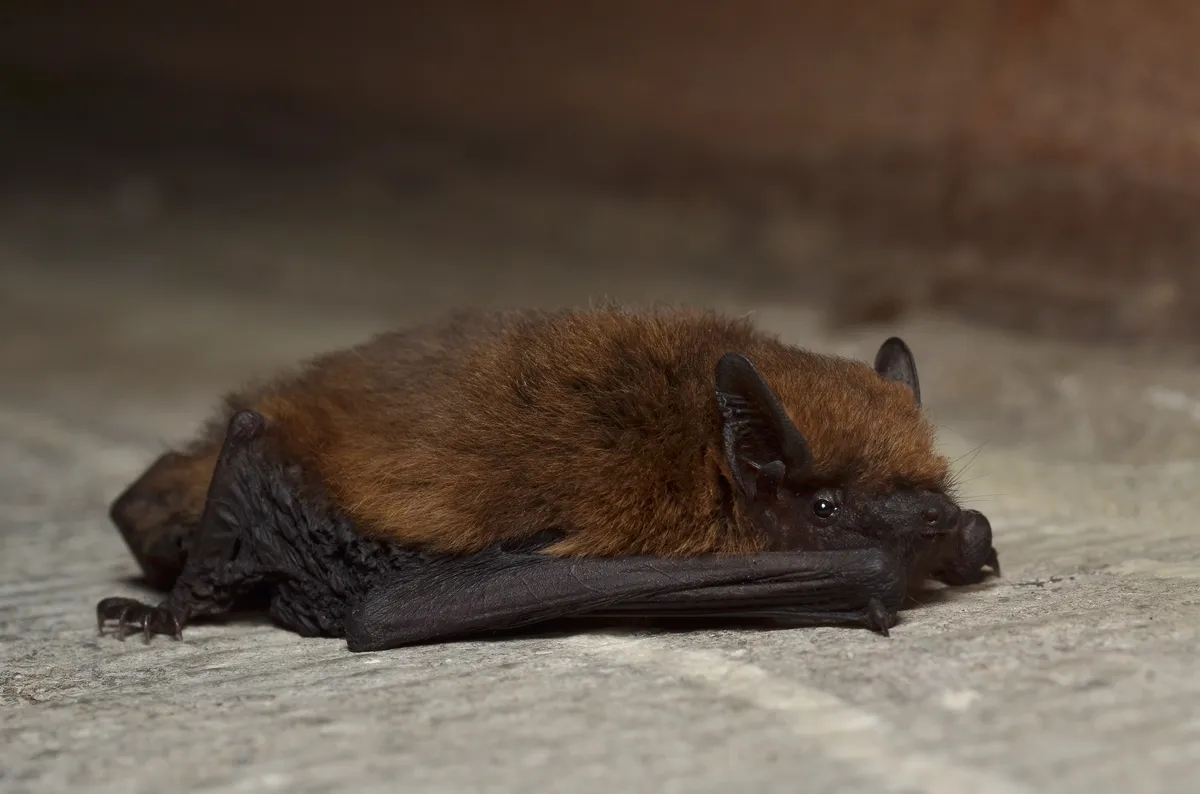
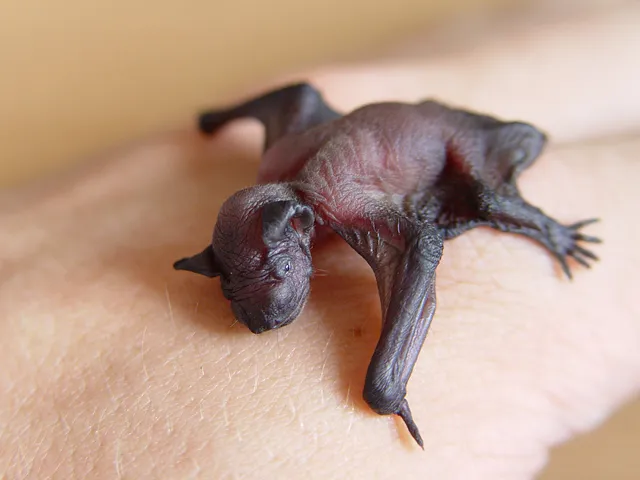
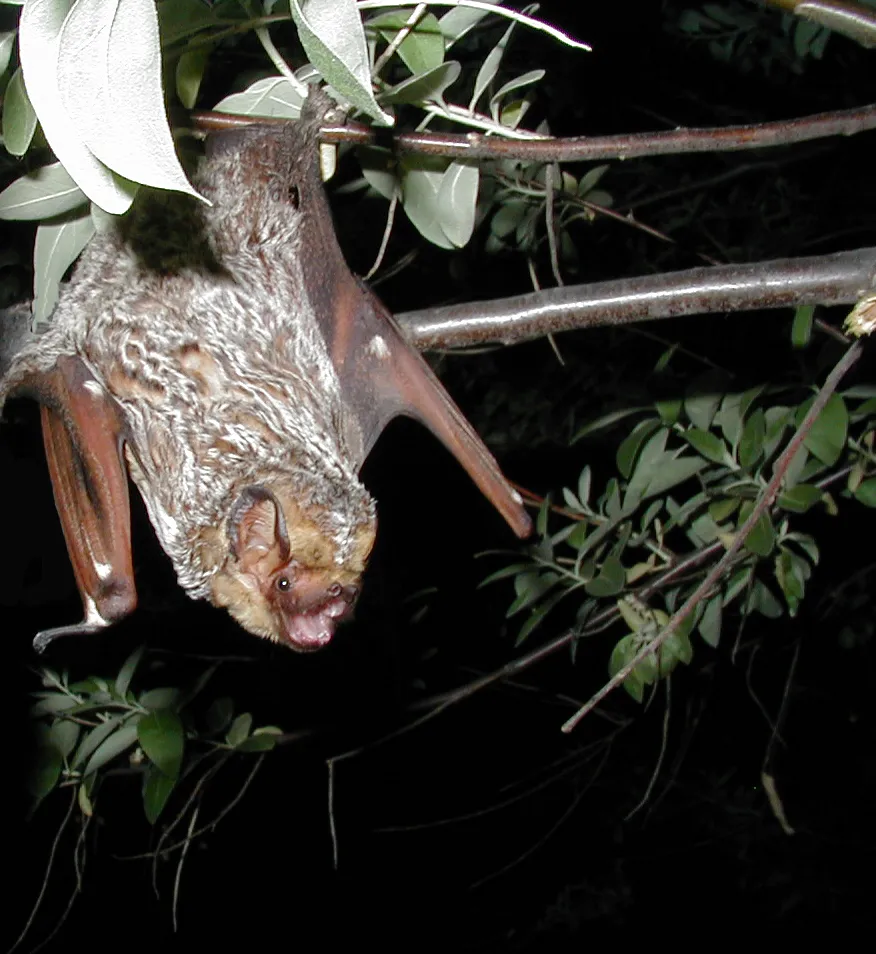
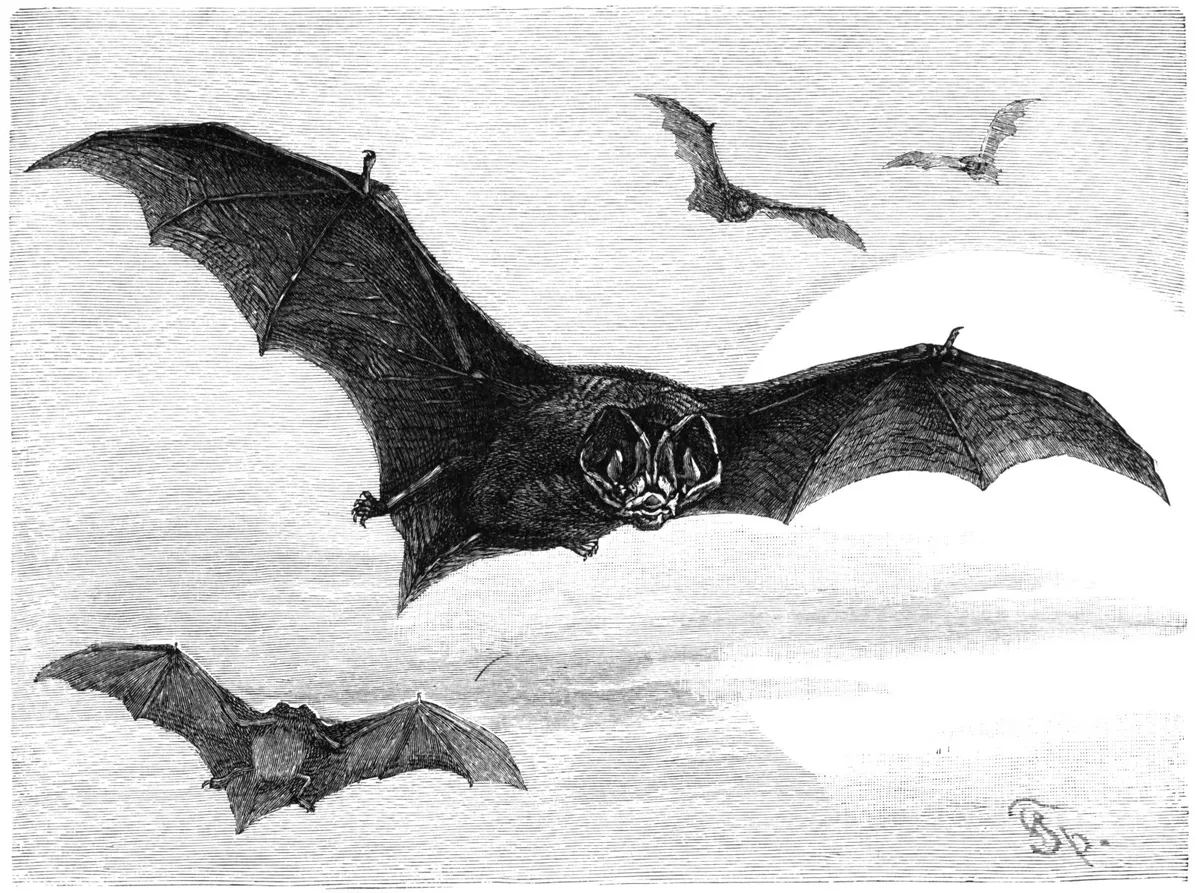
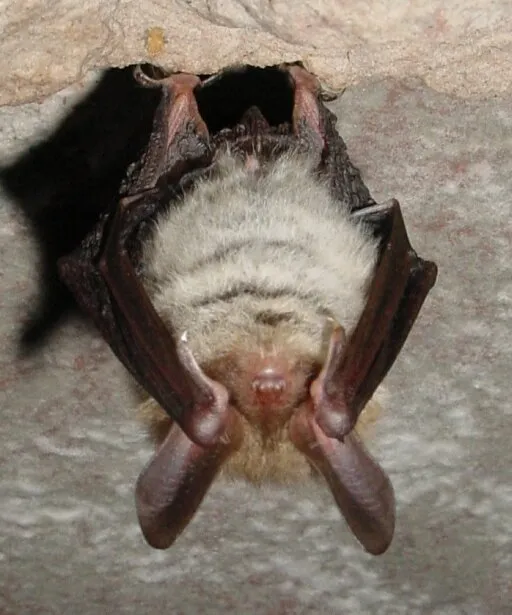
A small insectivorous bat species native to Europe, characterized by its rapid flight and echolocation abilities. Widely distributed across diverse landscapes including urban, woodland, and agricultural environments.
Image Gallery
ADSENSE SLOT
Ecology & Habitat
Habitat
Forests, woodlands, agricultural areas, urban parks, suburban regions with tree cover; roosting in buildings, tree cavities, and bat boxes; altitude range from sea level to 2,000 meters
Ecological Role
Critical insect population control, pollination contributor, biodiversity indicator species with significant role in ecosystem balance and nocturnal insect management
Morphology
SKIN COATDense dark brown to black fur, short velvety texture, wing membranes darker with minimal hair coverage
LIMBS WINGSWingspan 190-250 mm, thin membranous wings with metacarpal joints, highly flexible wing membrane enabling precise aerial maneuverability
HEAD SENSORYLarge ears, sophisticated echolocation system, sensitive hearing range 20-110 kHz, pronounced tragus for sound navigation
BODY STRUCTURESmall bat, total body length 35-45 mm, weight 3-8 grams, compact aerodynamic form optimized for aerial insect hunting
Data Source: TaxonHub Database
Image Credit: Bildflut