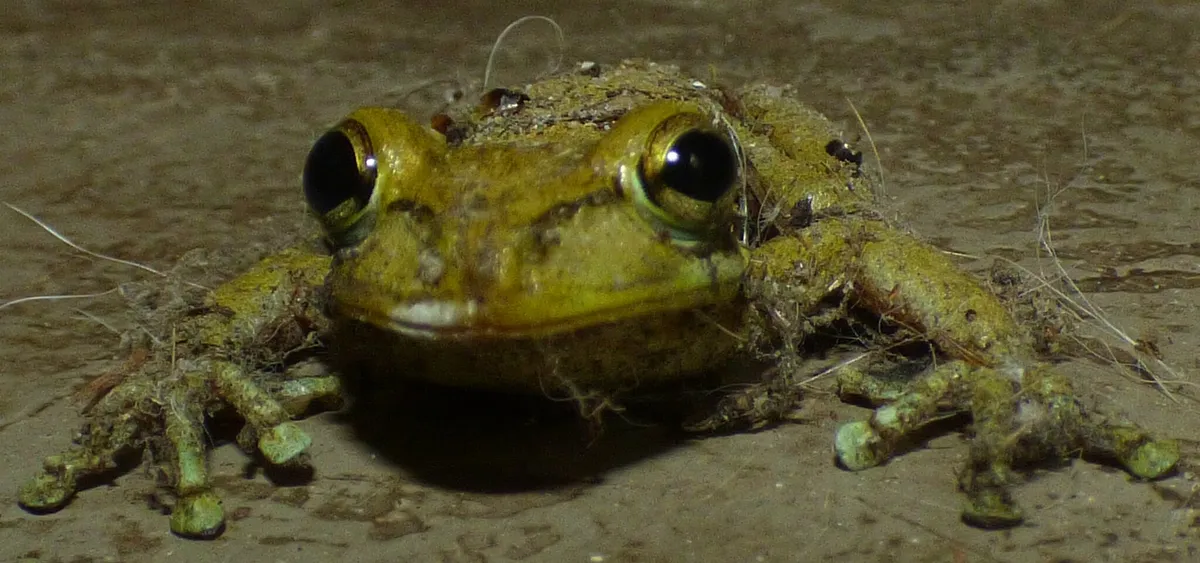
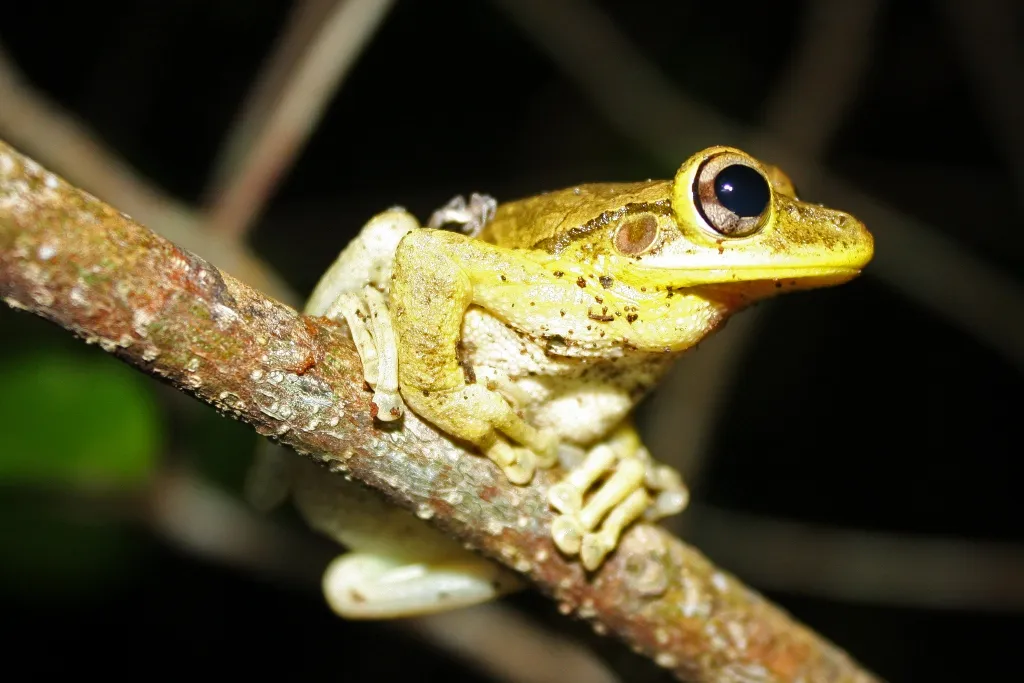
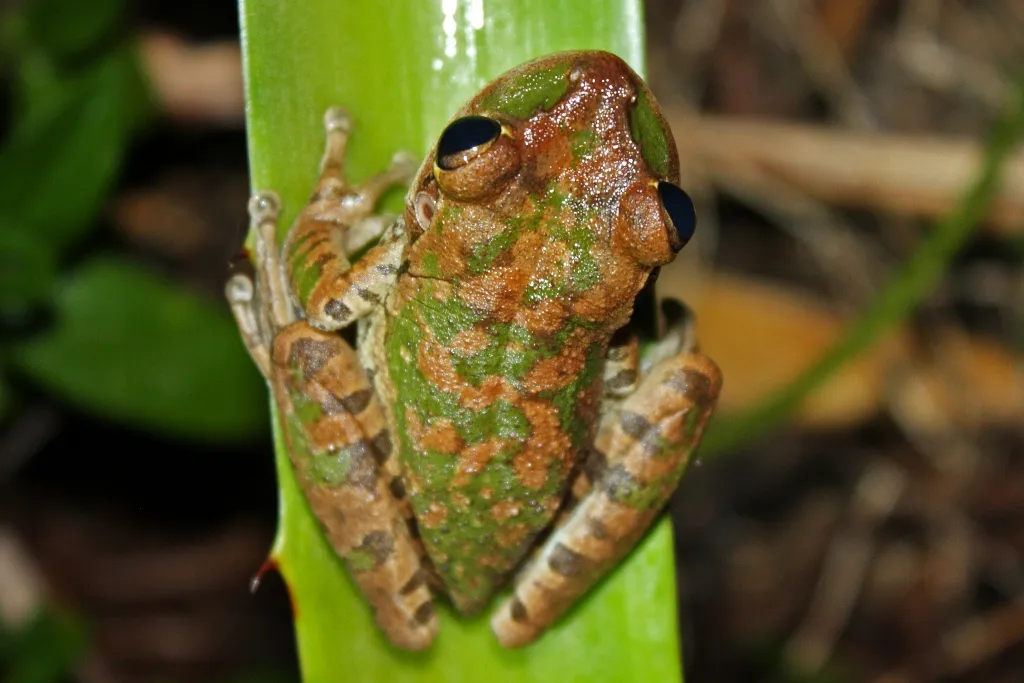
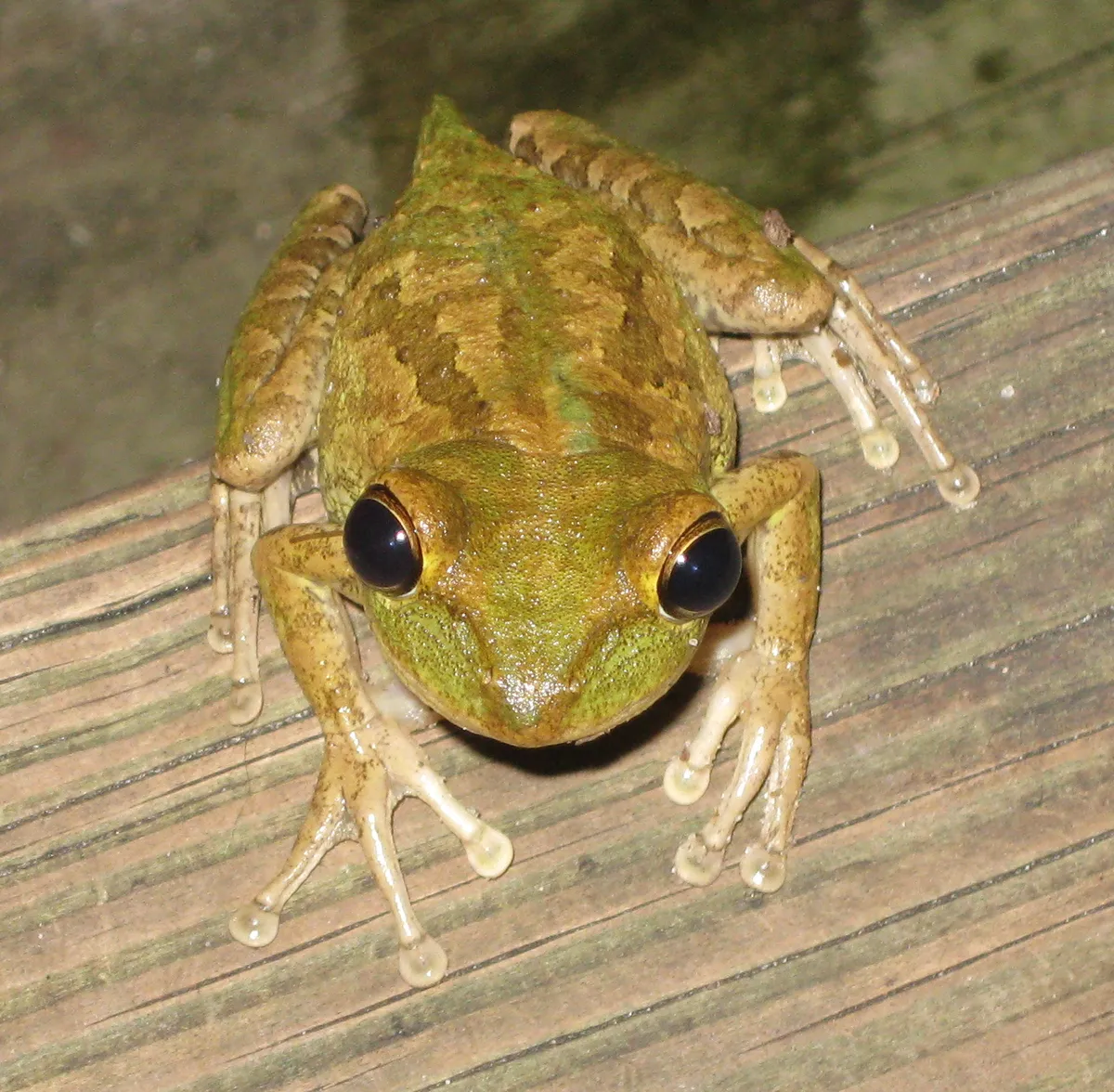
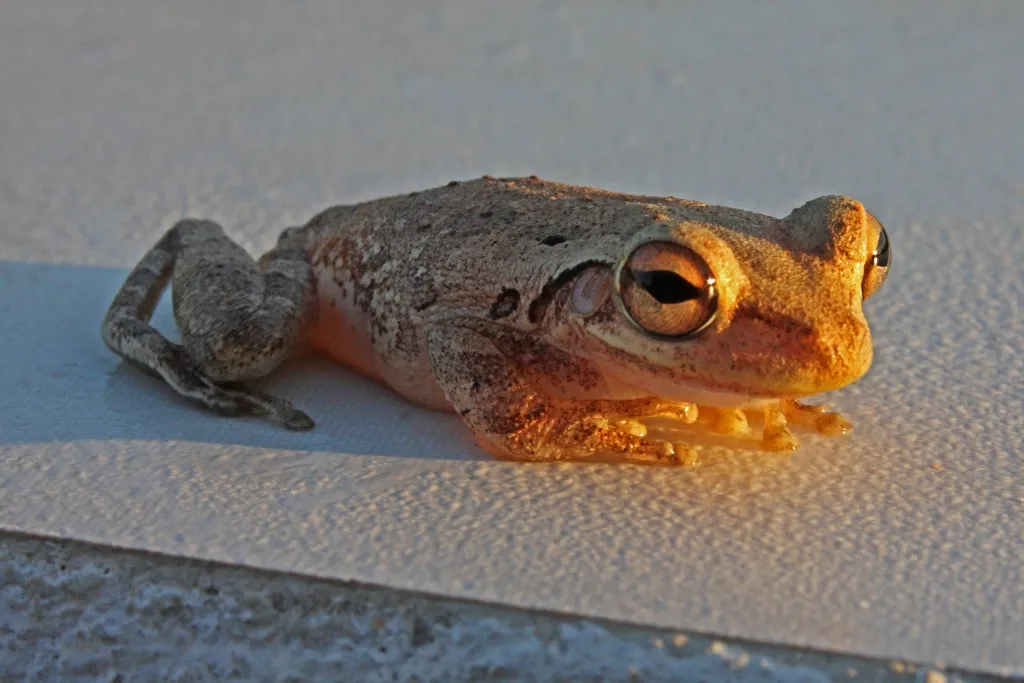
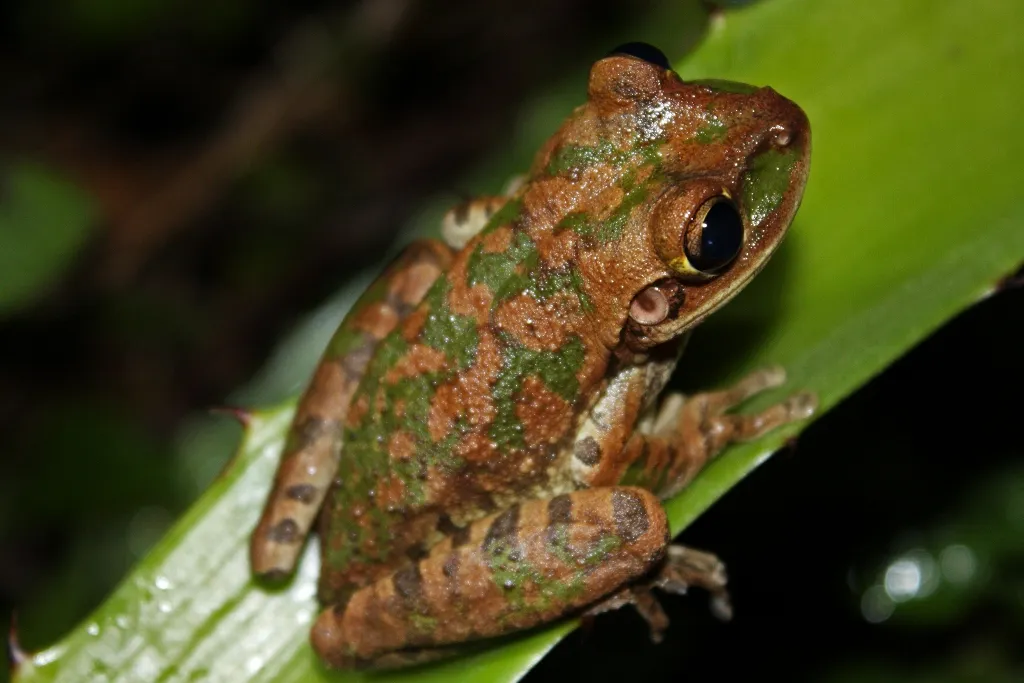
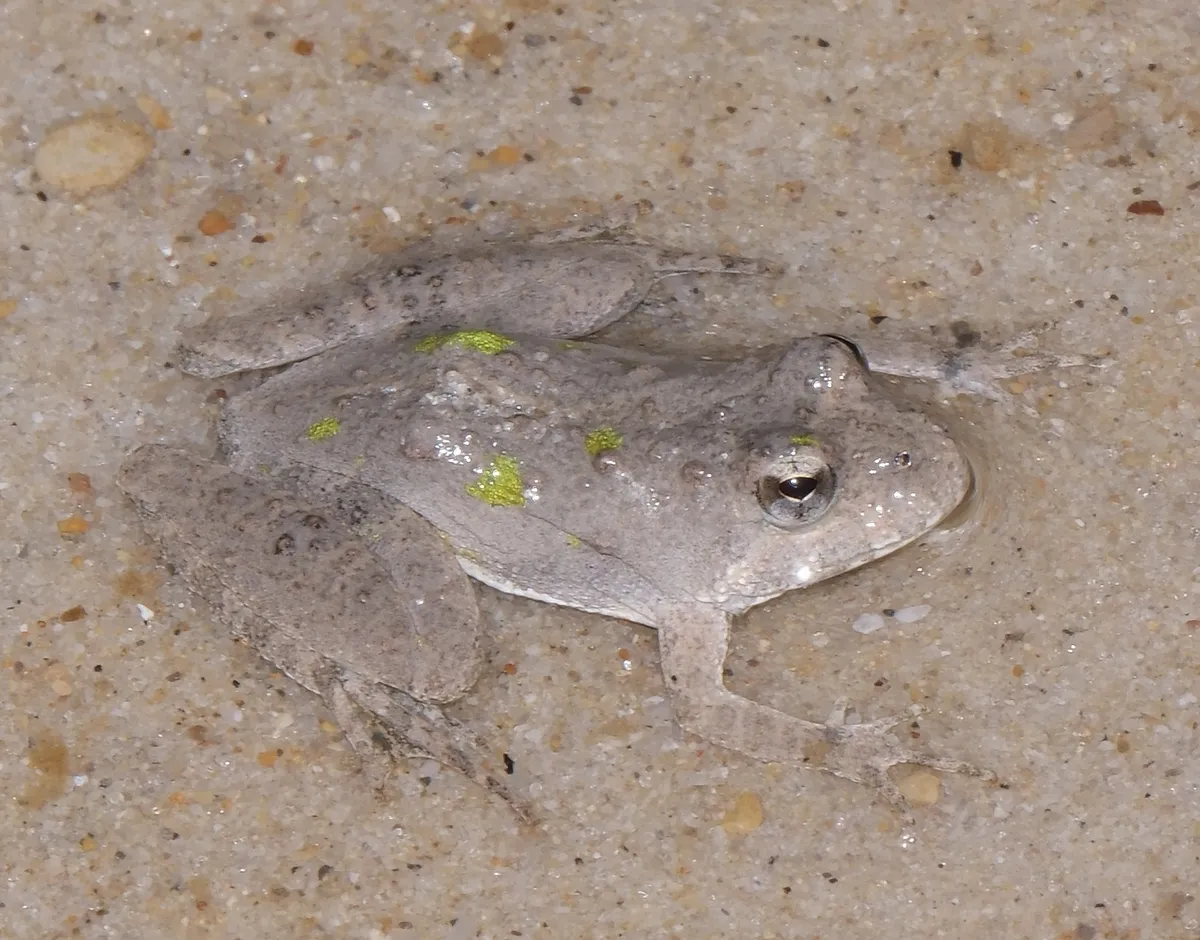
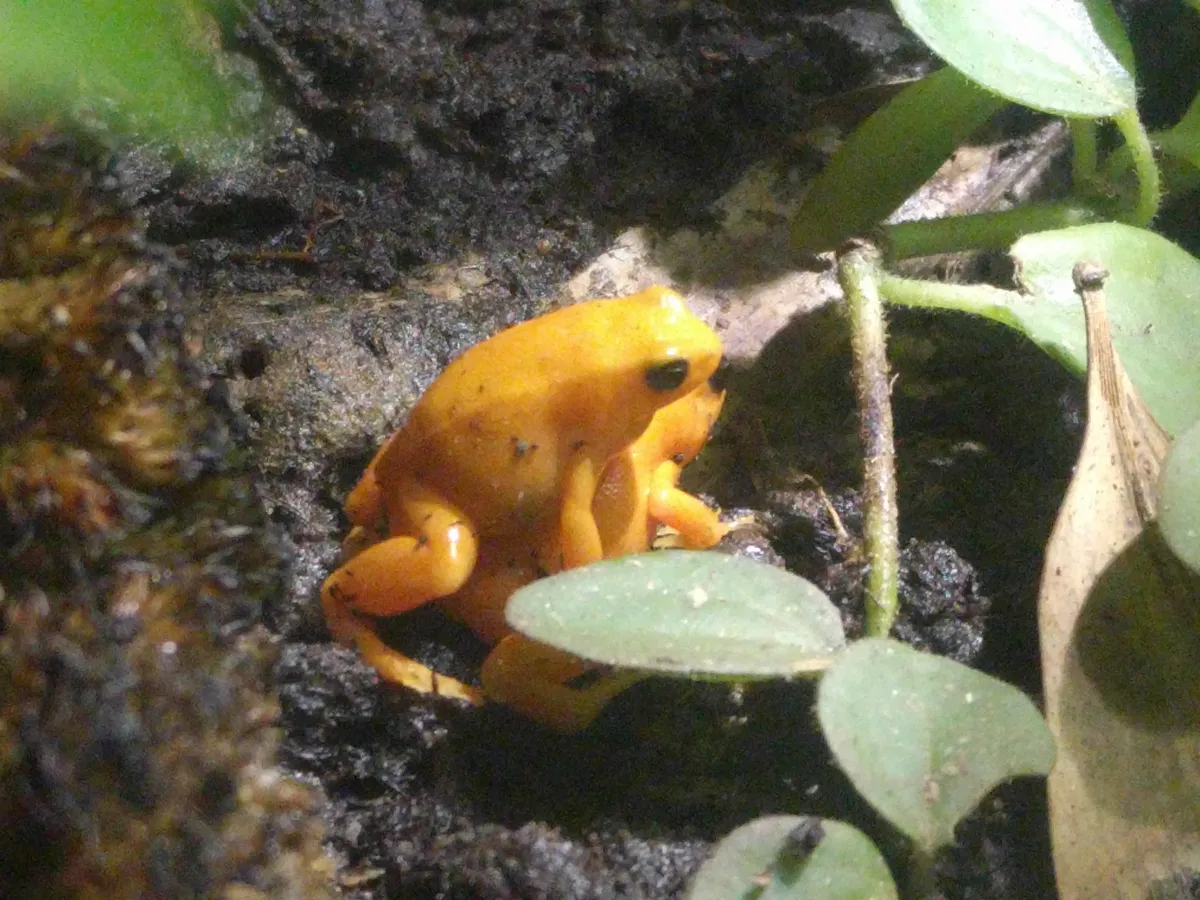
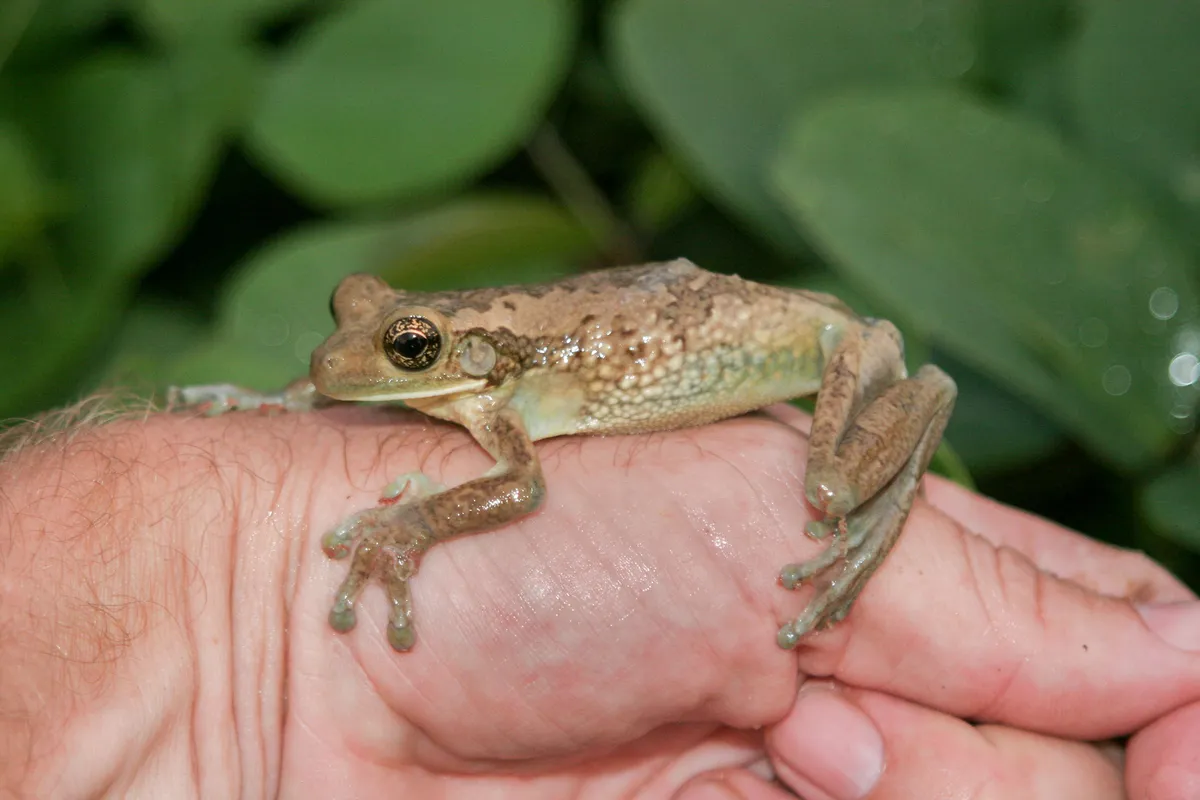
A large, invasive amphibian species native to Cuba, the Bahamas, and the Cayman Islands, now widespread in Florida and other Caribbean regions. Known for its remarkable adaptability and significant ecological impact as an introduced species.
Image Gallery
ADSENSE SLOT
Ecology & Habitat
Habitat
Highly adaptable, thriving in urban and rural environments including gardens, forests, human structures, and tropical to subtropical landscapes with high humidity. Frequently found near artificial light sources that attract insect prey.
Ecological Role
Significant invasive predator that disrupts local ecosystem dynamics by consuming native insect populations and competing with native amphibian species. Plays a critical role in controlling insect populations but poses risks to native biodiversity.
Morphology
SKIN COATThick, warty skin with high mucus production. Capable of rapid color change for camouflage and thermoregulation.
LIMBS WINGSStrong, muscular limbs with large adhesive toe pads enabling exceptional climbing and surface attachment abilities. Powerful hind limbs for jumping and arboreal locomotion.
HEAD SENSORYLarge, prominent eyes with horizontal pupils. Extensive sensory capabilities with well-developed tympanum and specialized skin for moisture and chemical detection.
BODY STRUCTURELarge treefrog, measuring 5-15 cm in length. Robust, muscular body with variable coloration ranging from white, gray, green to brown, often with mottled or blotchy patterns.
Data Source: TaxonHub Database
Image Credit: kcthetc1