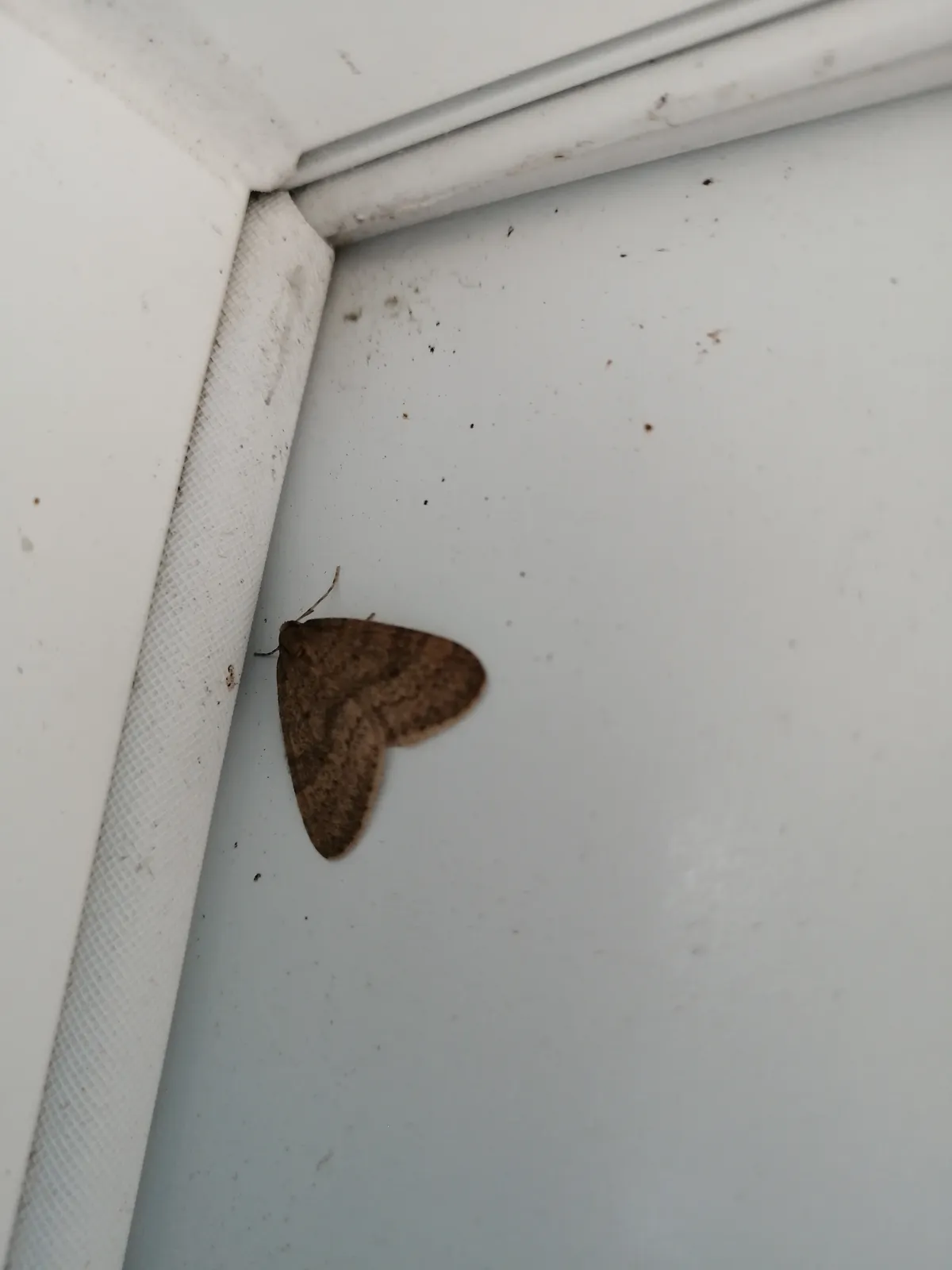
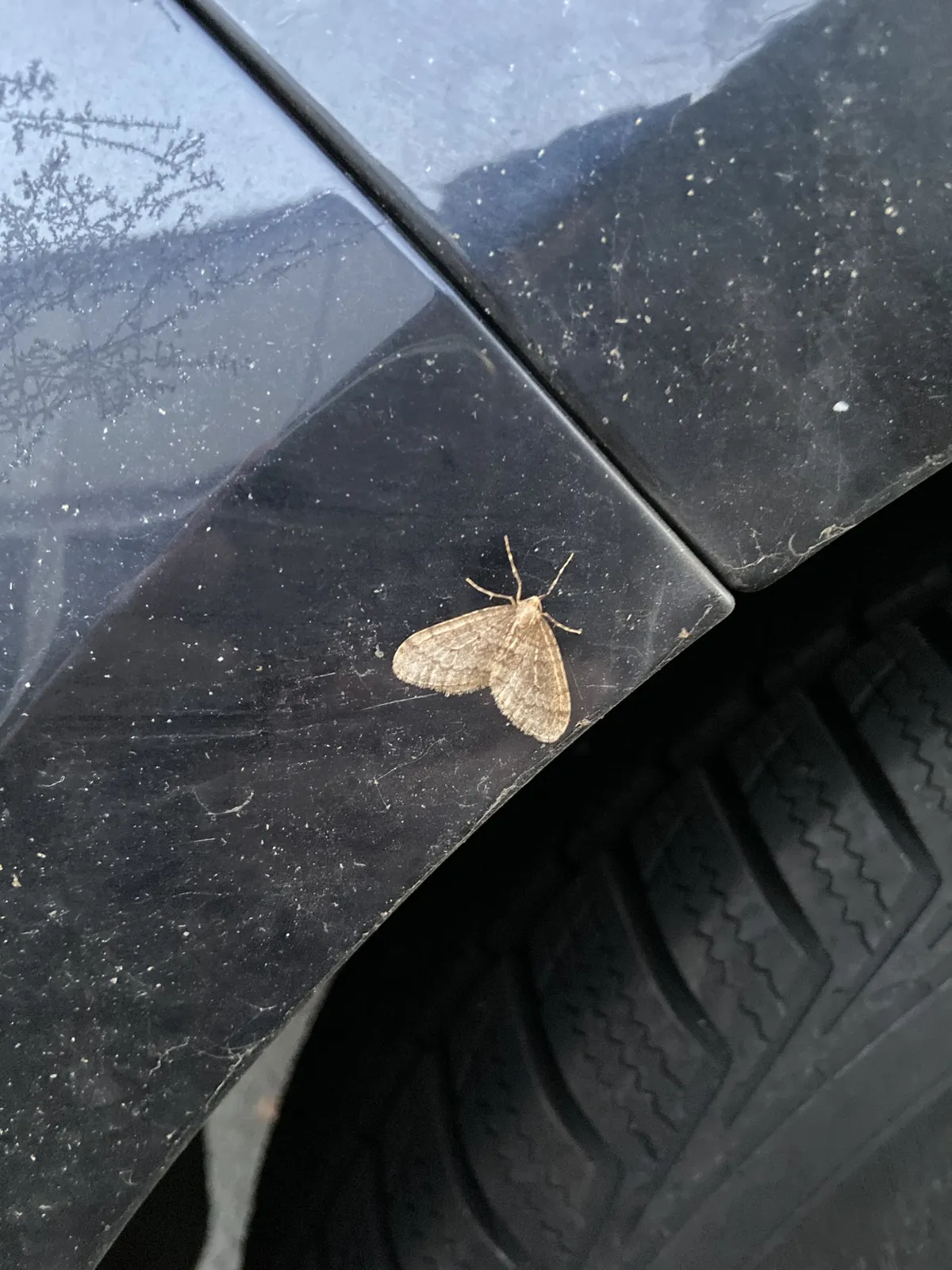
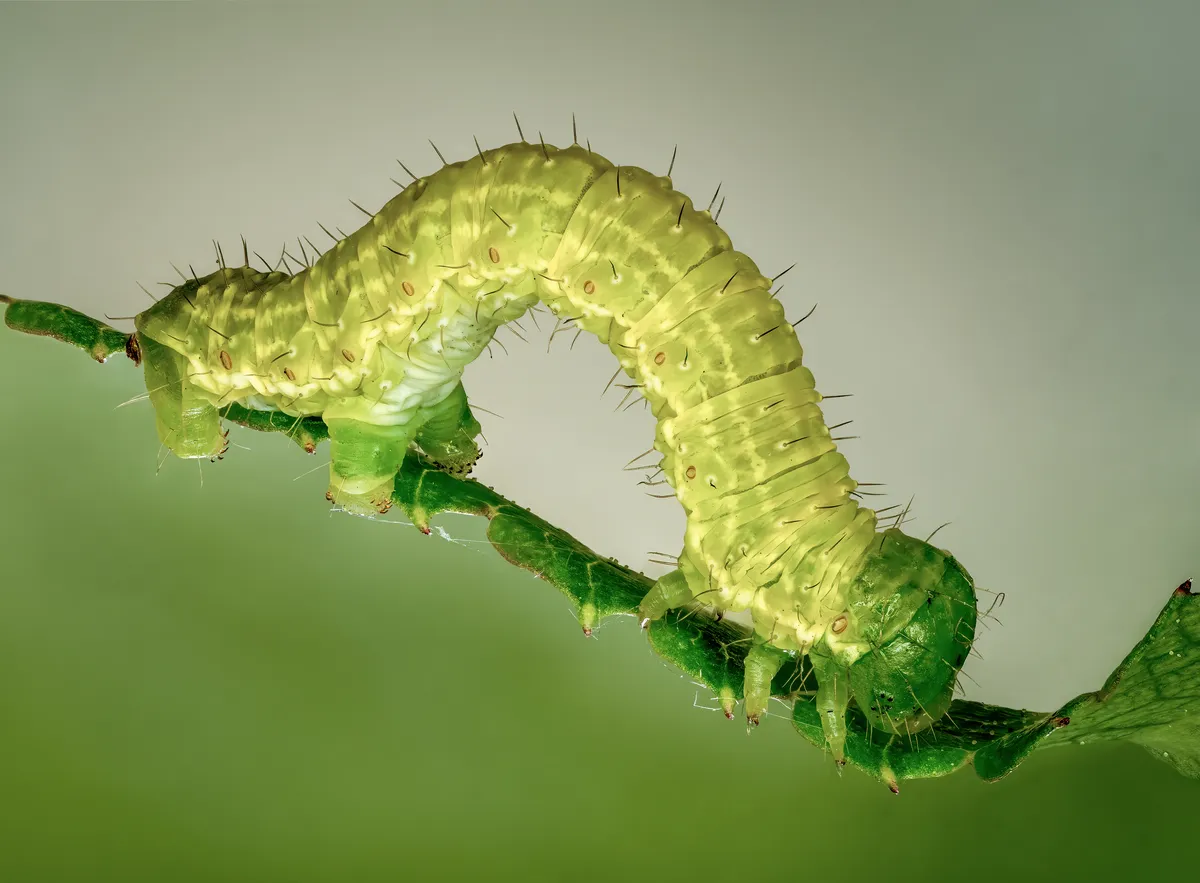
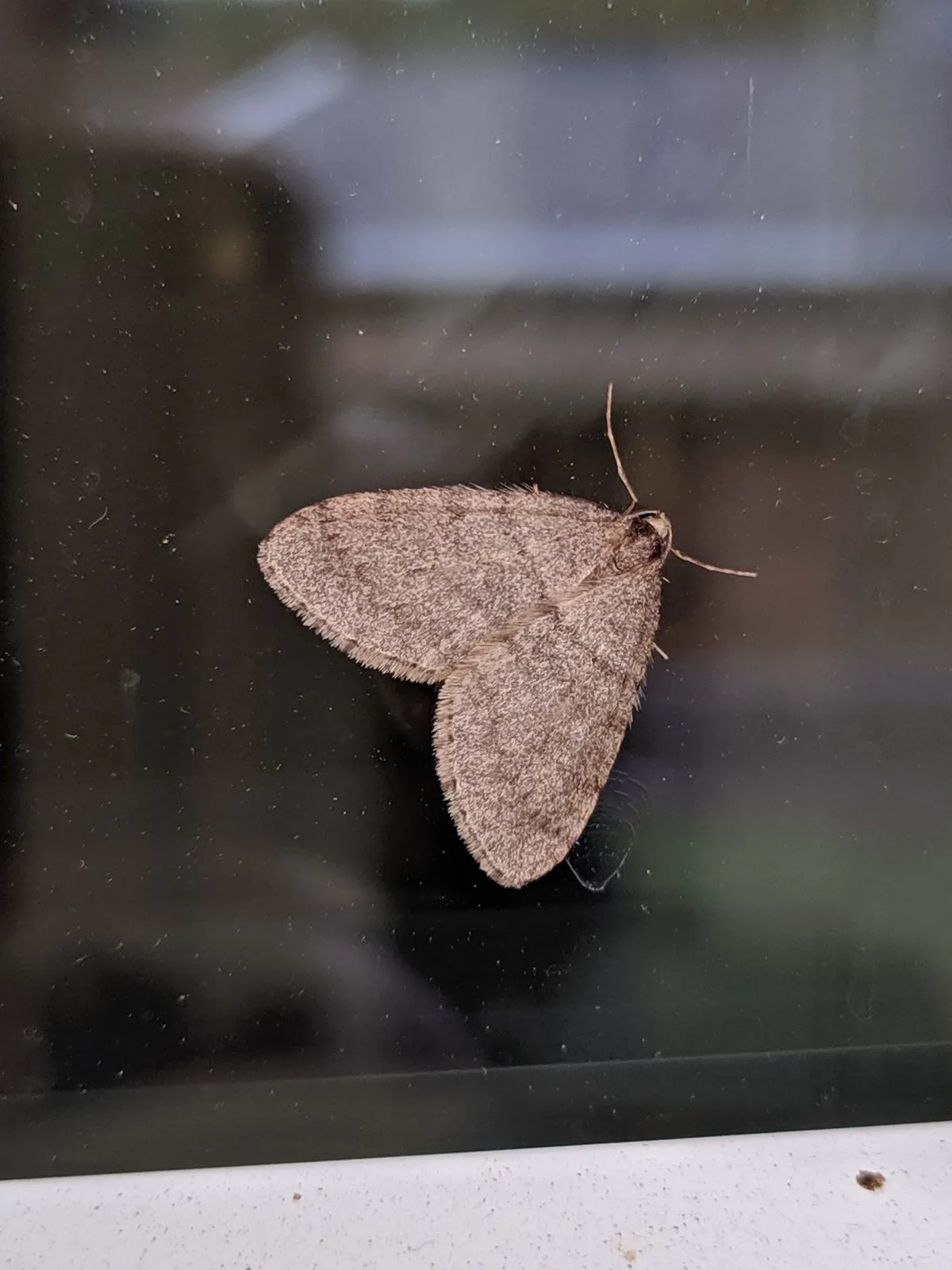
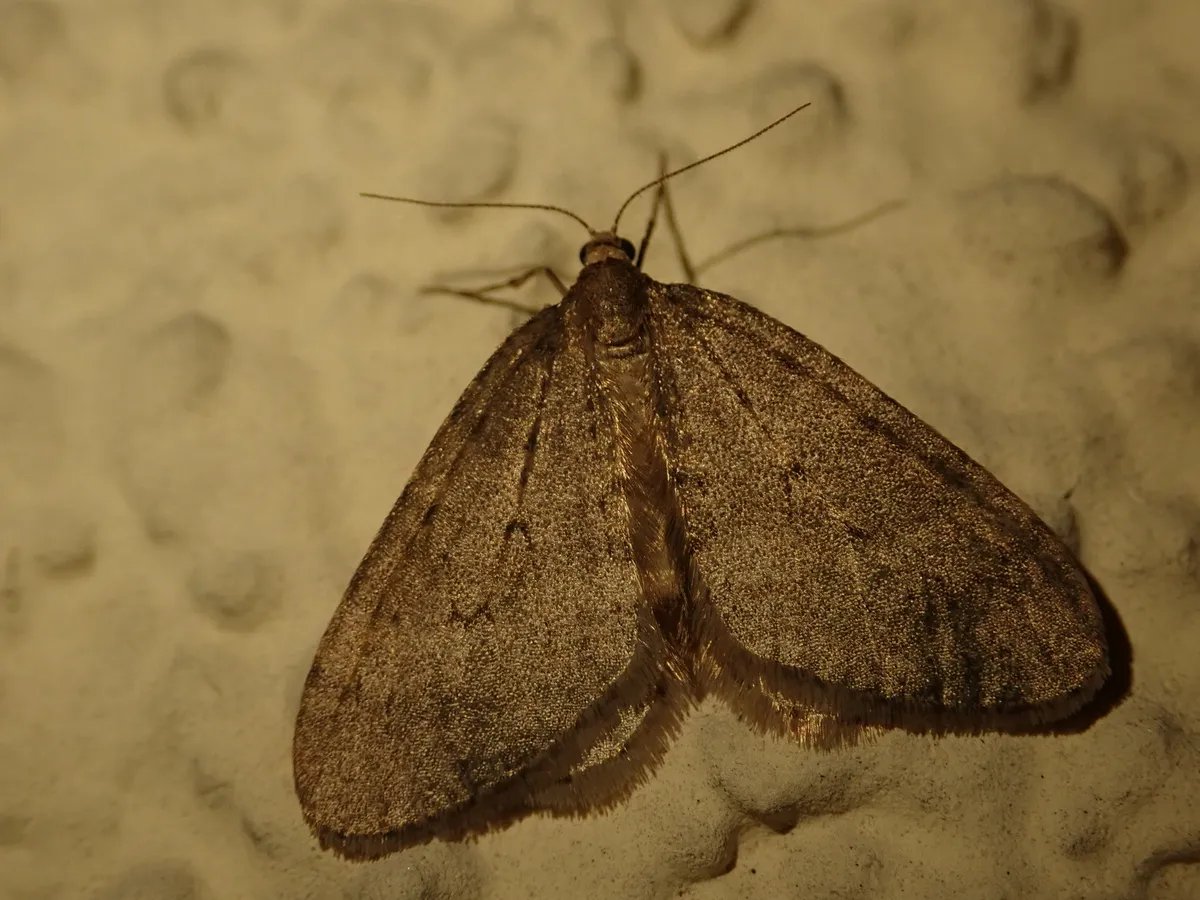
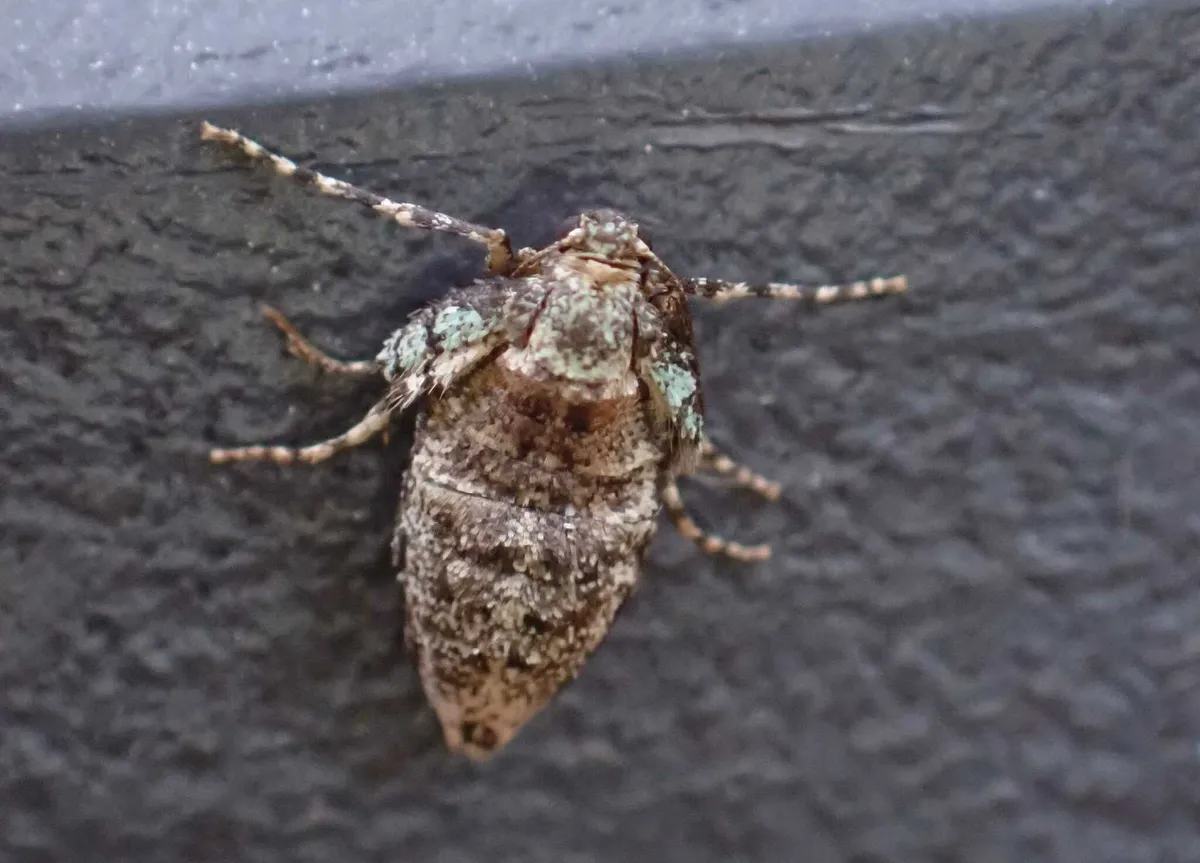
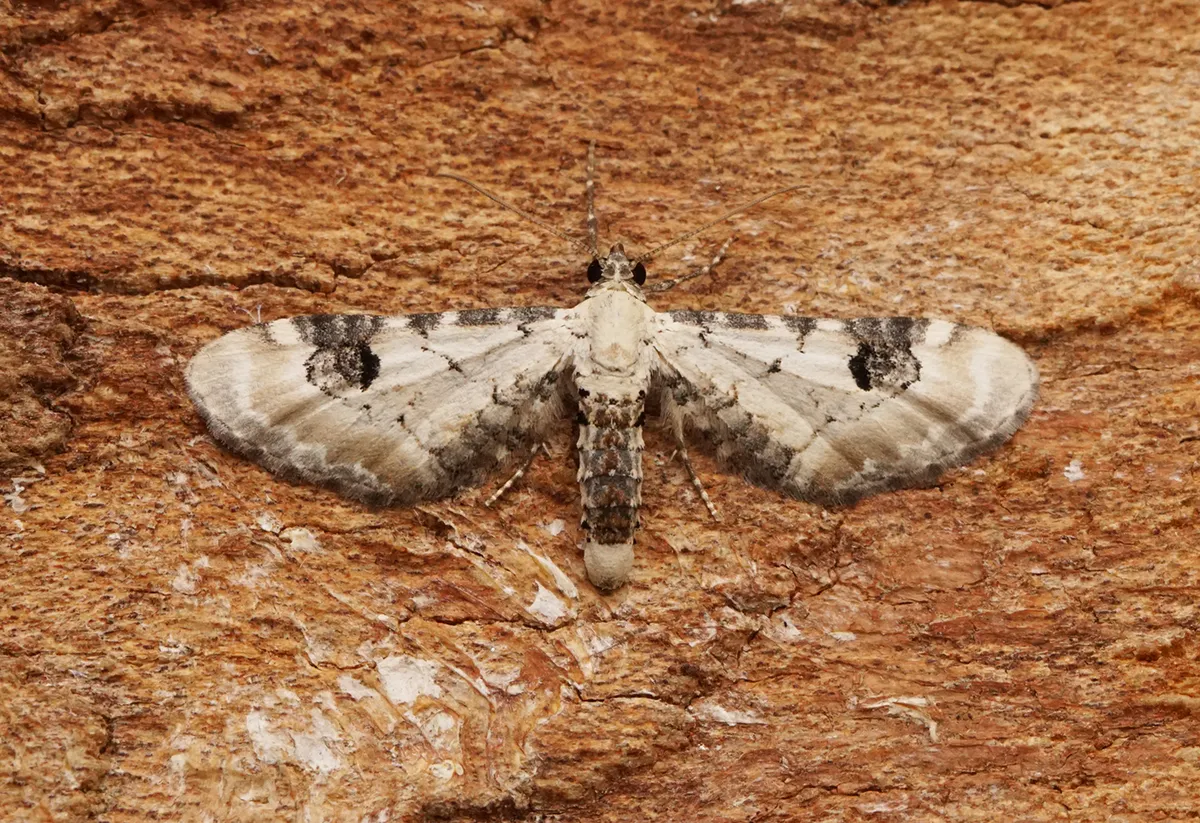
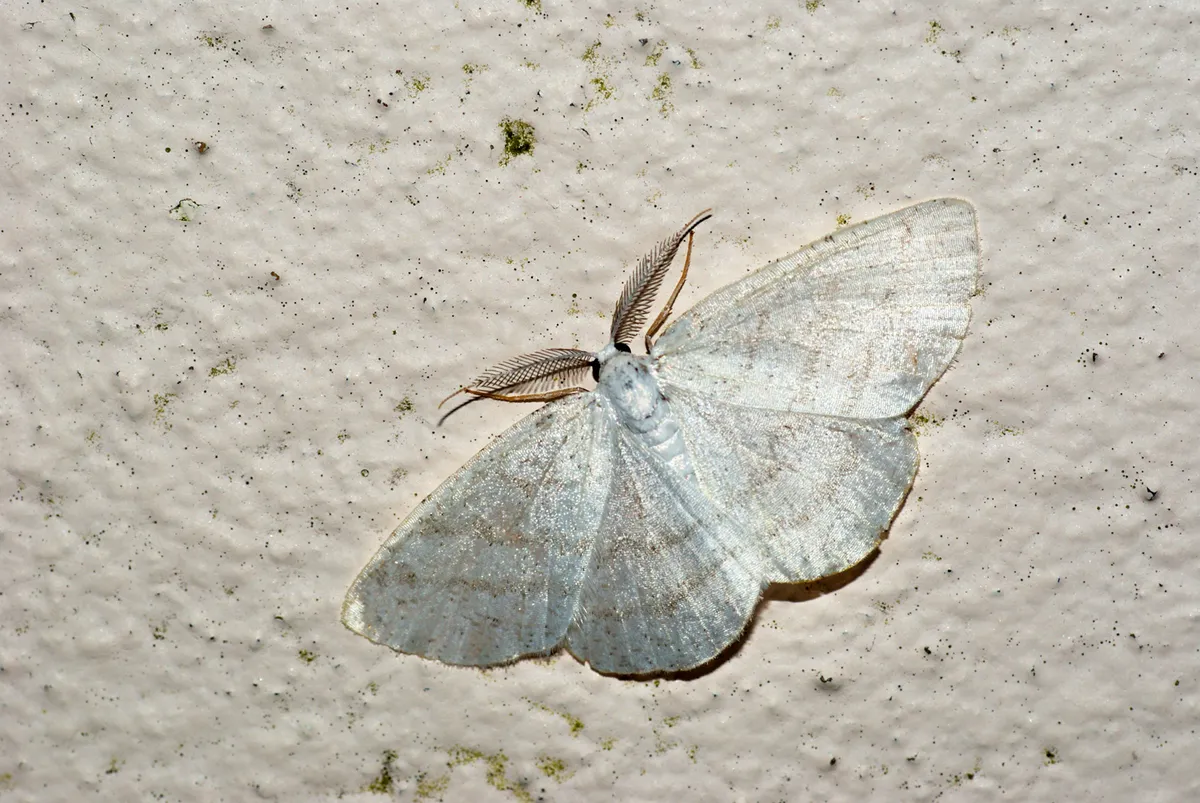
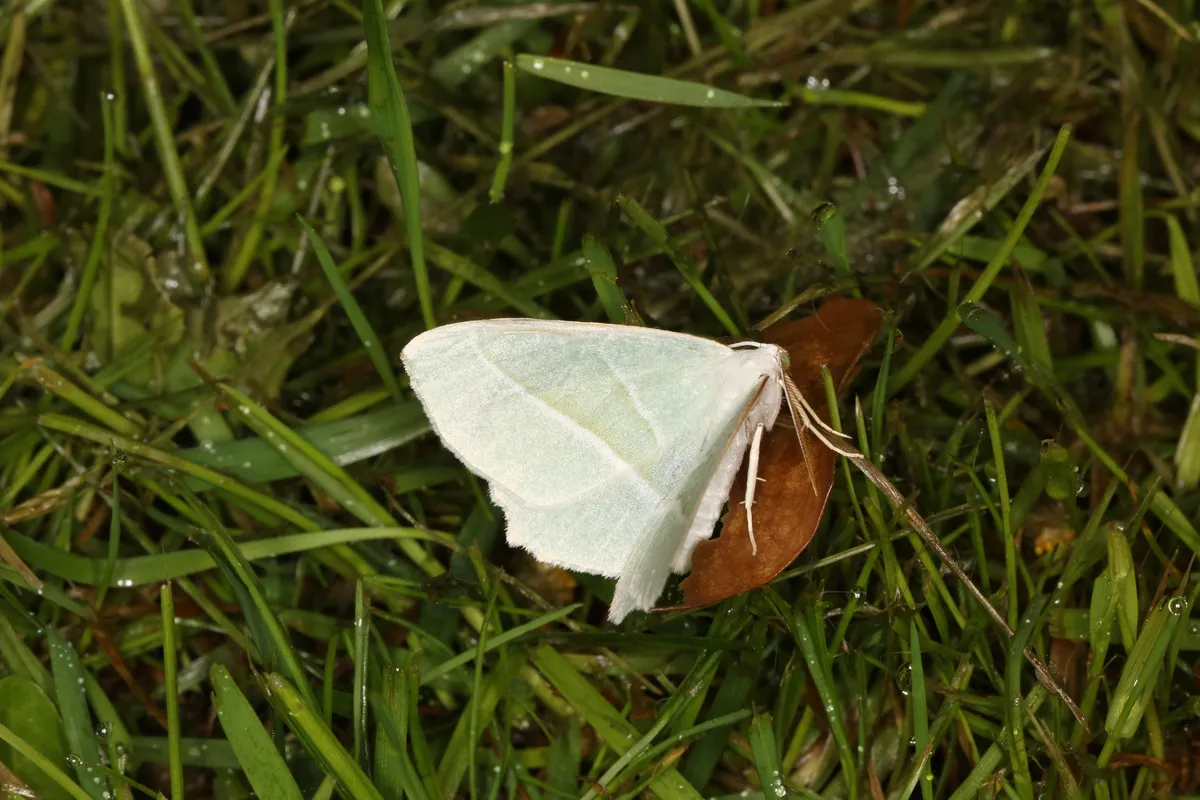
A small nocturnal moth species in the Geometridae family, characterized by its pale brown to greyish coloration and significant ecological impact in temperate forest ecosystems.
Image Gallery
ADSENSE SLOT
Ecology & Habitat
Habitat
Deciduous and mixed forests across Europe and parts of North America, particularly in regions with temperate climates and deciduous tree populations.
Ecological Role
Key herbivorous insect in forest ecosystems, serving as a critical food source for birds and playing a significant role in forest nutrient cycling and tree population dynamics.
Morphology
SKIN COATScales covering body and wings, providing thermal regulation and camouflage
LIMBS WINGSTwo pairs of wings with delicate scales, forewings larger and more prominent than hindwings, enabling flight
HEAD SENSORYCompound eyes, short antennae with sensory capabilities for detecting pheromones and environmental cues
BODY STRUCTURESmall moth with wingspread of approximately 22-28 mm, slender body with pale brown/grey camouflage coloration
Data Source: TaxonHub Database
Image Credit: HardestCard