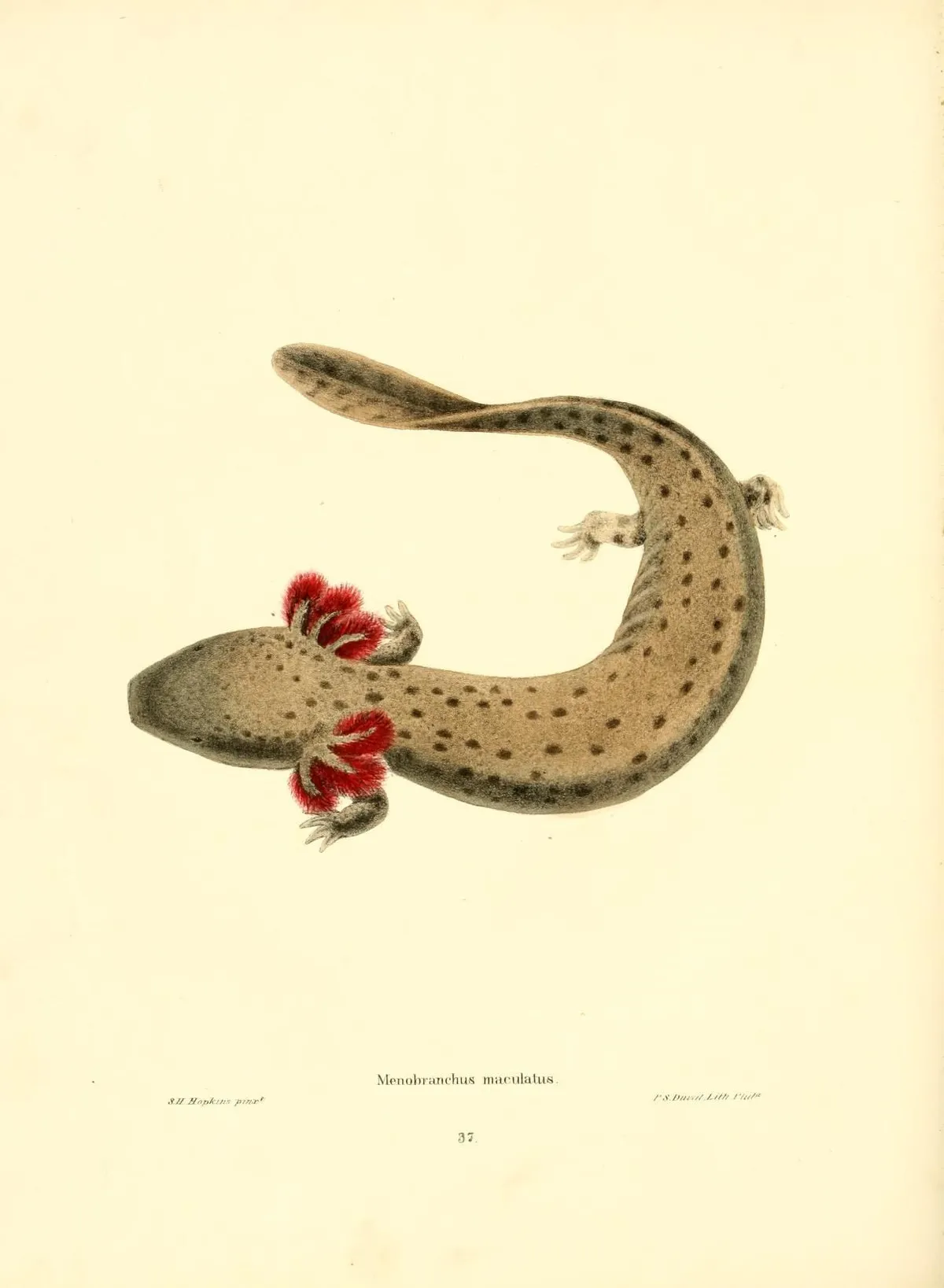
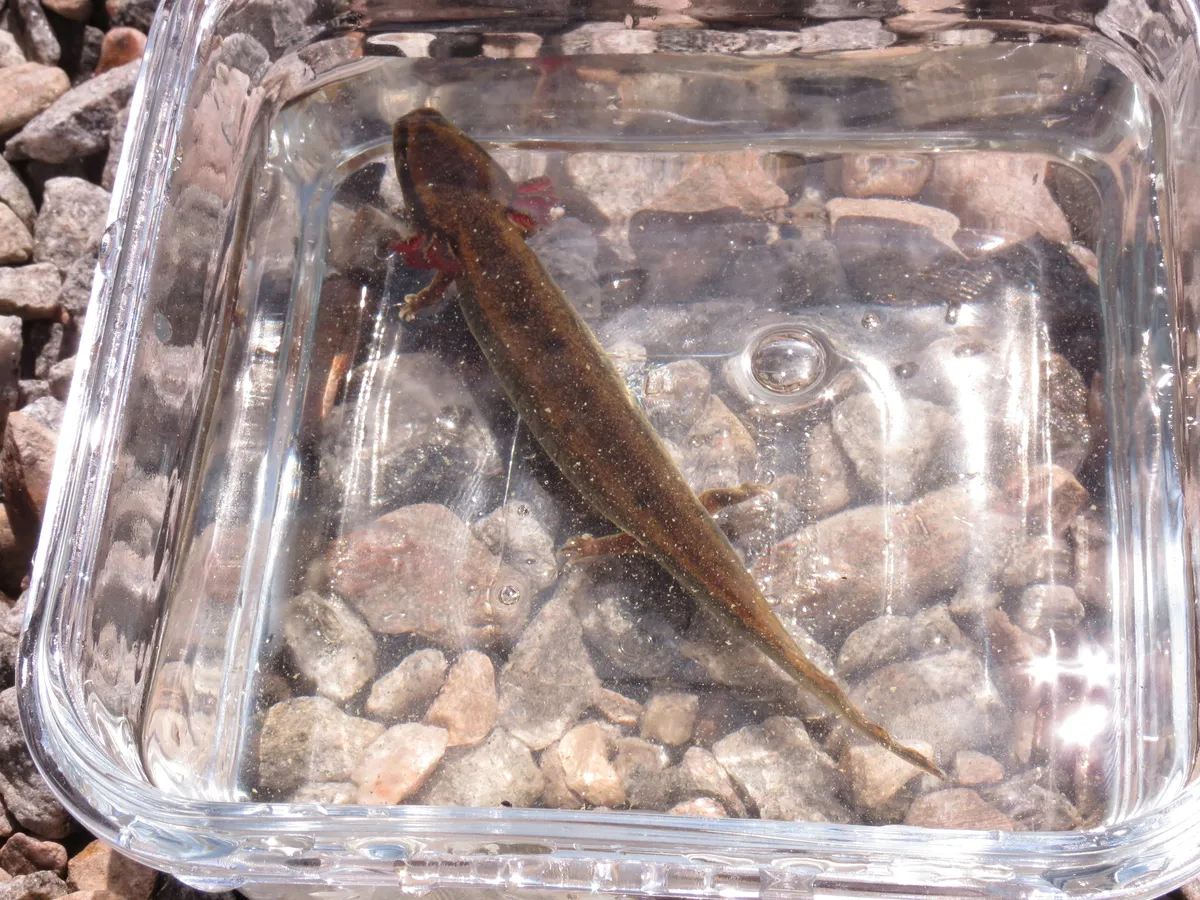
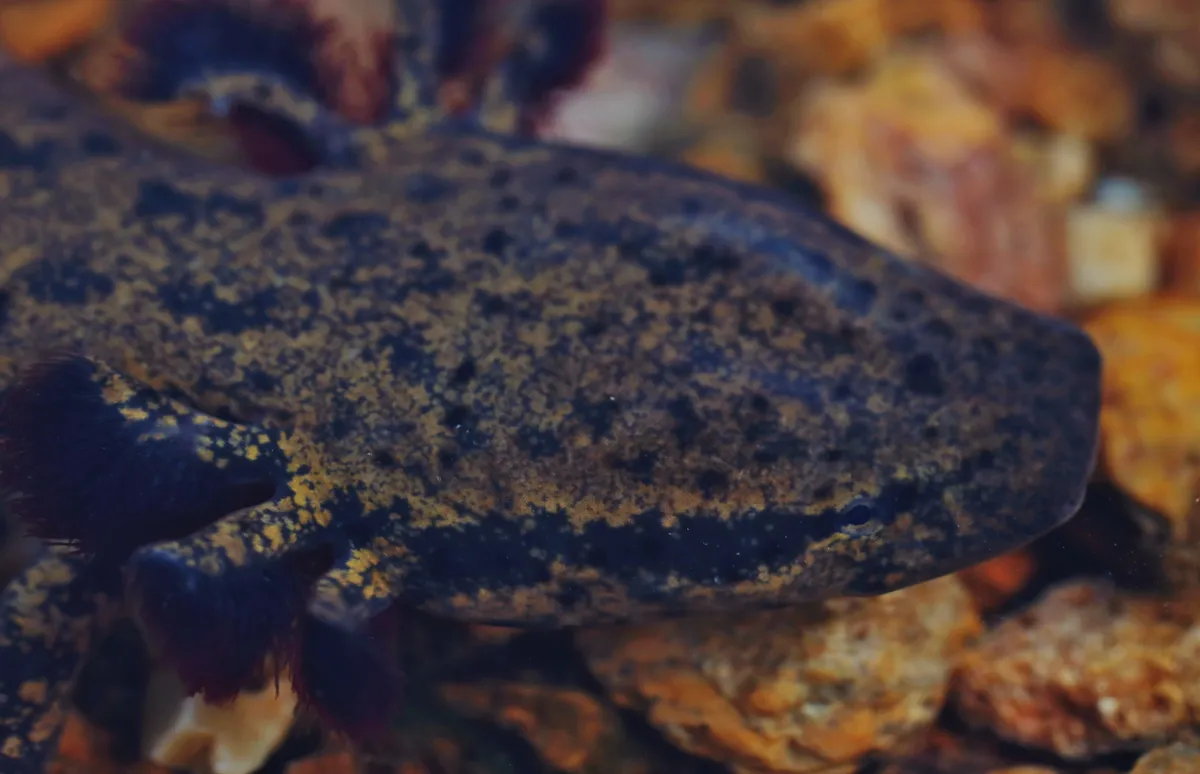
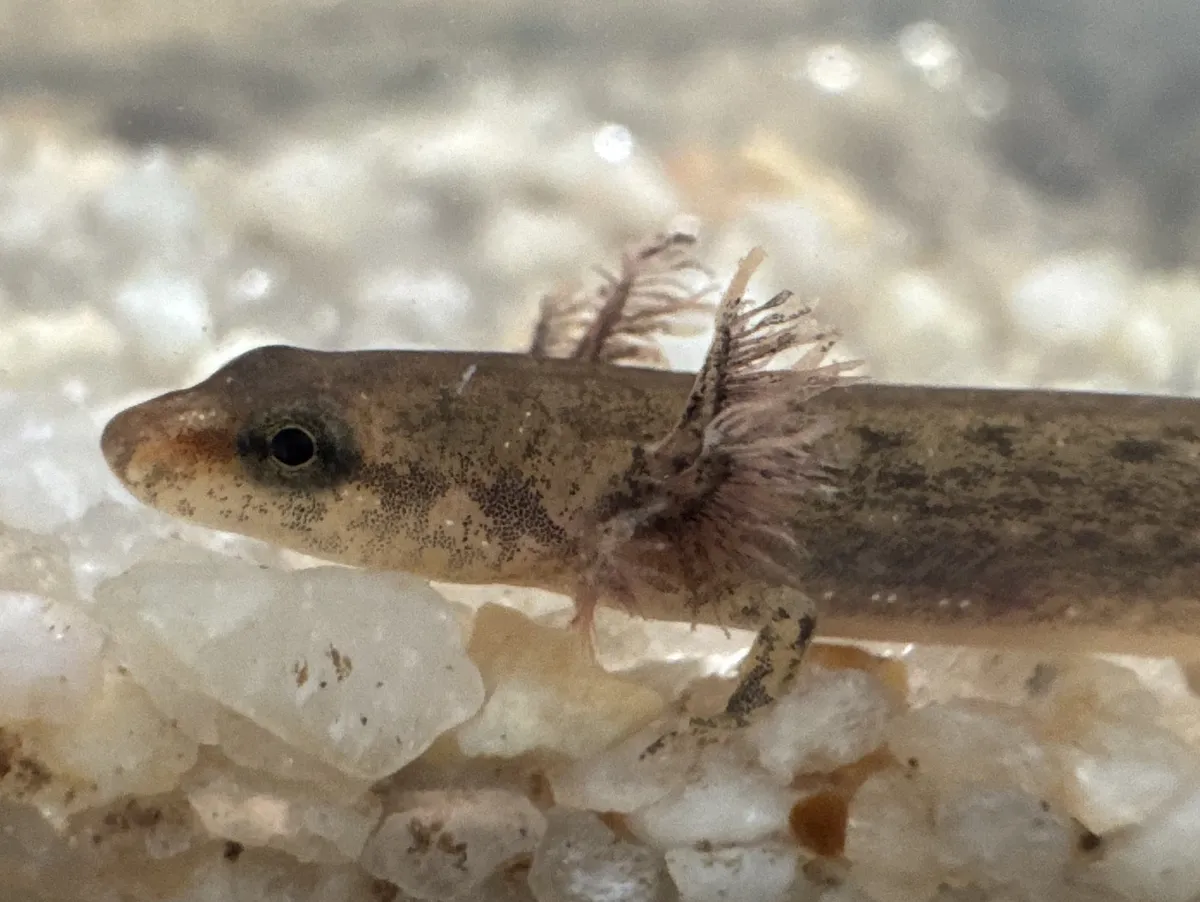
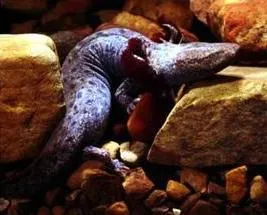
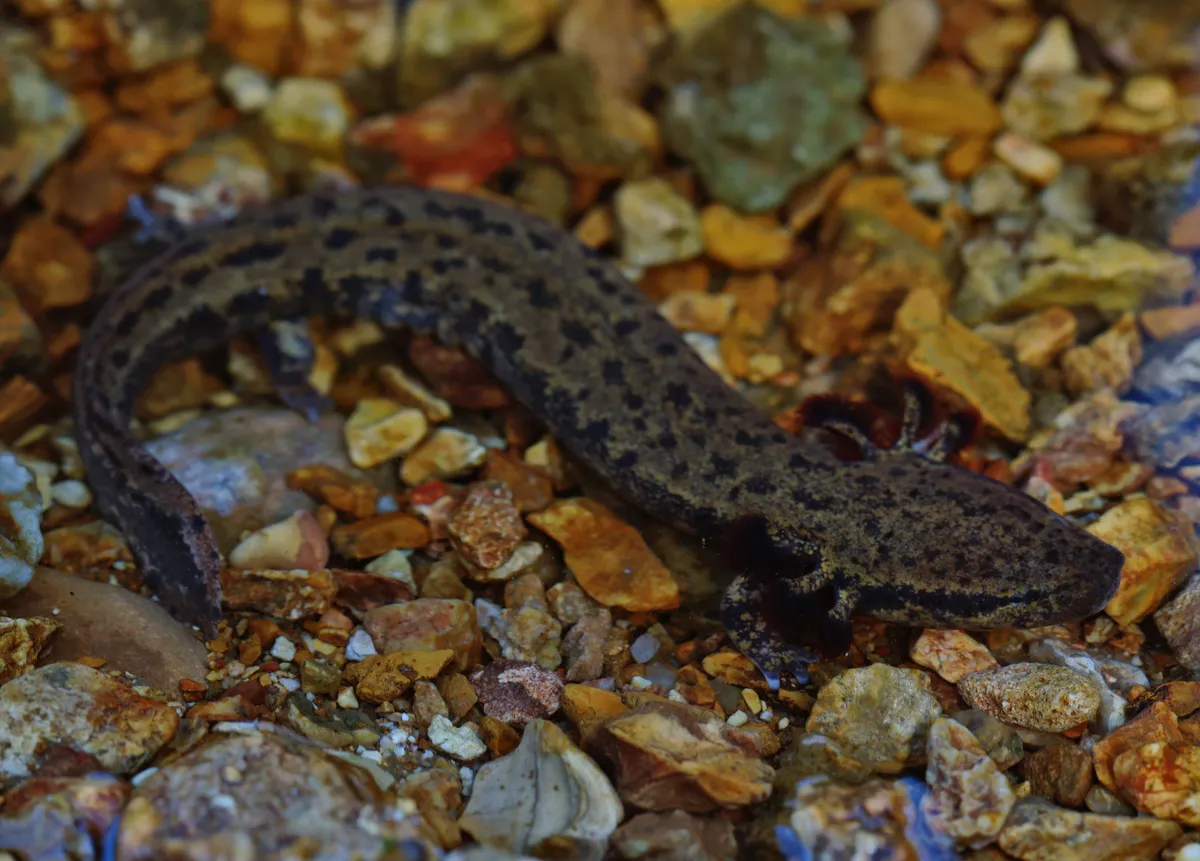
A permanently aquatic salamander native to eastern North America, characterized by external gills and a distinctive spotted pattern. Belongs to the family Proteidae and is notable for its neotenic characteristics.
Image Gallery
ADSENSE SLOT
Ecology & Habitat
Habitat
Freshwater environments including rivers, streams, and lakes in regions spanning from southeastern Canada to the southeastern United States, preferring cool, oxygen-rich waters with rocky or woody substrates.
Ecological Role
Critical component of aquatic food webs, serving as both predator and prey. Plays a significant role in controlling invertebrate populations and acting as a bioindicator of water quality and ecosystem health.
Morphology
SKIN COATSmooth, moist skin with distinctive dark brown or grayish background and irregular dark spots or blotches
LIMBS WINGSFour robust limbs with 4 distinct toes, used for crawling and swimming along stream and lake bottoms
HEAD SENSORYLarge, feathery external gills for underwater respiration, wide mouth with numerous small teeth, well-developed lateral line system
BODY STRUCTUREElongated, flattened body measuring 20-43 cm in length, with a broad, paddle-like tail for aquatic locomotion
Data Source: TaxonHub Database
Image Credit: Biodiversity Heritage Library