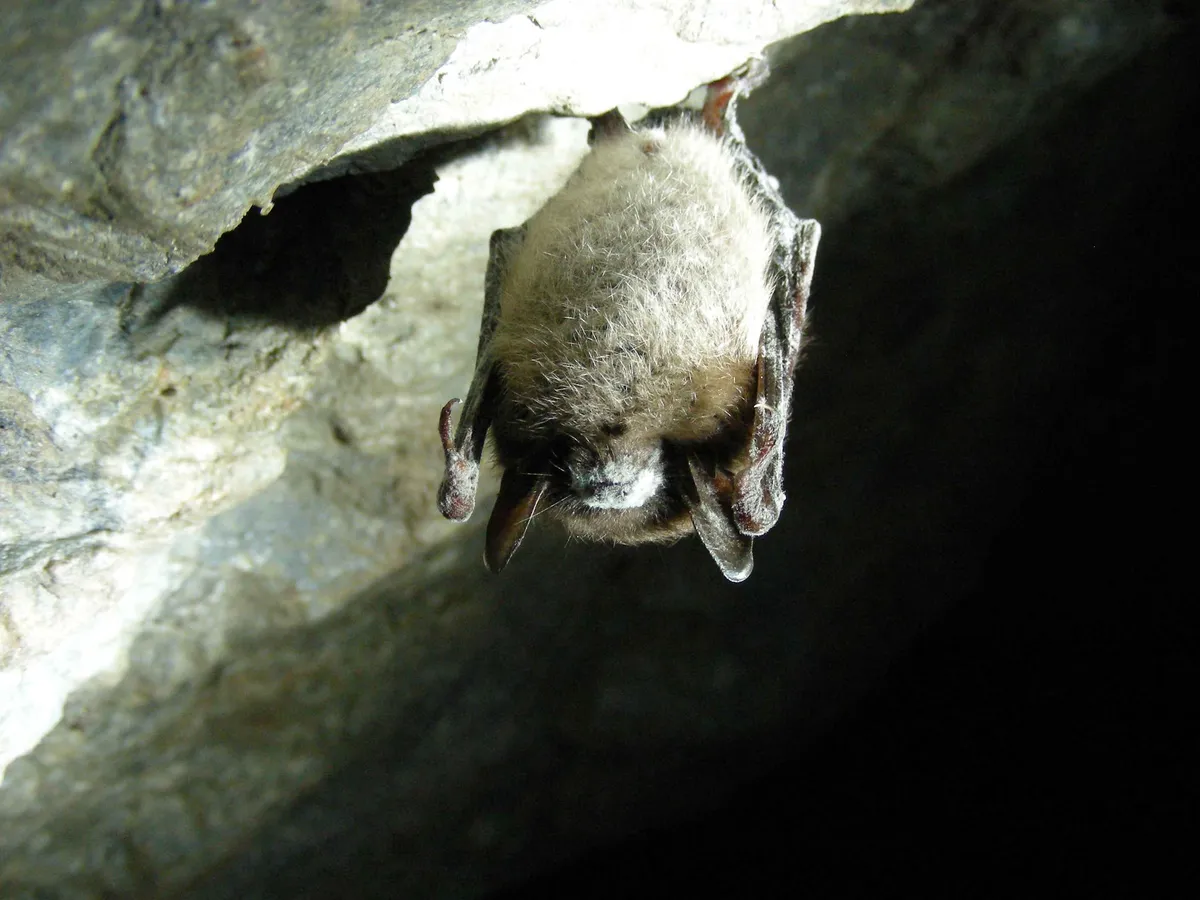
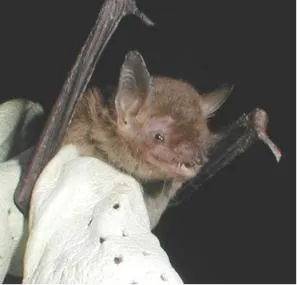
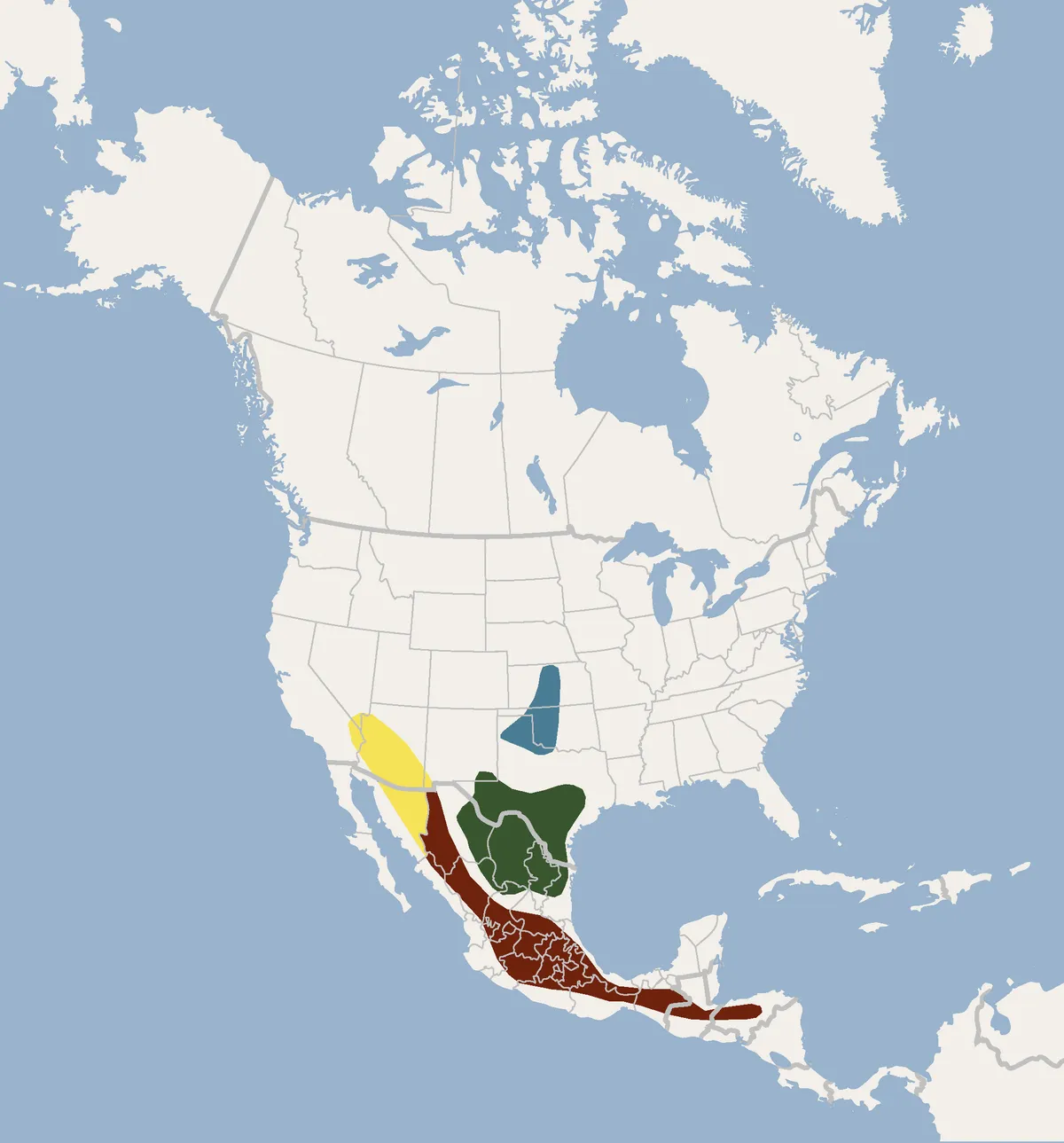
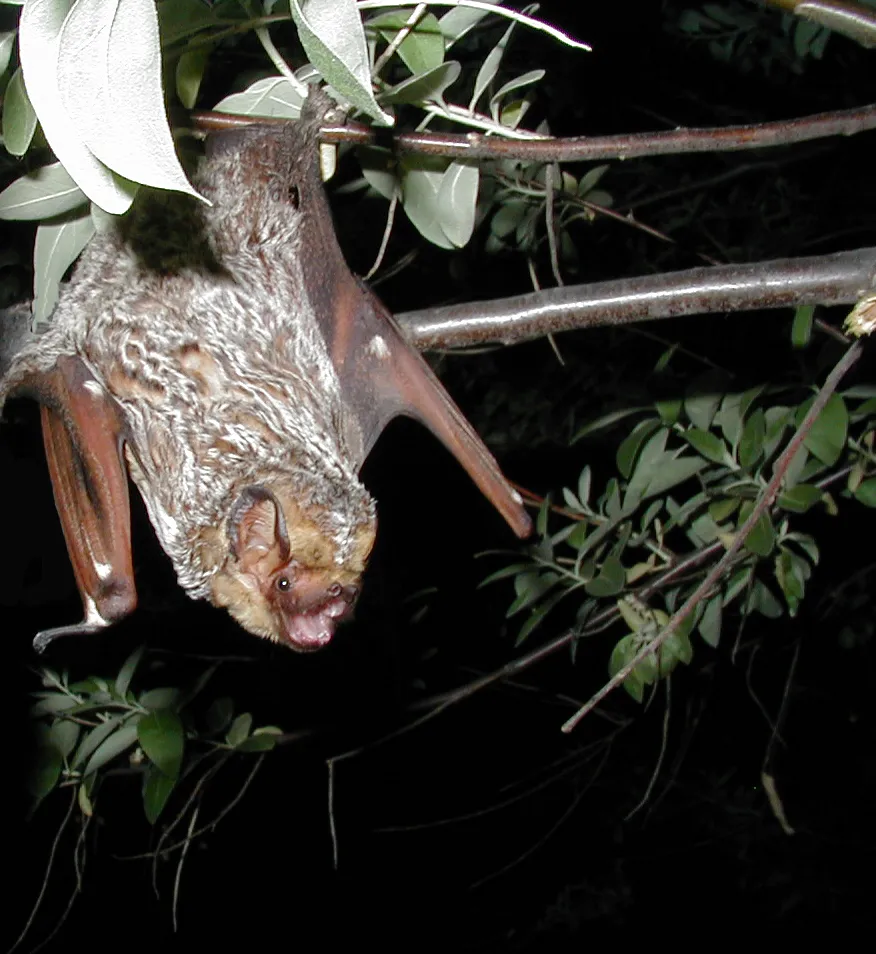
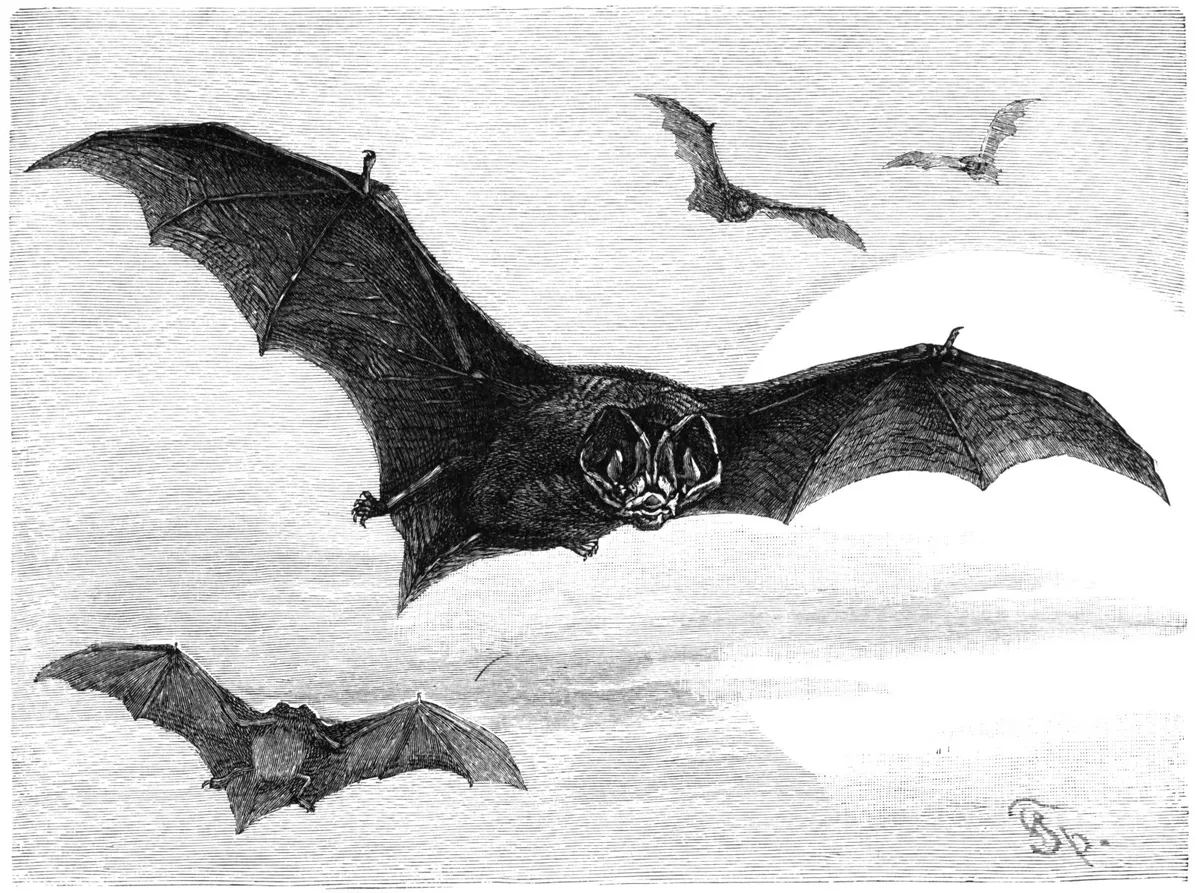
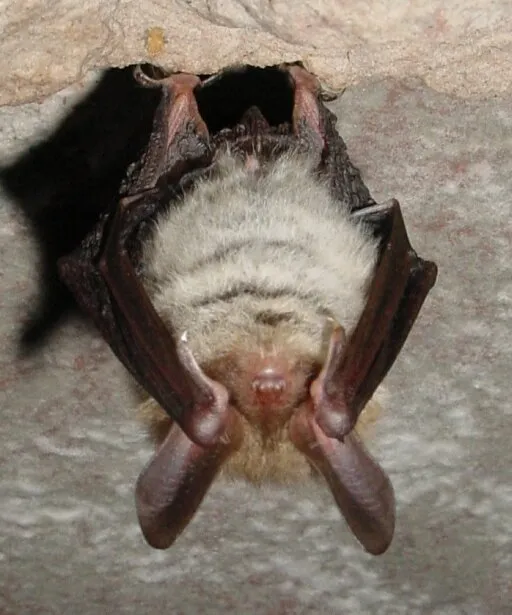
A medium-sized vesper bat species native to western and central regions of North America, characterized by its specialized cave-dwelling behavior and echolocation abilities.
Image Gallery
ADSENSE SLOT
Ecology & Habitat
Habitat
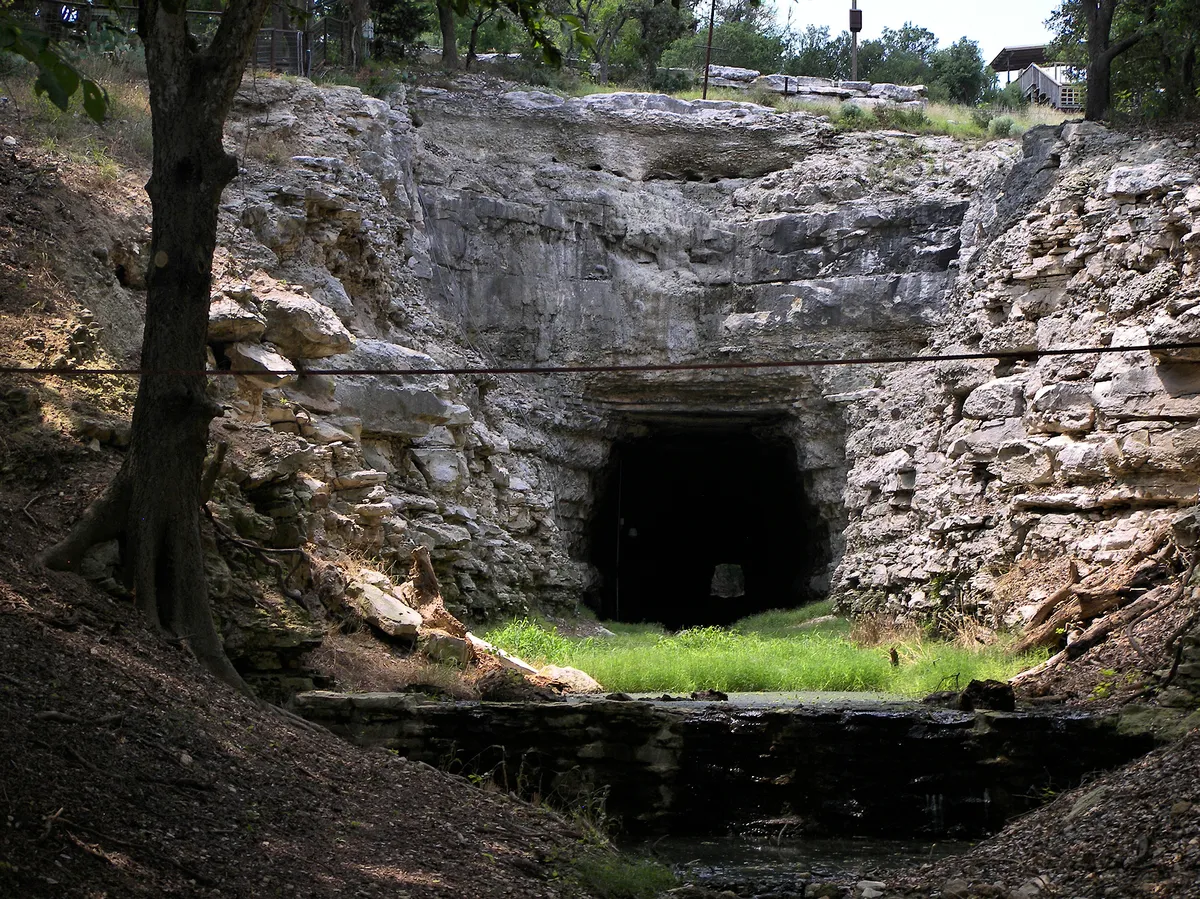
Primarily found in limestone cave systems, rocky outcrops, abandoned mines, and occasionally in human-made structures across southwestern United States and Mexico, typically in arid and semi-arid environments
Ecological Role
Critical role in insect population control, seed dispersal, and serving as prey for predatory species; contributes to ecosystem balance in arid and semi-arid regions
Morphology
SKIN COATDense, short fur typically dark brown to grayish-brown, providing thermal regulation and camouflage
LIMBS WINGSWingspan approximately 250-300 mm, membranous wings with flexible wing membranes enabling complex flight patterns
HEAD SENSORYLarge ears (15-18 mm), pronounced tragus, sophisticated echolocation system for navigation and hunting in dark environments
BODY STRUCTURECompact bat with total body length of 90-110 mm, weight ranging 10-15 g, streamlined body adapted for aerial maneuverability
Data Source: TaxonHub Database
Image Credit: Moriarty Marvin, U.S. Fish and Wildlife Service