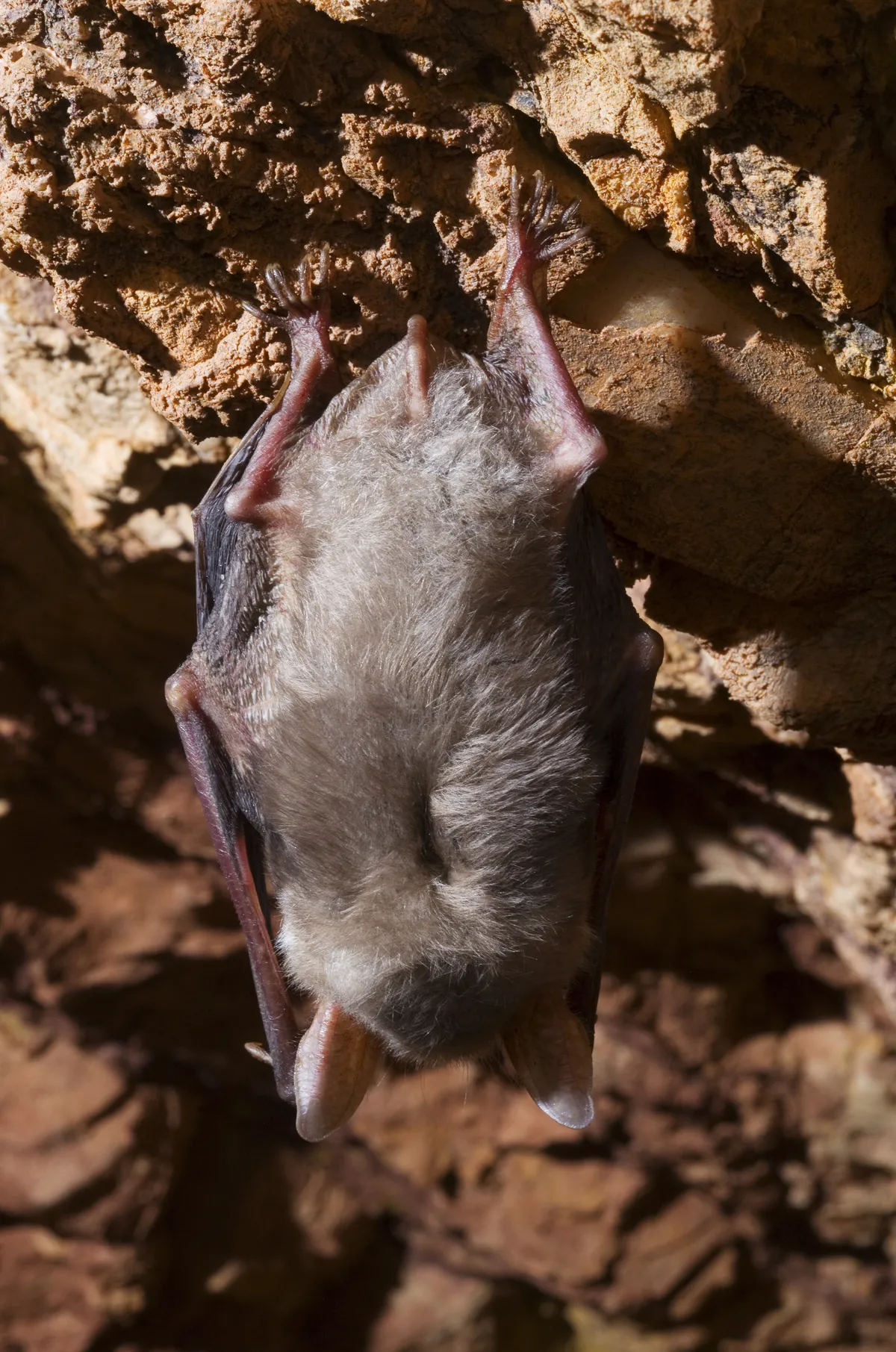
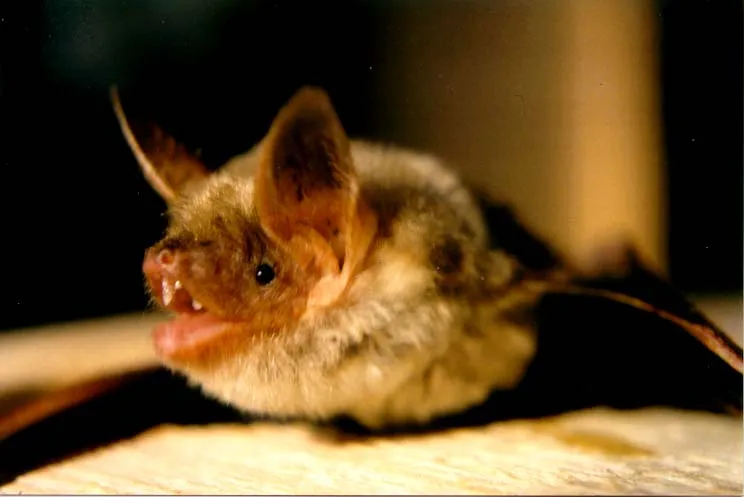
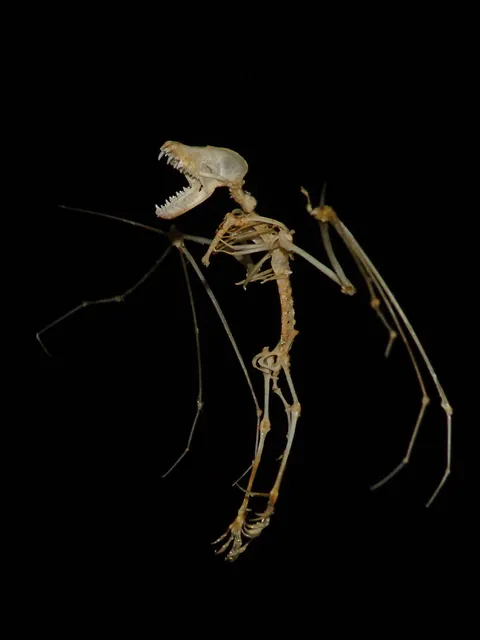
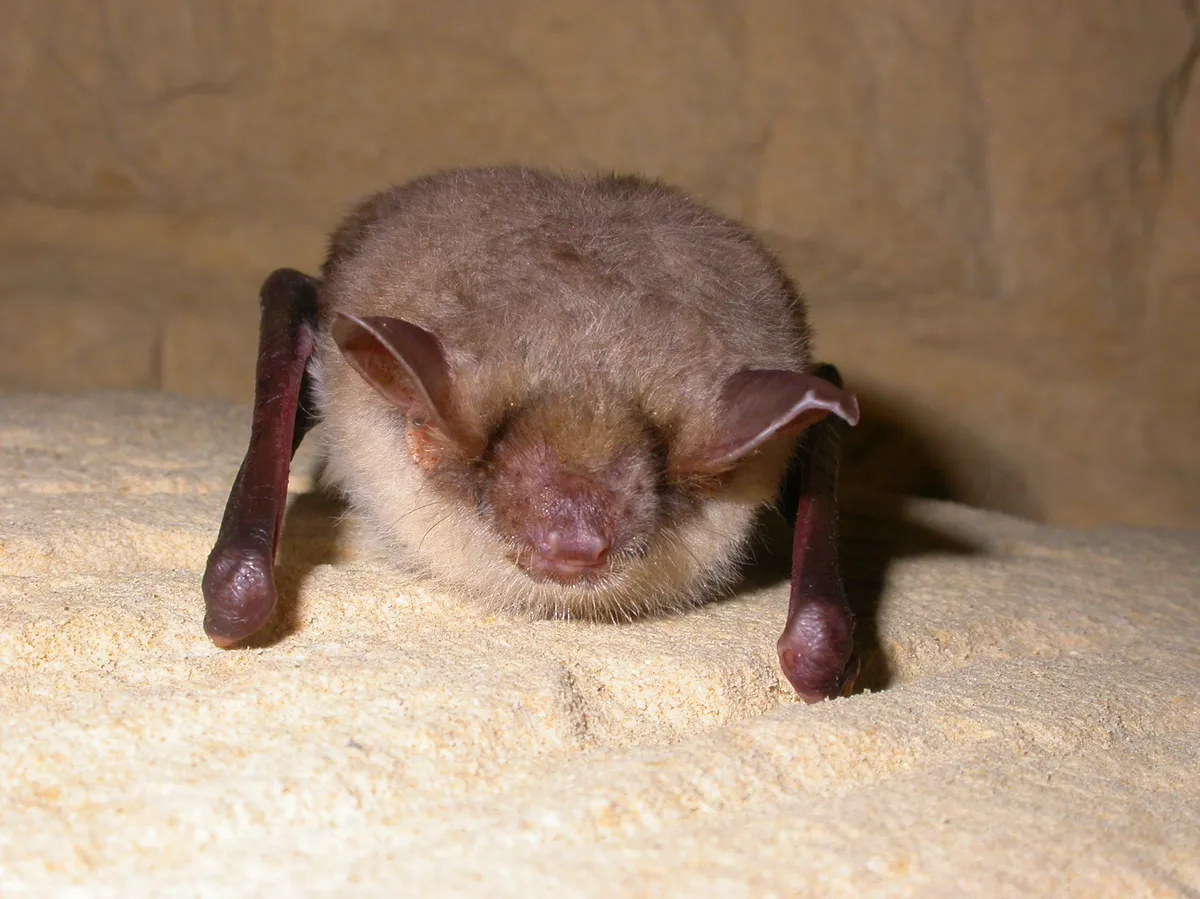
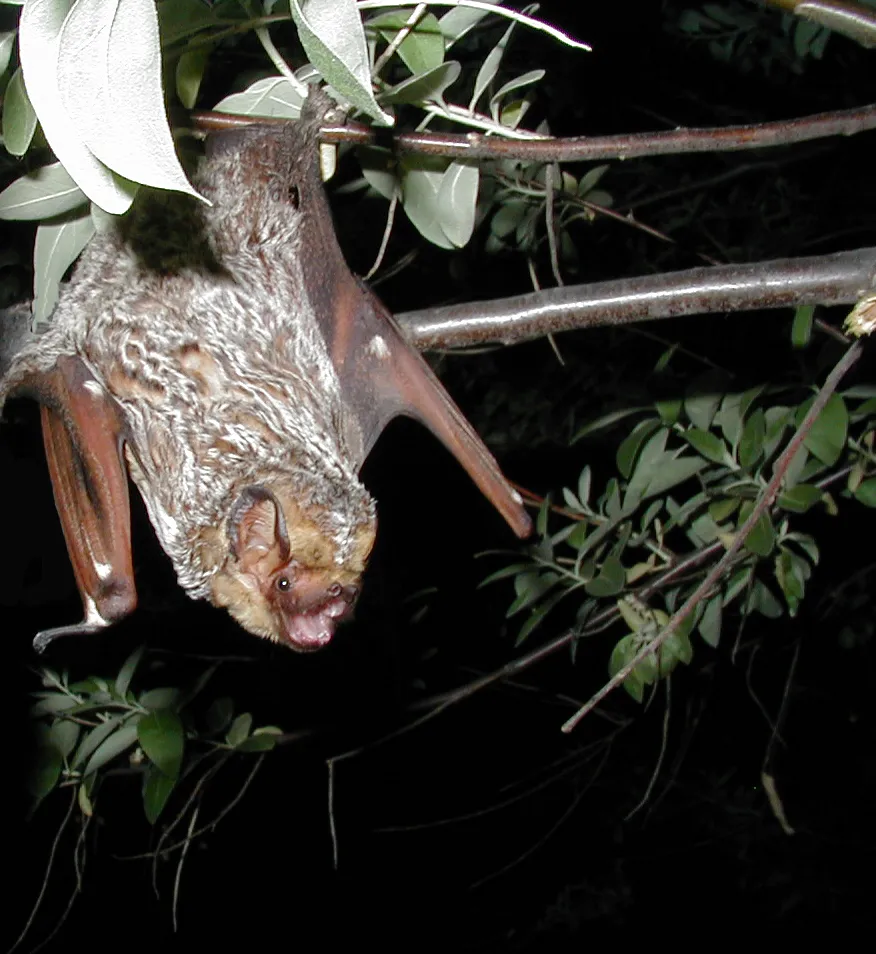
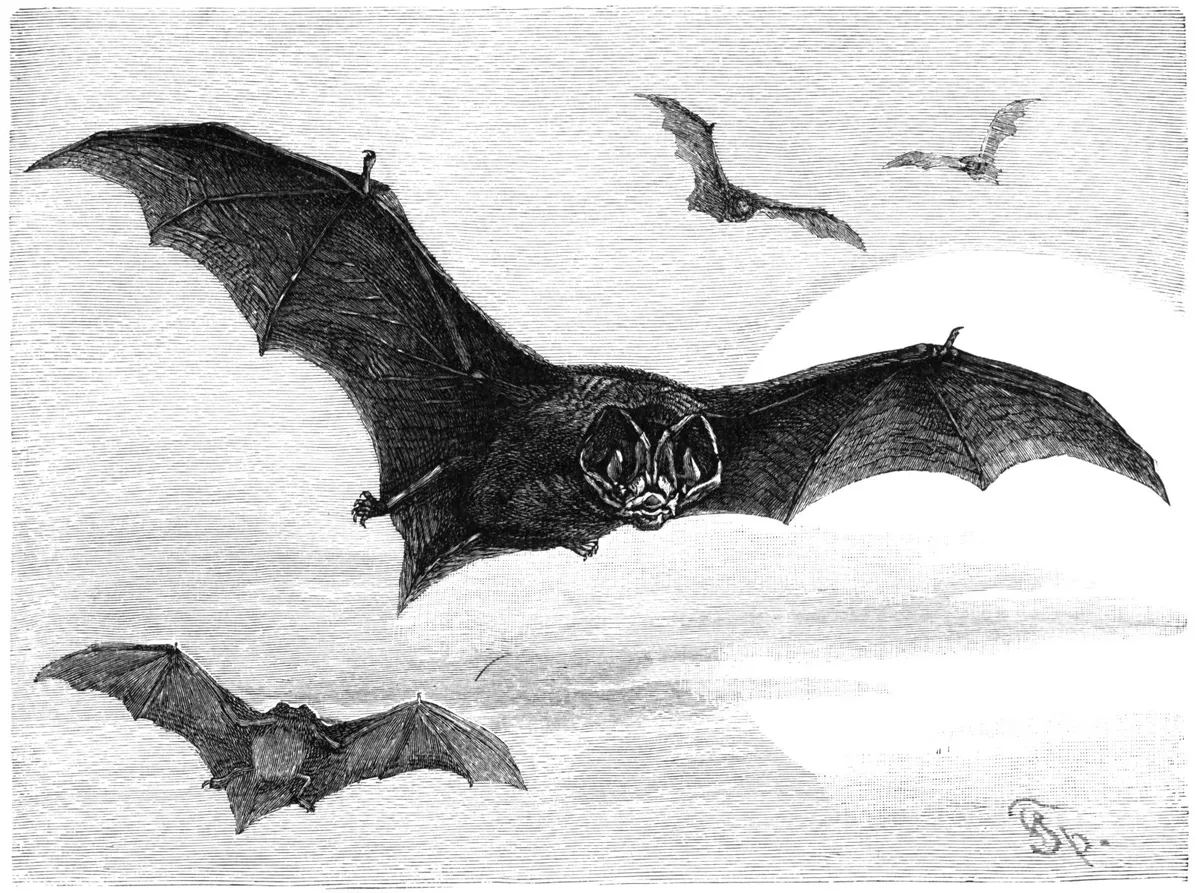
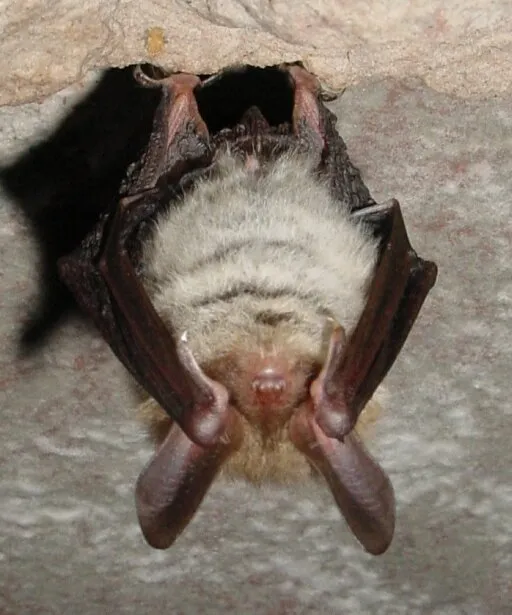
A large vespertilionid bat species native to Europe and North Africa, characterized by its substantial size and echolocation abilities for nocturnal hunting.
Image Gallery
ADSENSE SLOT
Ecology & Habitat
Habitat
Primarily found in temperate woodlands, forests, caves, and human-modified landscapes including rural buildings, attics, and abandoned structures across Mediterranean and Central European regions.
Ecological Role
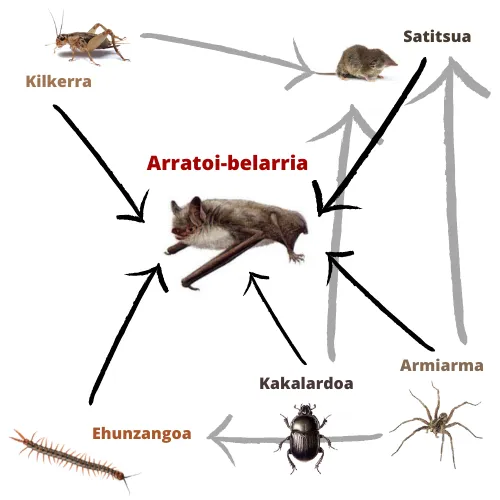
Critical for ecosystem balance as insectivorous predators, consuming significant quantities of nocturnal insects and contributing to natural pest control mechanisms.
Morphology
SKIN COATDense fur coloration ranging from light gray to dark brown, providing thermal insulation and camouflage in forest environments.
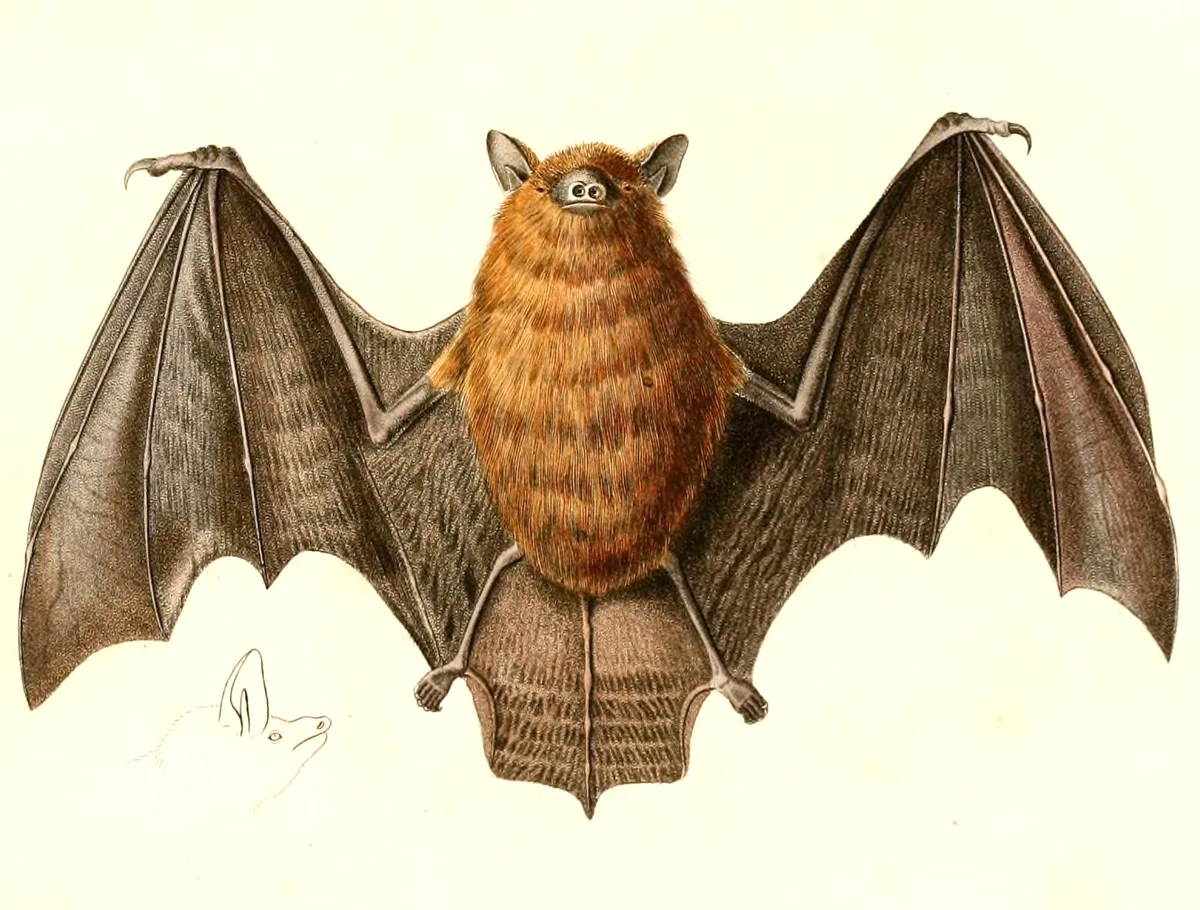
LIMBS WINGSBroad, elongated wings with dark brown to grayish membrane, enabling agile flight and efficient maneuverability during nocturnal hunting.
HEAD SENSORYLarge ears extending beyond nose tip when folded forward, advanced echolocation capabilities using high-frequency sound emissions for prey detection.
BODY STRUCTURELarge bat with body length ranging 6-8 cm, wingspan 35-45 cm, and body mass of 20-40 g. Robust and muscular construction adapted for aerial hunting.
Data Source: TaxonHub Database
Image Credit: Petr Vodička