A small vespertilionid bat species endemic to Eurasia, known for its nocturnal insectivorous behavior and specialized echolocation capabilities.
Image Gallery
ADSENSE SLOT
Ecology & Habitat
Habitat
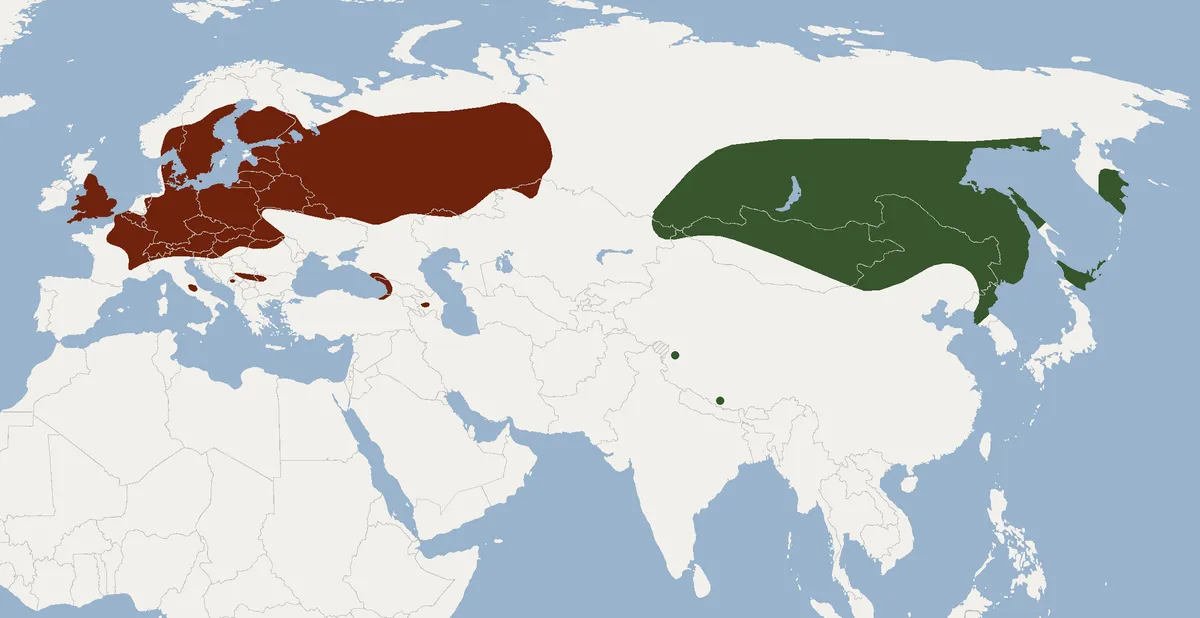
Temperate and boreal forest regions, including deciduous and coniferous woodlands, predominantly in Eastern Europe and Central Asia, with elevations ranging from 0-2,000 meters above sea level.
Ecological Role
Critical for insect population control, pollination, and serving as a key indicator species for ecosystem health and biodiversity in forest environments.
Morphology
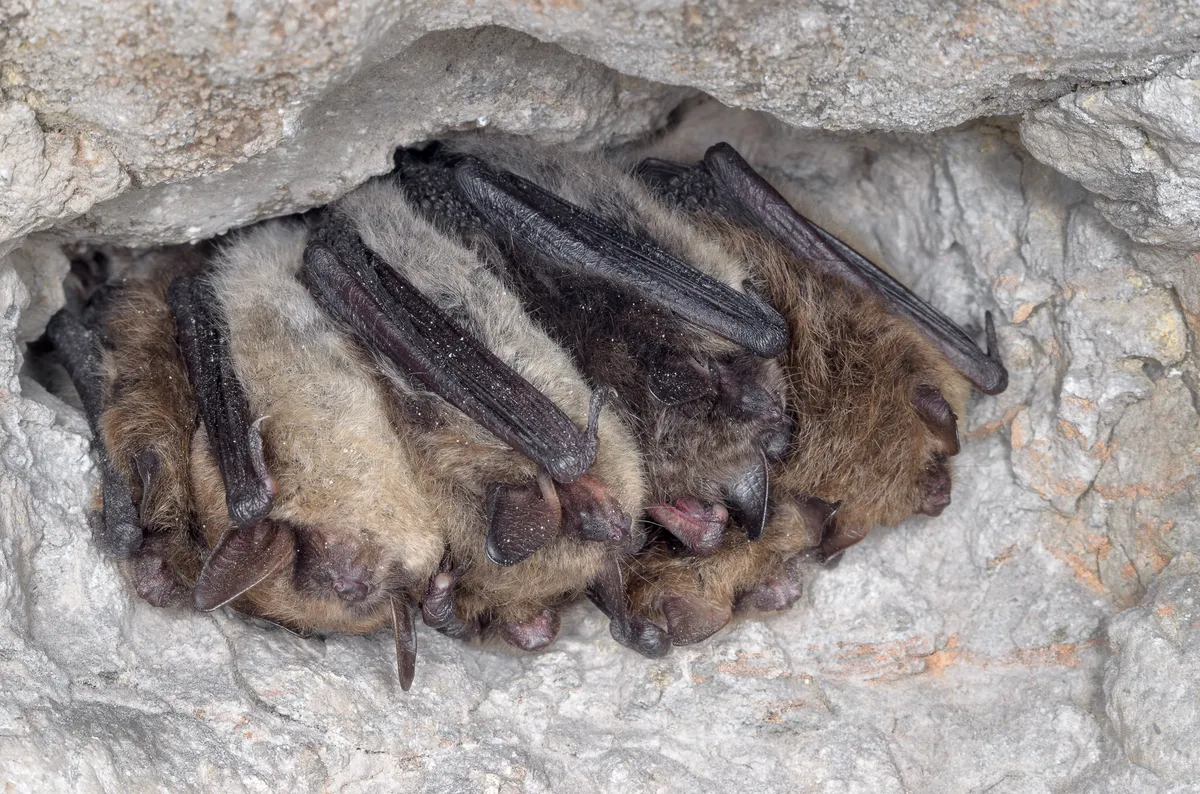
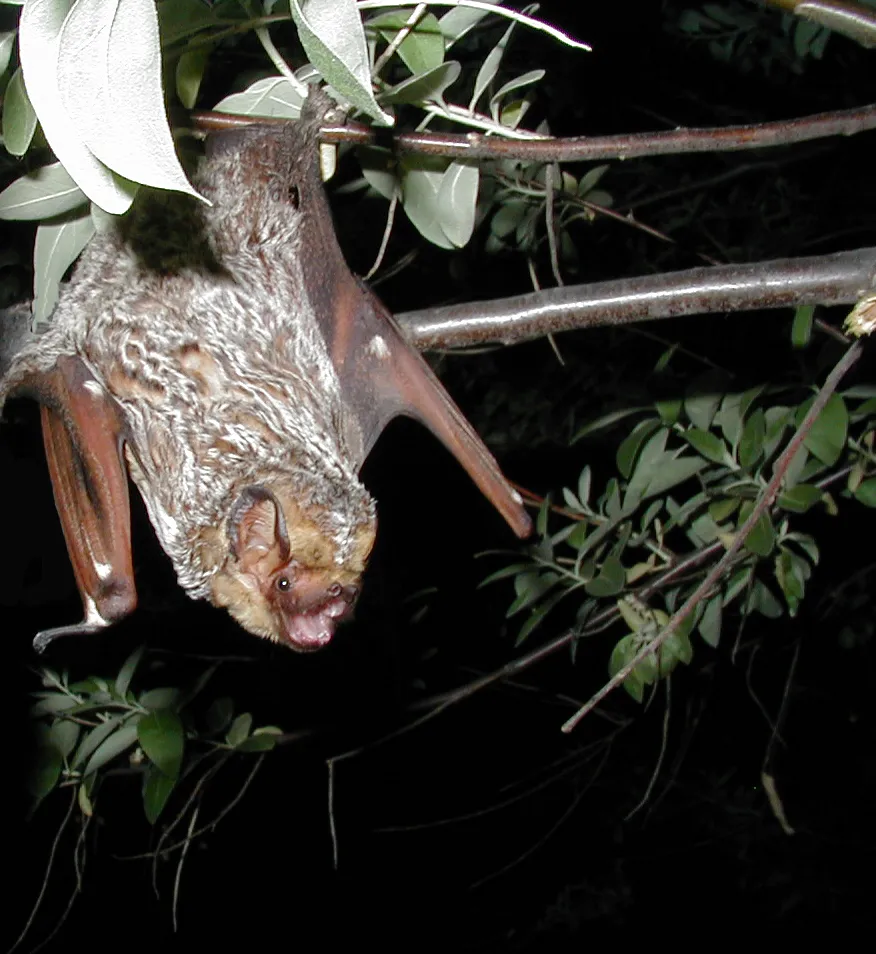
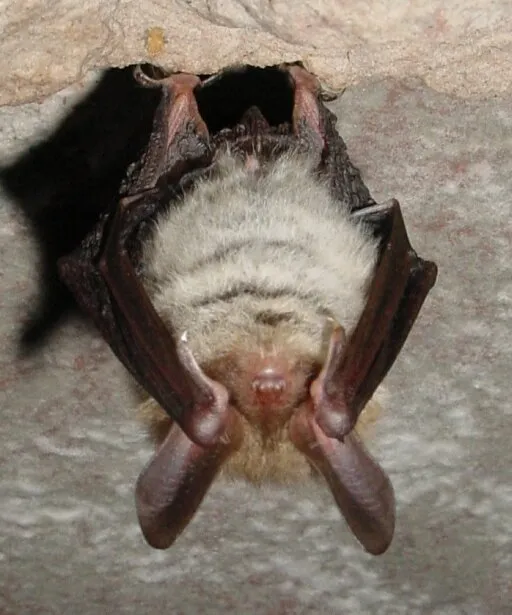
SKIN COATDense fur, typically grayish-brown to dark brown, with lighter underside, providing thermal regulation and camouflage
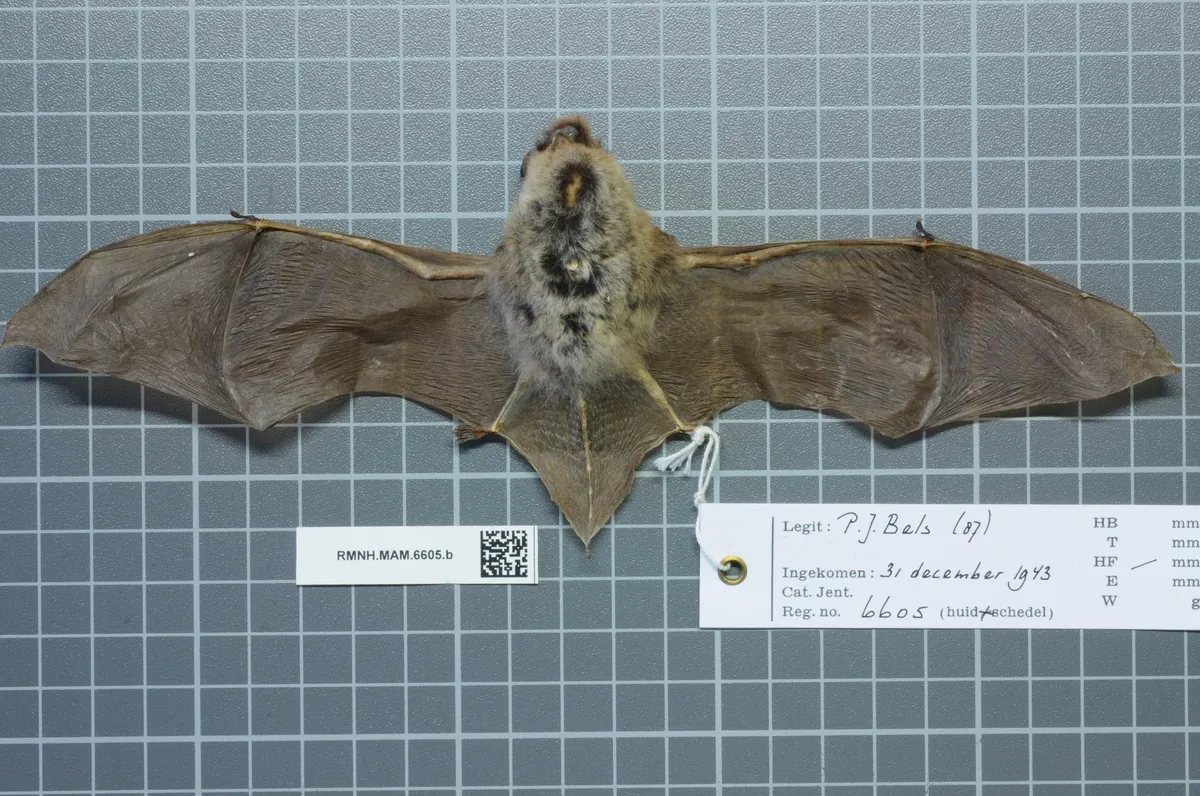
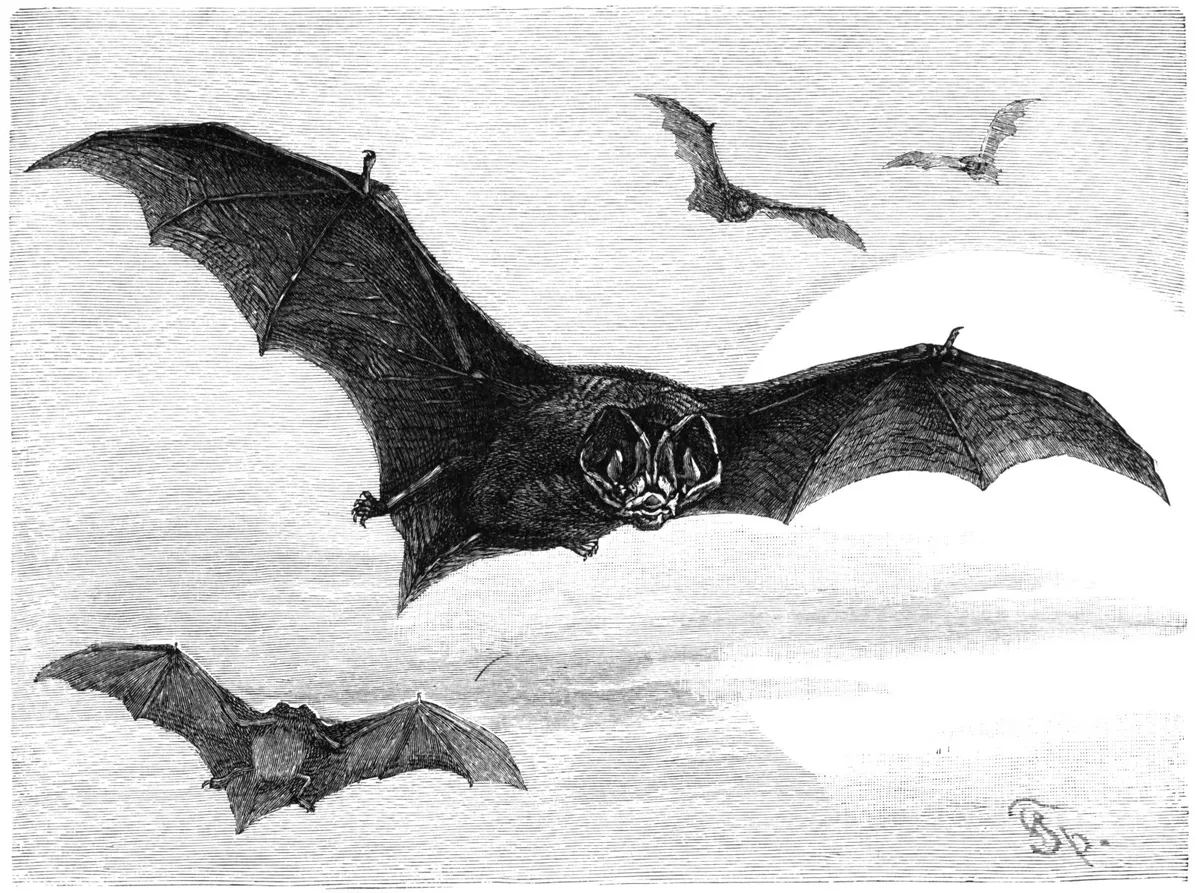
LIMBS WINGSWingspan of 220-250 mm, thin membrane-like wings with dark brown to grayish coloration, adapted for precise flight and insect hunting
HEAD SENSORYLarge ears (14-17 mm), rounded tragus, pronounced nasal structures for advanced echolocation, sharp hearing range of 20-120 kHz
BODY STRUCTURESmall bat with total body length of 40-55 mm, body mass between 6-12 grams, characterized by a slender physique adapted for aerial maneuverability