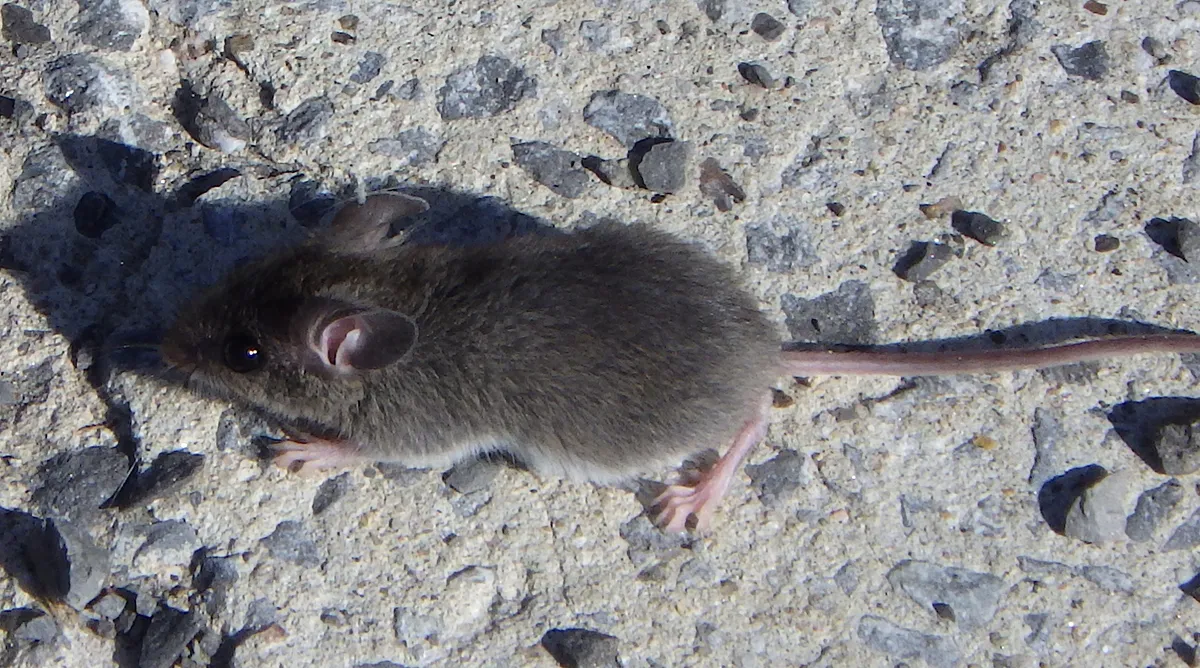
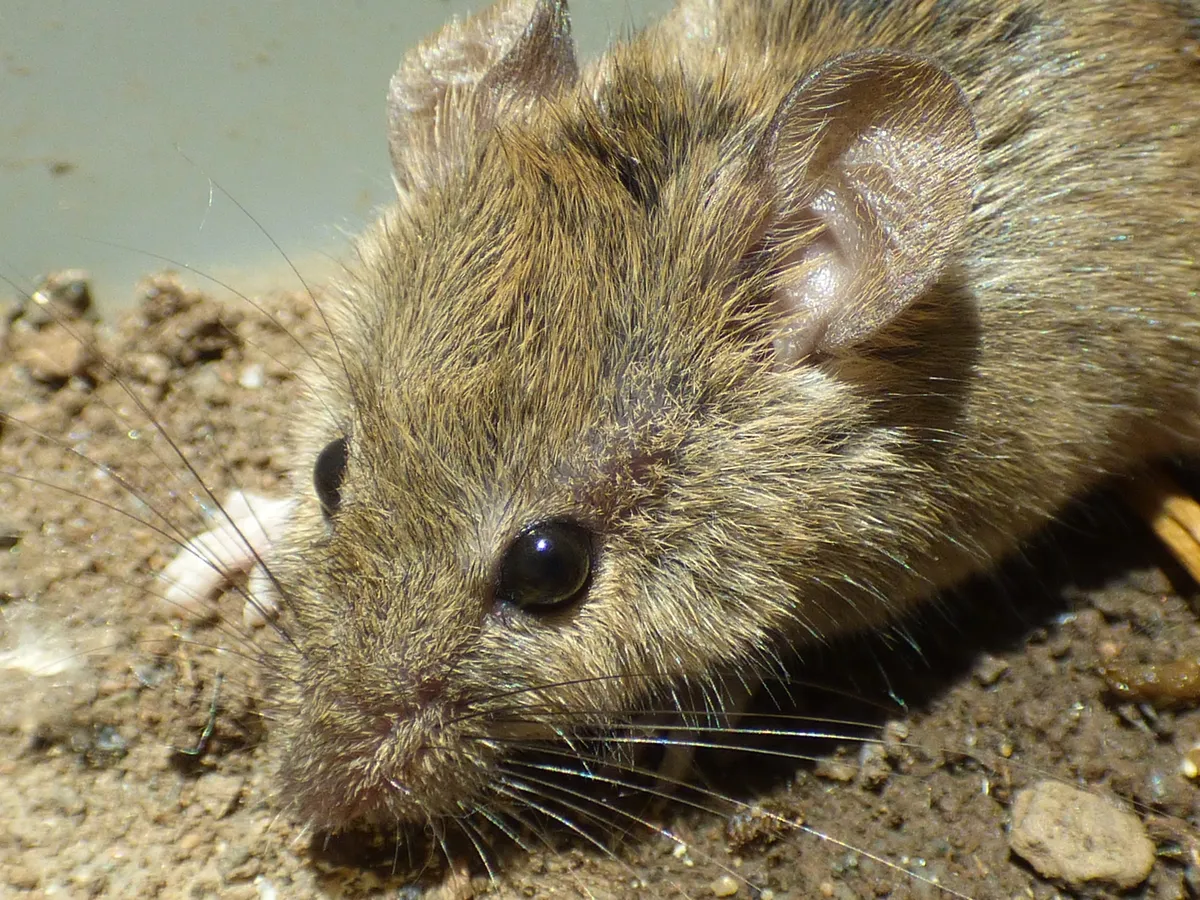
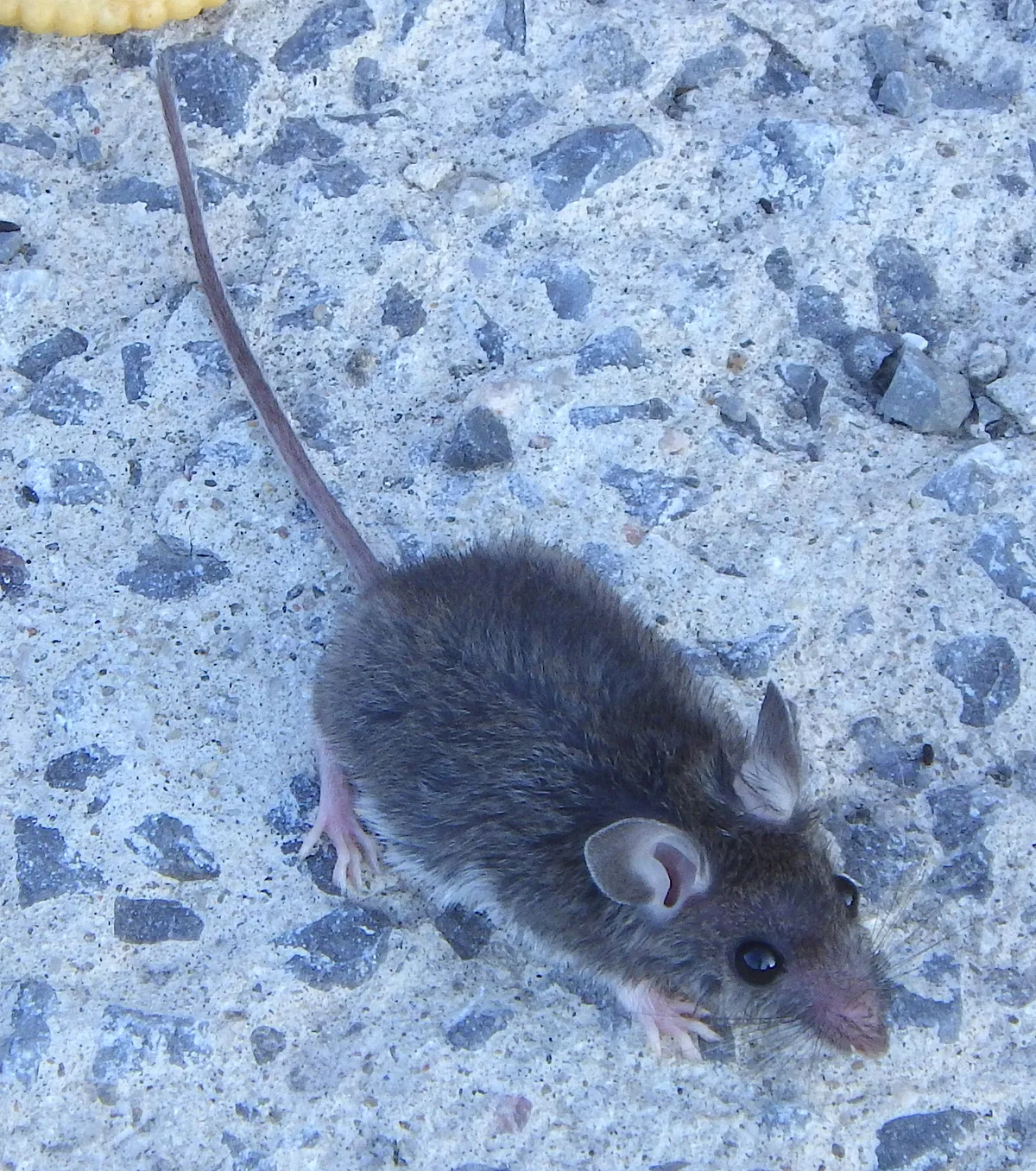
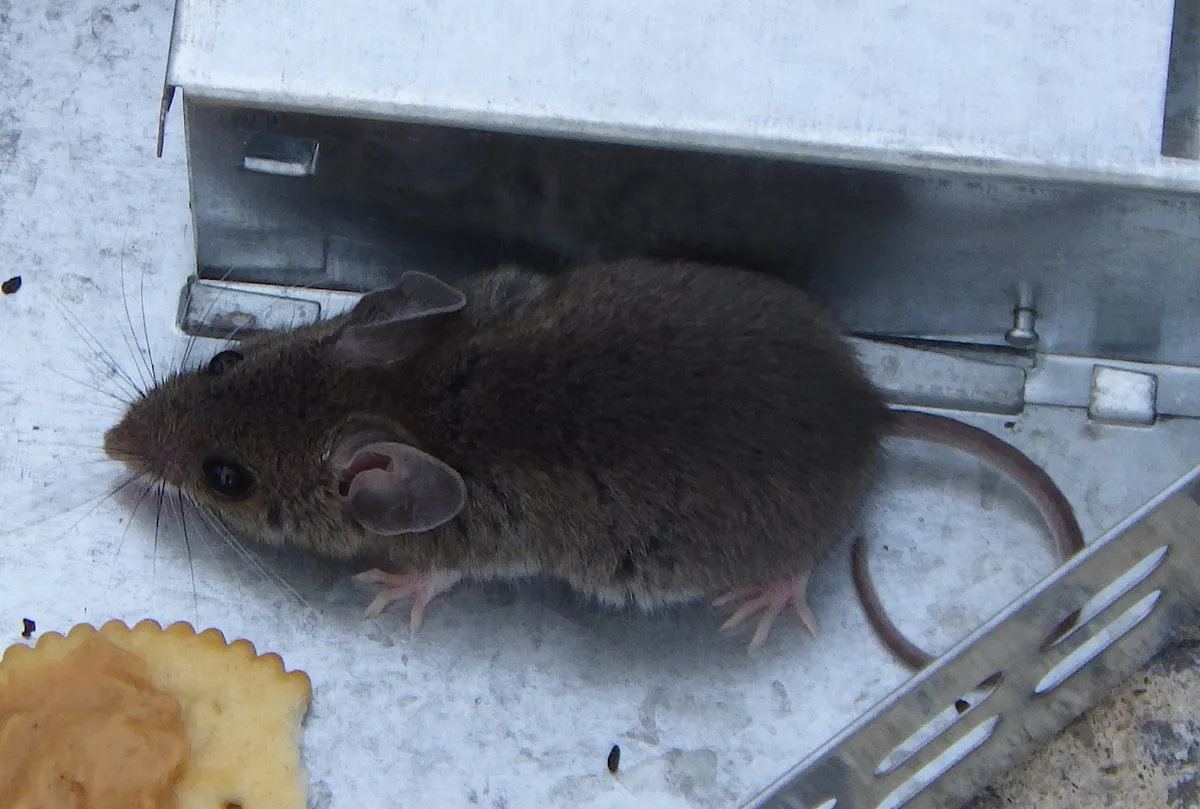
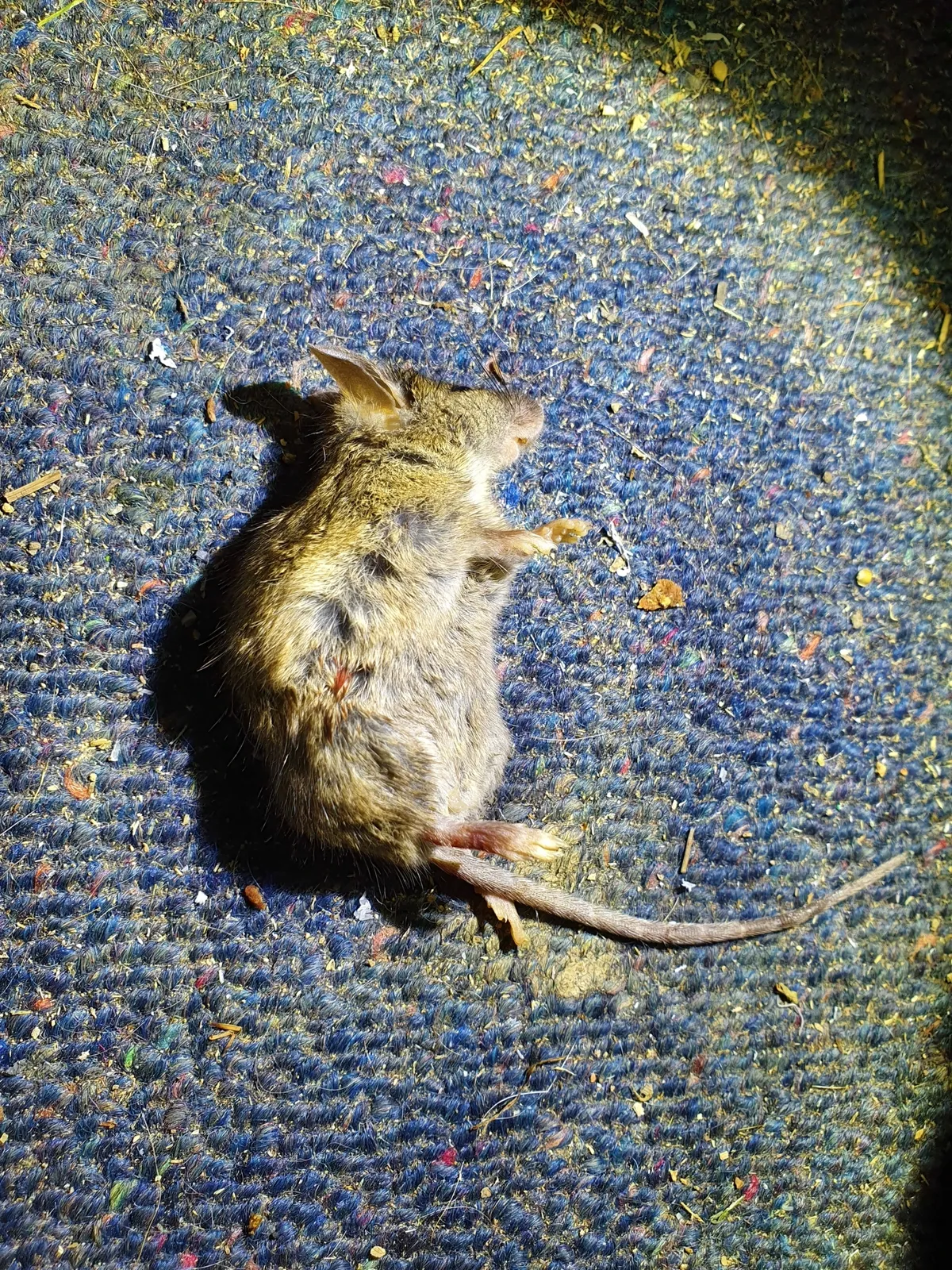
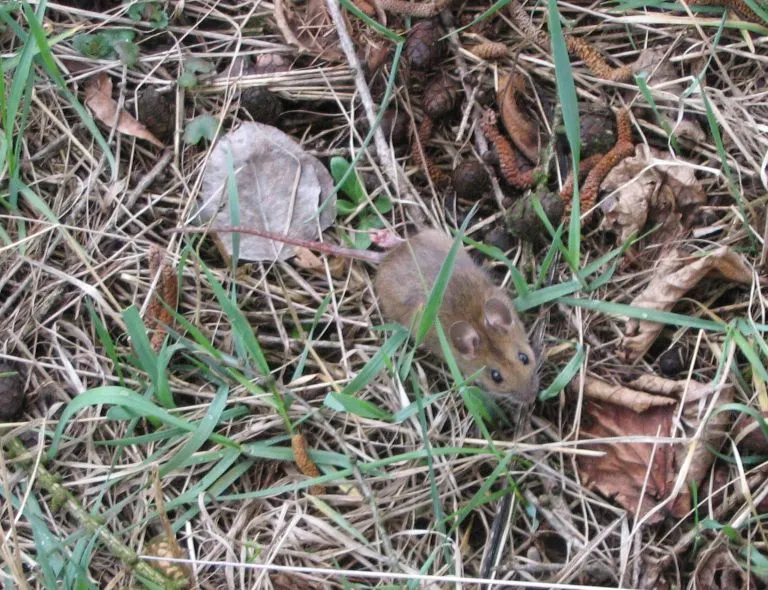
Small rodent species ubiquitous worldwide, known for its adaptability and close association with human habitations. Highly successful synanthropic mammal with remarkable genetic diversity and rapid reproductive capabilities.
Image Gallery
ADSENSE SLOT
Ecology & Habitat
Habitat
Cosmopolitan distribution across diverse environments including urban, suburban, agricultural, and wilderness landscapes. Thrives in human-modified ecosystems with abundant food sources and shelter.
Ecological Role
Critical role in ecosystem functioning as prey species, seed dispersers, and indicators of environmental health. Significant model organism in scientific research across genetics, behavior, and biomedical studies.
Morphology
SKIN COATFine, short fur ranging from light gray to brown. Thin, flexible skin with high metabolic adaptability.
LIMBS WINGSFour limbs with dexterous forelimbs, capable of precise manipulation. Hindlimbs adapted for quick locomotion, jumping, and climbing.
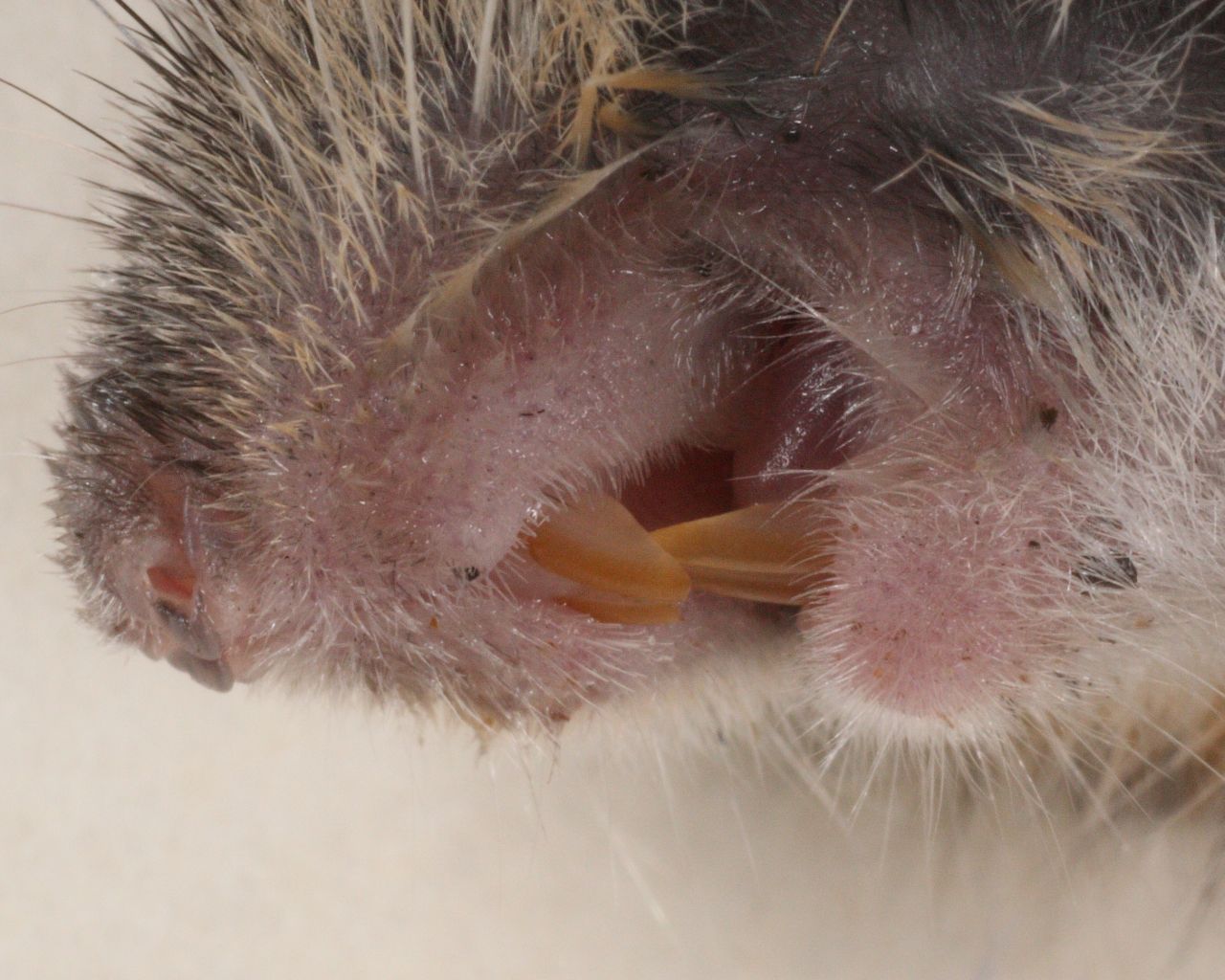
HEAD SENSORYPointed snout, large rounded ears, sensitive whiskers for environmental navigation. Excellent hearing and olfactory capabilities for predator detection and communication.
BODY STRUCTURESmall-bodied rodent, typically 7-10 cm body length, weighing 15-40 g. Slender, streamlined physique adapted for rapid movement and compact living spaces.
Data Source: TaxonHub Database
Image Credit: Ahunt