TaxonHub
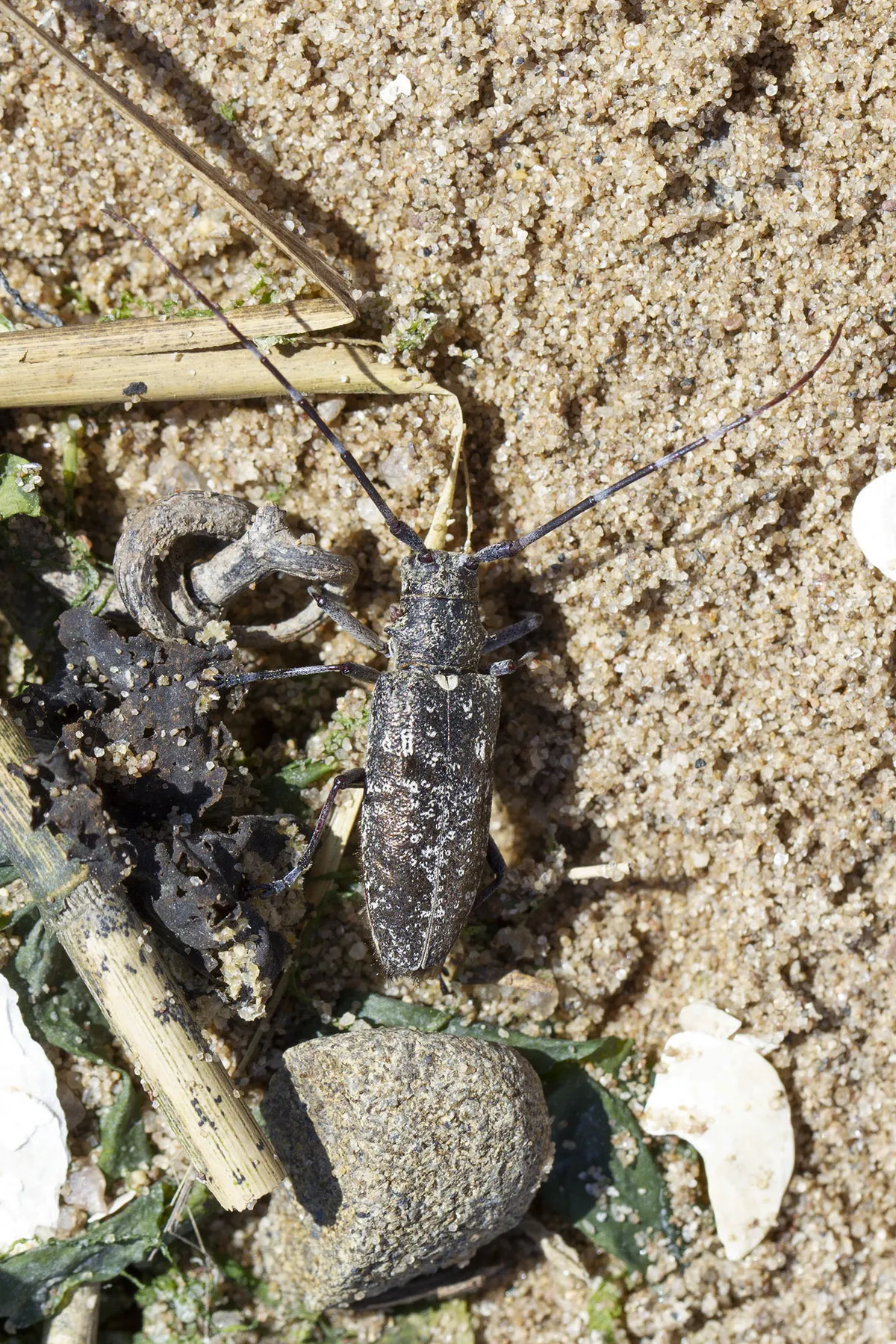
Whitespotted Sawyer

Whitespotted Sawyer

Monochamus scutellatus

A large longhorn beetle species native to North American forests, characterized by distinctive white markings and significant ecological interactions with coniferous trees.
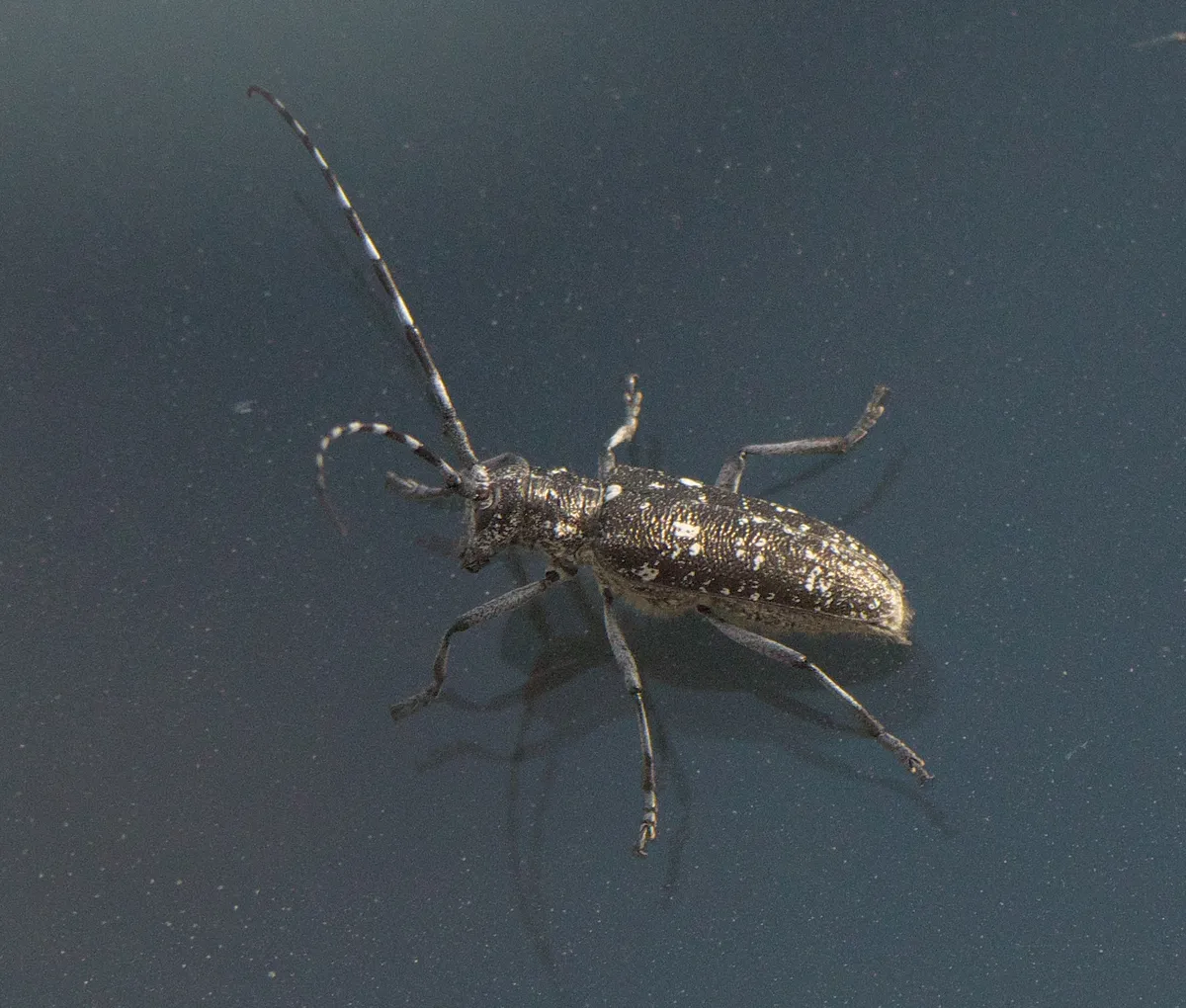
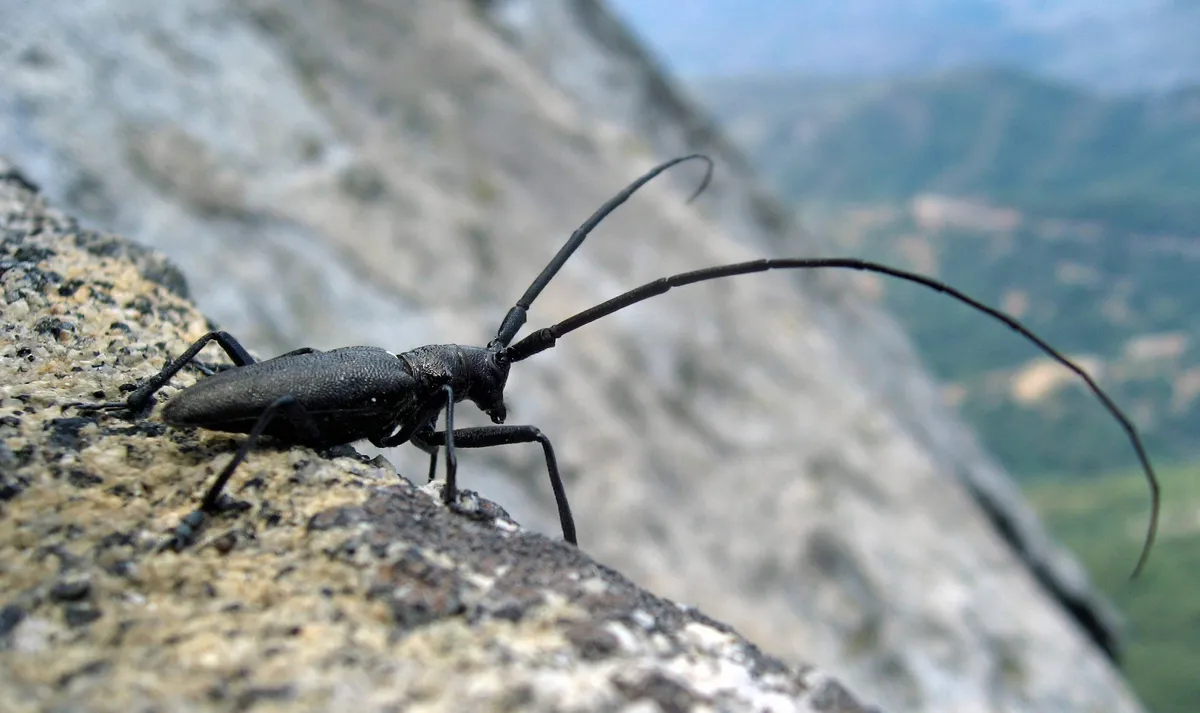
Image Gallery

Whitespotted Sawyer
Whitespotted Sawyer
Whitespotted Sawyer
Whitespotted Sawyer
Whitespotted Sawyer
ADSENSE SLOT

Ecology & Habitat

Habitat

Coniferous forest ecosystems across North America, predominantly in spruce, pine, and fir forests of Canada and the United States, ranging from boreal to temperate forest zones

Ecological Role

Critical wood-boring insect species that plays significant roles in forest decomposition, nutrient cycling, and serving as a vector for wood-decay fungi and potential tree pathogen transmission
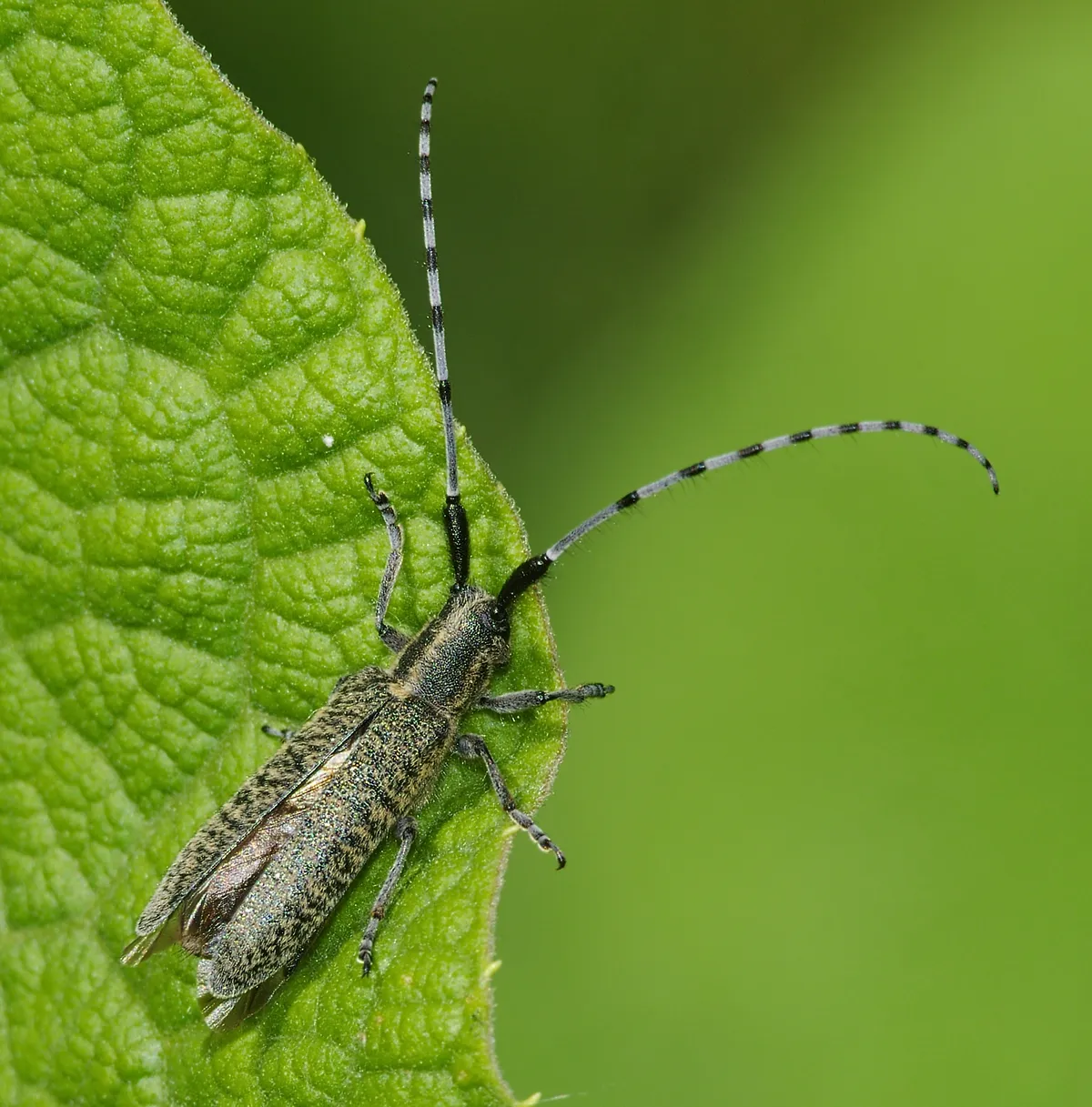
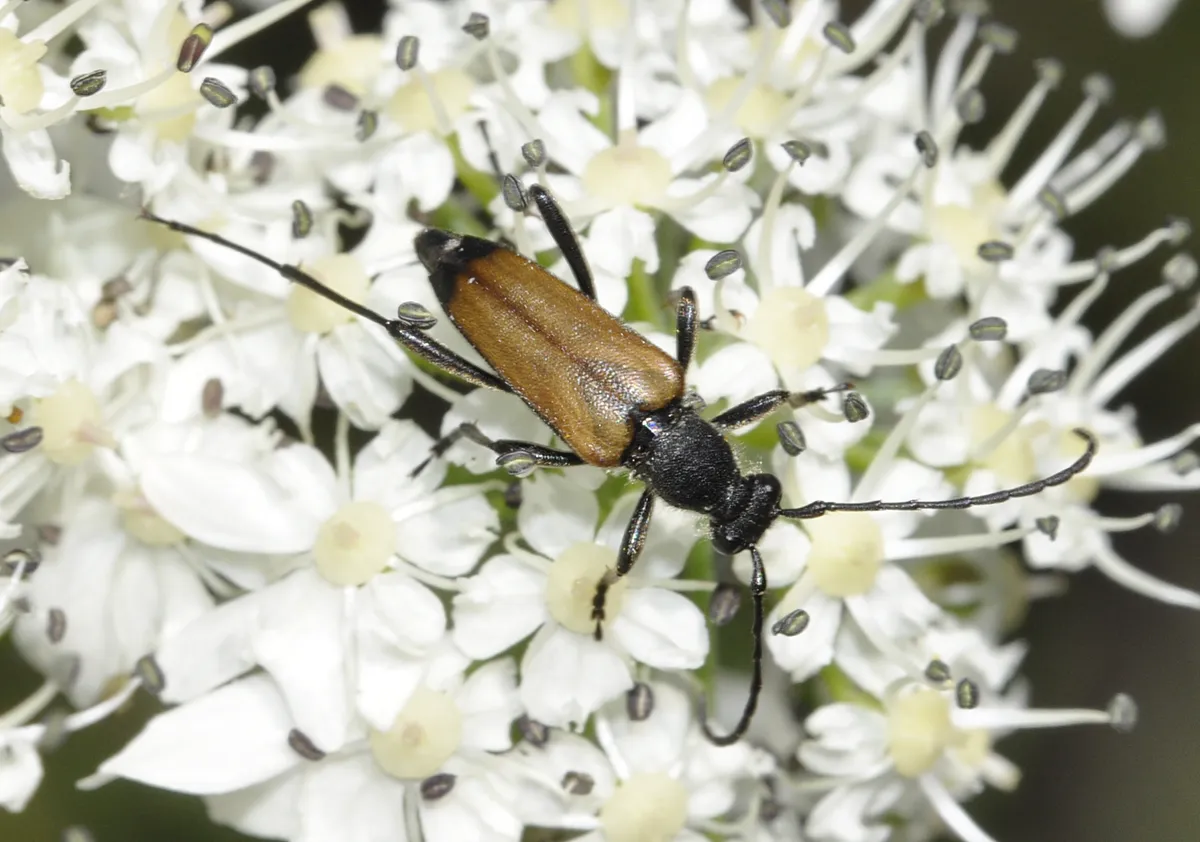
Morphology

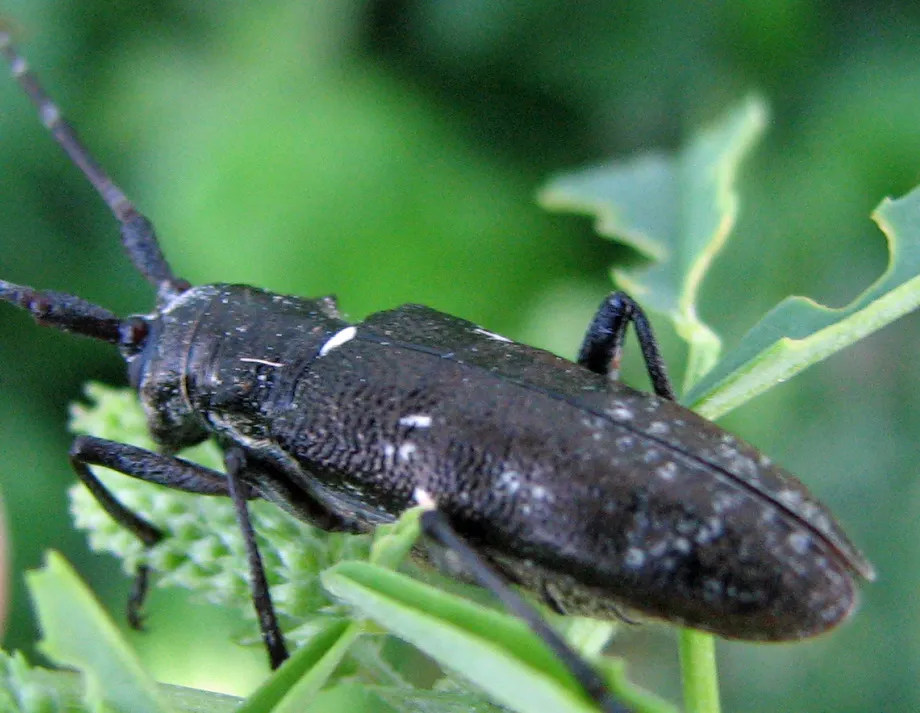
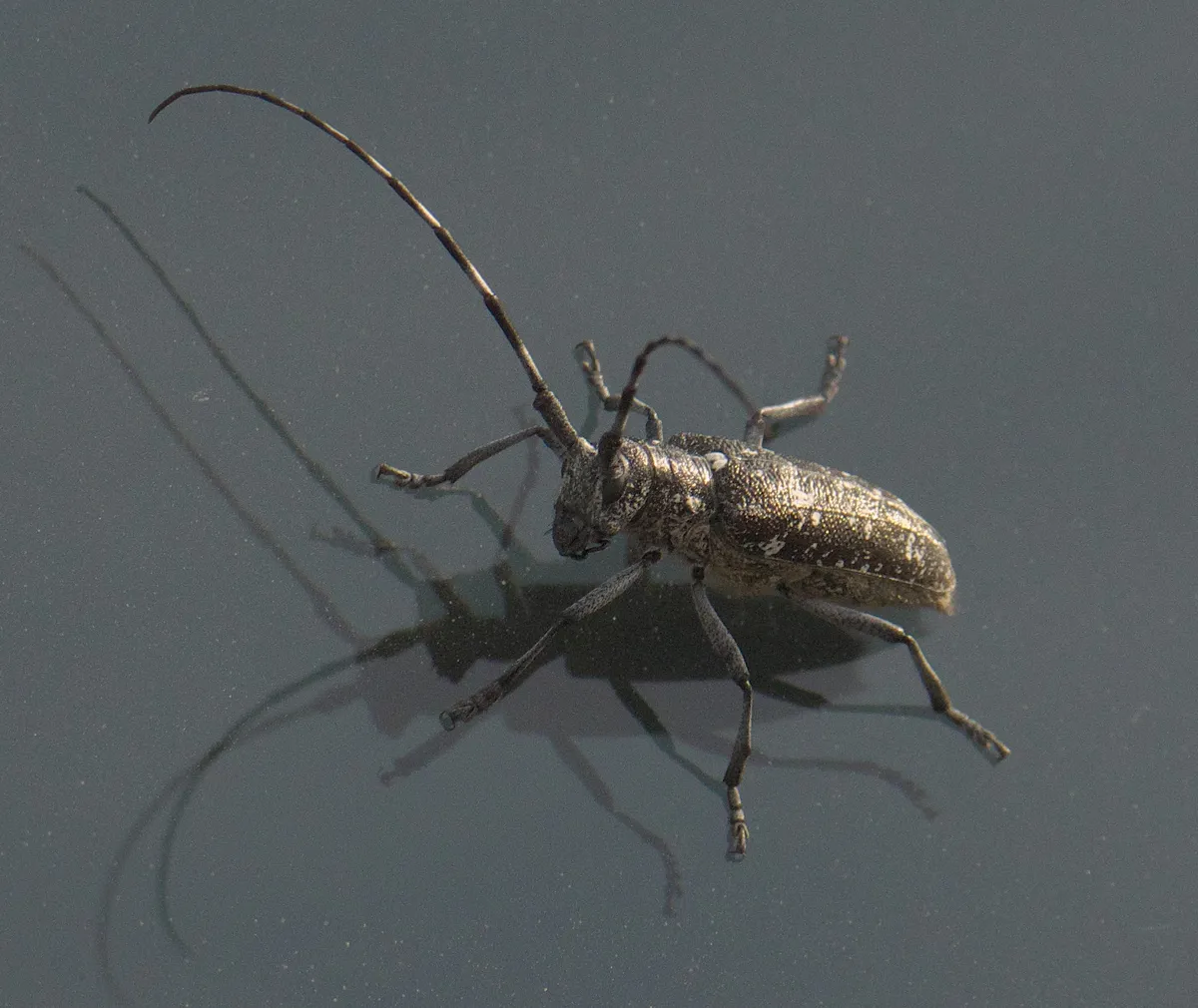
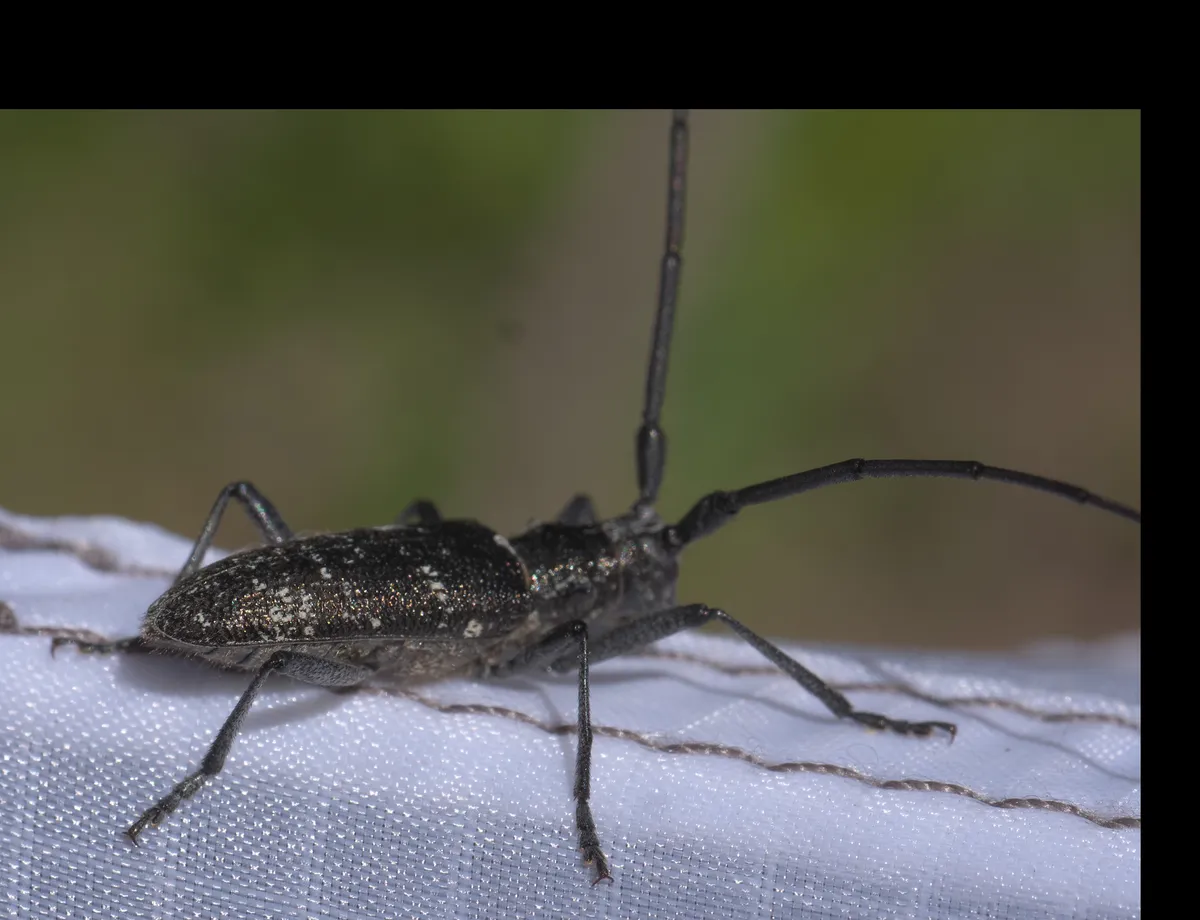
  • SKIN COAT Dark brown to black exoskeleton with distinctive white or grayish mottled markings, providing camouflage in woody environments
  • LIMBS WINGS Strong legs adapted for climbing and traversing wood surfaces, with elytra covering functional membranous hindwings used for flight
  • HEAD SENSORY Prominent compound eyes, long sensory antennae used for chemical and tactile communication, specialized for detecting wood substrate and potential mates
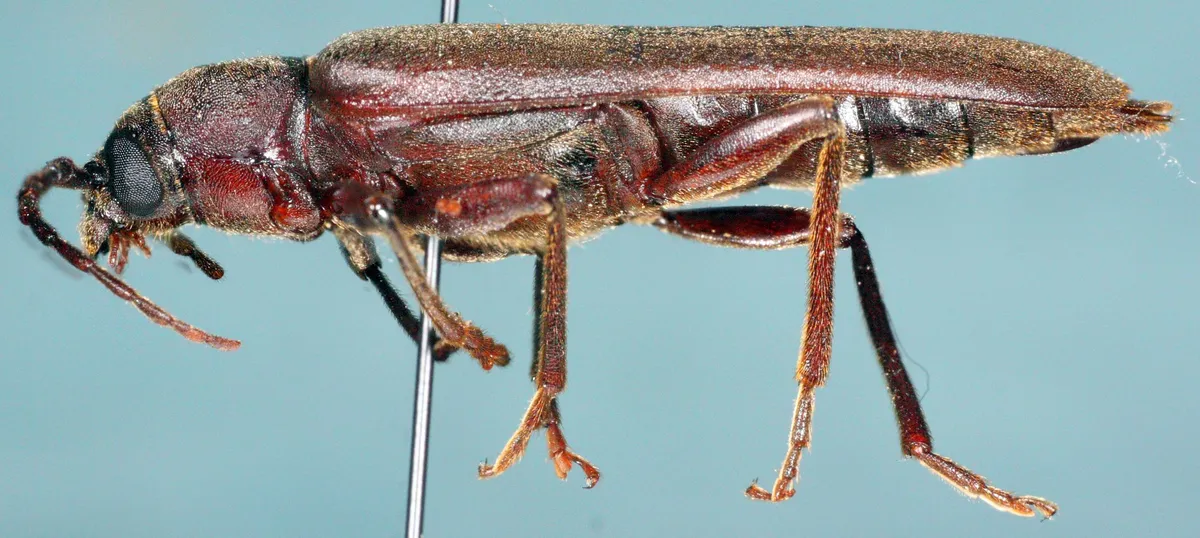
  • BODY STRUCTURE Large elongated beetle, typically 15-35 mm in length, with robust cylindrical body and elongated antennae characteristic of Cerambycidae family
Data Source: TaxonHub Database
Image Credit: Kristof Zyskowski & Yulia Bereshpolova
ADSENSE VERTICAL

Related Species in Cerambycidae